Garden Blog - Top Tropicals
Date: 21 Sep 2026
The Secret Tree Behind Chanel No 5 - and How to Grow Your Own Ylang Ylang Tree
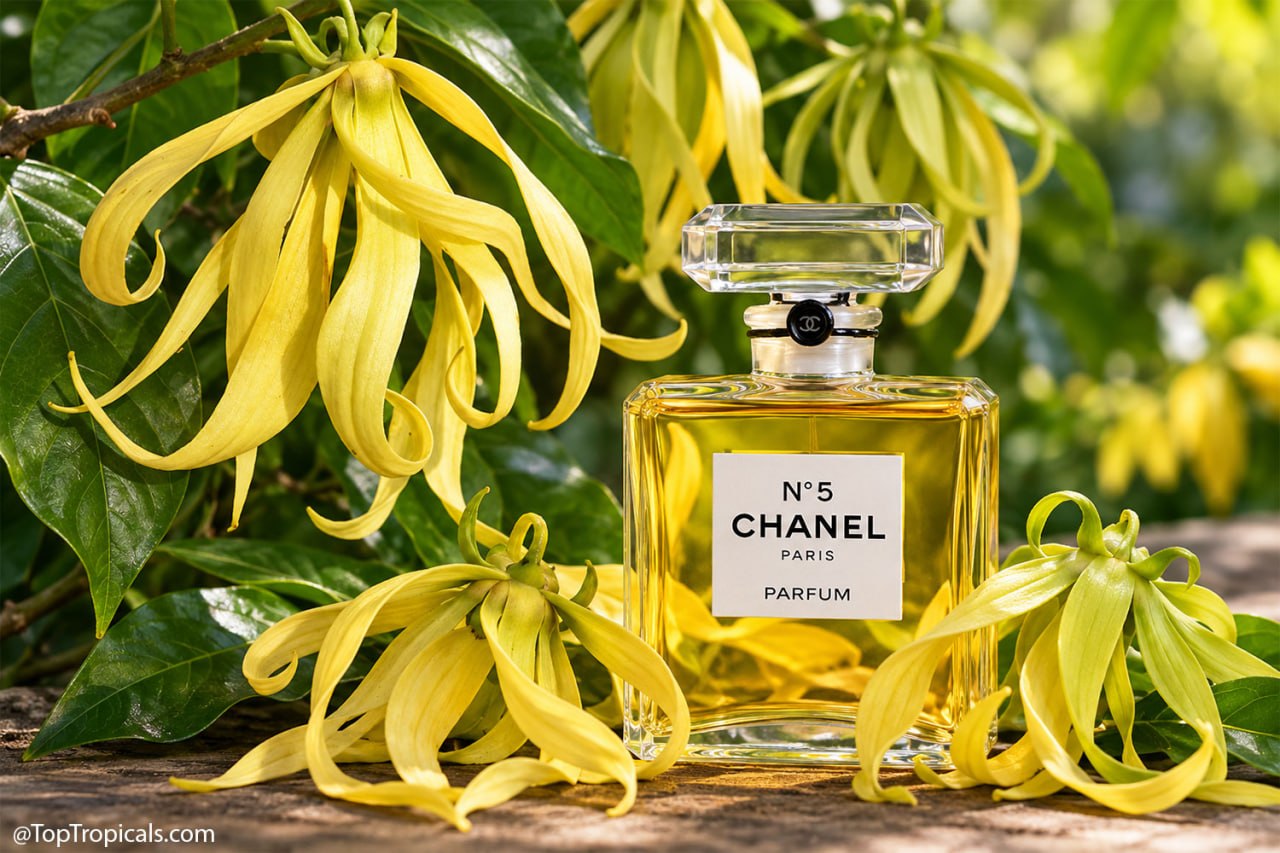
⭐️ The Secret Tree Behind Chanel No 5 - and How to Grow Your Own Ylang Ylang Tree
It doesn’t look like a million-dollar flower.
The petals are long, narrow, and twisted, dangling from branches like muted yellow-green ribbons. In a garden, you could easily walk past without giving them a second glance. Then, the wind shifts - and you smell it. This is Cananga odorata - Ylang-Ylang. While jasmine and rose get most of the glory, Ylang-Ylang is the secret engine behind Chanel No. 5, providing the iconic perfume with its lush, velvet-like warmth.
The best part? You don't need a high-end department store to experience it. You can grow the tree right in your own yard.
✨ What Does the Flower Actually Smell Like?
On its own, a fresh Ylang-Ylang blossom doesn't smell like a finished bottle of perfume. It has its own distinct personality: intensely sweet, creamy, fruity, and laced with a warm, spiced floral undertone.
The Secret to Peak Fragrance: Young blossoms start green and scentless. Wait until they turn a deep, rich yellow - that is when the essential oils peak.
Natural Air Freshener: On a warm summer evening, a single blooming tree can perfume an entire yard.
The Car Trick: Pick a ripe yellow flower and place it on your car’s dashboard. As the sun warms the petals, it releases a rich, natural fragrance that outperforms any store-bought air freshener for days.
✨ The Custard Apple Connection
Botanically, Ylang-Ylang harbors a surprising secret: it belongs to the Annonaceae family.
That makes this perfume legend a direct relative of popular tropical fruits like sugar apple, cherimoya, atemoya, and soursop. While you won't get sweet fruit from a Ylang-Ylang tree, examining the broad leaves and flower structure makes the family resemblance clear.
✨ Can You Really Grow It in Your Backyard?
Yes - if you can provide frost-free conditions. Established trees can tolerate light frost but young plants can get cold damaged.
Cananga odorata is a vigorous, fast-growing tropical tree that loves warmth, sun, moisture and good drainage. It can eventually become a substantial tree, although pruning can keep it more manageable.
There is also a compact form, Cananga fruticosa, Dwarf Ylang-Ylang. It stays much smaller and can flower surprisingly young, making it attractive for containers.
Ylang-Ylang Tree (Cananga odorata)
Height: 30+ feet (can be pruned)
Best For: In-ground planting (USDA Zones 10–11)
Fragrance: Maximum potency with heavy oil production
Time to Bloom: 2–3 years from seed
Dwarf Ylang-Ylang (Cananga fruticosa)
Height: 6-8 feet
Best For: Patio containers and small spaces
Fragrance: Mild to moderate scent
Time to Bloom: Blooms immediately
Pro Tip: If extreme fragrance is your main goal, plant the full-sized tree. If you live in a cooler climate or have limited space, opt for the dwarf variety, which can easily be brought indoors over the winter.
✨ Your Personal Outdoor Perfumery
Commercial perfumers use steam distillation to extract Ylang-Ylang oil, but home gardeners don't need fancy equipment to enjoy it.
Simply float freshly picked blooms in a decorative bowl of water, tuck a mature flower into a warm window corner, or let the breeze carry the scent straight off the branch into your home.
People grow citrus for fruit and coffee plants for beans - Ylang-Ylang is the tree you grow purely for luxury.
🛒 Grow This Legendary Fragrance
📚 Learn more:


✦ Cananga odorata in Plant Encyclopedia
✦ The secret tree behind Chanel No 5 perfume
✦ Flowering season of Dwarf Chanel No 5
✦ How to grow your own Chanel #5
✦ What is the best perfume tree for container culture
✦ The Ylang-Ylang: Queen of the Perfume World: the Bearer of an Ideal Fragrance
✦ Perfume in a pot: exotic Dwarf Chanel No 5 Tree
🎥
Perfume in a pot: exotic Dwarf Chanel No 5 Tree
The secret tree behind Chanel No 5 perfume
📖 The Ylang-Ylang - Queen of the Perfume World - book - PDF file download
#Perfume_Plants #Trees #Discover #How_to
🟢 Join 👉 TopTropicals
Date: 20 Sep 2026
Daily Cat Lesson: If Cats Are Carnivores, Why Do They Eat THIS?
🐾 Daily Cat Lesson: If Cats Are Carnivores, Why Do They Eat THIS?
Cats are obligate carnivores. Their bodies are designed to get essential nutrients from animal foods.
So why does your cat want spaghetti, corn, lettuce... or your houseplants?
🐾 Sometimes it's not about nutrition at all
Cats investigate the world with their noses and mouths. An interesting smell, texture or movement can be enough. Noodles wiggle like prey. Corn is fun to chew. Grasses attract many cats naturally. And sometimes your cat simply sees you eating something and decides an inspection is required.
🐾 Does liking it mean it's safe?
Absolutely not. Cats have no built-in food-safety manual. Some human foods and plants can be harmful or toxic, so always check before sharing.
Be careful about fruit: don't offer avocado skin or pit, and never cherry pits, stems or leaves.
Plain ripe tomato flesh is different from the green parts of the tomato plant.
And grass? Many cats love chewing grasses, but too much can cause stomach upset.
So apparently being an obligate carnivore doesn't prevent a cat from being an opportunistic food critic. 😼
What's the weirdest thing YOUR cat likes to eat?
🍅🍝🌽🍒 🍓🍉🍆🍎🍠🍌
🐈📸 Top Tropicals rescued cats are trying various food at PeopleCats.Garden.
🐈 Stay with us for your Daily Dose of Cat! #DailyCatLesson #PeopleCats
🟢 Join 👉 TopTropicals
Date: 20 Sep 2026
5 Showy Vines to Plant This Fall for a Colorful Florida Winter


🌿💐 5 Showy Vines to Plant This Fall for a Colorful Florida Winter
Trees and shrubs aren't the only plants putting on a show as Florida cools down.
Some of our tropical vines seem to wake up when fall arrives, covering fences, arches and trellises with flowers.
From clouds of pink and lavender to giant bizarre blooms and fiery red, these five can turn an ordinary structure into one of the brightest spots in the winter garden.
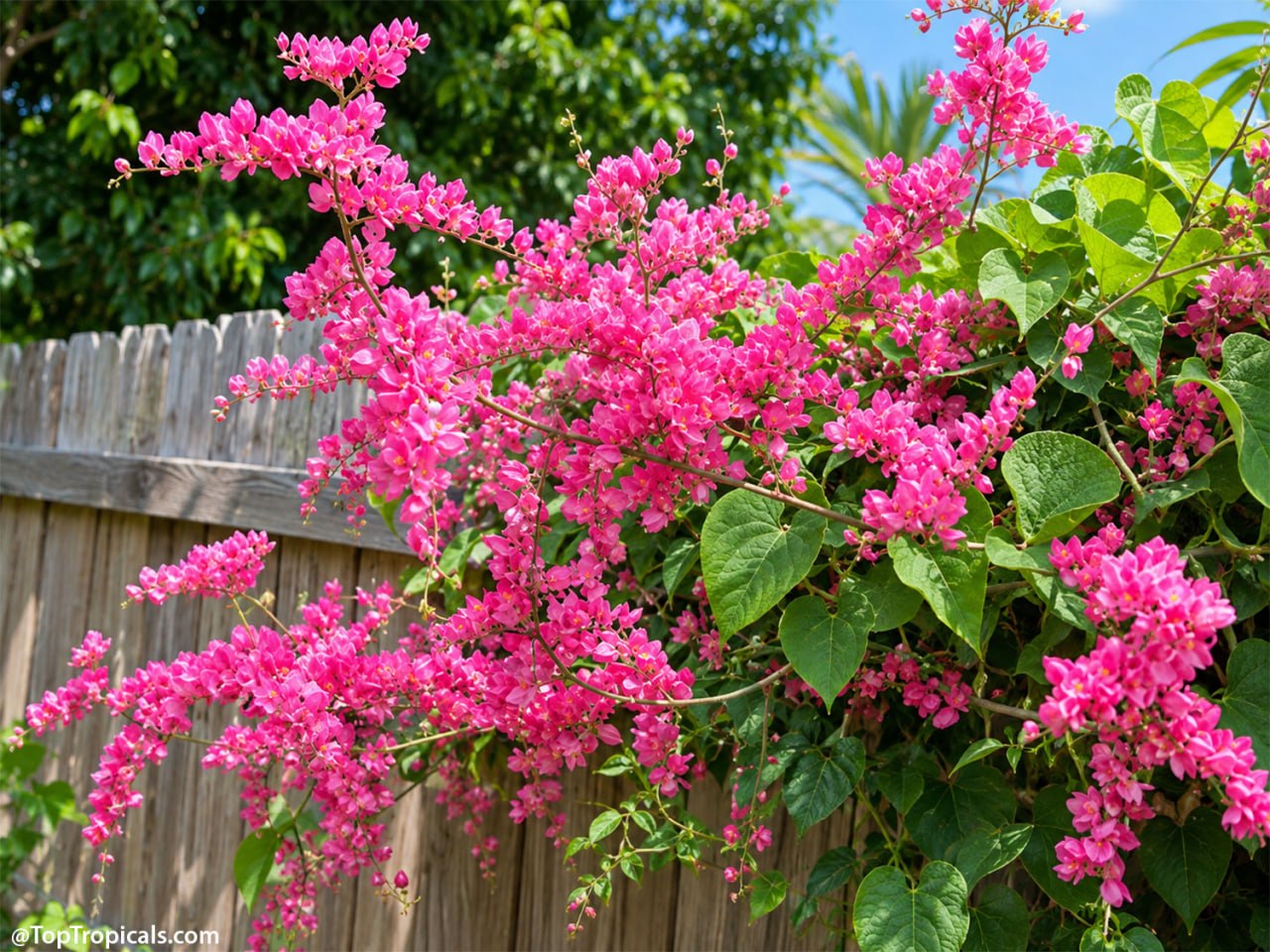
- 🌸 Antigonon leptopus - Mexican Coral Vine
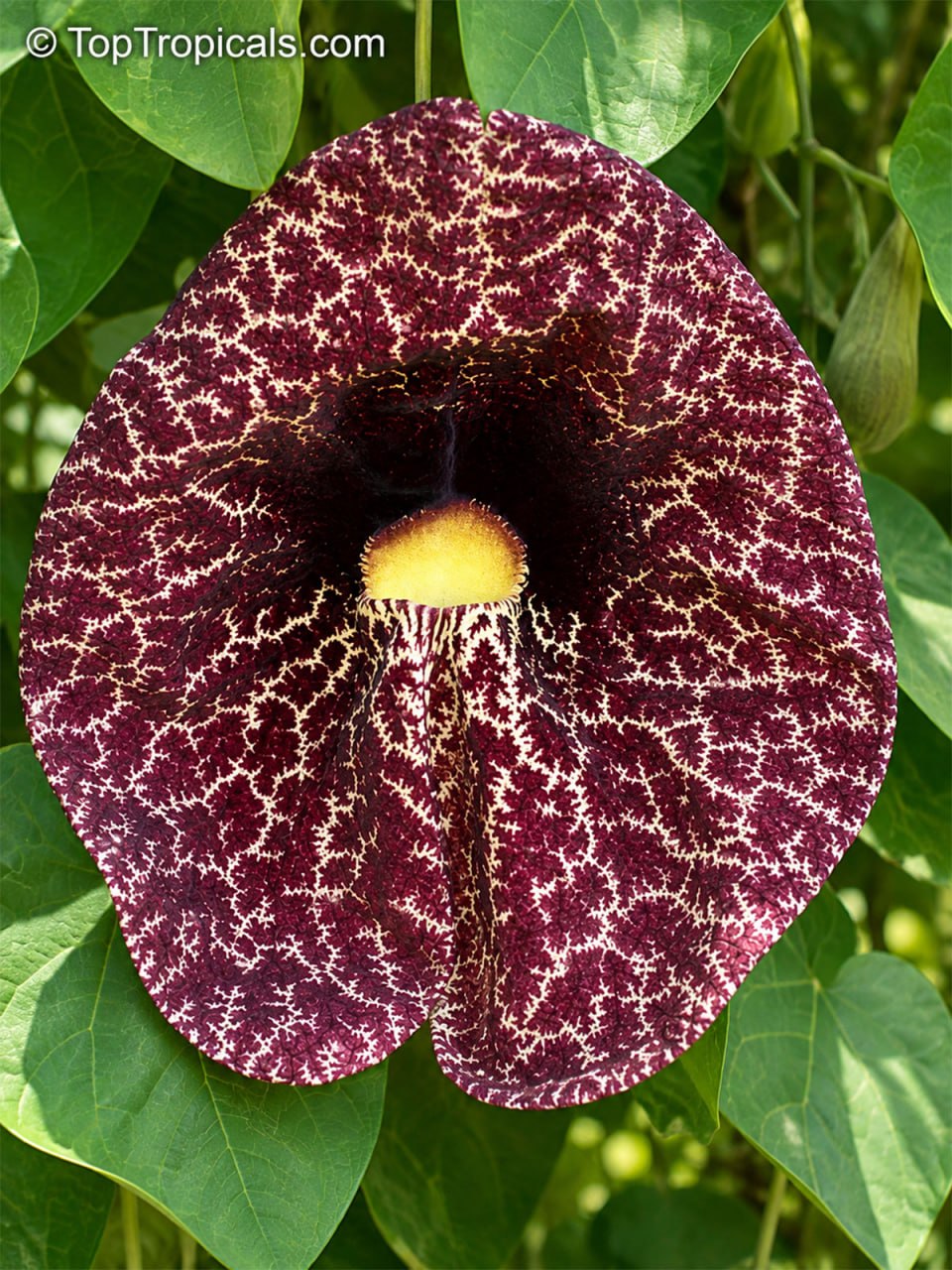
This vigorous vine produces masses of bright pink flowers that practically buzz with bees and other pollinators. Give it something to climb and it can quickly turn a plain fence or trellis into a wall of color. 👉 More - 🌸 Aristolochia gigantea - Giant Pelican Flower
If you like weird plants, this one is irresistible. Enormous patterned flowers hang from the vine like exotic fabric, with dramatic burgundy, cream and purple markings. One bloom is enough to stop people in their tracks. 👉 More - 🌸 Mansoa alliacea - Garlic Vine
Don't let the name fool you. The leaves smell like garlic when crushed, but the flowers are beautiful clusters of lavender-purple trumpets. A heavy bloom can cover the vine in color, with flowers gradually fading to paler lavender. 👉 More - 🌸 Petrea volubilis - Queen's Wreath
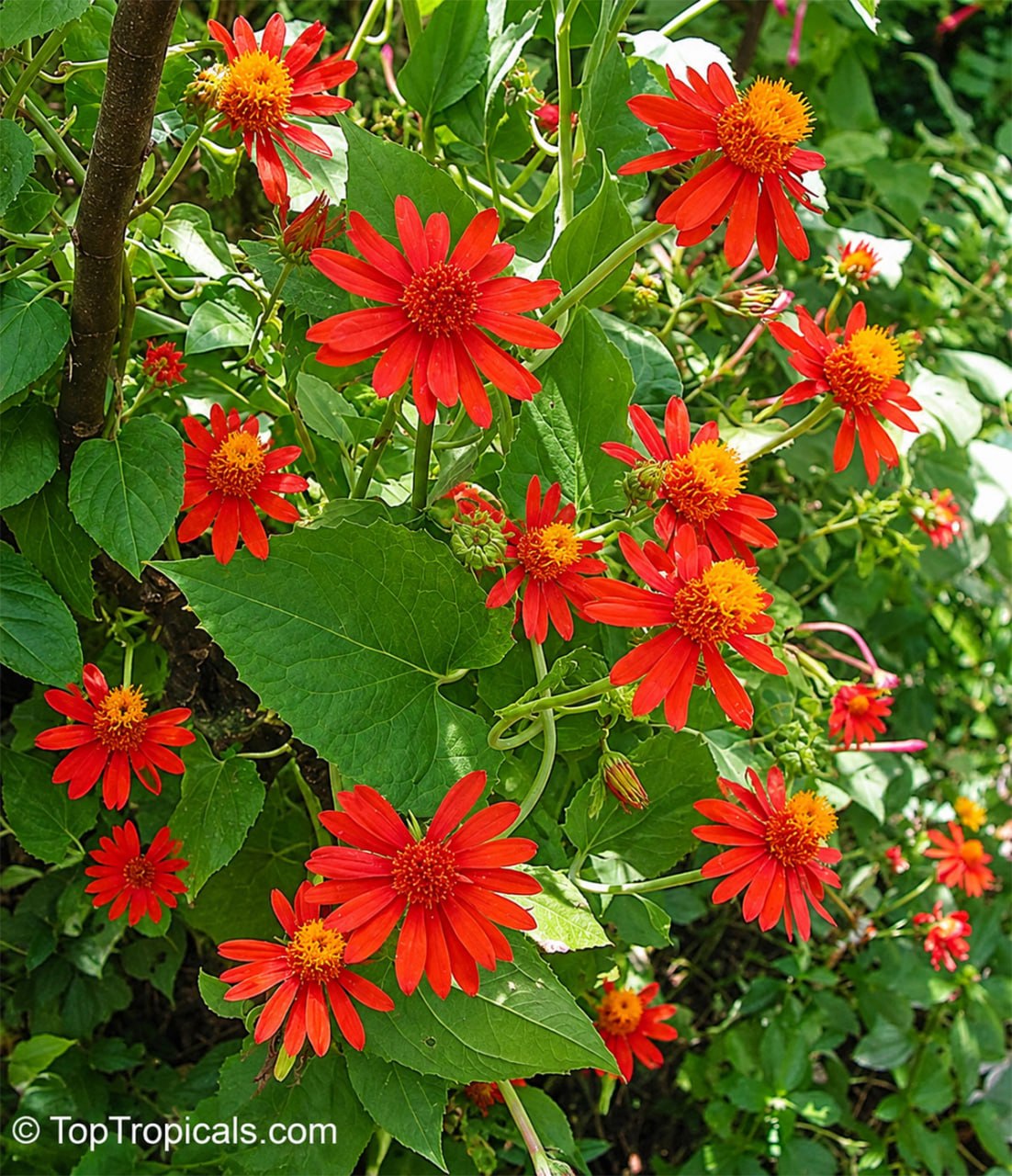
Think tropical wisteria. Long cascades of lavender-purple stars spill from the vine in spectacular clusters, creating one of the prettiest flowering displays of the cool season. Even after the petals fall, the star-shaped calyces keep the show going. 👉 More - 🌸 Senecio confusus Sao Paulo - Mexican Flame Vine
This one brings the fire. Brilliant orange-red daisy-like flowers appear in masses against deep green foliage, creating exactly the warm color you want on a cool winter day. Let it climb a fence or arbor and it can become a living wall of flowers. 👉 More
🛒 Plant Now - Bloom This Winter
📚 Learn more:


Antigonon leptopus in Plant Encyclopedia
The Vine That Changes Color Before Your Eyes: Mansoa
The "Flower of God" That Outsmarts Summer Heat: Why Your Garden Needs Queen's Wreath
Redder than red: when orange wasn't enough, nature made this hottest flower
How to bring butterflies in your garden with Ditchmans Pipe
The coolest looking flower - Giant Pelican Flower
8 Showy Shrubs to Plant This Fall for a Colorful Florida Winter
9 Showy Trees to Plant This Fall for a Colorful Florida Winter
13 festive shrubs with bright flowers that bring color to your Winter Garden when everything else is dormant
Ten shrubs you need to have for winter colors
8 best flowering trees that will bloom for you in Winter
🎥 Ten best shrubs for winter colors
🎥 Eight best winter blooming trees
#Hedges_with_benefits #Discover
🟢 Join 👉 TopTropicals
Date: 19 Sep 2026
Daily Cat Lesson: Why Must Cats Inspect Everything You Make?
🐾 Daily Cat Lesson: Why Must Cats Inspect Everything You Make?
A new pot appears. Something smells interesting.
🐾 Inspection is mandatory
Cats experience much of their world through smell, and warm food can be especially interesting because heating releases more aromatic compounds into the air.
And there's another reason your drink suddenly matters:
You are interested in it.
Cats learn our routines remarkably well. Something you're preparing, stirring, carrying or drinking becomes an object worth investigating - even if they have absolutely no intention of eating it!
🐈📸 Top Tropicals rescued cat Niki is inspecting freshly made Bignay Drink at PeopleCats.Garden.
🛒 Order exotic Bignay Fruit Tree (Antidesma bunius)
🐈 Stay with us for your Daily Dose of Cat! #DailyCatLesson #PeopleCats #Food_Forest
🟢 Join 👉 TopTropicals
Date: 19 Sep 2026
What to Do With a Bignay Harvest: Juice, Jam
🍷 What to Do With a Bignay Harvest: Juice, Jam & Homemade Liqueur
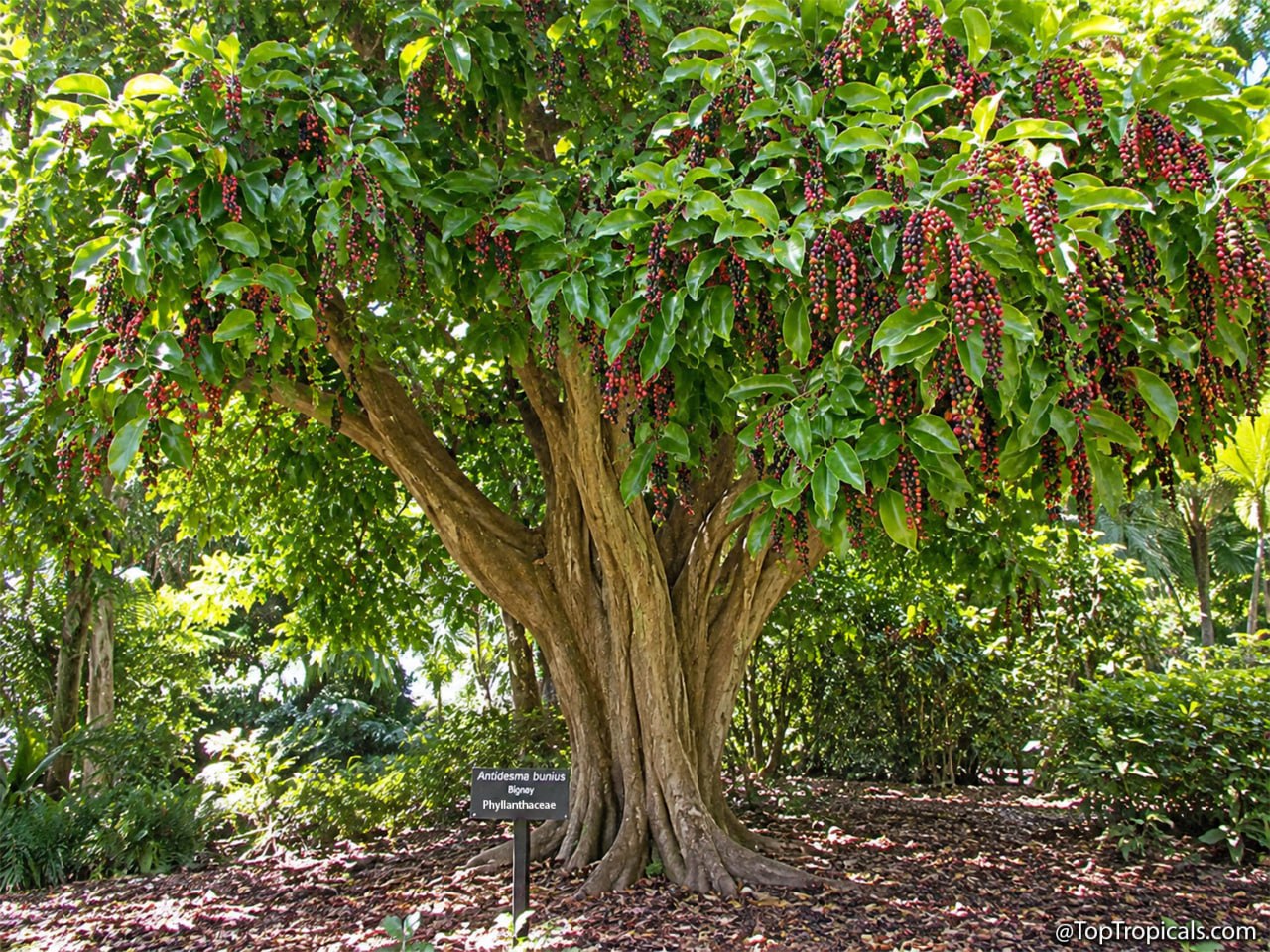
So your Bignay tree is suddenly covered with hundreds of red, purple and black berries.
Now what?
That's exactly what happened to me. I asked our friend Murray Corman who gave us the tree what to do with all that fruit.
His answer was short: "MAKE WINE!"
So I started researching - and experimenting.
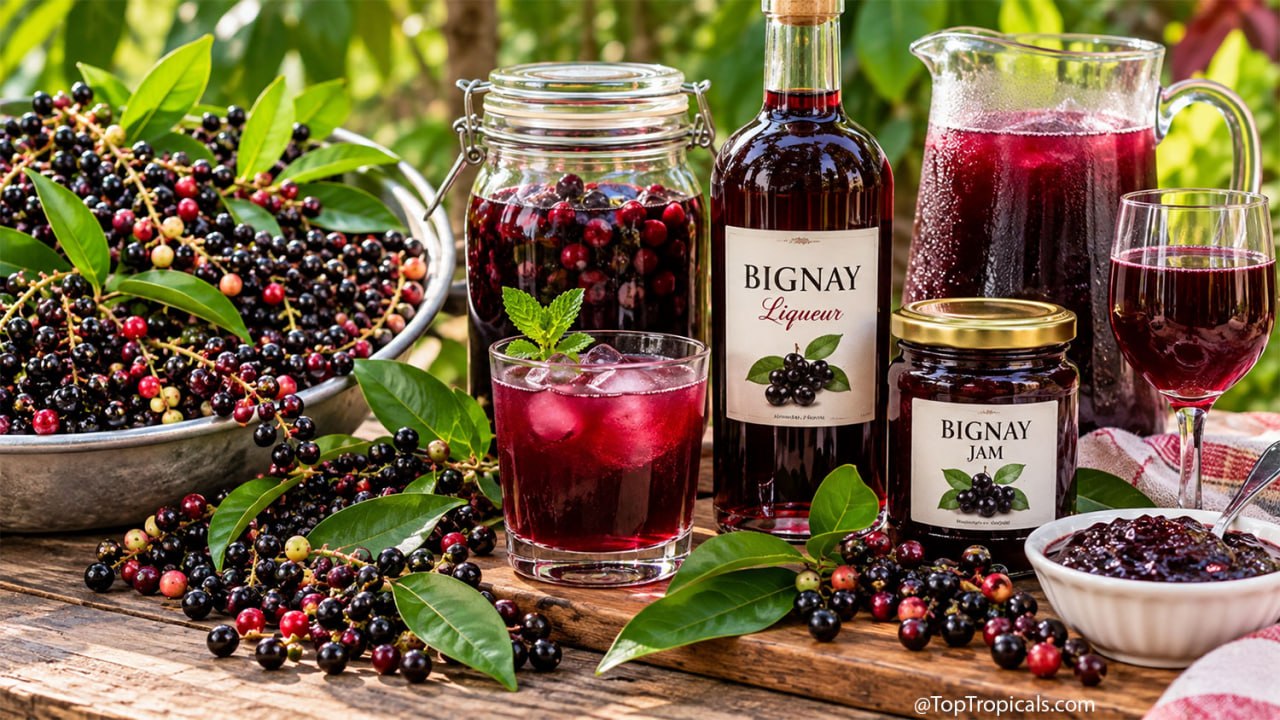
Bignay (Antidesma bunius) has a tart flavor, abundant juice and gorgeous deep-red color, making it perfect for drinks, preserves, wine and liqueur.
🍷 Easy Bignay juice
Use fully ripe, dark berries.
Put berries in a saucepan with just enough water to prevent scorching.
Simmer until soft and juicy.
Mash lightly and strain through a fine sieve or cheesecloth.
Sweeten with sugar or honey to taste.
Serve chilled over ice, dilute with sparkling water for a Bignay spritzer, or freeze the concentrate for later.
🍷 Homemade Bignay liqueur
This was my favorite experiment.
Fill a clean jar halfway with ripe berries and lightly bruise them without crushing the seeds. Cover completely with vodka or another neutral spirit.
Add ½–1 cup sugar per 2 cups of berries as a starting point. Keep the closed jar in a cool, dark place for several weeks, gently turning occasionally.
Strain and adjust sweetness if needed.
The result is a beautiful jewel-red, sweet-tart Bignay liqueur. Serve over ice, with sparkling water or in cocktails.
🍷 Bignay jam & jelly
Bignay's tart flavor and intense color are also perfect for preserves.
Cook ripe berries until soft. Mash and strain for jelly, or keep more pulp for jam. Add sugar and pectin according to your preferred recipe.
The result is a gorgeous dark-ruby preserve for toast, biscuits or soft cheese.
🍷 One tree, hundreds of experiments
Bignay can also become syrup or wine, and ripe berries can be frozen for later - handy because they don't all ripen at once.
That's what I love about unusual fruit trees.
Sometimes you plant something simply because you've never grown it before.
A couple of years later, you're standing in the kitchen with buckets of berries, making your own liqueur.
📸 In the photo: The tree that started our Bignay story!
This is the famous old Antidesma bunius at Fairchild Tropical Botanic Garden. We took this picture in 2005. Years ago, Murray Corman collected seeds from this very tree, grew his mother plant, and our Bignay came from his - a direct descendant of this remarkable Florida tree.
🛒 Grow Your Own Bignay Harvest
📚 Learn more:
• Antidesma bunius in Plant Encyclopedia
• Bignay: the rare fruit tree that gave me more berries than I knew what to do with
#Food_Forest #Recipes #Discover


