Garden Blog - Top Tropicals
Date: 5 Aug 2026
Watch what happens to her nose at the end - sound on!
💨 Watch what happens to her nose at the end - sound on! 💨
"The only way to get rid of temptation is to yield to it." - Oscar Wilde
🐈📸 Klaksa the cat is testing Jim the Lion's patience at TopTropicals PeopleCats.Garden.
#PeopleCats #Quotes
🟢 Join 👉 TopTropicals
"The only way to get rid of temptation is to yield to it." - Oscar Wilde
🐈📸 Klaksa the cat is testing Jim the Lion's patience at TopTropicals PeopleCats.Garden.
#PeopleCats #Quotes
🟢 Join 👉 TopTropicals
Date: 5 Aug 2026
One plant today - dozens tomorrow: why gardeners love Insulin Ginger
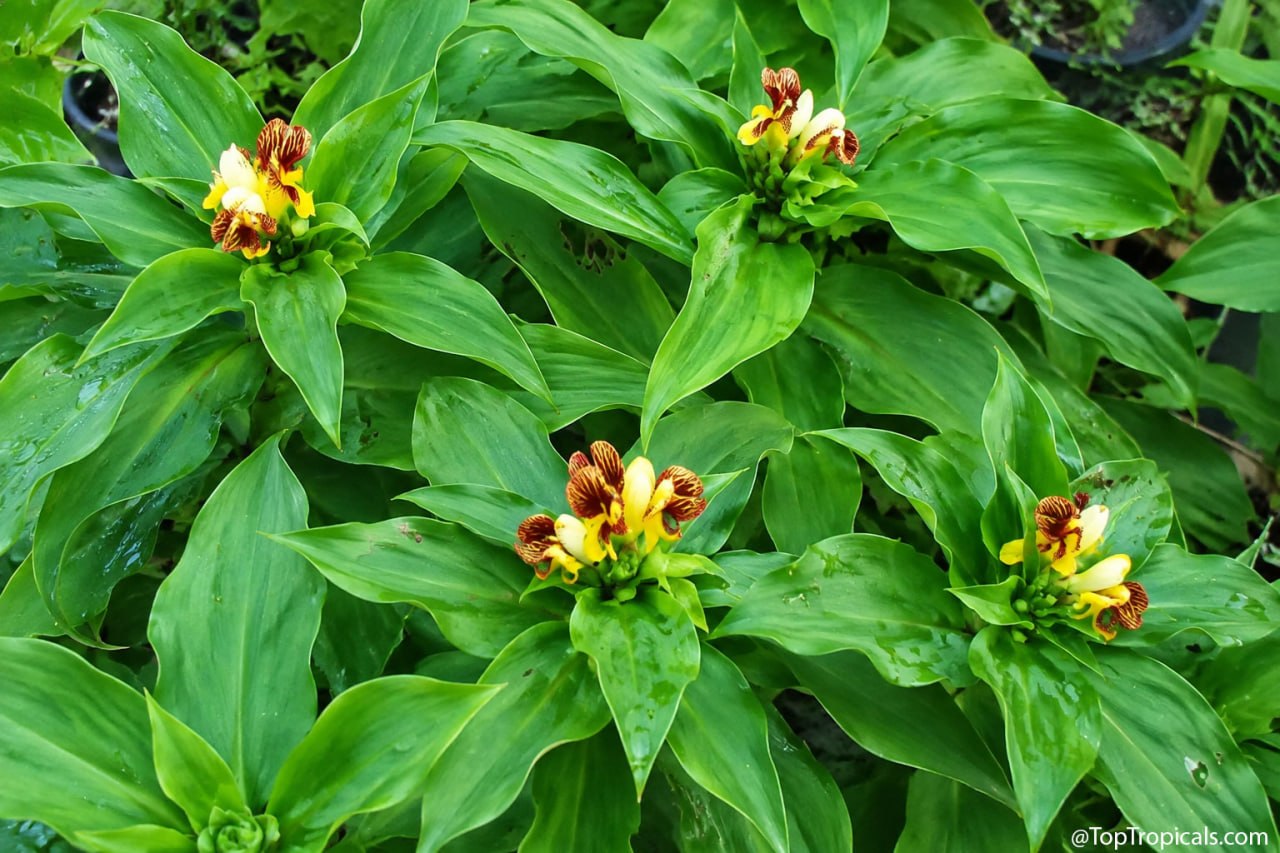
💚 One plant today - dozens tomorrow: why gardeners love Insulin Ginger
People first seek out Insulin Ginger (Chamaecostus cuspidatus, formerly Costus igneus) for its long-standing reputation in supporting healthy blood sugar levels. But most end up keeping it for an entirely different reason: it is practically impossible to run out of it.
Unlike plants that simply get taller, Insulin Ginger spreads outwards. Most gardeners start with a single potted plant. Within months, that sole stem multiplies into a dense, lush clump full of fresh shoots.
A year or two down the line, a single plant usually turns into several new pots scattered around the garden - with plenty left over to give away.
A common concern for beginners is whether picking leaves daily will weaken the plant. The short answer: it actually helps it grow.
· More Light & Air: Removing mature outer leaves lets sunlight reach the center of the crown.
· Thicker Growth: Pruning triggers the root system to send up fresh, vibrant shoots.
· Prevents Overcrowding: Regular harvesting acts as routine maintenance, keeping the foliage looking fresh rather than leggy or tired.
As long as you leave a few healthy stems intact, harvesting only encourages faster regrowth.
Insulin Ginger grows via underground rhizomes. As these roots expand, brand-new stems continuously push through the soil.
When the pot or garden bed gets full, simply dig up the clump and split the roots. Each division quickly takes hold on its own. One plant easily becomes two, then five, then twenty.
Whether you grow it for its striking spiral foliage, vivid orange flowers, or herbal properties, a mature clump ensures a continuous supply. Instead of relying on store-bought dried herbs, home gardeners can harvest fresh leaves year-round in tropical and subtropical climates.
Sometimes the best plants aren't the rarest ones - they are the ones that keep giving back.
Grow your own Insulin Ginger and watch one plant become many.
✅ Don't forget Green Magic fertilizer for the best results. Insulin Ginger absolutely loves it! Healthy plants grow faster, produce lush foliage, and give you plenty of leaves to harvest throughout the season. Plus, a vigorous clump multiplies more quickly, so one plant soon becomes many.
🛒 Plant One - Harvest for Years


Costus igneus (Chamaecostus cuspidatus) - Insulin Ginger in Plant Encyclopedia
Insulin Ginger traditional remedies: Quick-n-fun exotic recipes
A leaf you grow, not a pill you buy: Insulin ginger - the plant people actually use
How to make lots of Insulin Ginger plants quickly and get more health benefits
How to lose weight naturally with tropical fruit and plants
The fiery plant that fights sugar: Nature secret insulin?
#Food_Forest #Remedies #Shade_Garden #Discover
🟢 Join 👉 TopTropicals
People first seek out Insulin Ginger (Chamaecostus cuspidatus, formerly Costus igneus) for its long-standing reputation in supporting healthy blood sugar levels. But most end up keeping it for an entirely different reason: it is practically impossible to run out of it.
☘️ One plant, hundreds of leaves every year
Unlike plants that simply get taller, Insulin Ginger spreads outwards. Most gardeners start with a single potted plant. Within months, that sole stem multiplies into a dense, lush clump full of fresh shoots.
A year or two down the line, a single plant usually turns into several new pots scattered around the garden - with plenty left over to give away.
☘️ What happens if you keep harvesting the leaves?
A common concern for beginners is whether picking leaves daily will weaken the plant. The short answer: it actually helps it grow.
· More Light & Air: Removing mature outer leaves lets sunlight reach the center of the crown.
· Thicker Growth: Pruning triggers the root system to send up fresh, vibrant shoots.
· Prevents Overcrowding: Regular harvesting acts as routine maintenance, keeping the foliage looking fresh rather than leggy or tired.
As long as you leave a few healthy stems intact, harvesting only encourages faster regrowth.
☘️ More plants for free
Insulin Ginger grows via underground rhizomes. As these roots expand, brand-new stems continuously push through the soil.
When the pot or garden bed gets full, simply dig up the clump and split the roots. Each division quickly takes hold on its own. One plant easily becomes two, then five, then twenty.
☘️ The easiest medicinal plant to share with friends
Whether you grow it for its striking spiral foliage, vivid orange flowers, or herbal properties, a mature clump ensures a continuous supply. Instead of relying on store-bought dried herbs, home gardeners can harvest fresh leaves year-round in tropical and subtropical climates.
Sometimes the best plants aren't the rarest ones - they are the ones that keep giving back.
Grow your own Insulin Ginger and watch one plant become many.
✅ Don't forget Green Magic fertilizer for the best results. Insulin Ginger absolutely loves it! Healthy plants grow faster, produce lush foliage, and give you plenty of leaves to harvest throughout the season. Plus, a vigorous clump multiplies more quickly, so one plant soon becomes many.
🛒 Plant One - Harvest for Years
📚 Learn more:
Costus igneus (Chamaecostus cuspidatus) - Insulin Ginger in Plant Encyclopedia
Insulin Ginger traditional remedies: Quick-n-fun exotic recipes
A leaf you grow, not a pill you buy: Insulin ginger - the plant people actually use
How to make lots of Insulin Ginger plants quickly and get more health benefits
How to lose weight naturally with tropical fruit and plants
The fiery plant that fights sugar: Nature secret insulin?
#Food_Forest #Remedies #Shade_Garden #Discover
🟢 Join 👉 TopTropicals
Date: 4 Aug 2026
Learn more:
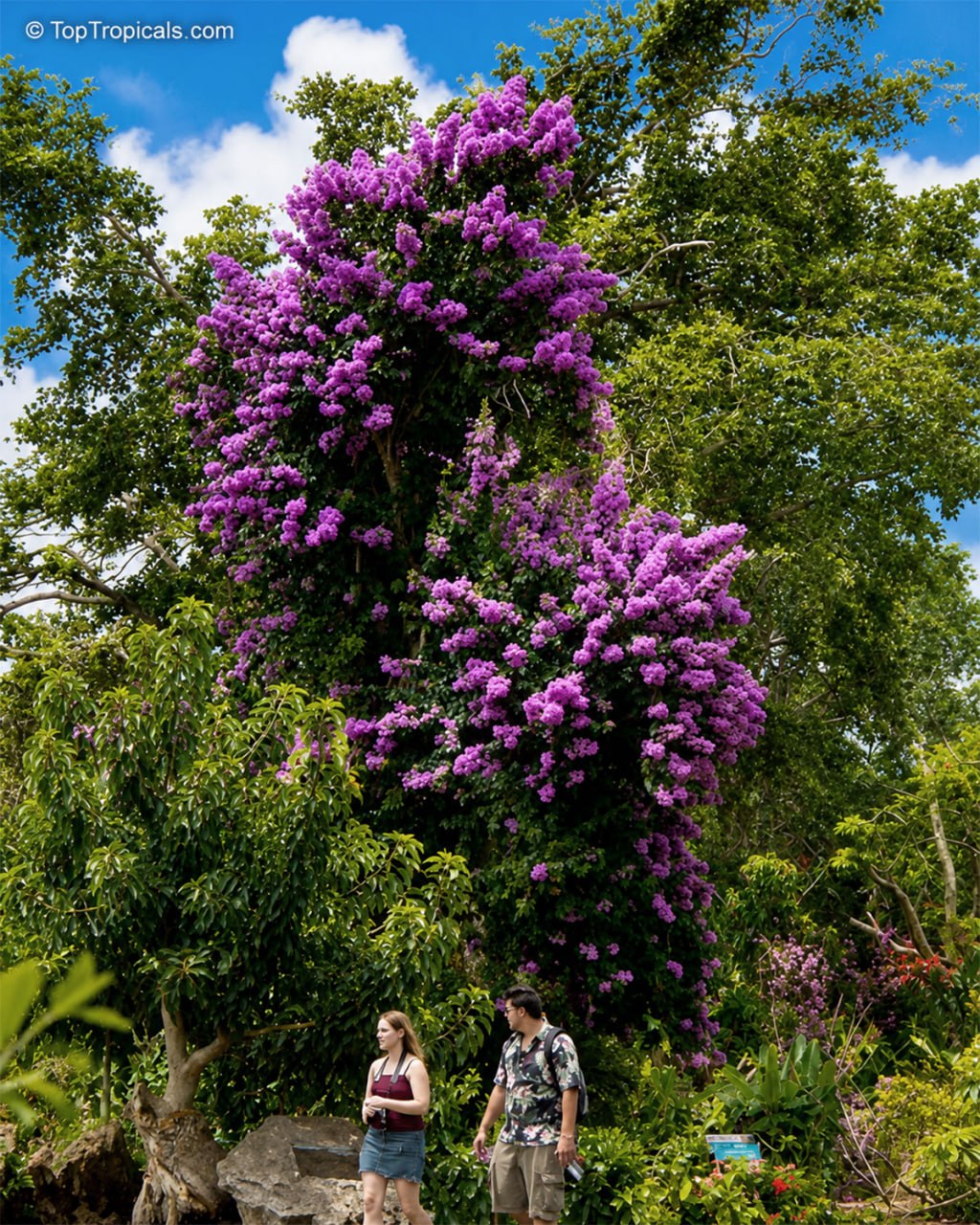
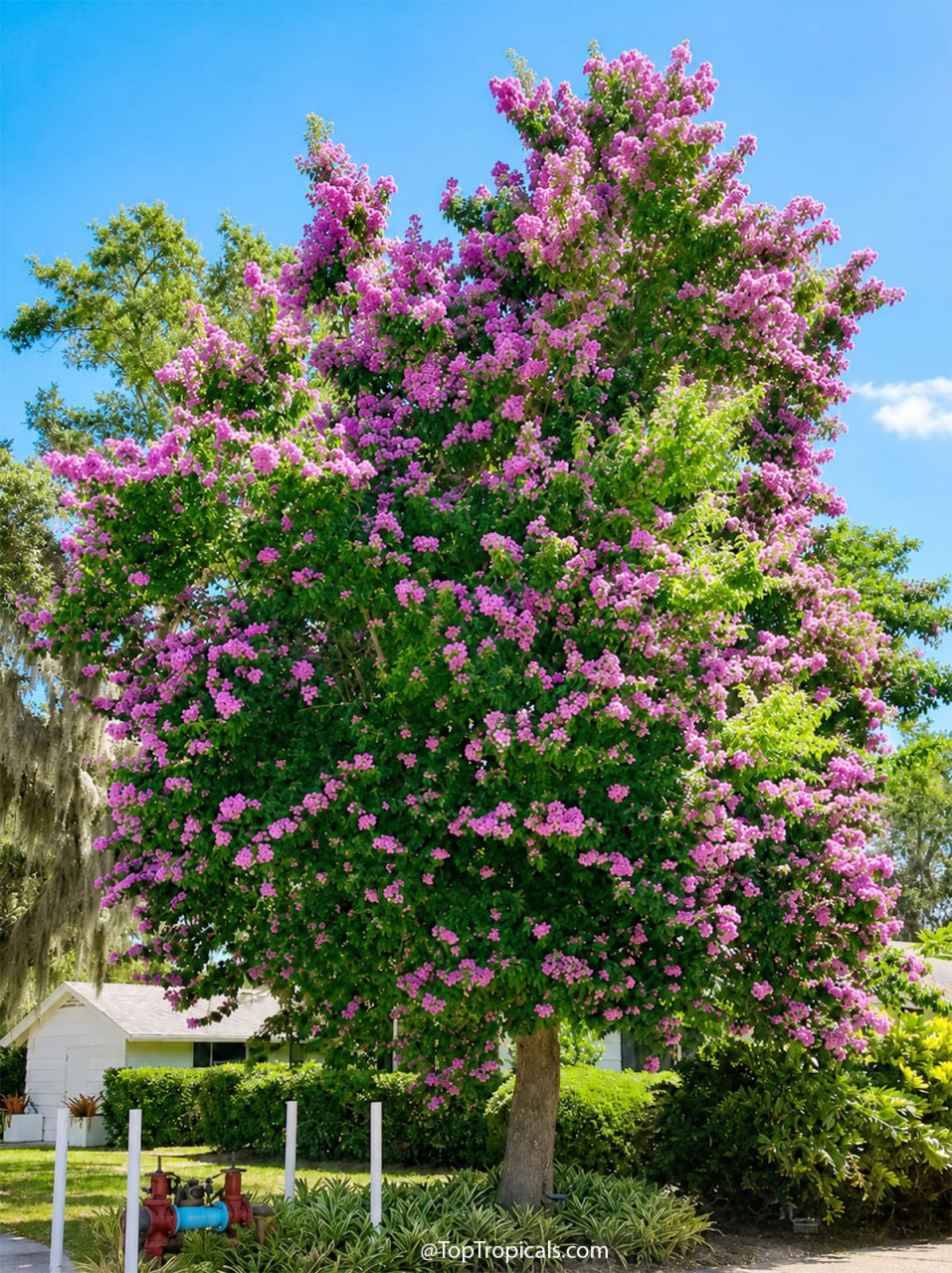
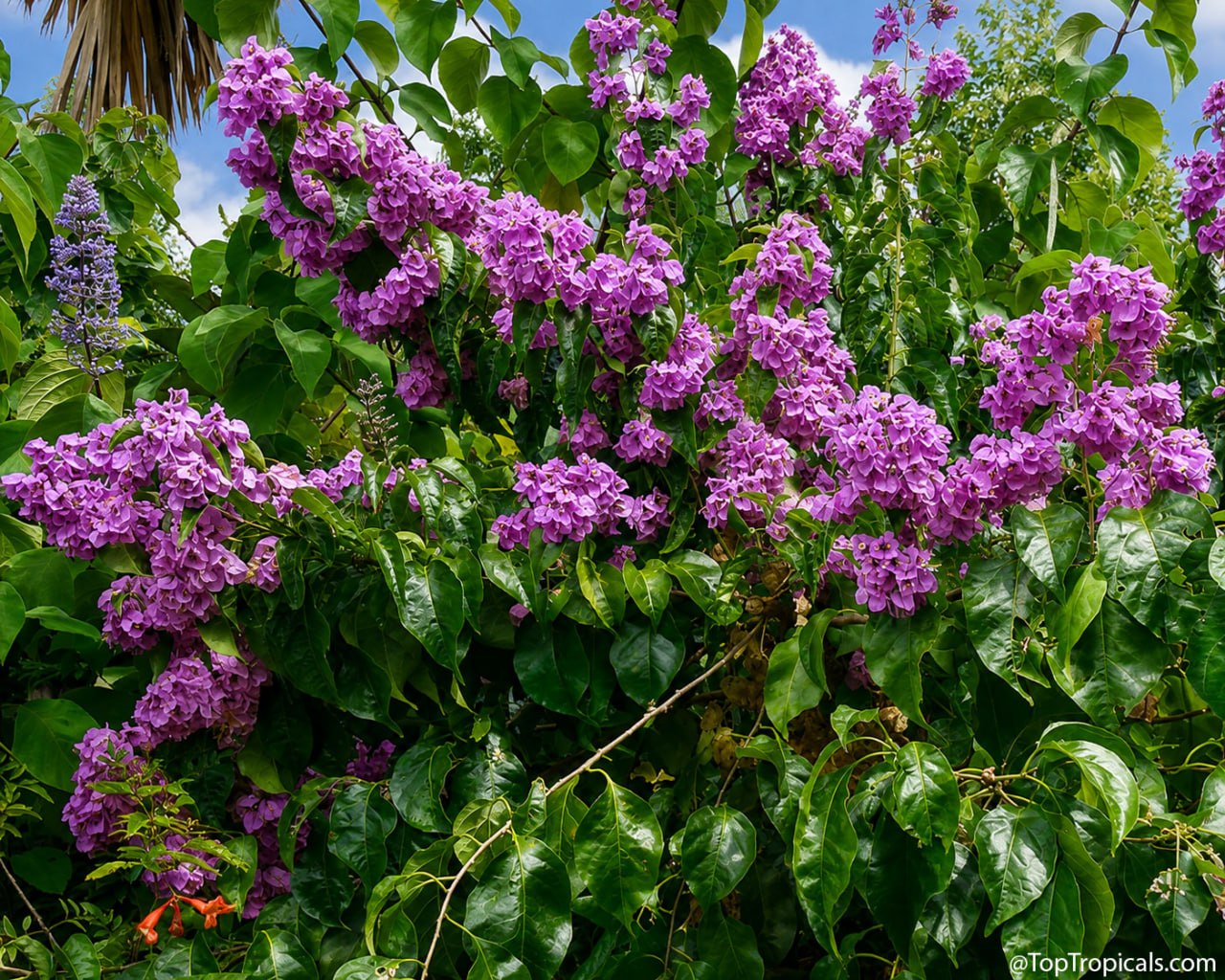
🌸 Growing Bougainvillea arborea in Containers: Training, Pruning, and Shaping Tips
Q: "I bought a Bougainvillea arborea from Top Tropicals this spring and have been amazed by how fast it's growing. Unlike my regular bougainvilleas, it's sending shoots in every direction, and I can't even tell which one should become the trunk. Since I live in New York (Zone 6B), I'll be growing it in a container and bringing it indoors for winter. Can this species be trained into a standard, or is it better grown as a bush? And can it live long-term in a 5-gallon pot?"
🌸 Why Doesn't Bougainvillea arborea Grow Like Other Bougainvilleas?
Bougainvillea arborea is quite different from the familiar Bougainvillea glabra and B. spectabilis.
One of the things that makes it so special is that it's naturally thornless, has a graceful tree-like habit without producing the long, sprawling, arching canes typical of common bougainvilleas, and bears beautiful clusters of lavender flowers.
This species is also surprisingly cold hardy for a bougainvillea. During 2026 Florida's record freeze, our 2- to 3-year-old plants growing in the ground without cold protection survived three nights around 25F with no significant damage, while regular bougainvilleas throughout the area - even large, established bushes - were killed.
Of course, in Zone 6B it will still need to spend the winter indoors.
🌸 Tree or Bush? How to Train Bougainvillea arborea
1. Can it be trained into a standard?
Yes. While the plant is young, simply choose the strongest upright shoot to become the trunk and gradually remove the lower side branches as it grows. Don't worry if there isn't one obvious trunk yet; you can let it grow a little more before selecting the main leader. Once the trunk and canopy are established, very little pruning is needed to maintain the shape.
2. Can it be grown as a bush?
Absolutely, and for a container-grown plant, this is actually the option we would recommend. Instead of removing the lower branches, lightly tip-prune the shoots to encourage branching. The result is a tall, upright, columnar shrub that stays naturally elegant without becoming an oversized tree. In our experience, this form is easier to maintain in a container over the long term.
🌸 Pot size that works best
A 5- to 7-gallon pot is an excellent permanent size for this species, provided you do occasional light pruning to keep the overall size in balance with the container.
Once the plant starts growing vigorously, it's time to begin shaping it toward whichever form you prefer. The important pruning is only during the initial training stage. After that, it tends to hold its shape well and requires very little maintenance.
Once it matures and begins flowering, those lavender blooms are well worth the wait!
🛒 Grow Your Own Thornless Tree Bougainvillea


Bougainvillea arborea in Plant Encyclopedia
Bougainvillea that is thornless and grows as a tree
What bougainvillea doesn't need pruning
🎥 Thornless Bougainvillea Tree YouTube Video
#How_to #Fun_facts #Discover #Trees #Container_Garden
🟢 Join 👉 TopTropicals
Q: "I bought a Bougainvillea arborea from Top Tropicals this spring and have been amazed by how fast it's growing. Unlike my regular bougainvilleas, it's sending shoots in every direction, and I can't even tell which one should become the trunk. Since I live in New York (Zone 6B), I'll be growing it in a container and bringing it indoors for winter. Can this species be trained into a standard, or is it better grown as a bush? And can it live long-term in a 5-gallon pot?"
🌸 Why Doesn't Bougainvillea arborea Grow Like Other Bougainvilleas?
Bougainvillea arborea is quite different from the familiar Bougainvillea glabra and B. spectabilis.
One of the things that makes it so special is that it's naturally thornless, has a graceful tree-like habit without producing the long, sprawling, arching canes typical of common bougainvilleas, and bears beautiful clusters of lavender flowers.
This species is also surprisingly cold hardy for a bougainvillea. During 2026 Florida's record freeze, our 2- to 3-year-old plants growing in the ground without cold protection survived three nights around 25F with no significant damage, while regular bougainvilleas throughout the area - even large, established bushes - were killed.
Of course, in Zone 6B it will still need to spend the winter indoors.
🌸 Tree or Bush? How to Train Bougainvillea arborea
1. Can it be trained into a standard?
Yes. While the plant is young, simply choose the strongest upright shoot to become the trunk and gradually remove the lower side branches as it grows. Don't worry if there isn't one obvious trunk yet; you can let it grow a little more before selecting the main leader. Once the trunk and canopy are established, very little pruning is needed to maintain the shape.
2. Can it be grown as a bush?
Absolutely, and for a container-grown plant, this is actually the option we would recommend. Instead of removing the lower branches, lightly tip-prune the shoots to encourage branching. The result is a tall, upright, columnar shrub that stays naturally elegant without becoming an oversized tree. In our experience, this form is easier to maintain in a container over the long term.
🌸 Pot size that works best
A 5- to 7-gallon pot is an excellent permanent size for this species, provided you do occasional light pruning to keep the overall size in balance with the container.
Once the plant starts growing vigorously, it's time to begin shaping it toward whichever form you prefer. The important pruning is only during the initial training stage. After that, it tends to hold its shape well and requires very little maintenance.
Once it matures and begins flowering, those lavender blooms are well worth the wait!
🛒 Grow Your Own Thornless Tree Bougainvillea
📚 Learn more:
Bougainvillea arborea in Plant Encyclopedia
Bougainvillea that is thornless and grows as a tree
What bougainvillea doesn't need pruning
🎥 Thornless Bougainvillea Tree YouTube Video
#How_to #Fun_facts #Discover #Trees #Container_Garden
🟢 Join 👉 TopTropicals
Date: 4 Aug 2026
The tree that gave diamonds their carats
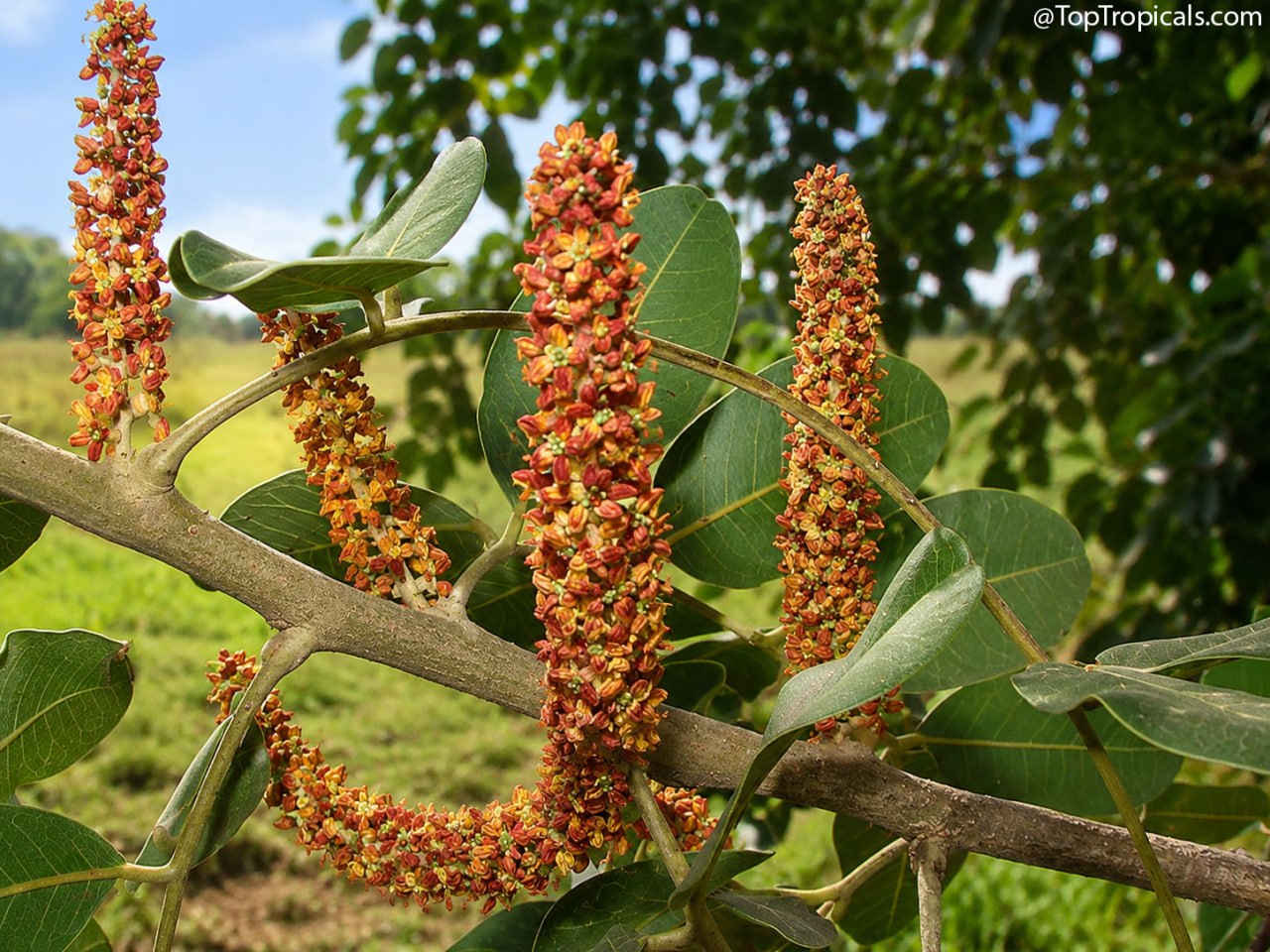
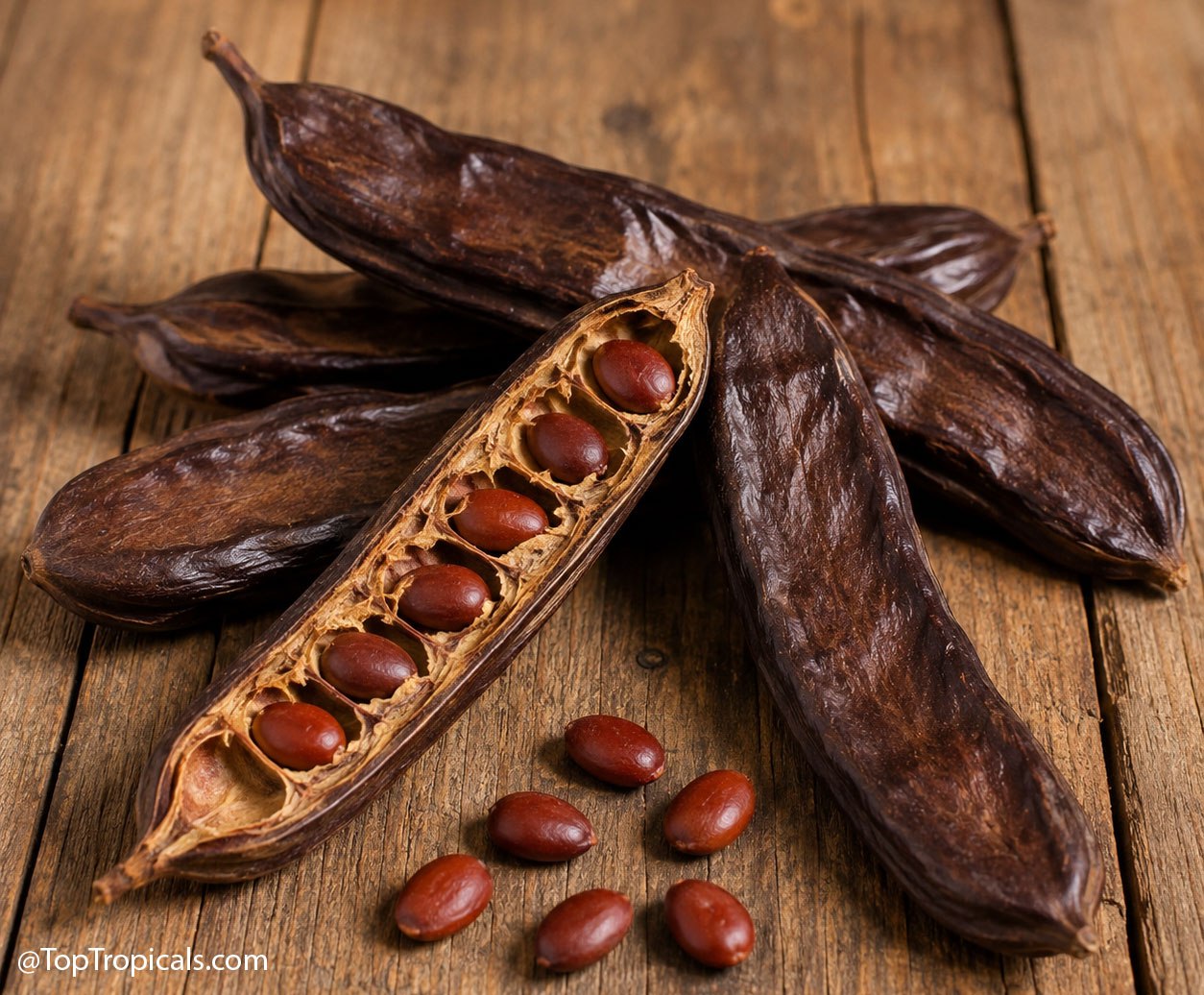
💰 The tree that gave diamonds their "carats"
What do diamonds, chocolate, and one of the toughest fruit trees on Earth have in common?
They all lead back to the Carob Tree (Ceratonia siliqua).
Long before jewelers had precision scales, merchants around the Mediterranean noticed something remarkable: carob seeds were almost identical in weight. They used them to weigh gold and gemstones, and the Greek keration became the Arabic qīrāṭ, eventually giving us the modern word carat - still used today for diamonds and other precious gems.
But carob is much more than a piece of history.
The original "carat" really did come from carob seeds
This is one of the rare plant stories that's actually true. Carob seeds are remarkably uniform in weight (around 0.2 g), so merchants throughout the Mediterranean and Middle East used them as reference weights for gems and gold. The Greek word keration ("little horn," referring to the pod) became the Arabic qīrāṭ, eventually giving us the modern word carat.
🍫 Before chocolate, there was Carob
Long before "healthy chocolate" became fashionable, roasted carob pods were eaten as candy and brewed into drinks. Carob powder naturally tastes sweet because the pods contain around 40-50% natural sugars, so unlike cocoa it usually requires little additional sugar.
☕️ Naturally caffeine-free
Unlike cocoa, coffee, or tea, carob contains no caffeine and virtually no theobromine, making it popular for children and people sensitive to stimulants.
🌳 An incredibly long-lived tree
A carob tree can remain productive for well over 100 years, with some Mediterranean specimens believed to be several centuries old. Mature trees become more productive with age.
💧 Built for drought
Carob is one of the toughest fruit trees of the Mediterranean climate. Once established, its deep root system allows it to survive long dry summers with very little irrigation, making it increasingly popular in water-conscious landscapes.
🌼 Flowers don't look like flowers
Unlike showy fruit trees, carob produces tiny reddish flowers without petals. They're highly fragrant - people describe the scent as musky.
🐝 Excellent bee plant
The flowers produce abundant nectar late in the season when many other trees have finished blooming, making carob valuable to honeybees.
🍯 Sweet without processing
Unlike most fruits, the pods are usually allowed to dry on the tree before harvest. At that point they're naturally sweet enough to eat out of hand or grind into powder.
🐪 A livestock favorite
For centuries throughout Spain, Portugal, Greece, Morocco, and the Middle East, carob pods were an important feed for horses, donkeys, goats, sheep, and camels because of their high sugar and energy content.
🍦 Locust bean gum and the ice cream industry
The seeds are even more valuable than they look. Their endosperm is processed into locust bean gum (E410), a natural thickener used in ice cream, yogurt, cream cheese, sauces, plant-based milks, and many other foods to improve texture and prevent ice crystals.
Many historians believe carob is the "locust" mentioned in the phrase "locusts and wild honey," leading to the common name St. John's Bread, although scholars still debate this interpretation.
Whether you're fascinated by ancient history, unusual edible plants, or simply want a beautiful, low-maintenance tree for the landscape, the Carob Tree is proof that some of the world's most useful plants have been quietly serving people for thousands of years.
🛒 Ready to grow a living piece of history? Plant the tree behind the "carat"
📚 Learn more:
Ceratonia siliqua in Plant Encyclopedia
Can we use chocolate as money?
Fruit of Money and Love
#Food_Forest #Fun_facts #Discover
🟢 Join 👉 TopTropicals
Date: 3 Aug 2026
My to-do list requires two versions of me

🐈 My to-do list requires two versions of me
"If cloning were legal, I'd finally get everything done."
🐈📸 Bob the Cat and his clone version 2.0 at TopTropicals PeopleCats.Garden.
#PeopleCats #Quotes
🟢 Join 👉 TopTropicals