Ceratonia siliqua (Carob)
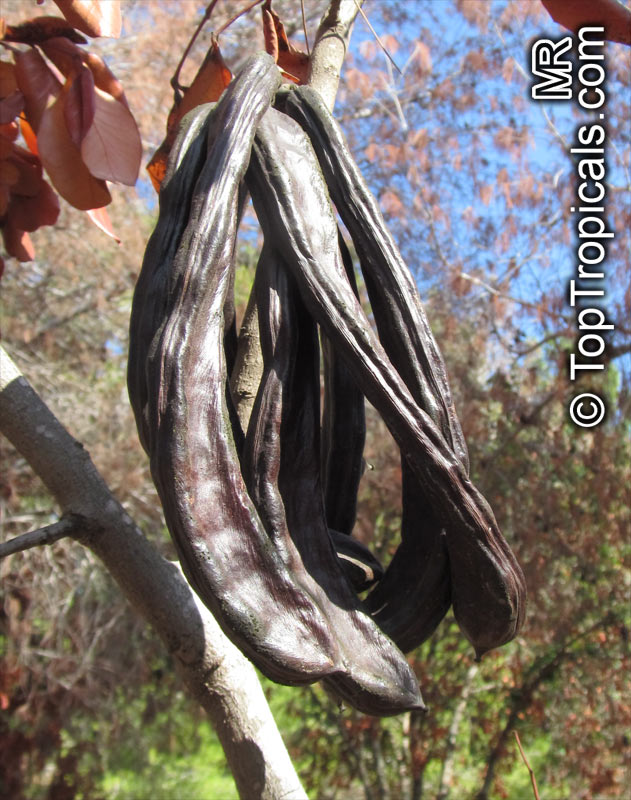
Botanical name: Ceratonia siliqua
Common names: Carob, Algarroba, St. John's Bread, Locust Bean, Chocolate Tree
Family: Fabaceae
Subfamily: Caesalpinioideae
Origin: Mediterranean
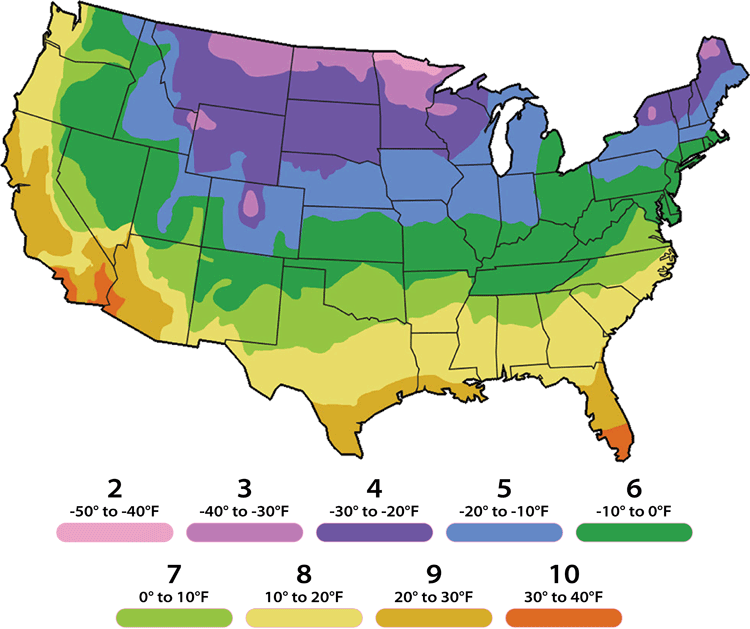
USDA Zone: 9-11
 Plant form: Small tree
 Mature height: 10-20 ft
 Sun exposure: Full sun or bright light indoor
 Cold tolerance: Tolerates light freezing to about 30°F for short periods (mature plants). Young plants must be protected.
 Watering: Moderate
 Suitable for: Outdoors in the suitable USDA zone; small gardens, containers, and indoor growing
The Carob Tree (Ceratonia siliqua) is a small tree that grows between 10 to 20 feet tall and thrives in full sun, with moderate water and in USDA Zone 9-11. Although mature carob trees may reach 30-50 feet in the ground, they can be maintained much smaller by pruning. Saying 10-20 ft is more accurate for cultivated specimens or container plants. Mature trees generally tolerate about 20-25F for short periods, especially if dormant. Young trees are more tender.
It is native to the Mediterranean region including Southern Europe, Northern Africa, the larger Mediterranean islands; to the Levant and Middle-East of Western Asia into Iran.
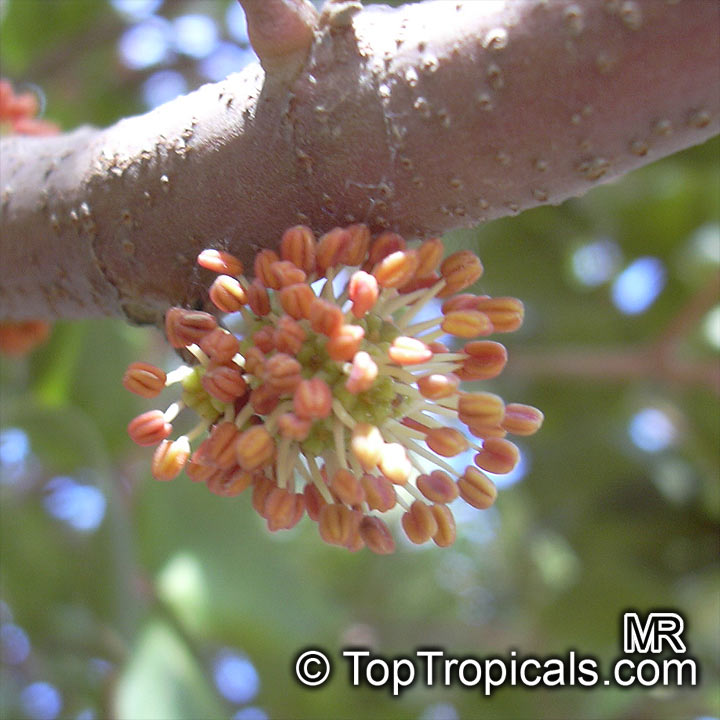
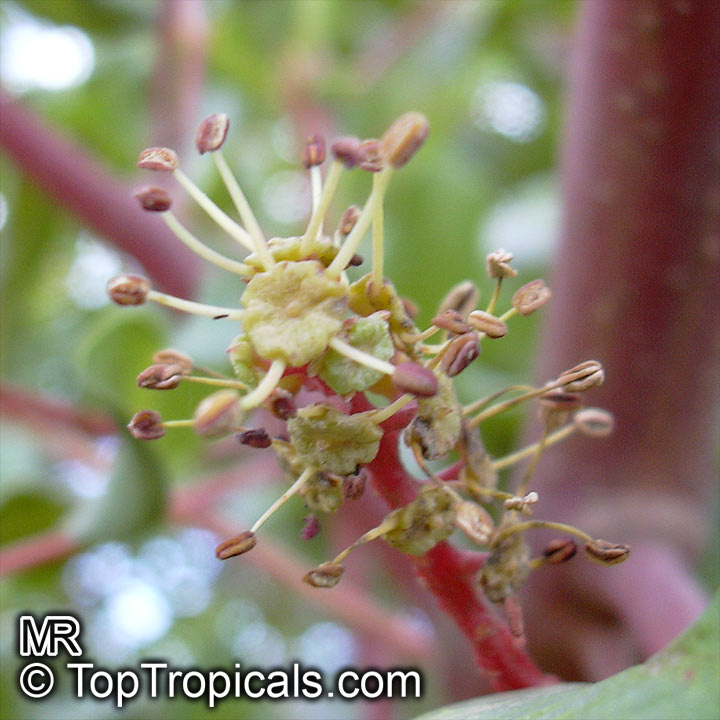
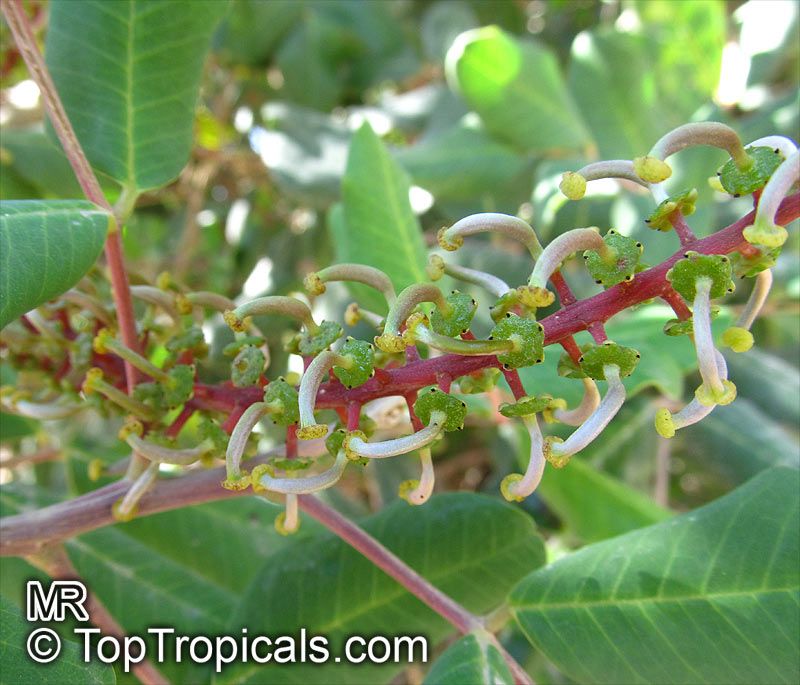
The Carob Tree has flowers without corolla and of three different types: male, female and hermaphrodite. The fruit is a pod up to 9-12 inches long, depending on cultivar, dark brown in full maturity. The seeds are embedded in the thick fleshy sugar-rich pods.
Fruits grow from the axils of the leaves and can produce up to 200 fruits in a single season. These fruits are edible and very healthy, containing high amounts of carbohydrates, proteins, pectin, and tannins. They are commonly used as a natural sweetener, a snack food, and a flavoring in desserts, candies, and sauces.
The Carob Tree is widely cultivated for its edible pods, and as an ornamental tree in gardens. The ripe, dried pod is often ground to carob powder which is used as a substitute for cocoa powder. Pods, rich in sugar when ripe, are used for the production of alcohol or ground with the seeds to make carob bean meal for animal feed. The seeds are extremely hard; unless ground before feeding they are not digestible.
Interestingly, the seeds of the Carob Tree are used as weights in eastern Mediterranean countries, and the word "carat" comes from the Arabic name of the seeds. A carat is a modern unit of weight for gemstones like diamonds, defined as exactly 0.20 grams, which is the weight of a typical carob seed. Most trees are male or female, though some cultivars bear hermaphrodite flowers.
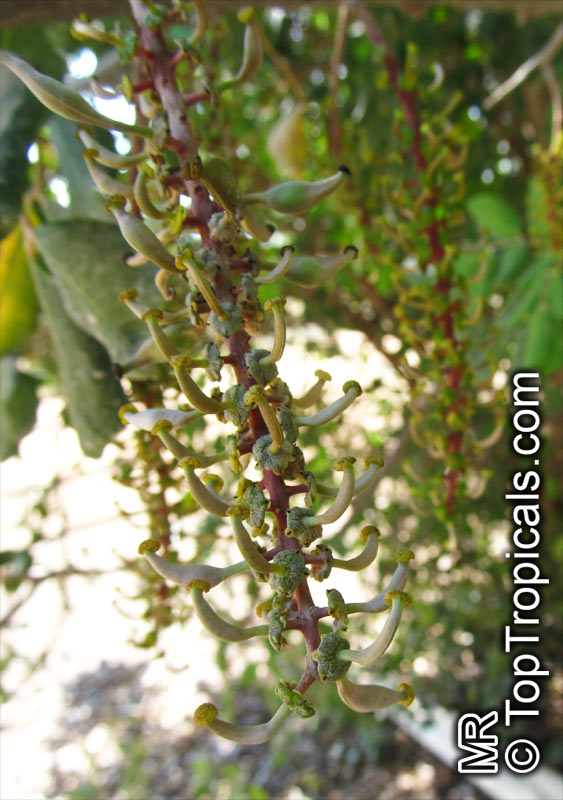
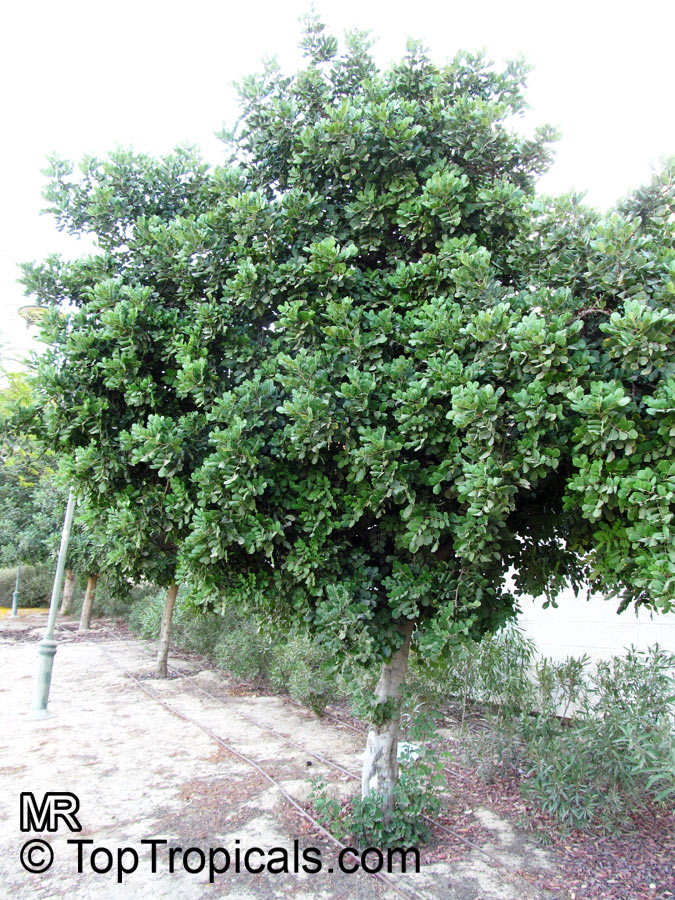
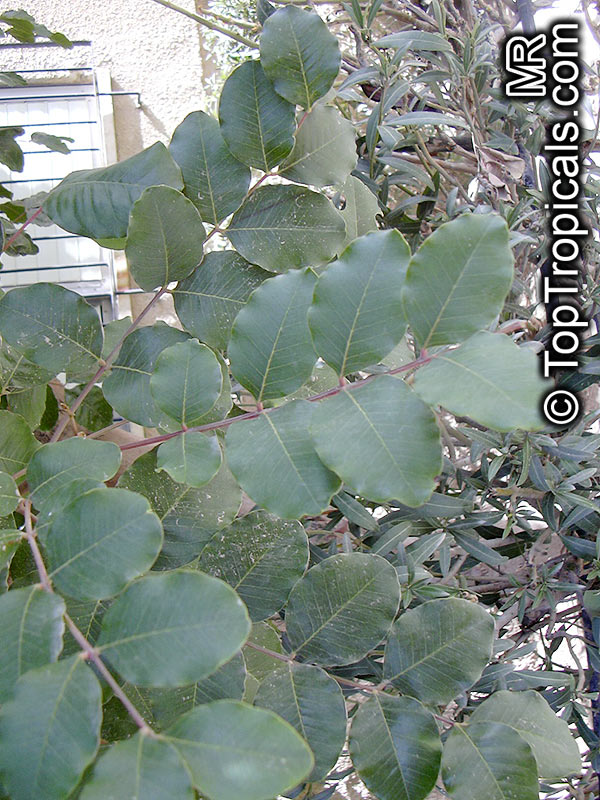
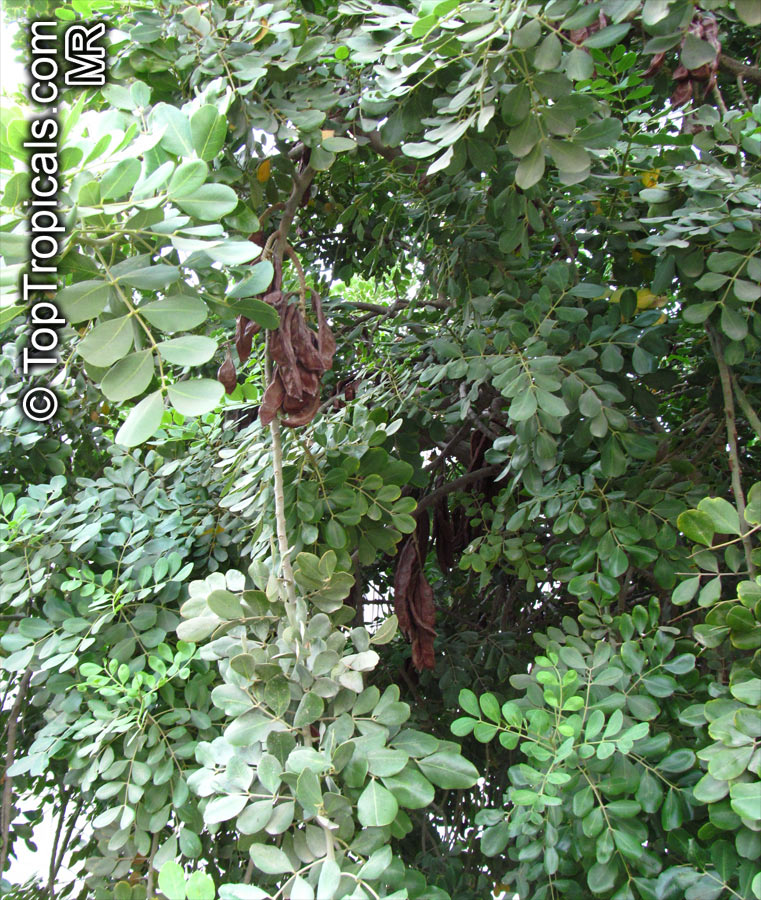
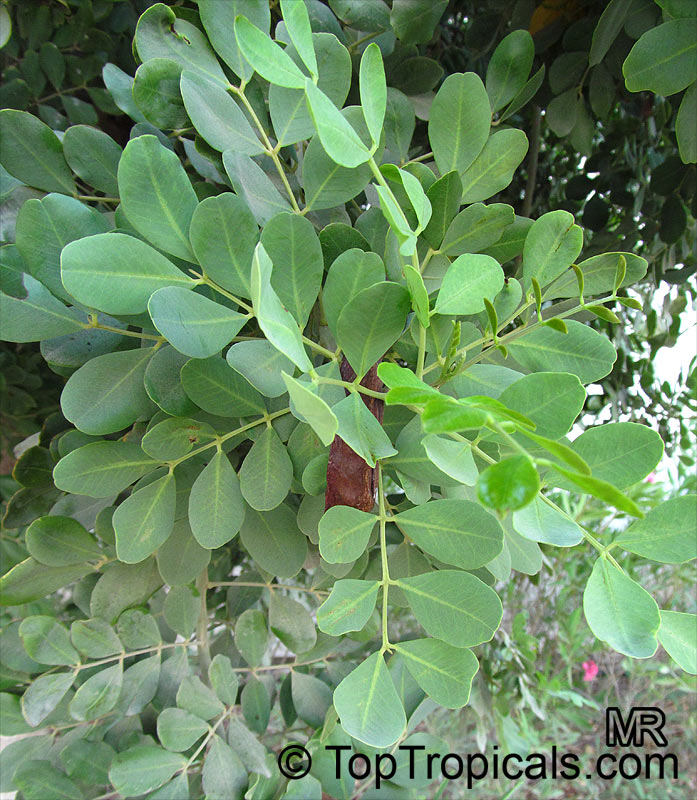
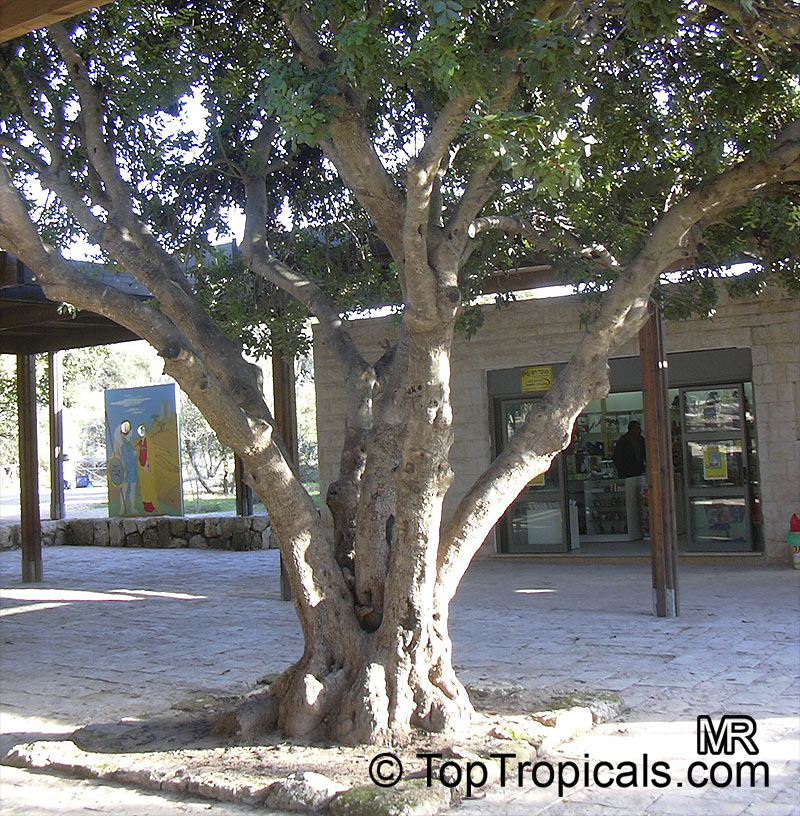

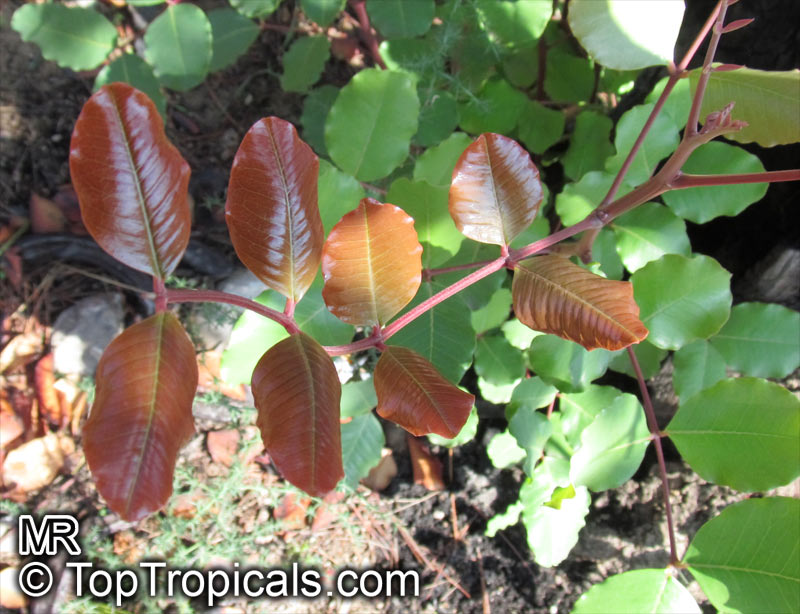
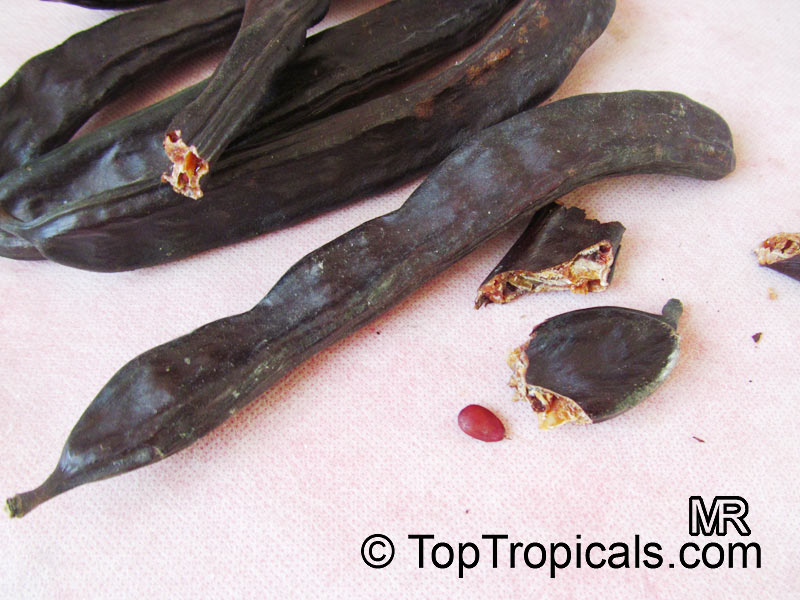
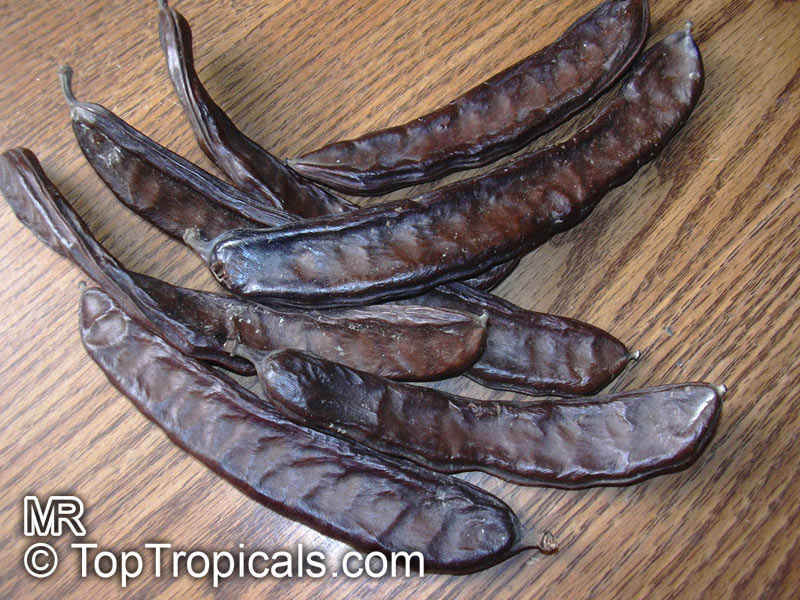
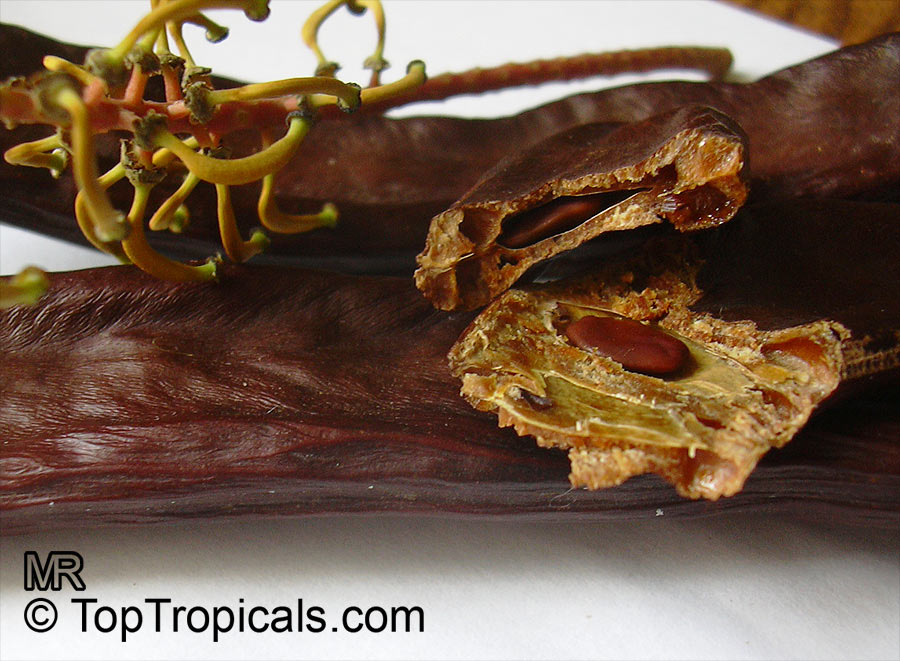
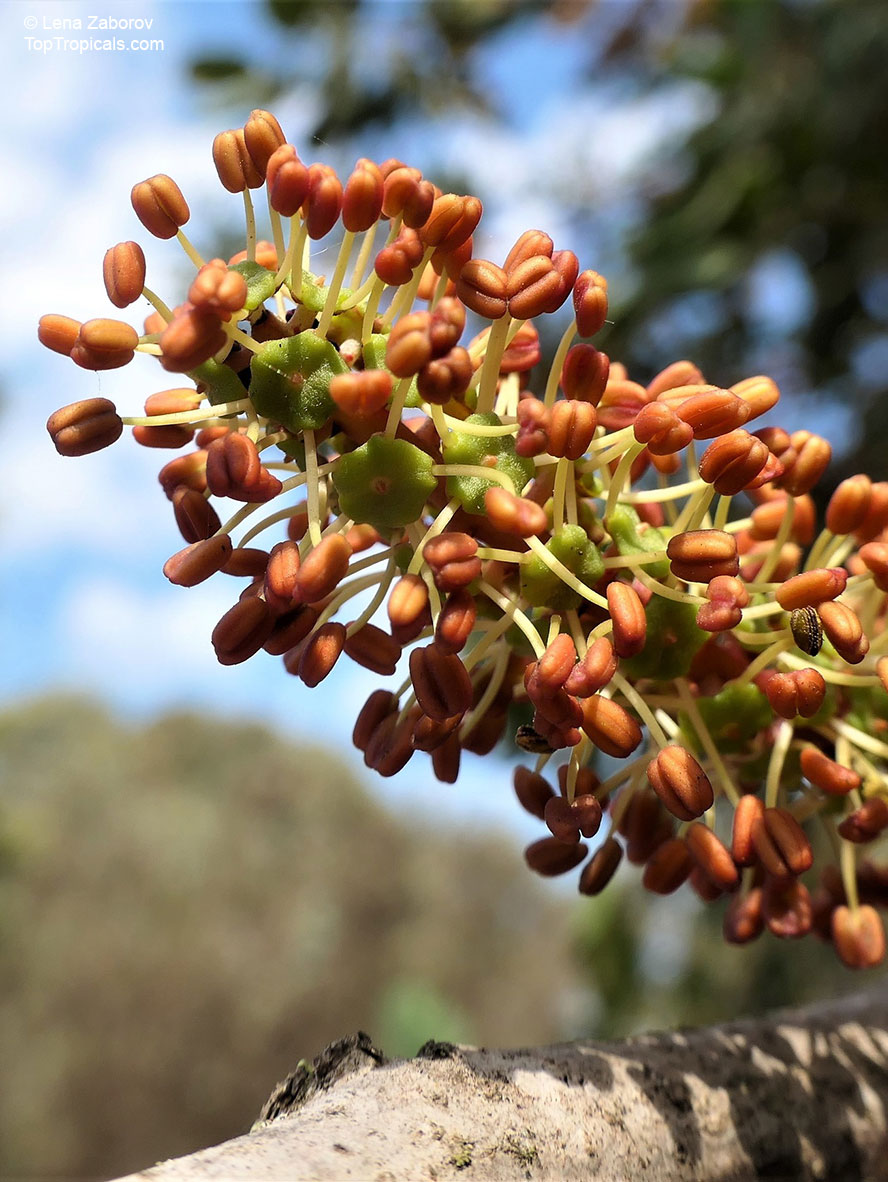
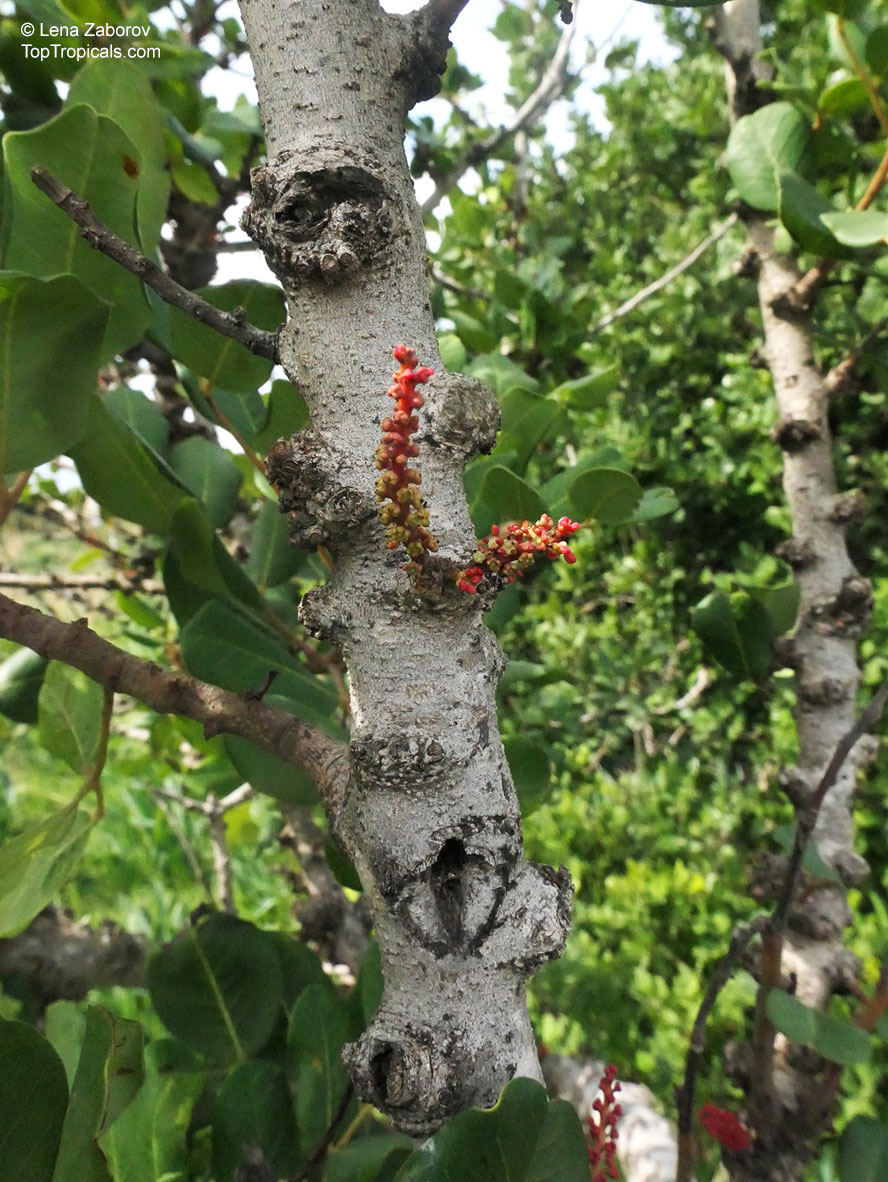
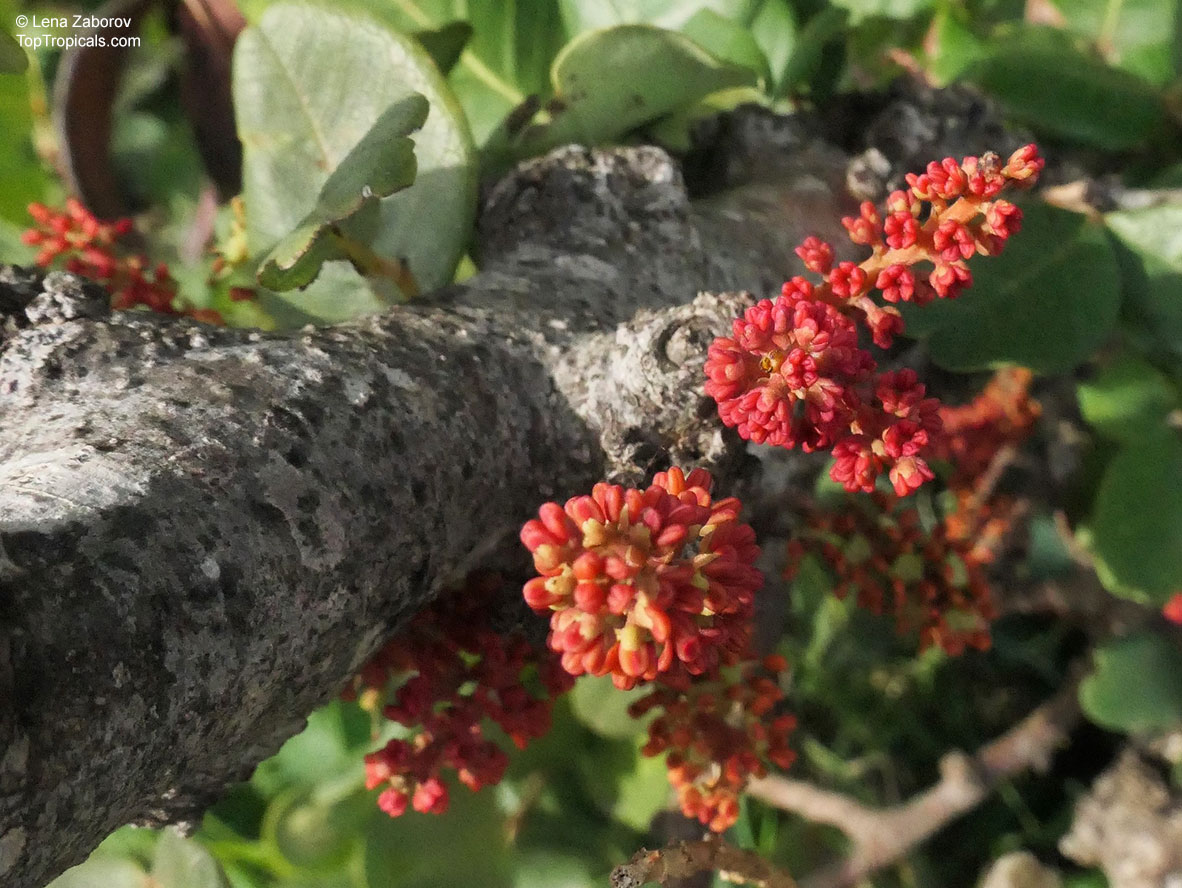
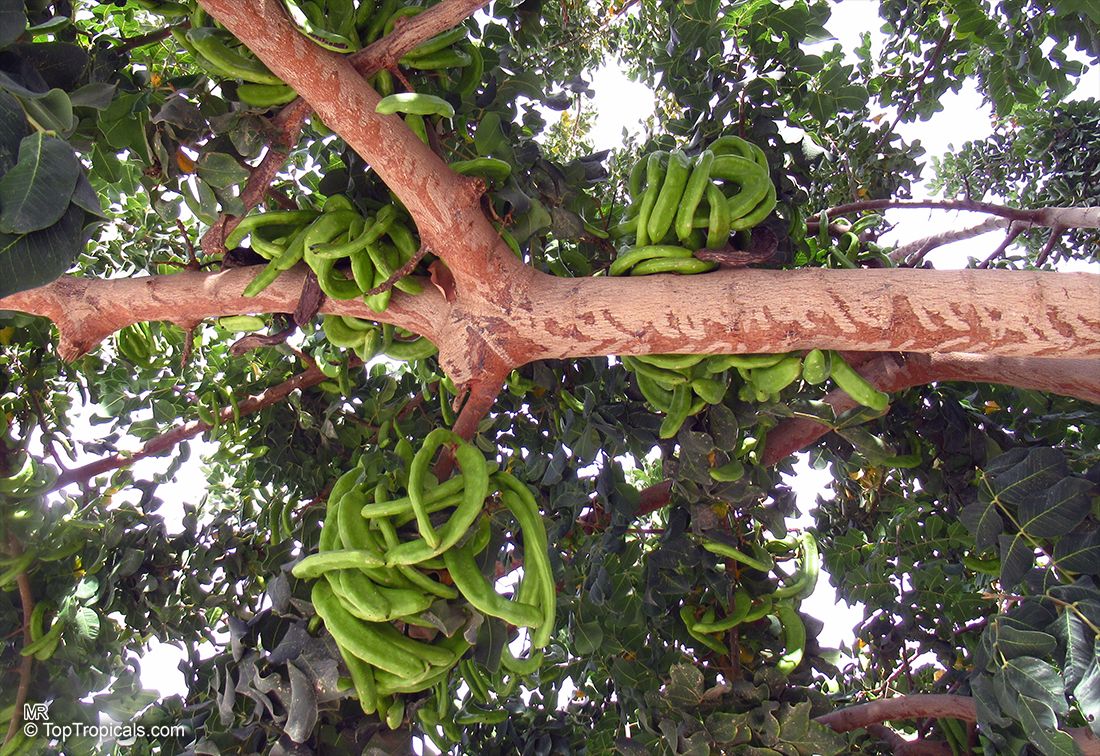
Carob is cultivated for its abundance of pods, rich in sugar when ripe, which are used for the production of alcohol or ground with the seeds to make carob bean meal for animal feed.
Recommended Fertilizer: SUNSHINE Robusta - Rapid Growth Booster
 SUNSHINE C-Cibus (NPK 2-2-4) - Crop Booster for every watering.
  SUNSHINE C-Cibus (NPK 2-2-4) - Crop Booster for every watering.