Garden Blog - Top Tropicals
Date: 29 Jul 2026
We are listening!

We are listening!
"The less you speak, the more you will hear." - Alexander Solzhenitsyn
🐈📸 TopTropicals rescued cat Lilimon with her toy cat collection at PeopleCats.Garden.
#PeopleCats #Quotes
🟢 Join 👉 TopTropicals
Date: 29 Jul 2026
The Ultimate Glow-Up
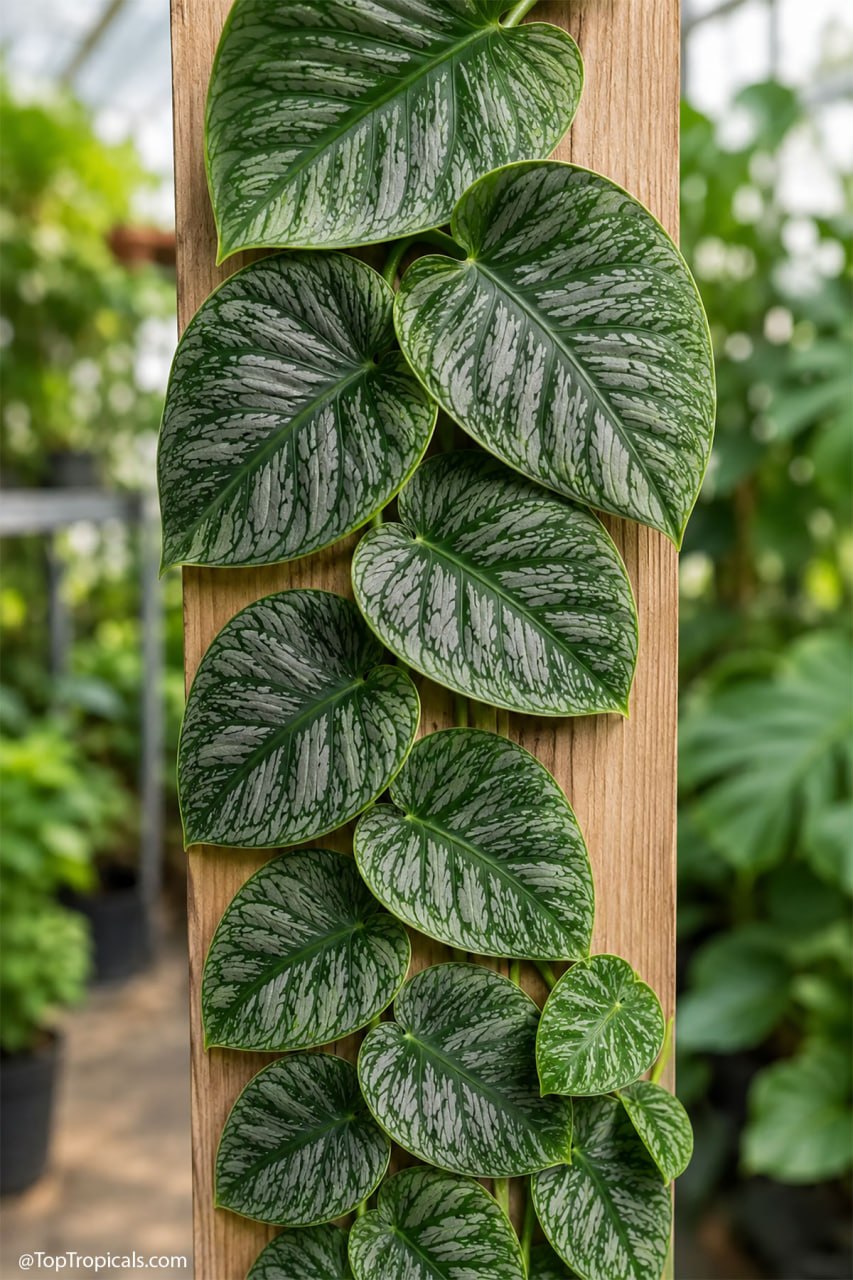
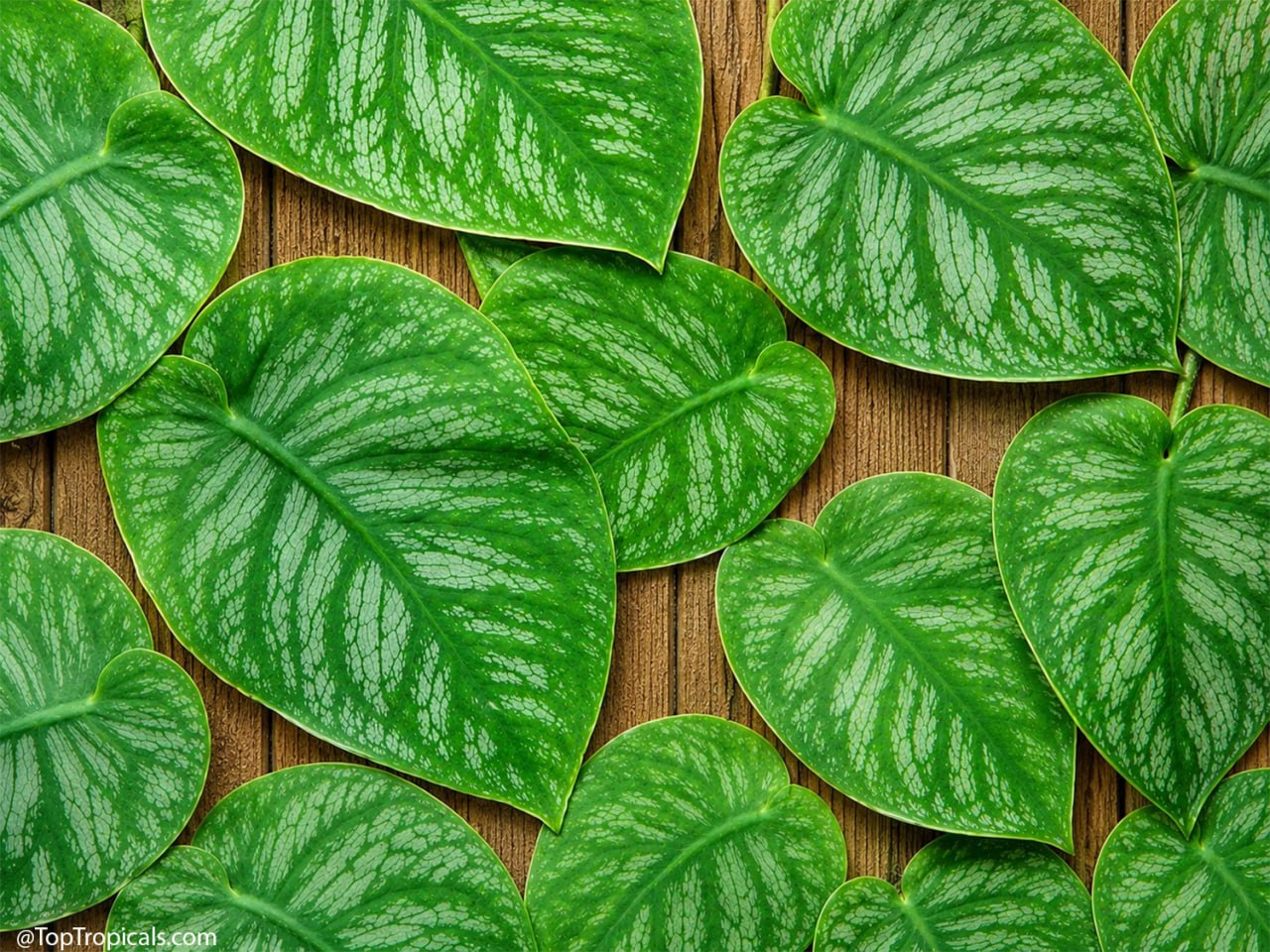
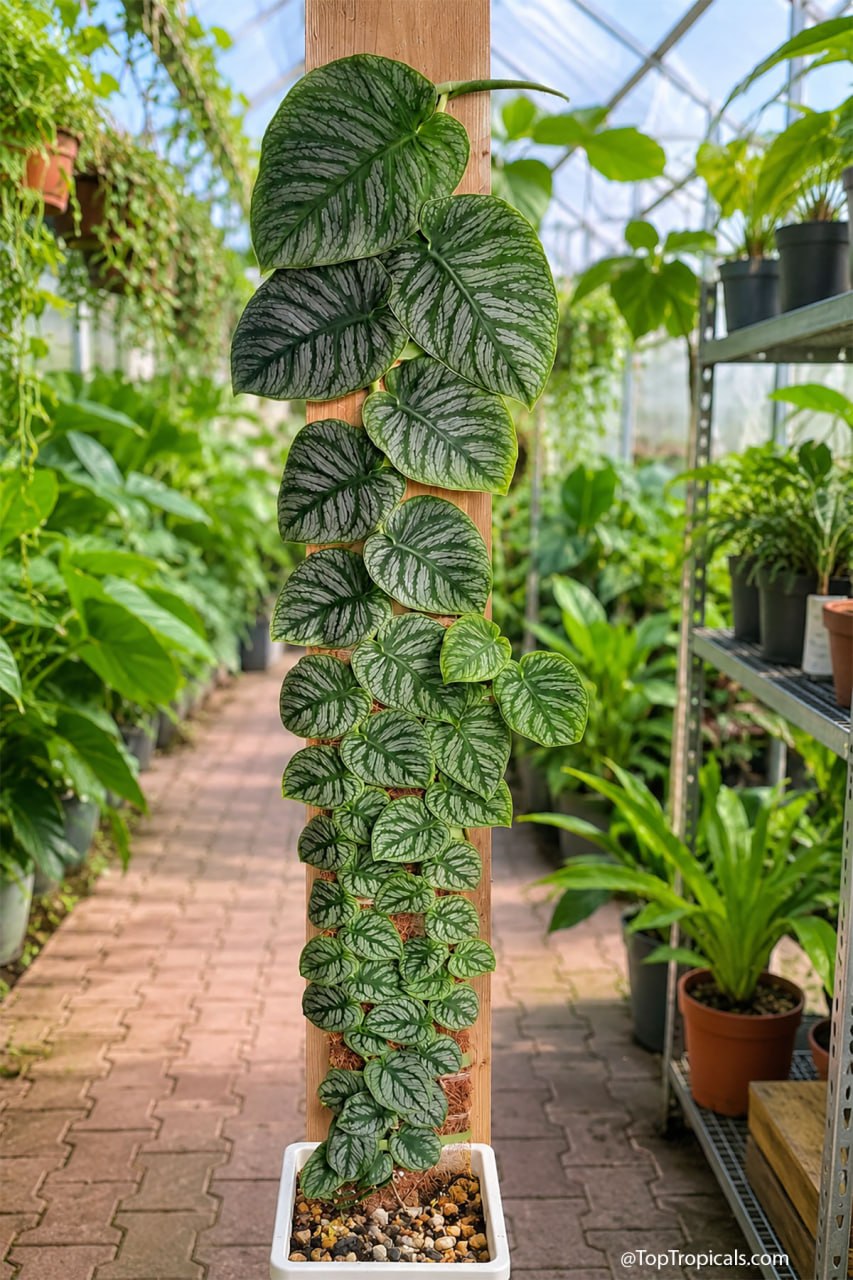
🌿 Why This Monstera Looks Like It Was Painted on the Wall
Most Monsteras grow away from whatever they’re climbing. Monstera dubia does the exact opposite.
Its juvenile leaves press themselves flat against tree trunks, rocks, or wooden boards so tightly they look glued on. Botanists call this shingling because each leaf overlaps the next like roof shingles.
It’s one of the most unusual growth habits in the houseplant world - and the reason collectors become obsessed with it.
🌿 Nature's Living Wallpaper
In the tropical rainforests of Central and South America, young Monstera dubia spends years creeping upward on tree trunks. Instead of producing giant split leaves immediately, it stays flat against the bark.
Each new leaf overlaps the previous one, creating a living mosaic of silver and emerald. Give it a wooden board, plank, or moss pole indoors, and it behaves exactly the same way.
It's less like growing a vine - and more like growing living art.
Here’s where things get even stranger.
Most people buy Monstera dubia for those beautiful silver, leaf-mosaic patterns. But that’s only Phase One!
Once the plant reaches the top of its support and feels it has "climbed the tree", it undergoes a dramatic transformation:
Leaves pull away from the board.
They grow massive - often over 2 feet long!
The silver pattern turns deep green, developing classic splits and holes (fenestrations).
Many growers who see an adult Monstera dubia for the first time don't even realize it's the same plant.
Besides its incredible appearance, Monstera dubia is surprisingly rewarding to grow. Its thick climbing stems root naturally at every node, making propagation simple.
🍀 Growth Habit: Shingling climber that hugs its support
☀️ Light: Bright indirect light
💧 Water: Keep evenly moist but never soggy
Soil: Chunky, fast-draining aroid mix
🌡 Temperature: Loves warm tropical conditions
👍 Best Feature: Silver juvenile leaves that cling tightly to wood
🏆 Collector Bonus: Eventually transforms into a giant fenestrated adult Monstera with leaves over 2 feet long
🏡 Best For: Plant collectors, moss poles, wooden boards, indoor jungles, terrariums, green walls, and anyone who loves unusual foliage.
• Uncertain Origins: The name "dubia" means doubtful or uncertain in Latin because early botanists struggled to classify it.
• Built for Storms: In nature, the shingling habit helps maximize light capture while preventing damage from heavy tropical rain and wind.
• First Discovery: The species was officially described in 1845 by German botanist Karl Koch.
• Wild Fruit: In the wild, mature plants produce edible fruit - though indoor flowering is extremely rare!
If you're looking for an ordinary houseplant, this isn't it. Monstera dubia gives you two spectacular plants in one - first a stunning shingling climber that looks like wallpaper, and later a giant tropical vine with massive split leaves. Watching that transformation happen in your own home is half the fun!
🛒 Shop Monstera dubia and All Monstera plants


• Monstera dubia in Plant Encyclopedia
• The Big Secret Behind the "Mini Monstera" - Rhaphidophora tetrasperma
• How mini is Mini Monstera?
• How to harvest and eat Monstera Ice Cream
• Monstera x adansonii - Baby Swiss Cheese Plant
#Shade_Garden #Nature_Wonders #Container_Garden #Discover
🟢 Join 👉 TopTropicals
Most Monsteras grow away from whatever they’re climbing. Monstera dubia does the exact opposite.
Its juvenile leaves press themselves flat against tree trunks, rocks, or wooden boards so tightly they look glued on. Botanists call this shingling because each leaf overlaps the next like roof shingles.
It’s one of the most unusual growth habits in the houseplant world - and the reason collectors become obsessed with it.
🌿 Nature's Living Wallpaper
In the tropical rainforests of Central and South America, young Monstera dubia spends years creeping upward on tree trunks. Instead of producing giant split leaves immediately, it stays flat against the bark.
Each new leaf overlaps the previous one, creating a living mosaic of silver and emerald. Give it a wooden board, plank, or moss pole indoors, and it behaves exactly the same way.
It's less like growing a vine - and more like growing living art.
🌿 The Ultimate "Glow-Up"
Here’s where things get even stranger.
Most people buy Monstera dubia for those beautiful silver, leaf-mosaic patterns. But that’s only Phase One!
Once the plant reaches the top of its support and feels it has "climbed the tree", it undergoes a dramatic transformation:
Leaves pull away from the board.
They grow massive - often over 2 feet long!
The silver pattern turns deep green, developing classic splits and holes (fenestrations).
Many growers who see an adult Monstera dubia for the first time don't even realize it's the same plant.
🌿 Monstera dubia: Care & Quick Stats
Besides its incredible appearance, Monstera dubia is surprisingly rewarding to grow. Its thick climbing stems root naturally at every node, making propagation simple.
🍀 Growth Habit: Shingling climber that hugs its support
☀️ Light: Bright indirect light
💧 Water: Keep evenly moist but never soggy
Soil: Chunky, fast-draining aroid mix
🌡 Temperature: Loves warm tropical conditions
👍 Best Feature: Silver juvenile leaves that cling tightly to wood
🏆 Collector Bonus: Eventually transforms into a giant fenestrated adult Monstera with leaves over 2 feet long
🏡 Best For: Plant collectors, moss poles, wooden boards, indoor jungles, terrariums, green walls, and anyone who loves unusual foliage.
🌿 Did You Know? Fast Botanical Facts
• Uncertain Origins: The name "dubia" means doubtful or uncertain in Latin because early botanists struggled to classify it.
• Built for Storms: In nature, the shingling habit helps maximize light capture while preventing damage from heavy tropical rain and wind.
• First Discovery: The species was officially described in 1845 by German botanist Karl Koch.
• Wild Fruit: In the wild, mature plants produce edible fruit - though indoor flowering is extremely rare!
🌿 The Verdict
If you're looking for an ordinary houseplant, this isn't it. Monstera dubia gives you two spectacular plants in one - first a stunning shingling climber that looks like wallpaper, and later a giant tropical vine with massive split leaves. Watching that transformation happen in your own home is half the fun!
🛒 Shop Monstera dubia and All Monstera plants
📚 Learn more:
• Monstera dubia in Plant Encyclopedia
• The Big Secret Behind the "Mini Monstera" - Rhaphidophora tetrasperma
• How mini is Mini Monstera?
• How to harvest and eat Monstera Ice Cream
• Monstera x adansonii - Baby Swiss Cheese Plant
#Shade_Garden #Nature_Wonders #Container_Garden #Discover
🟢 Join 👉 TopTropicals
Date: 28 Jul 2026
The family you choose

💑 The family you choose
"Friends are the family you choose." - Jess C. Scott
🐈📸 TopTropicals rescued cats James Coconuts and Georgie - members of the PeopleCats.Garden family.
#PeopleCats #Quotes
🟢 Join 👉 TopTropicals
Date: 28 Jul 2026
The Nitrogen-Fixing Myth: Why Your Ice Cream Bean Tree Still Needs Fertilizer
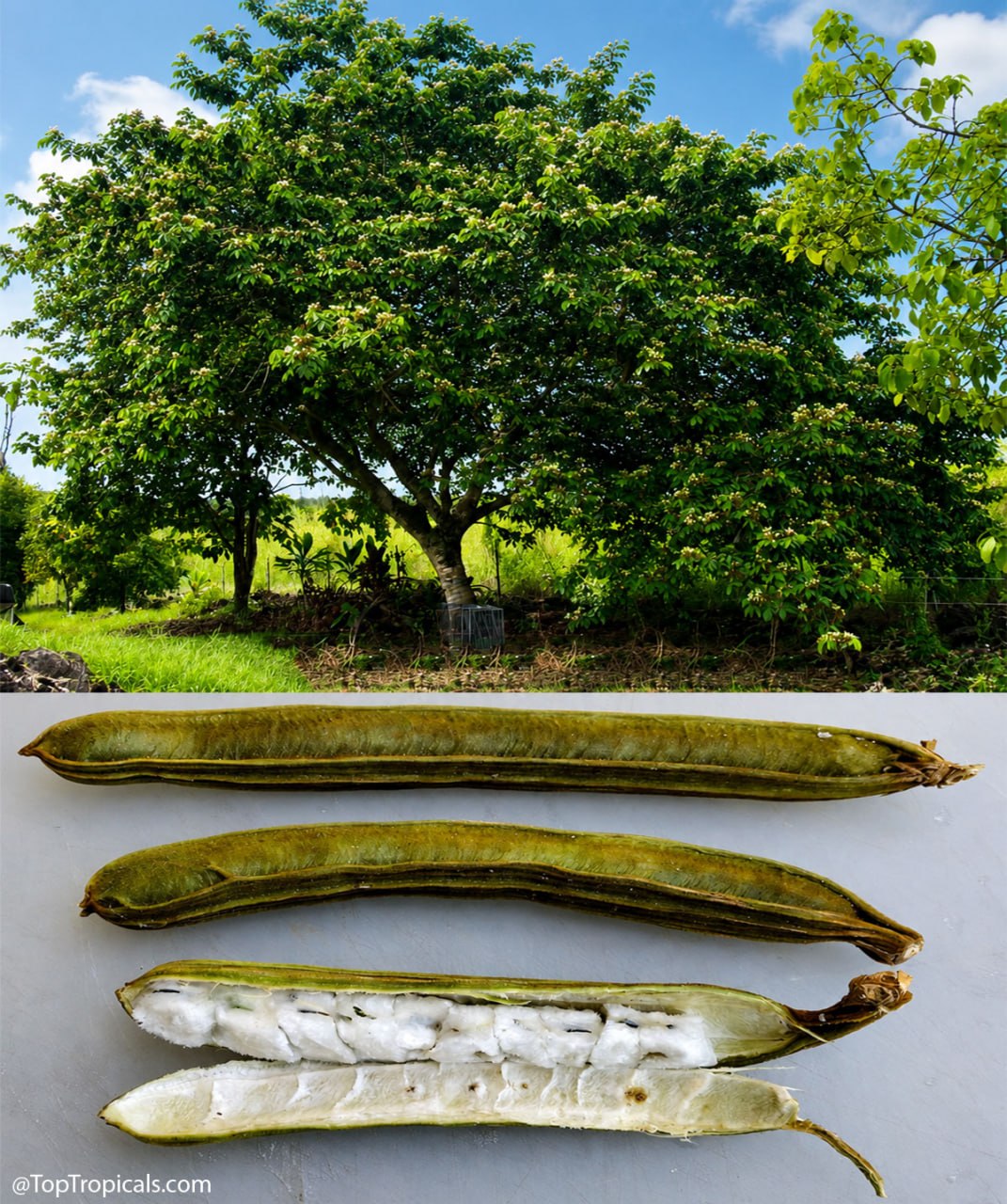
The Nitrogen-Fixing Myth: Why Your Ice Cream Bean Tree Still Needs Fertilizer
If you’ve ever planted an Ice Cream Bean tree (Inga edulis) or another nitrogen-fixing plant, you’ve probably seen the common internet advice: “Don’t fertilize it - it makes its own food!”
If your young tree hasn't grown an inch in months, that myth is likely the reason why.
While members of the legume family (Fabaceae) can fix atmospheric nitrogen, "nitrogen-fixing" does not mean "fertilizer-free." Here is the truth behind how these plants feed - and why skipping key nutrients stalls their growth.
📊 3 Big Reasons Nitrogen-Fixing Plants Still Need Fertilizer
🟢 1. Nitrogen Is Only One Piece of the Puzzle
Think of nitrogen fixation like baking your own bread at home. That’s great for carbs, but you still need protein, healthy fats, vitamins, and minerals to survive!
Plants are no different. Nitrogen drives leafy green growth, but trees cannot build roots, flowers, or fruit without a full diet of essential elements:
Phosphorus: Fuel for root development and blooms.
Potassium: Critical for overall plant vigor and stress tolerance.
Secondary Elements & Micronutrients: Magnesium, sulfur, calcium, iron, and molybdenum are essential for basic cell functions.
🟢 2. The "Fertilizer Factory" Needs Raw Materials
A nitrogen-fixing plant doesn't work alone it forms a symbiotic partnership with specialized beneficial soil bacteria (Rhizobium).
The Plant Factory Analogy: A nitrogen-fixing tree operates like a tiny organic fertilizer factory. However, that factory requires raw materials, electricity, and maintenance to run. If the tree lacks phosphorus, iron, or molybdenum, the factory shuts down, and nitrogen production stops completely.
For successful nitrogen fixation, three conditions must be met:
The correct Rhizobium bacteria must be present in the soil.
Healthy root nodules must actively form.
The plant must have enough micronutrients to power the biological process.
🟢 3. Young Plants Aren't Fully Operational Yet
Newly planted trees haven't developed a fully functioning root system or established an efficient bacterial partnership. A moderate boost of balanced nutrients gives young saplings the jumpstart they need to build sturdy roots and leaves early on.
📊 Nitrogen-Fixing Plants in Your Garden
Many popular tropicals belong to the legume family (Fabaceae):
Fruit Trees: Ice Cream Bean (Inga edulis), Tamarind (Tamarindus indica)
Edible & Cover Crops: Pigeon Pea (Cajanus cajan), Velvet Bean (Mucuna pruriens)
Ornamentals:Royal Poinciana (Delonix regia), Yellow Flame Tree (Peltophorum pterocarpum), Orchid Trees (Bauhinia spp.), Cassia/Senna
✍️ Note: While species like Tamarind nodulate, their nitrogen-fixing capabilities are much weaker than robust fixers like Inga, making proper feeding even more crucial.
📊 How to Properly Feed Nitrogen-Fixing Trees
To help young nitrogen-fixers establish quickly, grow vigorously, and reach fruiting size years ahead of schedule, feed them a balanced nutrient blend:
Base Feeding: Apply a high-quality, controlled-release formula like Green Magic every six months to supply steady, complete nutrition.
Active Season Boost: During peak spring and summer growth, supplement with bio-available liquid micro-element boosters like Sunshine Superfood.
📊 FAQ: Quick Recap
Q: If my Ice Cream Bean fixes its own nitrogen, why isn't it growing?
A: Nitrogen is only one element. Without adequate phosphorus, potassium, and trace minerals, the plant cannot build new tissue or maintain its nitrogen-fixing root nodules. Giving it a balanced, complete fertilizer will kickstart its growth.
🛒 Plant Ice Cream Bean tree and Feed it Properly
📚 Learn more:


Ice Cream Bean tree (Inga edulis) in Plant Encyclopedia
Did you know that ice cream actually grows on a tree?
What does Ice Cream Bean fruit taste like?
Ice Cream Bean cool fluff: quick-n-fun exotic recipes
#Food_Forest #Discover #Fertilizers #How_to
🟢 Join 👉 TopTropicals
Date: 27 Jul 2026
Great solitude

♀️ Great solitude
"Without great solitude no serious work is possible." - Pablo Picasso
🐈📸 TopTropicals rescued cat Timo is getting ready for serious work at TopTropicals PeopleCats.Garden
#PeopleCats #Quotes
🟢 Join 👉 TopTropicals