Garden Blog - Top Tropicals
Date: 19 Feb 2026
10 ways to enjoy Wild Medlar - Spanish Tamarind
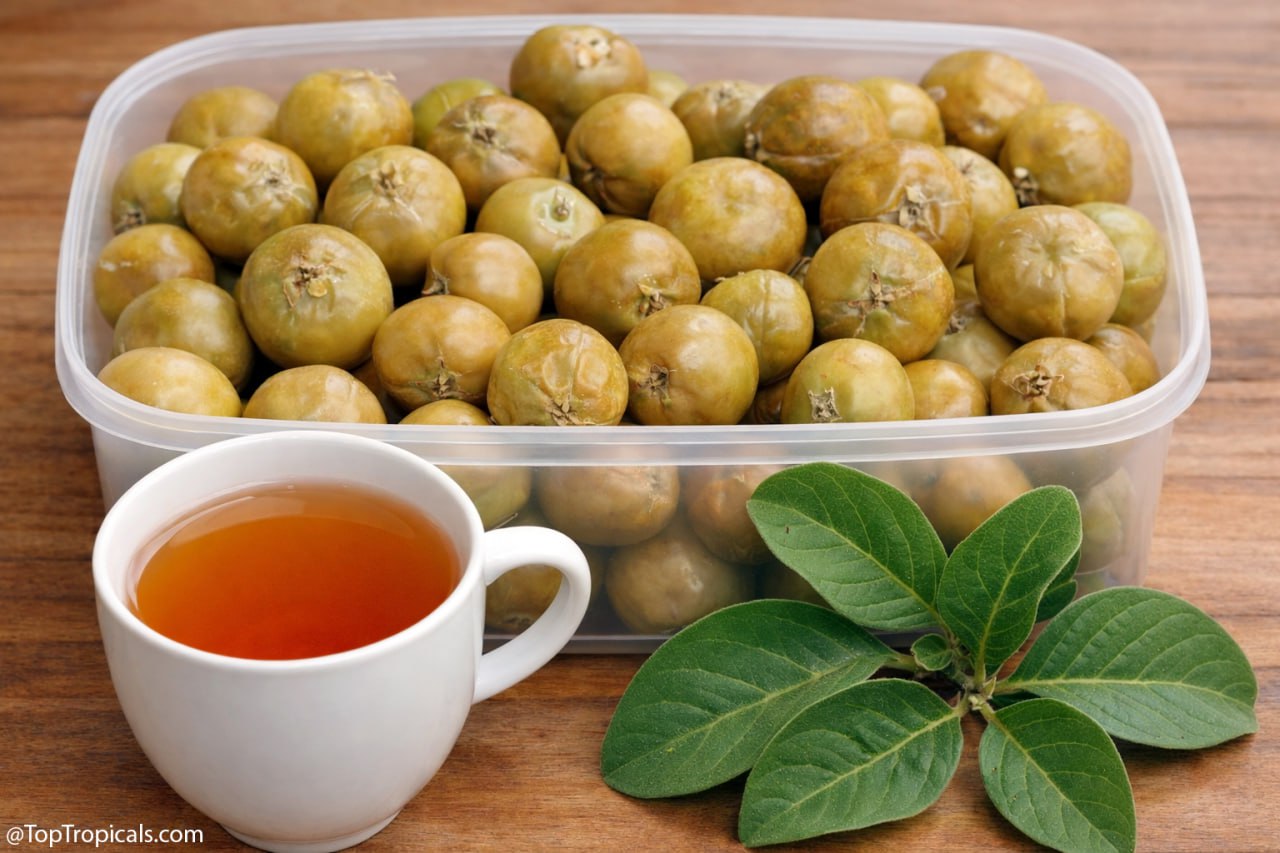
Vangueria infausta (Spanish Tamarind, Wild Medlar)
🍊 10 ways to enjoy Wild Medlar - Spanish Tamarind
Vangueria infausta (Spanish Tamarind, Wild Medlar) from Africa to your backyard: the fruit, the medicine, the tradition.


Spanish Tamarind may look like a small, unassuming fruit - but don’t let it fool you. In its native Africa, this tree is a food staple, a home remedy, and a cultural favorite, all wrapped into one. And now, it’s ready to bring that same magic into your garden and kitchen. People have used this fruit for generations - and how you can too.
🍊 1. Eat it fresh, off the tree
When ripe, the fruit turns golden brown and softens slightly. Its flavor is sweet-tart, almost like a tangy apple or tamarind with a hint of citrus. Just peel and eat!
🍬 2. Dry it for snacks
In many African regions, the fruit is sun-dried and enjoyed like natural fruit leather. It keeps well, travels well, and makes a great healthy snack.
🍵 3. Brew it into a fruit tea
Dried fruit can be steeped into a tart, refreshing tea that’s packed with vitamin C and antioxidants. Add honey or ginger for a soothing drink.
🍷 4. Ferment it into traditional beer or wine
In some local cultures, the fruit is fermented into a mild alcoholic drink, similar to fruit wine or beer. This is one of the tree’s oldest known traditional uses.
🍧 5. Make jams and preserves
Boil the pulp with sugar and lemon juice to make tangy medlar jam. Spread it on toast, stir into yogurt, or use it in baking.
6. Add to porridge or smoothies
Crushed or juiced medlar fruit is added to traditional maize porridge for a nutrient boost. You can do the same with oatmeal or smoothies.
7. Try traditional fruit pudding
A simple medlar mash with a little sweetener makes a rich, apple-like pudding with hints of spice. Great as a chilled dessert.
🌿 8. Use the leaves and bark medicinally
In folk medicine, leaves are brewed into a tea for treating fever, colds, and stomach aches. Bark is used for chest congestion and coughs. Roots are sometimes used for even stronger remedies like malaria treatment.
9. Clean your teeth the traditional way
Believe it or not, people use medlar leaves to clean their teeth! The leaves are antimicrobial and have a slight astringent taste that leaves your mouth feeling fresh.
🎨 10. Dye fabric naturally
Crush the bark or boil the leaves to create natural dyes in yellow, green, and even purple tones. This use is still practiced in rural areas of southern Africa.
✍️ Why this tree belongs in your life
Wild Medlar is more than just a fruit. It’s a versatile, resilient, and deeply cultural plant that connects generations. It’s food, it’s healing, it’s art—and now it can be part of your garden story.
Grow it for the fruit, the medicine, the tradition… or just for the joy of growing something wild and wonderful.
🛒 Plant Spanish Tamarind and enjoy exotic fruit benefits
📚 Learn more:
Vangueria infausta - Spanish Tamarind in Plant Encyclopedia
7 steps for a care-free Spanish Tamarind - the easiest rare fruit to grow
The wild fruit with a secret: health benefits of rare Spanish Tamarind - the exotic fruit you've never heard of
#Food_Forest #Remedies #Recipes #Discover
🟢 Join 👉 TopTropicals
Date: 18 Feb 2026
How to find peace
Cat Riki watching cat TV
🕊 How to find peace
"Peace is not absence of conflict, it is the ability to handle conflict by peaceful means." - Ronald Reagan
🐈📸 Cat Riki and his indoor bird symphony at TopTropicals PeopleCats.Garden
#PeopleCats #Quotes
🟢 Join 👉 TopTropicals
Date: 18 Feb 2026
⭐️ Choosing the Right Variety of Jasmine Sambac
By Tatiana Anderson, Horticulture Expert at Top Tropicals
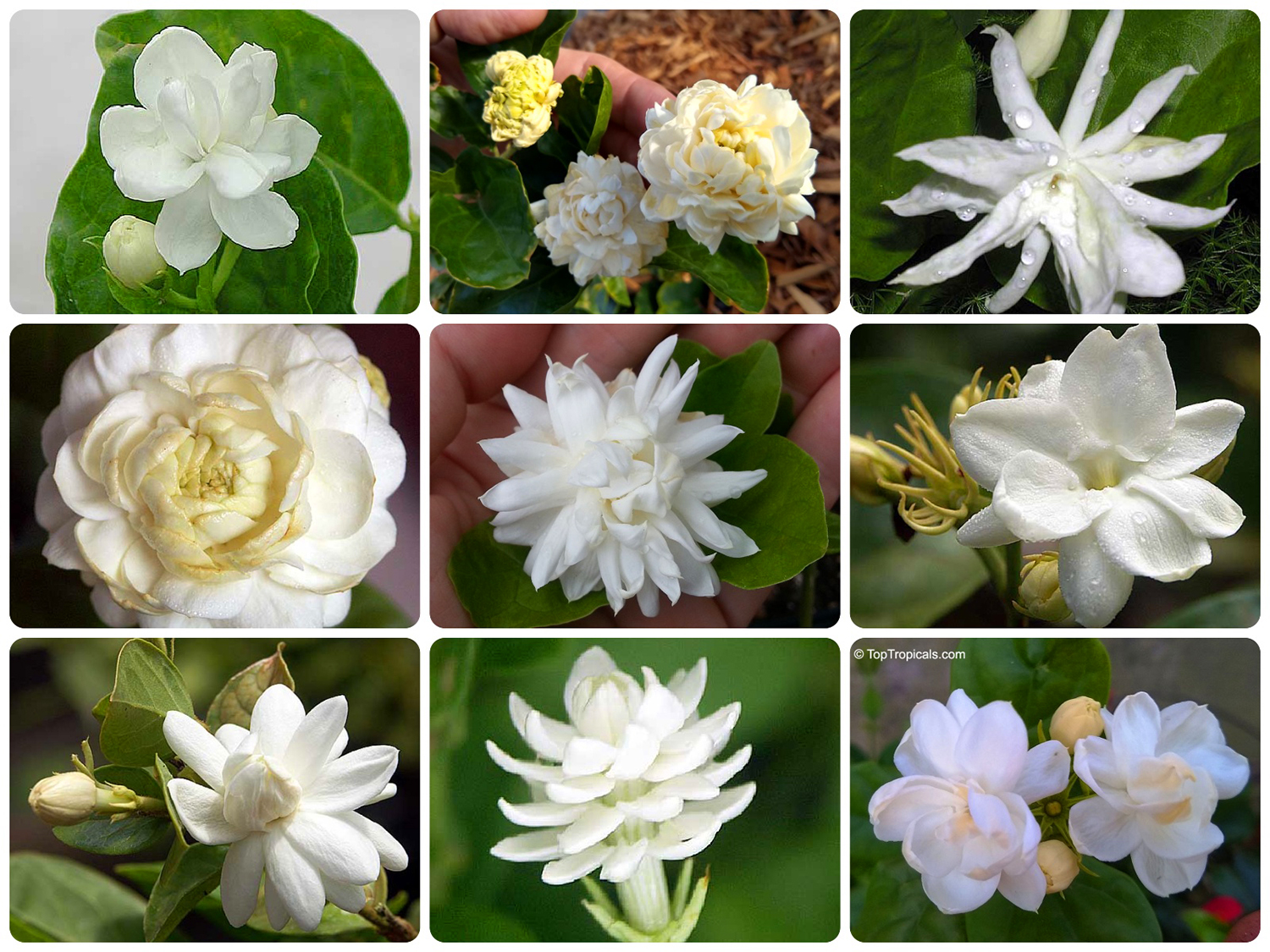
One of the reasons Jasmine Sambac is so fascinating is that it does not come in just one form. Each variety has its own personality.
If you want a compact patio plant, Arabian Nights or Little Duke are excellent choices. They stay tidy, bloom generously, and are easy to manage in containers.
If you prefer elegant, elongated petals and a refined look, Belle of India is a favorite. It can be grown as a small bush or trained lightly as a vine.
For those who love full, carnation-like double flowers, Grand Duke of Tuscany and Grand Duke Supreme are classic selections. They are vigorous and make impressive shrubs in warm climates.
If you need a stronger climber for fences or hedges, Maid of Orleans performs beautifully in full sun while Mysore Mulli prefers semi-shade.
Collectors often enjoy rare forms like Mali Chat or newer hybrids such as Gundu Malli, which combine traits from different lines.
 How to Grow Jasmine Sambac Successfully
Sambac is not difficult, but it responds best to consistency.
Light: Full sun produces the most flowers. In very hot climates, light afternoon shade is acceptable. Indoors, place it in the brightest window available.
Soil: Use a well-draining potting mix such as Sunshine Abundance. Sambac does not like heavy, constantly wet soil.
Water: Water thoroughly, then allow the top layer to dry slightly before watering again. Reduce watering during cooler months.
Pruning: Light trimming after a bloom cycle encourages branching. More branches mean more flower buds.
Feeding: Sambac is a heavy bloomer, and fragrance takes energy. During active growth, feed regularly with a balanced fertilizer that supports flowering such as Green Magic (controlled release every 6 months) or liquid Sunshine Boosters Pikake (formulated especially for fragrant flowers) - with every watering. I prefer formulas slightly higher in potassium to encourage stronger bud formation and richer bloom cycles. Consistent feeding during warm months makes a visible difference in both flower count and intensity of scent.
With proper care, Jasmine Sambac will reward you not just with flowers, but with perfume that changes the atmosphere of your entire garden.
❓Frequently Asked Questions About Jasmine Sambac
-
Does Jasmine Sambac need full sun?
It flowers best in full sun. In very hot climates, light afternoon shade is acceptable. Indoors, give it the brightest window possible. -
Can I grow it in a pot?
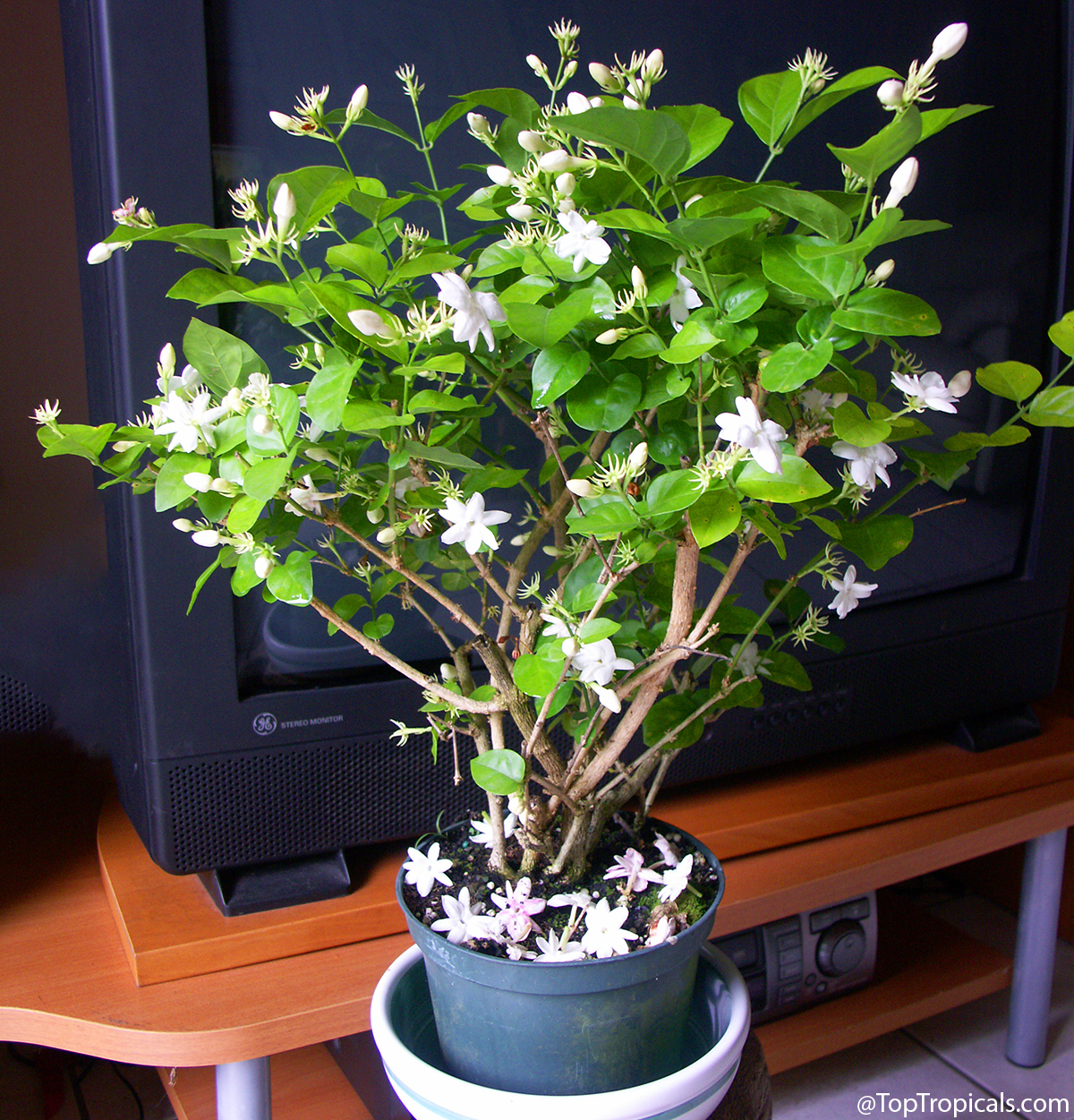
Yes. Sambac performs beautifully in containers. Many gardeners prefer pots because it is easier to control size and move during cold weather. -
How often does it bloom?
With proper light and feeding, it blooms in cycles throughout the warm season. Consistency in care makes flowering more reliable. -
Why is my plant not blooming?
The most common reasons are insufficient light or irregular feeding. Increase light first, then review your fertilizing routine. -
Is it difficult to grow indoors?
Not if you provide strong light and good air circulation. Compact varieties adapt especially well. -
Is it frost tolerant?
No. Jasmine Sambac is tropical. Protect it from temperatures below 40F and bring it indoors before frost.
🌸 Year of the Horse Special – Jasmine Bonus
Celebrate 2026 with the fragrance of Jasmine plants. For a limited time, enjoy special savings when you grow one of the most wanted perfume plants in cultivation.
Date: 18 Feb 2026
🔥 Blazing into the 2026 with hot jasmines

Smokey: It's jasmine, Tiger. A shrub. Not Wembley. Calm down.
💮 2026 Year of the Horse - and the Plant I Trust Most
By Tatiana Anderson, Horticulture Expert at Top Tropicals
Every new year carries its own energy.
2026 is the Year of the Horse - a year of movement, fire, momentum, and bold decisions. It is not a quiet year. It pushes us forward.
When fellow gardeners ask me what to grow in a year like this, my answer
is simple:
Grow something that balances strength with grace.
For me, that plant is Jasmine Sambac.


In many cultures, Sambac represents devotion, purity, and deep affection. In the Philippines it is the national flower - Sampaguita - woven into garlands for weddings and sacred ceremonies. In Hawaii, it becomes leis - a symbol of welcome and connection - Pikake. In India, it perfumes temples and homes.
This is not just a fragrant shrub.
It is a plant tied to love, loyalty, and continuity.
The Horse runs forward.
Jasmine anchors the heart.
In a fiery year like 2026, I believe we need both.
And that is why I always return to Jasminum sambac.
✅ Why Jasmine Sambac?
Over the years I have grown thousands of plants, but very few have the staying power of Jasmine Sambac.
It is not just fragrant. It is intensely, unmistakably fragrant. One open flower can perfume an entire patio. In the evening, the scent becomes deeper and richer.
But what makes Sambac truly special is its adaptability.
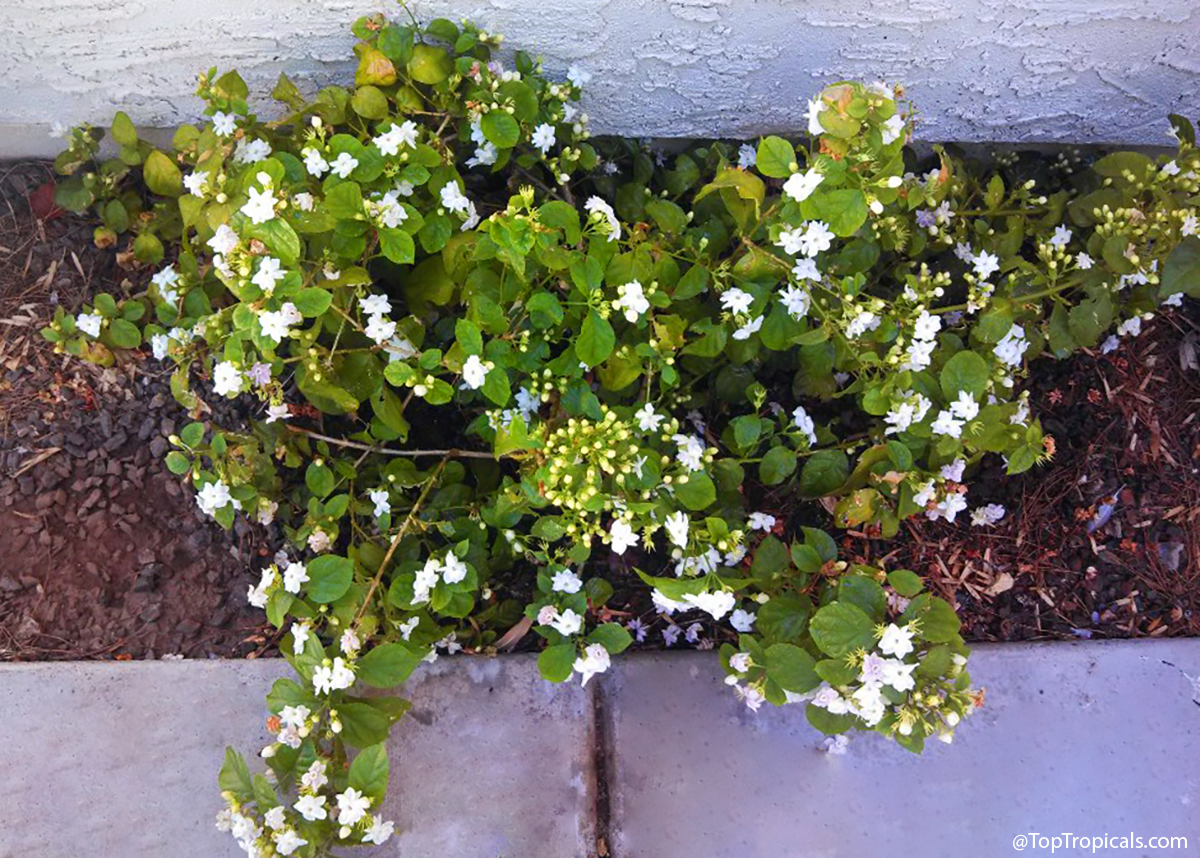
It can grow as a compact patio shrub, a flowering hedge, or a climbing vine. It performs beautifully in containers. It tolerates both full sun and partial shade. The more light you give it, the more flowers it rewards you with.
And unlike many tropicals, Sambac does not bloom just once. With proper care, it flowers in cycles throughout the warm season.
For gardeners, that combination is rare: beauty, perfume, flexibility, and repeat bloom.
That is why it has remained one of the most wanted fragrant plants in cultivation.
Date: 17 Feb 2026
Nandi and her eyes

Nandi the cat with big eyes

Nandi the cat with big eyes

Nandi the cat with big eyes
👀 Nandi and her eyes
"Look into my eyes so I can hypnotize you."
- Zen Mistress Nandi
🐈📸 Nandi - Onika's cat from TopTropicals PeopleCats.Garden
#PeopleCats
🟢 Join 👉 TopTropicals