Garden Blog - Top Tropicals

Date: 6 May 2025

Why all Floridians want Coffee Senna in their landscape and what it has to do with Coffee
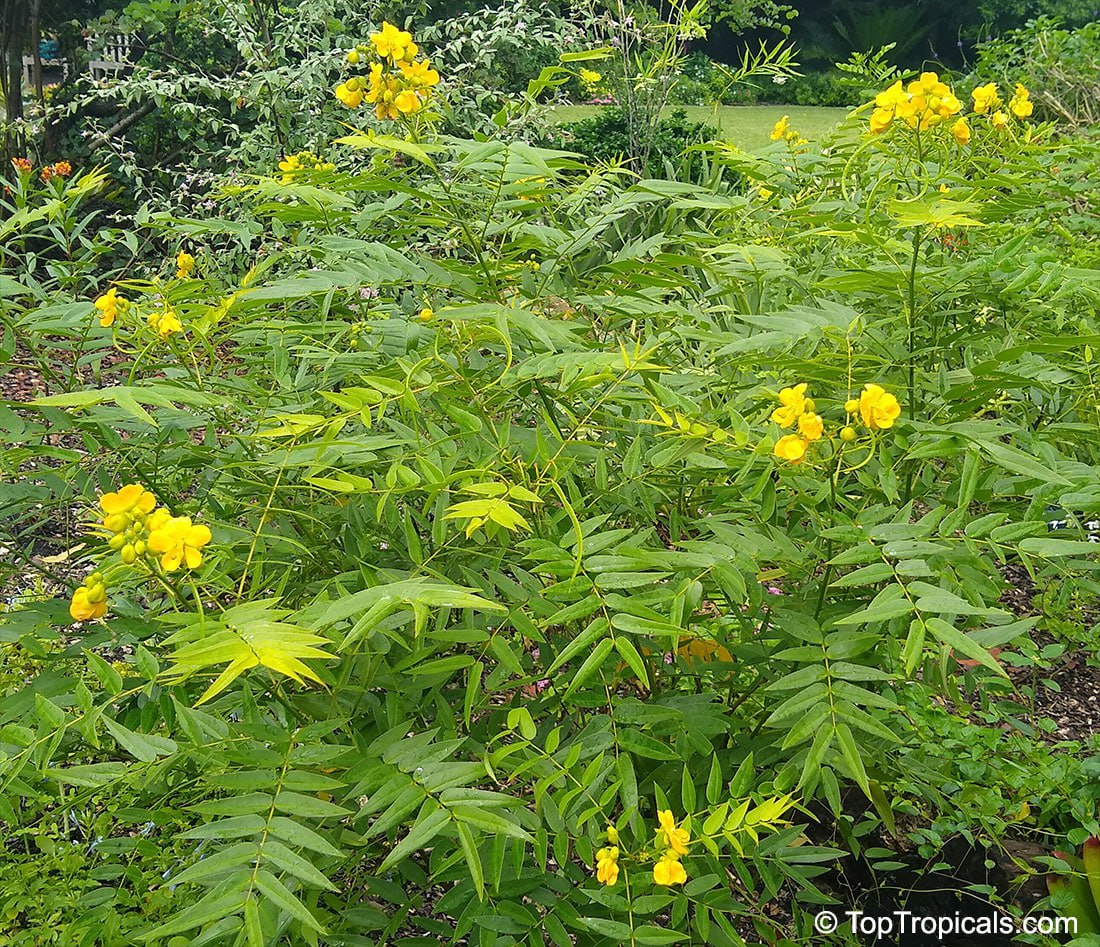
Cassia occidentalis - Coffee Senna, Fedegoso, Privet Cassia
Cassia occidentalis - Coffee Senna, Fedegoso, Privet Cassia
Cassia occidentalis - Coffee Senna, Fedegoso, Privet Cassia
Cassia occidentalis - Coffee Senna, Fedegoso, Privet Cassia

Cassia occidentalis - Coffee Senna, Fedegoso, Privet Cassia

Cassia occidentalis - Coffee Senna, Fedegoso, Privet Cassia

Cassia occidentalis - Coffee Senna, Fedegoso, Privet Cassia

Cassia occidentalis - Coffee Senna, Fedegoso, Privet Cassia

☀️ Why all Floridians want Coffee Senna in their landscape and what it has to do with Coffee

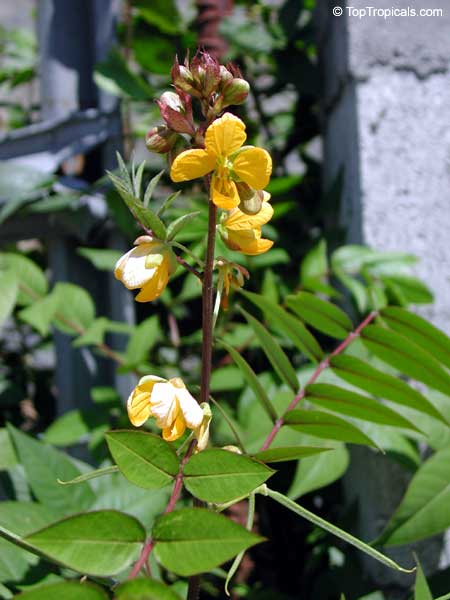
  • 🌼 Beauty without the hassle! Cassia occidentalis, commonly known as Coffee Senna, Fedegoso, or Privet Cassia, offers striking beauty and practical benefits, making it an excellent choice for low-maintenance landscapes and herbal medicinal garden.
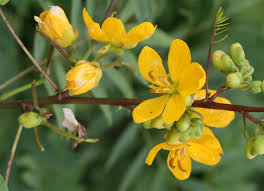
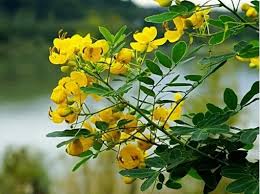
  • 🌼 From spring to fall, this medium-sized shrub showcases clusters of orange-yellow flowers that look like little yellow hummingbirds from the distance and attract butterflies and bees.​ The large, red-veined leaves add ornamental value even when not in bloom.​
  • 🌼 Coffee Senna thrives in full sun to partial shade and is drought- and cold-tolerant once established. ​Requires minimal care, making it ideal for gardeners seeking beauty without the hassle.​ Its spreading habit can provide a natural hedge or privacy screen.​
  • 🌼 Coffee Senna gets its common name from the resemblance of its seeds to coffee beans. The seeds are dark and oval-shaped, much like coffee beans. Despite the name, the seeds are not related to the actual coffee plant (Coffea arabica). The "Senna" part of its name refers to its botanical Senna genus, which includes various species traditionally used for medicinal purposes.
  • 🌼 Health Benefits of Coffee Senna


    Beyond its ornamental appeal, Coffee Senna has a history in traditional medicine:​

  • ✔️Digestive Aid: The seeds have mild laxative properties, aiding in constipation relief.​
  • ✔️Respiratory Support: Infusions of the root and dried flowers are used to treat gastrointestinal issues, colds, and flu .​
  • ✔️Skin Health: Poultices made from the roots and flowers are applied to treat skin disorders such as eczema .​
  • ✔️Nutritional Value: The seeds are rich in iron and other minerals, contributing to overall health .


🛒 Plant your own Coffee Senna

#Food_Forest #Butterfly_Plants #Hedges_with_benefits #Remedies #Discover

🔴 Join 👉 TopTropicals
Date: 5 May 2025

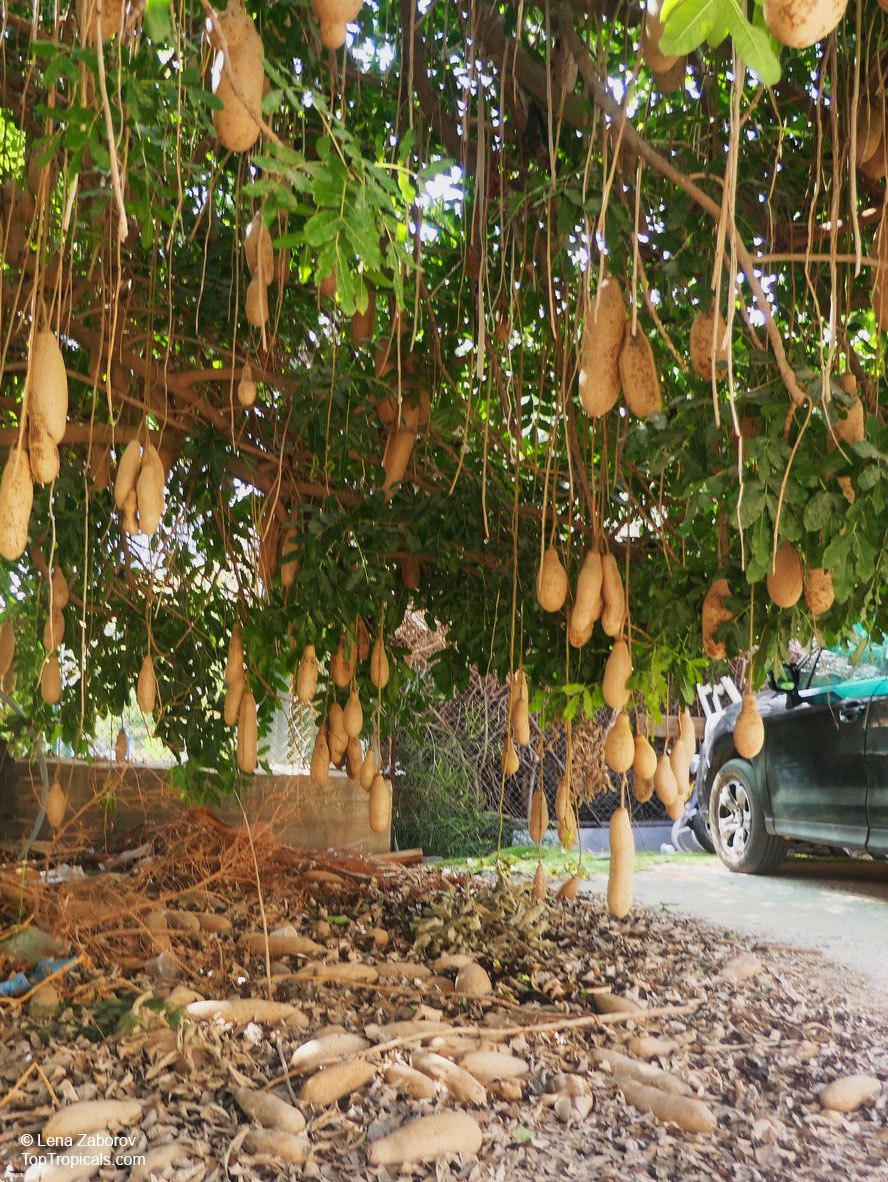
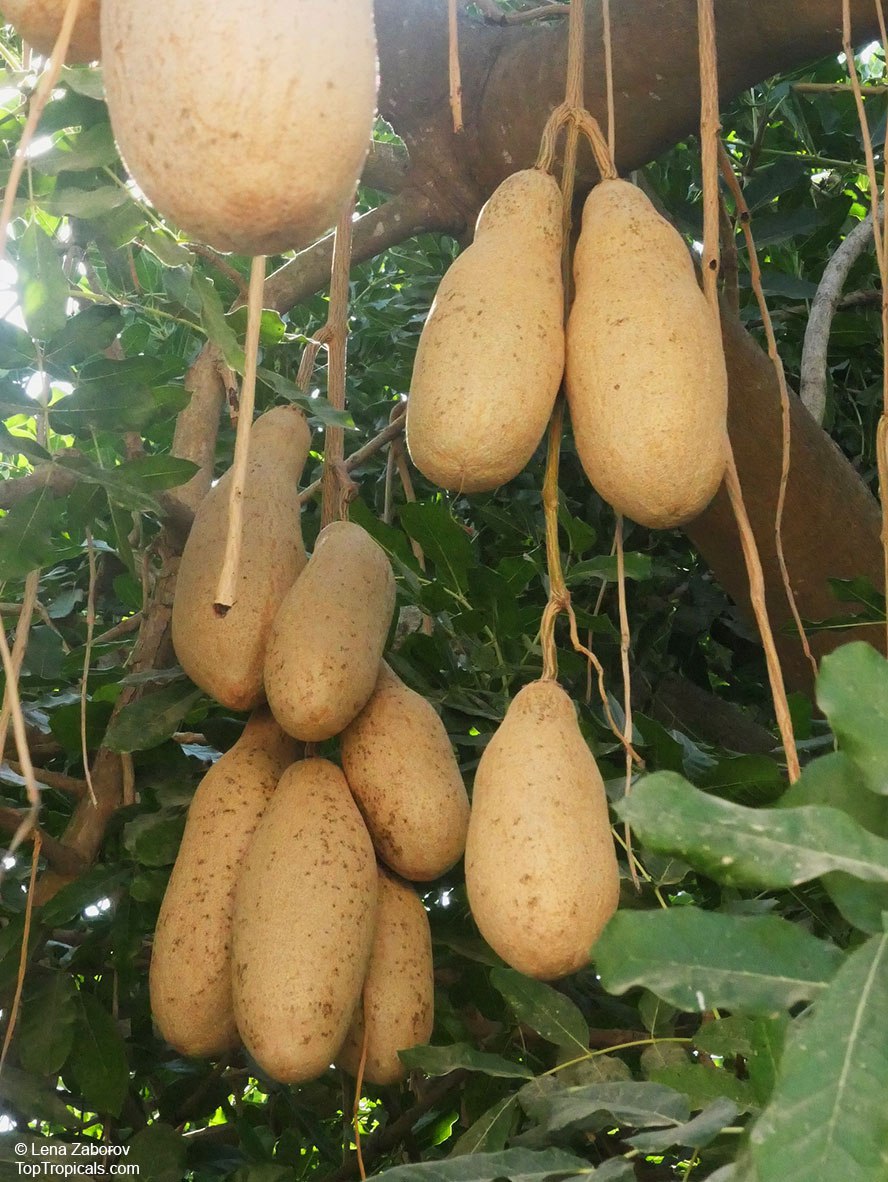
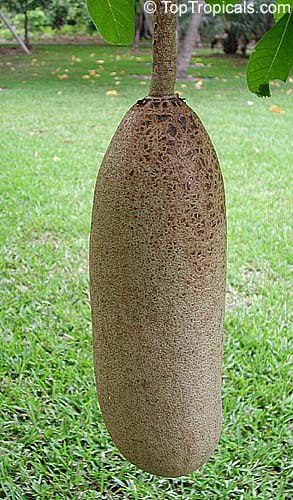
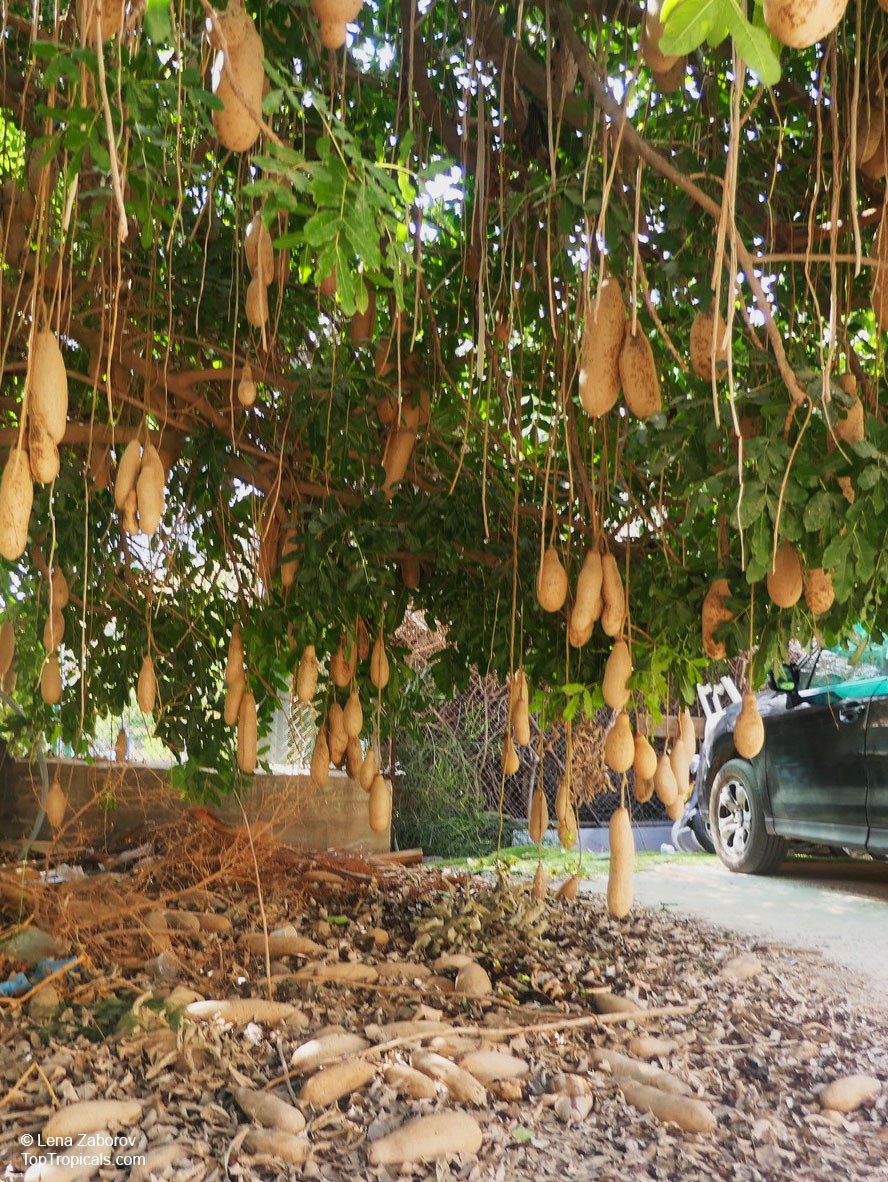
Is the Sausage Tree from Africa edible?

Is the Sausage Tree from Africa edible? Is the Sausage Tree from Africa edible? Is the Sausage Tree from Africa edible? Is the Sausage Tree from Africa edible?

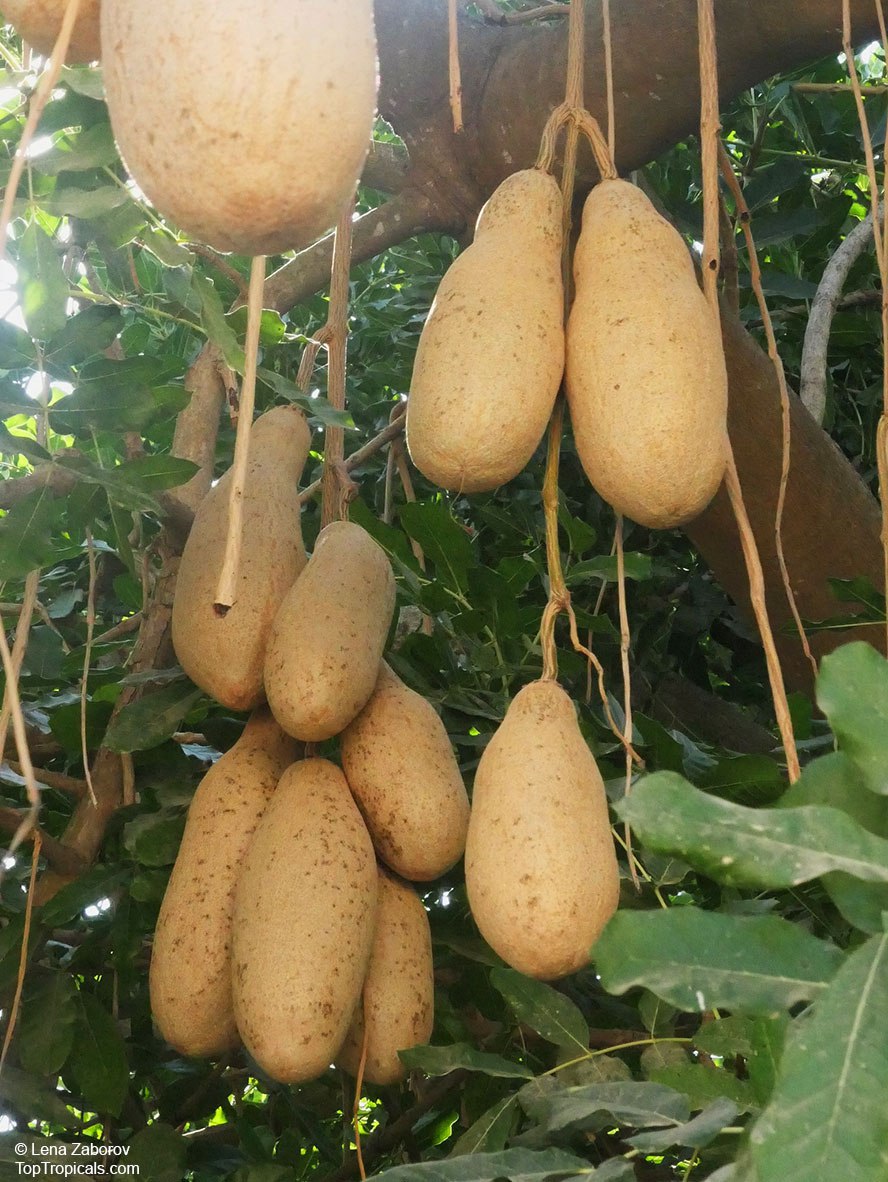
🌭 Is the Sausage Tree from Africa edible?


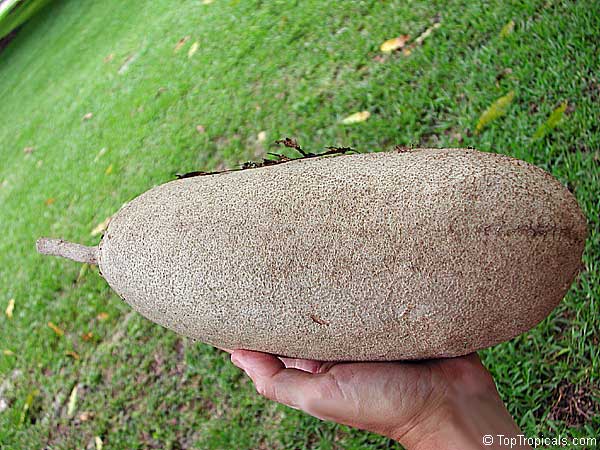
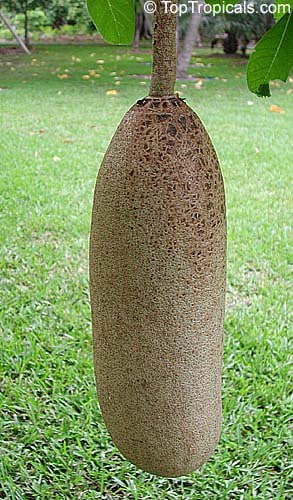
Despite the tempting name, the sausages that grow on the Sausage Tree don't actually taste like the sausages you're thinking of, but... in a nutshell, they are still edible! Let's dive into the details...

  • 🌭The Sausage Tree (Kigelia pinnata, also known as Kigelia africana) is a striking tropical tree native to sub-Saharan Africa, renowned for its large, sausage-shaped fruits that can grow up to 2 feet long and weigh up to 15 pounds.

  • 🌭While the Sausage Tree's fruit is technically edible, it is toxic when raw. To safely consume the fruit, it must undergo specific processing methods:

  • Drying: The fruit is dried thoroughly to reduce toxicity.
    Roasting or Baking: These methods help neutralize harmful compounds.
    Fermentation: In some cultures, the fruit is fermented, often with sugarcane juice or honey, to create traditional beverages like muratina in Kenya.

  • 🌭Even with these preparations, caution is advised. It's essential to consult with local experts or traditional practitioners before attempting to consume Sausage Tree fruit.

  • 🌭Various parts of the tree, including the fruit, bark, and leaves, have been used to treat ailments such as ulcers, skin infections.

  • 🌭In some African cultures, the fruit is associated with fertility and is used in rituals. The tree's presence is often considered auspicious.

  • 🌭Although the Sausage Tree might not be winning any awards for your dinner table, it's definitely a showstopper in the yard. Think of it as the ultimate conversation starter and the weirdest, most fascinating collectible you'll ever grow!


🛒 Grab your Sausage Tree now - impress your guests!

📚 Learn more about Sausage Tree:


Meet the tree everyone's talking about: sausages growing on a tree!

#Nature_Wonders #Trees #Discover

🏵 TopTropicals

Date: 5 May 2025

Is the Sausage Tree from Africa edible?

Sausage Tree - Kigelia pinnata, fruit

Sausage Tree - Kigelia pinnata, fruit

Sausage Tree - Kigelia pinnata, fruit

Sausage Tree - Kigelia pinnata, fruit

Sausage Tree - Kigelia pinnata

Sausage Tree - Kigelia pinnata

Sausage Tree - Kigelia pinnata, fruit

Sausage Tree - Kigelia pinnata, fruit

🌭 Is the Sausage Tree from Africa edible?


Despite the tempting name, the sausages that grow on the Sausage Tree don't actually taste like the sausages you're thinking of, but... in a nutshell, they are still edible! Let's dive into the details...
  • 🌭The Sausage Tree (Kigelia pinnata, also known as Kigelia africana) is a striking tropical tree native to sub-Saharan Africa, renowned for its large, sausage-shaped fruits that can grow up to 2 feet long and weigh up to 15 pounds.
  • 🌭While the Sausage Tree's fruit is technically edible, it is toxic when raw. To safely consume the fruit, it must undergo specific processing methods:

  • Drying: The fruit is dried thoroughly to reduce toxicity.
    Roasting or Baking: These methods help neutralize harmful compounds.
    Fermentation: In some cultures, the fruit is fermented, often with sugarcane juice or honey, to create traditional beverages like muratina in Kenya.
  • 🌭Even with these preparations, caution is advised. It's essential to consult with local experts or traditional practitioners before attempting to consume Sausage Tree fruit.
  • 🌭Various parts of the tree, including the fruit, bark, and leaves, have been used to treat ailments such as ulcers, skin infections.
  • 🌭In some African cultures, the fruit is associated with fertility and is used in rituals. The tree's presence is often considered auspicious.
  • 🌭Although the Sausage Tree might not be winning any awards for your dinner table, it's definitely a showstopper in the yard. Think of it as the ultimate conversation starter and the weirdest, most fascinating collectible you'll ever grow!


🛒 Grab your Sausage Tree now - impress your guests!

📚 Learn more about Sausage Tree:


Meet the tree everyone's talking about: sausages growing on a tree!

#Nature_Wonders #Trees #Discover

🏵 TopTropicals

Date: 1 May 2025

Why is it called the Fruit of the Gods? Jambolan health benefits

Syzygium cumini - Jambolan, Java Plum

Why is it called the Fruit of the Gods? Jambolan health benefits

  • 🟣 Fragrant & Flavorful: Enjoy purplish-black berries with a sweet or mildly tangy taste, perfect raw or transformed into tarts, sauces, and jams. This Divine Berry is Syzygium cumini - Jambolan, or Java Plum.
  • 🟣 Cultural & Medicinal Significance: Revered in Ayurveda, Unani and Chinese medicine, with seeds, leaves, and bark offering therapeutic uses. In Hindu mythology, it's known as the "fruit of the gods" with Lord Rama and Lord Krishna both linked to its divine history.
  • 🟣 Health Benefits of Jambolan. Incorporating Jambolan into your diet can be a flavorful and healthful choice, offering a range of benefits:

· Blood Sugar Regulation: May lower blood sugar levels; low glycemic index supports healthy control.
  • · Cardiovascular Support: Antioxidants reduce oxidative stress; potassium helps maintain healthy blood pressure.
  • · Digestive Health: High in fiber, promoting digestion and alleviating constipation.
  • · Liver Protection: Protects the liver and supports detoxification.
  • · Anti-inflammatory: Reduces inflammation associated with chronic conditions.
  • · Oral Health: Antimicrobial seeds help combat oral bacteria and promote dental health.
  • · Skin Health: Antioxidants help fight oxidative damage, promoting youthful skin.
  • · Weight Management: Low in calories, high in fiber, aids in satiety and digestion.
  • · Kidney Health: Diuretic properties help flush toxins and reduce kidney stone risk.
  • · Immune Boost: Vitamin C and antioxidants enhance immune function.


🟣 Privacy & Beauty: A fast-growing, bushy tree that doubles as an ornamental, forming dense screens in just two seasons, ideal for privacy or creating a beautiful barrier in your garden. Check out a video of the tree in earlier post: How to get a large, bushy, exotic fruit tree in no time.

🛒 Embrace both beauty and flavor with Jambolan!

#Food_Forest #Remedies #Discover

🔴 Join 👉 TopTropicals
Date: 29 Apr 2025

Whats inside this bumpy Annona fruit? Delicious Health benefits!

Annona squamosa - Sugar Apple, Sweetsop

🎃 What's inside this bumpy Annona fruit? Delicious Health benefits!

  • 🍏 Annona squamosa - Sugar Apple or Sweetsop, is not related to Apple at all; in fact it's in the same family with Ylang Ylang perfume trees - Annonaceae!
  • 🍏 Sugar Apple is considered by many to be the most delicious tropical fruit. The fruit is a true treat, with pulp that resembles creamy custard, offering a flavor experience that's hard to beat. Some cultivars like Vietnam Sugar Apple Nadi - have pulp virtually melting in your mouth!
  • 🍏 Sugar Apple tree starts fruiting within 3 years from seed and has compact growth habit, making it ideal for small gardens and containers. Beyond its delightful flavor and ornamental appeal, this fruit offers a variety of health benefits:

· Digestive Aid: High fiber promotes digestion and alleviates constipation.
  • · Antioxidant Properties: Combats oxidative stress, reducing the risk of chronic diseases.
  • · Mood Enhancement: Vitamin B6 boosts mood and helps fight depression.
  • · Eye Health: Rich in vitamin A, supports healthy vision.
  • · Blood Pressure Regulation: Potassium and magnesium help regulate blood pressure.
  • · Skin Health: Antioxidants protect skin from oxidative damage.
  • · Weight Management: Low in calories, high in fiber, promotes satiety.
  • · Immune Support: Vitamin C boosts the immune system.
  • · Anti-inflammatory: Reduces inflammation linked to chronic conditions.


📚 More about Annonas:


🛒 Plant

#Food_Forest #Discover

🔴 Join 👉 TopTropicals