🍑 Persimmons (Diospyros sp.) are fast-fruiting trees, perfect for gardeners seeking quick results.
🍑 Grafted varieties begin producing fruit immediately, even on young, container-grown trees as small as 2-3 feet tall, often flowering in their first year.
🍑 When planted in the ground, persimmons grow into compact, space-efficient trees that reliably produce a bountiful harvest every year.
*Wax Plants: Hoyas are often called wax plants because of their thick, glossy leaves and waxy flowers.
*Sweet Scented Blooms: Their star-shaped flowers not only look like candy but also emit sweet, often vanilla-like or chocolatey scents, especially in the evening.
*Epiphytic Nature: Many Hoyas grow as epiphytes in their natural habitats, meaning they live on other plants or trees, getting nutrients from the air and rain.
*Longevity: Hoyas can live for decades and may even be passed down as heirlooms. Some specimens are over 100 years old!
*Nectar Drops: Their blooms produce tiny drops of nectar, a treat for pollinators (and sometimes houseplant owners).
*Hundreds of Species: There are over 500 species of Hoyas, ranging from tiny-leafed varieties to ones with massive leaves or even fuzzy foliage.
*Sun-Loving Flowers: While the plants tolerate lower light, Hoyas flower best with bright, indirect light or even some direct sun.
*Low-Maintenance: They’re perfect for forgetful gardeners since they prefer to dry out between waterings.
*Climbing or Trailing: Hoyas can either climb with the help of trellises or cascade beautifully as trailing plants.
*Flowering Age: Hoyas are patient! Some won’t bloom until they’re a few years old, but the wait is worth it.
*Resilient Peduncles: Never cut off the “flower stems” (peduncles) - Hoyas rebloom from the same spot year after year.
*Exotic Origins: Native to Asia, Australia, and the Pacific Islands, they thrive in tropical and subtropical climates.
*Lucky Charm: In some cultures, Hoyas are considered symbols of love and are gifted as housewarming or wedding presents.
🎥 Hoya calycina - Papua Sweet Scent was discovered in Papua New Guinea in 1913. The flower is very fragrant and can infuse your entire house in a beautiful lilac scent.
😍 Do you have a favorite Hoya species in mind? Share in comments!
☀️ To our wonderful customers, thank you for your support throughout the year - we are truly grateful! We wish you peace, health, and beautiful gardens filled with abundant fruit and ever-blooming flowers.
👋 Don't miss the last day of 10% discount on plants, seeds, and garden supplies with the code below. Let's make your gardens even more fruitful and vibrant this Thanksgiving!
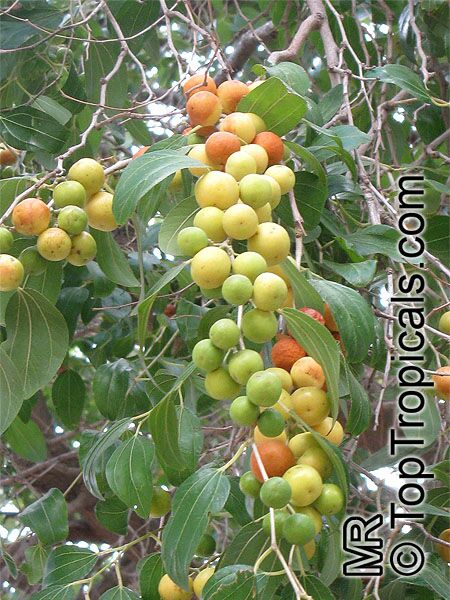
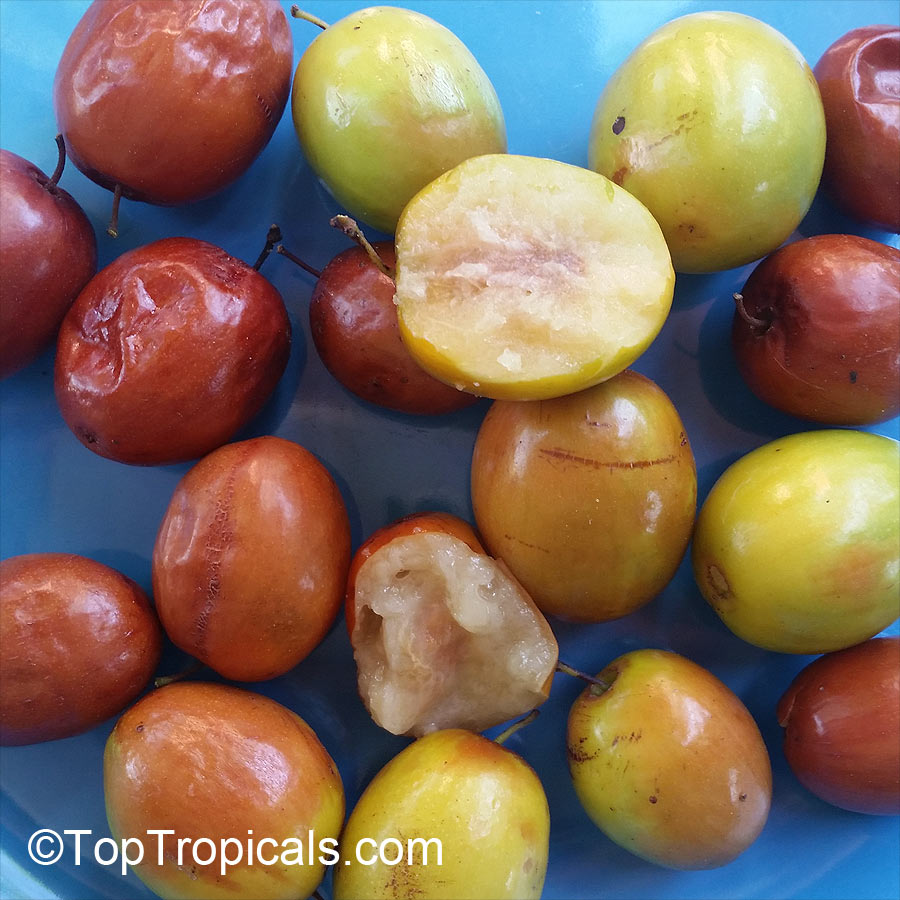
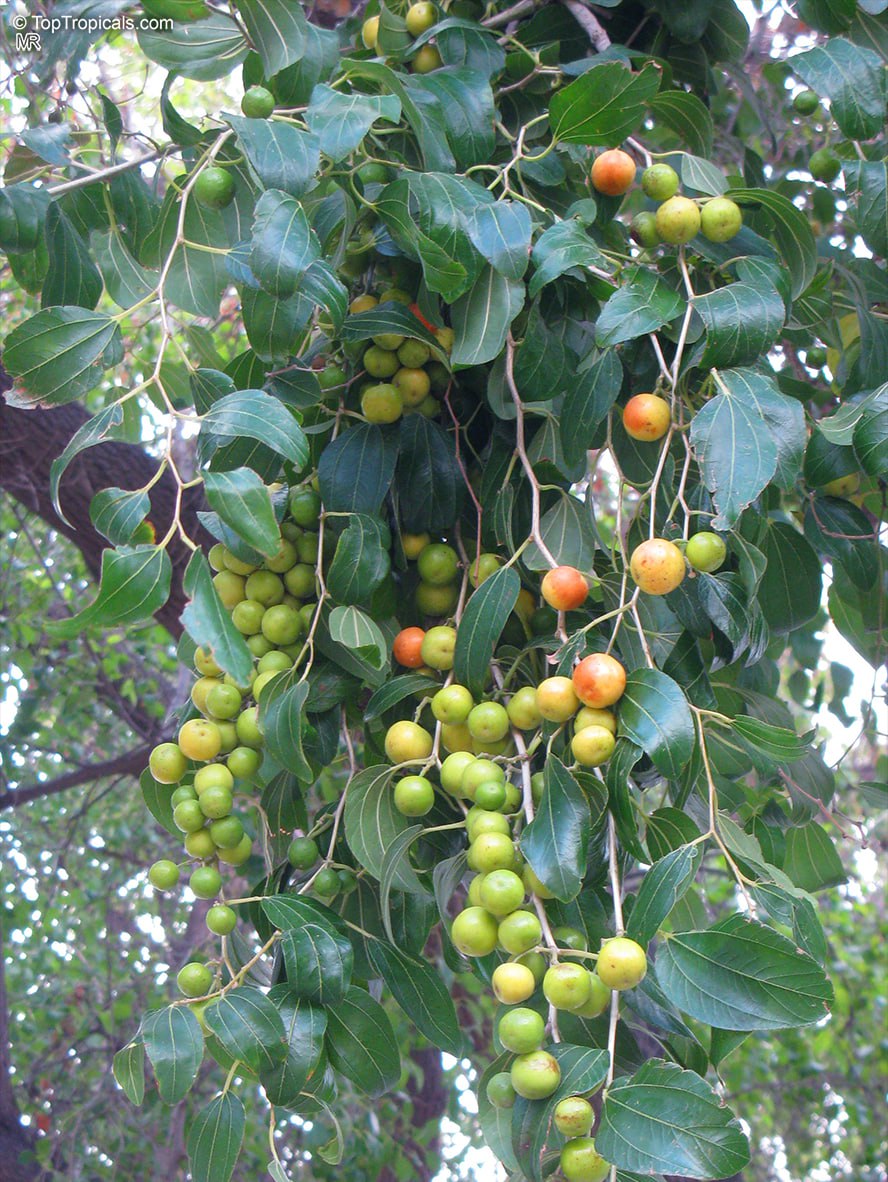
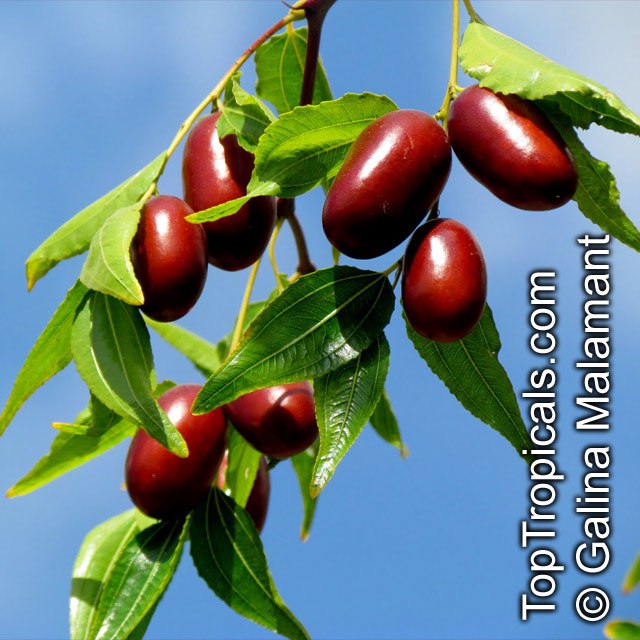
😇 Nutritious Fruit: The Jujube tree (Ziziphus jujuba) produces small, sweet, and slightly tangy fruits that are enjoyed by both children and adults.
😇 Hardy and Easy: This small, spreading tree with drooping branches grows quickly and thrives in poor, dry, and even moderately saline soils. It requires minimal care to flourish.
😇 Medicinal Uses: Every part of the Jujube tree, from its leaves to its bark and fruit, has medicinal properties. The fruit is known for its stress-relieving and immunity-boosting benefits.
😇 Thousands of Years in cultivation: Widely cultivated in China and India, jujubes have been grown for over 4,000 years. China has more jujube trees than any other type of fruit tree.
😇 Symbolism:
- The name Ziziphus comes from the Persian zizfum or Arabic zizouf.
- The tree is associated with Ziziphus spina-christi, the Christ's Thorn Jujube, which provided the thorns for the biblical crown of thorns.
- In Indian legends, the Jujube tree is said to be blessed with a boon: no matter how badly it is cut, it will never die, and a single root will cause it to regrow.
- Revered in India, the Jujube is known as the "Tree which removes sorrow" and is often offered to the god Siva.
😇 Greek Mythology: Some horticulturists draw a comparison between the Jujube tree and the Greek myth of Sisyphus. Like Sisyphus' boulder that endlessly rolls back down, the Jujube tree regrows tirelessly, symbolizing resilience, perseverance, and renewal.