Garden Blog - Top Tropicals
Date: 18 Jun 2023
Pomegranate:
healing drops of blood
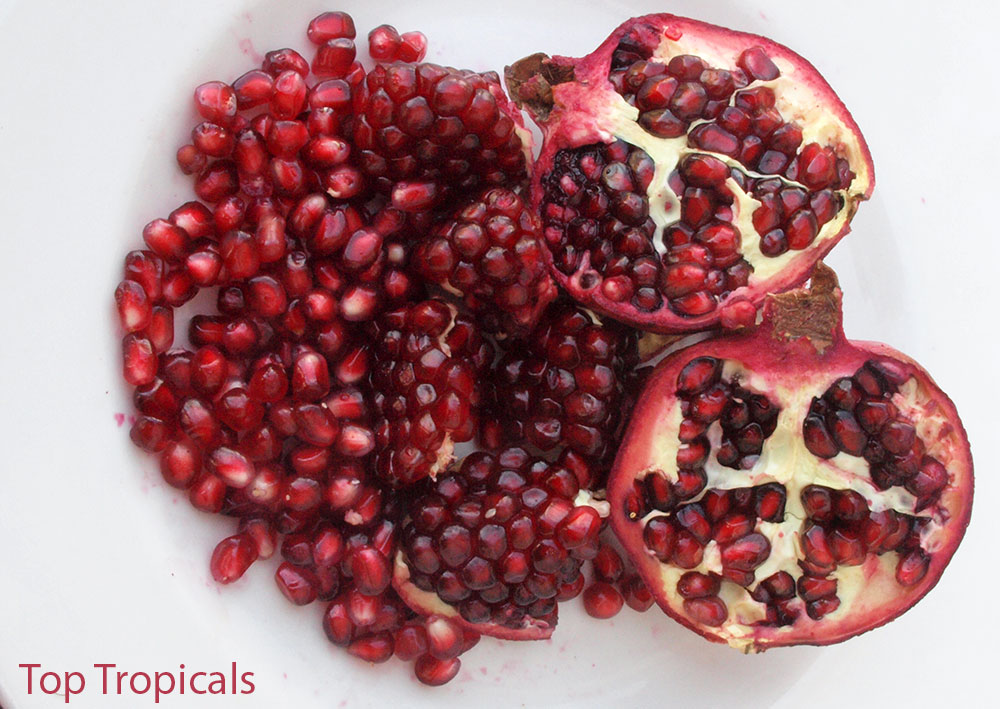
The pomegranate, a treasured fruit with ornamental and medicinal value, has a rich history. Native to regions from Iran to the Himalayas, it spread across the Mediterranean in ancient times. Theophrastus described it over 300 years before Christ. Legends abound, including its association with the Garden of Eden's "tree of life," symbolizing hope and eternal life in Christian art. The fruit's many seeds became a symbol of fertility. Its erect calyx-lobes inspired Solomon's crown. Egyptians cultivated it, and dried fruits were found in Bronze Age tombs. Moses reassured the Israelites of finding pomegranates in the Promised Land. Its allure and medicinal properties inspired myths, epics, and artworks, transcending time and cultures. Some scholars even suggest it was the fruit in the Garden of Eden, not an apple...
The gemstone garnet, named after the fruit due to its resemblance to pomegranate "pits," carries significance in Slavic languages as "Granat." Believed to bring luck in love and friendship, this precious stone holds an association with the pomegranate's symbolic value.
Pomegranates have been consumed by man since before recorded history. From ancient times, the fruit was valued for its medicinal properties. Consuming the fruit will help to improve blood quality. The tiny beads of fruit, full of precious oil and juice, are brilliant as drops of blood or rubies. These "drops of blood" from the pomegranate when consumed will help to build healthy red blood cells, according to the ancients who wrote the "Law of Similars". According to Ayurveda obese persons should consume the pomegranate fruit as it will improve metabolism and assist in the weight loosening. There is a saying in Hindi - "Ek anaar sau bemaar" - meaning one pomegranate can serve one hundred sick people.
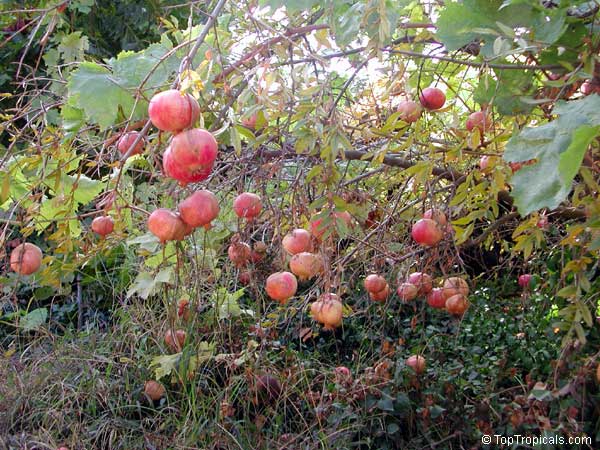
Pomegranate tree is easy to grow in your garden. Many varieties exist, and every one has its special features...
Date: 16 Jun 2023
10 tips how to care of tropical
garden
during hot Summer

Q: Do you have any special recommendations how to take care of plants during hot season, to reduce heat strees?
A: Tropical plants prefer temperatures of 70-90F, except for heat-adapted desert plants. High temperatures above 90F can cause slowed metabolism and signs of stress like wilting, yellowing, and leaf drop. Hot and humid conditions attract pests and fungal diseases. To keep your plants stress-free and healthy, during Summer:
1. Monitor temperature and signs of stress.
2. Provide shade to regulate heat exposure: use shade cloth or simply a sheet of fabric as needed to protect lush foliage from burns.
3. Choose heat-tolerant plant varieties.
4. Plant in groups and levels, with trees protecting smaller shade loving plants (see companion planting).
5. Water deeply in the morning or evening to prevent evaporation.
6. Mulch to conserve moisture and regulate soil temperature.
7. Air: ensure good air circulation.
8. Trim damaged foliage and crowded branches.
9. Fertilize: use appropriate fertilization to improve plant heat tolerance. Remember, plants need lots of food during active growth period.
10. Remove weeds, pests, and diseases promptly.
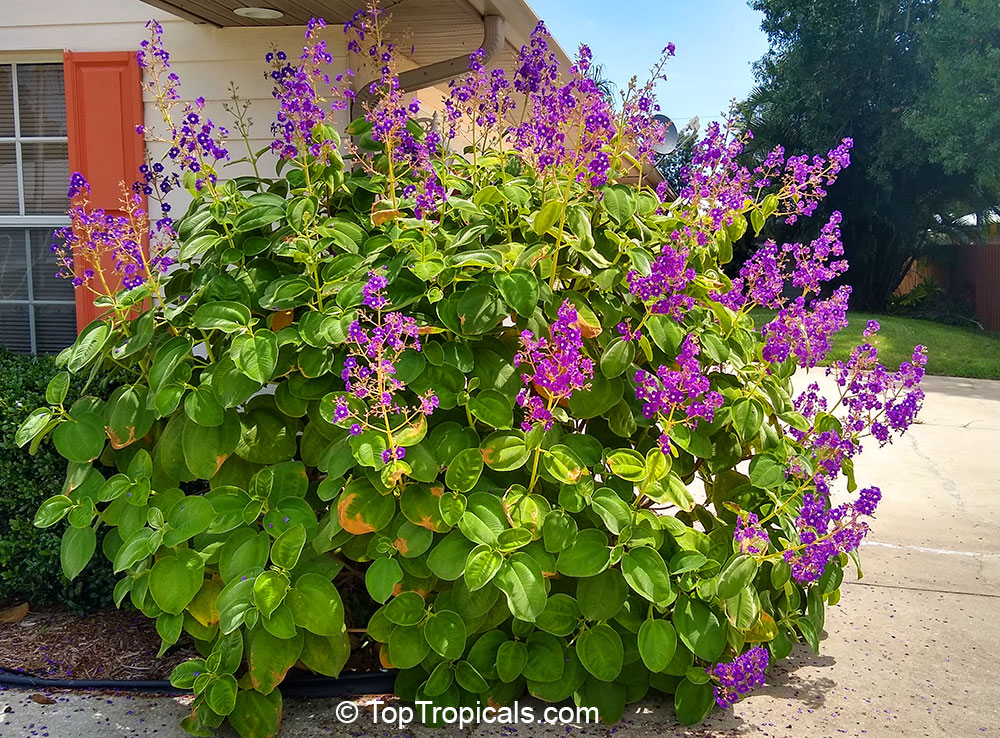
In the photo: Tibouchina multiflora (grandifolia) - Glory bush, Quaresmeira, one of the most impressive flowering plants for tropical gardens, with impressive, large velvet leaves and beautiful purple flowers. It blooms in both sun or shade!
Date: 16 Jun 2023
NEW VIDEO:
ABC7 Fort Myers News:
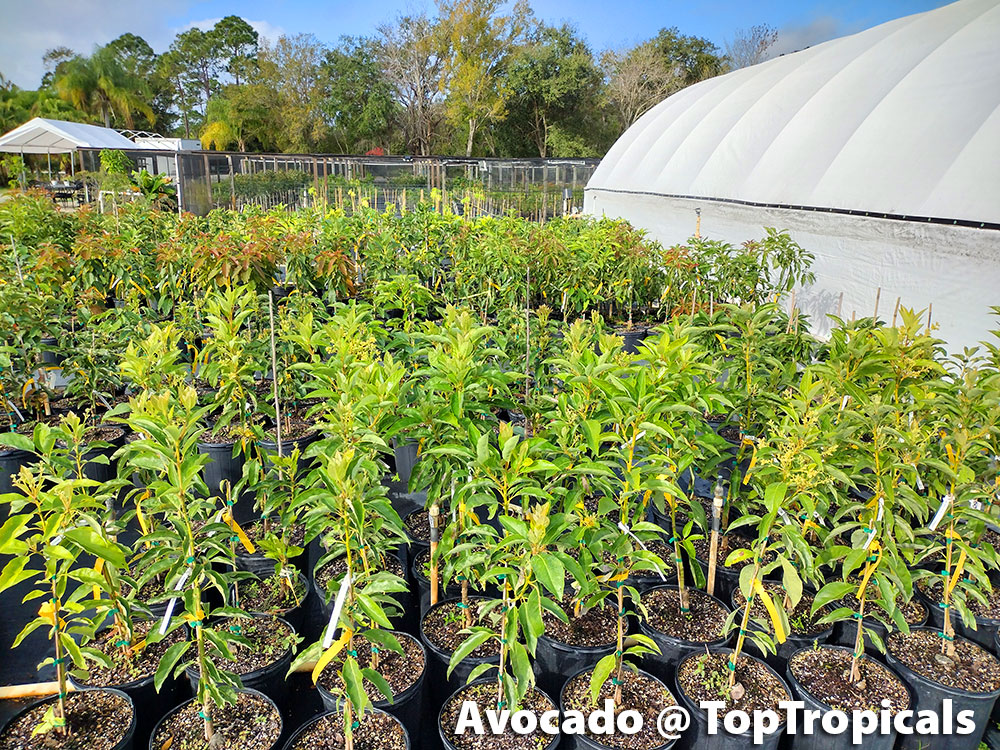
Avocado Varieties at Top Tropicals
We continue the series of ABC-7 News on Top Tropicals selections. Previously, we showed you segments about Butterfly Plants, Rare Fruit Trees, and Mango varieties. Today's video is about growing an Avocado tree in your home garden.
Growing your own avocado tree has many benefits. You can enjoy fresh, delicious avocados right from your garden. Avocado trees are attractive, provide shade, and enhance your landscape. There are many avocado varieties to choose from, offering unique flavors, sizes, and ripening times. You will find Avocado trees for sale online right here at TopTropicals.com. Our trees can be shipped to you!
Watch the news segment by Rachel Anderson for ABC-7:
Avocado Varieties at Top Tropicals.
Subscribe to our Channel:
Stay updated with TopTropicals Videos by subscribing to our channel at YouTube.com/TopTropicals and get our latest video news of what is fruiting and blooming!
Date: 12 Jun 2023
More TikTok Reels from TopTropicals
Discover more exotic plants and fun garden happenings from our TikTok updates:
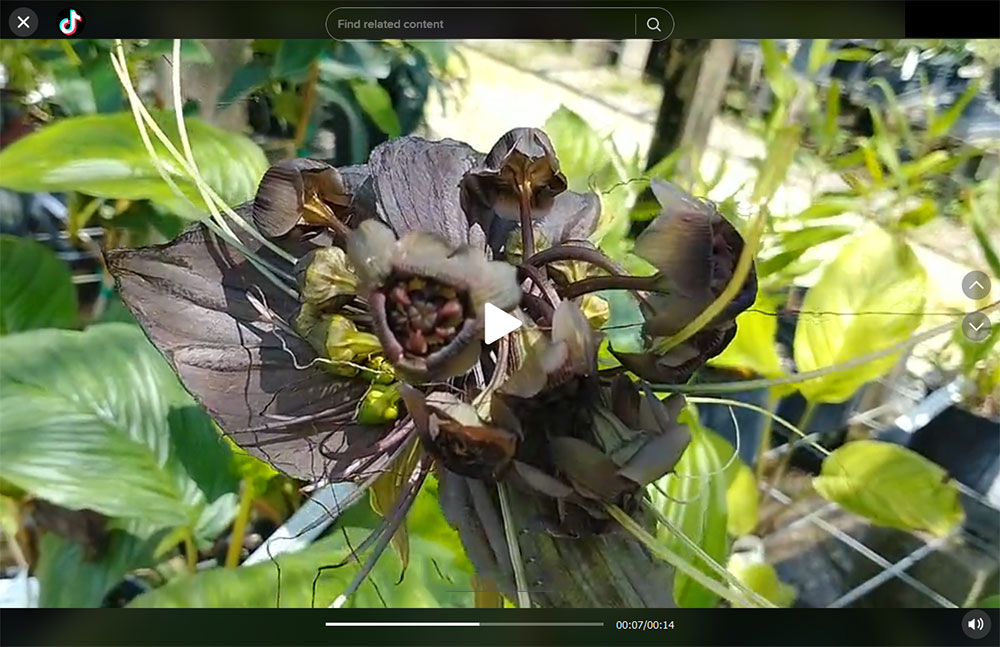
Tacca - Bat Lily
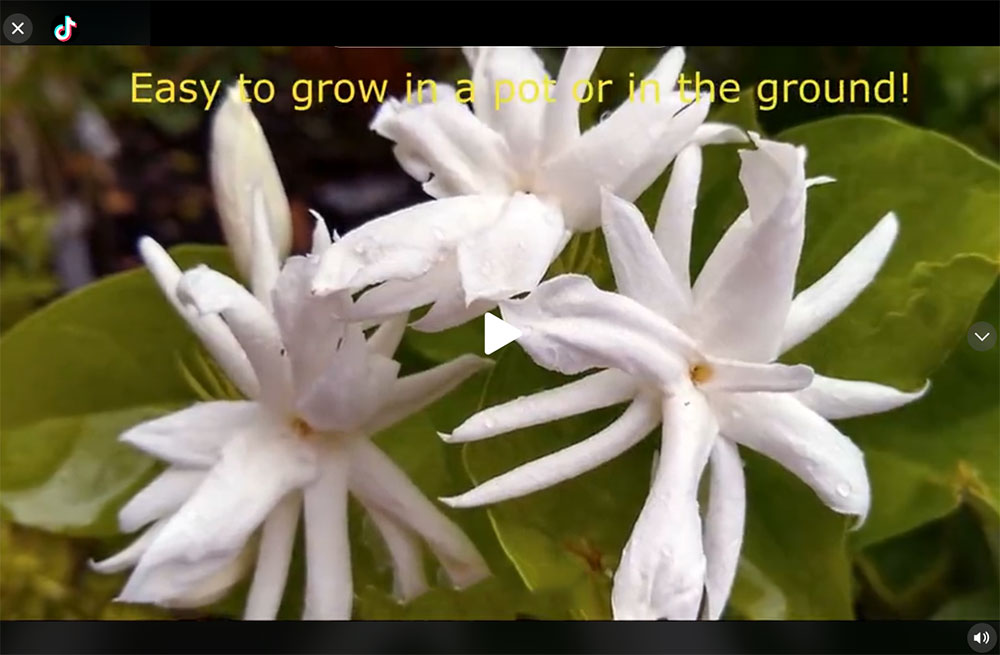
Jasmine Belle of India
Dwarf Poinciana Care Instrustions

Subscribe to Top Tropicals TikTok:
Date: 12 Jun 2023
What is Akee?
Grow Your Own Food
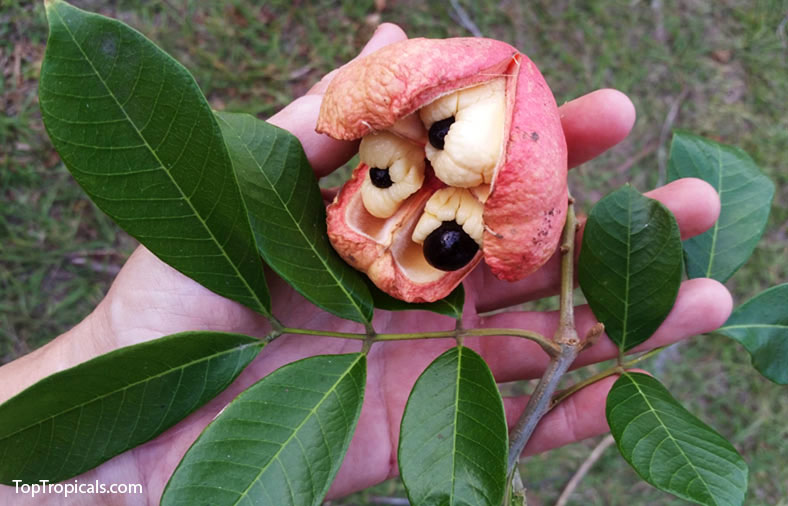
Q: What is Akee and how do you eat it? Is it a fruit or a vegetable?
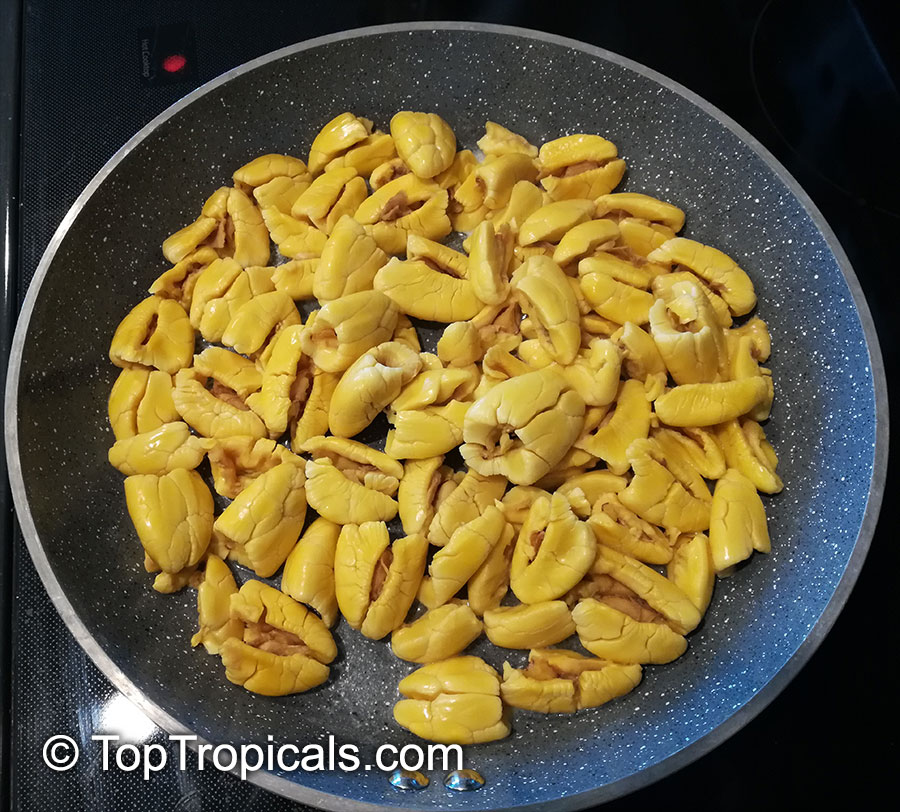
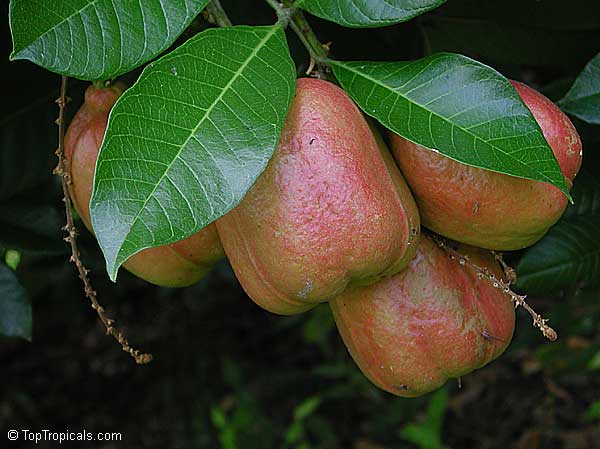
A: Blighia sapida, commonly known as Akee, holds a special place as the Jamaican National Fruit. The fruit of this medium size, fast growing subtropical tree is used as a vegetable, is renowned for its delicious taste, vibrant red pods, and creamy texture. Akee is primarily grown in Jamaica and is an integral part of Jamaican cuisine. Its unique ripening process and the need for careful preparation make it distinctive.
The fruit starts off green and gradually transforms into a vibrant red hue when it matures. To enjoy Akee, the pods must be harvested when fully ripe, and the skin should be orange to red. They are then carefully opened, revealing three distinct sections: the creamy white or yellow flesh, the central seed, and a thin, dark membrane. The seed and the membrane are not edible, only the ripe yellow flesh is consumed, which has a soft, buttery consistency and a mild, nutty flavor.
Akee is often cooked and served in various traditional Jamaican dishes. It is famously paired with salted codfish, creating the popular national dish known as "Ackee and Saltfish." This dish is a flavorful combination of sauteed Akee with flaked salted codfish, onions, peppers, tomatoes, and spices. Akee is also used in stews, curries, and salads, adding a rich and distinct taste to the culinary preparations.
Beyond its culinary significance, Akee holds cultural and historical importance in Jamaica. It is believed to have been brought to the Caribbean region from West Africa during the transatlantic slave trade era. Today, Akee symbolizes national pride and is a source of cultural identity for Jamaicans.
Akee tree is fast growing and easy to grow. It will start producing within 2-3 years after planting.