Garden Blog - Top Tropicals
Date: 12 Apr 2023
Colocasia vs Alocasia
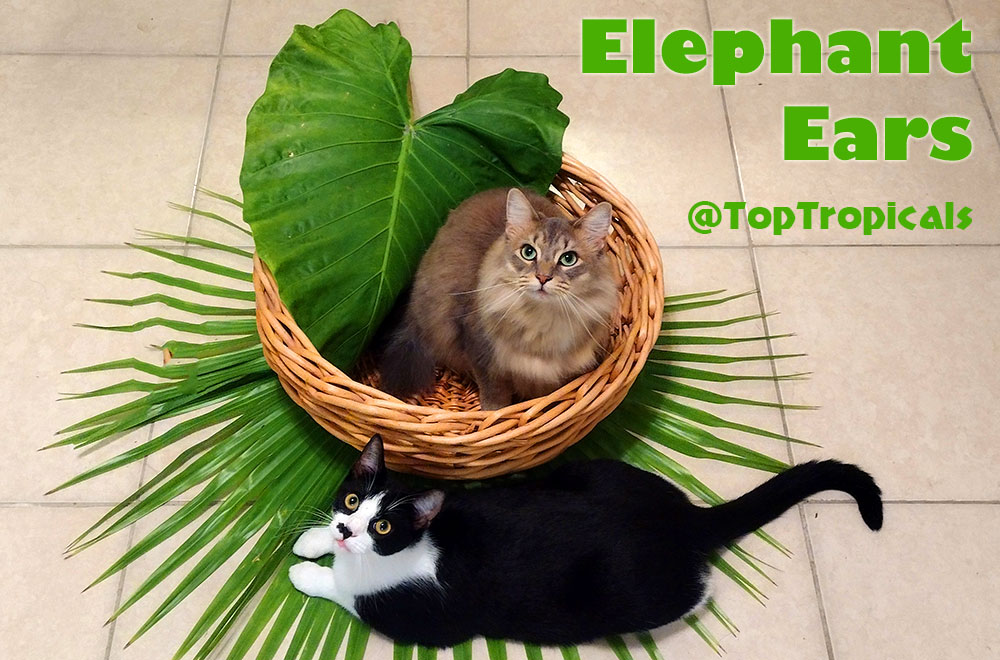
Q: What is the difference between Alocasia and Colocasia? They both are called Elephant Ears...
A: Alocasia and Colocasia are exotic tropical-looking plants with large, arrow- or heart-shaped leaves resembling elephant ears, hence the common name. They are both members of the Araceae family and are often confused with each other due to their similar appearance. The key differences between the two plants:
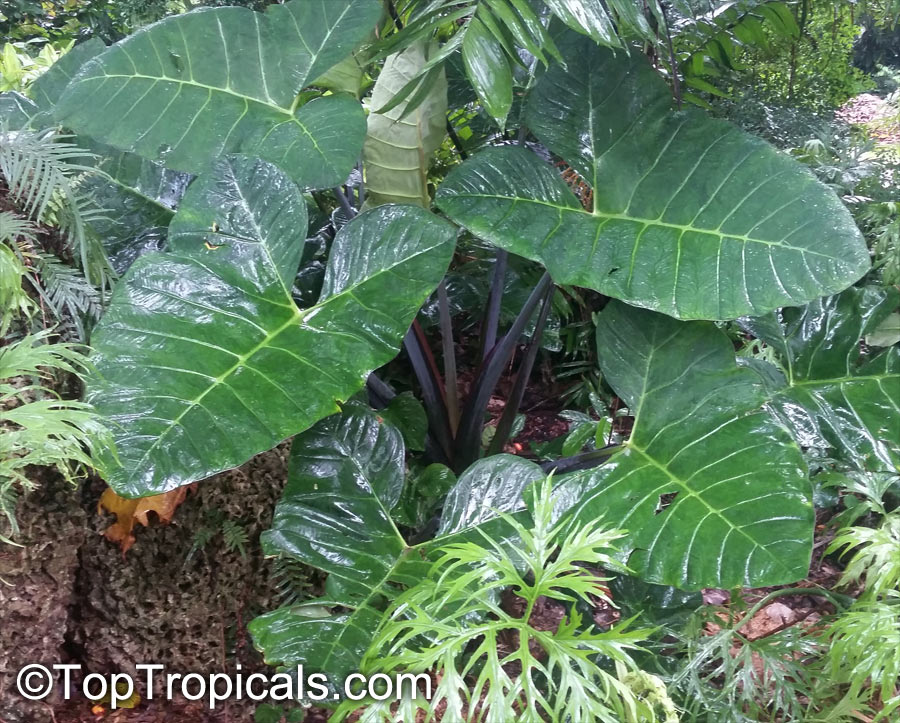
Leaf shape: The leaves of Alocasia are typically arrowhead-shaped and have a more elongated appearance. The leaves of Colocasia, on the other hand, are more heart-shaped and broader.
Leaf texture: Alocasia leaves have a smooth, glossy texture, while Colocasia leaves are typically more matte and have a slightly rough texture.
Stem color: The stems of Alocasia plants are typically green, while the stems of Colocasia plants are usually purplish, dark or almost black.
Growing conditions: Alocasia plants prefer bright, indirect light and well-draining soil, prefering to stay on a dry side, while Colocasia plants prefer partial to full shade and moist soil.
Hardiness: Colocasia plants are generally more cold-hardy than Alocasia plants and can tolerate colder temperatures. Both Alocasia and Colocasia may go dormant in Winter especially in cooler climates, and grow new leaves in Spring.
Elephant Ears are absolutely gorgeous tropical plants. They add bold texture, tropical flair, and thrive in filtered light, making it a unique and low maintenance addition to any garden, especially shaded locations.

Date: 9 Apr 2023
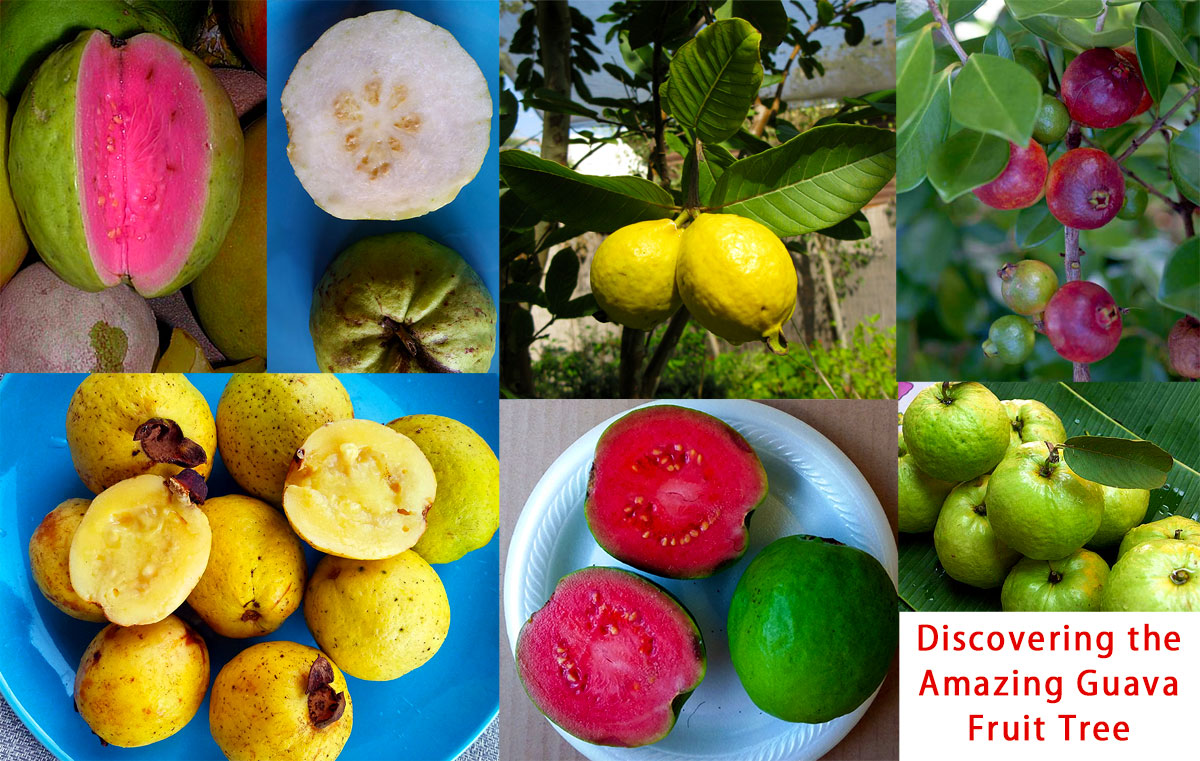
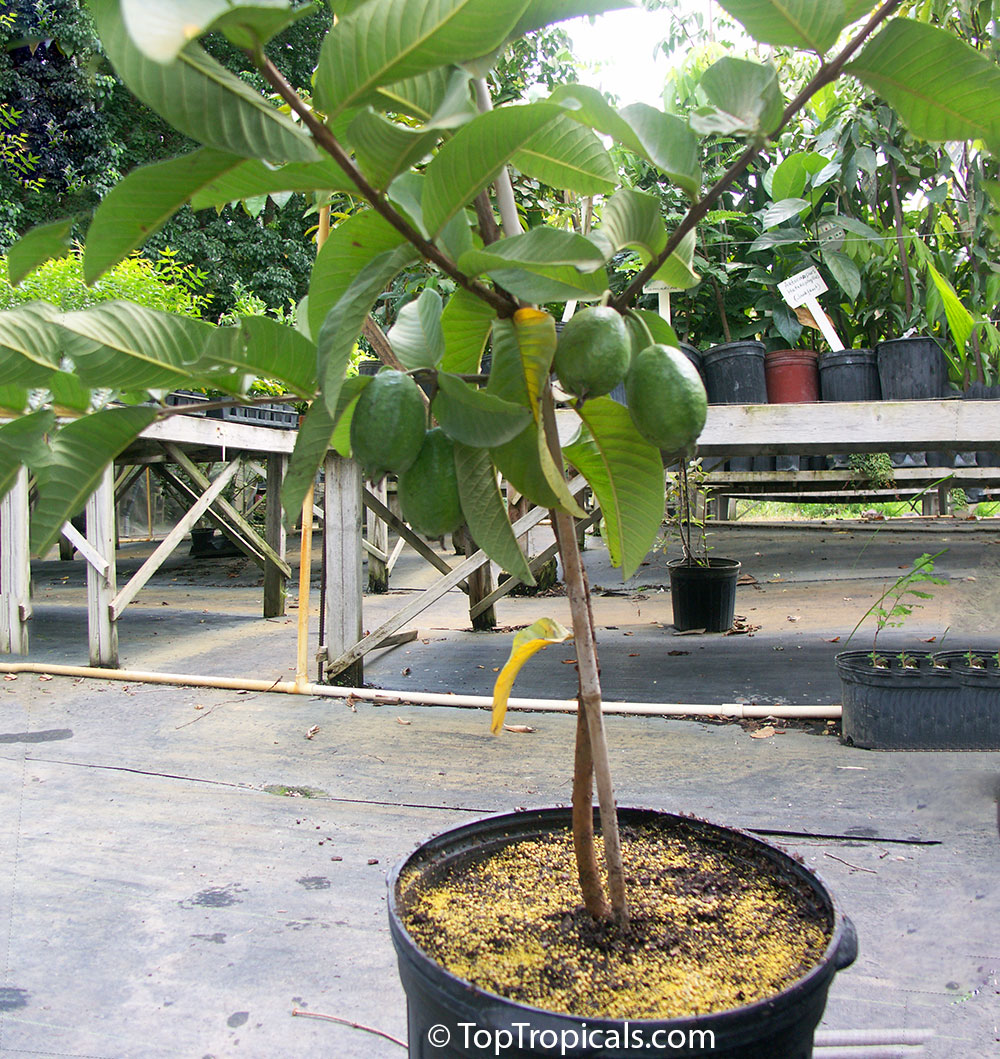
Discovering the Amazing Guava Fruit Tree
A Gardener's Delight:
How to grow Guava Tree, delicious recipes and more...
Imagine stepping into your garden, plucking a fresh, juicy guava off a tree, and savoring its sweet, tropical flavor. Sounds delightful, doesn't it? Guava trees are not only a wonderful addition to any garden but also offer an array of delicious and nutritious fruits. Let's explore the fascinating world of guava fruit trees, dive into the different species, and share some tasty ways to enjoy this remarkable fruit.
If you're blessed with a warm climate, find a sunny spot with well-drained soil for your tree. Water it regularly, especially during dry spells, and keep it well-fed with a balanced fertilizer. Pruning is essential for maintaining a bushy, healthy tree that'll reward you with an abundance of fruits...
Date: 9 Apr 2023
How Gardening improves your health

Q: Can gardening improve my health?
A: Gardening is not only a fun way to spend time but also an opportunity to bond with family and friends. Get everyone involved in planting flowers, starting a vegetable patch, or even organizing a whimsical Easter egg hunt amidst the blooming garden.
The joy of gardening offers mood-boosting benefits, leaving you feeling invigorated and cheerful during the festive holiday. Plus, the sense of accomplishment when your garden begins to flourish perfectly aligns with Easter's spirit of personal growth and transformation.
Head out to your garden with a spring in your step and a smile on your face. Revel in the beauty of nature, spend time with loved ones, and watch as your garden transforms into a lively, colorful haven.

Date: 5 Apr 2023
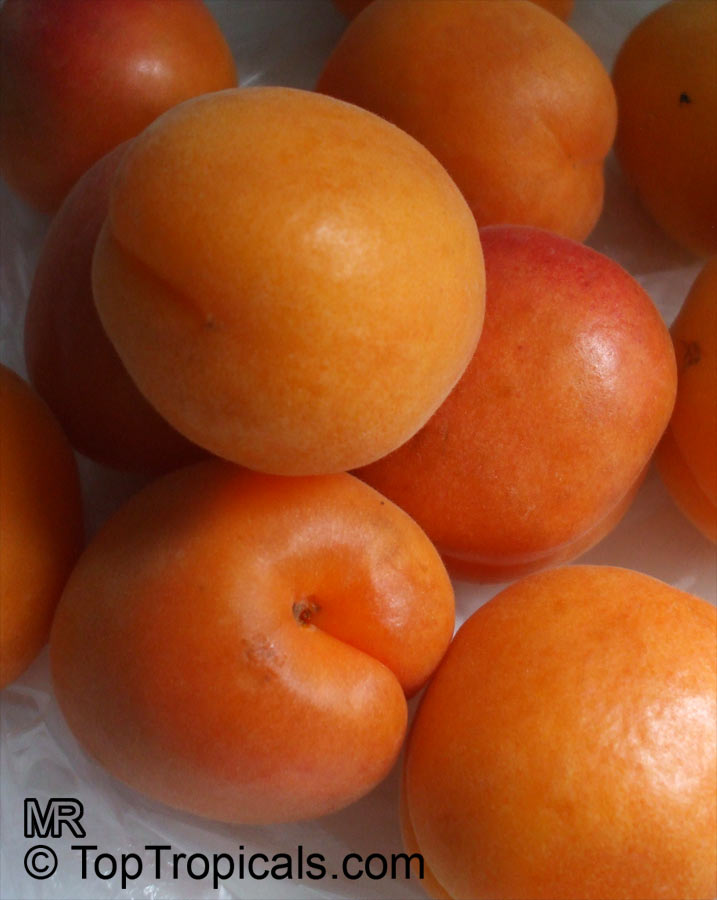
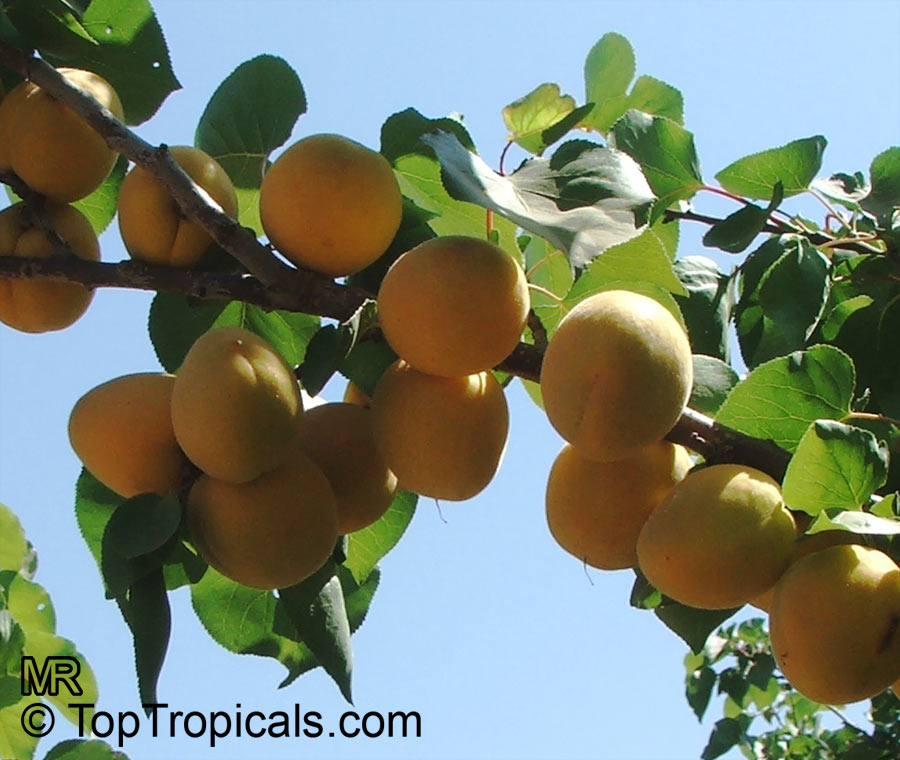
What are Low Chill Apricots?
Prunus armeniaca (Armenian plum)
Q: Can I grow apricots and plums in Florida?
A: Low chill apricots have been specially
developed for subtropical regions like Central and South Florida, where the climate
is not typically conducive for apricot cultivation due to the high number of
chill hours required. This is also true for other fruit trees such as plums
and peaches. However, through successful hybridization, several low chill
varieties have been created that require less than 300 hours of cold weather
below 45 degrees.
One such example is the low chill Katy Apricot tree, which only requires 250 chill hours and is
self-fertile. It is a popular choice among homeowners due to its large size, rich
flavor, and free-stone characteristics with a semi-sweet, low-acid taste. Katy
Apricot tree typically bears fruit early, usually in May.
Date: 31 Mar 2023
Cat Horoscope
By Alex Butova, the Witch of Herbs and Cats
This year (March 2023) we are celebrating Alex's 75th Anniversary and her 20 years with TopTropicals. Here is a note from Alex...

Aries Cats 3/21-4/20

The astrological sign of a cat can be determined by either their date of birth or adoption...More >>
The Aries Cats are a highly competitive and may initiate fights with other cats. With a natural inclination for combat, they may even confront dogs, humans, or even a giraffe...
...Tickling an Aries Cat's tummy can lead to an attack as they're also known to be biters...
...Aries Cats are adventurous and love to challenge themselves physically.
They'll seek out the highest spots in the house, even if it scares their humans...
...Aries Cats love tall, well-branched trees that are good for climbing, and are rather indifferent to bright flowers and fragrant plants... But on the other hand, they adore the soft, juicy grass on which it is so pleasant to lie down and rest after all their athletic feats
and fighting duels...
...One of the best things about the Aries Cats is that they make their priorities clear. With them, you'll always know your place, as they believe they come first, and you don't....
CONTINUE READING >>

Plant Zodiac for humans