Garden Blog - Top Tropicals

Date: 29 Jun 2026

😾 When Orange Isn't a Good Thing

Smokey,  a  tuxedo  cat  dressed  as  a  rust  detective,  examines  a  plumeria 
 leaf  with  a  magnifying  glass  while  Sunshine,  a  relaxed  orange  tabby,  lounges
    with  a  coffee  mug  inside  a  greenhouse  filled  with  healthy  blooming 
 plumerias.  Outside  the  greenhouse,  rain  falls  on  rust-infected  plumeria 
 leaves,  illustrating  how  wet  foliage  promotes  plumeria 
 rust.
Smokey: Those orange spots are plumeria rust.
Sunshine: Orange is an excellent color.
Smokey: On cats, yes. On plumeria leaves, no.
Sunshine: I represent the good kind of orange.

🌸 Plumeria Rust in Humid Climates:
What Finally Worked for Us

By Tatiana Anderson, Plant Expert, Top Tropicals

Side-by-side  photos  of  healthy  plumeria  plants  with  lush  green  foliage 
 and  no  signs  of  rust,  growing  in  pots  inside  a  greenhouse  and  outdoors  at  a 
 tropical 
 nursery.

Healthy plumerias with clean, vibrant foliage after successful rust management. Good airflow, bright conditions, and effective fungicide treatment help keep plants growing strong through Florida's rainy season.

If you grow plumerias in Florida, you probably know what comes next. Around June, when the rainy season begins and afternoon thunderstorms become part of the daily routine, orange-yellow spots start appearing on the undersides of plumeria leaves. Plumeria rust arrives almost like clockwork. If you have ever tried to fight it, you know how frustrating that battle can be.
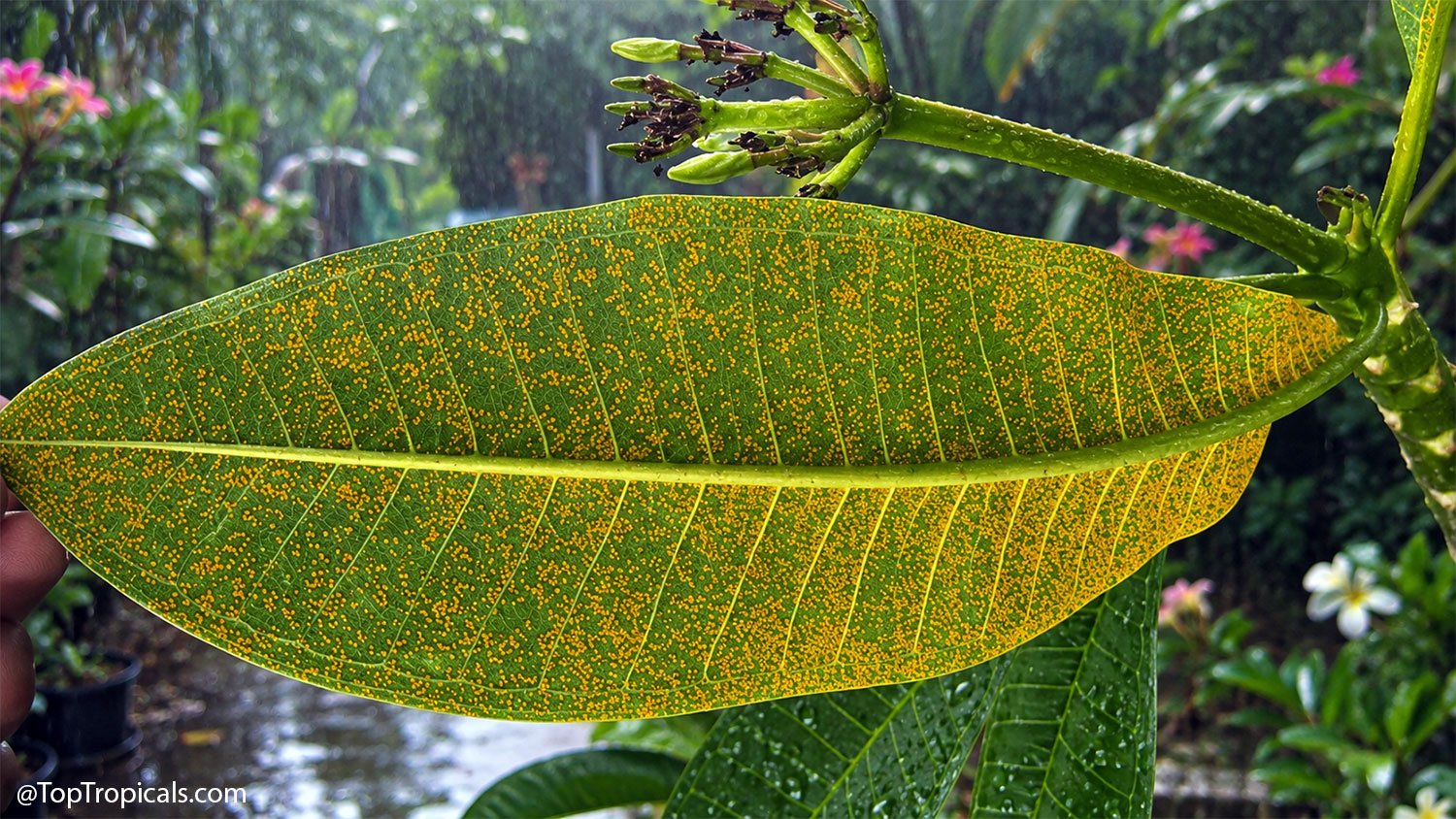
Close-up  of  the  underside  of  a  plumeria  leaf  covered  with  bright  orange
    plumeria  rust  spores  during  rainy  weather,  with  a  lush  tropical  garden 
 blurred  in  the 
 background.

Plumeria rust appears as bright orange powdery spores on the underside of leaves. Warm, humid, rainy conditions allow the fungus to spread quickly, making it a common sight in tropical and subtropical gardens.

Let me be clear about something right away: Plumeria rust is rarely fatal to an otherwise healthy plant.

In our experience, we have never lost a healthy plumeria to rust alone. The disease is mostly cosmetic, but it causes significant yellowing, triggers premature leaf drop, and can turn a beautiful specimen into something that looks ragged throughout the best months of the growing season. For a plant grown as much for its attractive foliage as its spectacular flowers, that matters.

At Top Tropicals, we have grown plumerias for many years and have tried most of the approaches gardeners typically recommend: sulfur-based fungicides, neem oil, copper sprays, improving drainage, and removing infected leaves before they hit the ground. Some of those things helped to varying degrees. None of them felt like a real breakthrough until recently.

The Fungicide That Actually Did Something

Comparison  image  showing  healthy  plumeria  leaves  after  treatment  with 
 Southern  Ag  Garden  Friendly  Fungicide,  alongside  an  inset  photo  of  a  leaf 
 covered  with  orange  plumeria  rust  spores  before  treatment.

Real-world results after treating plumeria rust with Southern Ag Garden Friendly Fungicide. The inset shows a leaf heavily infected with orange rust spores before treatment, while the main image shows clean, healthy new foliage after the fungus was brought under control.

A few seasons ago, on the recommendation of another grower, we tried Southern Ag Garden Friendly Fungicide . This biological fungicide contains the beneficial bacterium Bacillus sp, and I want to be careful here: I am not suggesting it is the best product for everyone or that it will produce the same results in every situation. What I can say is that, in our experience, it was the first fungicide that consistently produced visible improvement when applied according to the label directions.

We applied it at the first sign of rust, repeated applications according to the label, and actually saw the progression slow down while new infections became less severe. Whether that was the product, the timing, or some combination of factors, I cannot say with certainty. But after cycling through several options over the years, it was the one that felt like it was doing something real. If you are looking for a starting point, it is worth trying.

But the fungicide wasn't our main discovery. That came this past season, and it changed how we think about this disease.

☔️ What This Season Taught Us About Leaf Wetness

Healthy  plumeria  plants  with  lush,  dry  green  leaves  growing  inside  a 
 greenhouse.  The  foliage  is  clean  and  free  of  rust,  showing  vigorous  new 
 growth  under  bright  filtered  light.

Healthy, dry plumeria foliage is one of the best defenses against plumeria rust. Good airflow, bright light, and keeping leaves dry whenever possible help prevent the fungus from taking hold during the rainy season.

This season we moved our prized container plumerias under a covered growing area with a clear plastic roof and approximately 30 percent shade cloth overhead. The structure provides excellent light, warm temperatures, and very good air circulation while protecting the plants from Florida's frequent summer rains. It is not a climate-controlled greenhouse, but rather a protected outdoor growing area.

Here is the important part: these plants were still irrigated regularly, every two to four days, with overhead watering. The leaves did get wet. But because they were not sitting outside during Florida's daily summer downpours, the foliage dried within a reasonable amount of time instead of remaining wet for hours, which is common after a heavy rain followed by cloudy skies and still air.

The result? Not a single case of rust developed on those plants throughout the season. Considering how consistently plumeria rust appears each summer in our nursery, that result immediately caught our attention. The most significant difference was how long the foliage remained wet after watering or rain. Meanwhile, plumerias growing in the ground nearby, fully exposed to the weather, showed rust infection at the usual time.

💦 Ambient Humidity vs. Standing Water

That observation made us rethink what we believed was driving the disease. We had always assumed Florida's high humidity was the primary factor. Humidity certainly plays a role. But this experience suggested that prolonged leaf wetness may be a much more significant factor than ambient humidity by itself.

There is a real difference between air that feels humid and leaves that stay wet for four, six, or eight hours after a rain. Humid air means the moisture content of the atmosphere is high. Wet leaves means there is standing water on the leaf surface. Both conditions can occur together, but they are not the same thing. A leaf in a humid but breezy location can dry within an hour. A leaf in still, wet conditions after a heavy rain may stay wet most of the day. That difference may be far more important than many gardeners realize.

We are not plant pathologists, and we do not want to overstate what we learned from one growing season. But after many years of growing plumerias in Florida, the results were convincing enough that we now protect our best container specimens from prolonged summer rainfall whenever possible.

👉 What We Recommend

Based on many years of growing plumerias in Florida, here are the practices that have worked best for us:

  • Grow plumerias in full sun whenever conditions allow. Good light means faster drying after rain or irrigation, and plants grown in low light often seem to show rust symptoms more readily.
  • Keep your plumerias well-fed. Healthy, vigorously growing plants recover from stress and disease much better than weak ones. We apply Green Magic controlled-release fertilizer every six months for a steady supply of nutrients, and supplement with Sunshine Boosters Megaflor during the growing season. Because Megaflor is gentle, it can be safely applied with every watering, all year long.
  • During extended rainy periods, consider moving valuable container plants under cover if possible. Even a covered patio can make a difference if it keeps the leaves from remaining wet for most of the day.
  • Provide air circulation. Plants crowded together stay wet longer. Space them properly and position them where they receive good airflow.
  • Remove infected fallen leaves. They can continue serving as a source of spores. Pick them up and dispose of them rather than leaving them beneath the plants.
  • If rust begins to appear, start fungicide applications early. Slowing an infection at the beginning is much easier than trying to control one that is already well established.

💡 A Realistic Conclusion

Five  healthy  potted  plumeria  varieties  displaying  white,  pink,  yellow, 
 magenta,  and  multicolored  blooms,  arranged  in  a  row  with  lush  green  foliage 
 and  clean,  rust-free 
 leaves.

A parade of healthy plumerias in full color. Clean foliage, bright blooms, and vigorous growth show what plumerias can look like when rust is kept under control, letting each variety shine in its own unique colors.

Plumeria rust is mostly a cosmetic problem rather than a life-threatening one. Healthy plants usually recover well, but yellowing foliage and premature leaf drop can take much of the beauty out of an otherwise beautiful blooming season.

We cannot promise these methods will eliminate rust in every garden. Every growing environment is different. However, after years of battling this disease, reducing how long the leaves remain wet made a bigger difference than any other single change we have tried. If you grow plumerias in a humid climate and continue struggling with rust, it may be worth focusing not only on humidity itself, but also on how quickly the foliage dries after the rain stops.

📚 Plumerias in Top Tropicals Garden Blog

👉 Start your Plumeria collection
Plumeria Special
Buy 2 or More Plumerias, Save 25%
Mix and match your favorite varieties! Purchase 2 or more plumerias and receive 25% off all plumerias in your order. No coupon code required. Discount is applied automatically when qualifying items are added to your cart.
Valid through July 3, 2026
Offer applies to new orders only. Not valid on previous purchases, pending orders, gift certificates, shipping charges, or combined with other discounts or promotional offers.

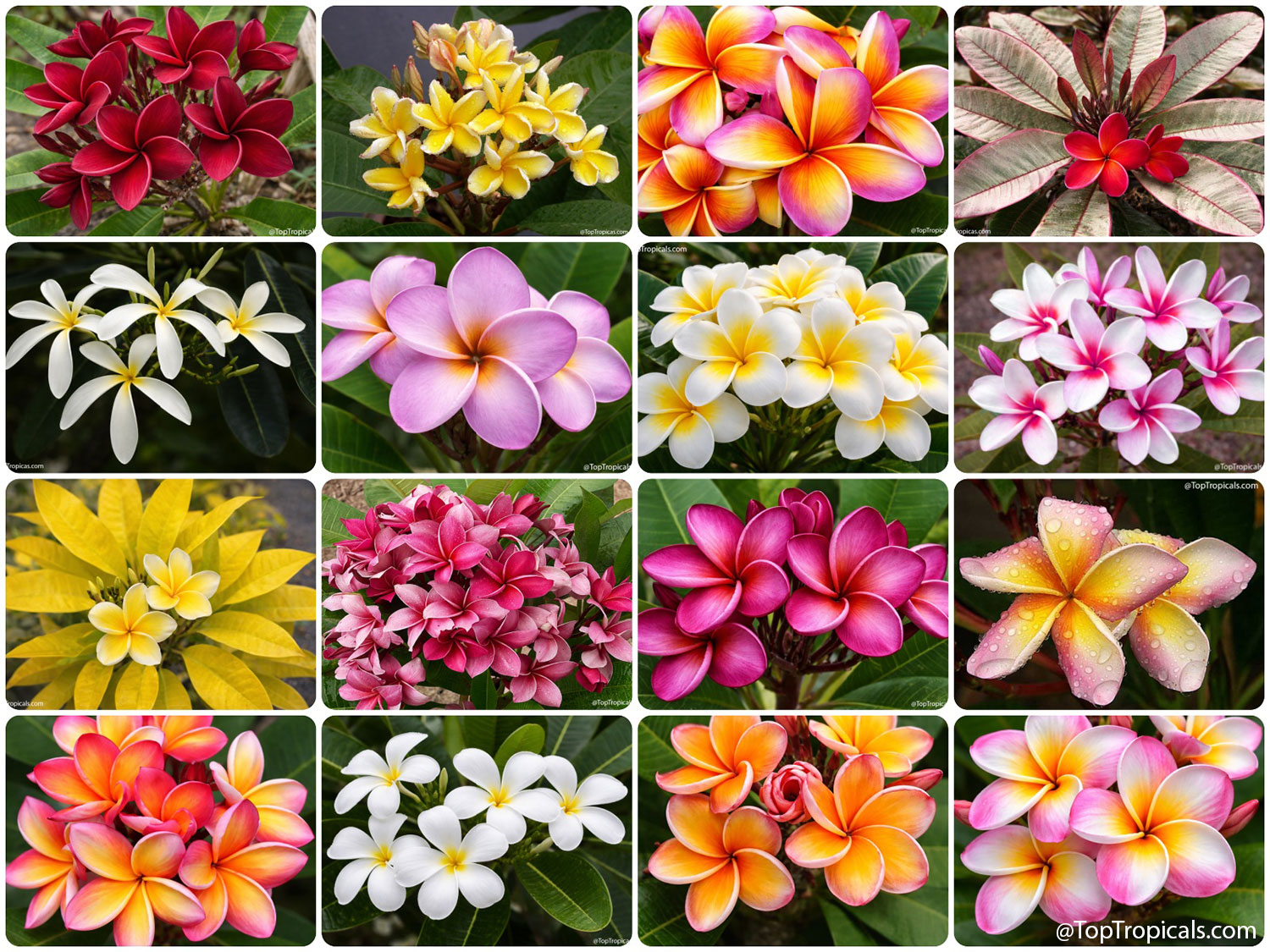
Collage  of  sixteen  plumeria  varieties  showcasing  an  extraordinary  range
    of  flower  colors,  including  white,  yellow,  pink,  red,  orange,  multicolored,
    and  variegated  foliage,  highlighting  the  remarkable  diversity  of  plumeria 
 blooms.

Plumerias come in an amazing spectrum of colors and forms. From pure white and buttery yellow to fiery reds, soft pinks, rainbow blends, and even variegated foliage, there is a plumeria to match every tropical garden and collector's taste.

Sunshine: Healthy plumerias need sunshine... that's me... good airflow, and dry leaves.
Smokey: That's a surprisingly accurate summary.
Sunshine:We can help with all of that. Donut worry. Coffee first.
Date: 26 May 2026

♊ Gemini Season Starts. We Are Five Days Late. Very Gemini.

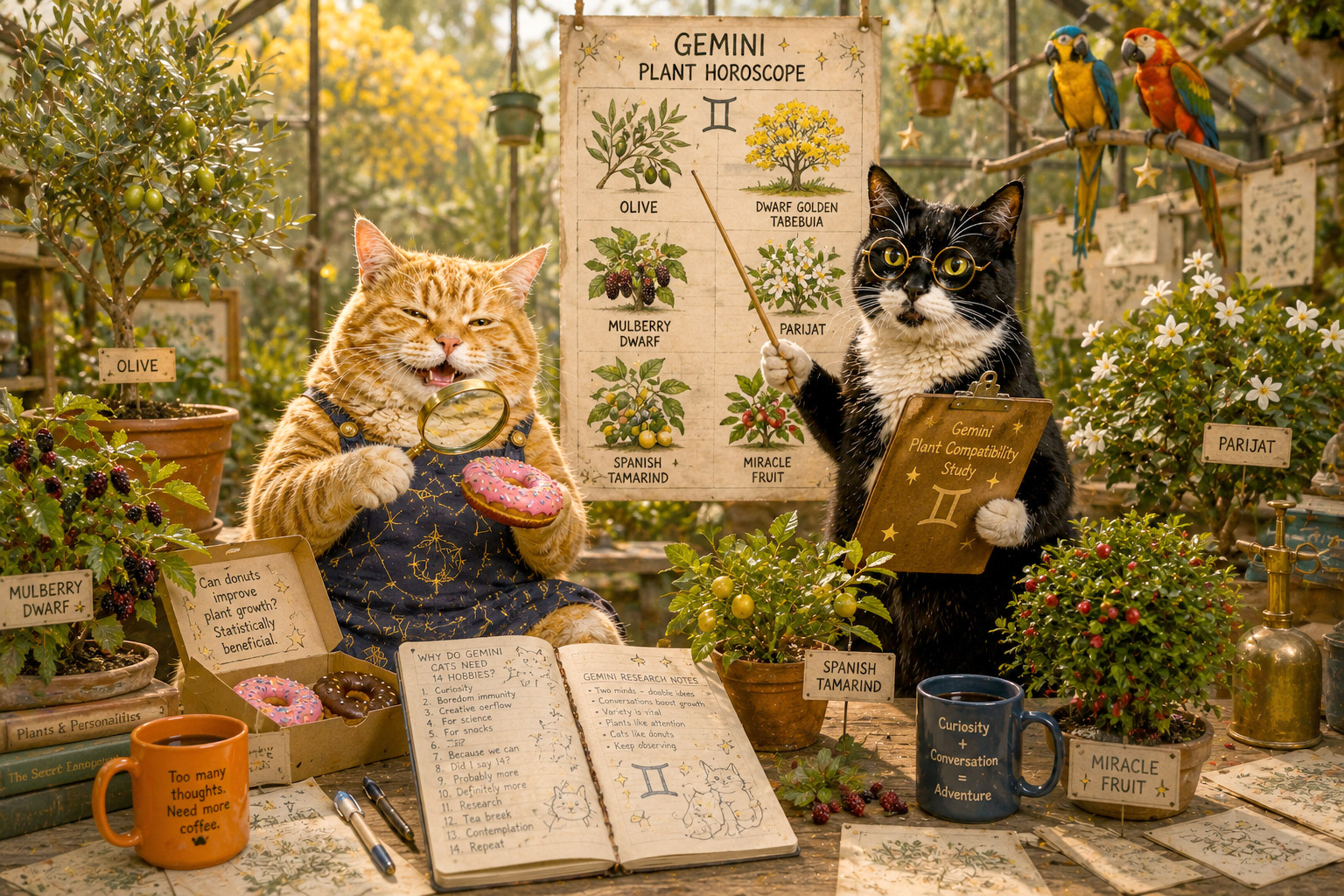
Smokey  and  Sunshine  with  Gemini  tropical  plants  in  a  whimsical 
 greenhouse
Sunshine: I once met a girl and asked what she does. She said she assembles gyroscopes. I told her I don't believe in gyroscopes.
Smokey: You meant horoscopes.
Sunshine: That is what I said.
Smokey: You said gyroscopes.
Sunshine: Same thing.
Smokey: One predicts your future. The other stabilizes aircraft.
Sunshine: I don't believe in aircraft either.
Smokey: She left, didn't she.
Sunshine: She said she had to go assemble something.

♊ Gemini season started on May 21. Today is May 26 But honestly? That is not a problem. That is actually very Gemini. Gemini probably got distracted, opened three browser tabs, started a new hobby, forgot what it was doing, and came back five days later with a notebook full of ideas and zero apologies. So here we are.

Why these plants and not others

No, there is no scientific proof that olive trees belong to Gemini. We checked. The olives refused to comment. But if you are going to assign plants to zodiac signs — and we are — then Gemini deserves plants with intelligence, motion, surprise, fragrance, and a little chaos. Gemini is the sign of curiosity, conversation, and dual natures. It gets bored easily and talks to everyone at the party. These plants were picked because they fit that energy. And also because they are genuinely good plants worth growing, which Smokey insisted we mention.

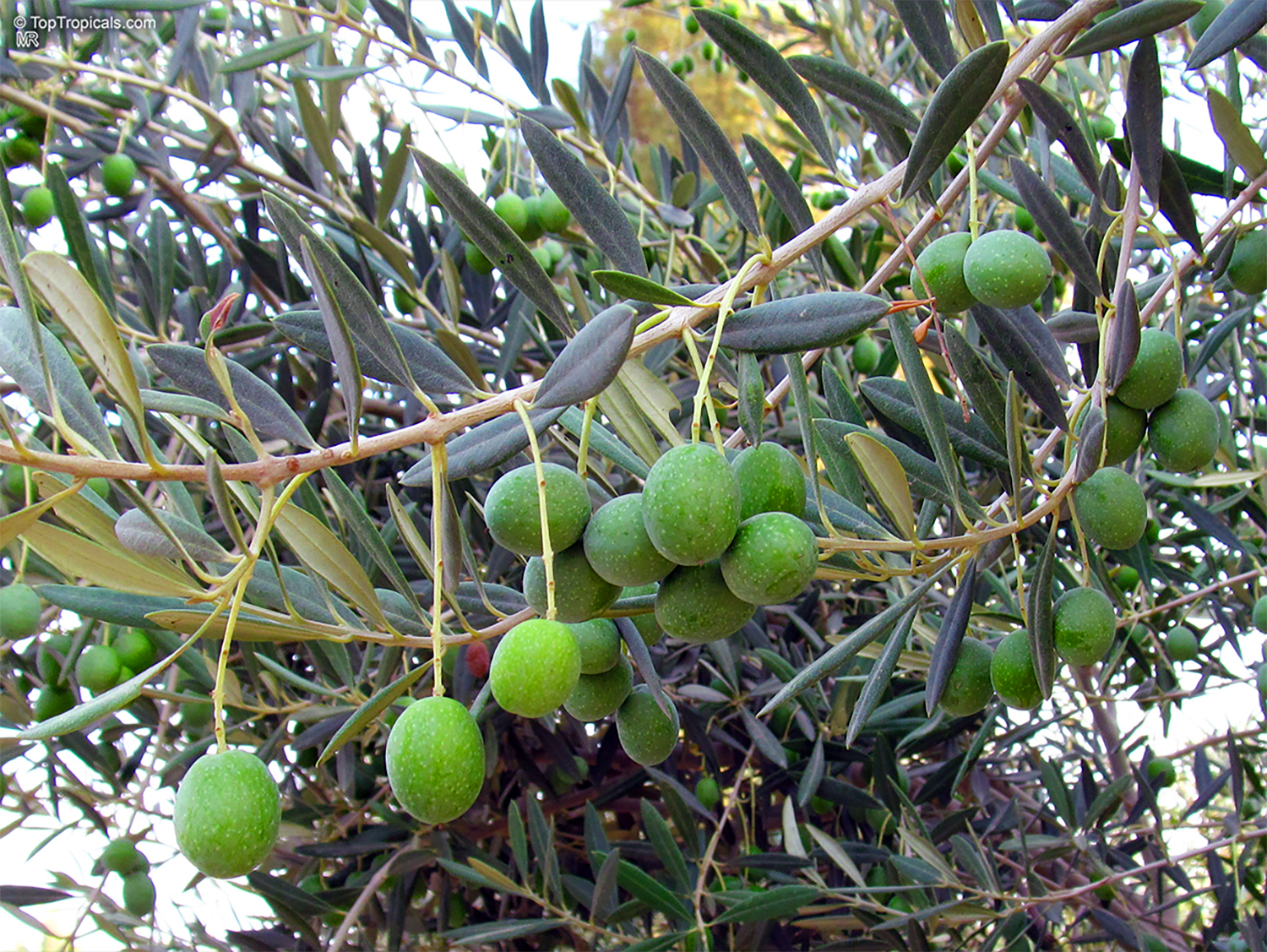
Olive (Olea europaea)

Close-up  of  an  olive  tree  branch  laden  with  clusters  of  green  olives 
 among  narrow  silvery-green  leaves.  The  fruit  is  ripening  on  the  tree  and 
 hanging  from  slender 
 stems.

Clusters of green olives developing on an olive tree branch. Olive trees are evergreen, drought-tolerant, and have been cultivated for thousands of years for both their fruit and the oil produced from it.

Olive is the thinking plant of this group. Ancient, silver-leaved, and quietly dramatic, it belongs to Gemini because Gemini loves history, long conversations, and plants that look like they know something you don't.

If you are growing olive in a container — which works very well — give it full sun, fast-draining soil, and a firm commitment to not overwatering it. Olive does not want wet feet. It wants to think in dry conditions, like a philosopher in a warm courtyard.

Smokey: Olive represents thousands of years of cultivation and human civilization.
Sunshine: And snacks with much better branding than they get credit for.

📚 More from garden blog

🛒 Shop olive trees

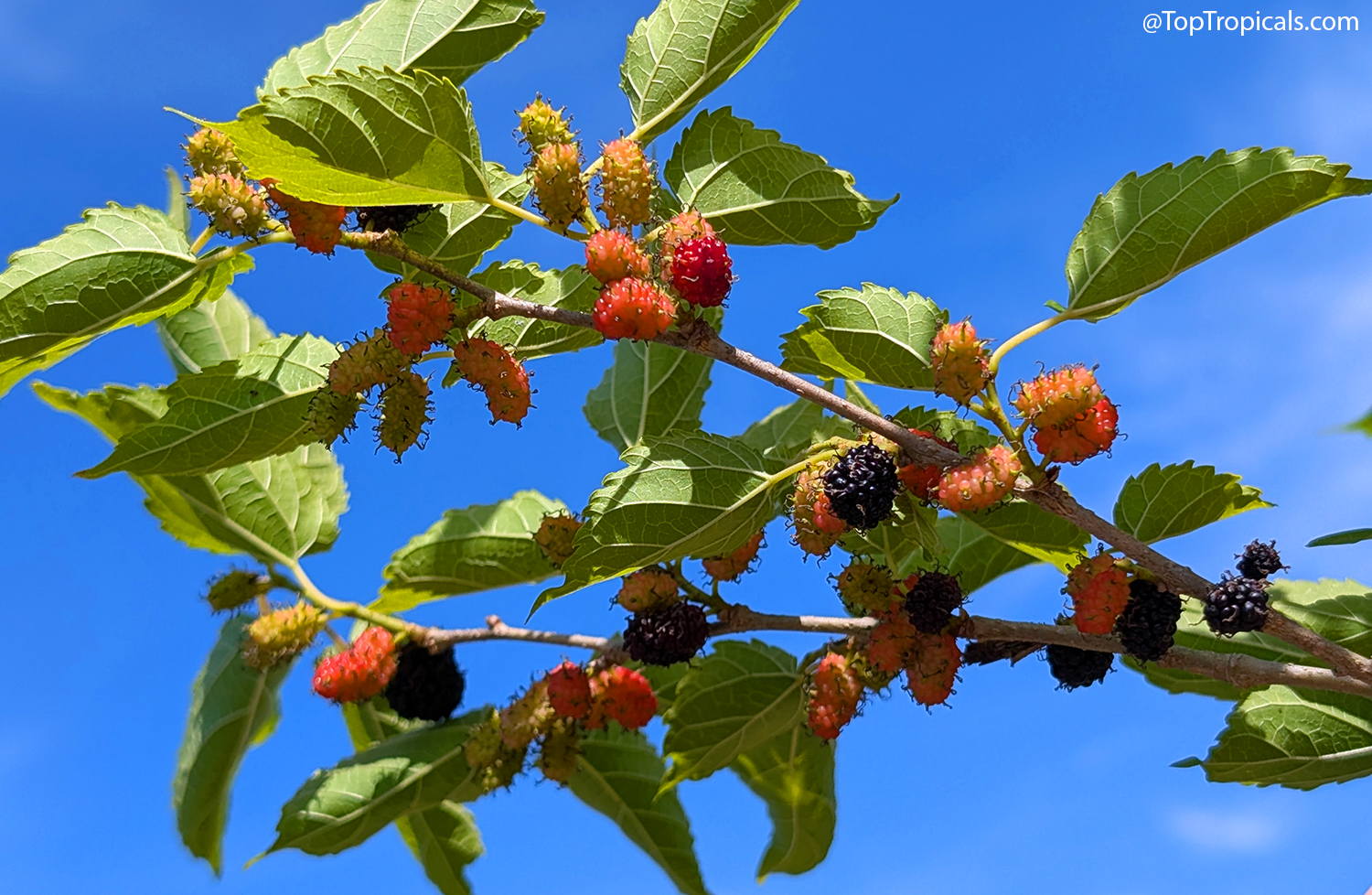
Dwarf Mulberry (Morus sp.)

Branch  of  a  Dwarf  Everbearing  Mulberry  tree  displaying  fruit  in  various
    stages  of  ripening,  from  pale  green  and  pink  to  deep  purple-black,  against 
 a  bright  blue 
 sky.

Dwarf Everbearing Mulberry produces fruit over an extended season, often carrying berries in multiple stages of ripeness at the same time. The sweet, blackberry-like fruit is a favorite of both gardeners and wildlife.

Mulberry is Gemini in motion. It grows fast, produces generously, and absolutely refuses to be boring. A standard mulberry will take over your yard before you finish reading this sentence. A dwarf mulberry, however, is patio-friendly, container-happy, and still delivers fruit, birds, and mild garden chaos on schedule.

Prune after fruiting to keep the shape. Full sun. Large pot if you're growing in a container. This is the plant for people who want results and do not enjoy waiting.

Smokey: Efficient growth rate. Edible output. Compact habit. Reasonable choice.
Sunshine: Finally, a tree with a snack schedule.

📚 More from garden blog

🛒 Shop mulberry trees

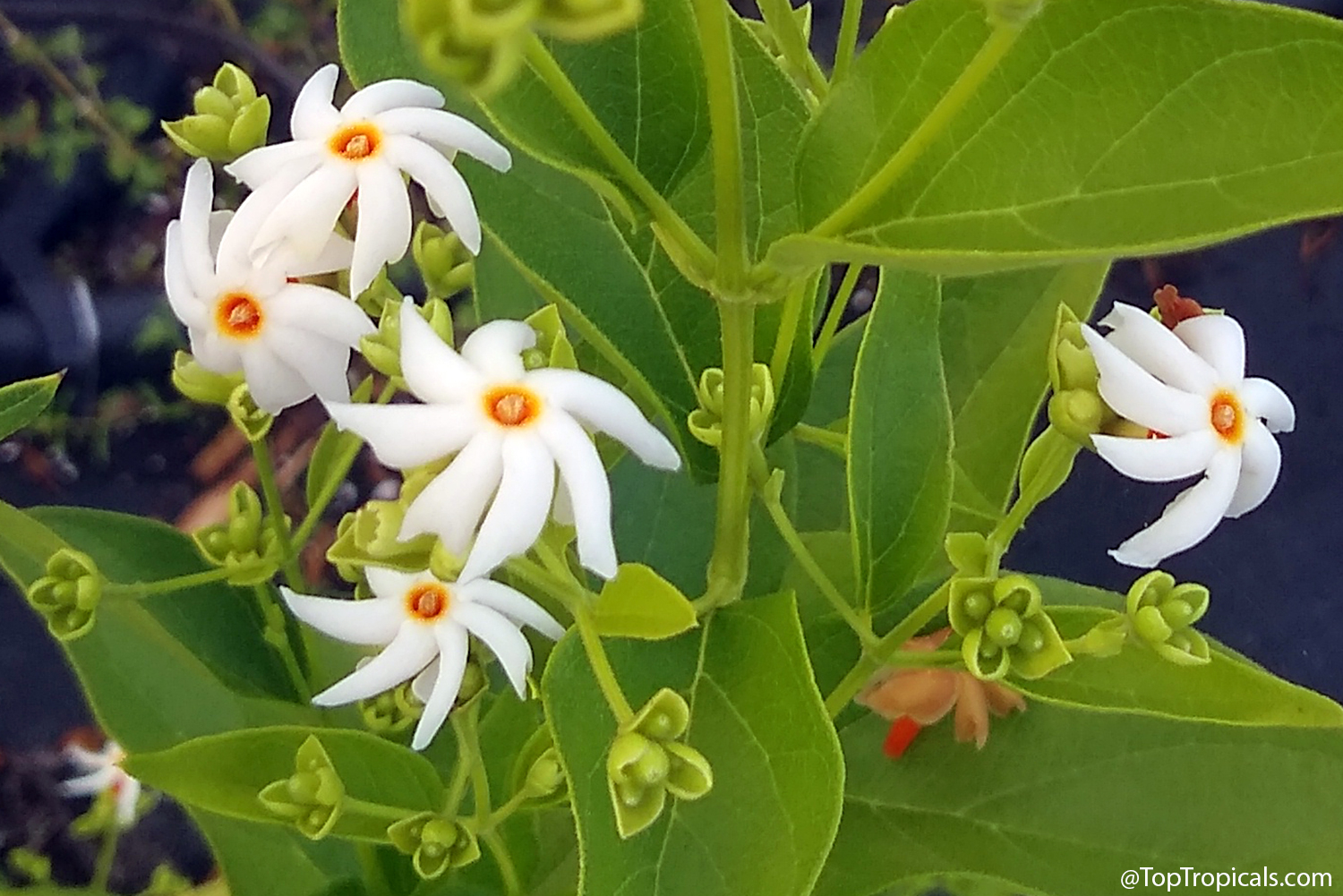
Parijat (Nyctanthes arbor-tristis)

Close-up  of  Parijat  flowers  (Nyctanthes  arbor-tristis)  with  white 
 pinwheel-shaped  petals  and  bright  orange  centers  surrounded  by  fresh  green 
 leaves  and  unopened  flower 
 buds.

Parijat, also known as Night-Flowering Jasmine, produces fragrant white flowers with vivid orange centers that open at night and often carpet the ground beneath the tree by morning.

Parijat belongs to Gemini's quieter, more poetic side. It blooms with small fragrant white flowers — orange centers, delicate petals — often at night. By morning, the flowers have fallen. They drop like little messages from the universe, which Sunshine finds meaningful and Smokey finds botanically interesting.

This one is for the gardener who wants something to actually stop and look at. Good in containers, good on a warm patio, needs decent light and warmth to do its best work.

Smokey: Night-blooming pattern. Fragrant ornamental. Grows well in warm climates.
Sunshine: It's a tree that leaves notes.

📚 More from garden blog

🛒 Shop parijat

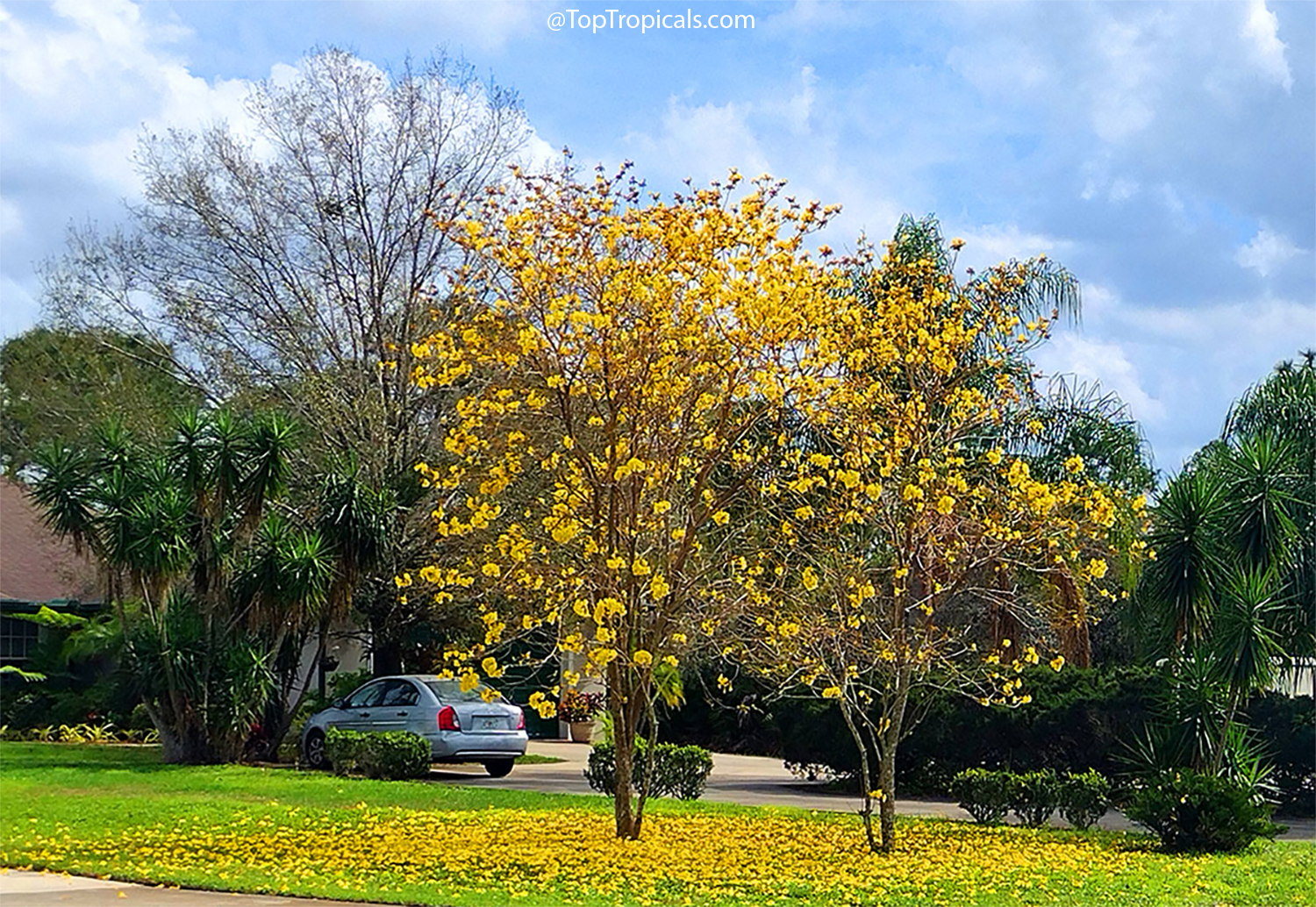
Dwarf Golden Tabebuia (Tabebuia chrysotricha)

Dwarf  Golden  Tabebuia  tree  covered  in  bright  golden-yellow  flowers, 
 standing  in  a  lawn  beneath  a  blue  sky,  with  a  carpet  of  fallen  blossoms 
 surrounding  the 
 trunk.

Dwarf Golden Tabebuia puts on one of the most spectacular spring displays, covering its branches with brilliant golden flowers before the leaves emerge. The fallen blooms create a striking yellow carpet beneath the tree.

This is the Gemini show-off. Quiet for most of the year, then suddenly covered in golden yellow flowers like it just remembered it has an announcement to make.

Dwarf Golden Tabebuia is compact enough for a large container or a sunny entrance, but it needs strong light to bloom well. Give it sun. Give it room. Then step back and let it perform.

Smokey: Seasonal flowering response triggered by environmental conditions.
Sunshine: Botanical applause.

📚 More from garden blog

🛒 Shop Dwarf Tabebuia

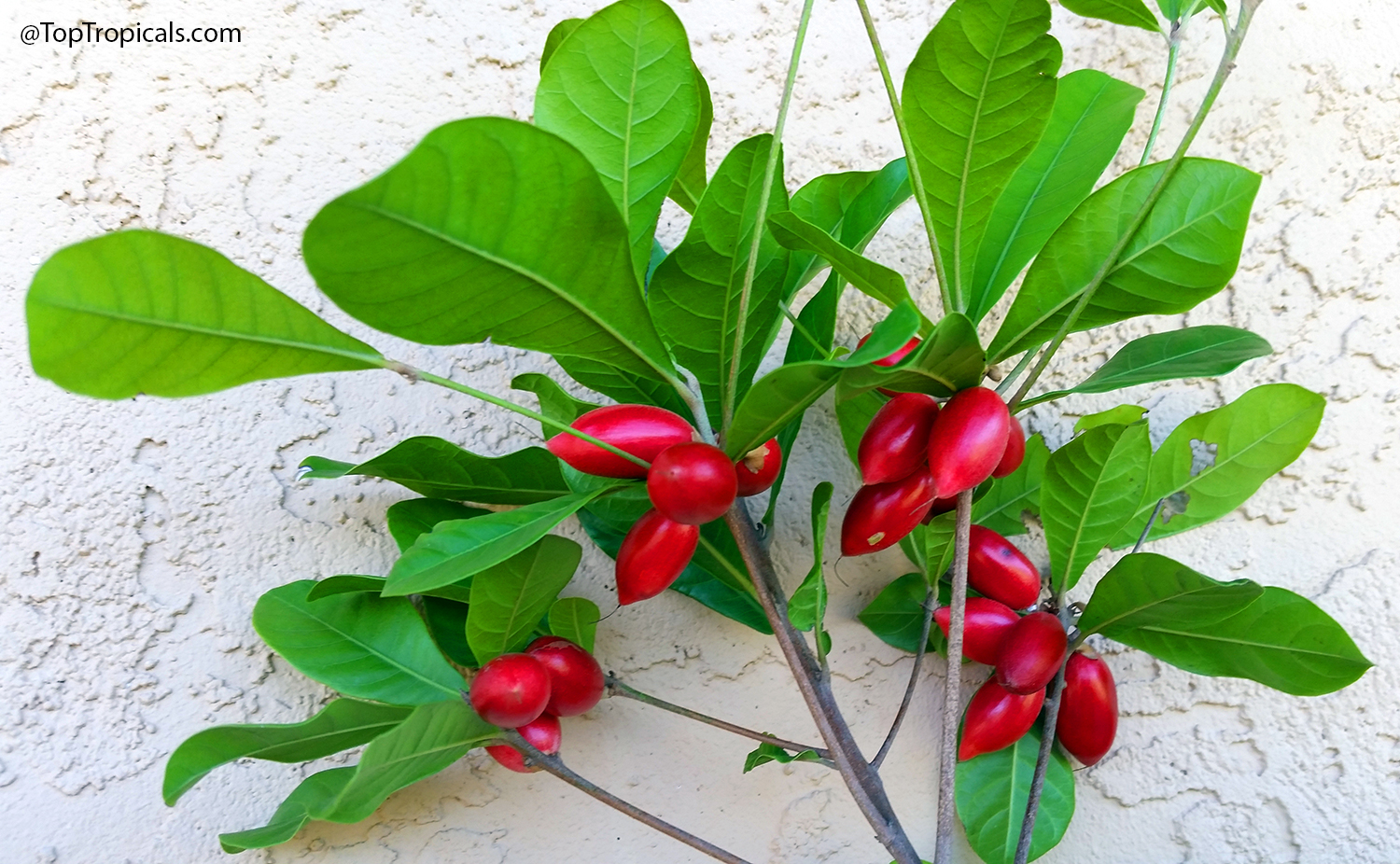
Miracle Fruit (Synsepalum dulcificum)

Clusters  of  bright  red  Miracle  Fruit  berries  growing  among  glossy  green
    leaves  on  a  compact  shrub.  The  elongated  fruits  stand  out  against  the  lush 
 foliage.

Miracle Fruit is famous for its unique berries, which contain miraculin - a natural compound that temporarily makes sour foods taste sweet. The attractive evergreen shrub produces bright red fruit and is well suited to containers and small gardens.

Miracle Fruit belongs on this list because it is, without argument, the most Gemini plant in existence. It does not taste like much on its own. But eat one berry and everything sour suddenly tastes sweet. Lemons taste like lemonade. Lime juice tastes like candy. A plain piece of sourdough becomes something you would pay extra for. The fruit literally changes how you experience everything that comes after it.

If that is not Gemini energy — dual nature, transformation, making you see the same thing two completely different ways — nothing is.

Miracle Fruit is a slow grower that likes warmth, humidity, acidic soil, and protection from cold. It does well in containers, which is good news because it genuinely hates frost. Keep it in a pot, bring it in when temperatures drop, and give it filtered light or morning sun rather than harsh afternoon exposure.

Smokey: The active compound is miraculin. It binds to taste receptors and distorts sour perception at low pH. Temporary effect, roughly thirty minutes to an hour.
Sunshine: It's a fruit that lies. Beautifully.

📚 More from garden blog

🛒 Shop Miracle Fruit

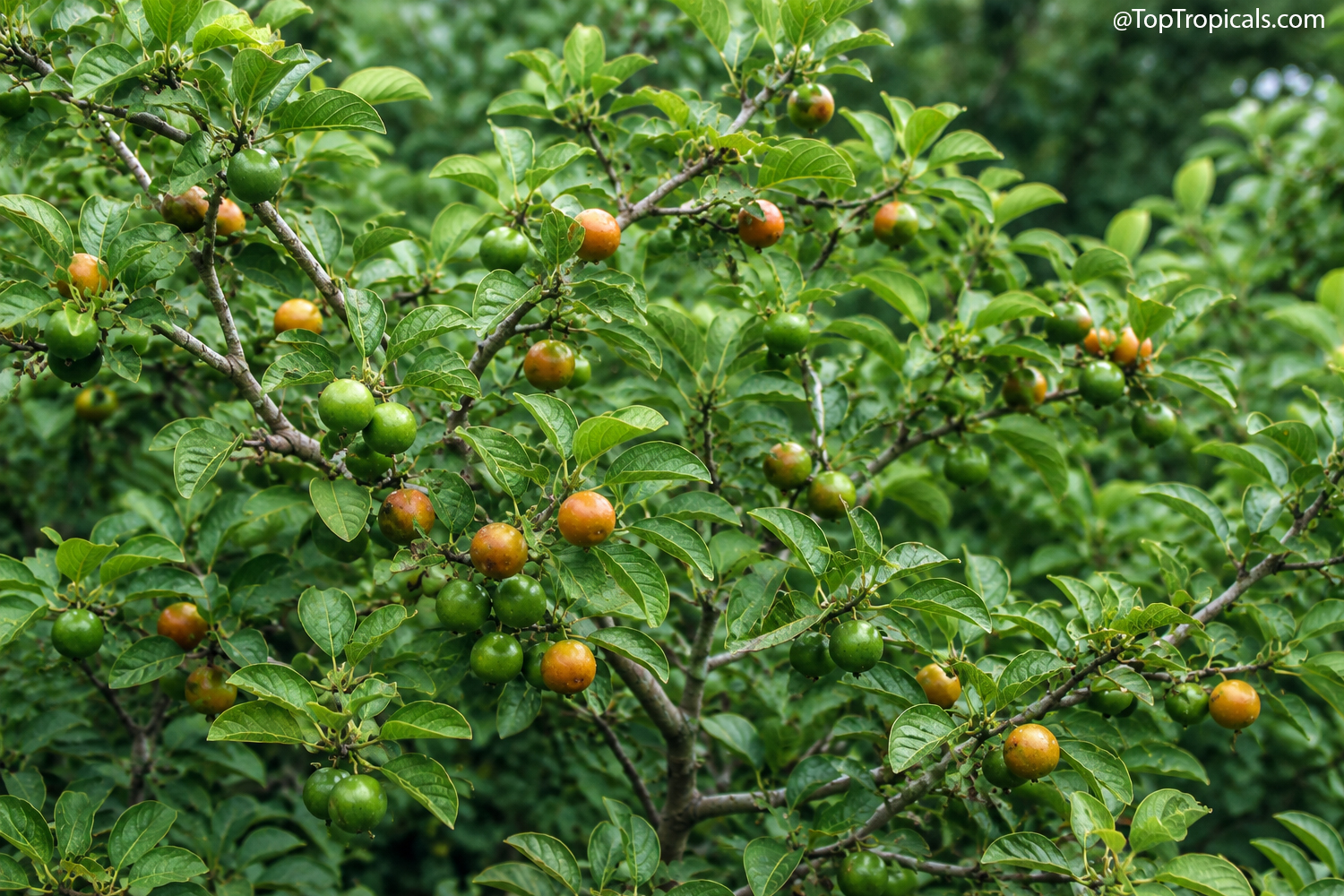
Spanish Tamarind (Wild Medlar, Vangueria infausta)

Spanish  Tamarind  (Vangueria  infausta)  tree  with  glossy  green  leaves  and
    clusters  of  round  fruit  in  various  stages  of  ripening,  from  green  to 
 golden-brown,  growing  on  branching  stems  in  a  lush  tropical  garden  setting.

Spanish Tamarind (Vangueria infausta) may be grown for its unusual fruit, but it also brings beauty to the garden with its lush foliage and heavy crops of ripening fruit. Green and golden-brown fruits often appear together on the tree, creating a colorful display.

Spanish Tamarind belongs to Gemini because it is unusual enough to start a conversation before anyone even knows what it is. The name alone does it. People will ask. You will explain. The fruit changes color as it ripens, the plant has collector appeal, and the whole thing feels like something you found in a book about plants that don't get enough attention.

This one needs warmth, sun, good drainage, and patience. It can live in a container with pruning. It rewards the gardener who is genuinely interested in something a little different.

Smokey: Tropical fruiting curiosity. Suitable for collectors.
Sunshine: Sounds like something I would order at a restaurant without reading the description.

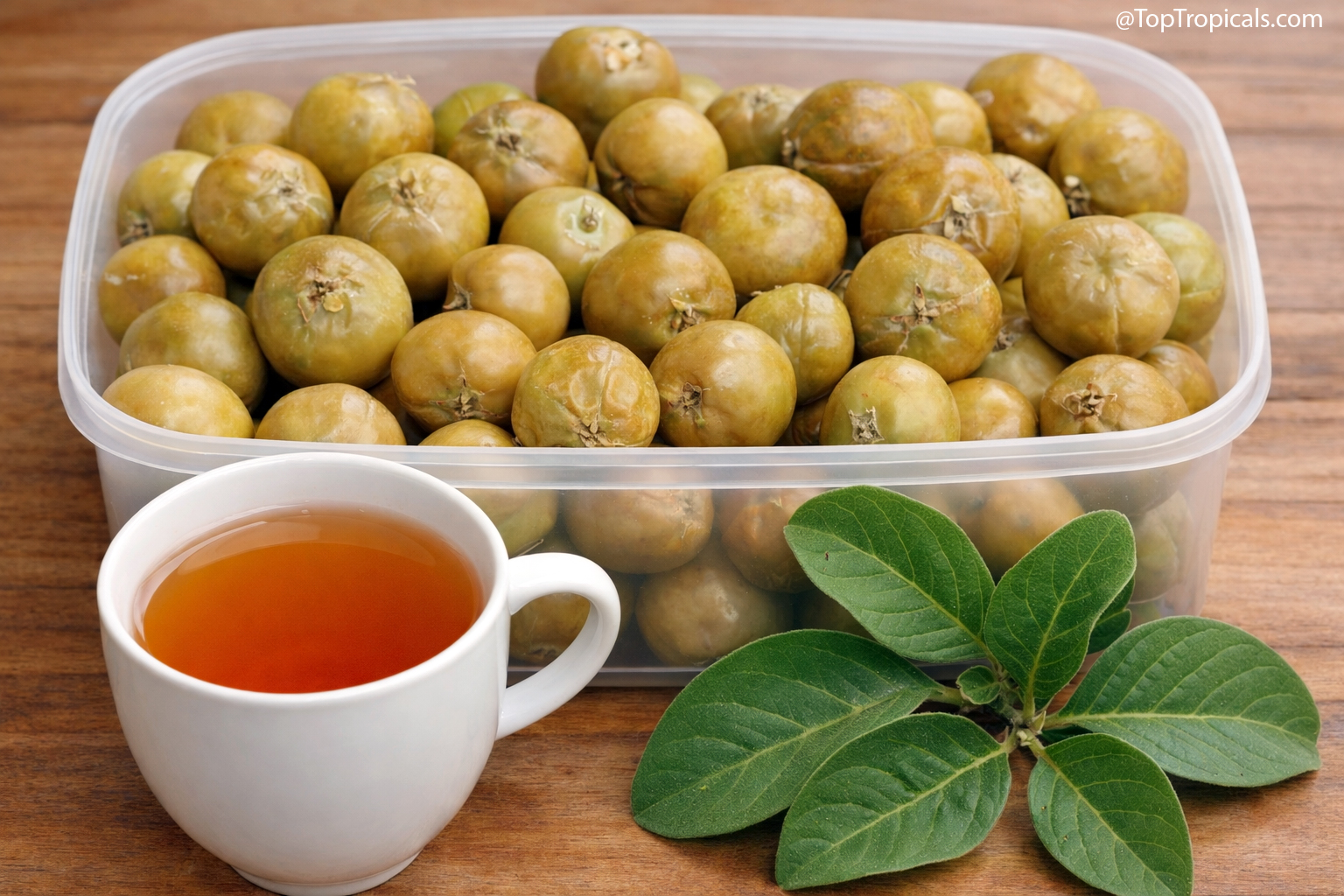
Container  filled  with  ripe  Spanish  Tamarind  (Vangueria  infausta)  fruit 
 on  a  wooden  table  beside  a  white  cup  of  amber-colored  fruit  tea  and  a  sprig 
 of  velvety  green  leaves.

One of the traditional uses of Spanish Tamarind (Vangueria infausta) is fruit tea. The ripe fruit can be dried and steeped to make a mild, refreshing drink rich in natural flavor, while the soft, velvety leaves have long been used in traditional herbal infusions.

📚 More from garden blog

🛒 Shop Spanish Tamarind

Horoscope aside — why these plants are actually worth growing

Even if Gemini energy has nothing to do with your garden, these plants offer real value: fruit, fragrance, flowers, container growing, and something interesting to look at or talk about.

  • Olive — full sun, excellent drainage, don't overwater, thrives in containers. Tropical varieties: USDA Zone: 8-10. Cold hardy to 15-20°F.
  • Dwarf Mulberry — full sun, large pot, prune after fruiting, fast results. USDA Zone: 8-11. Cold hardy to 20-25°F. Most mulberry varieties can be grown in USDA Zone 5-6 to 10 and cold hardy to 5°F.
  • Parijat — warmth, good light, patio or container, fragrant and ornamental. USDA Zone 9-11. Tolerates light freezing to about 30°F for short periods (mature plants). Young plants must be protected.
  • Dwarf Golden Tabebuia — strong sun, large container or sunny ground spot, compact but dramatic when it blooms. USDA Zone 9-11. Protect young plants from frost. Best flowering in full sun.
  • Spanish Tamarind — warmth, sun, drainage, patience, collector interest. USDA Zone 9-11. USDA Zone 10-11, possibly warm Zone 9b in protected microclimates. Protect from frost, especially young plants.
  • Miracle Fruit — warmth, humidity, acidic soil, filtered light, protect from frost. Best in containers. USDA Zone 10-11. Cold hardy only to about 40°F — bring it in well before first frost, not after.

Can you grow them in pots?

Yes. With the standard warning: a pot is not magic. Use a large container, fast-draining soil, full sun where the plant wants it, regular feeding with Green Magic conrolled-release fertilizer every 6 months and Sunshine Boosters - safe to use with every watering. Apply a bit of pruning when things get out of hand.

Smokey: A pot is just a smaller universe.
Sunshine: A pot is a drainage system with ambitions.

📅June gardening reality check

June is a good time to establish tropical and subtropical plants. The soil is warm, the days are long, and actively growing plants will take root faster than they would in cooler months.

👉 A few things to keep in mind:

  • Containers dry out fast even when rain increases. Check them. Don't assume rain did the job.
  • Don't let pots sit in standing water. Root rot is quiet until it isn't.
  • Feed actively growing plants. They are working hard and they need the input. We recommend Green Magic controlled release fertilizer during active growth (twice a year) and Sunshine Boosters for spray and daily watering year around.

    📚 More about fertilizers from our garden Blog

  • Watch new growth for pests. Tender leaves are the first target.
  • Prune lightly to shape if needed, but don't do heavy cutting in peak heat. Save that for after flowering or early in the season.
  • Mulch around in-ground plants to hold moisture, but keep mulch away from the trunk.

🌠 The stars don't care? Grow anyway!

Maybe the stars do not care whether your garden is a Gemini garden. Maybe olive trees are not receiving transmissions from Mercury. But a garden full of fruit, fragrance, flowers, and strange little stories is still a very good idea.

Smokey: That is the first reasonable conclusion in this entire article.
Sunshine: Second. The donut research was also important.

Happy Gemini gardening season from all of us!

🛒 Shop tropical fruit and flowers

🎤 NEW: Interview With Smokey & Sunshine

Date: 16 Sep 2019

What pot is good for Medinilla?

Q: I just acquired a Medinilla plant. I have a cylindrical tall clay pot that I would like to repot this beauty into. Would like to know if a deep pot is good for this type of tropical plants even if the medium is lightweight with bark and perlite allowing adequate drainage. Would appreciate your advice.

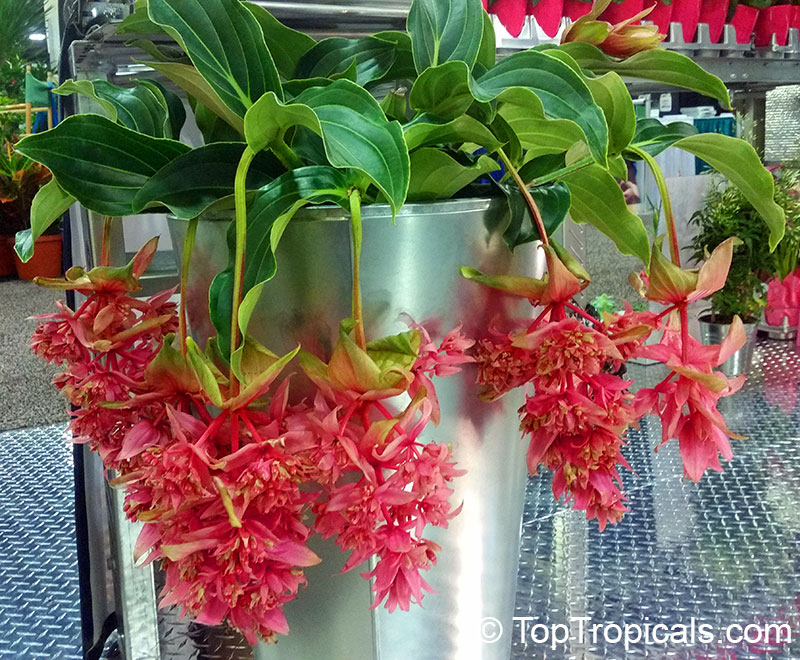
A: Medinillas are very close to epiphytes, meaning they like high air humidity and very good soil drainage characteristics. Clay pots usually provide good air circulation, as long as they are not glazed. If you add a lot of soil conditioner into your mix, like orchid mix and perlite, the tall pot will provide a good drainage. Tall pot is also great for displaying the beautiful pendulous blooms!

Plastic pots work well too, as long as you provide a well-drained soil for the plant. If a nursery plastic pot is not pretty enough, you may place it in a fancy planter; however, make sure never let the pot sit in water, Medinillas do not like wet feet.

Date: 21 Mar 2026

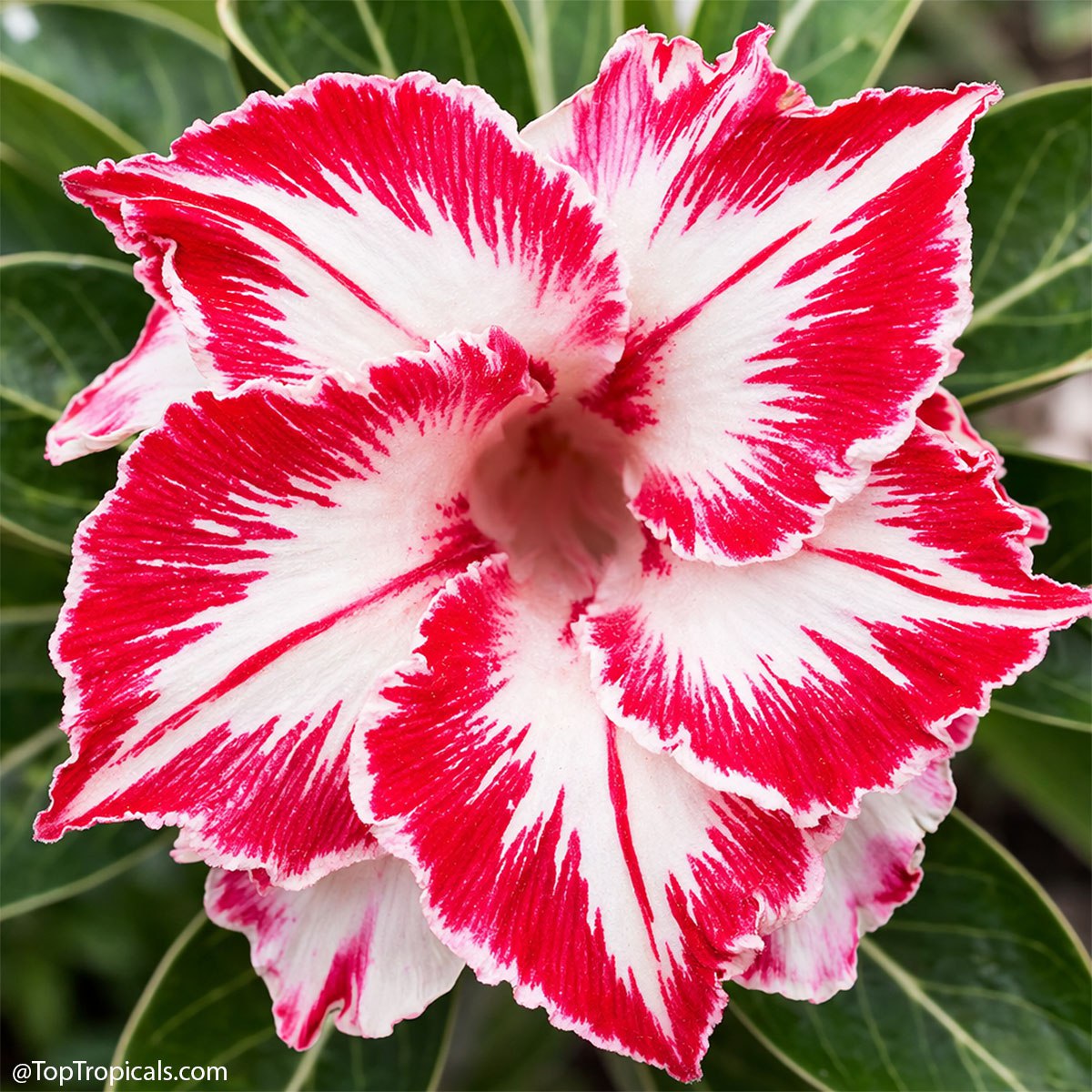
How to start your dream collection: Adenium rainbow

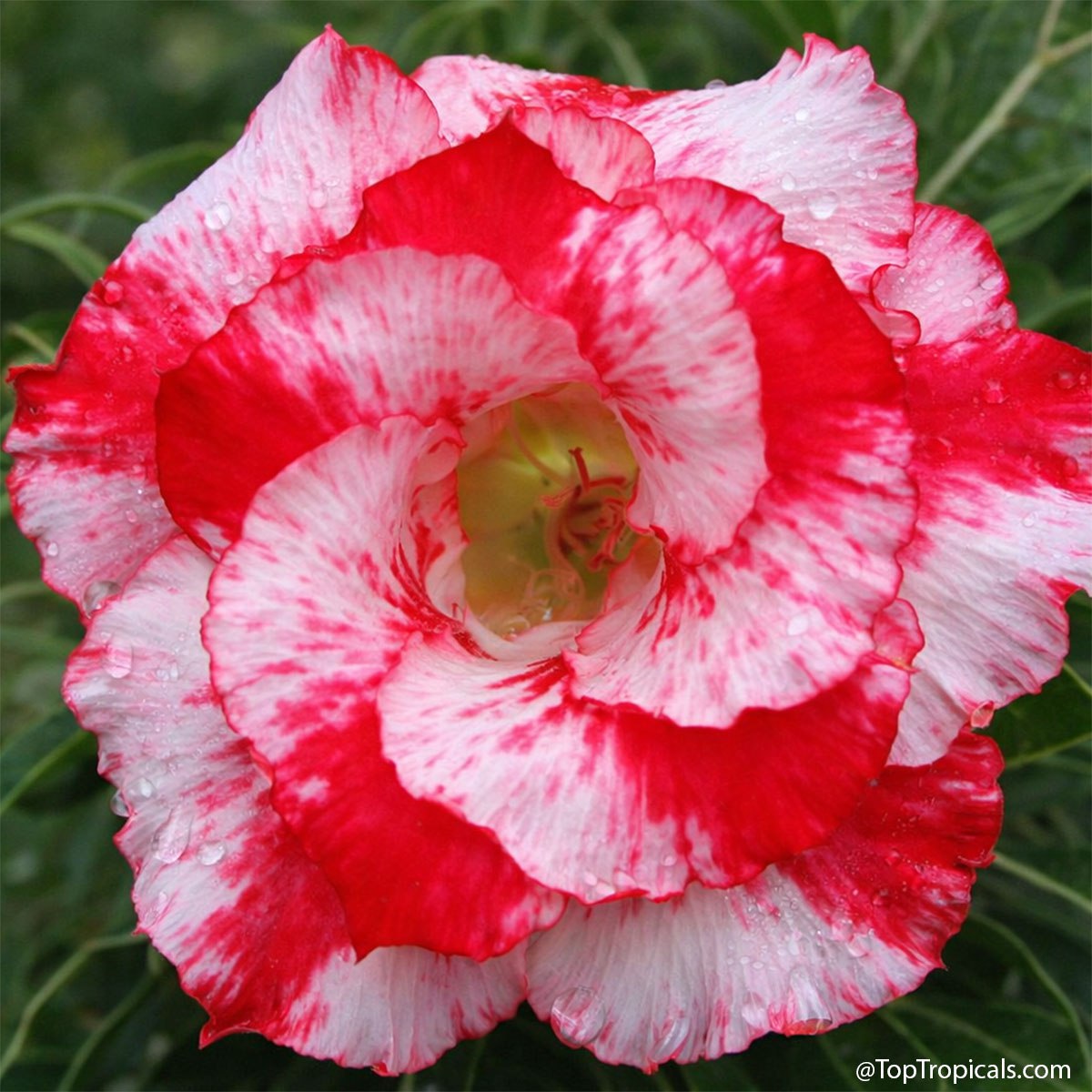
Adenium Amaryllis

Adenium Amaryllis

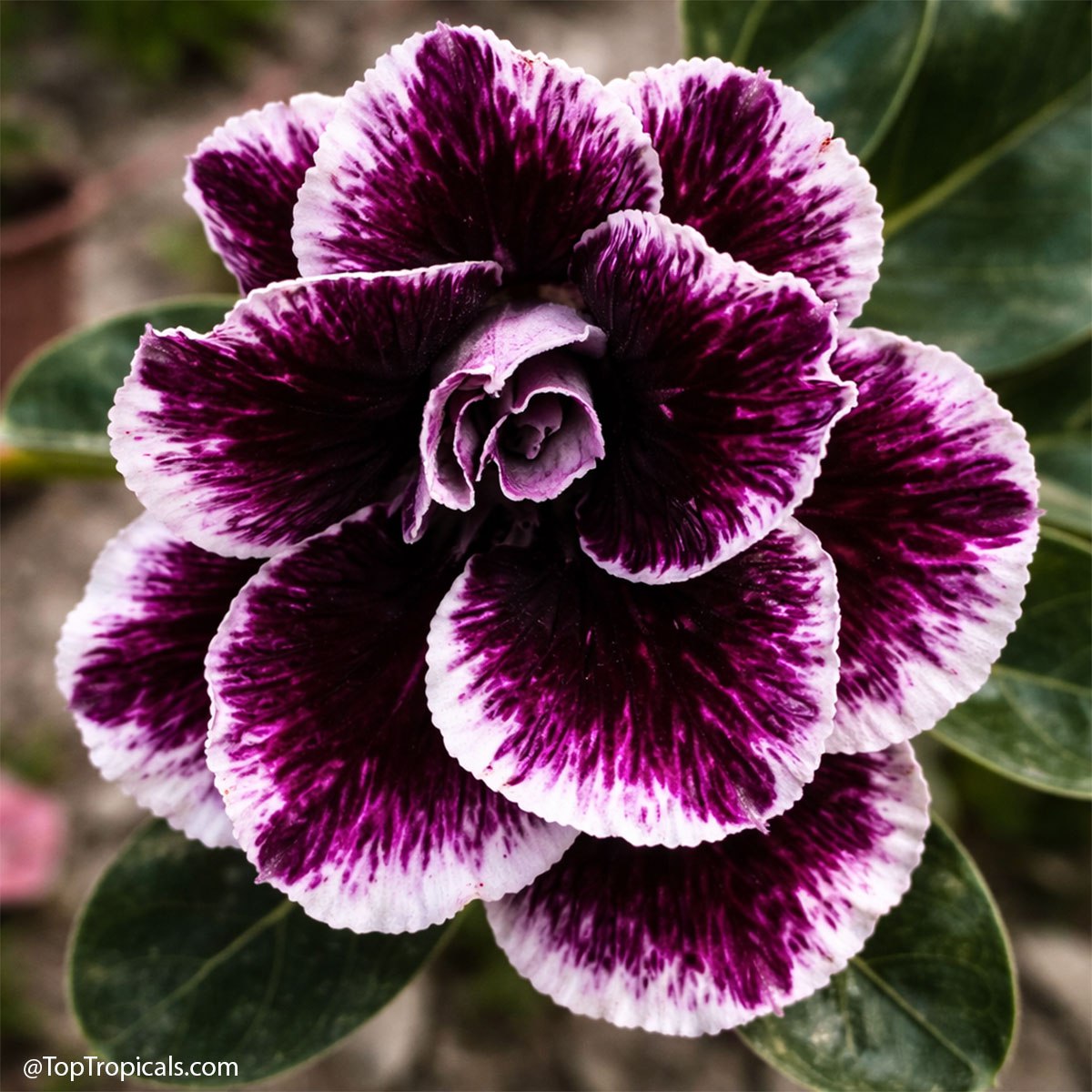
Adenium Win

Adenium Win

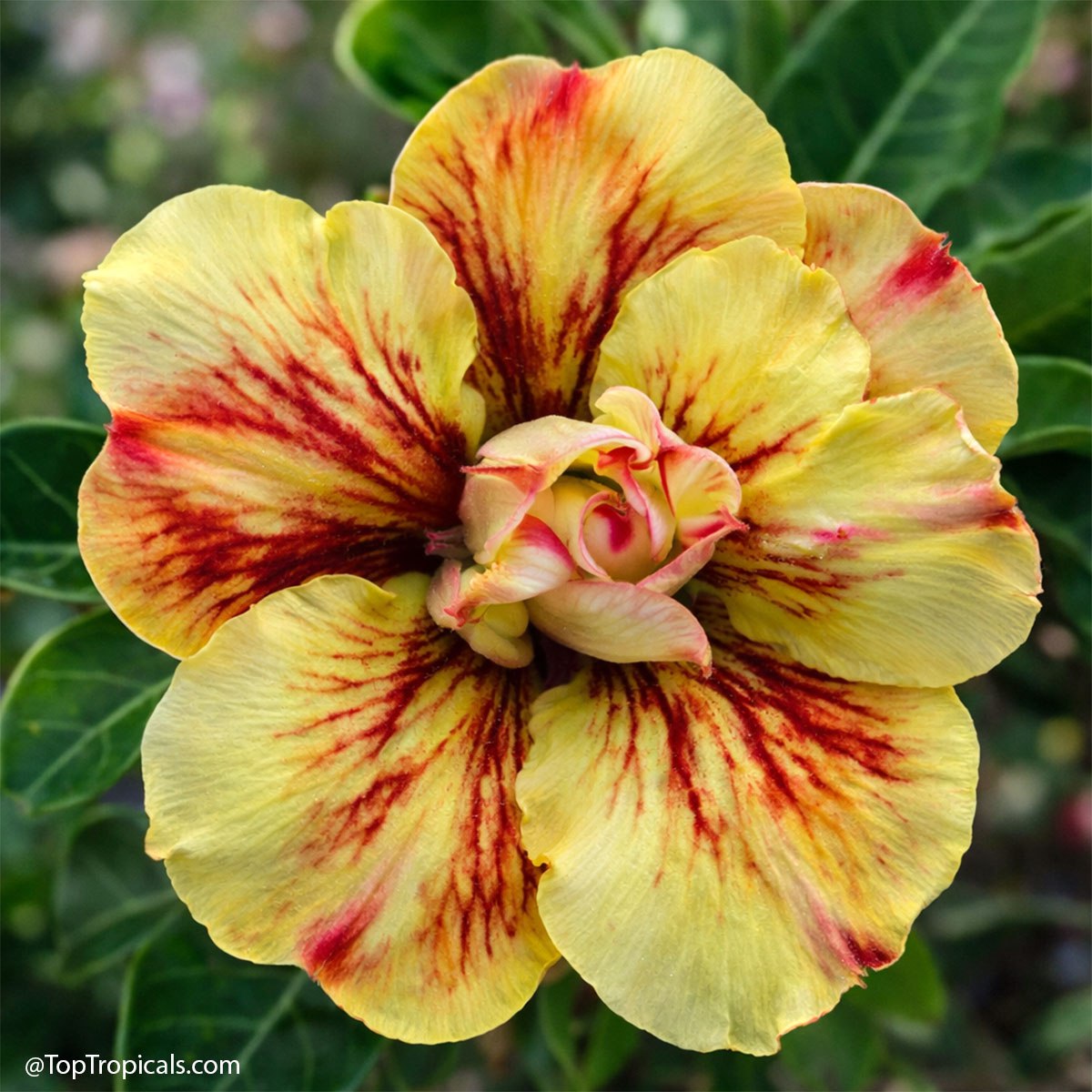
Adenium Butterfly Yellow

Adenium Butterfly Yellow

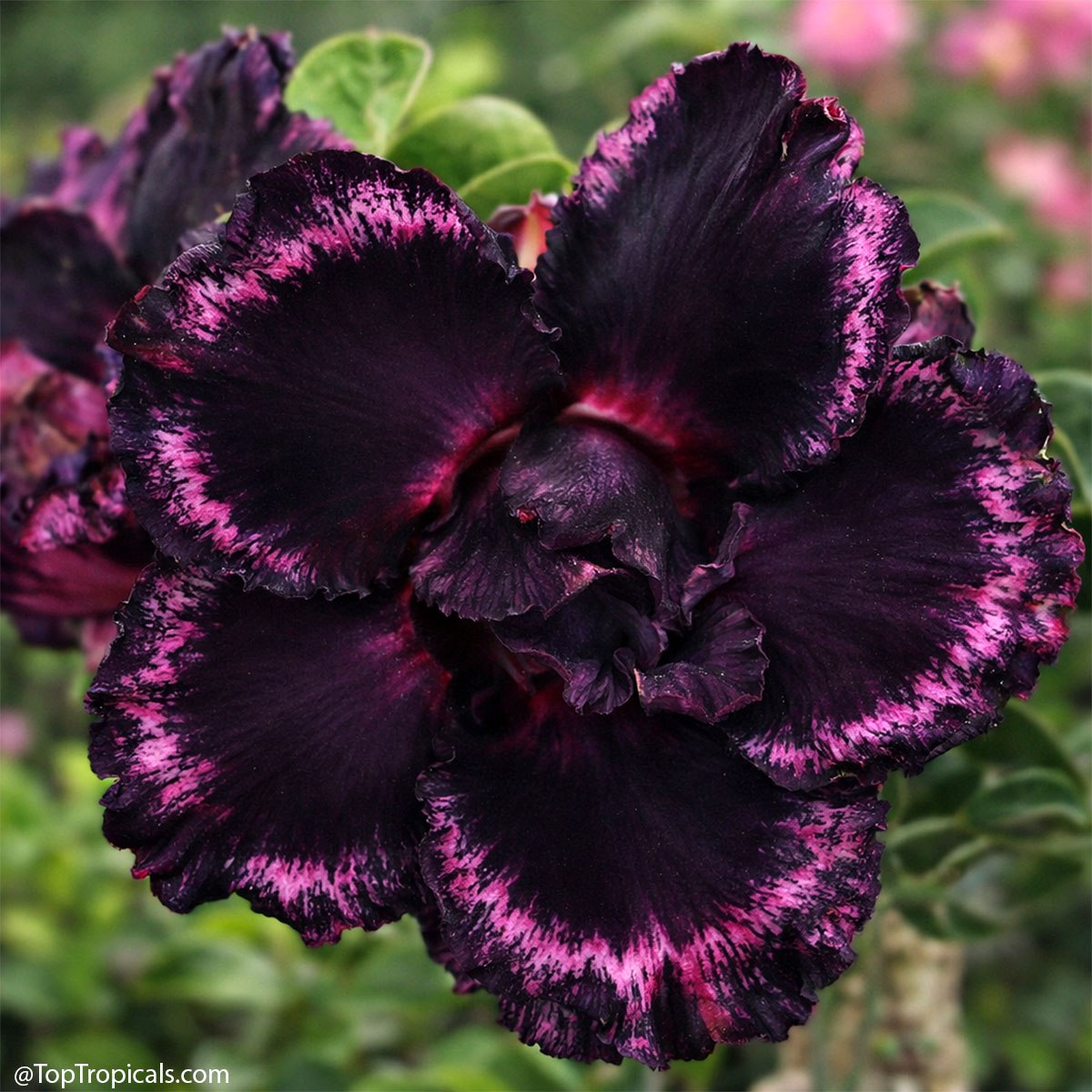
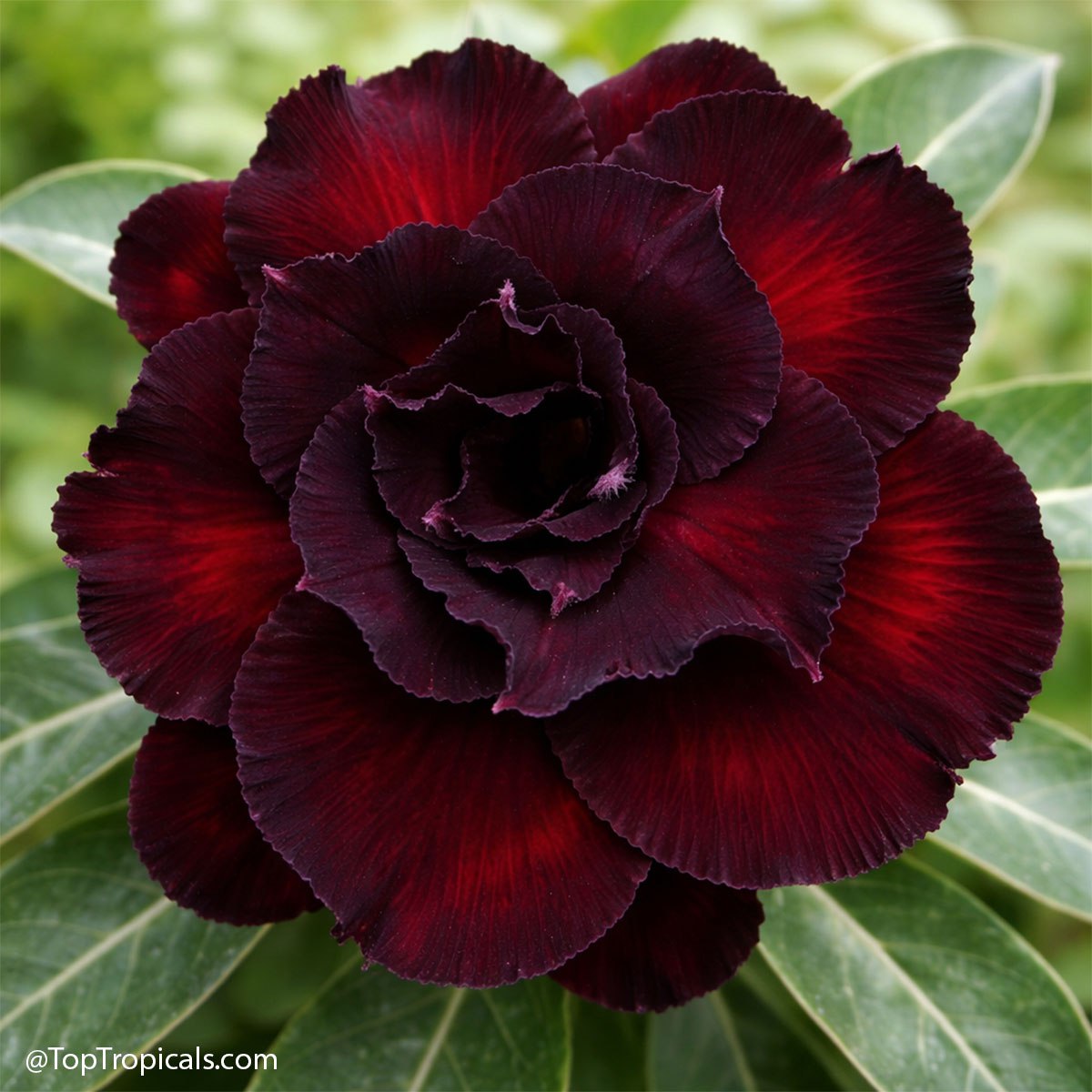
Adenium Black Butterfly

Adenium Black Butterfly

Adenium Good Morning

Adenium Good Morning

Adenium Good Night

Adenium Good Night

How to start your dream collection: Adenium rainbow 🌈

👉 Thinking about adeniums? Read this before you buy one!
How to start an adenium collection without wasting money


If you’ve ever seen a tray of different blooming adeniums, you probably had the same thought: "I want them all." And honestly - we get it.

Adenium Plant Facts

Botanical name: Adenium sp.
Also known as: Adenium, Desert Rose, Impala Lily
USDA Zone: 9 - 10
Highligths Plant with caudexLarge shrub 5-10 ft tallSmall tree 10-20 ftFull sunWater Requirement: Low. Allow soil to dry out between wateringsWatering: Moderate. Water when top soil feels dryYellow, orange flowersRed, crimson, vinous flowersUnusual colorBlue, lavender, purple flowersWhite, off-white flowersPink flowersToxic or Poisonous
Get personalized tips for your region


But with hundreds of varieties out there (and only so much space on your patio), the real trick isn’t collecting everything… it’s choosing the right ones and growing them well so they actually bloom like the photos.

Let’s make it simple.

💡 Before you start your adenium collection


A few basics that make all the difference:

🔸 Light. Bright light is key. The more light, the better the blooms.
🔸 Water. Water deeply, then let soil dry out. Adeniums hate sitting wet.
🔸 Fertilizer. Adeniums prefer liquid food. Light, regular feeding with Sunshine Megaflor Bloom Booster during active growth = stronger growth, bigger caudex, and better flowering.
🔸 Trimming. Prune after flowering to shape and encourage branching. More branches = more flowers.
🔸 Soil. Fast-draining mix is a must. No heavy, soggy soil. Use Adenium Soilless Mix.
👉 How to grow a happy Adenium

🌸 Today's featured adeniums


A few standout varieties to start (or expand) your collection:

 ✦ Amaryllis: Large, bold blooms with a classic floral shape - one of those that always catches attention.
 ✦ Win: Clean, bright blooms with a balanced form - simple and very satisfying.
 ✦ Butterfly Yellow: Soft yellow tones with a delicate, airy look - light and cheerful.
 ✦ Black Butterfly: Dark, velvety tones with a winged pattern feel - rich and dramatic.
 ✦ Good Morning: Bright, fresh tones that feel clean and uplifting - a nice contrast in any group.
 ✦ Good Night: Dark, moody tones - a completely different vibe from typical bright adeniums.

If you’re just starting, pick a few different styles - light, dark, bold, soft. That contrast is what makes a collection feel alive.

And fair warning… It rarely stops at six! 😀

🛒 Explore Exotic Thai Adeniums

📚 Learn more:


· Adenium varieties in Plant Encyclopedia
· About #Adenium Rainbow - fantastic varieties

· How to grow a happy Adenium
#Container_Garden #Adeniums #How_to #Discover

🟢 Join 👉 TopTropicals

Date: 5 Apr 2025

10 reasons why chocolate is actually good for you and how you can grow your own

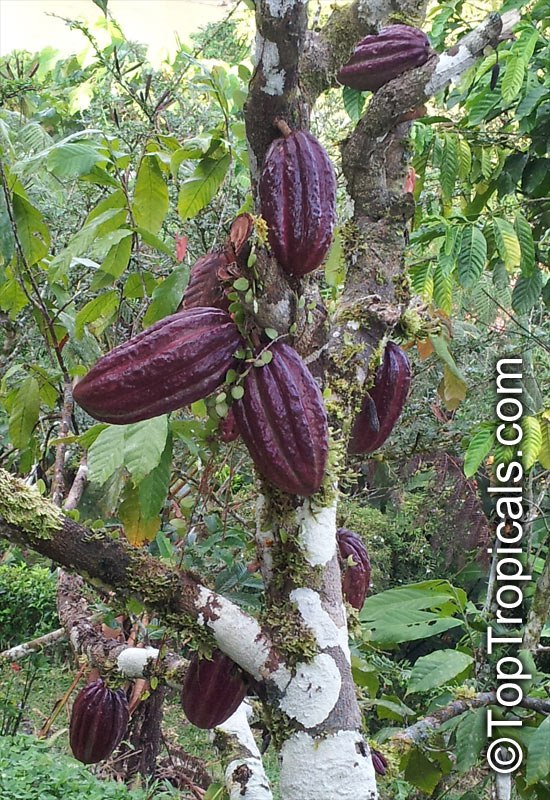
Chocolate Tree (Theobroma cacao) fruit on a tree

Chocolate Tree (Theobroma cacao) fruit on a tree

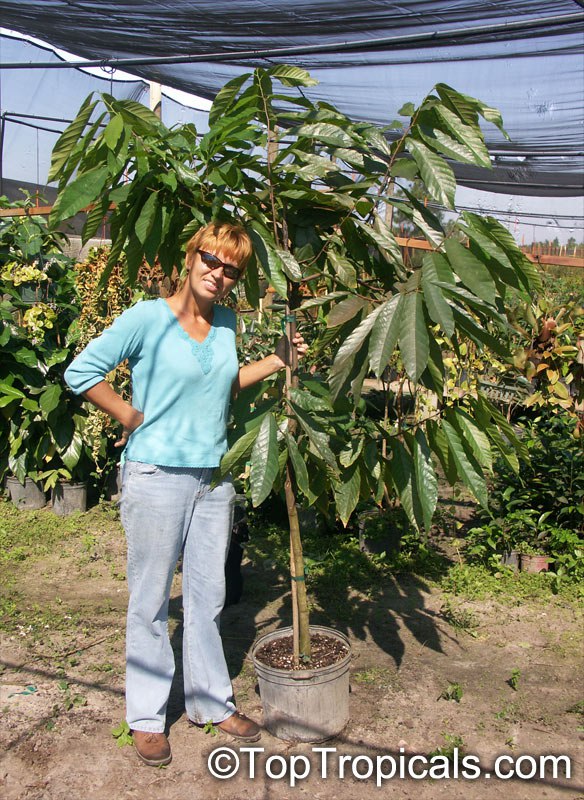
Chocolate Tree (Theobroma cacao) tree in a pot

Chocolate Tree (Theobroma cacao) tree in a pot

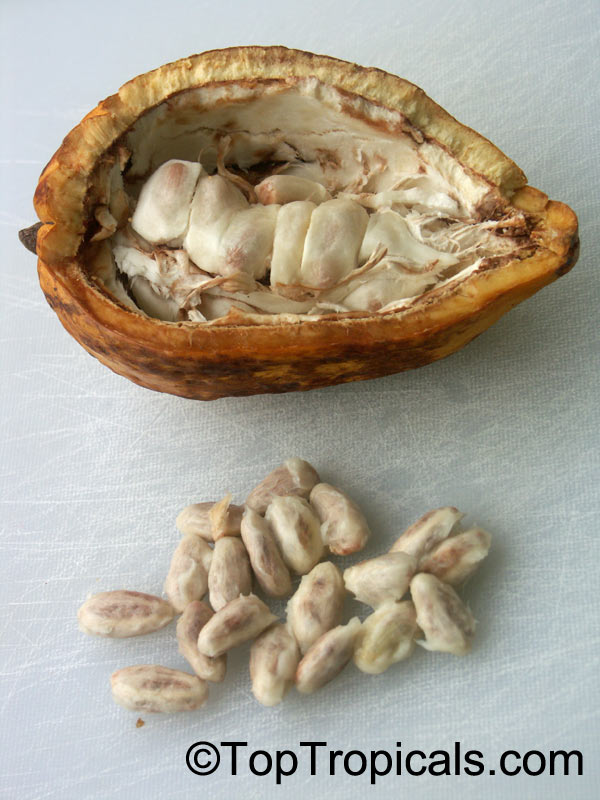
Chocolate Tree (Theobroma cacao) opened fruit with cacao beans

Chocolate Tree (Theobroma cacao) opened fruit with cacao beans

💩 10 reasons why chocolate is actually good for you and how you can grow your own


☕️ That's right - the source of your favorite sweet treat, the Chocolate Tree (Theobroma cacao) we introduced in earlier post, produces cocoa that's packed with powerful health benefits. Growing your own chocolate tree isn't just fun and rewarding - it's a way to bring a superfood right into your backyard!

☕️ Here are 10 reasons why cocoa is a health hero:


🍫 Loaded with Antioxidants - Fights free radicals and supports overall cell health.

🍫 Heart Healthy - Helps lower blood pressure and improve circulation.

🍫 Mood Booster - Promotes feel-good chemicals like serotonin and endorphins.

🍫 Brain Power - Flavanols support memory, focus, and cognitive function.

🍫 Fights Inflammation - Natural compounds help reduce chronic inflammation.

🍫 Supports Blood Sugar Balance - May improve insulin sensitivity.

🍫 Glowing Skin - Boosts hydration and protects against UV damage.

🍫 Aids in Weight Management - May reduce cravings and support metabolism.

🍫 Rich in Minerals - Packed with magnesium, iron, copper, and more.

🍫 Good for Gut Health - Acts as a prebiotic to feed good bacteria.

☕️ With all these benefits, why not grow your own source of chocolate? Plant a Theobroma cacao tree and enjoy the magic of harvesting your very own cocoa pods. It's not just a tree - it's a conversation starter, a wellness booster, and your personal chocolate factory in the making.

🛒 Get your Chocolate Tree today and grow your own goodness

#Food_Forest #Fun_Facts #Discover

🔴 Join 👉 TopTropicals