Garden Blog - Top Tropicals

Date: 29 Dec 2024

Carefree Garden:
How easy is it to grow a Papaya tree?

Cat eating Papaya fruit

Q: What is the easiest to grow fruit tree? It must tolerate, heat, rains, and hurricanes! I live in Florida.

A: Papaya is the easiest to grow fruit tree. In our garden in Florida, newly planted Papaya trees survived several hurricanes, frosts, drought and heat, and keep producing year around!

We all enjoy eating Papaya fruit every day. It is great for digestion and is a perfect naturally sweet, healthy snack. Even our PeopleCats love Papaya. Check out this short video how our cat Cash is begging for his daily Papaya treat!

Cat eating Papaya fruit

Why do we love Papaya? Fun facts about Papaya:

Not a tree: Papaya is technically a giant herb with a single, straight trunk that can grow up to 30 feet tall.

Gender flexible: Papaya plants can change their gender based on environmental conditions. This complex mechanism ensures better adaptability.

Cold and wind resistant: Papayas can withstand light freezes and strong winds, making them surprisingly hardy for a tropical plant.

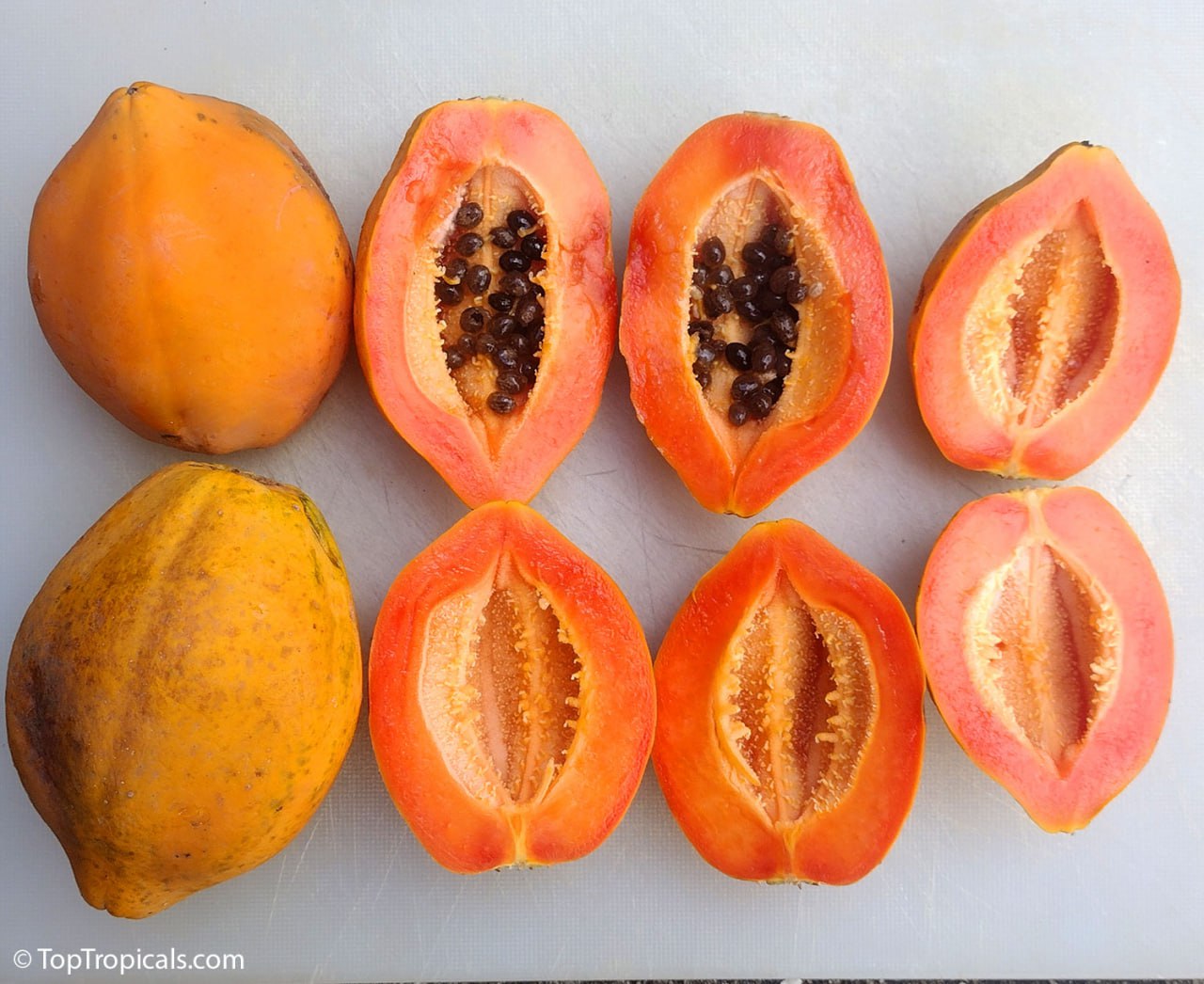
Solo cultivars: These smaller, round or oval papayas are incredibly sweet and less susceptible to fruit flies.
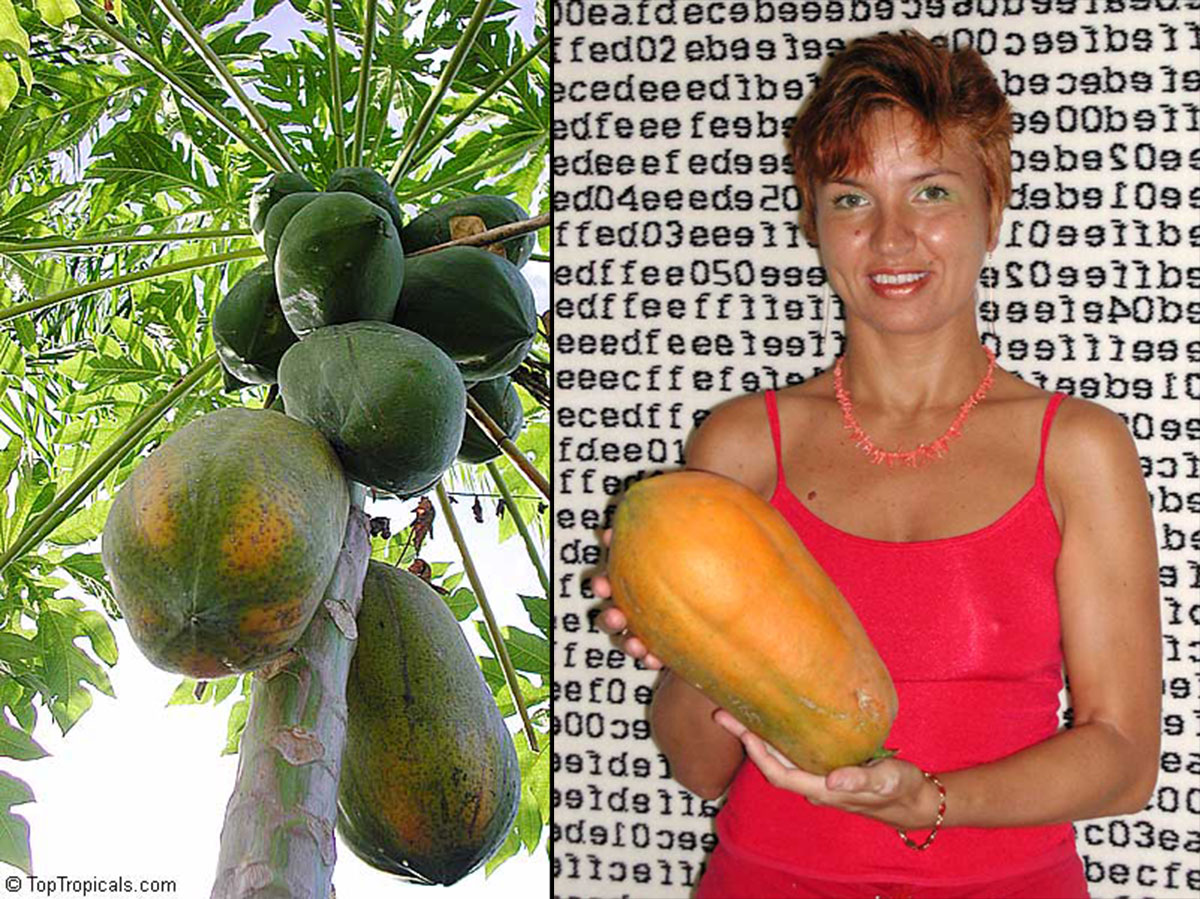
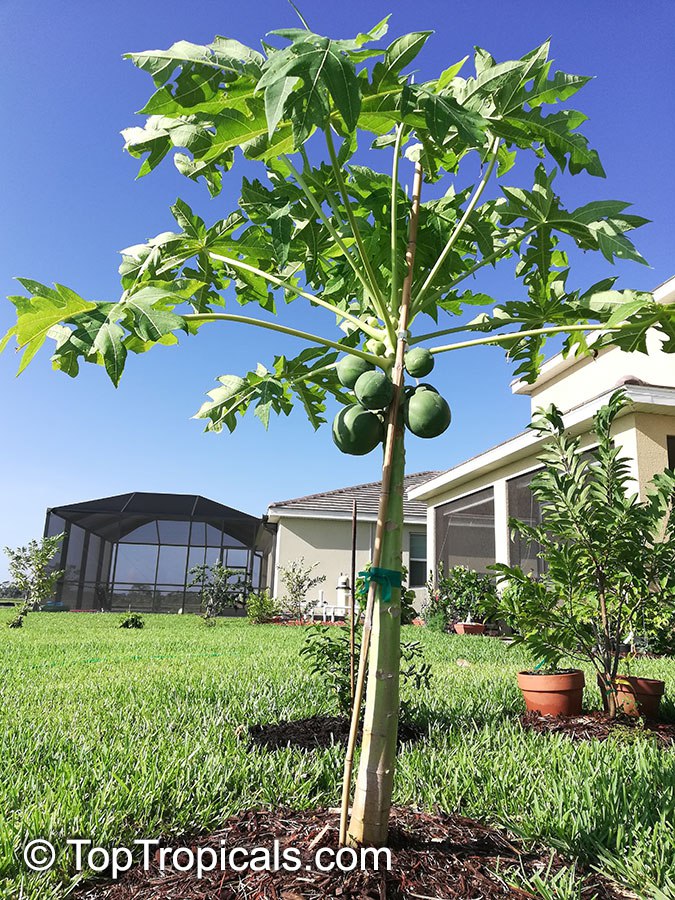
Papaya tree and fruit

How to grow a Papaya Tree: Practical Guide

Papaya is one of the fastest fruiting plants to grow. Often starting production the same year from planting a seed, papayas are ideal for gardeners seeking quick rewards. Many dwarf varieties reach only 6-8 feet tall, yet produce large crops of full-sized fruit that are easy to harvest. Papaya trees are space-efficient, making it possible to plant multiple trees in even small gardens. Plant 2-3 different cultivars to enjoy year-round harvests of healthy, delicious fruit.

How Easy Are Papaya Trees to Grow?
Papaya trees are exceptionally easy to grow. Technically a large herbaceous plant rather than a true tree, they are resilient and adaptable. They can tolerate light freezes and even hurricane winds without significant damage. Additionally, many varieties are self-fertile, but planting multiple trees encourages better pollination and higher yields.

What Light Levels and Soil Types Are Ideal?
Papayas thrive in full sunlight, so choose a sunny spot in your garden or balcony. They prefer well-draining, fertile soil enriched with organic matter. Add compost or manure to improve soil quality and ensure healthy growth. Avoid waterlogged areas as papayas are sensitive to standing water.

How Much Watering Is Required?
Papayas need some watering to thrive, especially during the growing and fruiting seasons. Water deeply once or twice a week, depending on your climate, ensuring the soil remains moist but not waterlogged. Mulching around the base helps retain moisture and regulate soil temperature.

Growing Papayas in Containers
Papayas can be successfully grown in large containers, making them ideal for gardeners in cooler regions or those with limited space. Choose a container at least 7 gallons in size with good drainage. Use a rich, well-draining potting mix, and place the container in a sunny location. Select dwarf varieties to keep the plant manageable and productive.

Health Benefits of Papaya
Papaya is considered a superfood due to its high nutritional value. Rich in the enzyme papain, it aids digestion and promotes gut health. Papaya is also an excellent source of vitamins A, C, and E, as well as antioxidants that boost immunity and overall wellness. Additionally, papaya leaves can be used as wraps for cooking meats, naturally tenderizing them.

Papayas are a low-maintenance, high-reward addition to a Southern garden or greenhouse collection, whether in the ground or in a container. Their fast growth, year-round fruiting potential, and health benefits make them a must-have for gardeners and fruit enthusiasts alike.
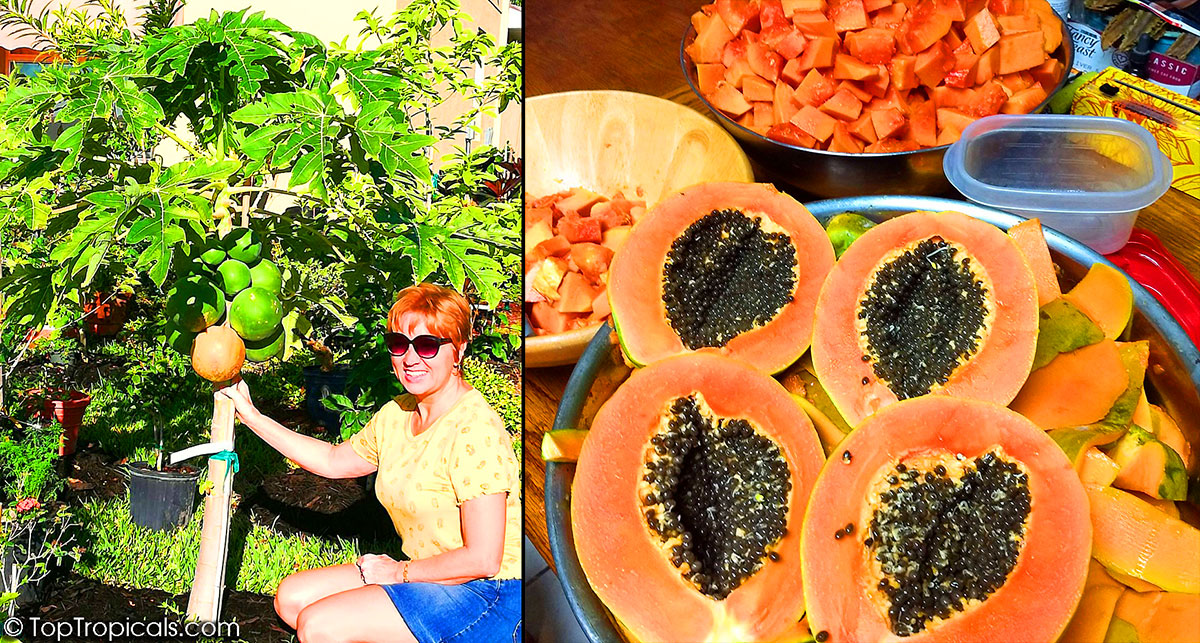
Papaya tree and fruit

Photo above: For small gardens, limited space, or container culture, choose dwarf varieties that remain compact and short (5-8 ft tall) while producing a tremendous amount of fruit! Most productive dwarf varieties: Red Vietnam, Lady Red, TR Hovey, Wan Deng. Semi-dwarf: Waimanalo, Sunrise.

Date: 1 Dec 2025

What happens when you eat it every day: a bowl of Papaya for breakfast

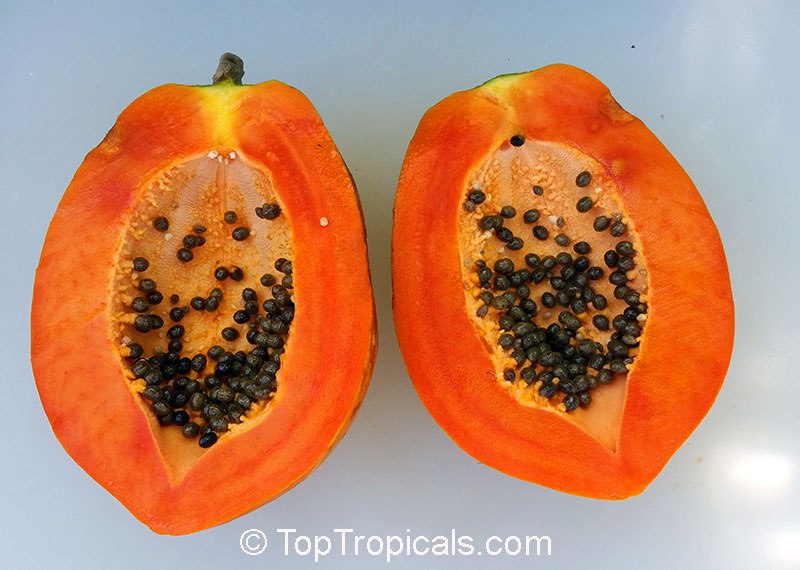
bowl of Papaya for breakfast

bowl of Papaya for breakfast

🍲 What happens when you eat it every day: a bowl of Papaya for breakfast
  • 🍊 If you grow your own papayas or just enjoy picking one from your food forest in the morning, a small bowl (about 140-150 g) can quietly transform your day - and your long-term health. This tropical fruit is naturally low in calories, high in fiber, and loaded with vitamins A and C, making it a perfect morning starter for metabolism, digestion, and immunity.
  • 🍊 Why papaya works so well in the morning


  • Papaya is famous for its natural enzyme, papain. It kick-starts digestion, eases bloating, helps break down proteins, and supports regular bowel movements. Ayurveda has praised ripe papaya for centuries as a cooling, Pitta- and Kapha-balancing fruit that clears toxins and improves gut function. Modern nutrition agrees: a fiber-rich, enzyme-rich fruit first thing in the day steadies appetite and helps prevent mid-morning cravings.
  • 🍊 Daily benefits at a glance

  • ▫️ Weight support: Low calorie, high fiber, and keeps you full longer.
  • ▫️ Heart and blood pressure: Rich in potassium, vitamins, and antioxidants that support healthy cholesterol, smooth blood flow, and normal blood pressure.
  • ▫️ Liver support: Antioxidants, choline, and beta-carotene help reduce inflammation, regulate fats, and protect liver cells from oxidative stress.
  • ▫️ Skin health: Papain and vitamin C help remove damaged cells, improve collagen formation, and support a clearer, smoother complexion.
  • ▫️ Immunity: One medium papaya gives more than double the daily vitamin C requirement and helps stimulate white blood cells while protecting them from oxidative stress.
  • ▫️ Constipation relief: Papaya’s fiber and enzymes gently improve regularity and support a clean, efficient gut.

  • 🍊 What research shows


  • According to the National Library of Medicine, papaya pulp and seeds contain vitamins A, C, and E; B vitamins; potassium; magnesium; carotenoids; glucosinolates; and unique phenolic compounds. Together, these show antioxidant, anti-inflammatory, hypoglycemic, and hypolipidemic actions. Studies link papaya extracts to reduced cholesterol and triglycerides, improved blood pressure regulation (ACE-inhibitory effects), and protection against oxidative stress.

    Papaya seeds also demonstrate promising anti-cancer potential, including activity against colon, prostate, and liver cancer cells. Lycopene and other carotenoids further reduce oxidative damage linked to chronic diseases.
  • 🍊 For home growers


A ripe papaya from your own garden isn’t just a sweet breakfast bowl. It’s a daily boost for digestion, immunity, skin, heart, and metabolic health. Growing papaya means you have a year-round supply of one of nature’s most complete morning foods - fresh, clean, and packed with bioactive compounds your body immediately puts to use.

✍️ Scientific reference
National Library of Medicine:

🛒 Grow your own medicine - Papaya

📚 Learn more:

📱 Watch YouTube short videos:

#Food_Forest #Papaya #Remedies #Discover

🟢 Join 👉 TopTropicals

Date: 5 Jan 2026

How to grow papaya from seed without killing it

How to grow papaya from seed without killing it
🍊 How to grow papaya from seed without killing it, Part 1: Papaya basics

Papaya (Carica papaya) is one of the fastest and most rewarding fruit plants you can grow from seed - but it is also one of the easiest to lose early if you treat it like a regular tree. In this guide, we start at the very beginning: what papaya really is, how to choose and prepare seeds, and what it actually takes to get strong, healthy seedlings off to a good start.

  • 🍊Papaya basics - what kind of plant it really is

  • Papaya is not a tree - and that changes how you should grow it

  • 🟡 Papaya is technically not a tree. It is a herbaceous plant with a hollow trunk - often jokingly called a giant grass.
  • 🟡Papaya grows extremely fast from seed and usually starts producing fruit within 10–15 months. It has a palm-like look, with a large canopy of leaves at the top. Flowers and fruit form directly under that canopy, right on the trunk.
  • 🟡In the ground, papaya can grow 10–15 ft tall, but there are dwarf varieties that stay under 4–5 ft in containers while still producing full-size fruit.
  • 🟡Papayas are very productive and are one of the best exotic fruit plants to grow even outside the tropics, especially because they perform so well in containers.


🍊Growing papaya from seed - what to know first
What grocery store papaya seeds don’t tell you

Papaya is easy to grow from seed, but one detail matters more than most people realize:
  • 🟡Seeds from store-bought fruit come from unknown varieties
  • 🟡Most will not be dwarf
  • 🟡If you want a compact plant, start with a known dwarf variety or seeds from one
  • 🟡The good news: papaya comes true from seed, so when the source is known, the result is reliable.


Now that you understand what papaya is - and what grocery store seeds don’t tell you - it is time to move on to the most misunderstood stage of all: germination. In Part 2, we break down exactly how papaya seeds sprout, what they need, how long they really take, and why so many people give up too early.

  • 👉 Coming up next: Part 2 - Papaya seed germination, step by step


🛒 Explore Papaya varieties

📚Learn more:

🎥 Nobel Prize goes to this pregnant male papaya

#Food_Forest #How_to #Papaya

🟢 Join 👉 TopTropicals

Date: 11 Jul 2024

How to have fresh Papaya fruit year around

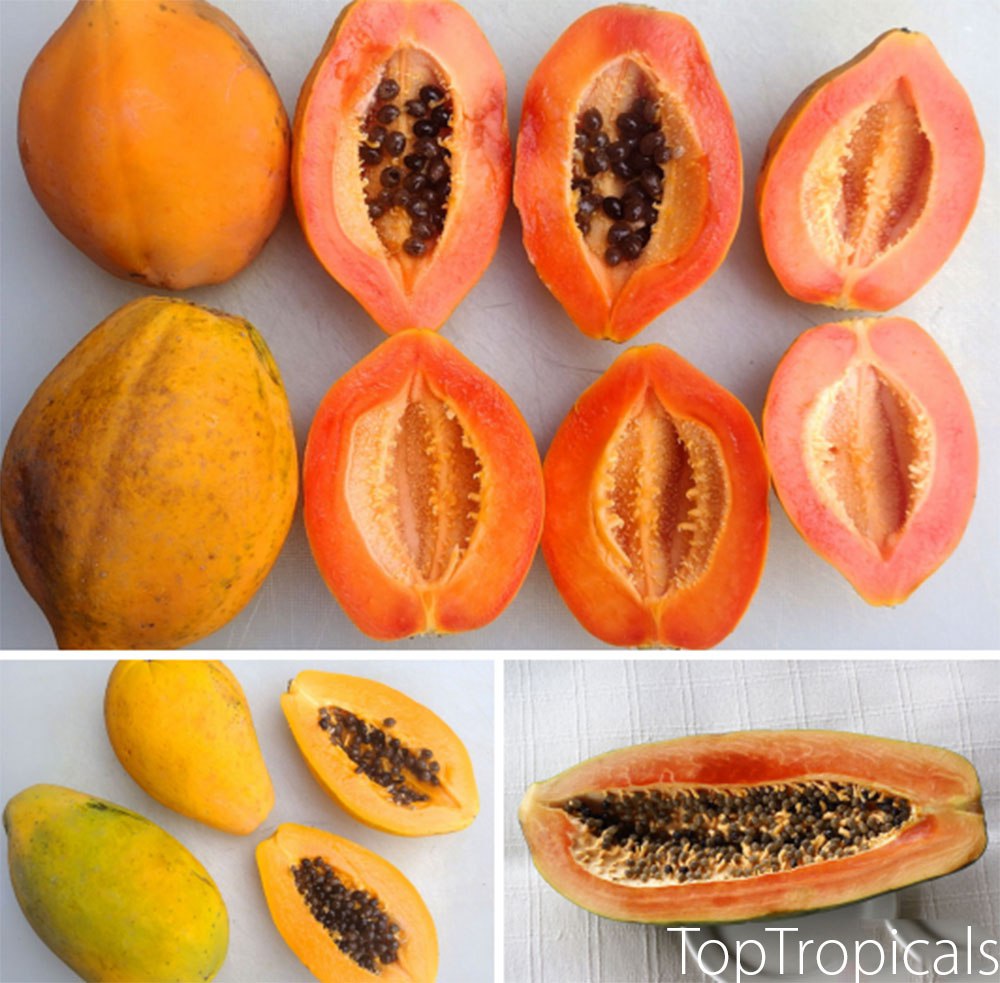
Papaya fruit: Waimanalo, Sunrise, Maradol

Papaya fruit: Waimanalo, Sunrise, Maradol

Papaya tree

Papaya tree

🍊 How to have fresh Papaya fruit year around
  • 🟠 Many people include Papaya fruit in their daily diet because of its healing properties for digestive system. You can eat Papaya fresh as a tasty dessert, add to salads ripe or green, use fruit and leaf wraps in cooking - possibilities are endless.
  • 🟠 Buying papaya fruit from the store every day can become costly. So you can plant your own tree - Papayas are heavy producers. But like with many fruit trees, the question may arise:

What to do with so many fruit at once, and where to get the fruit when it's out of season?
  • 🟠 The answer is: plant several varieties. Different Papaya cultivars, similar to Mango and Avocado, have different crop seasons.
  • 🟠 If you want to enjoy fresh delicious Papaya fruit year around, plant several Papaya varieties in your garden that have different ripening times.

  • For example:
    Waimanalo - ripens from July to October and sporadically throughout the year.
    Sunrise - ripens from January through September and sporadically throughout the year.
    Maradol - ripens from August through March and sporadically throughout the year.
  • 🟠 Papaya tree doesn't take any room in your garden: similar to a palm tree, all its leaves/crown is up high, so you can plant as many trees as you want in a very limited space and still use the room under Papaya tree for other plants.


🛒 Limited time offer: Papaya collection - 3 trees for half price!

Shop Papaya varieties

📚 Learn more from previous posts:
The secret facts of Papaya's private life
Top 3 most wanted Papaya varieties

#Food_Forest

🏵 TopTropicals

Date: 15 Jun 2024

The truth about Papaya:

Papaya fruit

Papaya fruit

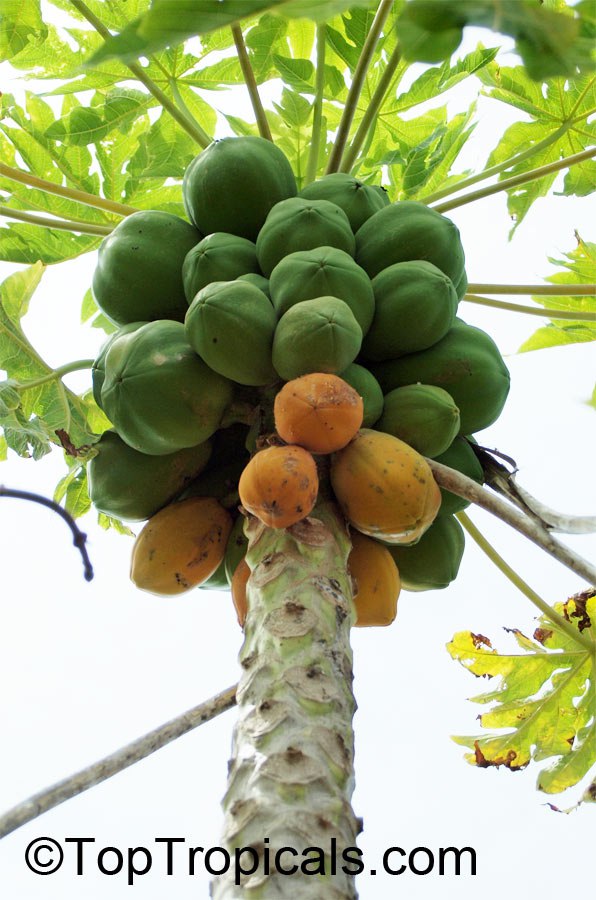
Papaya tree with fruit

Papaya tree with fruit

Papaya fruit

Papaya fruit

Papaya trees

🍊 The truth about Papaya:
1) it is grass, and
2) it can go transgender!
The secret facts of Papaya's private life.
  • 📌 Did you know that Papaya technically is not a tree? It is a large herbaceous plant, usually with a single, straight trunk that can reach 30 feet!
  • 📌 Many dwarf varieties available in selection, reaching only 6-8 ft tall, but producing large crops of full size fruit - they are easy to harvest.
  • 📌 Papaya trees have very complex gender mechanism, but the bottom line is - the tree can chance its sex based on conditions! Many varieties are self-fertile, but it always recommended to plant a few trees for cross-pollination and better yield.
  • 📌 The sweetest Papaya is from so called "Solo" cultivars: the fruit is usually round or oval, on a smaller side, but super sweet.
  • 📌 Fruit from Solo cultivars are not susceptible to fruit flies.
  • 📌 Being officially a tropical plant, Papaya is pretty cold resistant and can withstand light freeze without significant damage.
  • 📌 Surprisingly, Papayas are also hurricane-resistant plants and can take strong winds without damage. They still stand when other trees are down!
  • 📌 Papaya is one of the Super-Foods thanks to papain - a natural enzyme containing in this fruit. Papaya fruit offers the best digestive aid! Eat some papaya after each meal to maintain healthy digestion.
  • 📌 Try papaya leaf wraps for cooking meats - you won't need a meat tenderizer!
  • 📌 Easy to grow trees, Papayas don't take any space in the garden, but bring so much goodness into your life!


🛒 Shop Papaya Trees

#Food_Forest

🏵 TopTropicals