Garden Blog - Top Tropicals

Date: 15 Dec 2025

Thank you for coming to Plant Market in Ft Myers

Kristi  Vanbenschoten,  Top  Tropicals  manager,  holding  Persephone  the  cat
    on  her  shoulder  in  the  garden

Kristi Vanbenschoten, Top Tropicals manager, and Persephone the cat

Thank you to everyone who came out and supported our Holiday Plant Market last Saturday, December 13, 2025. It was great to see familiar faces, meet new visitors, and watch the garden fill with people exploring, asking questions, and choosing new plants to take home. Our CatsPeople were busy greeting guests, supervising carts, and making sure everyone felt welcome. Your support and good energy are what make these events special for us. We hope your new plants settle in beautifully, and we look forward to seeing you back in the garden soon!
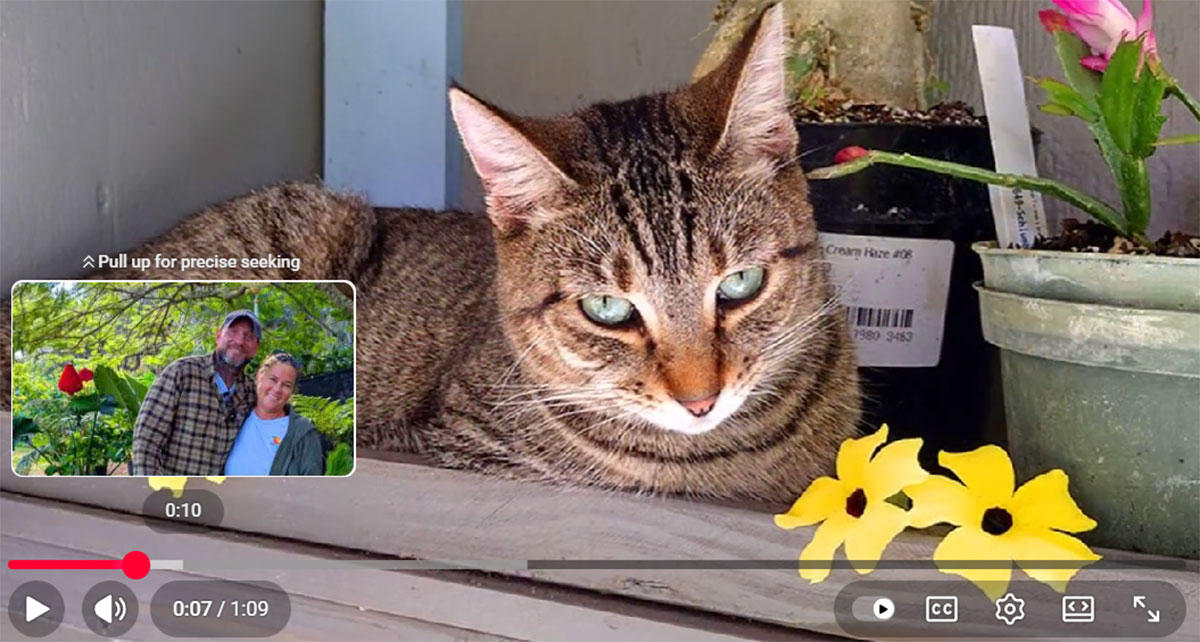
Check out Event Mementos

Persephone  the  cat  at  Garden  Event

Date: 21 Dec 2025

Everyone wants Red Jade vine - this is the one that lives! How to grow Red Jade outside the Tropics

Camptosema grandiflorum - Dwarf Red Jade Vine, Cuitelo, or Rooster's Crest

❤️‍ Everyone wants Red Jade vine - this is the one that lives! How to grow Red Jade outside the Tropics.

  • 🔥 Camptosema grandiflorum (grandiflora) - Dwarf Red Jade Vine, Cuitelo, or Rooster's Crest - this Brazilian superstar brings cascading chains of bright red blooms.
  • 🔥 Love the stunning, fiery blooms of the famous Red Jade Vine (Mucuna benettii) but live outside the tropics? Its cousin - Dwarf Red Jade Vine - delivers the same jaw-dropping, flame-red flower chains as the famous tropical Red Jade vines - but without the extreme fuss.
  • 🔥 This vine is native to Brazil, where it grows at higher elevations. That is the secret. It is noticeably more cold tolerant than Mucuna benettii and can handle short dips to around 28F with little or no damage. It is also more forgiving with watering and can tolerate brief dry spells once established.
  • 🔥 Bloom time is late fall through winter, exactly when most gardens slow down. The flowers are long, heavy, and hang best from a pergola, arbor, or fence where they can cascade freely. Butterflies, bees, and hummingbirds find it fast.
  • 🔥 Despite the word "dwarf," this is a vigorous vine. It grows quickly, needs strong support, and rewards good care with a massive display. Give it sun to light shade, water when the soil feels slightly dry, avoid soggy roots, and prune after flowering. Mulch helps keep roots cool.
  • 🔥 It can even be grown in a large container with solid support.
  • 🔥 If you have ever wanted the iconic Red Jade look but live in a place with real winters or surprise cold nights - this is the smarter choice.


🛒 Plant the Red Jade Vine that grows outside the Tropics

📚 Learn more:

Plant Facts

Camptosema grandiflorum
Crista-De-Galo, Dwarf Red Jade Vine, Brazilian Red Jade Vine
USDA Zone: 9-11
Vine or creeper plantSemi-shadeShadeRegular waterRed, crimson, vinous flowersPlant attracts butterflies, hummingbirdsSubtropical plant. Mature plant cold hardy at least to 30s F for a short timeSeaside, salt tolerant plant

#Nature_Wonders #Hedges_with_benefits #Butterfly_Plants

🟢 Join 👉 TopTropicals

Date: 19 Dec 2025

13 festive shrubs with bright flowers that bring color to your Winter Garden when everything else is dormant

13 festive shrubs for Winter Garden

13 festive shrubs for Winter Garden

💐 13 festive shrubs with bright flowers that bring color to your Winter Garden when everything else is dormant


Southern Living points to colorful berries as winter garden standbys. Tropical plants take it a step further, filling the cool season with real flowers, not just fruit. From vivid reds to electric blues, these plants prove winter does not have to be dull.
  • 🌈 1. Gloxinia sylvatica - Bolivian Sunset


    This plant waits for cool weather, then suddenly lights up the shade with fire-red blooms. Flowers appear almost overnight and continue through fall and winter. It rests in summer, returns in fall, spreads gently, and makes an easy, festive ground cover that is perfect for sharing.

👉 Learn more
  • 🌈 2. Pereskia aculeata - Barbados gooseberry


    An unusual vine that surprises in cool weather with delicate, star-shaped blooms followed by tasty fruit. It flowers steadily from fall through winter, adding light, airy color to fences and trellises when most vines are quiet.

👉 Learn more
  • 🌈 3. Mansoa alliacea - garlic vine


    Best known for its garlicky scent, this vine really shines in winter. Cooler temperatures bring clusters of lavender-purple flowers that brighten fences and trellises with very little effort.

👉 Learn more
  • 🌈 4. Dombeya wallichii - tropical hydrangea


    Large pink pompom blooms hang from bare branches in winter, creating a true holiday look. Lightly fragrant and impossible to miss, it brings hydrangea-style drama to the cool season.

👉 Learn more
  • 🌈 5. Brunfelsia pauciflora Compacta - dwarf yesterday-today-tomorrow


    Compact and cheerful, this shrub opens purple flowers that fade to lavender and white. The color shift makes it look like several plants blooming at once, perfect for pots or small garden spaces.

👉 Learn more
  • 🌈 6. Clerodendrums


    Long, cascading sprays of white flowers of Clerodendrum minahassae - fountain clerodendrum - spill from the plant during the cooler months. It brightens shaded areas and adds movement when the garden slows down. Most clerodendrums bloom through Winter!

👉 Learn more
  • 🌈 7. Tibouchina multiflora - glory bush


    Soft, fuzzy purple blooms cover this shrub in winter, backed by velvety leaves that look good year-round. It adds strong color and texture during the cool season.

👉 Learn more
  • 🌈 8. Holmskioldia sanguinea - Chinese hat


    Bright red, orange or yellow, hat-shaped bracts surround small flowers and hold their color through the cool months. The shape alone makes this shrub a standout in winter.

👉 Learn more
  • 🌈 9. Barleria cristata - Philippine violet


    This tough shrub blooms heavily in winter with rich purple flowers. It delivers dependable color when many plants take a break. There is a golden variety too!

👉 Learn more
  • 🌈 10. Eranthemum pulchellum - blue sage, lead flower


    Few plants offer true blue in winter. Electric-blue flower spikes appear in cool weather, adding rare color with minimal care.

👉 Learn more
  • 🌈 11. Petrea volubilis - queen's wreath


    In winter, this woody vine erupts into cascading sprays of lavender star-shaped flowers. It creates a wisteria-like effect right when the garden needs it most.

👉 Learn more
  • 🌈 12. Tabebuia varieties - dwarf golden and dwarf pink


    These trees save their show for winter, blooming on bare branches. Golden forms glow yellow, while pink varieties cover themselves in soft trumpet-shaped flowers.

👉 Learn more

🌈 13. Bauhinia trees - pink butterfly and Hong Kong orchid trees


Butterfly-shaped blooms open on leafless branches, giving bauhinias their signature winter elegance. The Hong Kong orchid tree stands out with especially large, vivid flowers.

🛒 Explore Winter bloomers

📚 Learn more:


#Hedges_with_benefits #Discover

🟢 Join 👉 TopTropicals

Date: 16 Dec 2025

Nobel Prize goes to this pregnant male!

Male papaya with fruit

🏆 Nobel Prize goes to this pregnant male!

  • 👀 Some Papaya trees really break the rules, and this one deserves its own headline. We have a true oddball in the garden - a male papaya tree that actually set a lot of fruit! Not just one fruit, but a whole cluster hanging from those long flower stalks.
  • 👀 We all know that male papayas only make flowers but never set fruit. They only give us sweet fragrance from these flowers! By the way, thanks for the flowers, guys!
  • 👀 The fruit comes from the female flowers that sit tight on the trunk. But every now and then, nature throws a curveball. It looks like a male tree forms perfect female flowers on its long stems and decides to become a parent after all!
  • 👀 The result? Ripe, sweet papayas growing where they absolutely should not be. And yes, they even had seeds inside.
  • 👀 Gardeners wait years for good surprises like this. A male papaya giving birth… that’s rare enough to give a Nobel prize!


🛒 Explore the unpredictable world of Papayas

📚 Learn more:

Plant Facts

Carica papaya
Papaya
USDA Zone: 9-11
Small tree 10-20 ftFull sunDry conditionsModerate waterYellow, orange flowersWhite, off-white flowersEdible plantEthnomedical plant.
Plants marked as ethnomedical and/or described as medicinal, are not offered as medicine but rather as ornamentals or plant collectibles.
Ethnomedical statements / products have not been evaluated by the FDA and are not intended to diagnose, treat, cure, or prevent any disease. We urge all customers to consult a physician before using any supplements, herbals or medicines advertised here or elsewhere.Subtropical plant. Mature plant cold hardy at least to 30s F for a short time

#Food_Forest #Papaya

🟢 Join 👉 TopTropicals

Date: 3 Dec 2024

What is the most exquisite tropical Christmas flower?

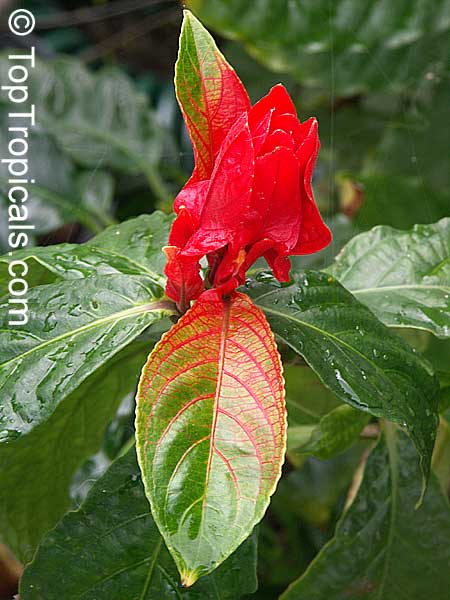
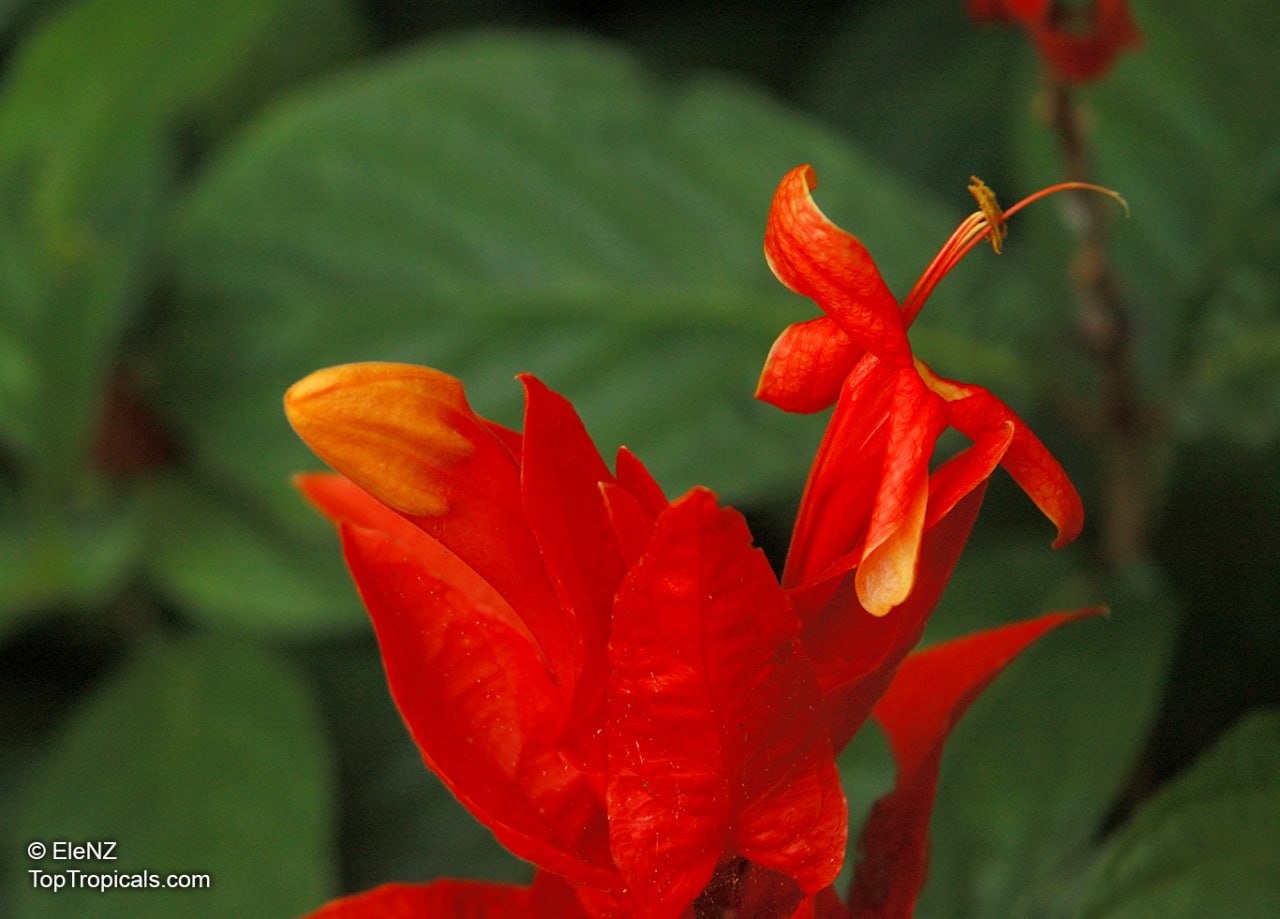
Ruellia colorata, Colorama

Ruellia colorata, Colorama

Ruellia colorata, Colorama

Ruellia colorata, Colorama

Ruellia colorata, Colorama

Ruellia colorata, Colorama

Ruellia colorata, Colorama

Ruellia colorata, Colorama

Ruellia colorata, Colorama

Ruellia colorata, Colorama

🎄 What is the most excusive tropical Christmas flower?

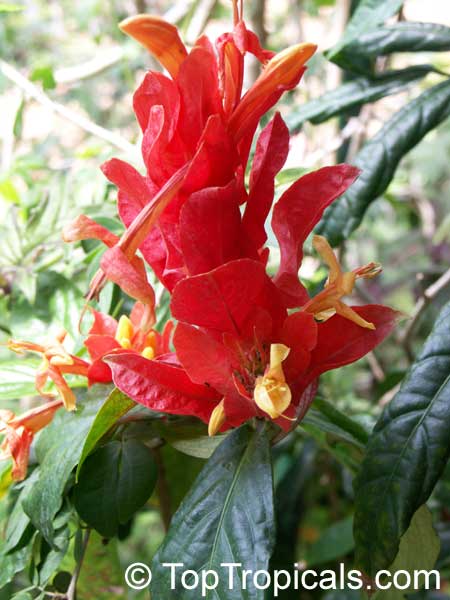
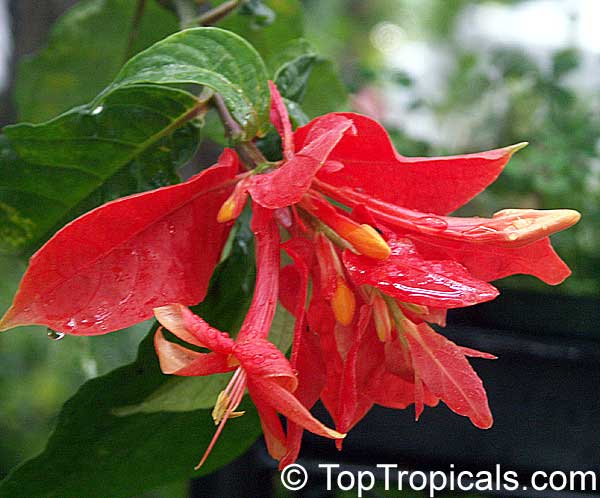
  • 🎅 A festive showstopper, Ruellia colorata, known as Colorama, is a rare and vibrant addition to exotic container plant collection. Its brilliant scarlet bracts color up for Christmas and stay bright carmine for several months.
  • 🎅 Native to Brazil, this small plant grows 2-4 feet tall, displaying brilliant scarlet bracts and crimson flowers that stay bright for months, adding a touch of holiday cheer.
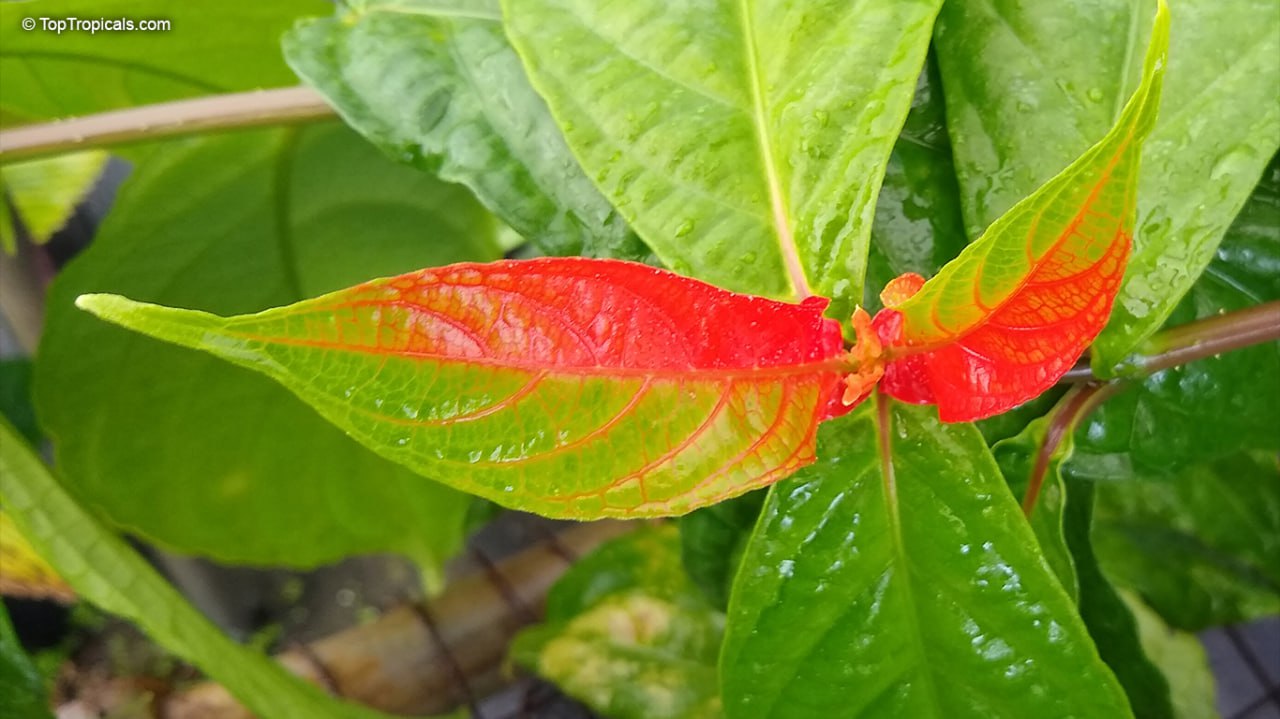
  • 🎅 One of Colorama's most striking features is its photoperiodic response: the top leaves turn crimson red around Christmas time due to changes in daylight length, much like the beloved Poinsettia. After winter, these leaves return to green, keeping the plant lively and versatile year-round.
  • Photoperiodism is the process where plants respond to the length of day and night, triggering changes such as leaf coloration or flowering.
  • 🎅 Its blooms are a magnet for butterflies and hummingbirds, making it a favorite for wildlife enthusiasts.
  • 🎅 Colorama thrives in shady to semi-shady spots and requires regular watering to stay lush and healthy. It's perfect for USDA zones 9-11 but can also be grown in colder regions if protected from frost. For winter care in cooler climates, move it indoors or to a warm area to keep this stunning beauty happy and blooming.
  • 🎅 When grown in pots, ensure good drainage, use rich organic soil, and place the plant in a bright location.
  • 🎅 Prune twice a year to maintain its compact, bushy shape, and fertilize with a flowering fertilizer once established.


🛒 Get your own Exclusive Christmas Colorama

#Container_Garden #Shade_Garden #Butterfly_Plants

🔴 Join 👉 TopTropicals