Garden Blog - Top Tropicals

Date: 3 Mar 2020

Tu BiShvat - New Year for Trees
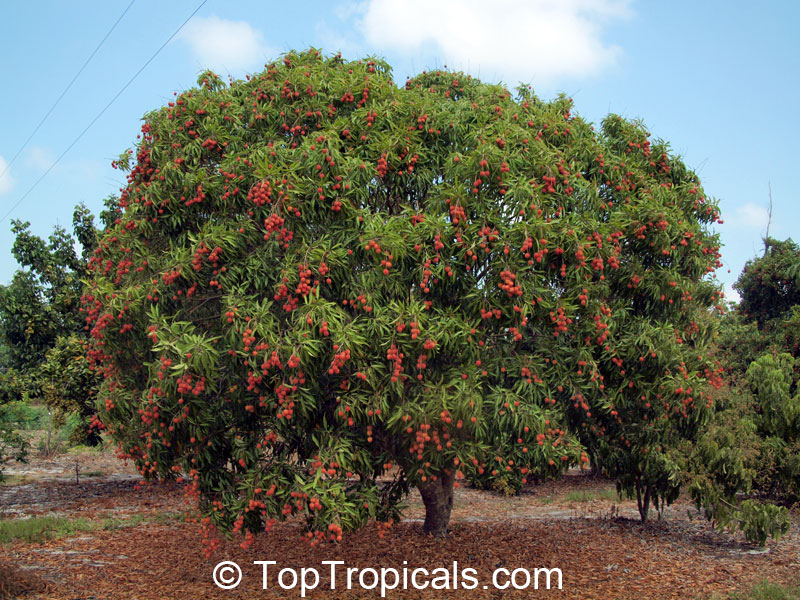
By Alex Butova

Tu BiShvat is the Israeli Arbor Day, and it is often referred to by that name in international media. Ecological organizations have adopted the holiday to further environmental-awareness programs. The modern practices and interpretations of Tu BiShvat often revolve around the earth and environment. This holiday is a celebration of nature and appreciation for creating the natural world. In Israel, Tu BiShvat is celebrated as an agricultural holiday. The 15th of Tu BiShvat was celebrated this year on February 10, 2020. This day marked the beginning of a new year for trees. This day marks the season in which the earliest-blooming trees emerge from their winter sleep and begin a new fruit-bearing cycle. Often the date of Tu BiShvat is used for determining the age of fruit baring trees and therefore establishes their birth dates. Therefore, Tu BiShvat is the "birthday" of trees!

The traditions and customs of Tu BiShvat vary, however, the most common include planting trees and gathering with family and friends for a meal. It is celebrated by eating fruit, particularly the kinds that praise the bounty of the Holy Land: grapes, figs, pomegranates, almonds, dates, olives and others. It reminds people that "a man is a tree of the field", and reflects on the lessons we can derive from the botanical analogue.

Check out fruit trees and nuts:

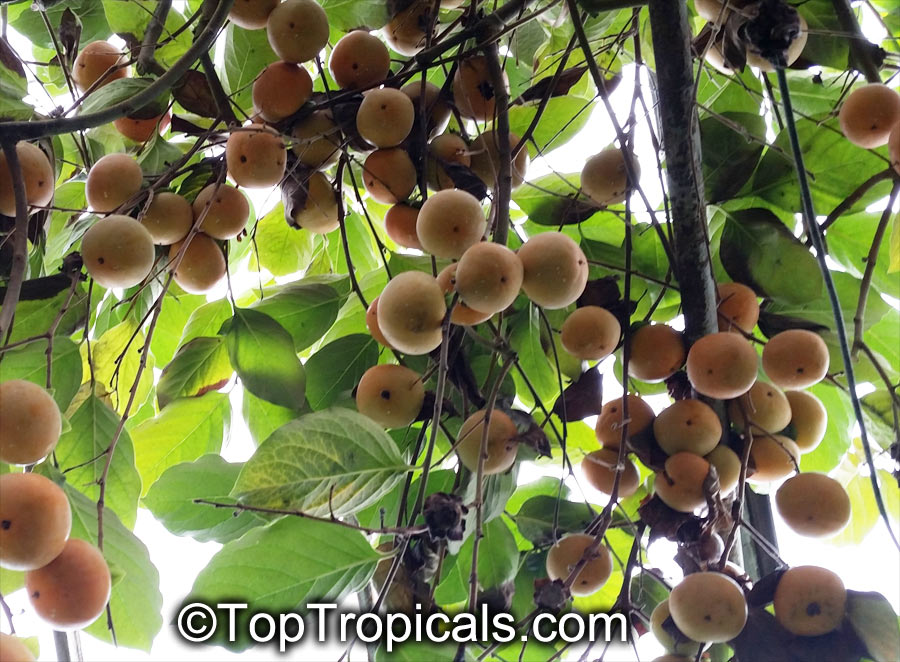
Persimmon tree
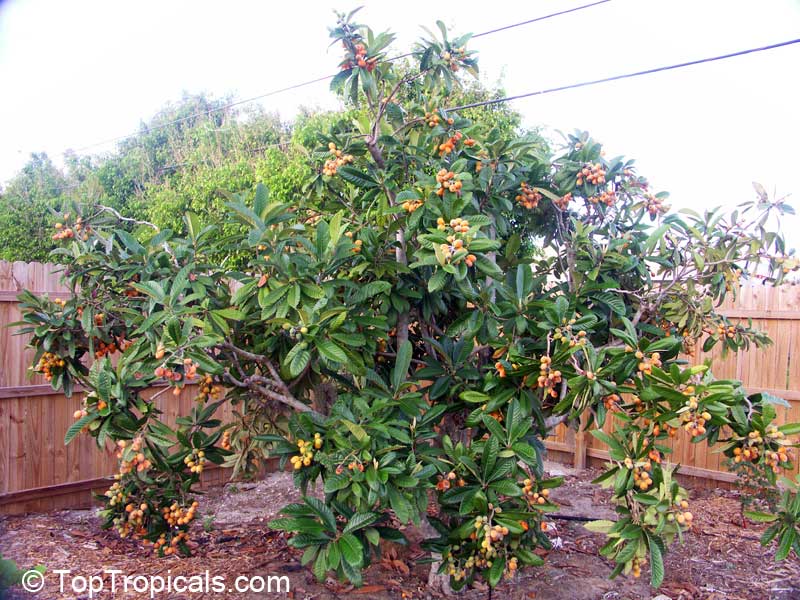
Loquat tree
Date: 25 Jan 2021

Coastal Plants. List of plants that do well in coastal areas

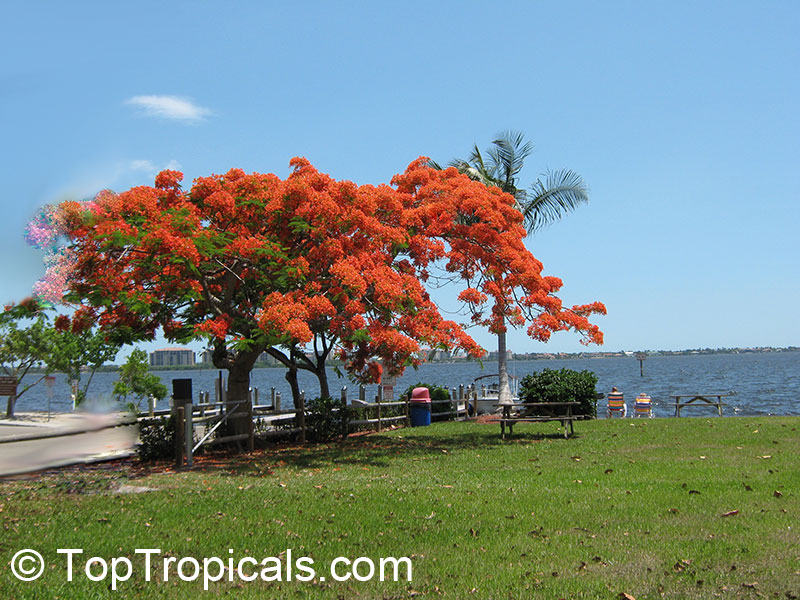
In the photo: Delonix regia - Royal poinciana, Flamboyant

Q: How can I get a list of plants that do well in coastal areas (i.e. next to sea)?

A: Many tropical plants live by the sea in natural habitat and don't mind ocean breeze. We have a large selection to pick from. The following groups of spectacular flowering trees will enjoy coastal environment:
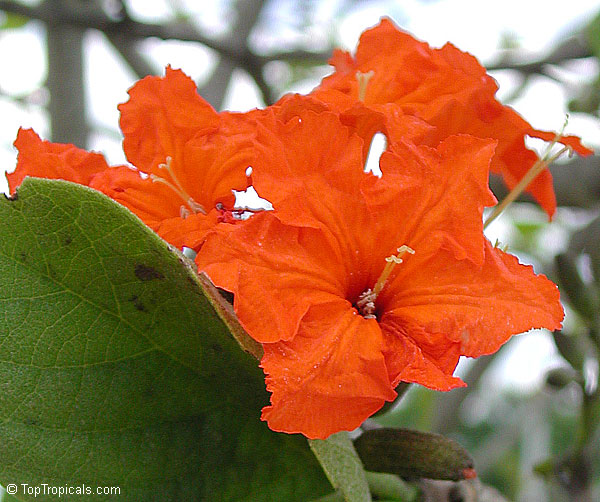
Cordia trees
Plumerias
Orchid trees (Bauhinias)
Caesalpinias
Callistemons (Bottle brush trees)
Cassias
Many palm trees

See full list of salt-tolerant plants available at this time.

In the photo: Cordia sebestena - Scarlet Geiger tree

Date: 24 Jun 2018

TopTropicals

Fruitful Fruit and SuperFood...

Q: I have a large fruit garden here in Florida with many mango trees, avocadoes, guavas, and other tropical fruit. Last year hurricane Irma and flooding killed a few avocado trees, but mangos and guavas survived OK, but the sad part is, very few flowers this year and almost no fruit setting. I noticed on your website your Superfood and Sunshine-Honey boosters that supposedly help fruiting? But I am afraid it is too late now as your instructions say first application must be in early Spring? I wish I discovered earlier that my trees wouldn't want to fruit this year...

A: First of all, it is never late to give the food! You may start applications of SUNSHINE products at any time of the year. The best results will be achieved once you treat your plants on regular basis throughout the whole year cycle of metabolism.
Couple weeks ago we started harvesting our 2 guava trees. These two are the same variety (Variegated Honeymoon), planted within 20 ft from each other and growing in the same conditions. The only difference was, one was treated with SUNSHINE-Honey and SUNSHINE-SuperFood, and another one didn't get any treats in order to have a control plant.
Results are very interesting, see the picture. Both trees were heavily covered with fruit. However the one with treatments developed fruit that is much larger, much sweeter and juicier, and the most interestingly - with less seeds, almost no seeds!
To answer your question: yes, you can start feeding your fruit trees right now. It is still a Springtime. Many mango varieties have late season; even early varieties may delay their fruiting if flowering triggered by miscro-elements. Guavas have very long season and most varieties can have multiple crops throughout Summer-Fall.
Here is a simple and affordable feeding schedule to help your fruit garden recover from last year hurricane stress, and establish reliable production:
1) SUNSHINE-E - for boosting metabolism - once a month
2) SUNSHINE-Honey - for bringing sugars to the heart of the tree and boosting fruit sweetness and quality - now and in 2 weeks
3) SUNSHINE-SuperFood - for overall health, recovering from hurricane and fixing root damage from flood - now and every 2 weeks throughout warm season.
4) You may apply regular balanced fertilizer NPK as usual (we apply once a month, a handful per in-ground tree)
It's that simple. Just try and watch your trees produce again!

Check out all SUNSHINE boosters... We offer FREE shipping on them, so you can make your plants happy!

Date: 11 Mar 2025

What trees are fruiting and blooming right now?

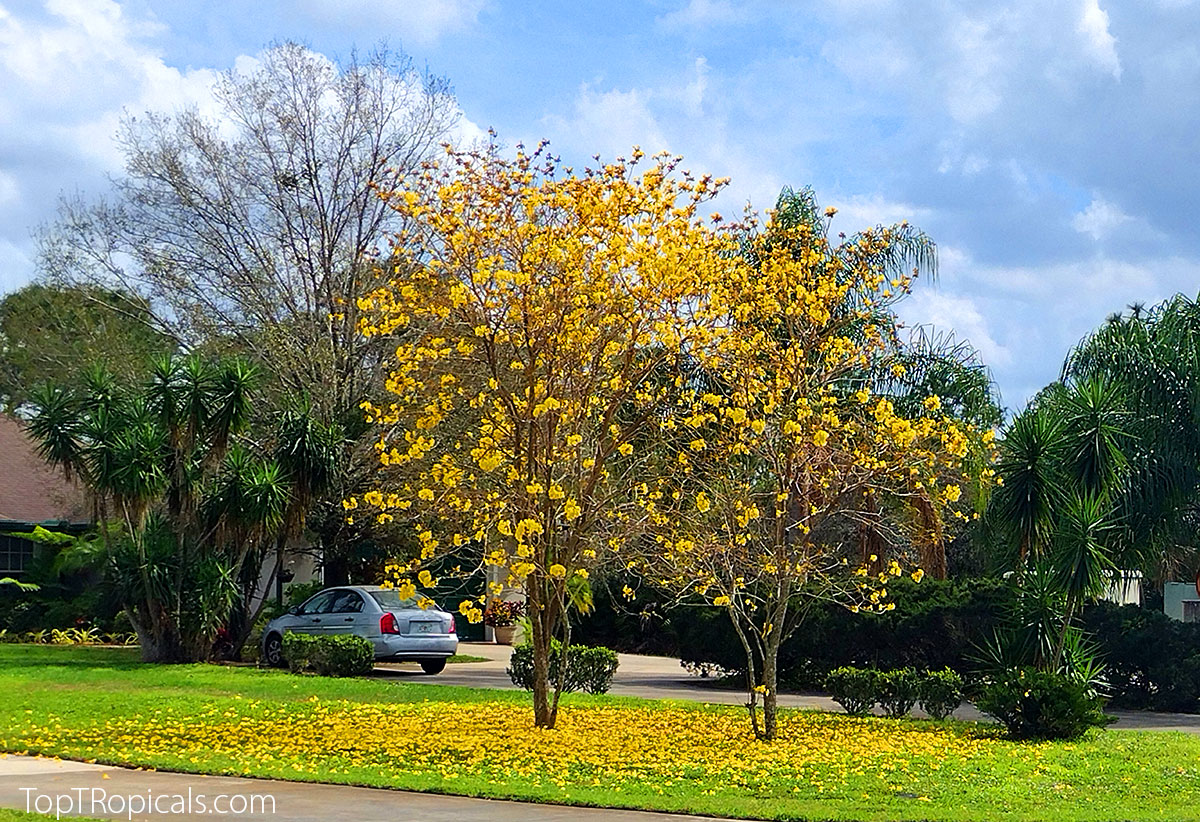
Tabebuia  chrysotricha  -  Dwarf  Golden  Tabebuia

Photo above: Tabebuia chrysotricha - Dwarf Golden Tabebuia

Q: What tropical trees are fruiting and flowering in March?

A: There's always something blooming and fruiting, especially with spring on the way! Our garden is buzzing with bees and butterflies, and in the nursery, you'll always find plants in bloom or bearing fruit. Here are a few standout winners of the season.

Orchid Trees

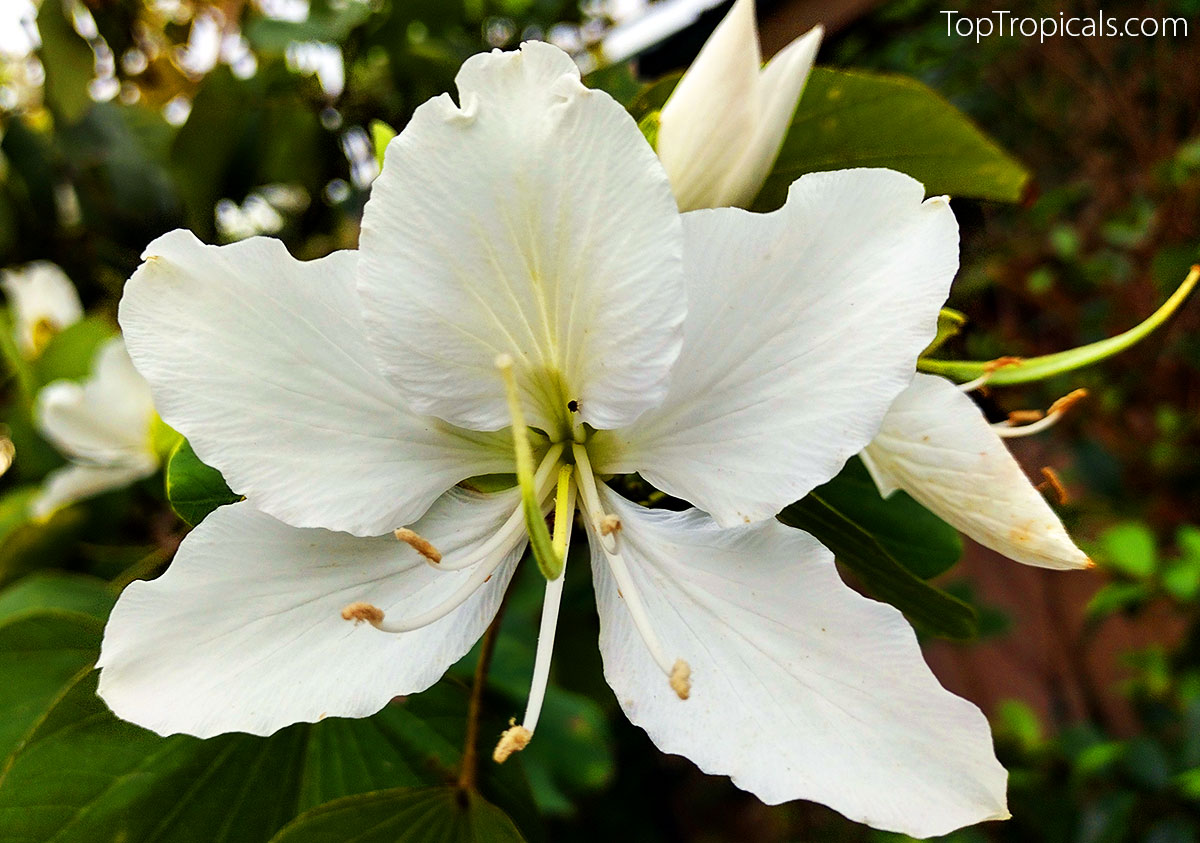
Bauhinia  alba  (candida)  -  White  Orchid  Tree

Orchid trees are among the most spectacular trees in Florida, flowering from late winter through spring. They are fast-growing, not fussy about soil or water, and bloom for several weeks in a stunning display of white, purple, pink, or red flowers. In the photo: Bauhinia alba (candida) - White Orchid Tree - the most cold-hardy of all Bauhinias, tolerating temperatures as low as 26F. You can see them in full bloom across Florida right now!

Carambola - Star Fruit

Starfruit  (Averrhoa  carambola)

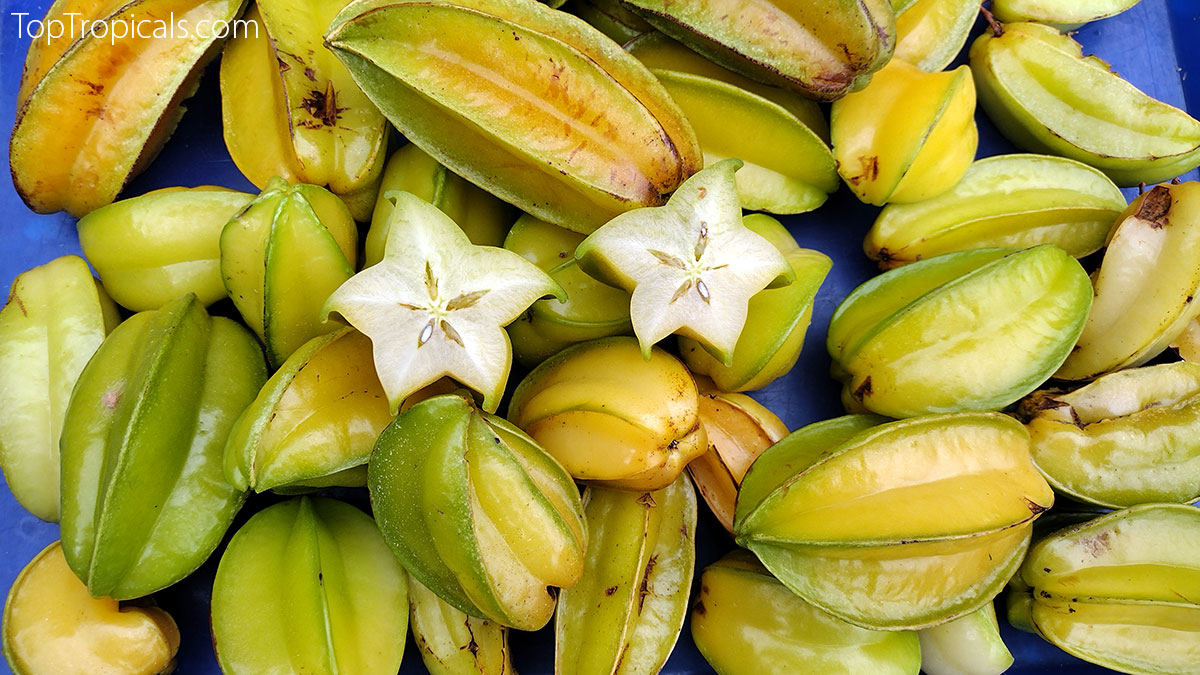
Starfruit trees (Averrhoa carambola) have been fruiting in our garden since fall, and they just keep producing! We've had so many starfruits that we ended up making lots of jam.

Calliandra

Calliandra  tweedi  With  Love  -  Red  Tassel  Flower

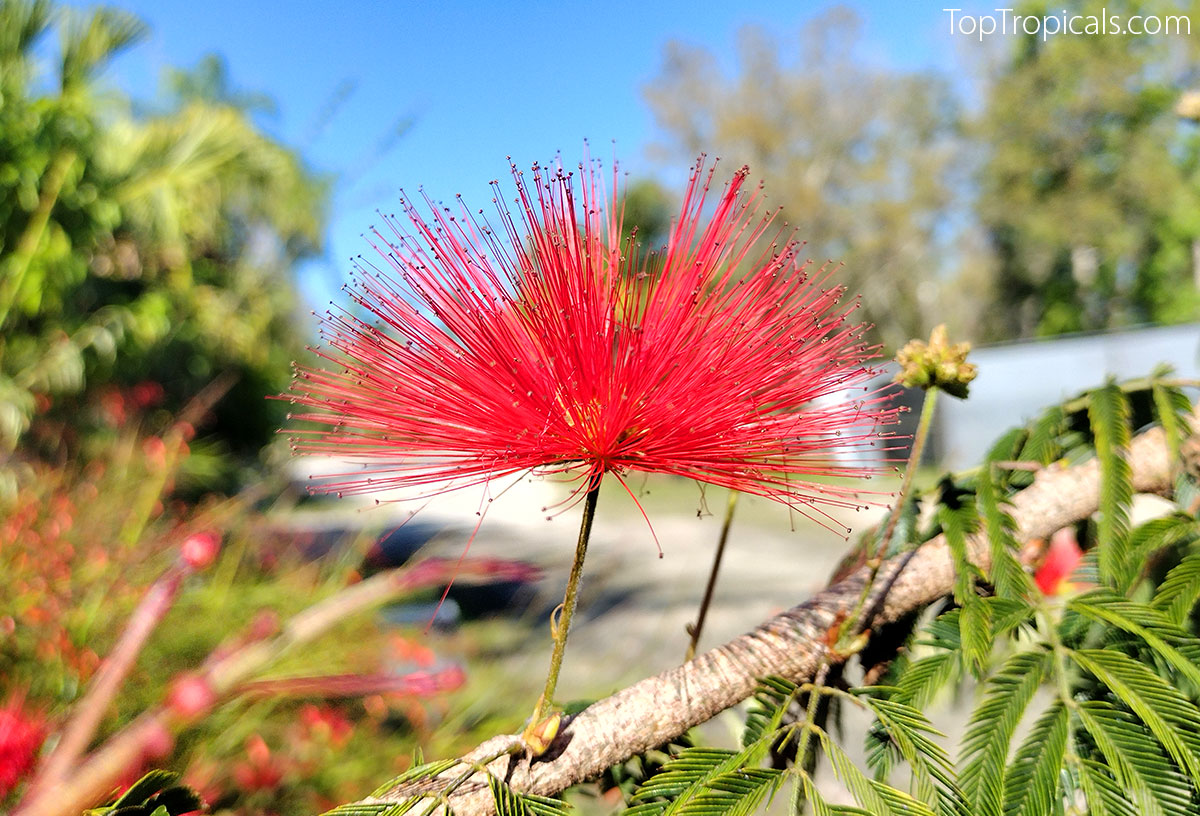
Calliandras are known to be spectacular winter bloomers, but in our garden, they seem to flower year-round. They make fantastic ever-blooming hedges or striking small specimen trees.
In the photo: red-flowering Calliandra tweedii "With Love" - Red Tassel Flower, yright now, this beautiful bush is covered in red blooms in front of our office at Sebring Farm.

Mulberry Trees

Mulberry  fruit  on  the  tree

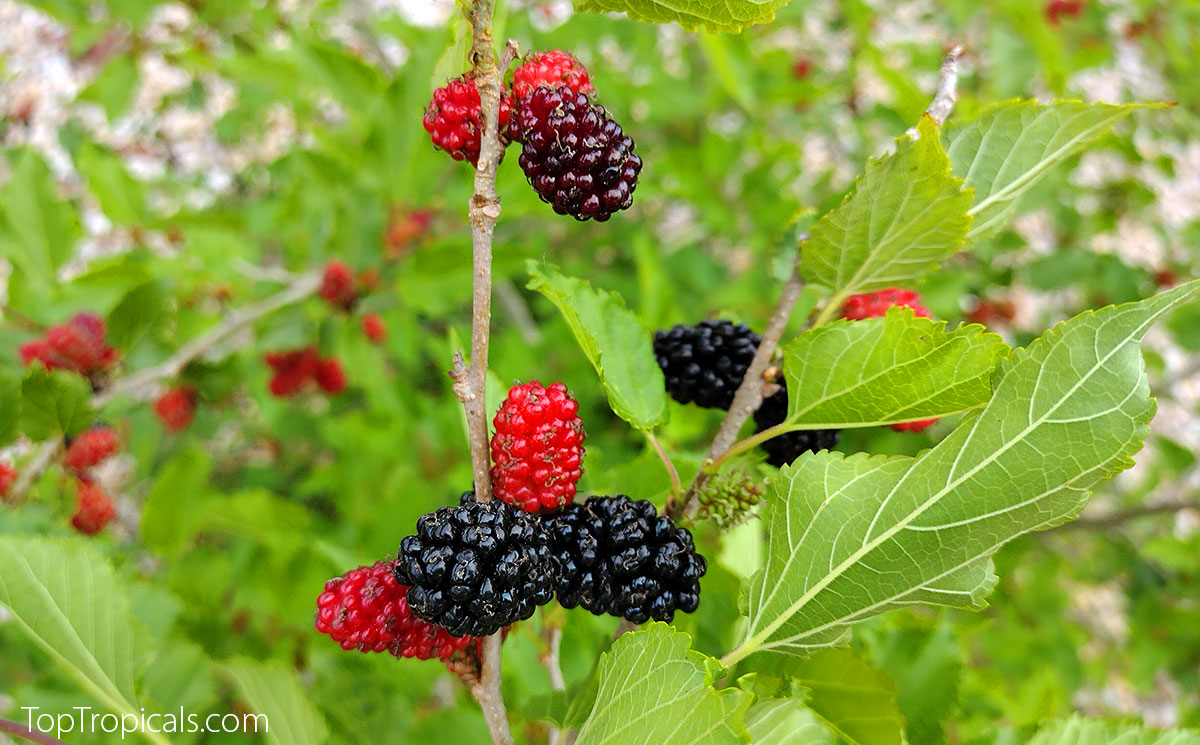
Yes, it's Mulberry season! Some varieties have already ripened, while others are just about to. We're competing with the birds to see who gets the first fruit, but honestly, there's plenty for everyone! These trees are very cold hardy and highly productive.

Loquat Trees

Loquat  tree  Eriobotrya  japonica

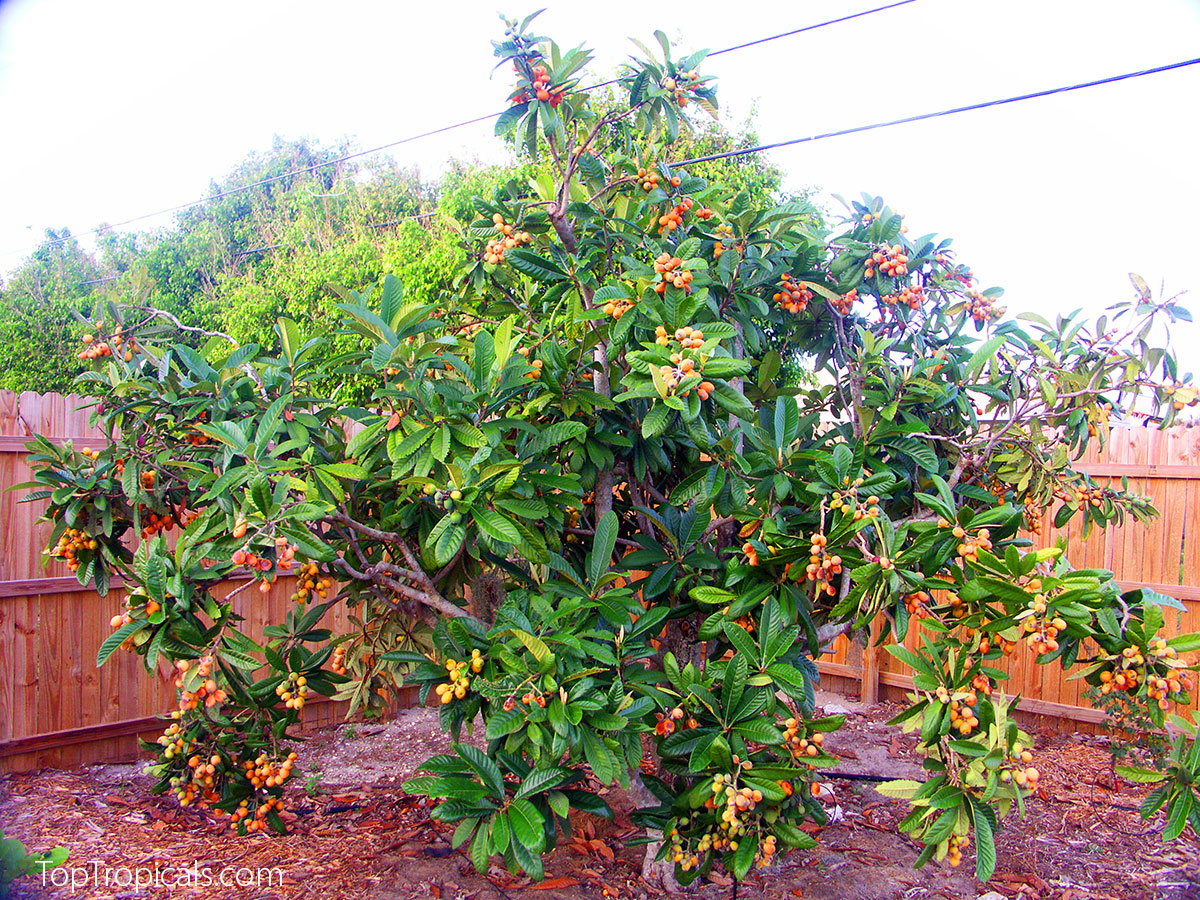
Loquat trees (Eriobotrya japonica) are loaded with fruit right now! We've started picking them and have already made some delicious preserves - you can only eat so many fresh. Loquats continue fruiting through April and May, making them one of the most rewarding, easy-to-grow, and productive fruit trees.

Tabebuia Trees

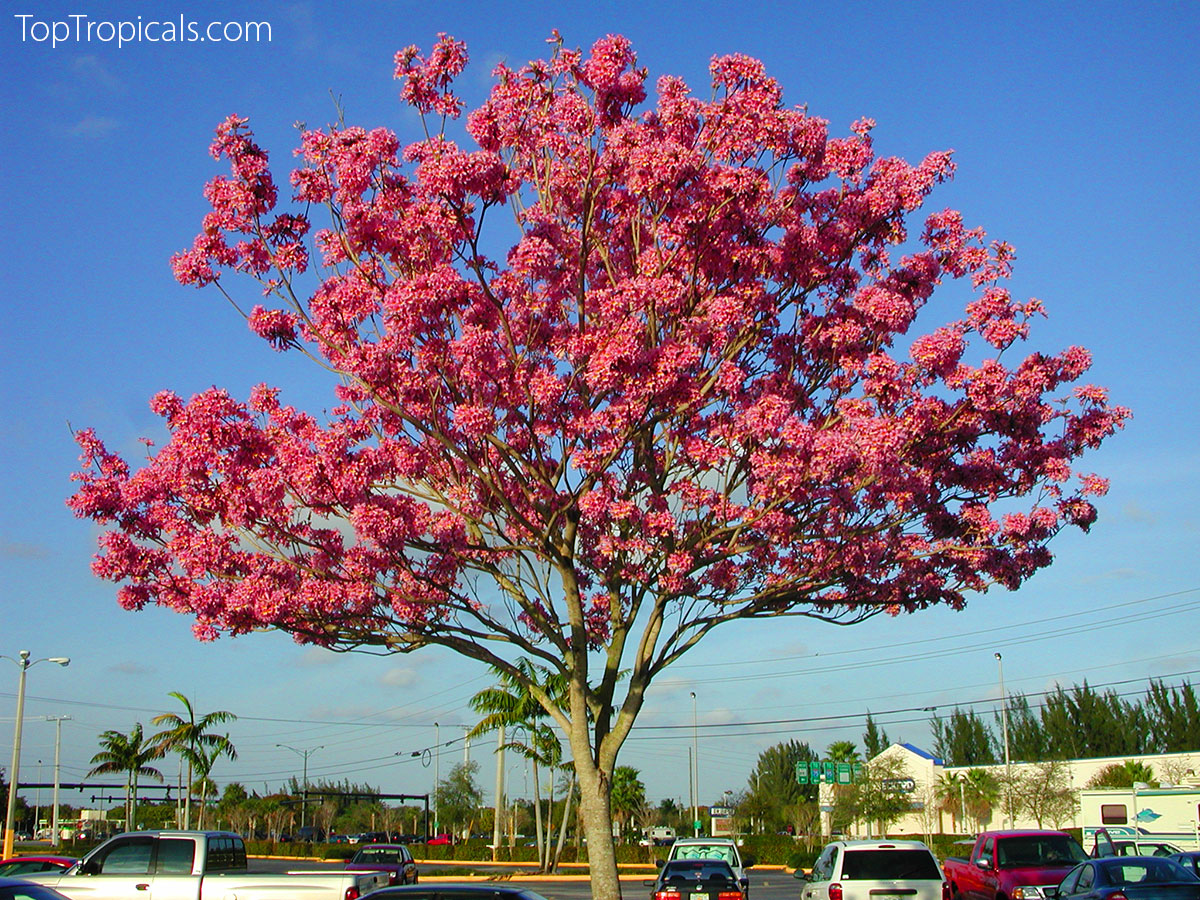
Tabebuia  impetiginosa  -  Dwarf  Pink  Tabebuia,  Pau  DArco,  Taheebo

Tabebuia trees put on a spectacular show from late winter through spring! Golden and pink Tabebuias are small, compact trees that fit any yard and deliver a breathtaking display year after year.
Check out these short videos of blooming Tabebuias:
Tabebuia chrysotricha - Dwarf Golden Tabebuia
Tabebuia impetiginosa - Dwarf Pink Tabebuia, Pau DArco, Taheebo

Date: 30 Aug 2020

Healthy Plant Food

Q&A from Mr Booster

How to make Mango tree fruit

Q: Hello, I have a five-year-old Lemon Meringue tree that has only given me fruit one year. It put out about 50 mangoes and has done nothing for the past three years. Do you recommend any vitamins or any of the nutrients that you guys sell to help with this for next season?

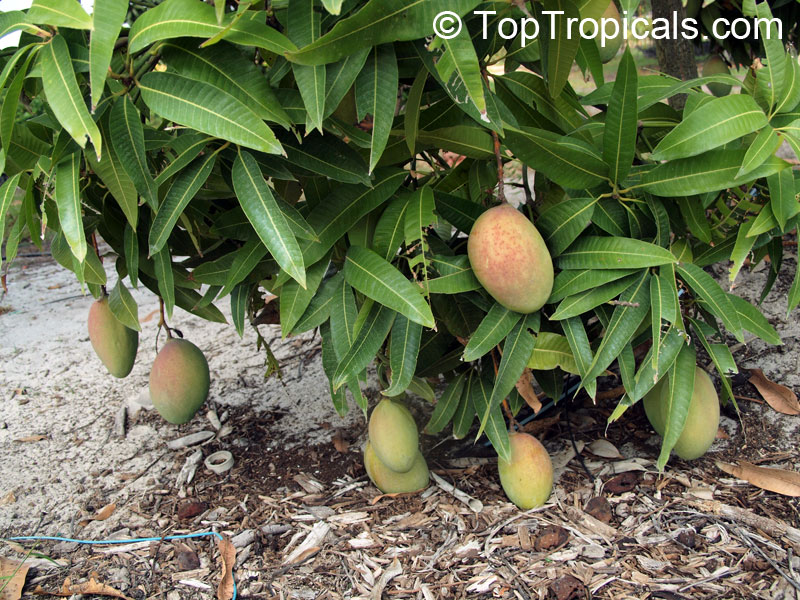
A: We've had very similar problem with our Nam Doc Mai Mango tree, fruited once and no more next year. Usually the reason is nutrients deficiency, here in Florida we have poor soils. We applied Mango-Tango tree booster and it started flowering within a couple of weeks.
Generally, Mango flowering season is over by now, however, we recommend to feed the tree starting now, during active growth season. This way it will get better established before winter and also will store away all elements necessary for triggering flowering and fruiting. So by late Fall through Winter it will be ready to flower.
Along with the fertilizer, additional micro-element supplements will be beneficial. For improving fruit quality and increasing number of flowers, we also recommend to use SUNSHINE-Honey - sugar booster

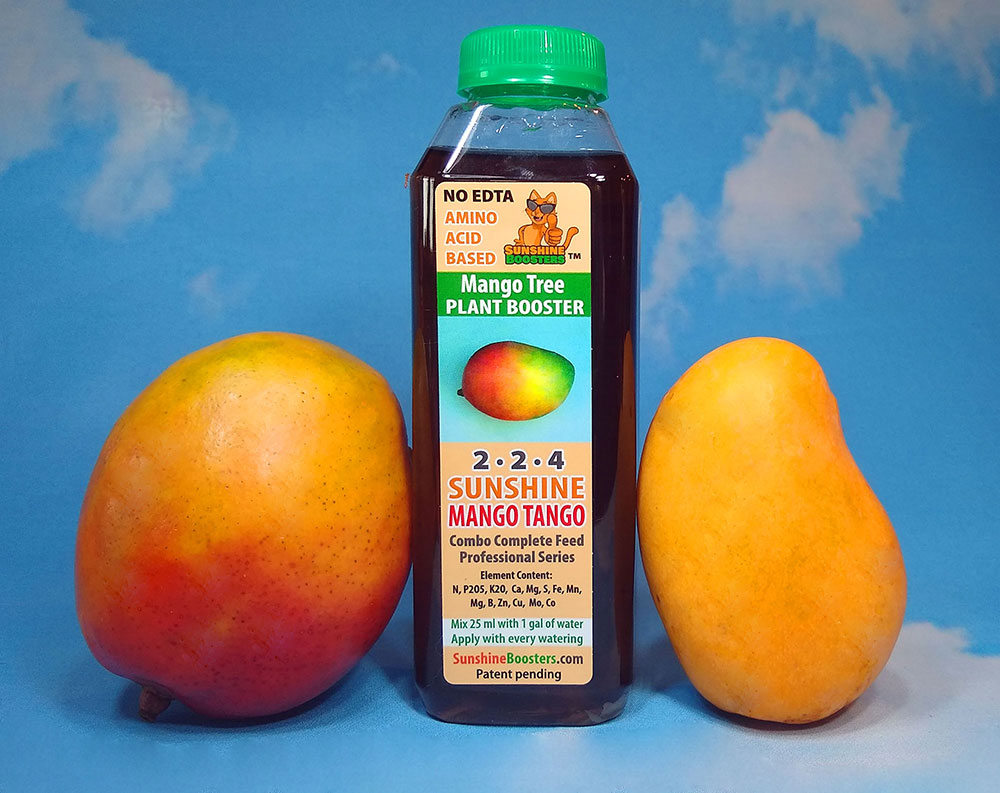
SUNSHINE Mango Tango - Mango Tree Booster, for healthy mango trees and profuse fruit production.

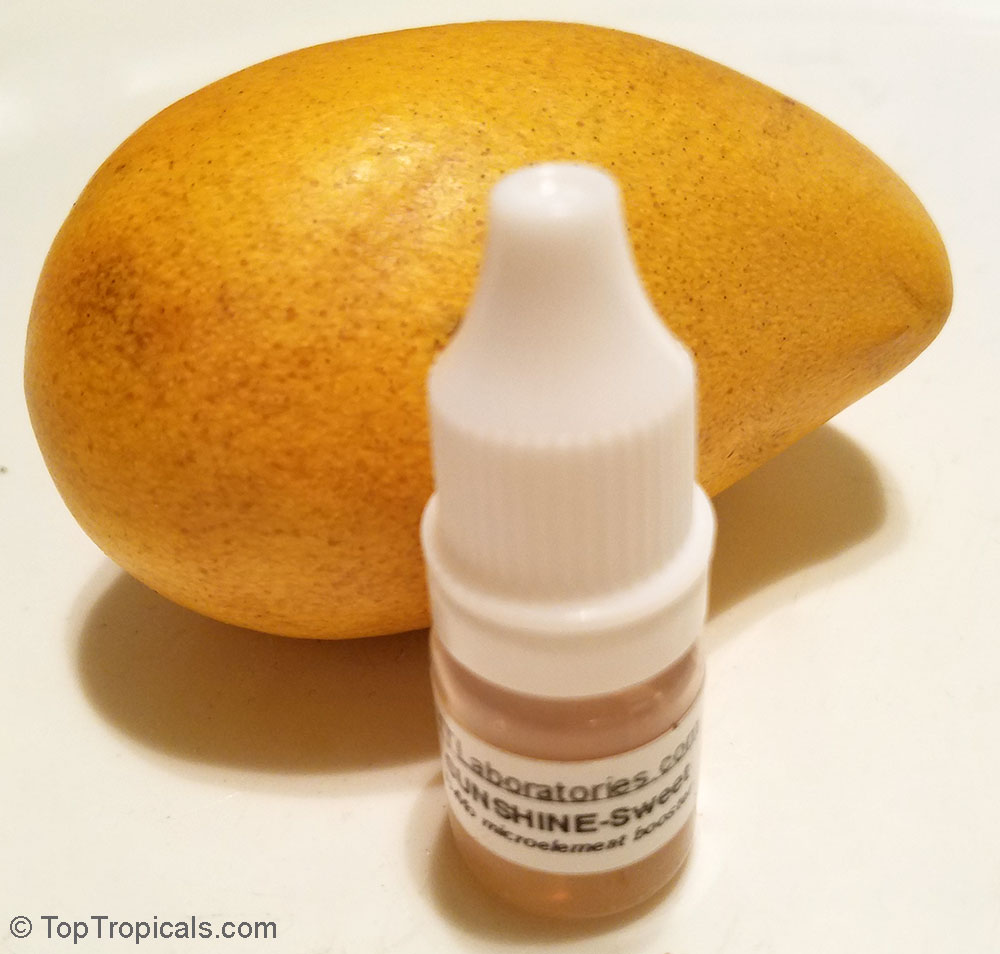
SUNSHINE Honey - a natural supplements that makes fruit sweeter, and increases fruit quantity and quality.