Garden Blog - Top Tropicals

Date: 2 May 2019

How to propagate plants from cuttings. Top (Tropicals) secrets.
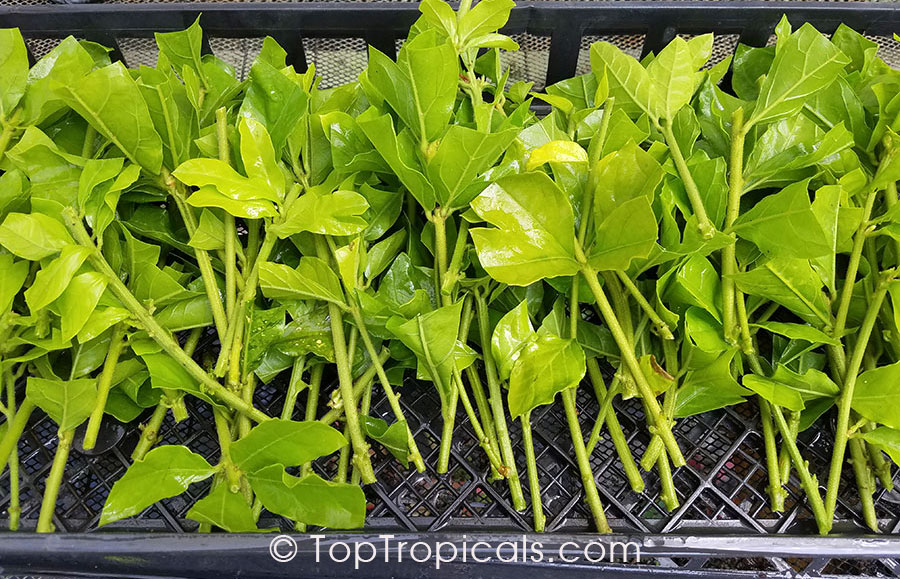
TopTropicals.com

Q: After pruning my jasmine, I have so many branches and I don't have a heart to through them away, can I use them to make more plants? Please tell me what size cuttings and do I need to remove leaves? Should I just stick them in the ground? Will they root? I don't know if you will be willing to share your secrets?

A: We are always happy to know that you grow more plants, and make our World better! These are some useful tips for the propagation of tropical plants using cuttings:

- Cuttings and leaves. Use cuttings 2-5" long. Strip leaves from the bottom. Cut larger leaves in half to reduce evaporation.
- Soak cuttings for 15-30 min in SUNSHINE solution.
- Mix. Use special well-drained mix with lots of soil conditioner: we have a special professional propagation mix for cuttings.
- Mist. Put community pots or trays with cuttings in mist, or if you don't have mist - cover the pot with a clear plastic bag to create a mini-greenhouse.
- Shade. Keep propagation pots in bright shade and never allow direct sun rays.
- Rooting hormone: yes, use it if you have it. Not only it promotes root formation but also prevents from fungus so the cuttings won't rot. We use Dip-N-Grow.
- Rooting and food. Check in 2-3 weeks for roots. Once you see the little roots, begin fertilizing with a special Baby-Plant Food and make sure never exceed recommended doze otherwise you may kill the cuttings.
- Establishing. Once roots start growing, plant in 4" pots in a well-drained potting mix and watch the beauty grow! Gradually move to the full sun only when little plants establish and start new growth.

If you are lucky to make more rare plants than you can use, contact us, we will buy them from you or trade for your dream plants! In fact, one of our customers from many years ago started selling us baby plants that he propagated from our plants, and now has a successful business (Karma Nursery); we buy a lot of plants from him every month!

For more ideas on tropical plant propagation, see also:
- Secrets of turtle tank propagation
- 5 secrets of propagation

Date: 28 Sep 2025

Guava: The Healthiest Fruit You Can Grow

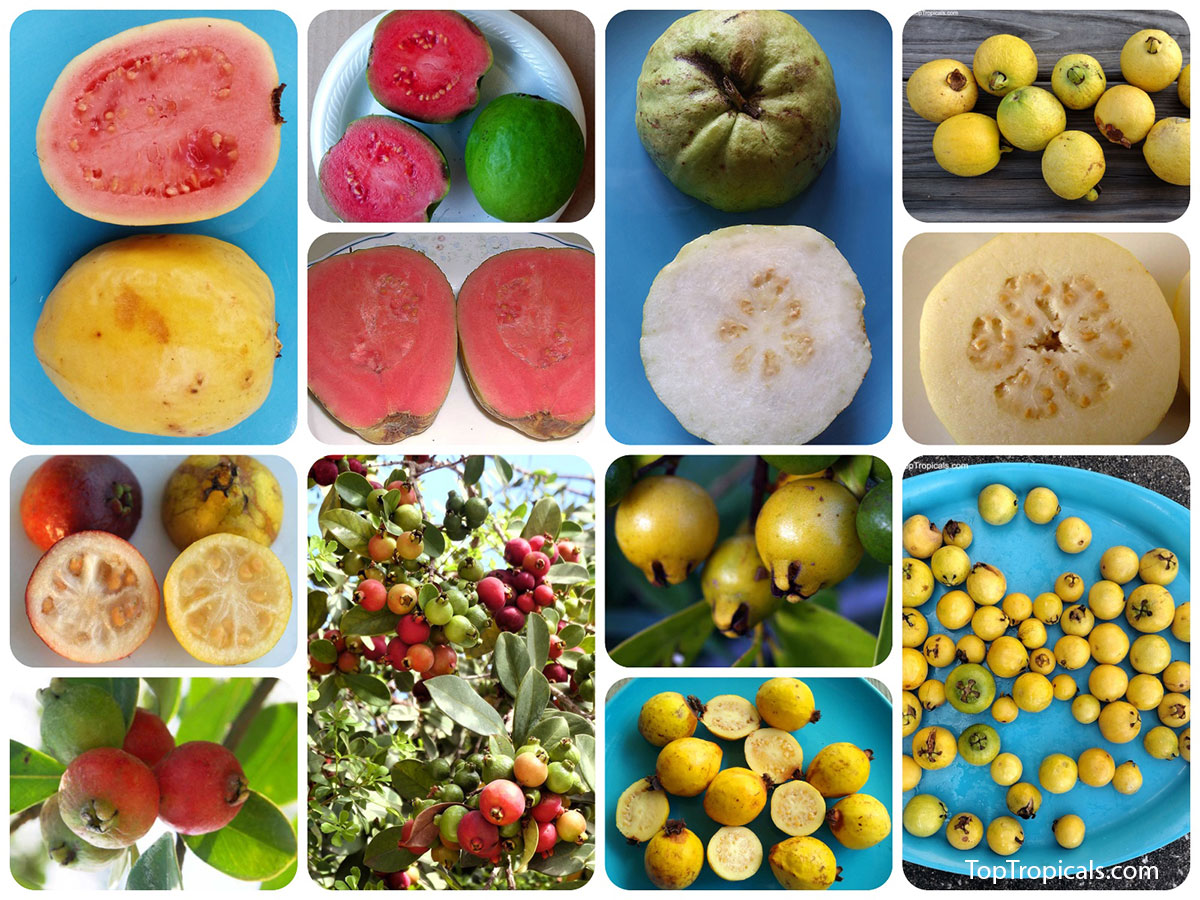
Collage  of  guava  varieties:  pink,  white,  Cas,  red  Cattley,  and  golden 


Cattley  guavas,  shown  as  whole  fruits,  cut  sections,  and  clusters  on  the 


tree.

Guava varieties: Pink flesh (upper left quarter), White flesh and Cas (upper right quarter), Red Cattley Guava (bottom left quarter) and Golden Cattley (bottom right quarter).

Let’s talk Guava. Few fruits check as many boxes: flavor, productivity, health, and adaptability. We’ve grown guava trees at Top Tropicals for years here in Florida, and it never fails to surprise people with how easy it is — and how quickly it rewards you.

🌿 Health Benefits

We know the first question: "Why guava in addition to all the other fruit trees I could plant?" Because guava is one of the healthiest tropical fruits you can eat and grow — and it produces faster than almost anything else.

  • Vitamin C powerhouse — guava has four times more vitamin C than oranges. One fruit covers your daily needs and then some.
  • Potassium and fiber — good for balancing blood pressure and keeping your heart strong.
  • Antioxidants like lycopene and vitamin C — these keep your skin glowing and help protect your cells from damage.
  • Dietary fiber — aids digestion and helps keep blood sugar steady.
  • Guava is a true "food as medicine" tree you can plant right in your backyard or in pot.

♥️ Our Favorite Varieties are Available Now

We currently have a DOZEN excellent guava varieties in stock selected by our plant expert Tatiana Anderson — something special for every garden. Our top picks are:

Pink Guavas

  • Barbie Pink – Yellow pear-shaped fruit with thick pink flesh, sweet and juicy. Cold hardy for a tropical fruit. The best seller.
  • Hong Kong – Large, round, smooth pink fruit. Sweet flavor, very few seeds, and very productive.
  • Tikal – Our top pick. Fast-growing, disease-resistant, and produces the sweetest pink guavas with very few seeds.

White Guavas

  • Indonesian White – Aromatic, classic white-fleshed guava with an excellent tropical flavor.
  • Kilo White – Giant fruit up to 2 lbs (1 kilo) each! Few seeds, creamy white flesh, and fruits even in containers.

Compact/Dwarf

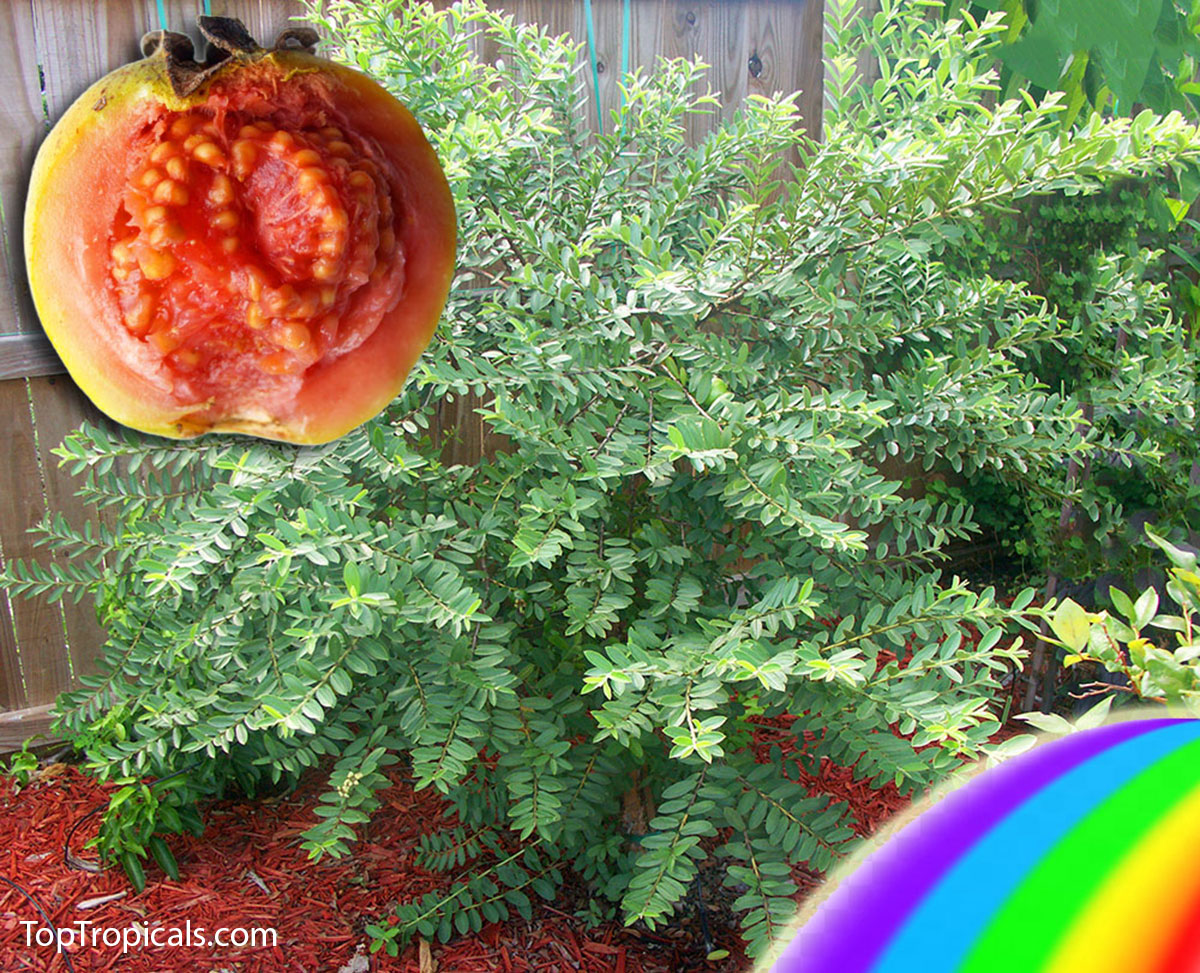
Dwarf  Guava  Hawaiian  Rainbow  tree  with  dense  green  foliage,  inset 


showing  pink-fleshed  guava  fruit  with 


seeds.

Dwarf Guava Hawaiian Rainbow

Specialty Varieties

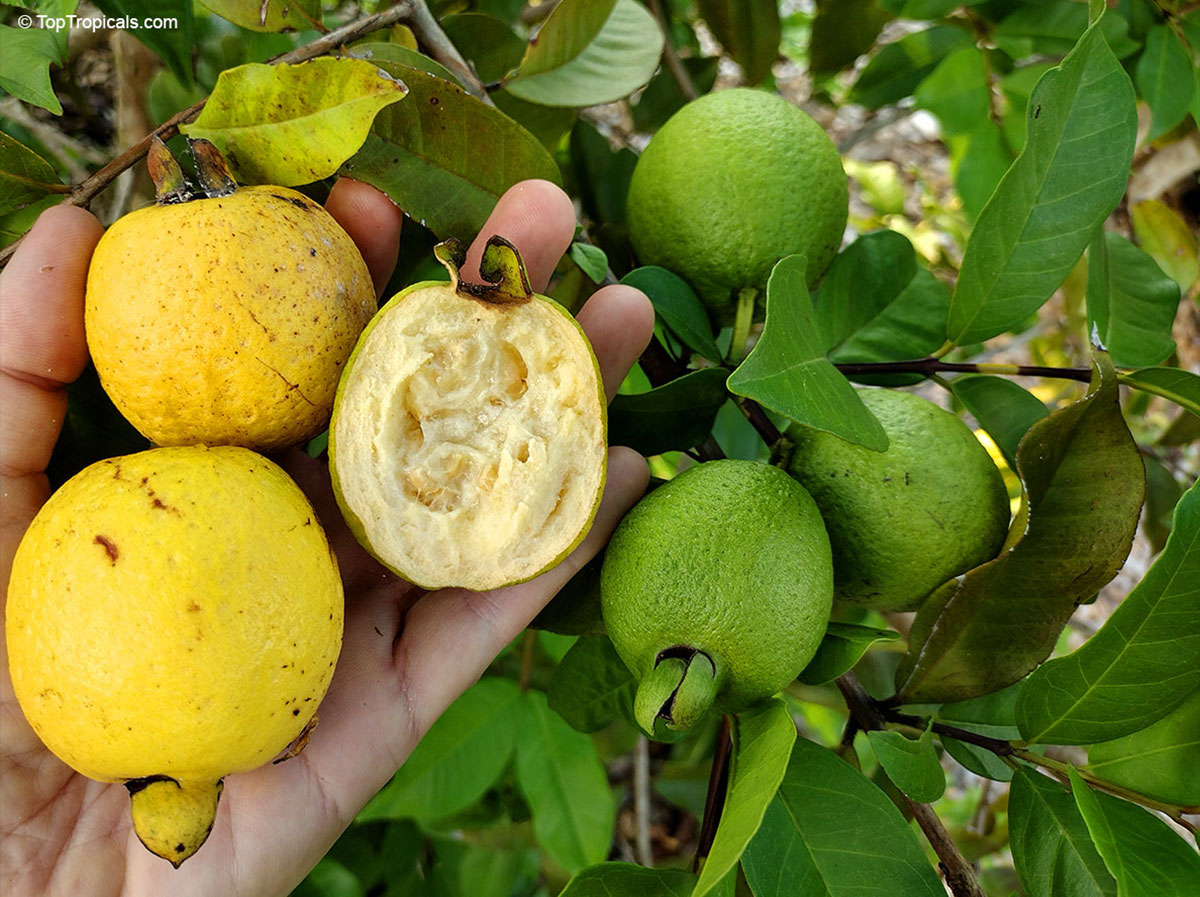
Cas  Guava  fruits  on  tree,  with  ripe  yellow  and  unripe  green  fruit,  one 


cut  open  to  show  pale  flesh.  Traditional  Costa  Rican  Agua  de  Cas 


fruit.

Cas Guava with zero sugar for Costa Rican Agua de Cas drink

  • Cas Guava – Bold, tangy, almost zero sugar. The traditional Costa Rican Agua de Cas drink comes from this fruit. Cold hardy.
  • Hawaiian Gold, Yellow Strawberry Guava – The sweetest Strawberry Guava, golden fruit, great for fresh eating and drinks.
  • Brazilian Araca Pera – Rare hybrid used for Guava Wine in Brazil. Tart, concentrated juice makes excellent wine, sorbet, or jelly. Learn more...
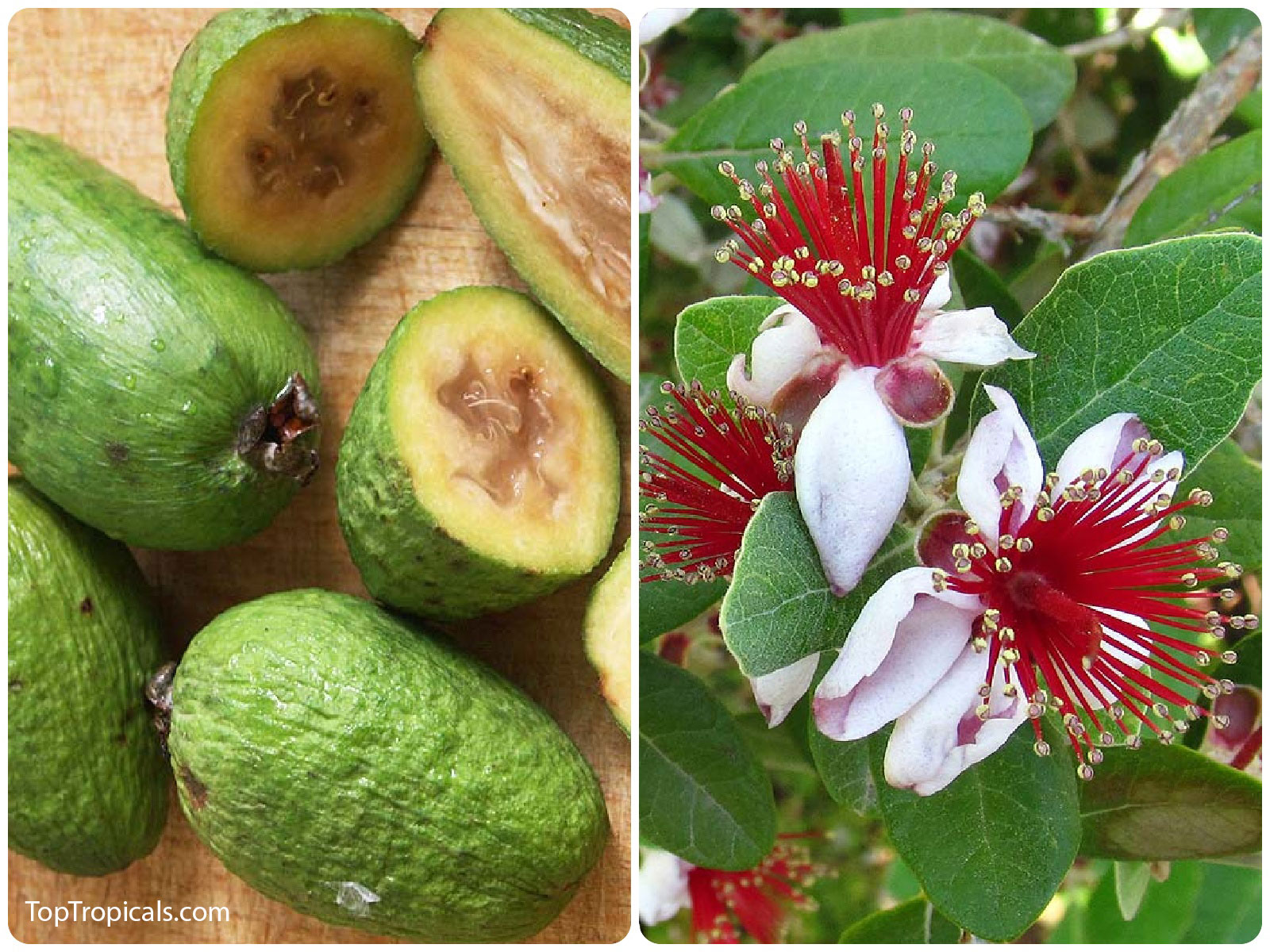
  • Pineapple Guava, Guavasteen – Feijoa sellowiana. Strongly perfumed fruit, best enjoyed when the pulp is mixed with sugar – like forest strawberries. Cold-hardy, tolerates freeze, and doubles as a great windbreak. Learn more...

Pineapple  Guava  (Feijoa  sellowiana)  fruit  and  flowers.  Green  oval  fruit
 
 
  with  soft  aromatic  flesh,  and  white-red  blossoms  with  long 


stamens

Pineapple Guava, Guavasteen – Feijoa sellowiana

Every one of these thrives here in Florida or in warm climate. Some are better in pots, some as landscape trees, but all produce generously.

🎥 Watch short videos about Guava:

💲 Special Offer – 20% off Guava Fruit Plants!

Get 20% OFF already discounted Guava plants with code

GUAVA2025

Min order $100. Excluding S/H, valid online only, cannot be combined with other offers.

Hurry, offer expires October 02, 2025!

Explore Guava Fruit Plants

Date: 6 Dec 2018

Why starting tropicals from seed indoors is better than outside?

TopTropicals.com

Q: I am in Texas, it is getting cold, but I bought these seeds the last two packs, as I didn't want to miss them, was looking for a long time and found you had them. Should I wait until spring to plant them?

A: You can grow tropical plants from seed year round and don't have to wait until warm weather outside. It is, in fact, beneficial to start tropicals indoors in a controlled temperature, moisture and humidity. Seeds of some species are very sensitive to excess water and/or require a certain range of temperature for germination... Besides, it's so much fun!
First, read the basics: Happy Hobby: growing tropicals from seeds

Advantages of indoor growing from seed

It is easier to keep under control indoors:

1) Temperature and Light. Although many tropical seeds require higher temperature and bright light for germination (hot sun may help), it may be hard to avoid overheating and drying out when you put trays in full sun. Using heat pads and additional lighting indoors makes germination smooth, even may take a little longer than in hot sun.
2) Soil moisture. If you ever lost your seeds or tiny seedlings to a heavy summer rain, you sure will appreciate your own moisture-controlled environment! Just make sure to use the right soil mix.
3) Air humidity. Indoor air is drier than outside. It may not be best for some tropical plants, but definitely perfect for seed health - they will never get moldy considering you keep your eye on the plantings.
4) Pre-treatment. Some seeds require scarification (sanding down hard shell), others stratification (cold treatment), but all seeds will benefit from SUNSHINE-S soak before planting. It is easier to do in your home lab. Based on our experience, using Sunshine pre-treatment reduces the risk of fungal damage and improves germination from 30 to 65%.
5) After germination culture. Watching seedlings closely in your home environment and giving them all that is needed for healthy, fast growth - miscroelements and first fertilizer - will help to establish young plants just in time before planting them out in Spring-Summer.

Read more: From Kristi - how to grow tropicals from seed.

Check out our seeds selection...

Date: 22 Oct 2025

Detailed Cassia and Bauhinia Care Guide
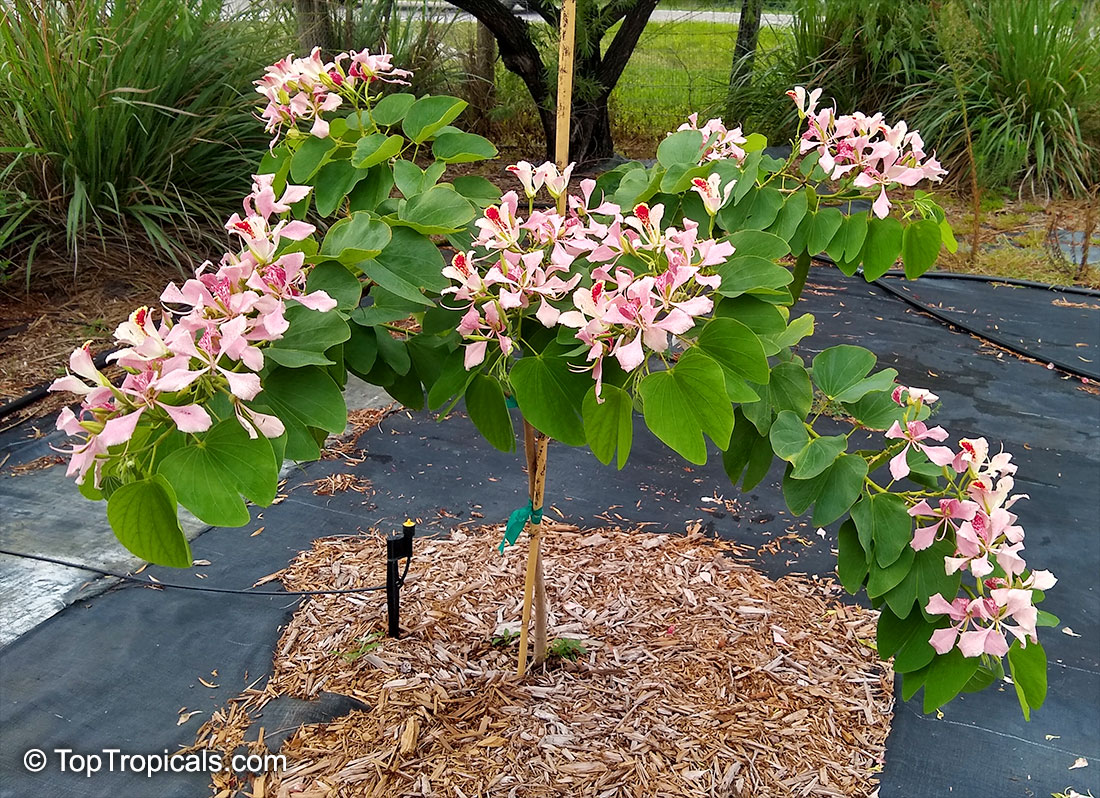
Young  Bauhinia  monandra  tree  blooming  with  clusters  of  pink  and  white 


orchid-like  flowers,  growing  at  Top  Tropicals  nursery  with  fresh  mulch  and 


drip  irrigation 


setup

Outdoor Cassia and Bauhinia Care

  • Light: Both Cassia and Bauhinia need at least 6 hours of direct sunlight daily. Cassias handle intense heat; Bauhinias can take light afternoon shade.
  • Soil: Use loose, fast-draining soil. Mix equal parts garden soil, coarse sand, and compost.
  • Watering: Keep evenly moist but never soggy. Cassias tolerate dry spells once established; Bauhinias prefer steady moisture. Water when the top inch feels dry.
  • Feeding: For profuse flowering, feed with liquid Sunshine Boosters Megaflor that is safe to use with every watering, year around. You may also apply Green Magic controlled release fertilizer every 6 months. Bauhinias and Cassias respond quickly to feeding.
  • Pruning: After flowering, prune lightly to shape and remove dead tips. Cassias can be trimmed to shrub form; Bauhinias stay bushy with pinching.
  • Mulch: Add a 2-inch mulch layer around the base to conserve moisture and prevent weeds, but keep mulch off the trunk.
  • Cold protection: Most Cassias handle brief frost; some Bauhinias like B. acuminata and B. monandra must be sheltered below freezing. For cold nights, cover with frost cloth or move containers into shelter.
  • Dormancy: Outside of tropics, most Bauhinias drop leaves in winter for a short period of time, right before flowering and are called "semi-deciduous". Cassias stay evergreen.

Indoor or Porch Care (cool-climate growers)

  • Container: Choose a sturdy pot with several drainage holes, one size larger than the root ball. Unglazed clay or thick plastic pots work best for heat regulation. Use a light, well-drained mix such as professional soilless mix Abundance. Both Cassias and Bauhinias dislike soggy roots. Add a thin layer of coarse gravel at the bottom to improve drainage. Repot every 1–2 years in spring
  • Light: Brightest spot possible - south-facing window or heated sunroom. Supplement with a grow light if sunlight is weak.
  • Temperature: Keep potted trees in warm environment for best results. The optimum temperature for Cassias and Bauhinias is between 60–85 F, although many species can tolerate cooler temperatures. Avoid cold drafts and sudden drops.
  • Humidity: Average indoor humidity is fine; occasional misting keeps foliage glossy.
  • Watering: Water sparingly in winter when growth slows; allow the top inch to dry between waterings. Do not let roots sit in water.
  • Fertilizing: Feed with Sunshine Boosters Megaflor that is safe to use with every watering, year around, to maintain flowering indoors. You may also apply Green Magic controlled release fertilizer every 6 months.
  • Pest watch: Check undersides of leaves for aphids or whitefly. A light spray of neem oil or insecticidal soap clears them fast.

"Whether you crave golden summer fireworks or soft orchid blooms that last nearly all year, both Cassia and Bauhinia bring pure joy to the garden. 💖 Bring color that never quits."

Did you know: Fall is the best planting season — roots grow faster and you’ll have flowers by spring!

✔️ Fall Planting Guide

🛒 Shop Tropical Flowering trees

Date: 12 Sep 2025

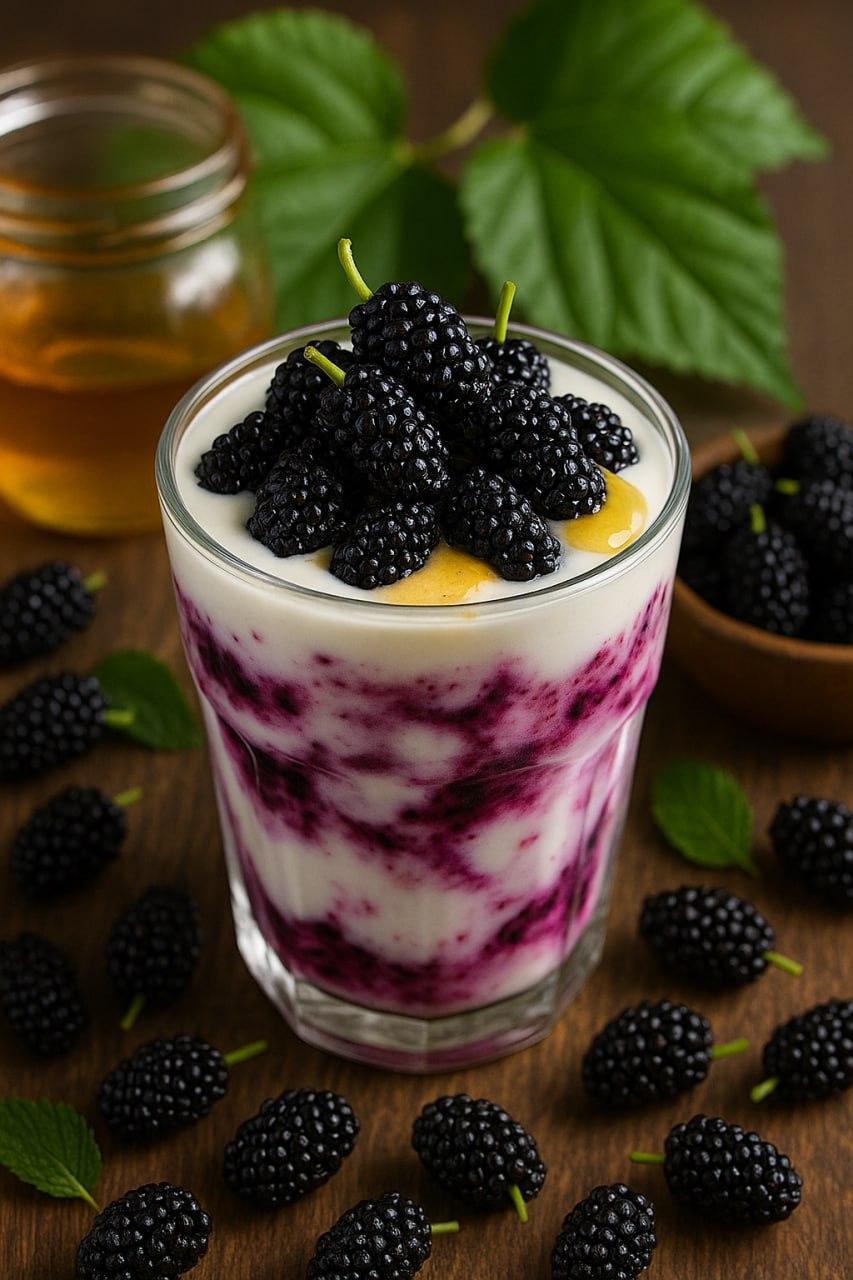
Mulberry yogurt swirl: Quick-n-Fun exotic recipes

Mulberry yogurt swirl

Mulberry yogurt swirl

🍴 Mulberry yogurt swirl: Quick-n-Fun exotic recipes

  • 🔵Layer fresh mulberries with plain yogurt and a drizzle of honey.
  • 🔵The berries bleed into the yogurt, creating a natural tie-dye effect.

Mulberry Yogurt Swirl

Ingredients

  • 1 cup fresh mulberries
  • 1 cup plain yogurt
  • 1 tbsp honey

Instructions

  1. Layer fresh mulberries with plain yogurt in a glass.
  2. Drizzle with honey on top.
  3. Let the berries bleed into the yogurt, creating a natural tie-dye swirl.

🛒 Discover Mulberry varieties

#Food_Forest #Recipes

🟢 Join 👉 TopTropicals