Garden Blog - Top Tropicals

Date: 3 Jun 2025

Top 20 plants for a Butterfly Haven

Best plants for a Butterfly Haven Garden

Best plants for a Butterfly Haven Garden

Top 20 plants for a Butterfly Haven


🏆 The most spectacular butterfly plants for the previous post 👆

*️⃣Acacia farnesiana, Sweet Mimosa
*️⃣ Antigonon leptopus - Mexican Coral Vine
*️⃣ Aristolochia - Pelican Flower, Dutchmans Pipe
*️⃣ Caesalpinia - Dwarf Poinciana, Bird of Paradise
*️⃣ Calliandra - Powderpuff
*️⃣ Cassia (Senna) - especially yellow-flowered varieties
*️⃣ Clerodendrums - all varieties
*️⃣ Clitoria ternatea - Butterfly Pea
*️⃣ Dombeya - Tropical Hydrangea
*️⃣ Jatropha - Coral Plant
*️⃣ Justicia - Brazilian Plume
*️⃣ Lonchocarpus violaceus - Lilac Tree
*️⃣ Lonicera - Honeysuckle
*️⃣ Mansoa alliacea - Garlic Vine
*️⃣ Passiflora - Passion Vine
*️⃣ Petrea - Queens Wreath
*️⃣ Pyrostegia venusta - Flame Vine
*️⃣ Quisqualis Indica - single flower
*️⃣ Senecio confusus - Mexican flame vine
*️⃣ Tecoma and Tecomaria

🛒 Transform your yard into a Butterfly Haven with exotic plants

📚 Learn more:


#Butterfly_Plants
Five best butterfly attractors for a Southern garden

🟢 Join 👉 TopTropicals

Date: 19 Aug 2025

Paws off my flowers

Paws off my flowers

🐸 Paws off my flowers... And yes, the frog's mine too!


"Watching closely... flowers are off-limits. Frog’s off-limits too." - Ricki the Cat

🐈📸 Cat Ricki watching out the window and guarding his Cashmere bouquet - Clerodendrum bungei ... and frogs. At Top Tropicals PeopleCats.Garden

#PeopleCats

🟢 Join 👉 TopTropicals

Date: 22 Jan 2023

1-22-2023: New Lunar Year

Happy  New  Lunar  2023  Year  Cat  Rabbit

Customer message: Happy new year! My family is Chinese and we celebrate the lunar new year this weekend… the year of the rabbit. Wasn't sure if this email was sent in error (maybe your founder is Vietnamese? I think they celebrate the year of the cat...

Answer: You are right, it is a Year of the Rabbit in Chinese calendar, and it is also a Year of the Cat in Vietnamese, both starting from January 22nd, 2023. While in Chinese culture it is called a Year of the Rabbit, the Cat was seen as more relevant to the daily lives of Vietnamese farmers, who valued the cat's ability to protect their crops from rats, squirrels... Here at Top Tropicals we have a multi-national team, and although we don't have a Vietnamese person yet, but we have lots of cats - all kinds!

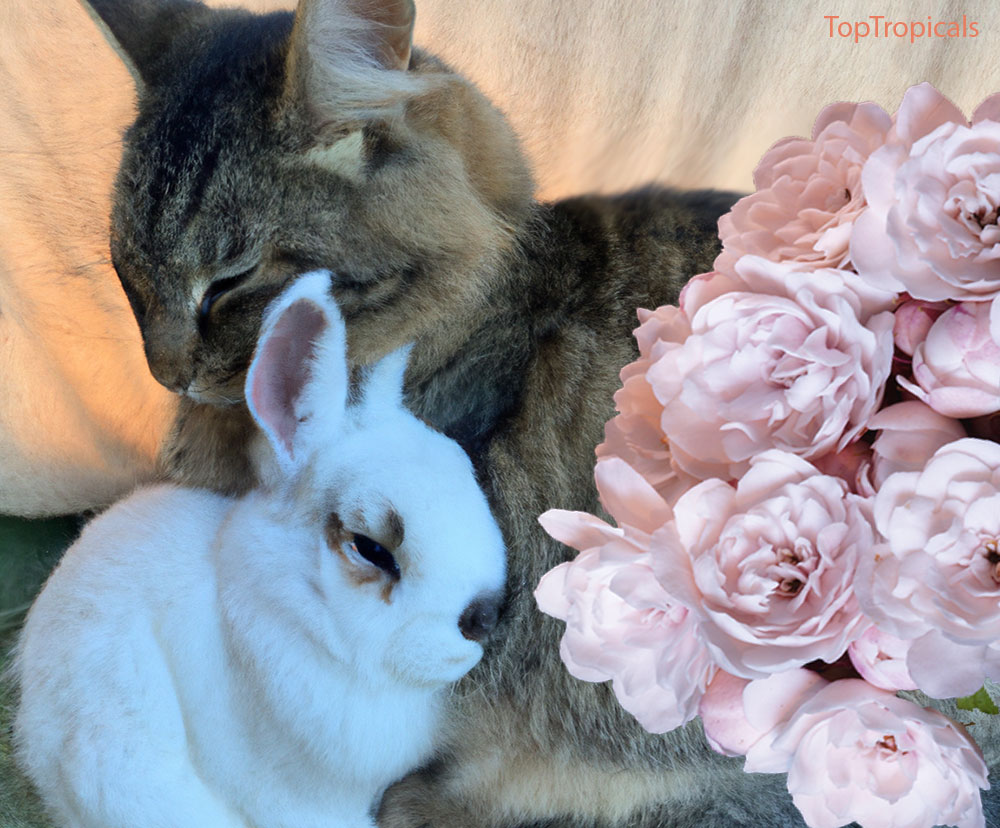
Happy New Year of the two furry friends:
RABBIT and CAT!

Cat,  Rabbit  and  Flowers

Flowers in the photo above: Clerodendrum philippinum - Cashmere Bouquet, Scent Malli. Very fragrant off-white flowers, carnation-like, coming in big clusters. Shade tolerant shrub, great for shade gardens as well as indoor culture to enjoy tropical fragrance year around.

Date: 20 Apr 2016

5 secrets of propagation
How to propagate rare plants? It is exciting and fascinating process - to be a Creator of a rare plant collection. Sometimes when you have a rare plant, you baby it and wish you could have at least two of the kind, just in case you lose one to weather conditions or an accident... If you lose one, it hurts! Plant collectors know the feeling - it is always a good idea to propagate a few more of the rare kind. Here at Top Tropicals we know that feeling too, and we want you to keep your baby plants alive and thriving, multiply them, share with others, and make our planet better - one plant at a time! Know your different plants, and different ways of their propagation. Ready for the secrets revealed?

1. Seeds. The most popular way and in most cases the most reliable. Also, a seedling has a strong, vertical root system (cuttings or air layers have shallow roots). However growing from seed is the only sexual method of propagation (vs other methods - asexual, or cloning), which means, some varieties don't come true from seed. Similar to a baby born from two parents, blonde mother and brunette father, can have either light or dark hair... or even red, genetically provided by the great-grand father! The most important factors of success when growing from seed are - well-drained germination mix (check out our Seed Germination Mix #3), and a combination of perfect temperature (high temperature 80-90F induces germination, but some species like it cooler!) and mix moisture level (can't stay soggy).

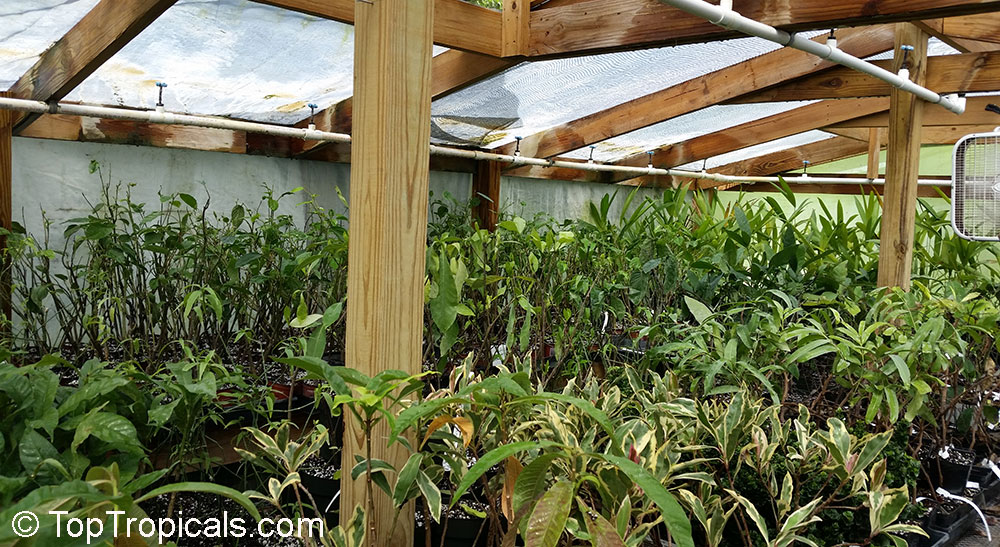
2. Cuttings. In most cases, works great as long as you know the secret for this method: clean (sterile) soil mix (check out our Propagation Mix #2), warm temperatures and very high air humidity (not moist soil, but humid air!). Mist house works well (see picture) with periodically controlled foggers (5-20 sec of fog every 5 to 20 min during light time - depending on species, and temperature), but simple clear plastic bag over a pot or tray works as well! Large leaves should be trimmed in half, or more, to eliminate extra evaporation, and soil should be only slightly moist, not soggy. Remember to use rooting hormone that not only improves rooting but keeps away fungus problems. You are welcomed to visit mist house in our facility, we will be happy to share experience.

3. Air Layers. From our experience, key to success with this method is patience. Most air layers take a few months to set root. Keep sphagnum moss moist, and create air layers only during active growth season - Sprint through Summer. Use rooting hormone.

4. Grafting. This method requires the most skills and experience but is not as difficult as it sounds. Plants can be grafted withing the same genus (e.g. one Gardenia sp. on another Gardenia sp.). There are many grafting manuals on internet. Try once, and you will get addicted to grafting! In many cases it is the most effective method. Especially when seeds not available and cuttings don't work with the species, while grafting works much faster than air-layering. The main secret in grafting is using the right type of graft, which comes with experience. Another important thing is keeping grafting parts and tools clean/sterile. Treat/clean surfaces with anti-fungicides horticultural soap (Example: Abound anti-fungal, Green Shield soap) and use rooting hormone.

5. Root divisions. All gardeners know that some plants are best to propagate by rhizome/root divisions, like Gingers, Heliconias, or Iris. And not everyone knows that some fruiting and flowering trees don't mind to reproduce by root divisions. For example, Jujube - Ziziphus jujuba, and Strawberry tree - Muntingia calabura, readily produce root suckers. Watch out for them and don't let them go to waist when spraying weeds. All time favorites, fragrant Clerodendrums also like this easy method of reproduction, especially C. bungei, C. philippinum, and many others.

Check out our Growing supplies section for professional soil mixes and drainage components that are so important in your propagation success. At Top Tropicals, we often use Coconut Coir for propagation. Good luck in your growing, and remember - if you propagated a few extra collectibles, Top Tropicals may trade or buy from you!


Date: 15 Apr 2026

7 best exotic dwarf trees for maximum impact in small tropical landscapes

7 best exotic dwarf trees for maximum impact in small tropical landscapes 7 best exotic dwarf trees for maximum impact in small tropical landscapes 7 best exotic dwarf trees for maximum impact in small tropical landscapes 7 best exotic dwarf trees for maximum impact in small tropical landscapes 7 best exotic dwarf trees for maximum impact in small tropical landscapes 7 best exotic dwarf trees for maximum impact in small tropical landscapes 7 best exotic dwarf trees for maximum impact in small tropical landscapes
7 best exotic dwarf trees for maximum impact in small tropical landscapes 🏡

For a yard that feels like a tropical escape but doesn't have the space for a massive jungle, these seven selections from TopTropicals are game-changers, chosen for their compact size, high "curb appeal," and unique tropical flair.

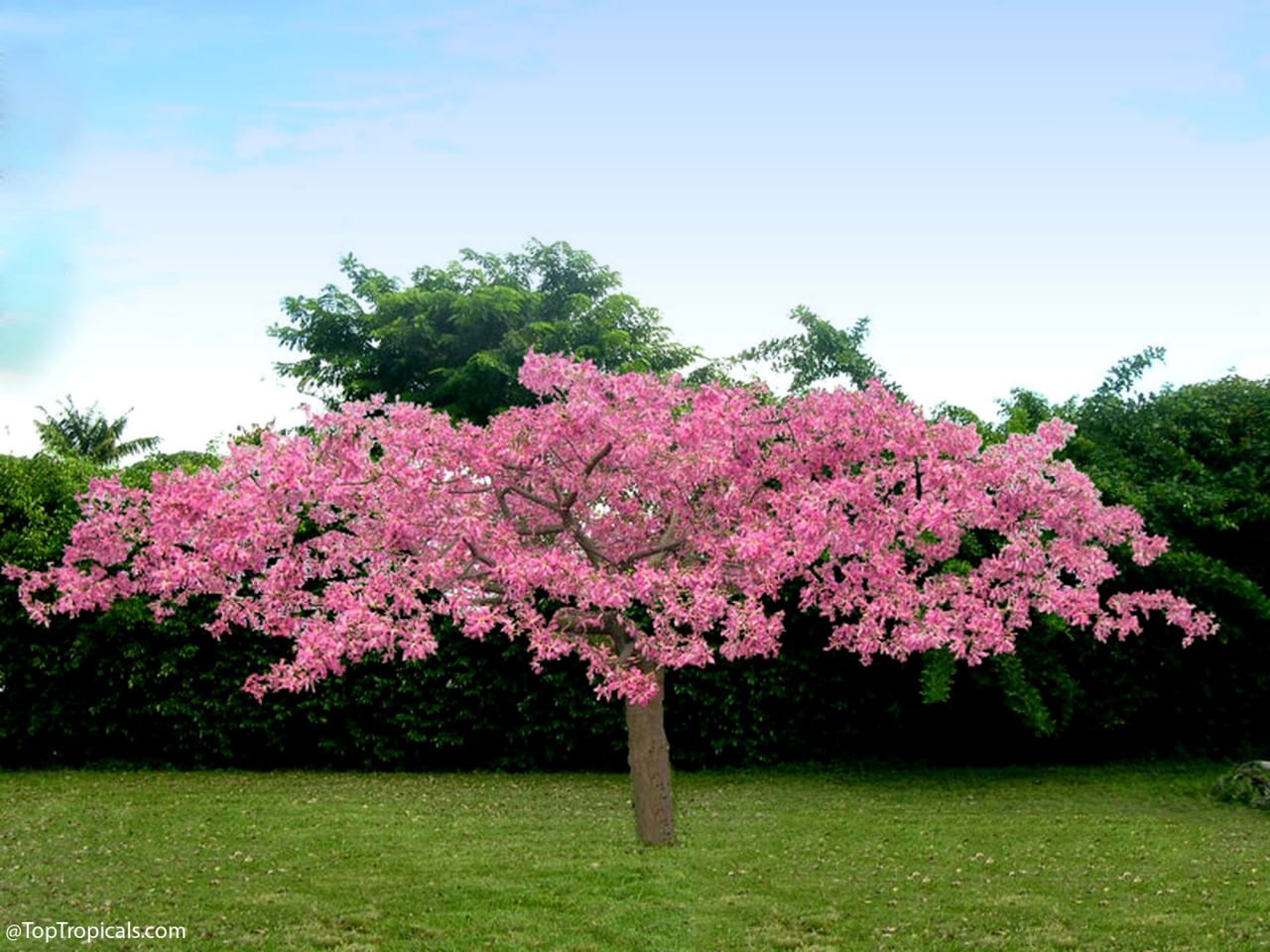
1. Dwarf Pink Princess Silk Floss Tree (Ceiba hybrid)

  • 🌳 A spectacular grafted hybrid of the famous Silk Floss tree, but in a much smaller package: a unique, often "fat" or bottle-shaped trunk and large, showy pink flowers with white centers.

🏡 Unlike the standard Ceiba which can become a giant, the 'Pink Princess' is grafted to stay compact (usually under 10 - 12 feet), allowing you to enjoy those exotic, orchid-like blooms even in a tiny garden.
  • 👉 more

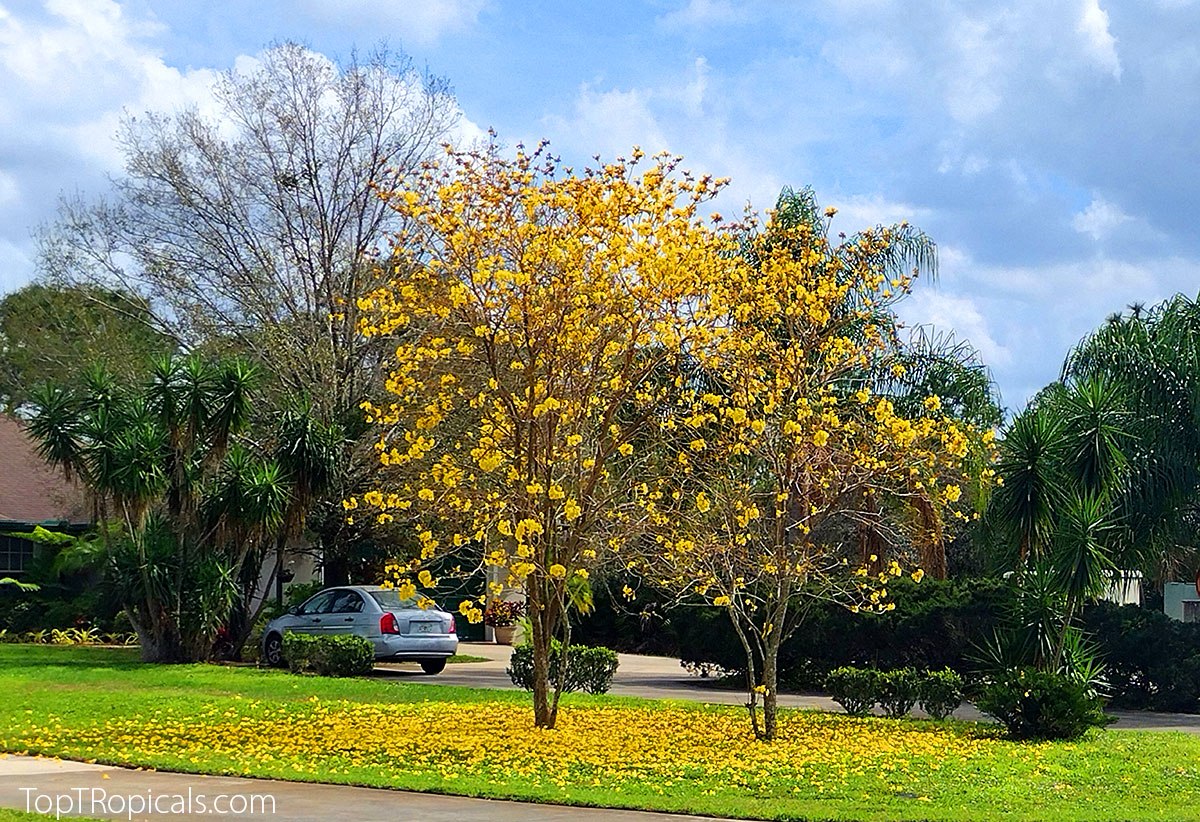
  • 2. Dwarf Golden Tabebuia (Tabebuia chrysotricha)

  • 🌳 Known as the "Golden Trumpet Tree," this dwarf selection puts on one of the most brilliant displays in the plant kingdom. Before the leaves emerge in spring, the entire tree is covered in bright, trumpet-shaped yellow flowers.

🏡 This specific dwarf form stays much smaller and more manageable than the standard Tabebuias seen on city streets. Its silver-green foliage and rounded canopy make it an ideal "specimen" tree that acts as a focal point for your front yard.
  • 👉 more

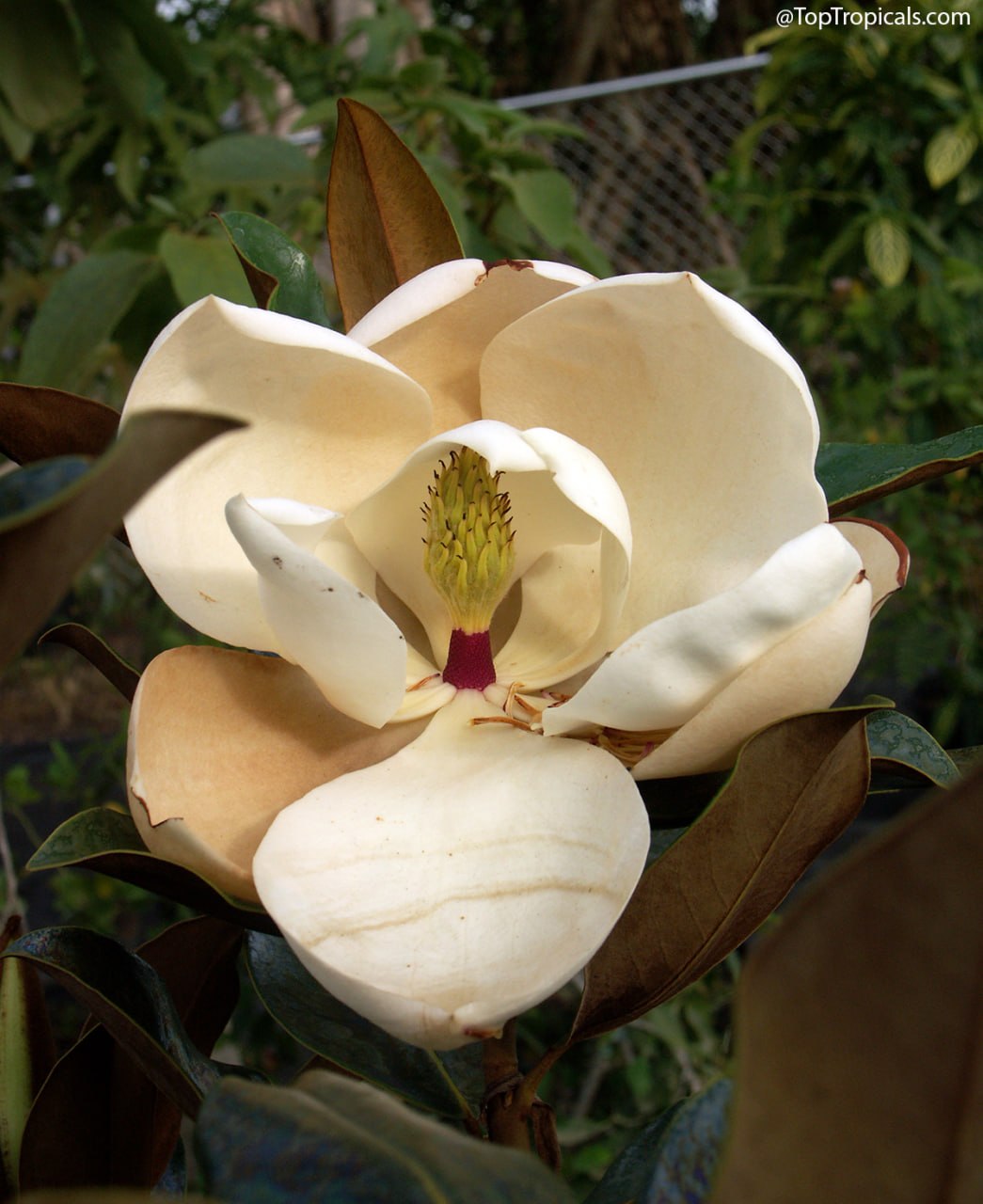
  • 3. Little Gem Southern Magnolia (Magnolia grandiflora)

  • 🌳 All the elegance of a classic Southern Magnolia but in a miniaturized version. It has the iconic waxy white, lemon-scented flowers and glossy leaves with fuzzy bronze undersides.

🏡 'Little Gem' is narrow and columnar, typically reaching only 15-20 feet (half the size of the standard species). It starts blooming at a very young age, so you don't have to wait years for those famous fragrant flowers.
  • 👉 more

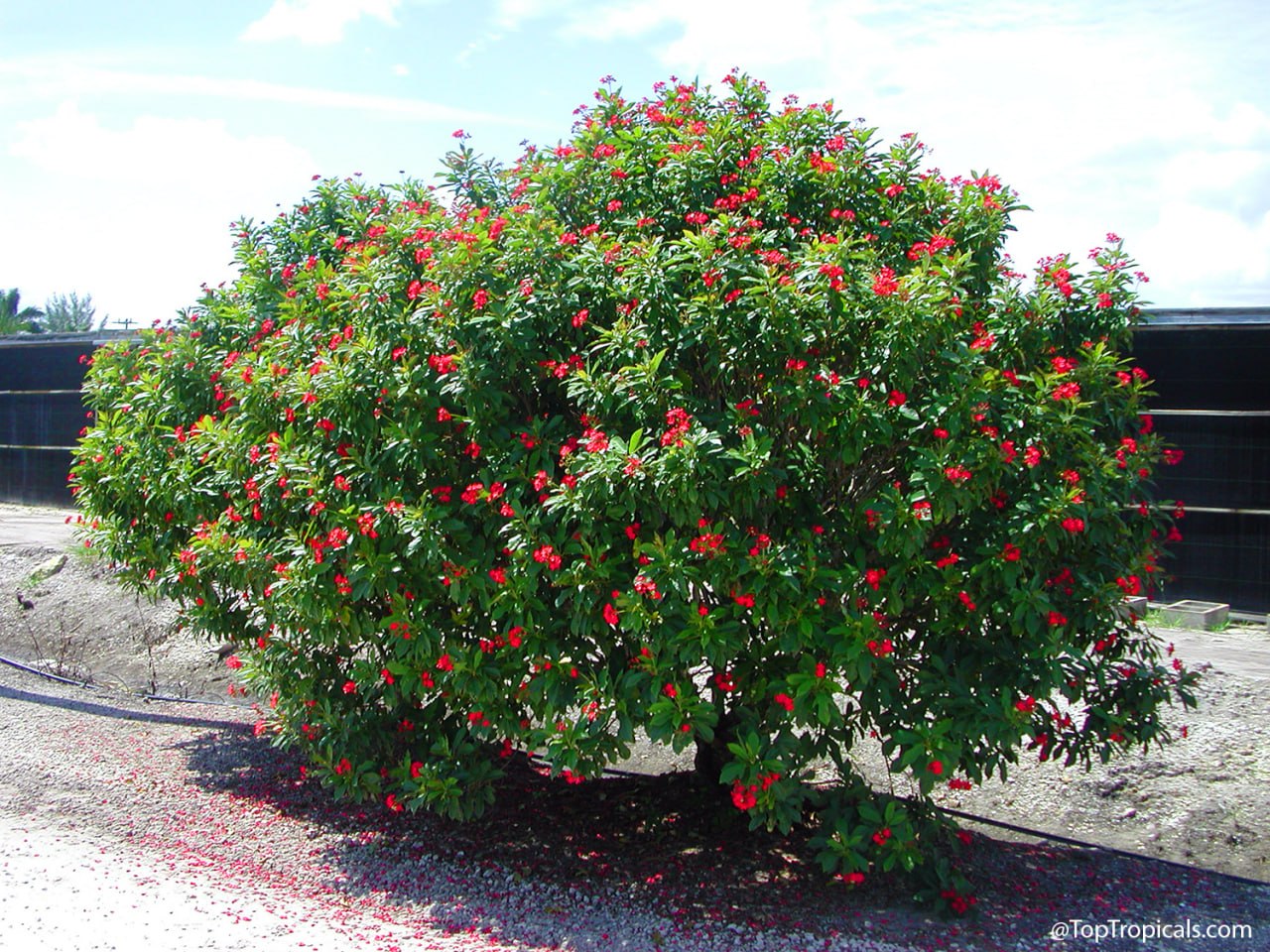
  • 4. Compact Butterfly Jatropha (Jatropha integerrima Compacta)

  • 🌳 This "ever-blooming" small tree is a butterfly magnet. It features clusters of bright, cherry-red star flowers against glossy, fiddle-shaped leaves.

🏡 The Compacta variety is specifically bred to stay bushy and small. It blooms almost 365 days a year in warm climates, providing a constant splash of red that draws in hummingbirds and pollinators.
  • 👉 more

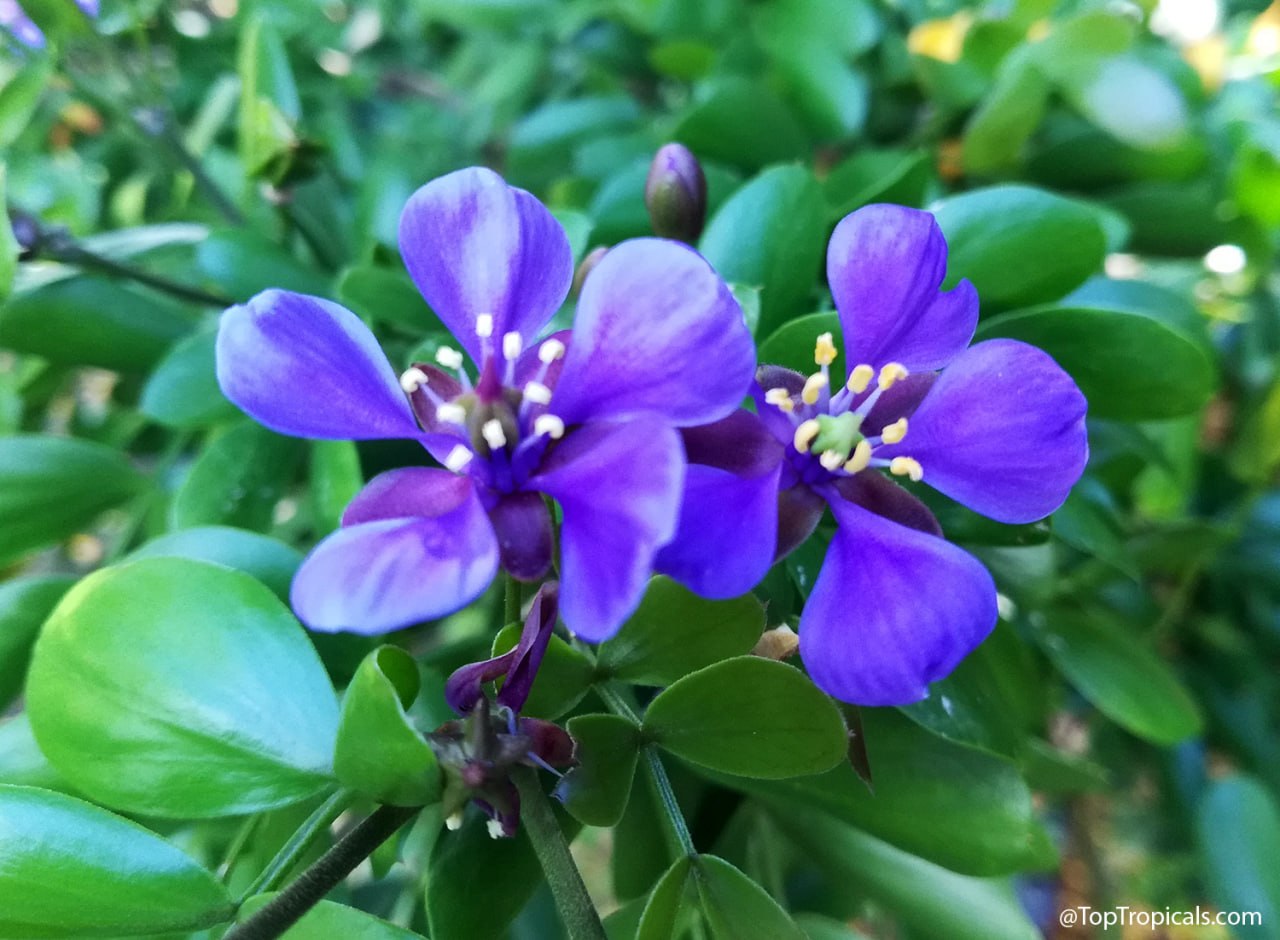
  • 5. Lignum Vitae (Guaiacum sanctum)

  • 🌳 Known as the "Wood of Life," this is one of the slowest-growing trees in the world. It has fine-textured, dark green foliage and produce stunning, small blue flowers that fade to white, followed by bright orange seed pods.

🏡 Because it grows so slowly, it will never outgrow its space. It is extremely hardy, salt-tolerant, and hurricane-resistant, making it a "plant it and forget it" heirloom tree for coastal or small urban lots.
  • 👉 more

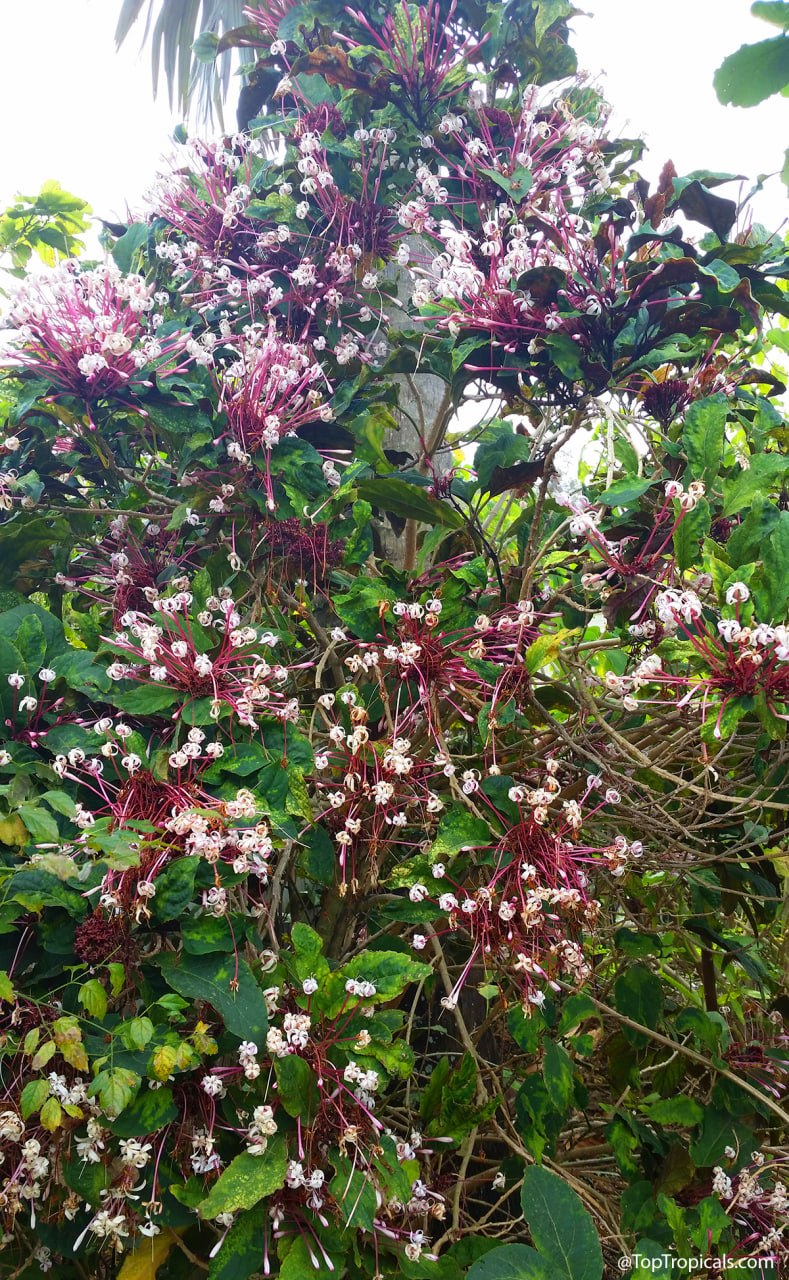
  • 6. Winter Starburst (Clerodendrum quadriloculare)

  • 🌳 A visual firework display. The leaves are deep green on top and rich purple underneath. In late winter, it produces massive, 8-inch wide clusters of tubular pink-and-white flowers that look like an exploding star.

🏡 It is easily pruned to a single-trunk tree form. The purple foliage provides "curb appeal" year-round, while the winter blooms provide a much-needed pop of color when other plants are dormant.
  • 👉 more

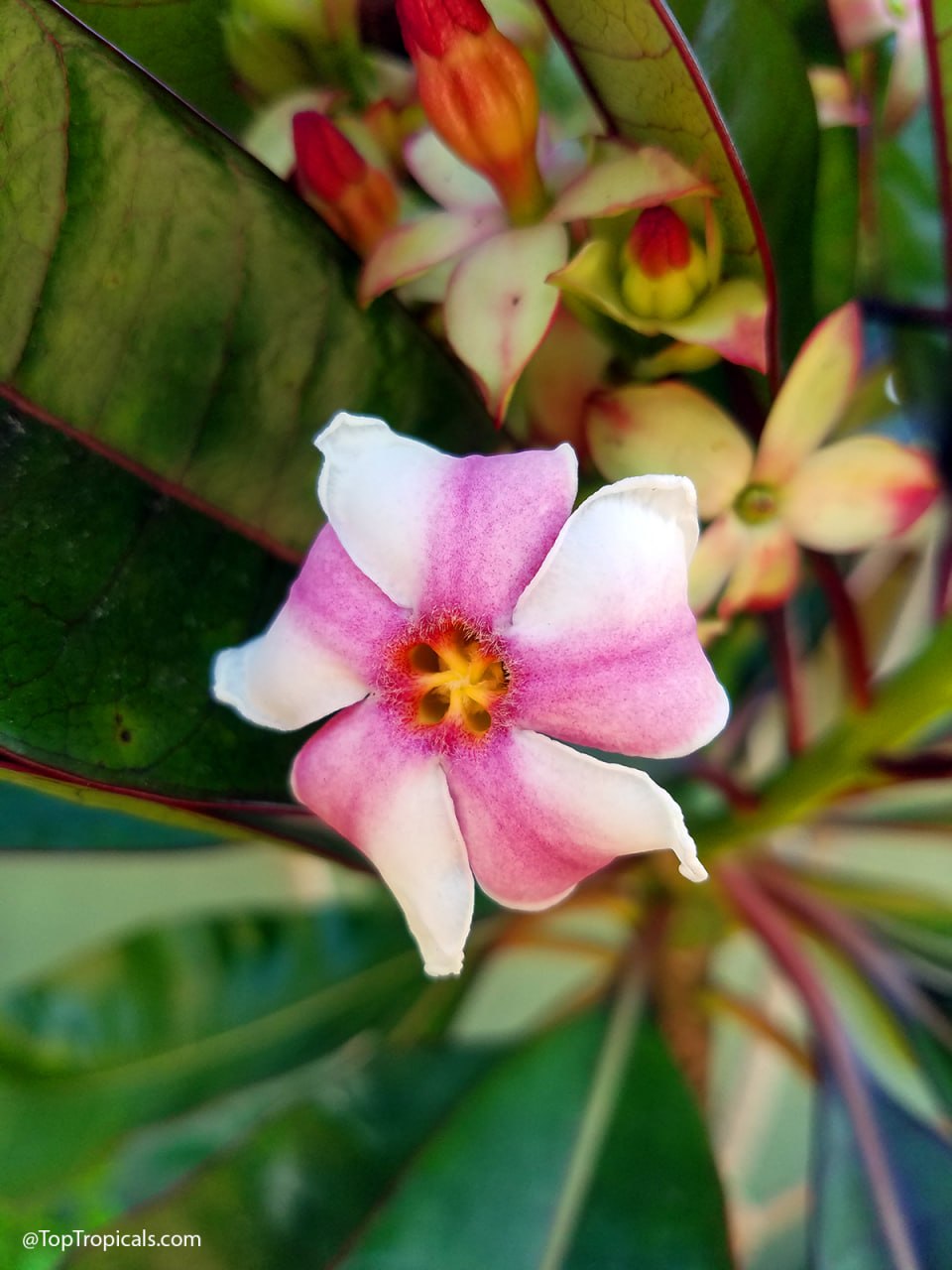
  • 7. Enchanted Incense (Cerbera x manghas)


🌳 This is a rare, small evergreen tree with glossy, dark green leaves and clusters of highly fragrant, star-shaped white flowers with a red "eye."
🏡 It has an naturally architectural, upright habit. The fragrance is incredible - sweet and heavy - making it a perfect "sensory" tree to plant near a patio where you can enjoy the scent on summer evenings.

🛒 Choose small trees for a small yard

📚 Learn more:

Plant Facts

Ceiba speciosa, Chorisia speciosa
Silk Floss Tree, Bombax
USDA Zone: 9-11
Small tree 10-20 ftSemi-shadeFull sunModerate waterRegular waterPink flowersThorny or spinyPlant attracts butterflies, hummingbirdsSubtropical plant. Mature plant cold hardy at least to 30s F for a short time

#How_to #Discover #Trees

🟢 Join 👉 TopTropicals