Garden Blog - Top Tropicals

Date: 6 Oct 2024

Why is it called Kings Mantle

King's Mantle - Thunbergia erecta

Why is it called King's Mantle


✨ Looking for a hedge that blooms non-stop, even in the shade? King's Mantle - Thunbergia erecta - is ever-blooming superstar is the perfect flowering bush or hedge for those tricky shady spots in your garden.

✨ Unlike its climbing cousins, this Thunbergia prefers to sprawl as a shrub, making it easier to manage.

✨ With its fast-growing, bushy habit, it's ideal for mixed beds or creating a medium-to-low hedge that stays dense and beautiful year-round.

✨ The flowers? Think of morning glories, with stunning purple or white petals and sunny yellow throats. And if you're feeling adventurous, try the 'Lavender Ice' variety with royal, lavender-variegated flowers for a unique twist. The name King's Mantle is well-deserved!

✨Not just a pretty face, King’s Mantle also boasts small, dark green leaves that make the flowers pop even more.

✨ It's a pruning enthusiast's dream - cut it back, and it'll reward you with even more blooms!

✨ Whether you plant it in sun or partial shade, King's Mantle will thrive in well-drained soil, delivering a burst of color all year long.

📚 Learn more from previous post:


Perfect everblooming hedge for shade

🛒 Shop King's Mantle

#Hedges_with_benefits

🔴 Join 👉 TopTropicals
Date: 1 May 2024

Why this blue tropical flower has a violet fragrance?

Mazabuka, Blue Lips (Sclerochiton harveyanus)

Mazabuka, Blue Lips (Sclerochiton harveyanus)

Mazabuka, Blue Lips (Sclerochiton harveyanus)

Mazabuka, Blue Lips (Sclerochiton harveyanus)

Mazabuka, Blue Lips (Sclerochiton harveyanus)

Mazabuka, Blue Lips (Sclerochiton harveyanus)

Mazabuka, Blue Lips (Sclerochiton harveyanus)

Mazabuka, Blue Lips (Sclerochiton harveyanus)

Why this blue tropical flower has a violet fragrance?

You already saw one unusual blue flower of Tropics - Lead Flower. This one is even more interesting!

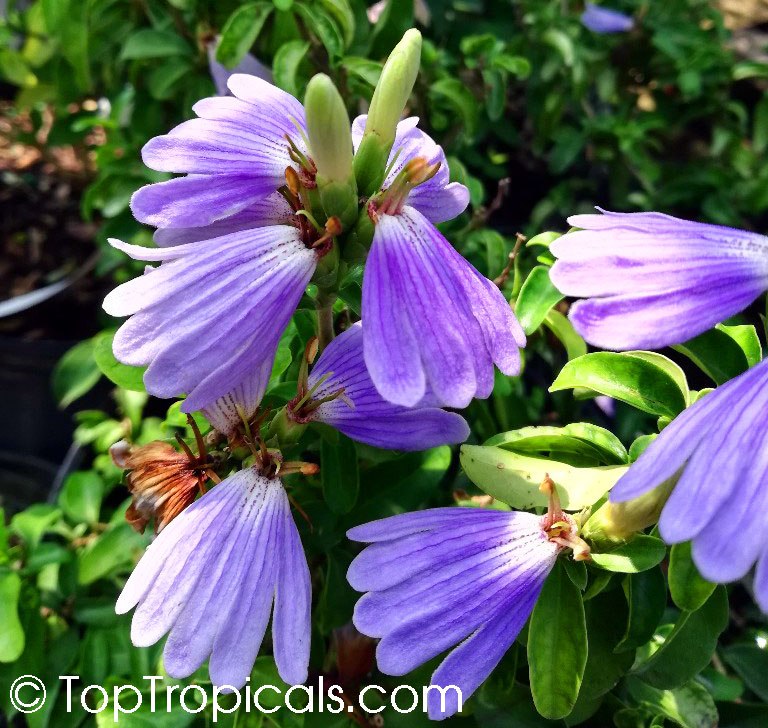
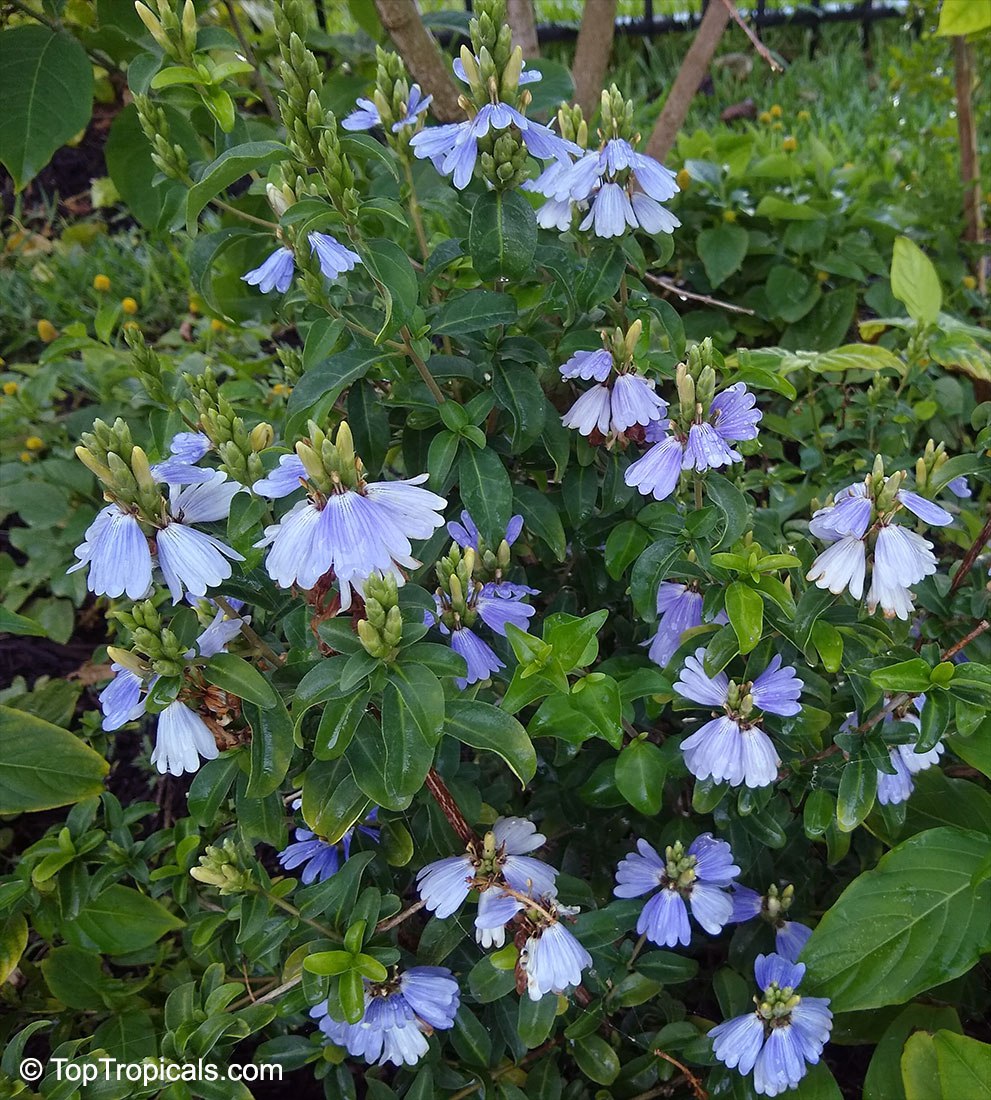
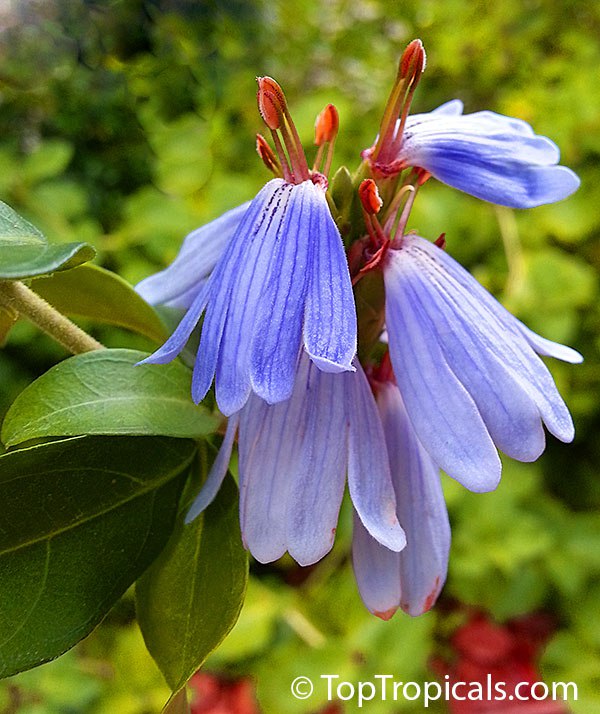
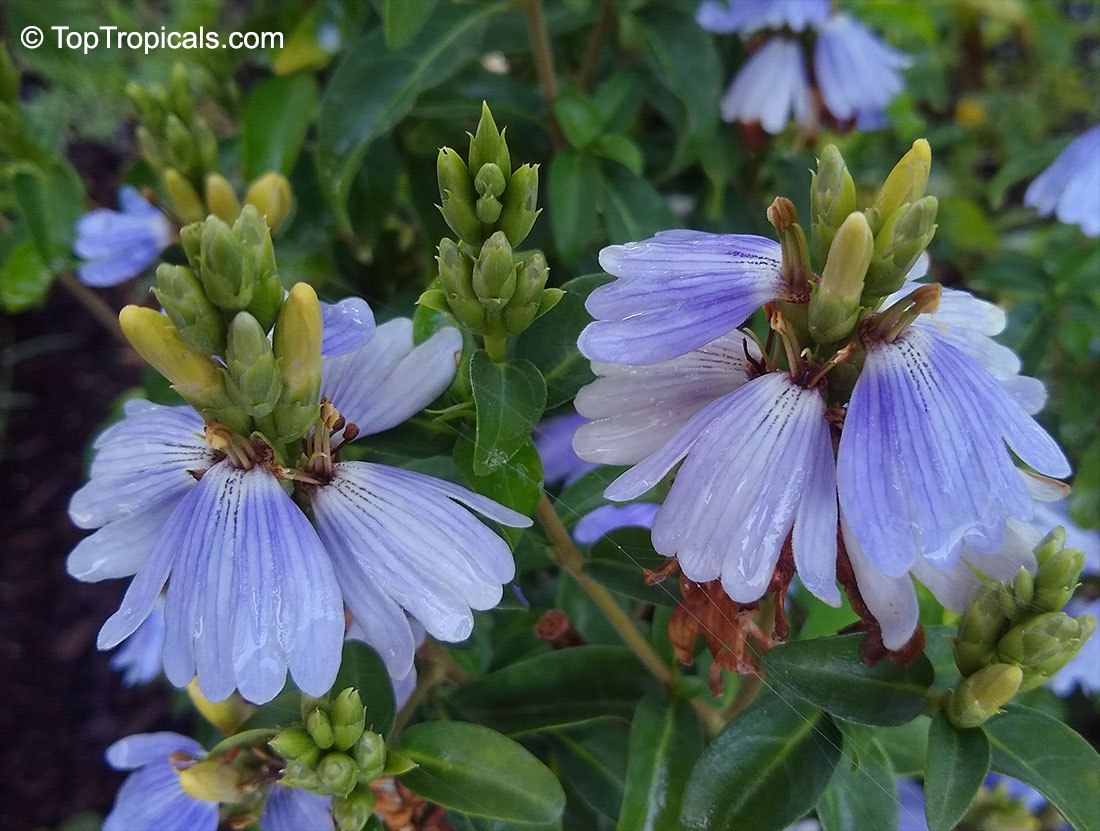
👄 Mazabuka, or Blue Lips (Sclerochiton harveyanus) has mauve-blue, unusually lipped flowers that are lightly violet-lavender-fragrant!

💙 Blue Lips create a pretty floral display on this shade-loving shrub with its attractive glossy green foliage.

💙 Flowers are mauve-blue to purple and the lower petals are ribbed, giving the impression of lips, hence the common name.

💙 Five fringed lobes, equal in size, short and rounded, are the flowers distinguishing feature.

💙 Shade lover. Will happily bloom in the shade!

🐝🐦 The numerous flowers produced in summer are attractive to pollinating insects which encourage insect-feeding birds into the garden.

📚 Learn more: Surprising Violet fragrance of the Blue Lips

🛒 Order Blue Lips

#Perfume_Plants #Shade_Garden #Butterfly_Plants

JOIN 👉 @TopTropicals

Date: 3 Sep 2025

Why gardeners say this is the best Mulberry ever

Illinois Everbearing Mulberry - Morus alba x rubra

💗 Why gardeners say this is the best Mulberry ever


🍇 Illinois Everbearing Mulberry (Morus alba x rubra) is a recent discovery we’re excited to share. It may be the best variety we’ve grown, and if you only plant one mulberry, this should be the one.

🍇 Very hardy and adaptable. Illinois everbearing is a cross between the white and red mulberry, and it seems to have inherited the best qualities of both. It is suitable for USDA zones from 5 to 10! It survives -20F and even colder, yet it also thrives in heat and poor soils. That wide adaptability makes it one of the most dependable fruiting mulberries for many regions.

🍇 Quick shade, quick fruit, long season. The tree grows fast, about 3 to 5 feet a year, turning into a 20 to 30 ft shade tree in just a few years. It has a long, everbearing harvest season and early start: some people have even had fruit the first year after planting. The berries are about an inch and a half long, shaped like stretched out blackberries. They ripen steadily through summer, not all at once, which is why it is called everbearing. That means you can walk out and pick handfuls from July right into September.

🍇Delicious and abundant. The flavor is what really sets it apart. Sweet, juicy, with a little tang, many gardeners say it is the best tasting mulberry they have had. You can eat them fresh, dry them, or cook them down for jam. Birds love them too, so you may end up sharing. But there will be enough for all: it produces abundant yields of 15 to 25 pounds per tree by year two or three.

🍇 Easy to grow. It is a low maintenance tree, generally free of pests and diseases. Once established it is easygoing.

🍇 Universal and long-lived. Plant it for the fruit, plant it for the shade, or plant it for the wildlife it draws in. Its foliage is also attractive, with deeply carved, oak-like leaves that add ornamental value to the tree. Illinois everbearing is not just a productive tree, it becomes part of the rhythm of your summer garden. While most mulberries live a few decades, some Illinois Everbearing trees may endure much longer with good care.

🛒 Pick your Mulberry tree

📚 Learn more:


How to have fruit year around: Dwarf Everbearing Mulberry
Mulberry season!
The best Mulberry varieties
Top 10 fast-fruiting trees: #7. Mulberry
How Mulberry fruit helps with diabetes

📱 Dwarf Everbearing Mulberry

#Food_Forest

🟢 Join 👉 TopTropicals

Date: 19 May 2016

Care of mail-order plants during hot summer

Q: I live in California and about a month ago ordered several plants from you, including fruit trees (Carambola, Mango, Avocado) and flowering trees (Xanthostemon, Adeniums, Champaca, Ylang Ylang). They were all doing well until I tried to move them into full sun, when they got leaf burn immediately. Ylang Ylang was doing great in a shade, but I repotted it from 1 gal into 3 gal and it is drooping leaves now. It has been very hot (over 100F) and dry (humidity is less than 25%). Any suggestions?

A: Hot summer can be pretty challenging time for establishing new plants. These are some guidelines to make your summer gardening more successful and rewarding.

1. You can order plants at any time, but keep your eye on your local weather forecast and try to chose cooler periods to schedule your plant shipments. Here at TopTropcals we monitor weather at destinations, and we can also delay shipment per your request until more favorable conditions.

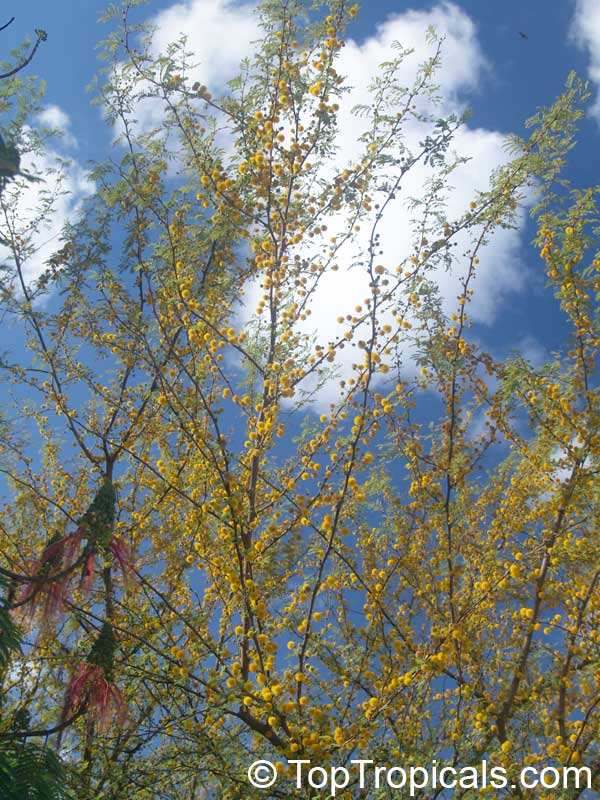
2. During hot Summer months, many plants are still OK to ship, and to be planted, many species are heat tolerant. It's usually safe to ship most succulents, including Desert roses and Euphorbias. Some fruit trees are pretty easy too, like Loquats, Mango, Eugenias. Many flowering trees can take heat: Acacias, Clusias, Jatropha, Sausage Tree, Plumerias and many others. Check our full list of plants suitable for hot and dry conditions. Most jasmines, including Jasmine Sambac and Trachelospermum make also a safe choice for hot weather planting.

3. Use shade cloth or simply white sheets to protect young plants and new plantings from hot sun.

4. When establishing mail ordered plants during hot weather, keep them in shade for longer period of time than average recommended 1-2 weeks. Give them a chance to establish really well. In areas with low air humidity, try to create a simple mist system. It can be purchased in your local Home Depot for only $20 and set up takes only 10 minutes! It makes a big difference and can help you save many plants from hot weather stress.

5. Although it may seem that during hot weather plants need more water due to high evaporation, be careful with watering, and check soil with your finger before watering - don't water if it is still wet. Combination of "hot and wet" can be as harmful for the root system as "cold and wet" during winter. Protect root systems from overheating: covering black pots with white cloth will work. Remember when temperature is above 90F, most of plants slow down their metabolism, which means roots slow down or even stop pumping water and become more vulnerable to overwatering. For the same reason, do not hurry to step up into bigger container if roots haven't filled yet the existing pot.

Date: 15 May 2026

The Tropical Survivor: Why This Pink Plume Defied a 25F Freeze

The Tropical Survivor: Why This Pink Plume Defied a 25F Freeze The Tropical Survivor: Why This Pink Plume Defied a 25F Freeze

The Tropical Survivor: Why This Pink Plume Defied a 25F Freeze


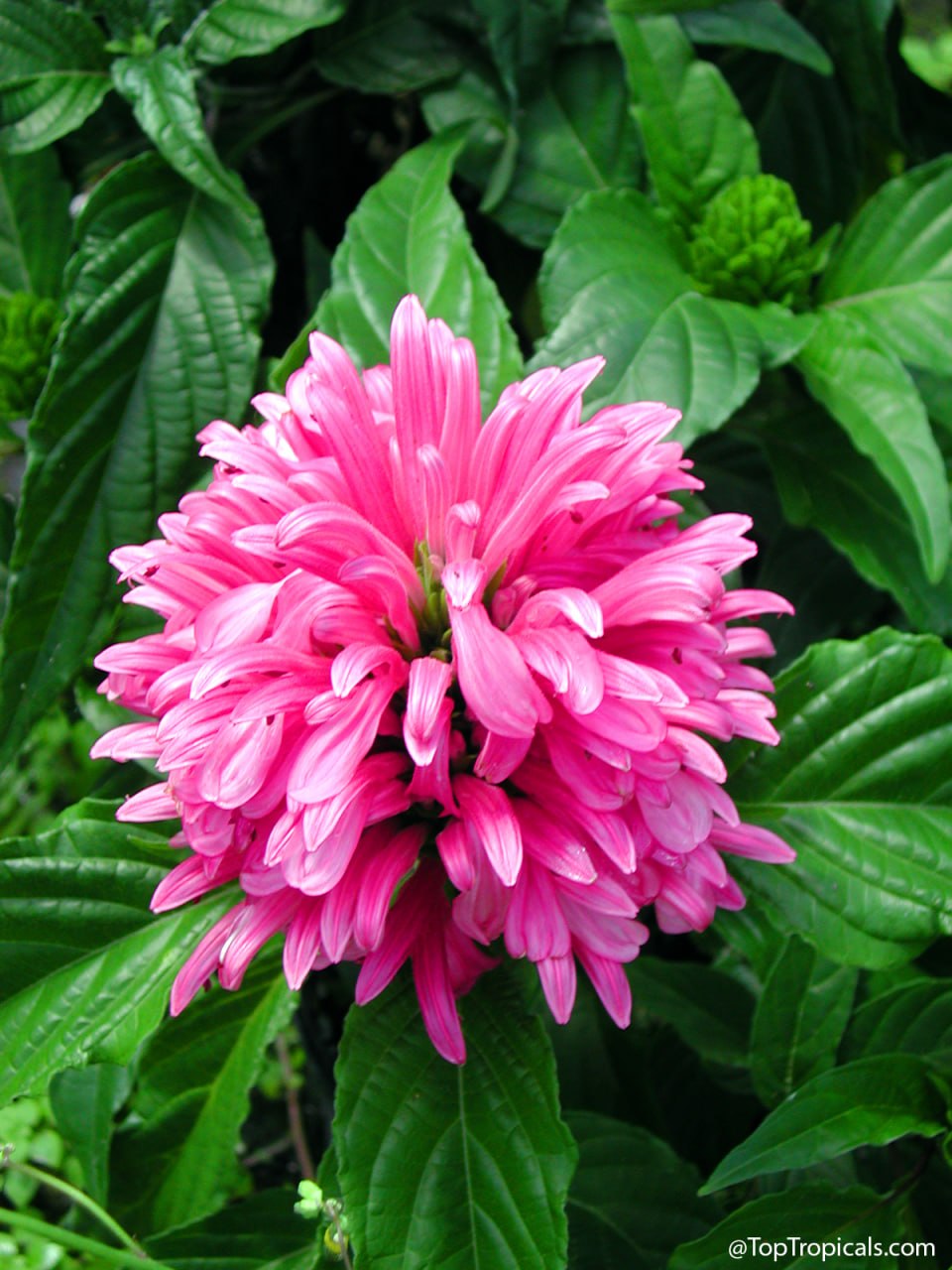
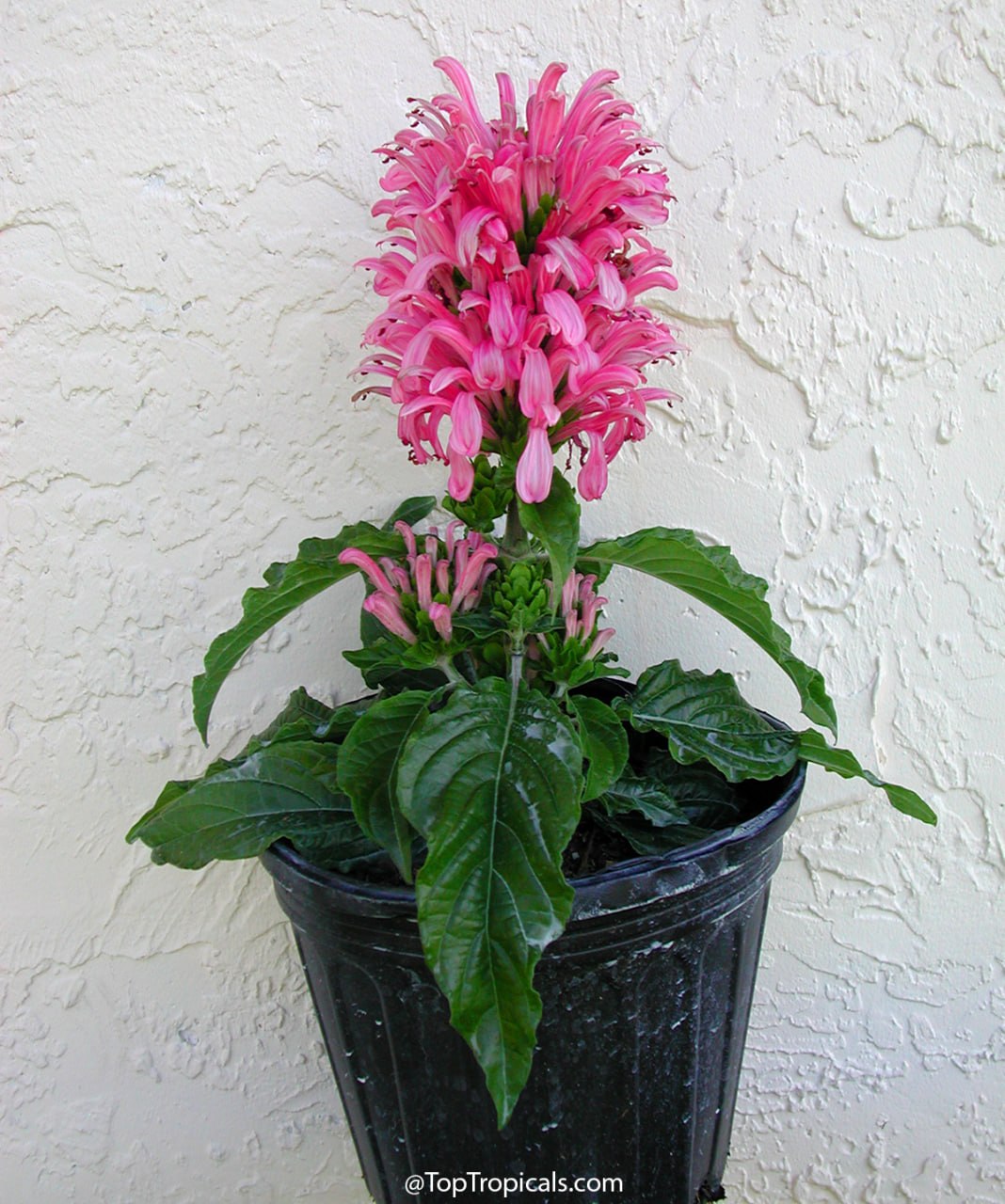
When Central Florida temperatures plummeted to 25F for two days, many gardeners braced for a total loss; and while most tropicals melted into black mush, Justicia carnea - the Pink Brazilian Plume or Jacobinia - proved that looks can be deceiving.

Brazilian Plume Plant Facts

Botanical name: Justicia carnea, Jacobinia carnea
Also known as: Brazilian Plume, Flamingo Flower
USDA Zone: 9 - 11
Highligths Small plant 2-5 ftSemi-shadeFull sunWatering: Regular. Let topsoil dry slightlyWhite, off-white flowersPink flowersPlant attracts butterflies, hummingbirdsSubtropical plant. Mature plant cold hardy at least to 30s F for a short time
Get personalized tips for your region


Tougher Than it Looks


As many other tropical plants from Acanthaceae family - Justicia plants are much hardier than they look.

At first glance, the Brazilian Plume looks like a greenhouse diva. It boasts huge, lush leaves and giant, cotton-candy pink flower clusters. However, it harbors a secret: it behaves more like a hardy perennial than a delicate shrub.

Even when a hard freeze burns the top growth to the ground, the root system remains remarkably resilient. Once the soil warms, fresh shoots often push through the dirt faster than expected.

A Hummingbird Magnet for the Shade


The real draw of Justicia carnea isn't just its survival skills - it’s the show-stopping blooms.

Large upright plumes can reach the size of a football. The tubular flowers are a primary target for hummingbirds and butterflies. Unlike most tropical bloomers, it thrives in filtered light and bright shade, making it perfect for understory planting.

👉 Gardener’s Tip:


Don't dig it up too soon! Freeze-damaged stems may look finished for weeks, but patience usually rewards you with new growth by late spring.

🌱 Quick Care Guide


Light: Bright shade or filtered sun
Soil: Rich, well-draining
Water: Regular moisture during heat
Best For: Pool areas, woodland gardens, and pollinator beds

For gardeners wanting that high-impact tropical aesthetic without the heartbreak of constant replanting, this Jacobinia is the ultimate comeback kid.

🛒 Plant beautiful and hardy Jacobinia

📚 Learn more:


· Justicia plants in Plant Encyclopedia
· Top 20 plants for a Butterfly Haven
· What flowers do NOT attract bees?
· Five best butterfly attractors for a Southern garden
· What tropical plants survived Florida's historic freeze without protection

#Butterfly_Plants #Discover #Container_Garden

🟢 Join 👉 TopTropicals