Garden Blog - Top Tropicals

Date: 9 Aug 2021

Care of Desert Roses
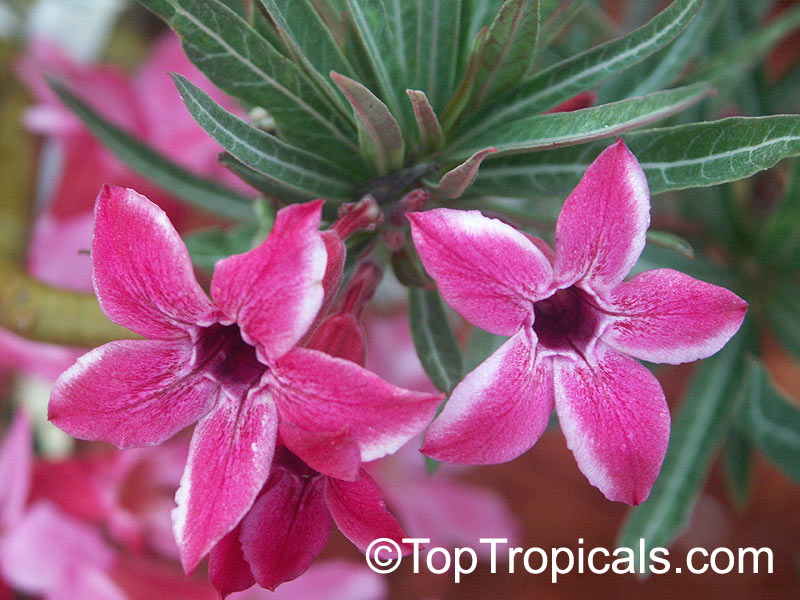
Q: I am looking forward to my three desert roses I just ordered from you and I am wondering how to take care of them, especially during winter time. Should I put the pots in full sun or shade? What kind of soil do they like? How often should I water them? When it gets cooler, should I bring them inside? We do have occasional frost here during winter.

A: Here are a few tips for your desert roses:

1. When received Adenium from mail-order, unpack carefully; branches are fragile. Plant in well-drained potting mix. Cactus mix will do, but we recommend special Adenium mix. If using regular acidic peat-based potting mix, you may add sea-shells on top of soil to neutralize acidity: adeniums prefer alkaline soils. Using clay pots is beneficial. Water once and do not water again until soil gets dry. Place in bright shade until new leaves sprout, then the plant can be moved to full sun.

2. Adenium is a succulent, but not a cactus. It needs watering, however let soil dry before waterings. Reduce watering during cool season and discontinue when plant gets dormant (drops all leaves in winter).

3. Bright light is the best for profuse flowering. However, adeniums look much healthier in slightly filtered light rather than in all-day full sun.

4. Fertilize and spray leaves with liquid fertilizer SUNSHINE Megaflor - Nutrition Bloom Booster. Phosphorous is responsible both for flowering and caudex development. Avoid caudex, spray over foliage only. Dry fertilizer can be used only during hot months.

5. Watch for spider mites during hot and dry season.

6. Give plants a break during winter dormant season. Keep in bright shade and reduce watering to 1-2 per month or stop watering if temperature is below 65F.

More info on growing Desert Roses:
What you need for successful growing Adeniums
Overwintering Adeniums outside of tropics
Growing Exotic Adeniums - Growing Exotic Adeniums

Date: 13 Oct 2024

What is the prettiest flower for shade?

Spathoglottis Tropical Punch - Sorbet Ground Orchid

⚜️ What is the prettiest flower for shade?

❗️ Ground orchids grow in regular garden soil instead of in the air on tree branches, come in many colors and shapes, bloom in sun or shade and are very easy to grow!

🎥 Spathoglottis Tropical Punch - Sorbet Ground Orchid

📚 Learn more from previous posts:


🟡 Ground orchids: all-summer colors
🟡 Why do we love Ground Orchids?
🟡 Epidendrum radicans - Orange Reed Ground Orchid, Sunrise
🟡 Terrestrial orchids
🟡 What orchids can be grown in the ground?

📱 Watch YouTube video: Ground Orchids

🛒 Order Ground Orchids

#Shade_Garden #Container_Garden

🔴 Join 👉 TopTropicals

Date: 6 Oct 2024

Why is it called Kings Mantle

King's Mantle - Thunbergia erecta

Why is it called King's Mantle


✨ Looking for a hedge that blooms non-stop, even in the shade? King's Mantle - Thunbergia erecta - is ever-blooming superstar is the perfect flowering bush or hedge for those tricky shady spots in your garden.

✨ Unlike its climbing cousins, this Thunbergia prefers to sprawl as a shrub, making it easier to manage.

✨ With its fast-growing, bushy habit, it's ideal for mixed beds or creating a medium-to-low hedge that stays dense and beautiful year-round.

✨ The flowers? Think of morning glories, with stunning purple or white petals and sunny yellow throats. And if you're feeling adventurous, try the 'Lavender Ice' variety with royal, lavender-variegated flowers for a unique twist. The name King's Mantle is well-deserved!

✨Not just a pretty face, King’s Mantle also boasts small, dark green leaves that make the flowers pop even more.

✨ It's a pruning enthusiast's dream - cut it back, and it'll reward you with even more blooms!

✨ Whether you plant it in sun or partial shade, King's Mantle will thrive in well-drained soil, delivering a burst of color all year long.

📚 Learn more from previous post:


Perfect everblooming hedge for shade

🛒 Shop King's Mantle

#Hedges_with_benefits

🔴 Join 👉 TopTropicals

Date: 1 May 2024

Why this blue tropical flower has a violet fragrance?

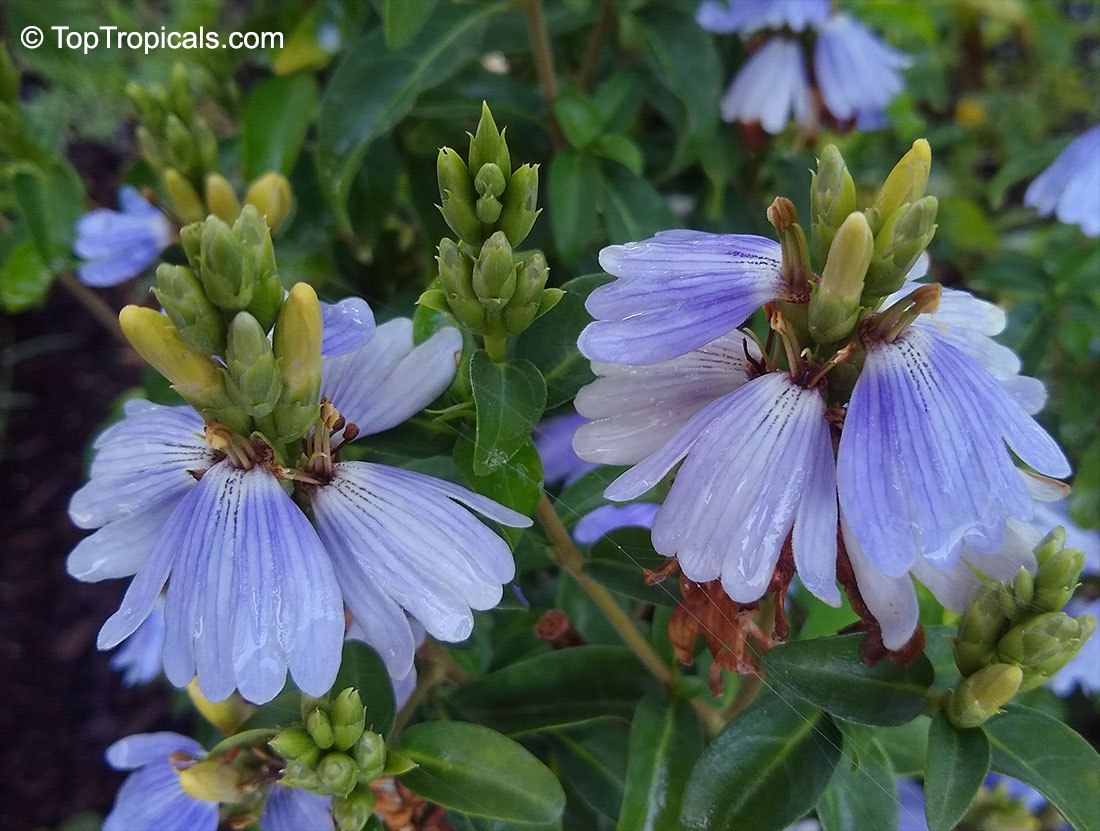
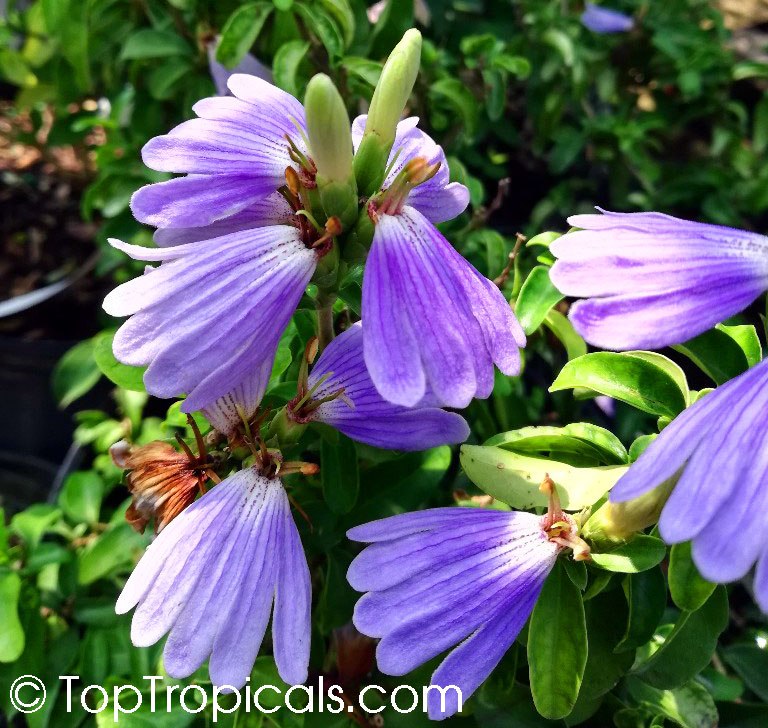
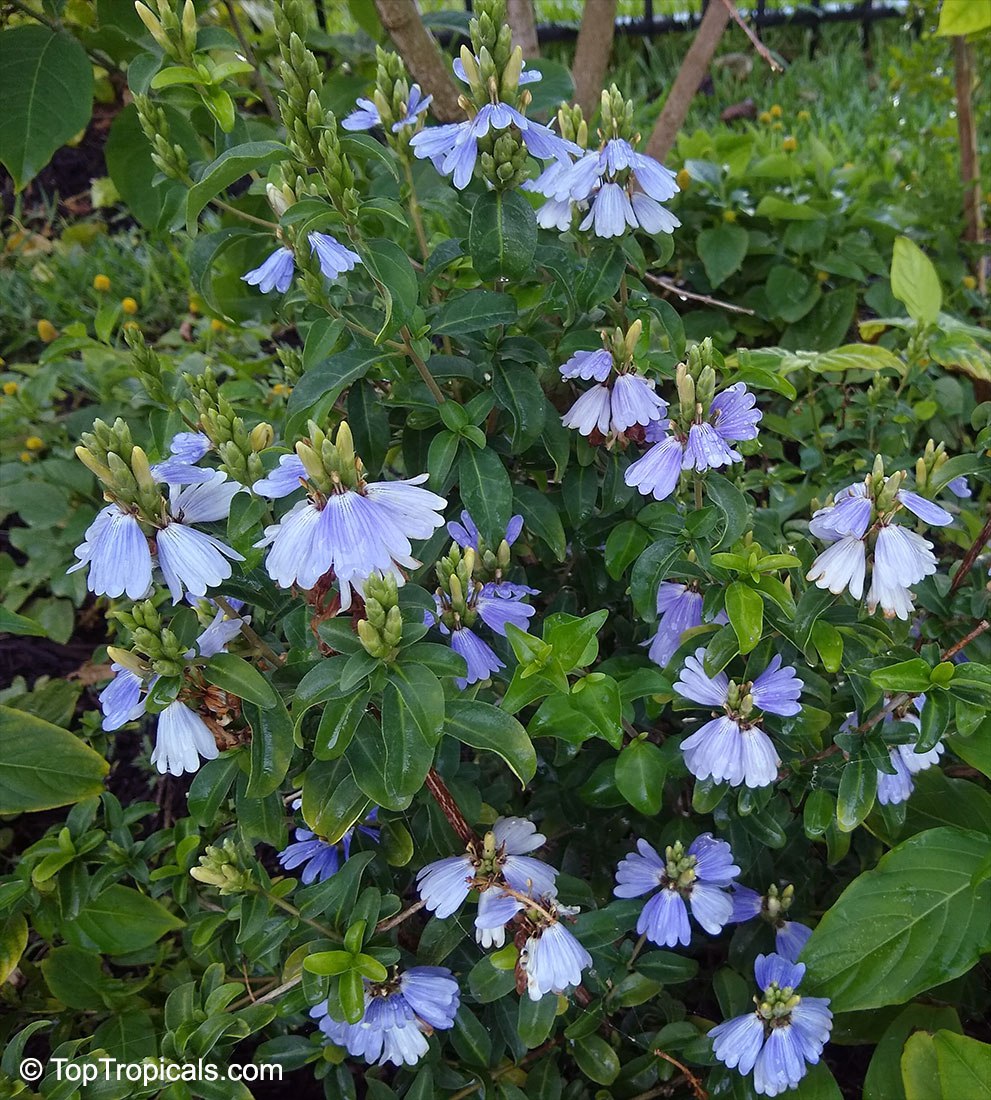
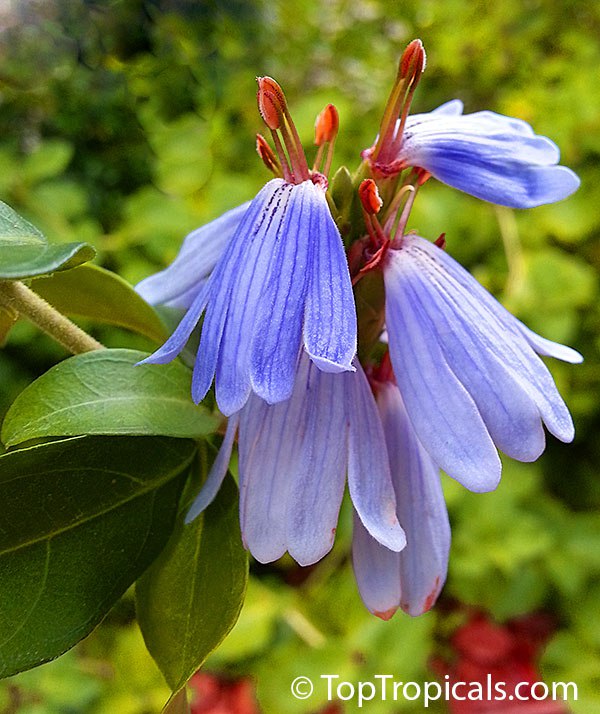
Mazabuka, Blue Lips (Sclerochiton harveyanus)

Mazabuka, Blue Lips (Sclerochiton harveyanus)

Mazabuka, Blue Lips (Sclerochiton harveyanus)

Mazabuka, Blue Lips (Sclerochiton harveyanus)

Mazabuka, Blue Lips (Sclerochiton harveyanus)

Mazabuka, Blue Lips (Sclerochiton harveyanus)

Mazabuka, Blue Lips (Sclerochiton harveyanus)

Mazabuka, Blue Lips (Sclerochiton harveyanus)

Why this blue tropical flower has a violet fragrance?

You already saw one unusual blue flower of Tropics - Lead Flower. This one is even more interesting!

👄 Mazabuka, or Blue Lips (Sclerochiton harveyanus) has mauve-blue, unusually lipped flowers that are lightly violet-lavender-fragrant!

💙 Blue Lips create a pretty floral display on this shade-loving shrub with its attractive glossy green foliage.

💙 Flowers are mauve-blue to purple and the lower petals are ribbed, giving the impression of lips, hence the common name.

💙 Five fringed lobes, equal in size, short and rounded, are the flowers distinguishing feature.

💙 Shade lover. Will happily bloom in the shade!

🐝🐦 The numerous flowers produced in summer are attractive to pollinating insects which encourage insect-feeding birds into the garden.

📚 Learn more: Surprising Violet fragrance of the Blue Lips

🛒 Order Blue Lips

#Perfume_Plants #Shade_Garden #Butterfly_Plants

JOIN 👉 @TopTropicals

Date: 3 Sep 2025

Why gardeners say this is the best Mulberry ever

Illinois Everbearing Mulberry - Morus alba x rubra

💗 Why gardeners say this is the best Mulberry ever


🍇 Illinois Everbearing Mulberry (Morus alba x rubra) is a recent discovery we’re excited to share. It may be the best variety we’ve grown, and if you only plant one mulberry, this should be the one.

🍇 Very hardy and adaptable. Illinois everbearing is a cross between the white and red mulberry, and it seems to have inherited the best qualities of both. It is suitable for USDA zones from 5 to 10! It survives -20F and even colder, yet it also thrives in heat and poor soils. That wide adaptability makes it one of the most dependable fruiting mulberries for many regions.

🍇 Quick shade, quick fruit, long season. The tree grows fast, about 3 to 5 feet a year, turning into a 20 to 30 ft shade tree in just a few years. It has a long, everbearing harvest season and early start: some people have even had fruit the first year after planting. The berries are about an inch and a half long, shaped like stretched out blackberries. They ripen steadily through summer, not all at once, which is why it is called everbearing. That means you can walk out and pick handfuls from July right into September.

🍇Delicious and abundant. The flavor is what really sets it apart. Sweet, juicy, with a little tang, many gardeners say it is the best tasting mulberry they have had. You can eat them fresh, dry them, or cook them down for jam. Birds love them too, so you may end up sharing. But there will be enough for all: it produces abundant yields of 15 to 25 pounds per tree by year two or three.

🍇 Easy to grow. It is a low maintenance tree, generally free of pests and diseases. Once established it is easygoing.

🍇 Universal and long-lived. Plant it for the fruit, plant it for the shade, or plant it for the wildlife it draws in. Its foliage is also attractive, with deeply carved, oak-like leaves that add ornamental value to the tree. Illinois everbearing is not just a productive tree, it becomes part of the rhythm of your summer garden. While most mulberries live a few decades, some Illinois Everbearing trees may endure much longer with good care.

🛒 Pick your Mulberry tree

📚 Learn more:


How to have fruit year around: Dwarf Everbearing Mulberry
Mulberry season!
The best Mulberry varieties
Top 10 fast-fruiting trees: #7. Mulberry
How Mulberry fruit helps with diabetes

📱 Dwarf Everbearing Mulberry

#Food_Forest

🟢 Join 👉 TopTropicals