Garden Blog - Top Tropicals

Date: 22 Sep 2025

🐲 The taste you will never forget

Dragon  fruit  collage  -  yellow,  red,  purple,  white  varieties

If you only know dragon fruit from the grocery store, you probably think it looks pretty but tastes bland. That is because most commercial fruit is picked early, shipped far, and loses its sweetness. The truth? Homegrown dragon fruit is juicy, sweet, and full of flavor. The best of all is the yellow variety, Palora (Selenicereus megalanthus), a cactus fruit from Ecuador that bursts with tropical taste.

🌵 Pitaya or Dragon fruit – what is the difference?

Both names describe the same climbing cactus. In Latin America it is called Pitaya, while Asia and English speakers say Dragon fruit. There are three main kinds:

Some hybrids give purple or magenta flesh. All are beautiful, all are easy to grow at home.

⚡️ Do red, white, and yellow taste different?

Yes. White types are mild and refreshing. Reds are sweeter and juicier. Yellows are the sweetest of all.

⚡️ Flowers from a fairy tale
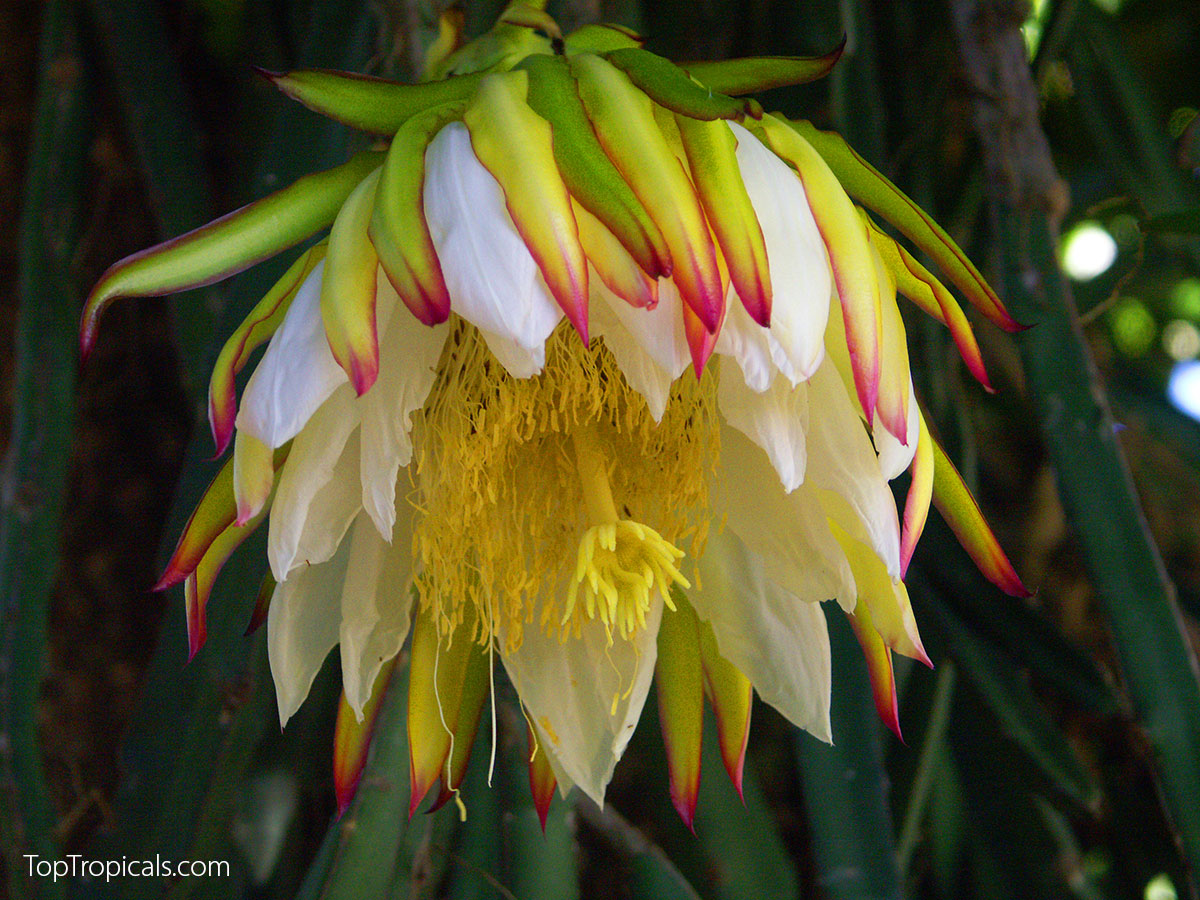
Close-up  of  a  blooming  dragon  fruit  pitaya  flower  with  white  petals  and
 
 
  yellow 


center

Dragon fruit flowers are among the most spectacular in the plant world. They open at night, glowing under moonlight, with pale petals and a sweet fragrance. Each flower can be a foot wide. Seeing one bloom feels like stepping into another world.

⚡️ Top Dragon Fruit Health Benefits

  • High in fiber for digestion and gut health
  • Low in calories but full of vitamins
  • Great for weight management
  • Adds color and freshness to smoothies and salads

🍹 Dragon Fruit Smoothie recipe
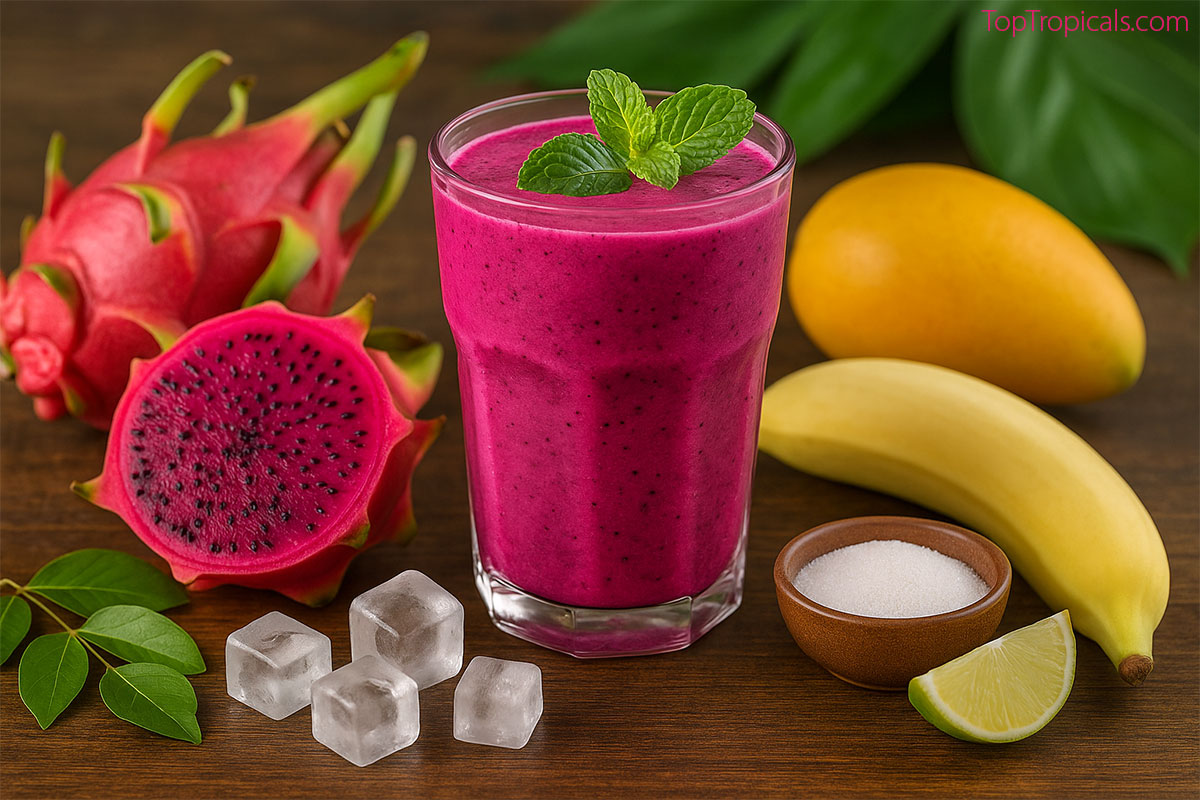
Glass  of  dragon  fruit  pitaya  smoothie  with  fresh  dragon  fruit,  banana, 


mango,  lime,  sugar,  and  ice 


cubes

Blend together:

  • 2 dragon fruits, peeled
  • 1/2 cup mango pulp
  • 1 banana
  • 1 cup milk of your choice
  • 2 tbsp sugar
  • 1/2 tsp lime juice
  • Ice cubes to taste

Top with mint for a refreshing tropical treat.

Watch Dragon Fruit short videos:

💲 Special Offer – 25% off Dragon Fruit Pitaya Plants!

Get 25% OFF Pitaya plants with code

DRAGON2025

Min order $100. Excluding S/H, valid online only, cannot be combined with other offers.

Hurry, offer expires September 29, 2025!

Explore Dragon Fruit varieties

Date: 17 Sep 2025

Mulberry Care and Growing Tips

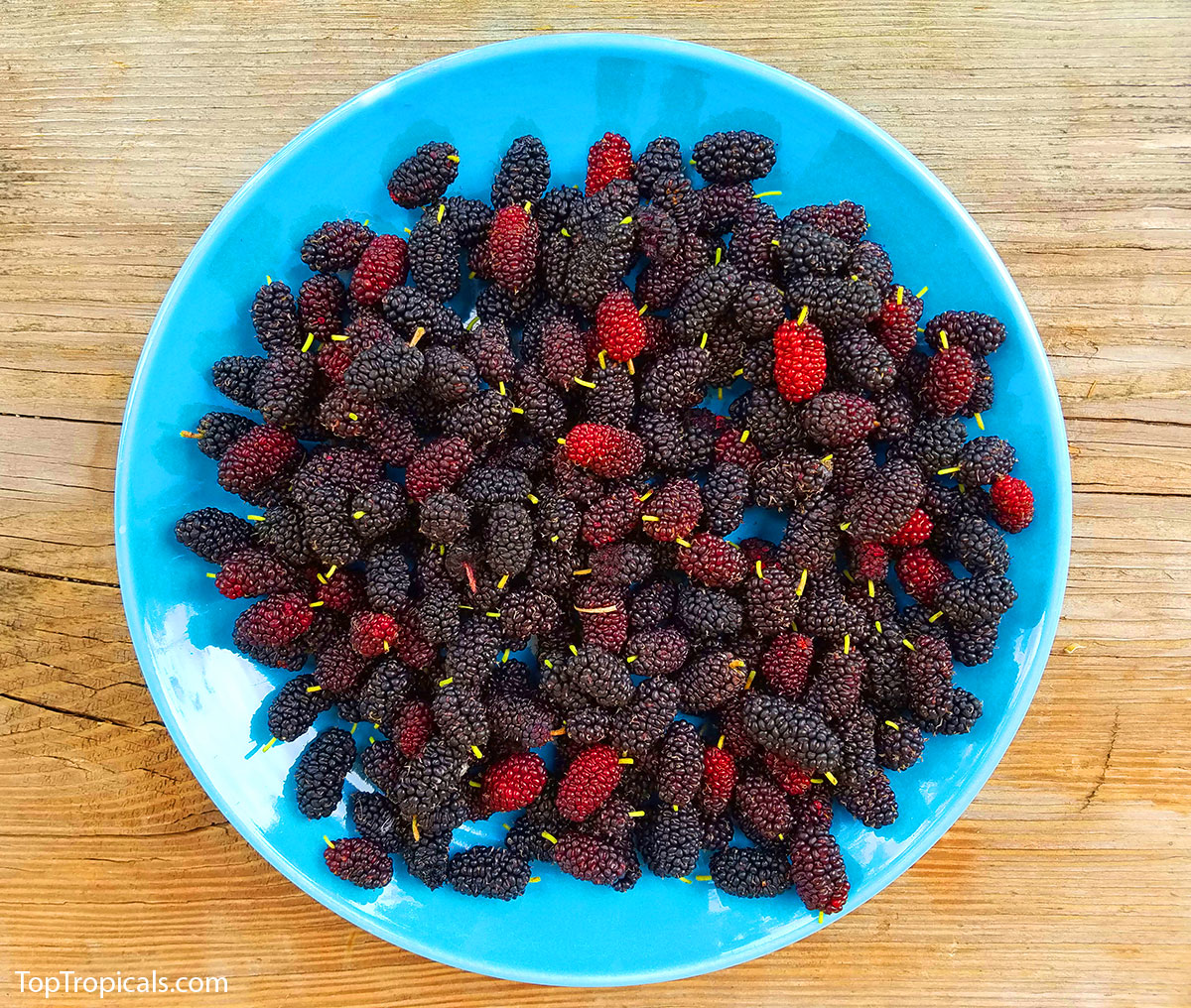
Mulberry  fruit  on  a  plate

Mulberries are tough, low-maintenance fruit trees that adapt to many conditions.

  • Climate: Hardy from USDA zone 5 to 10.
  • Soil: Grow well in almost any soil; prefer good drainage.
  • Watering: Regular watering during dry spells; drought tolerant once etablished.
  • Growth: 3–5 feet per year, producing fruit early.
  • Pruning: Annual pruning controls size and improves branching.
  • Pot culture: Dwarf types thrive in containers, staying 6–7 feet tall. Use a large pot, water consistently, and prune lightly. Use Abundance potting mix for best results.
  • Fertilizer: For reliable production, fertilizer regularly. Apply Sunshine C-Cibus liquid booster with every watering, or Green Magic controlled release fertilizer every 5-6 months.

❓ Mulberry FAQ


How soon will a mulberry fruit?

One to two years, sometimes the very first season.

What climates are suitable?

USDA zones 5–10, from -20F winters to hot summers.

How tall do they get?

Standard trees 20–30 ft; dwarfs 6–10 ft in pots.

Do I need more than one tree?

No, they are self-pollinating.

What do they taste like?

Sweet and juicy, like a blend of blackberry and raspberry.

How long is the harvest?

Everbearing types ripen gradually from summer into fall.

Do birds eat them?

Yes, but trees are so productive there’s plenty to share.

Are they messy?

Dark-fruited varieties can stain; white mulberries do not.

Can I grow them in containers?

Yes, dwarf types (Dwarf Everbearing, Issai) fruit well in pots.

How long do they live?

Many live for decades; Illinois Everbearing can endure for generations.

What are the health benefits?

Mulberries are low-glycemic, support healthy blood sugar, improve heart health, and are rich in antioxidants.

Shop Mulberries

Date: 17 Sep 2025

🍇Mulberries – the hidden gems of every garden

Picture this: it’s July, the sun is warm, and you step outside to a tree dripping with berries. You reach up, and your fingers come away stained purple. The taste? Like blackberries kissed with raspberry — sweet, juicy, unforgettable.

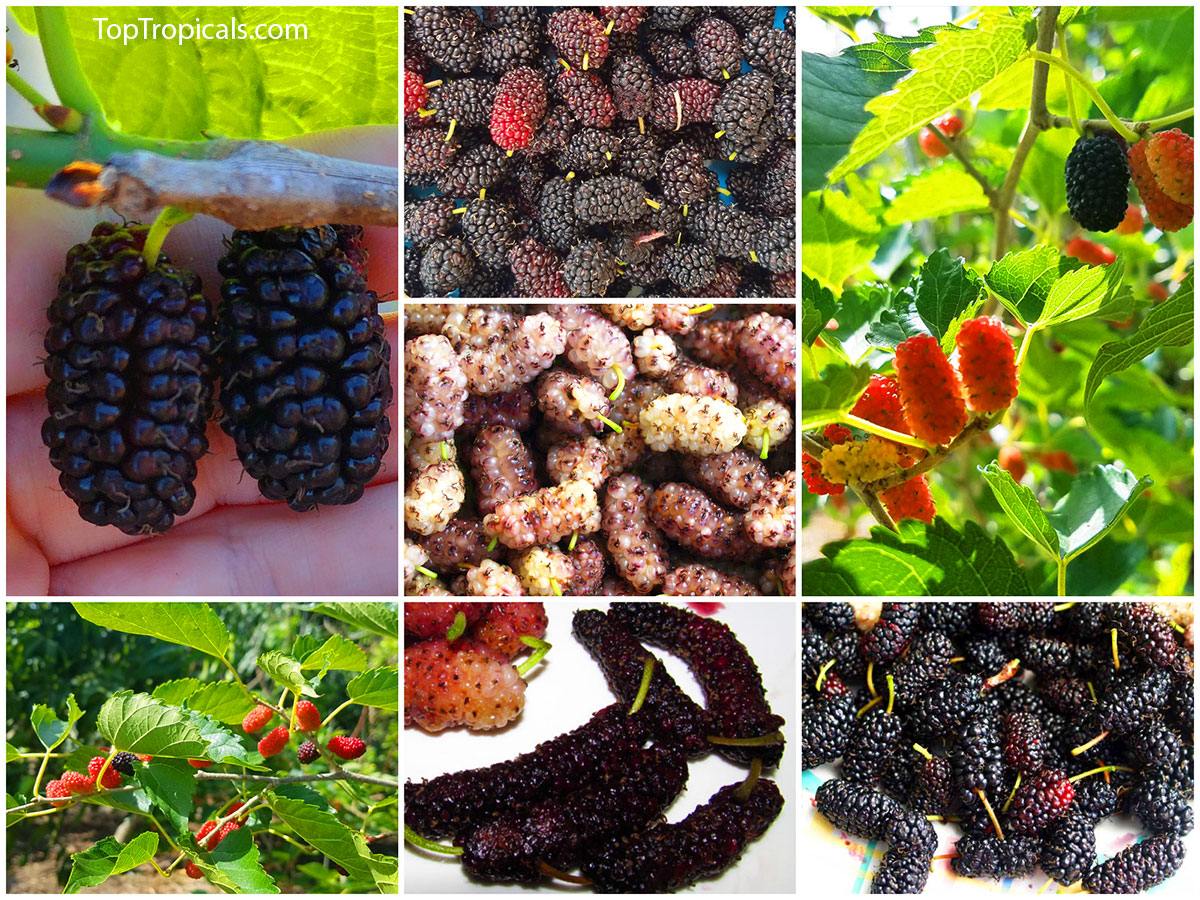
Collage  of  mulberry  varieties  -  Illinois  Everbearing,  Dwarf 


Everbearing,  Shangri-LA,  White  Mulberry,  Pakistani  Giant,  Issai,  Florida 


Giant

That’s what a Mulberry gives you. And the best part? You don’t wait years. Many trees fruit the very next season. Dwarf types can even fruit nearly year-round in pots — fresh berries on your patio, without leaving home.

🌟 Varieties gardeners swear by:

Collage  of  mulberry  varieties  -  Illinois  Everbearing,  Dwarf 


Everbearing,  Shangri-LA,  White  Mulberry,  Pakistani  Giant,  Issai,  Florida 


Giant

In the photo above: mulberry varieties - Illinois Everbearing, Dwarf Everbearing, Shangri-LA, White Mulberry, Pakistani Giant, Issai, Florida Giant

Mulberries aren’t just delicious — they’re loaded with antioxidants, help balance blood sugar, and make your garden come alive with birds and shade. Don’t wait another season. Plant your Mulberry now and taste the difference by next summer.

Watch short videos:

💲 Special Offer – 20% off Mulberry Trees!

Get 20% OFF already discounted Mulberry Trees with code

MULBERRY2025

Min order $100. Excluding S/H, valid online only, cannot be combined with other offers.

Hurry, offer expires September 23, 2025!

👉 Shop Mulberry Trees

Date: 13 Sep 2025

Ground Orchid FAQ – Your Questions Answered

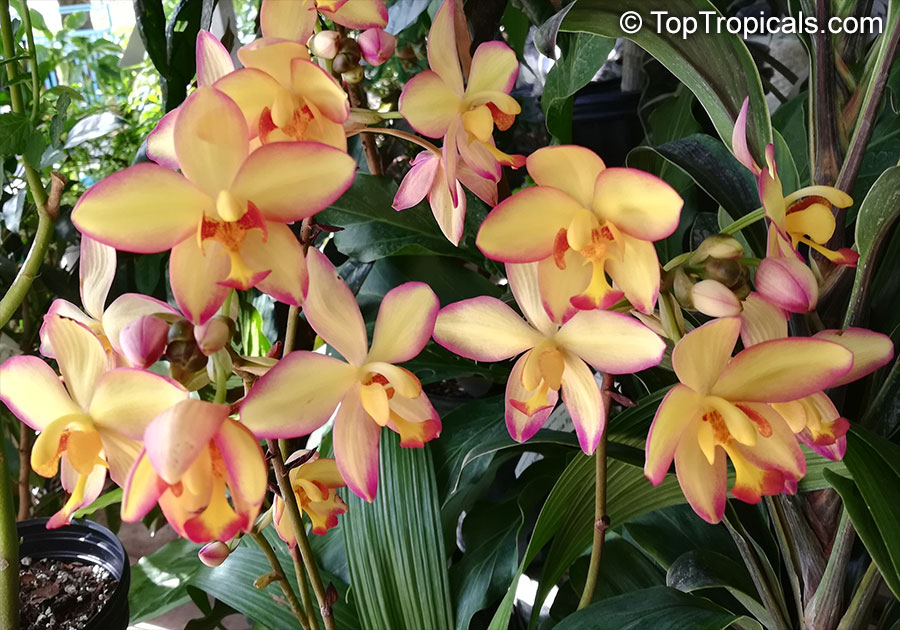
Spathoglottis  ground  orchid  growing  in  the  ground

Why should I buy them?

Because they give you more bloom for less effort. They flower on and off almost all year, they’re tough, and they come in colors you can actually plan a garden around.

Will they survive winter in my area?

In frost-free zones, yes, they come back bigger every year. If you’re farther north, just keep them in pots and bring them inside for the cold months.

Do they really bloom in shade?

They do. We’ve got a clump under a big oak and it still puts on a show. Not as heavy as full sun, but enough to brighten the spot.

How big do they get?

Depends which one. Spathoglottis stays neat, about knee-high. Nun Orchid shoots up tall spikes that can hit 4 ft. So you can go small or dramatic.

Are they hard to care for like other orchids?

Not at all. Forget the bark mix and misting bottles. Just plant them in soil, keep the water steady, and feed once in a while. That’s it.

Can I grow them in pots?

Absolutely. They do great in containers. Makes it easy if you’ve only got a patio or you want to move them in for winter. Use well-drained soilless mix like Abundance Potting Mix.

Do they attract pollinators?

Yep. Bees love them, butterflies too, and every so often a hummingbird will check them out.

What is the best fertilizer?

For extra blooms, we use Sunshine Orchidasm – Orchid TotalFeed Booster. Works like a charm!

Shop ground orchids

Date: 13 Sep 2025

🌸 Meet the Most Colorful Ground Orchids

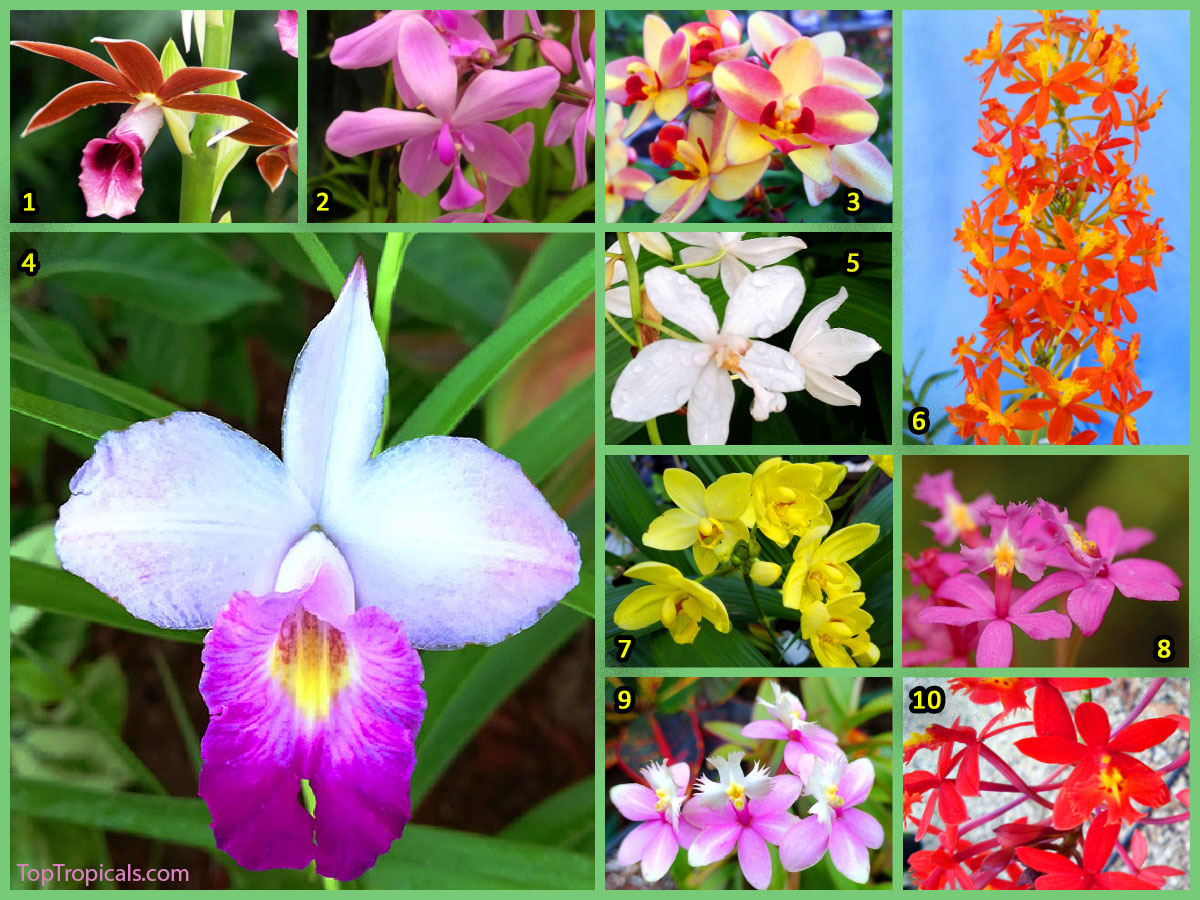
Collage  of  ground  orchids  –  Phaius  tankervilleae  (Nun  Orchid), 


Spathoglottis  varieties  (purple,  yellow,  white,  pink),  Arundina  graminifolia
 
 
  (Bamboo  Orchid),  and  Epidendrum  species  (orange,  pink,  red  Reed 


Orchids)

Ground Orchids – Spathoglottis, Phaius, Arundina, Epidendrum

  1. Chinese Nun Ground Orchid (Phaius tankervilleae)
  2. Yokohama Ground orchid Kate (Bletilla striata x formosana)
  3. Tropical Punch, Sorbet Ground Orchid (Spathoglottis plicata)
  4. Bamboo Orchid (Arundina graminifolia)
  5. Snow Angel, Coconut Cloud Ground Orchid (Spathoglottis alba)
  6. Orange Reed Ground Orchid (Epidendrum radicans Sunrise)
  7. Lemon Kiss, Sorbet Ground Orchid (Spathoglottis chrysanta)
  8. Pink Reed Ground Orchid, Violet Queen (Epidendrum radicans Fuchsia)
  9. Lavender Reed Ground Orchid (Epidendrum elongatum x radicans)
  10. Red Raspberry Reed Ground Orchid (Epidendrum radicans Red Glow)

Orchids have a mystique that sets them apart — elegant, exotic, almost unreal in their perfection. But let’s be honest, not everyone has luck with the fancy ones that cling to trees or need greenhouse tricks.

Ground orchids are different. They grow in regular garden soil, bloom in sun or shade, and come in all sorts of shapes and colors. They’re the orchids you don’t have to fuss over.

Nun Orchid (Phaius tankervilleae) – Ever wonder why it’s called the Nun Orchid? The flowers really do look like the white veil and brown habit nuns used to wear. The plants send up spikes 3–4 ft tall with 10–20 fragrant blooms that open one after another for weeks. I like them best tucked under trees where they just keep spreading year after year.

Spathoglottis – The nonstop bloomer – If you want flowers that just don’t quit, this one’s it. Spathoglottis clumps up and throws spikes of purple, pink, or yellow that last for weeks, then keep coming back through the summer. In warm spots they’ll bloom almost year-round. Honestly, it’s one of the easiest orchids you’ll ever grow.

💲 Special Offer – 20% off Ground Orchids!

Get 20% OFF ground orchids with code

ORCHID2025

Min order $100. Excluding S/H, valid online only, cannot be combined with other offers.

Hurry, offer expires September 17, 2025!

Shop ground orchids