Date: 24 Sep 2019
How to fertilize a bamboo?
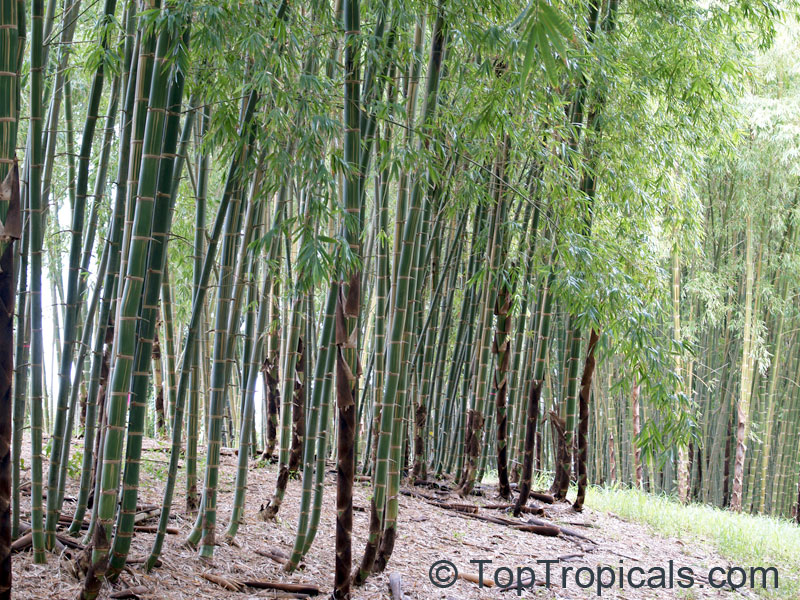
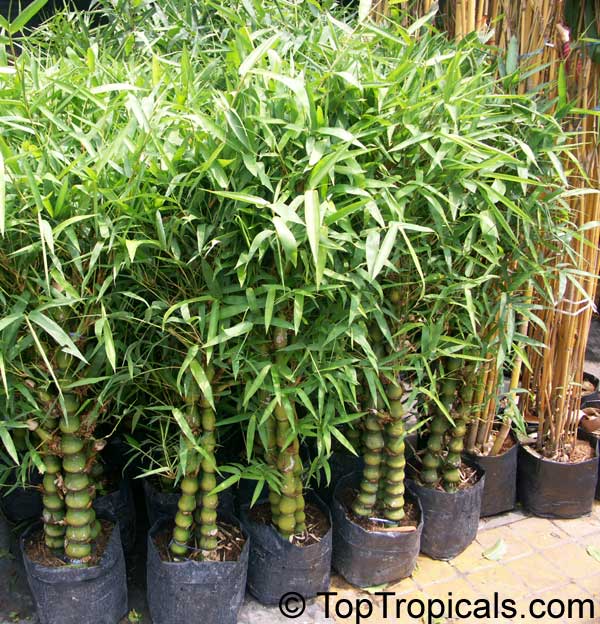
Q: When do you fertilize new bamboo trees and can you use the same fertilizer you use for mango trees?
A: Bamboo is a tropical to subtropical plant with growing season
year-round. You can start fertilizing it right away with the exception of colder
months when temperatures drop below 65F.
Mango fertilizer is formulated for fruit trees, so bamboo won't benefit
from it. Bamboo is not a fruiting plant and is not even cultivated for
flowers. Its beauty is in healthy green foliage and beautiful stems. So you will
need foliage-type of fertilizers for it.
We recommend the following fertilizers for bamboo plants:
Tropical Greenhouse Plus - Plant Booster
Tropical Allure - Smart-Release Booster
Remember to always use micro-elements that are essential for every green plant.

Date: 11 Mar 2025
NEW
VIDEO:
What Fertilizer to Use and How?
It's springtime - your plants are growing and need more food! Now is the
perfect time to fertilize. Our customers have been stocking up on
fertilizers and asking lots of questions.
In addition to our recent article What Fertilizer to Use Now and How? Five important keys to healthy
plants, we're excited to share this short
video on how to use Sunshine Boosters.
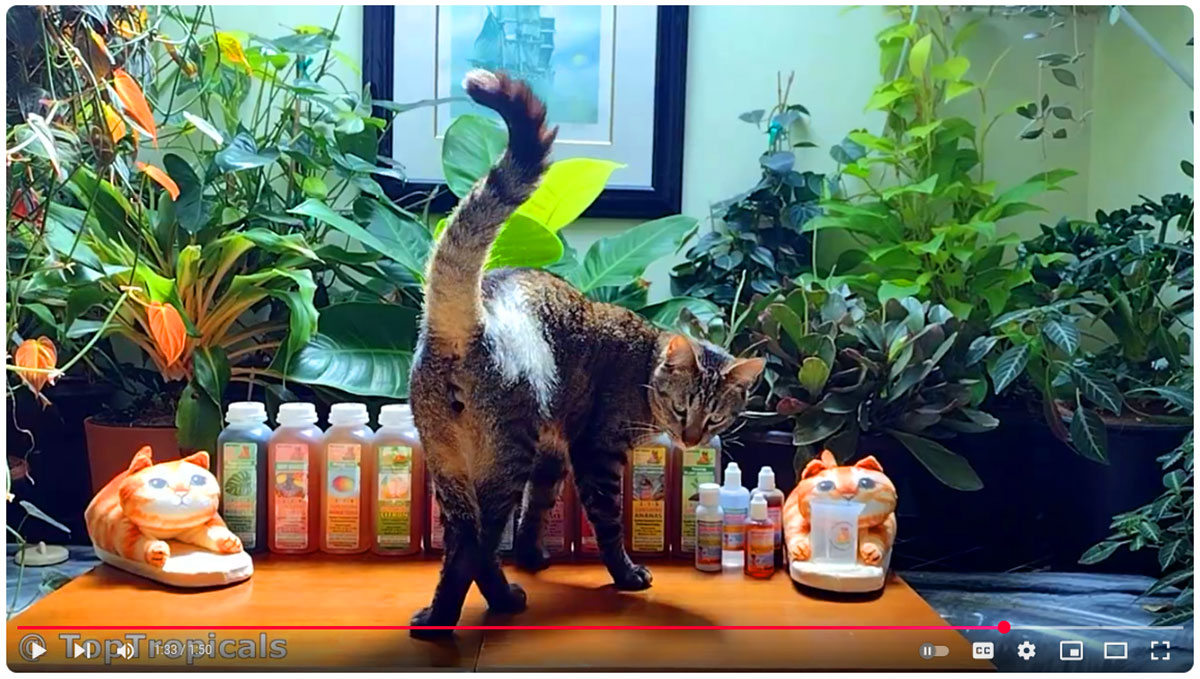
Our PeopleCats actively participated in the production with real hands-on (paws-on) involvement. Enjoy the show - and your happy plants!
Subscribe to our Channel:
Subscribe to Top Tropicals YouTube Channel and get our latest video news of what is fruiting and blooming!
Date: 5 Apr 2025
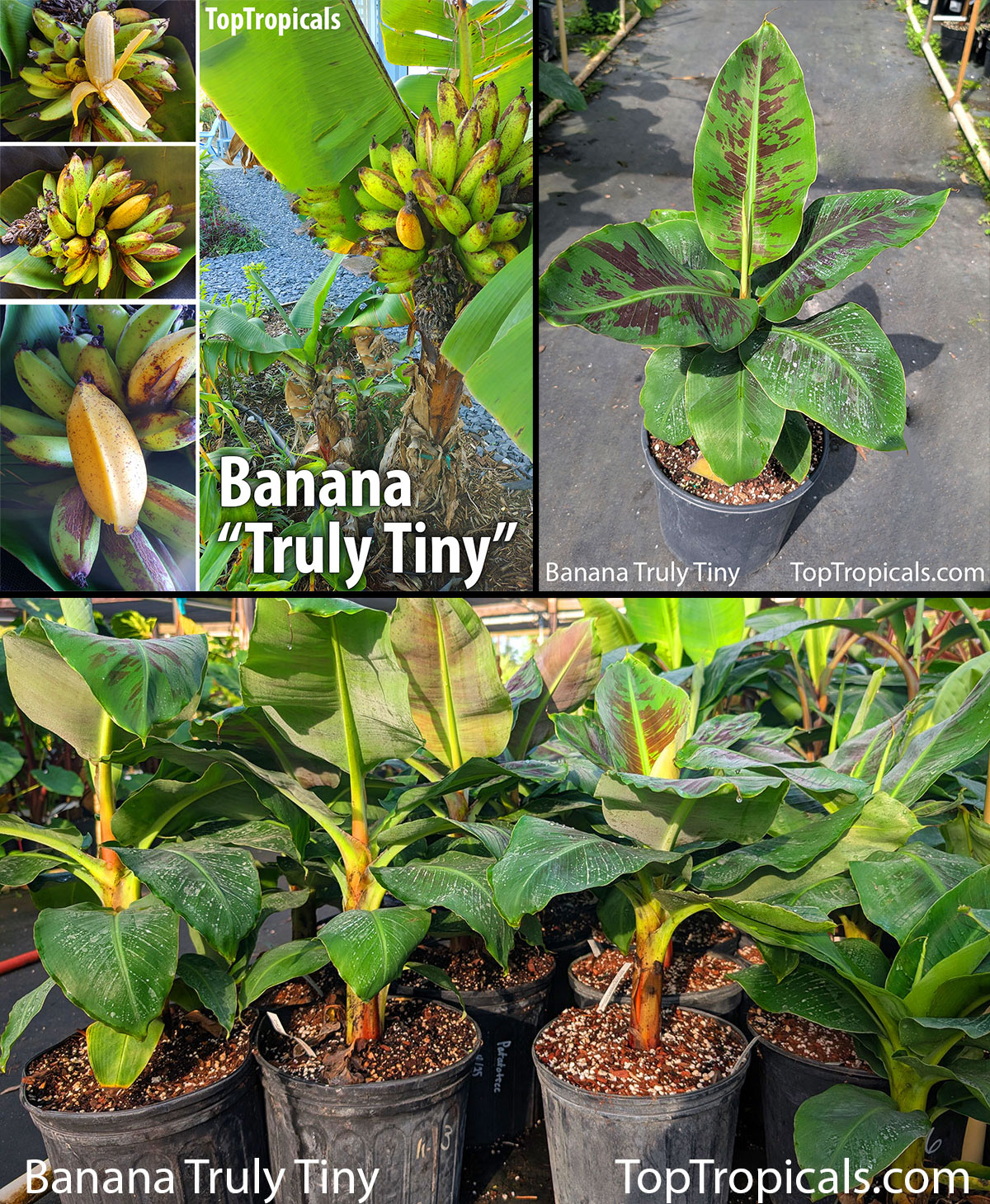
Go Bananas - up to 20% OFF Banana Trees!
Now through 4/15 - Limited Time Only!
Banana Health Benefits
Bananas are a powerhouse of nutrition - rich in potassium for heart health, and packed with vitamins B6 and C to boost energy and immunity. They come from fast-growing, easy-care trees that thrive in warm climates or containers. Whether eaten fresh, blended, or baked, bananas are a naturally sweet and tasty treat you can grow yourself!
Ready to turn your garden into a tropical paradise and grow your own delicious bananas? Now's your chance - use our offer below!
A Banana for Every Space and Taste
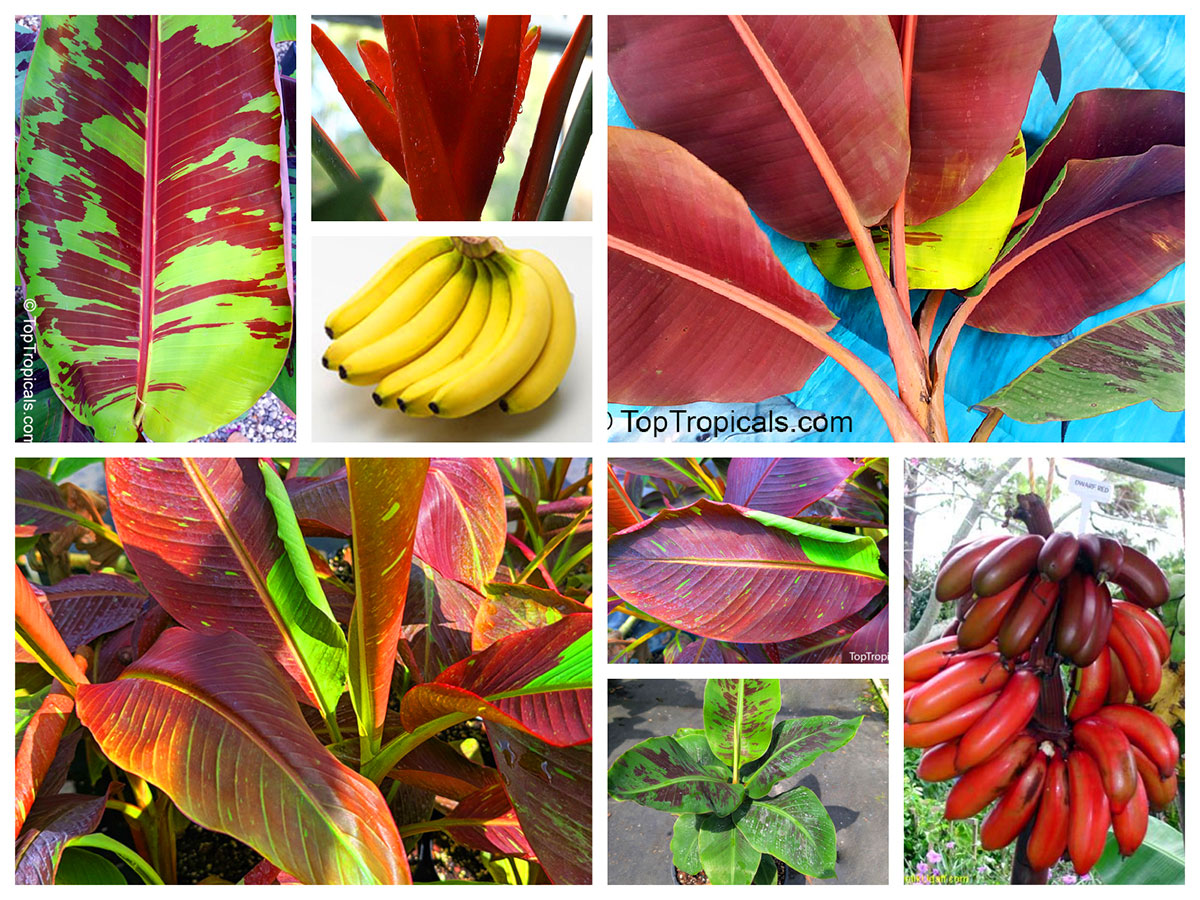
At Top Tropicals, we've got over a dozen top banana varieties - from exotic ornamental beauties like Blood Leaf and Siam Ruby to edible showstoppers. Edible varieties range from popular, heavy-producing types like Double Mahoi to rare collector favorites like Ice Cream (Blue Java) - the kind you'll never find at the grocery store. We also carry dwarf varieties that grow just 4 feet tall but still produce full-sized fruit - perfect for containers, patios, and small spaces. Collect them all - edible, ornamental, dwarf, rare - and enjoy the fun, flavor, and beauty of growing your own banana grove.
From Collectors to Beginners - We've Got Your Banana
"Growing bananas is like growing sunshine. They bring energy, beauty, and fruit to your doorstep." - said Dr. Richard Campbell, tropical fruit expert and co-creator of the condo mango concept.
Growing bananas is easy, low-maintenance, and budget-friendly. With Sunshine Boosters plant food, these tropical favorites grow fast and can start producing as soon as next season! Whether you live in the South or up North, in a house or an apartment - you can grow your own bananas in the garden, on a balcony, patio, or lanai and enjoy the taste of the tropics at home.
Special Offer
Get instant 10% off all bananas for 1 week only, plus extra 10% OFF sitewide with code below for qualified orders.
Additional 10% off your entire purchase (including any other plants), saving total of 20% on your Banana trees:
GOBANANAS
Min order $150, excluding S/H. Exp. 4-15-25
Hurry, offer ends April 15th!
Learn More About Banana Varieties:
- Top Ornamental Banana Varieties - Which One Belongs in Your Garden?
- Best Edible Bananas to Grow - Sweet, Unique, and Delicious!
- How Many Banana
Varieties Can You Grow? (More Than You Think!)
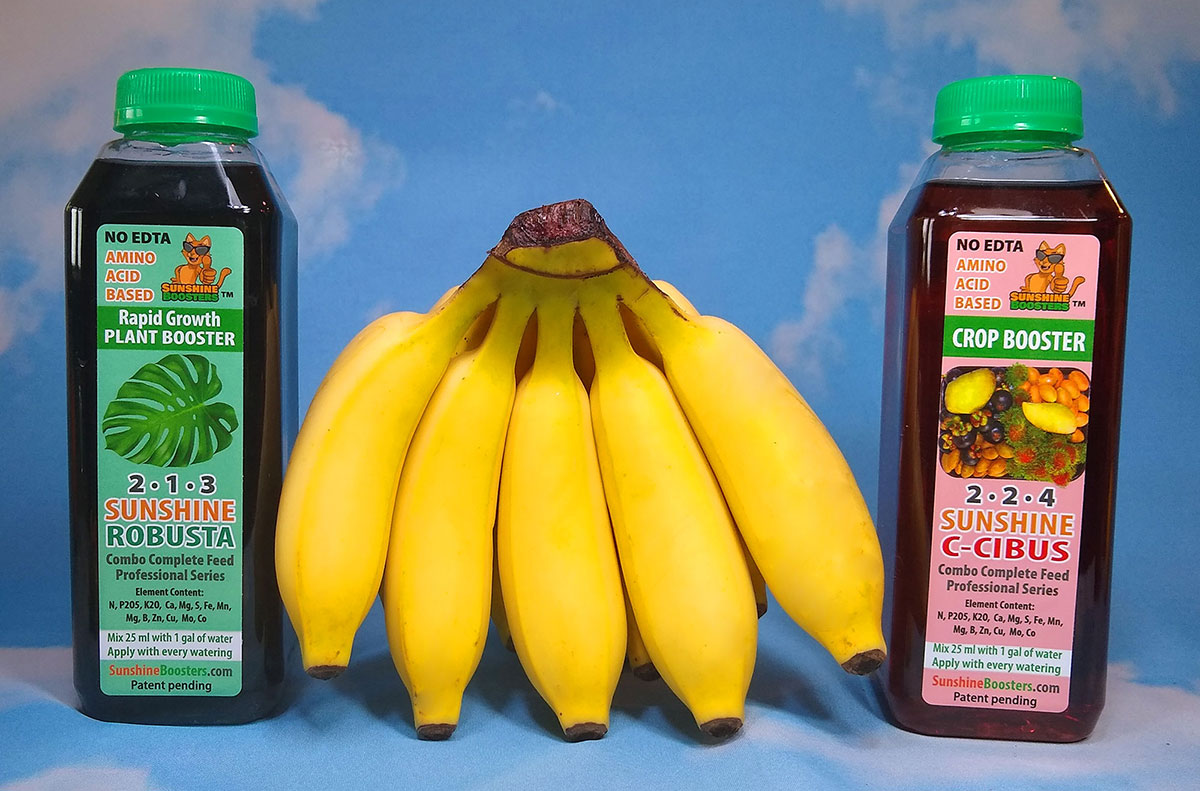
In the photo above: Sunshine Boosters are the best fertilizers for ornamental (Sunshine Robusta) and edible bananas (Sunshine C-Cibus
Date: 10 Nov 2025
❄️ How to Prepare Your Tropical Garden for Winter

Smokey and Sunshine Wrap Up the Garden with Frost Cloth Before the Chill.
Smokey: "Thermometer says 45. Time to wrap the bananas!"
Sunshine: "You wrap the bananas. I’ll guard the mulch… from this
sunny spot."
Smokey: "Teamwork, Sunshine. Teamwork."
🌡️ Cold nights are coming - but your tropicals do not need to shiver!
Even in sunny Florida and other warm zones, one cold snap can undo months of growth. Preparation is everything. Tropical plants can handle a lot, but they dislike surprises. Let’s make sure your garden stays safe, strong, and happy all winter long.
Tips from Tatiana Anderson, Top Tropicals Plant Expert
👉 Group and Check Your Plants
You already know which plants are in pots and which are in the ground. What matters now is prioritizing by cold sensitivity. Identify the tender tropicals – papaya, banana, plumeria, adenium, heliconia – and decide which ones get covered first when temperatures drop. Keep frost cloths or old sheets near those areas, ready to grab fast. If your garden is large, label protection zones or mark plants that always need extra care. The goal is to have a plan, not a panic, when the cold alert hits.
Once you know your priorities, you can plan the rest of your protection strategy.
👉 Feed and Mulch
Stop using high-nitrogen fertilizers by late fall. They push soft new growth that freezes easily. Add compost around the base of your plants and top with 3 to 4 inches of mulch. Mulch acts like a blanket: it keeps warmth in, protects the roots, and keeps soil moisture steady. Just make sure the soil drains well; cold and soggy soil leads to root rot. In raised beds, check that water flows away easily.
After you feed and mulch, it is time to look at how your local zone changes the game.
👉 Zone-by-Zone Tips
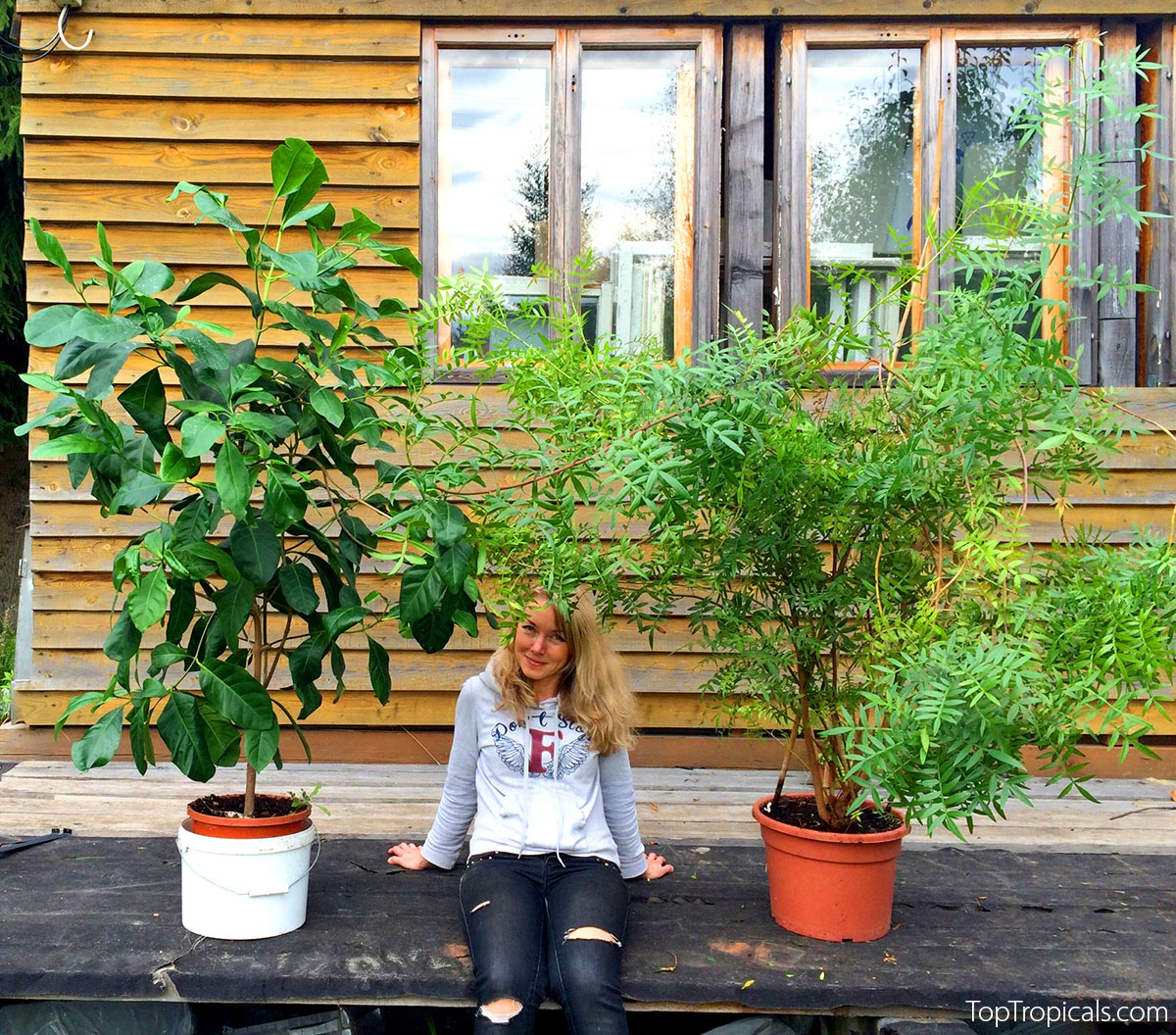
Moving Tropical Plants Indoors for Winter Protection
- Zone 10: You are lucky! This is mostly a maintenance season. Watch for root rot after heavy rain, trim lightly if needed, and protect tender young trees during surprise chills. Keep some frost cloth ready just in case.
- Zone 9: This is the main action zone. Nights can dip into the 30s. Deep-water your trees once before cold nights to insulate the roots. Apply heavy mulch, and have frost protection ready to go. If you grow tropical fruit like mango or guava, consider wrapping young trunks in burlap or foam pipe insulation.
- Zone 8: This is where tropical gardening becomes creative. Stick to cold-hardy tropicals such as loquat, guava, or cold-hardy avocado varieties. Use portable greenhouses, wrap trunks, and move smaller plants indoors or to a heated porch when frost threatens.
Now that the garden beds are set, let’s look at your pots and containers – your most mobile plants.
👉 Container and Patio Plants
Potted plants are the easiest to protect but also the quickest to freeze. Start reducing watering now so roots do not stay too wet in cooler weather. Before moving them, check for insects hiding under leaves or in the soil. Group your pots close to a wall for reflected heat and wind protection. If you plan to bring them indoors, do it gradually. Move them closer to the house for a few days before bringing them all the way inside to help them adjust to lower light and humidity.
When the chill starts, many gardeners rush to move everything inside at once – but a smooth transition works much better.
👉 Indoor Plants
When bringing plants inside, give them a good rinse to remove dust and bugs, and flush the soil to wash out salts from summer fertilizing. Keep them separate from your houseplants for a week to make sure no pests come along. Expect some leaf drop – it is normal as they adjust to lower light. Give them bright light near a window, and cut watering by about half until spring. Avoid misting too much; good airflow matters more than humidity during winter.
Many tropicals, like hibiscus, brugmansia, and crotons, may look tired for a while, but they will bounce back quickly once days get longer.
👉 Timing Is Everything
The key is to prepare before the first cold warning. Check your weather app regularly once nights start dropping into the 50s. Keep covers, mulch, and supplies ready so you are not running outside at midnight with a flashlight and a frozen hose. Have your frost cloths labeled by plant group and stored in an easy spot. A little organization now saves a lot of stress later.
Many tropicals, like hibiscus, brugmansia, and crotons, may look tired for a while, but they will bounce back quickly once days get longer.
Remember: the goal is to help your plants rest safely. Many gardeners prune or fertilize too late in the season – we will talk about why that can be risky next week."— says Tatiana Anderson, Top Tropicals Plant Expert
Coming next mail-list: The best gadgets for cold protection (lights, heaters, frost covers) and what NOT to do in winter.
📚 Learn more from Top Tropicals Blog:
Cold protection - winter action for your plant collection
What plants are good to order in Winter?
How to take care of house plants in Winter
How to protect tropical plants in Winter
How to take care of a mango tree in winter
Date: 21 Nov 2025
How to keep your house plants beautiful all year by feeding them right
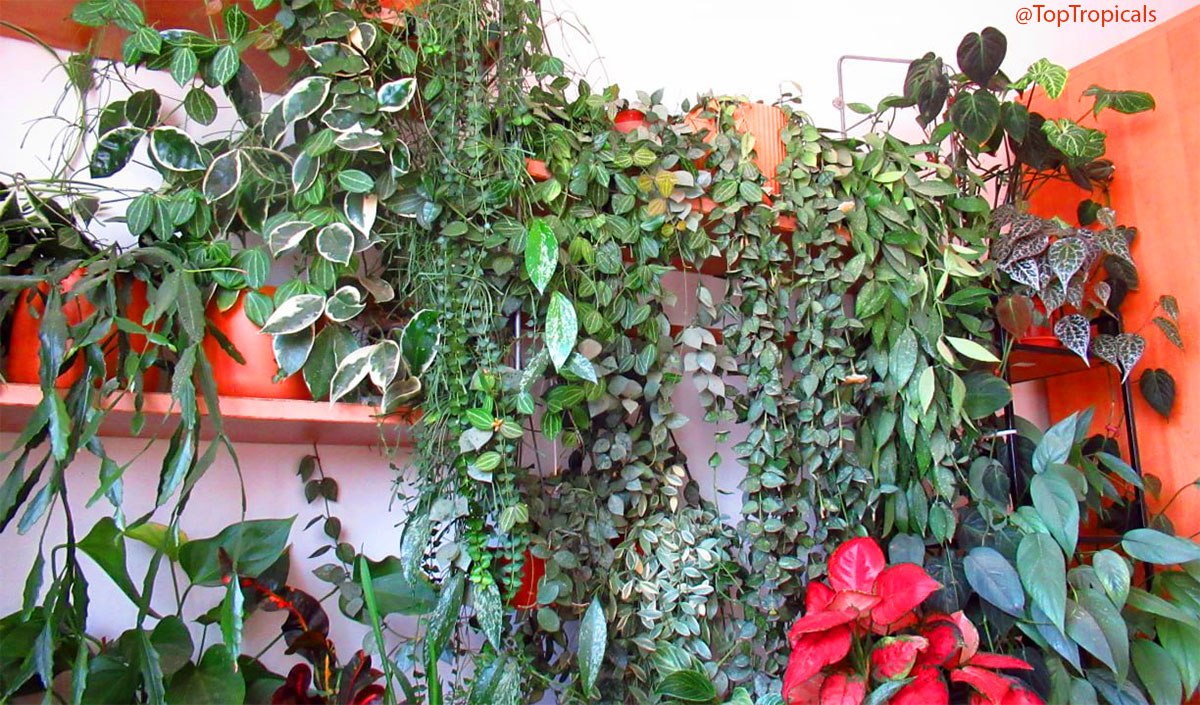
Indoor garden
🍀 How to keep your house plants beautiful all year by feeding them right
- 🌱 Healthy house plants are not just about light and water. They need food, just like we do. A good fertilizer routine keeps them green, strong, and blooming through every season. Here is a simple guide to feeding indoor plants the right way.
🌱 General rules for fertilizing house plants
- ▪️Feed lightly but regularly. Indoor plants grow in limited soil, so nutrients run out faster. Small, frequent feedings work better than one heavy dose.
- ▪️Never fertilize dry soil. Water first, then feed.
- ▪️Reduce feeding in winter when growth slows.
- ▪️Watch your leaves. Pale, yellow, or slow-growing plants are asking for nutrients.
- ▪️Use a complete formula. House plants need both macro-elements (N-P-K) and micro-elements, not just nitrogen.
🌱 What fertilizer to use
Sunshine Boosters - the everyday diet.
Sunshine Boosters are simple, balanced liquid fertilizers you mix with water. They give your plants everything they need for steady, healthy growth. They contain the right blend of nitrogen, phosphorus, potassium, and trace minerals. They do not contain harsh chemicals, so they are safe for homes with pets and kids. Regular use keeps plants growing faster, stronger, and more resilient to stress.
Sunshine Superfood - the vitamin supplement.
If a plant turns yellow or looks weak, it often needs micronutrients. These are the plant version of vitamins, including iron, zinc, copper, and manganese. Sunshine Superfood delivers these quickly and in the right proportions. Mix it with water and apply when you notice yellowing or slow growth. It corrects deficiencies fast and keeps leaves lush and green.
Green Magic - the long-term slow feeder.
Green Magic is a controlled-release fertilizer that works for six months. It uses poly-on coating technology to release nutrients slowly, without burning roots. It is perfect for repotting or for plant owners who want a set-it-and-forget-it option. Mix one teaspoon per gallon of soil during repotting or every six months. Excellent for container fruit trees and ornamentals that need steady feeding.
🌱 The simple routine
- ▪️For regular watering: use Sunshine Boosters.
- ▪️Once a month: add Sunshine Superfood to prevent yellowing.
- ▪️Every six months: mix Green Magic into the soil for long-term support.
With the right diet, your house plants stay green, strong, and beautiful year-round. Feed them well, and they reward you every day.
📸 In the photo: Indoor garden of Marina Rybka, Israel, the Editor of TopTropicals.
🛒 Get your plants some food
📚 Learn more:
- Why do you need Sunshine Boosters?
- Which dry fertilizer to use - slow release or controlled release?
- Green Magic effect: before and after
- The SECRET growers never tell you: simple trick how to bring plants back to life and keep green
📱 What are Sunshine Boosters
#Fertilizers #How_to
🟢 Join 👉 TopTropicals