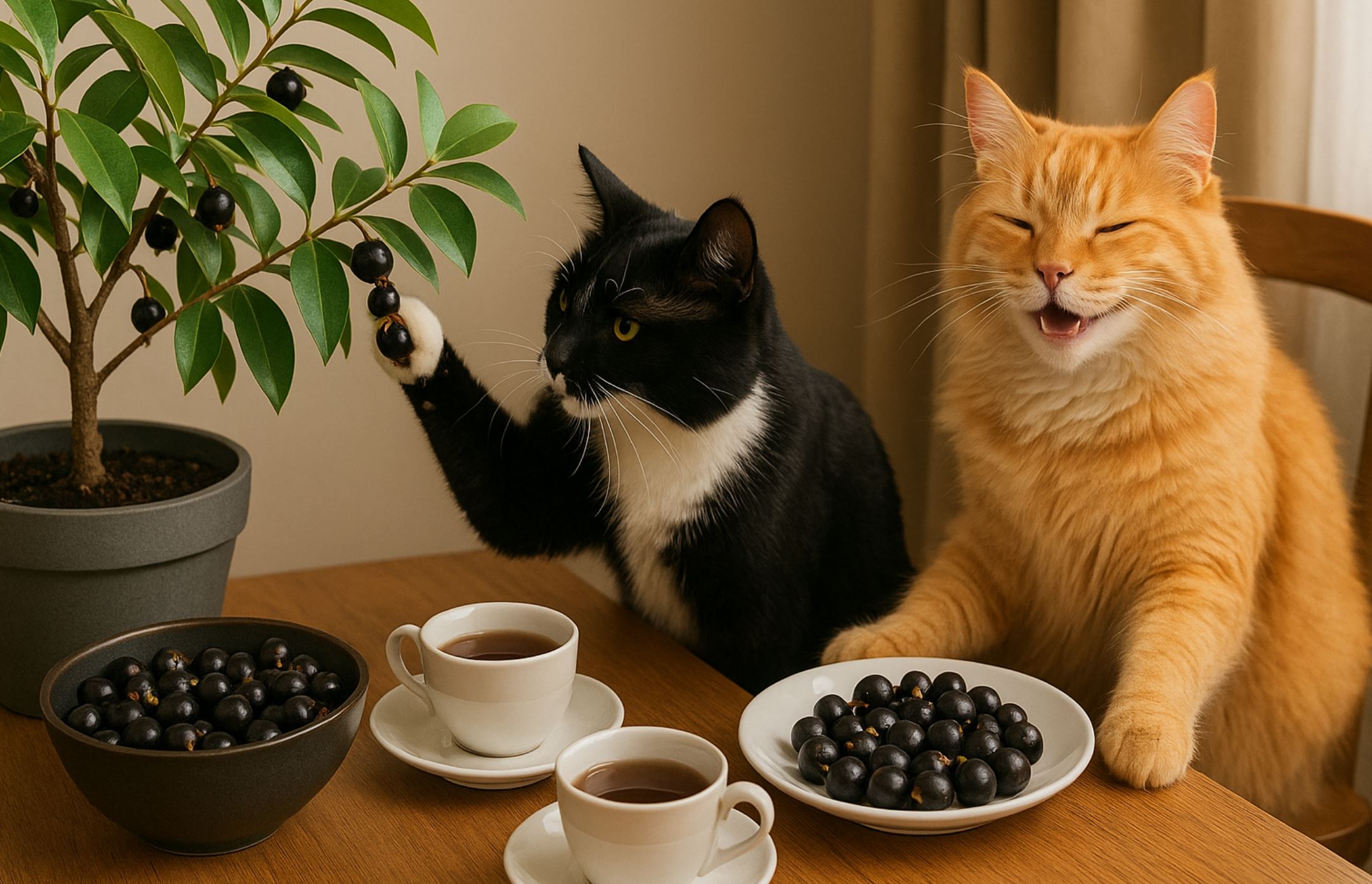
Eugenias have earned a spot in many Southern gardens because they’re
easy, dependable, and surprisingly versatile. These small trees and shrubs
grow well in the ground or in containers, and they don’t waste time
before setting fruit.
15% Off
Eugenias – Limited Time
Use code EUGENIA15 at checkout.
Excluding S/H. Offer expires 08/28/2025
👍 Popular
Choices:
What Makes Eugenia Cherries
Stand Out
Start producing fruit in just a couple of years
Compact size — easy to keep 6–12 ft tall, smaller in
pots
Low-care — tolerant of most soils and resistant to common
pests
Strong in hot weather, yet can handle a light frost down to the mid-20s
°F
Plenty of fruit for people and birds alike
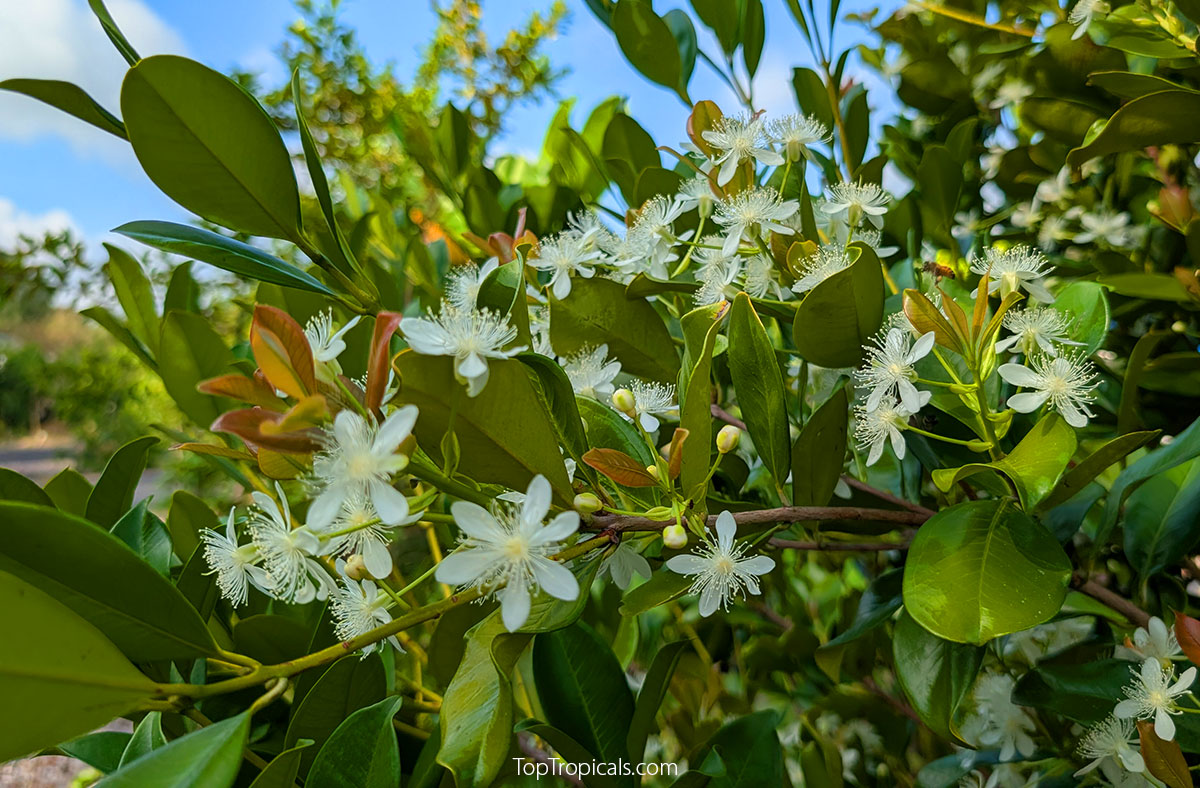
Grumichama Tree in Bloom – Eugenia brasiliensis
Growing & Care
Outdoors
Best in USDA Zones 9–11
Sun or partial shade; more sun usually means sweeter fruit
Plant in well-drained soil; avoid heavy, wet spots
Withstands summer heat and humidity, and can take a light freeze
Container / Indoor
Do well in 5–10 gallon pots on patios or balconies
Need bright light indoors — a sunny window or grow lights
Can flower and fruit in containers if kept warm and well lit
In cooler zones, bring plants indoors for winter and back out in
spring
General Care
Water: Keep soil evenly moist; drought-tolerant once established but
best yields with regular watering
Soil: Use good potting mix - LINK TO SOIL
Fertilizer: Balanced slow-release LINKL TO FERTILIZER Sunshine
Boosters
Pruning: Light trimming keeps plants bushy and productive
Pollination: Self-fertile; one plant will fruit on its own
How to tell the difference between Jasmine Sambac Varieties
Jasminum Sambac varieties
⏳ How to tell the difference between Jasmine Sambac Varieties
💮 Jasminum Sambac is hands down the most fragrant jasmine in existence - and the most popular among tropical gardeners and plant collectors.
💮 Native to India, it's the source of jasmine perfume oil and the signature ingredient in jasmine tea.
💮 This plant comes in several varieties, each with unique flower size, shape, and growth habit - ranging from compact shrubs to vigorous bushes and climbing vines. It takes both sun and shade and makes a perfect container plant and indoor plant favorite.
💮 All varieties of Sambac are equally fragrant. To get more flowers, just use Sunshine Pikake plant booster and enjoy the perfume all day long!
💮 At Top Tropicals, we grow every known variety of Jasminum sambac in cultivation:
Arabian Nights - compact slow growing shrub with small delicate flowers
Belle of India - compact vine with long elegant petals, shade lover
💮 What is your favorite variety of Jasmine Sambac?
💮 Jasminum Sambac is hands-down the queen of fragrant flowers. The scent is heavenly - so much so that it's the key to jasmine perfume and the secret behind authentic jasmine tea.
💮 Jasmine sambac comes in all shapes and sizes - from neat little shrubs to big, vigorous bushes and even climbing vines. Every variety shows off a different flower form. It’s happy in sun or shade, perfect for pots, and loved as an indoor plant.
💮 At TopTropicals we love them all, but these three are our favorites:
- Belle of India - with elegant long petals
- Arabian Nights - vigorous yet compact, always covered in blooms
- Little Duke - same big carnation-like flowers as Grand Duke, but in a smaller, tidy package
👉 At Top Tropicals, we grow every known variety of Jasminum sambac in cultivation:
❓ Which one would you choose for your garden?
✔️ Arabian Nights - compact slow growing shrub with small delicate flowers ✔️ Belle of India - compact vine with long elegant petals, shade lover ✔️ Grand Duke of Tuscany - the most popular, vigorous bush with carnation-like flowers ✔️ Grand Duke Supreme - bigger, more vigorous version of Grand Duke with larger flowers ✔️ Gundu Malli - new hybrid between Arabian Nights and Grand Duke ✔️ Little Duke - more compact version of the Grand Duke ✔️ Maid of Orleans - vigorous full sun climber, great for hedges and fences ✔️ Mali Chat - very delicate, rare variety, with miniature 3-tier flowers, not easy to establish, shade lover ✔️ Mysore Mulli - vigorous vining shrub for sunny or semi-shade locations
👉 To get more flowers, just use Sunshine Pikake plant booster and enjoy the perfume all day long!
Q: A horrible hailstorm hit last night, damaging
the majority of plants and trees on my property (piles of hail left like snow
- crazy!). Do you have any advice on how to give plants some extra TLC while
they recover? Any tips are appreciated.
A: Spring is here and in some areas of the
country, so is severe weather season. So what can you do to give your plants a
fighting chance when Mother Nature shows her ugly side? Here in Florida, spring
and summer thunderstorms are a normal occurance. Unfortunately, those storms
often come with small tornados, high winds and sometimes hail.
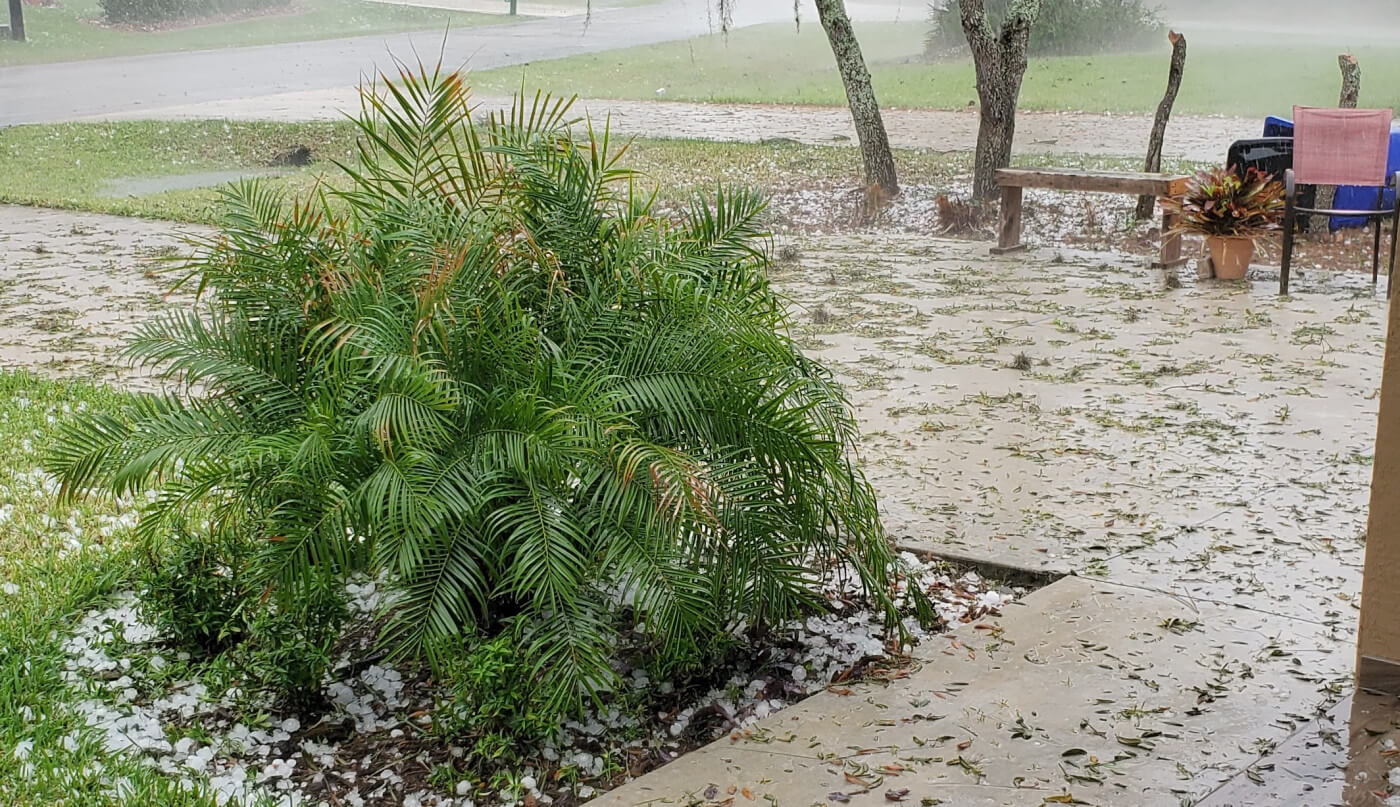
The photo below was from a hail storm that came through the north side
of Sebring, Florida in April of 2022.
So the question remains. What can we do to help our plants when this
type of weather strikes? Well the short answer is that there is not much we can
do to prevent it from happening. These storms usually strike pretty quickly
and most of us, given some warning, will chose to make sure vehicles are in
the garage if possible and that loose items in the yard are brought in to a
safe place. If you have time to move potted plants, that would be great, but it
is not worth risking your own safety to do so.
The good news is that most plants will recover on their own. Even though they may look ugly for a
while, patience is the best cure for most of them. Of course, the healthier
the plant, the better chance it will have when it suffers damage due to severe
weather. A good fertilizer plan along with regular doses of micronutrients
will help your plants to be at their best so that they can recover quickly.
And here is what you can do... CONTINUE READING >>


 Growing & Care