Date: 22 Aug 2021
How to fertilize herbs and vegetables
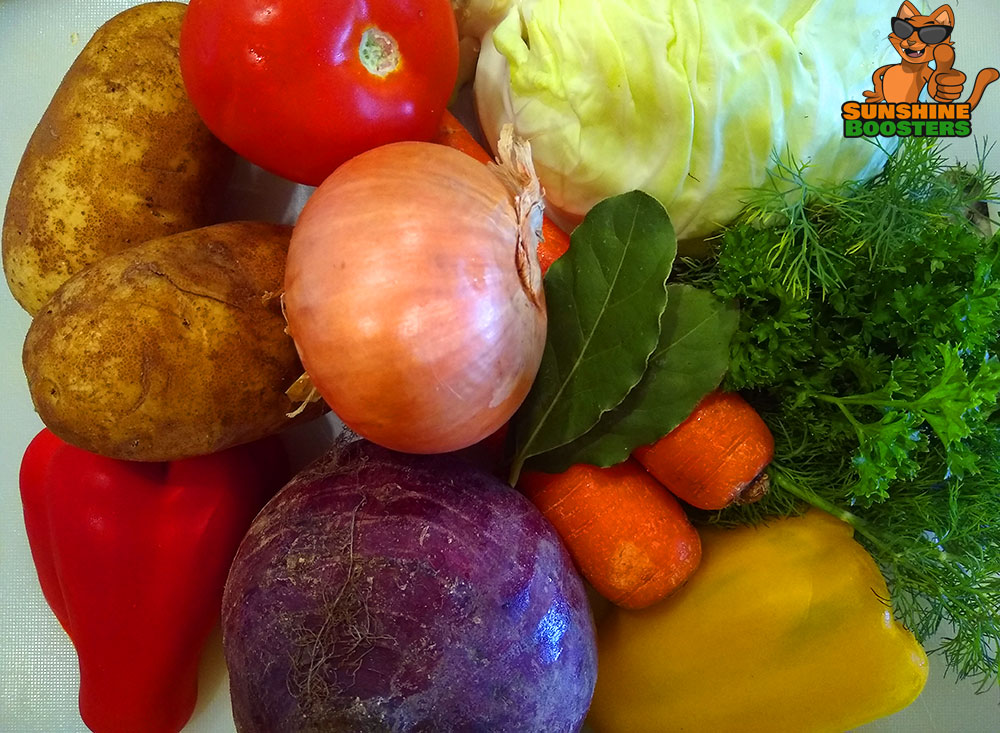
Q: We moved to Florida from New York earlier this year. My wife and I used to grow many fresh veggies and herbs in our garden up North during Summer, but it seems like in hot Florida the season for them is not until Fall. So we are preparing the beds and also looking for some organic fertilizer solutions. We've heard a lot about your natural Boosters and wonder if they can be used in our vegetable garden?
A: You came to the right place for organic fertilizer solution.
Sunshine Boosters are based on organic amino-acids and are completely natural,
non-toxic, eco-friendly, and do not build up nutrients in the soil. Their
mild formulas designed specifically for edibles.
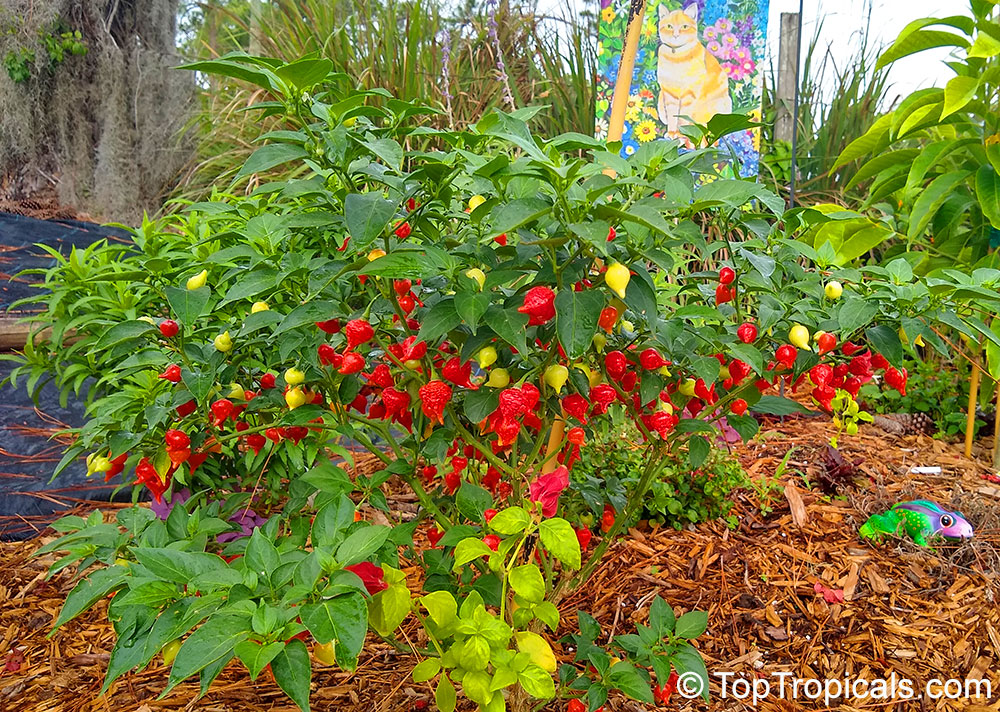
We just have started our own vegetable garden with some Biquinho and Wiri Wiri peppers, cherry tomatoes, and basil, and will be adding more
as the the weather cools down.
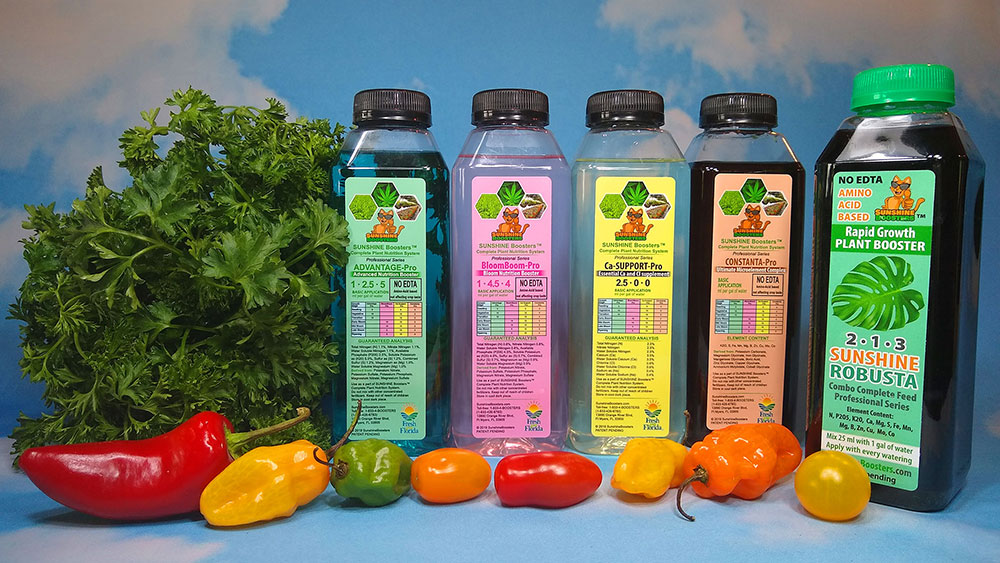
For small scale gardens (both vegetables and herbs), you can start with Sunshine Robusta - a total feed "all on one". All necessary elements are provided in just one bottle, both macro- and micro-elements, it is a scientifically balanced formula. For larger gardens, especially if you have fertilizer injector system, we recommend
Sunshine Boosters Pro Series - this product is much more economical, and
you will need to mix only 3 solutions into your watering tank at the time of
watering.
For more information, please contact our Booster guy Ed Jones, he can help you with selection and dosage information. Sample Discount program
is available for samples of Sunshine Pro.

Date: 26 May 2021
Jasmine for a fence
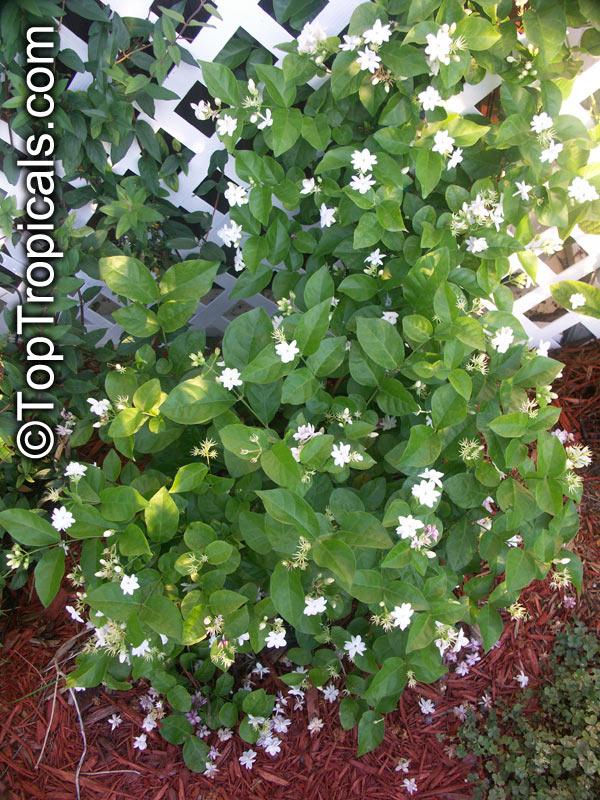
In the photo: Jasmine Maid of Orleans
Q:We are looking for a jasmine variety without thorns that we can grow on a wire fence...
A: All true jasmines (Jasminum spp.) are thornless. So you are safe to get anyone you like. The most vigorous, fast growing jasmines that grow into a vine, are:
Jasminum dichotomum
Jasminum pubescens
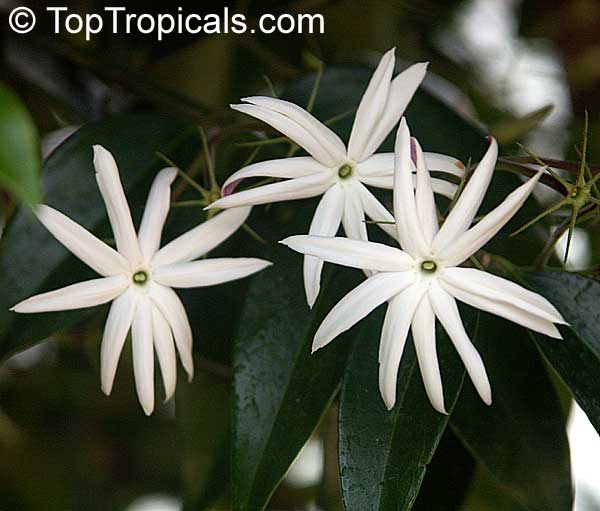
Jasminum nitidum
Jasminum officinale
Jasminum sambac Maid of Orleans - the
most fragrant!
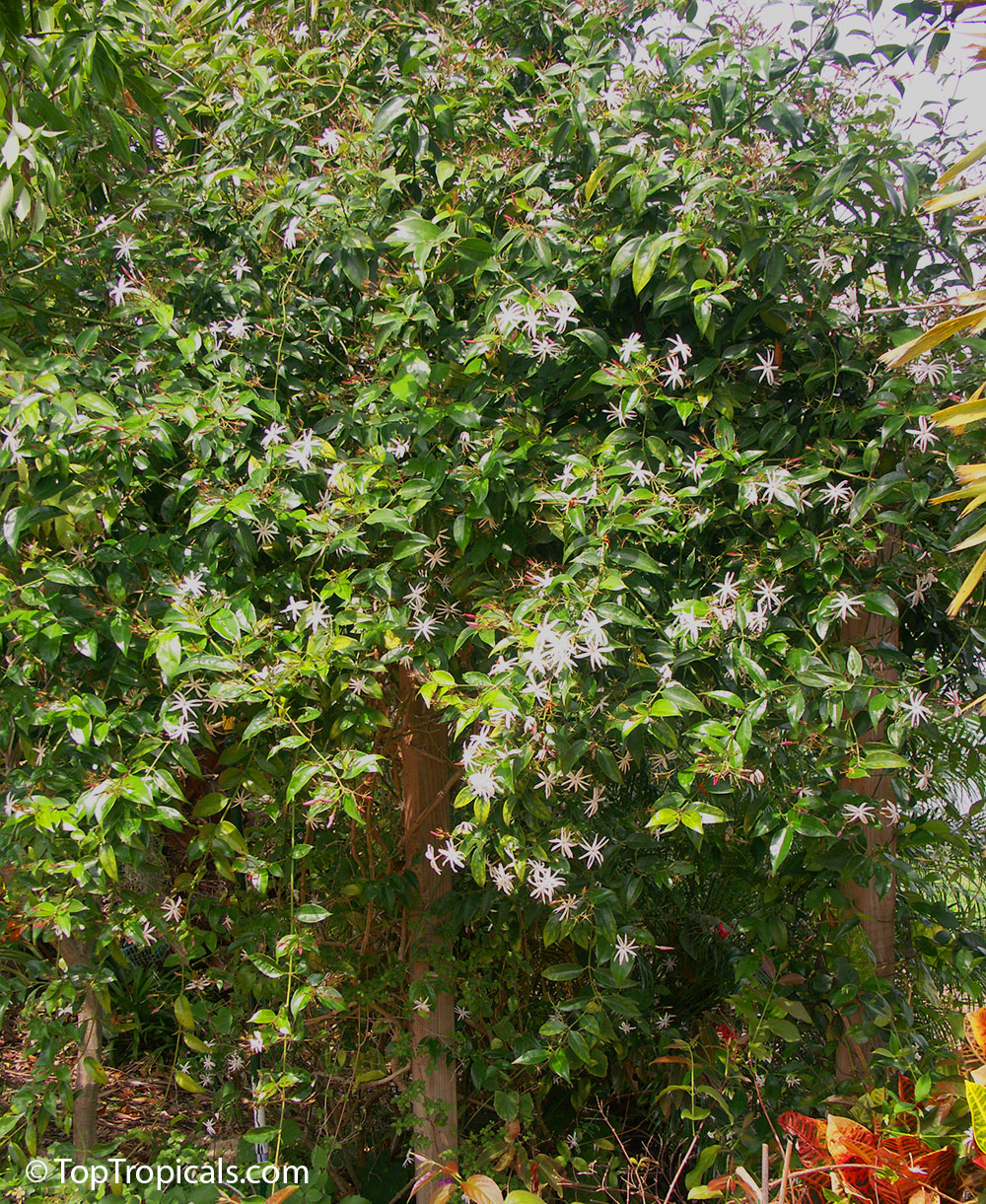
In the photos: Jasminum nitidum (Star Jasmine)
Date: 5 May 2021
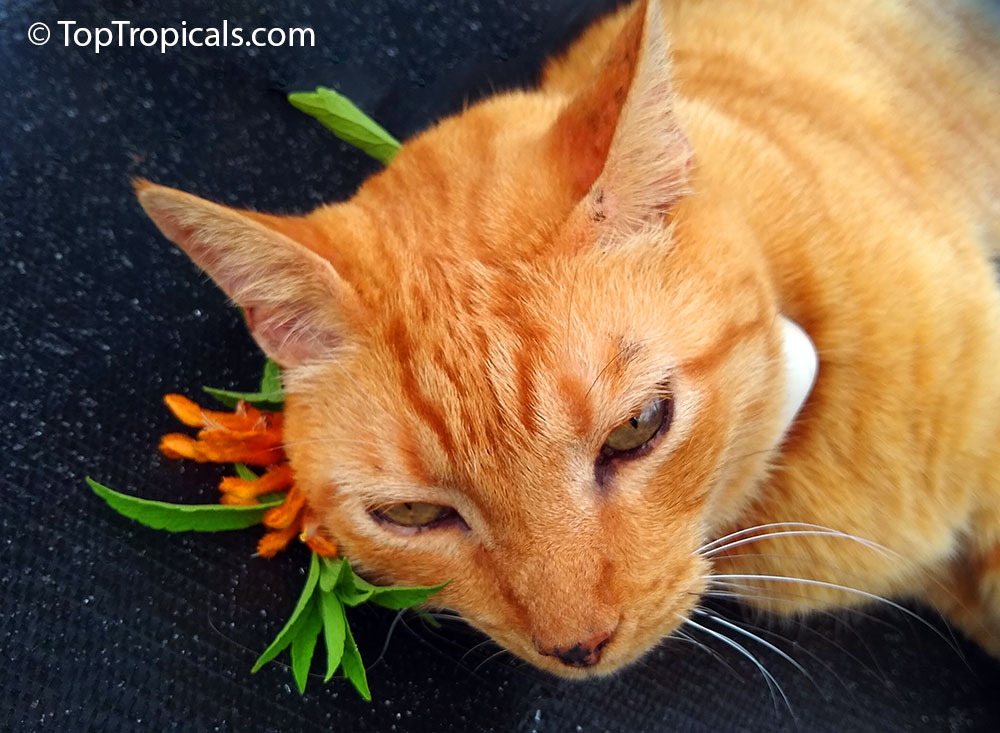
Leonotis leonurus:
Lion cub's tails looking out of a tall grass...
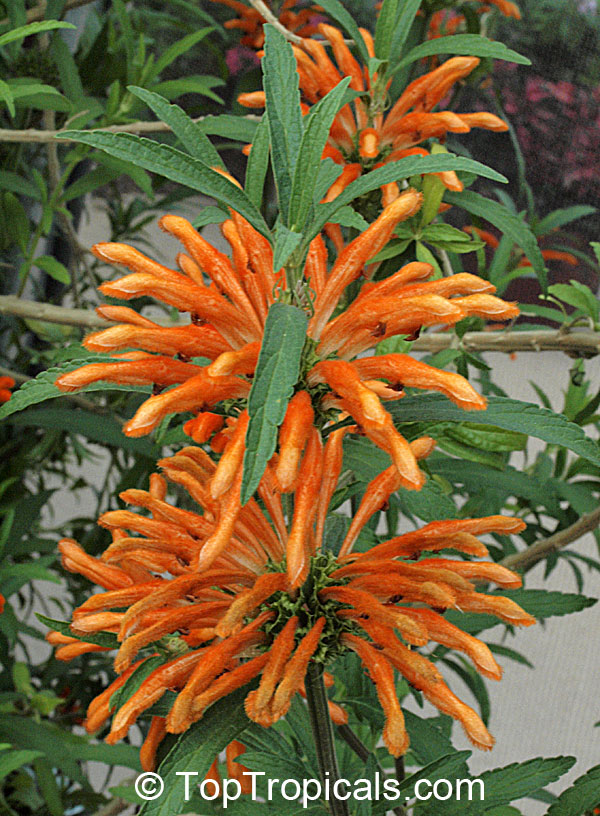
by Alex Butova, the Witch of Herbs and Cats
...When you drive along the savannah and veld of South Africa, you can
see a groups of lion's cubs running among the tall savannah grass. Their ears
look out of the grass as bright cheerful spots. The tips of their tails swing
by the wind with the grass where the cubs hide. Why so many Lion's cubs?
What a surprise! However, these are not the cubs of the King of Animals, these
are the tips of pretty flowers endemic to this region...
...A curious thing, the plant continues growing through the flower! This
creates a multi-level appearance...
...Leonotis has a long history of medicinal use by traditional African
tribes... This plant has a history of being used for its psychoactive properties
which have been compared to a mild version of the Cannabis plant... Modern
herbal medicine mainly uses this plant for a calming tea infusion...
CONTINUE READING >>
Date: 24 Nov 2020

Healthy Plants: Q&A from Mr Booster
How not to kill gardenias?
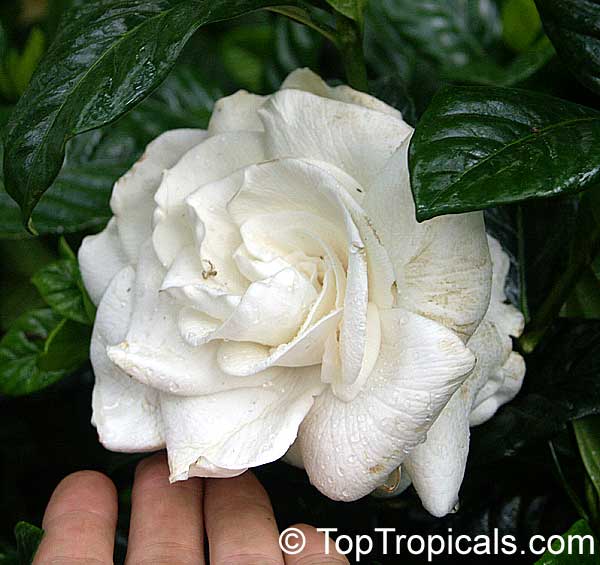
Q: I have tried to grow gardenia in pots for years and never keep them alive. When i look on camellia websites they say fertilize potted plants twice a year. I'm confused as I tend to kill them with kindness haha. Also, if our tap water has high cal/mag and that stops the gardenia getting other nutrients why would I make up the feed with tap water? So confusing and online is mixed messages...
A: Gardenias are not the easiest plants to grow, however, they are easier in pots than in the ground: they prefer acidic soils, and in many areas soils are alkaline. The most important factor is balanced and sufficient nutrients. In the ground, plants have no limits to reach out to different elements by spreading their root system. In a pot, once all the good stuff is consumed, plants start suffering nutrient deficiency. This is why a balanced feeding program is important.
Generally speaking, Cal/Mag in tap water cannot be bad, because they are
essential elements, good for plants (in proper amounts). However, just
Cal/Mag is not enough. This is why you need a balanced liquid fertilizer for plants that prefer acidic soil.
Excessive Cal/Mag alone can create nutrient lock up, especially if they are chelated
with EDTA like in dry fertilizers, which are not fully accessible for
plants.
We recommend natural, Amino-Acid based fertilizers that are completely
consumed by a plant and are safe to use with EVERY watering, even in Winter. They
are scientifically formulated and cover all plant needs.
For your gardenias, you should use SUNSHINE Pikake - Fragrant Flower Booster.
Another important factor is proper watering. Gardenias like regular water
but don't like wet feet = well drained potting mix is a must, similar to Abundance professional growing mix.
Date: 13 Aug 2019
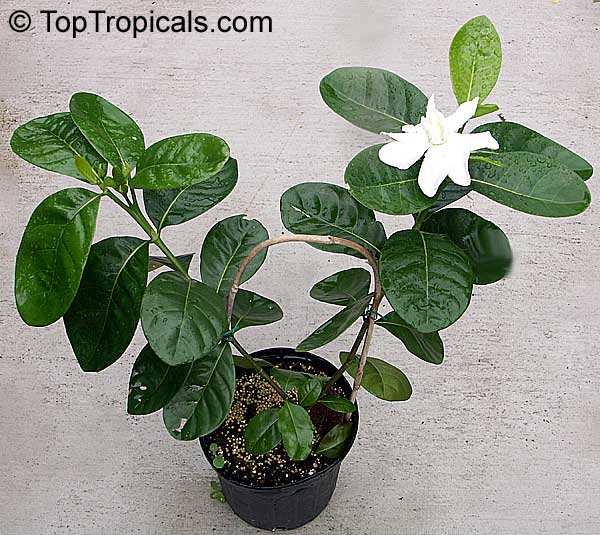
What are the most rare fruit trees?
Q: What is the rarest and unusual plant that you have? I want something special for my tropical fruit tree collection. I already have everything I could possibly get...
A: Are you sure you have everything? Check out our rare plant section, and look at these couple plants we just received... these won't last long, we have only a few!
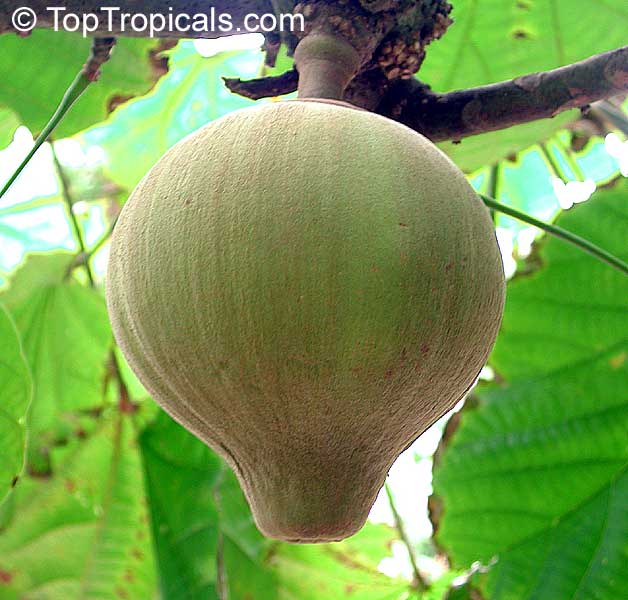
Quararibea cordata - Zapote Chupachupa, South American Sapote (with express shipping)
Chupa-chupa, Zapote, South American Sapote... One of the most amazing and showy tropical fruit trees with huge heart-shaped leaves, heart-shaped fruit, and fast-growing habit. The fruit has a bizarre shape like a large breast with a nipple, and the pulp is very tasty. For best performance, the tree needs full sun, rich soil, plenty of moisture and fertilizer.

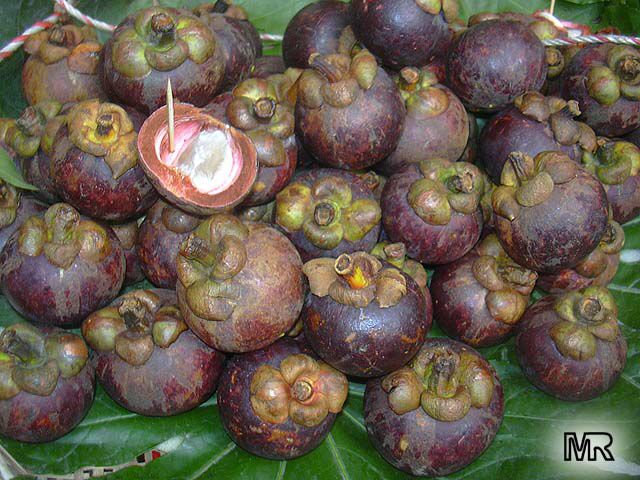
Garcinia mangostana - Mangosteen
Mangosteen... This delicious fruit has a thick, dark-red skin, inside which are creamy-white segments with a sweet, slightly tart flavor. Purported by many who have had the luxury of tasting it as being the best tasting fruit in the world.