Garden Blog - Top Tropicals

Date: 17 Jun 2025

What jasmine has a stronger scent than Sambac?

Jasminum molle, Indian Jui, Jasminum auriculatum

🎆 What jasmine has a stronger scent than Sambac?


⭐️ Once you smell it, you’ll never forget it! If you are looking for a jasmine that truly stands out, Jasminum molle (also known as Indian Jui or Jasminum auriculatum) is one of the best-kept secrets among fragrant plants.

⭐️ An uncommon jasmine with an unforgettable scent, with a rich, gardenia-like perfume that rivals the world-famous Jasmine Sambac, this stunning species deserves a special place in your collection.

⭐️ Extraordinary fragrance: The satin-white flowers release an intense, sweet scent that fills the air - one of the strongest among all jasmines.

⭐️ Multiple growth habits: Naturally bushy and fast-growing, it can be shaped into a dense shrub, grown in containers, or even allowed to climb slightly on a trellis. It also makes a great hedge.

⭐️ Versatile and hardy: Adapts well to full sun or part shade, wet or dry soil. Fairly cold-hardy, it can handle a light frost with no damage.

⭐️ Seasonal blooms: While blooming peaks in summer, flushes of flowers can appear again in fall or even winter, often in clusters that cover the plant.

⭐️ Cultural significance: In India, this jasmine is sacred to the Goddess Devi and widely used in religious ceremonies, garlands, perfumes, and hair adornments.

⭐️ Medicinal uses: Traditional remedies use jasmine oil for hair and skin health, and the roots for treating skin conditions.

⭐️ With small, dark green leaves and powdery white blooms, Jasmine Molle is a top choice for gardeners who love richly fragrant plants. It's easy to grow, low maintenance, and incredibly rewarding. Whether in a pot, a border, or a spiritual garden, this jasmine is more than just a plant - it's an experience.

🛒 Bring sacred fragrance into your garden

📚 Lean more about #Perfume_Plants

#Perfume_Plants #Hedges_with_benefits

🟢 Join 👉 TopTropicals
Date: 24 Jun 2025

The wild fruit with a secret: health benefits of rare Spanish Tamarind - the exotic fruit youve never heard of

The wild fruit with a secret: health benefits of rare Spanish Tamarind - the exotic fruit youve never heard of The wild fruit with a secret: health benefits of rare Spanish Tamarind - the exotic fruit youve never heard of The wild fruit with a secret: health benefits of rare Spanish Tamarind - the exotic fruit youve never heard of The wild fruit with a secret: health benefits of rare Spanish Tamarind - the exotic fruit youve never heard of The wild fruit with a secret: health benefits of rare Spanish Tamarind - the exotic fruit youve never heard of

🍊 The wild fruit with a secret: health benefits of rare Spanish Tamarind - the exotic fruit you've never heard of


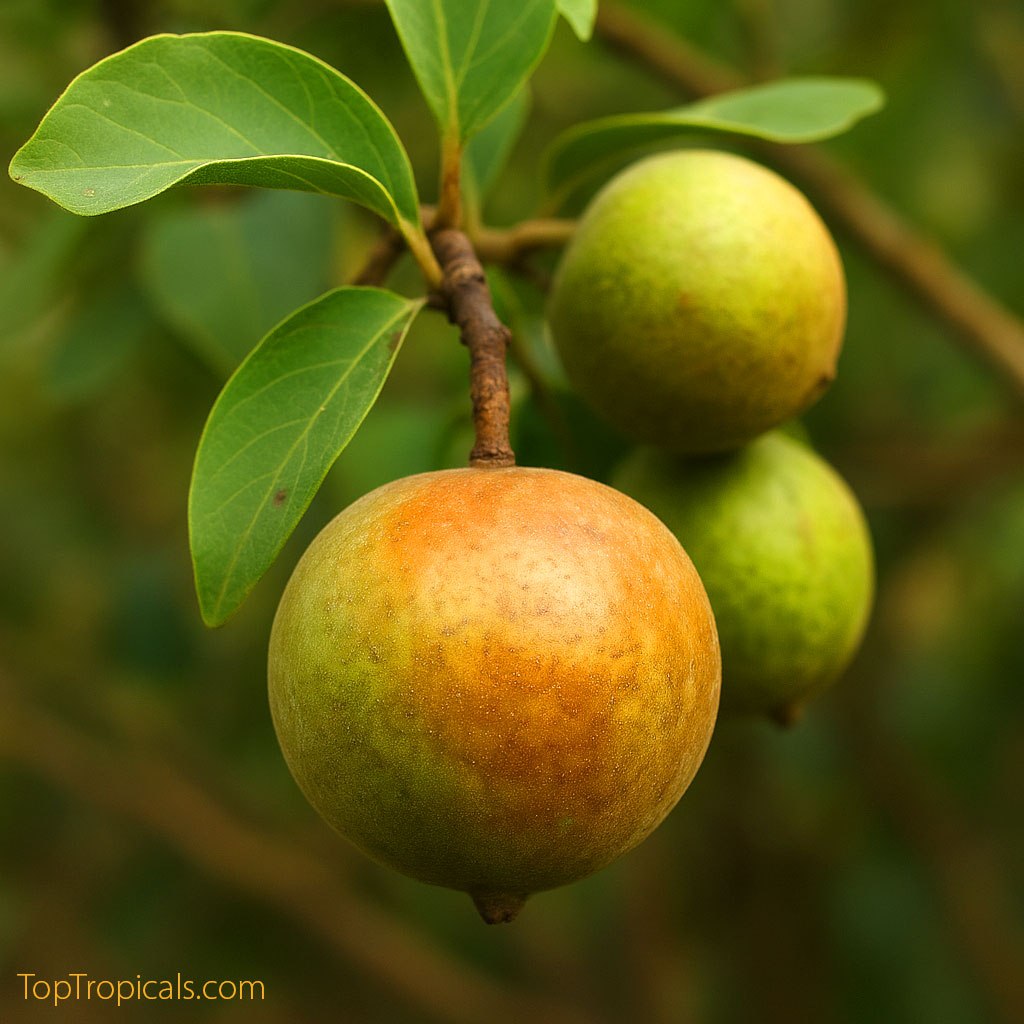
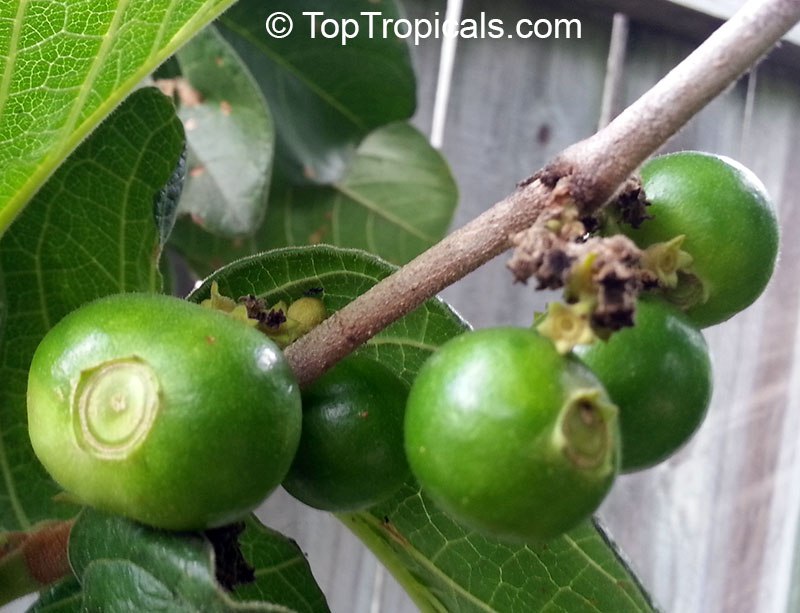
Looking for a new exotic fruit to love? Meet Vangueria infausta - Spanish Tamarind, also called Wild Medlar. Native to Southern Africa, this little-known gem grows on a small tree and produces round, golden-brown fruit with a sweet-tart flavor. You can eat them fresh, dried, or even turn them into a tropical jam or homemade fruit beer!

But it's not just tasty - it's super healthy. The fruit is packed with vitamin C, fiber, and minerals like iron and magnesium. Locals use it as natural medicine: the leaves and bark are brewed into teas for colds, fevers, and stomachaches. The roots are even used for coughs and snakebites.

Secret bonus? Its bark and leaves make natural dyes in yellow, green, and purple!

The Wild Medlar is easy to grow in warm climates (Zones 9-11) and can handle poor soil and dry weather. In cooler zones, just grow it in a pot and bring it in for winter. Give it full sun, some water, and it'll reward you with 20-40 fruits per season.

🛒 Grow your own wild superfruit - Spanish Tamarind

#Food_Forest #Remedies #Discover

🟢 Join 👉 TopTropicals

Date: 22 Aug 2025

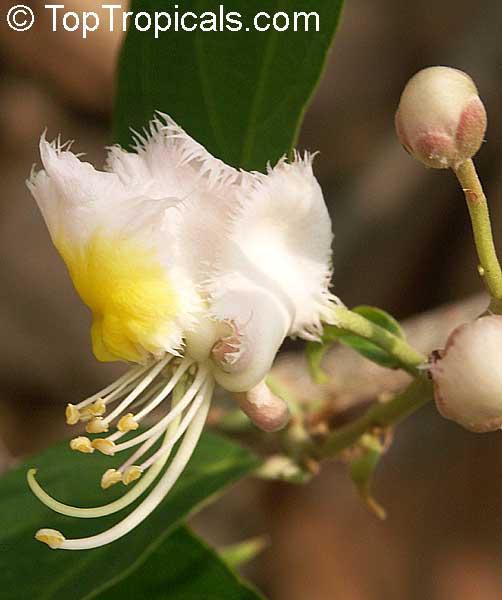
Helicopter flower Madhavi - the Spring Herald that clings to a Mango Tree

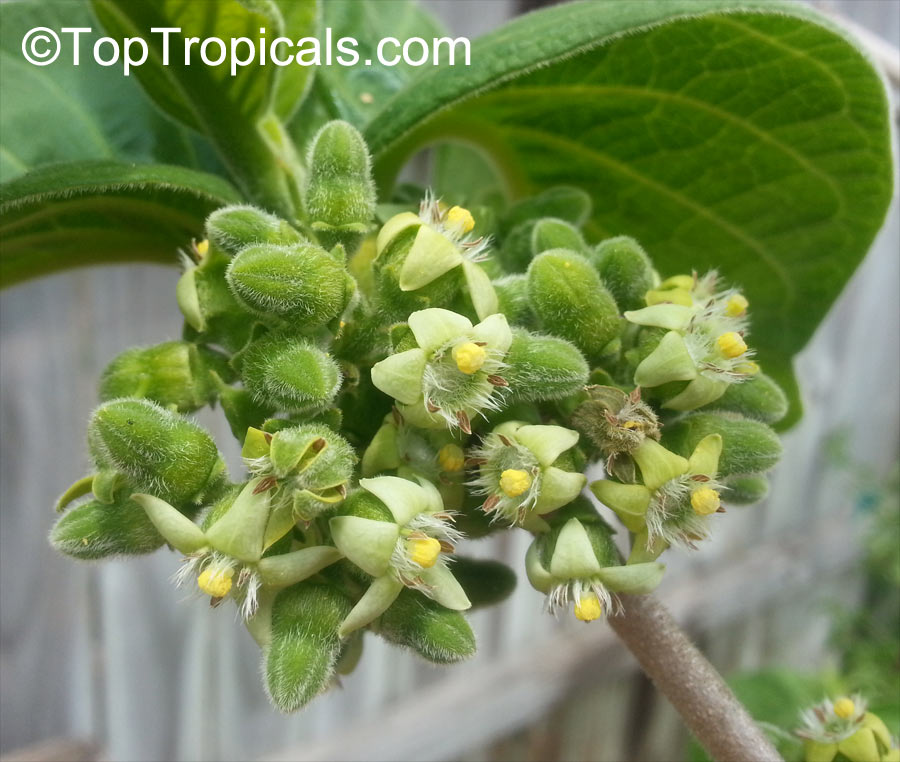
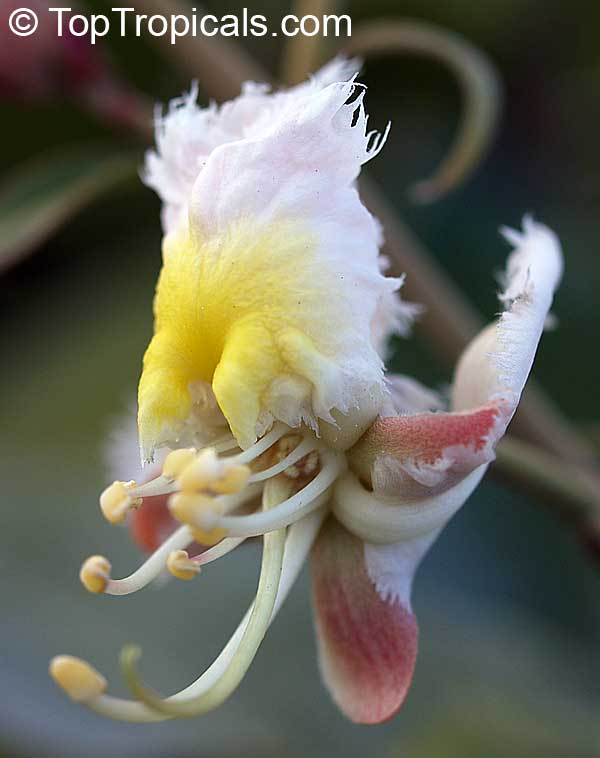
Hiptage benghalensis - Helicopter Flower, Madhavi, Spring Herald, flower close up

Hiptage benghalensis - Helicopter Flower, Madhavi, Spring Herald, flower close up

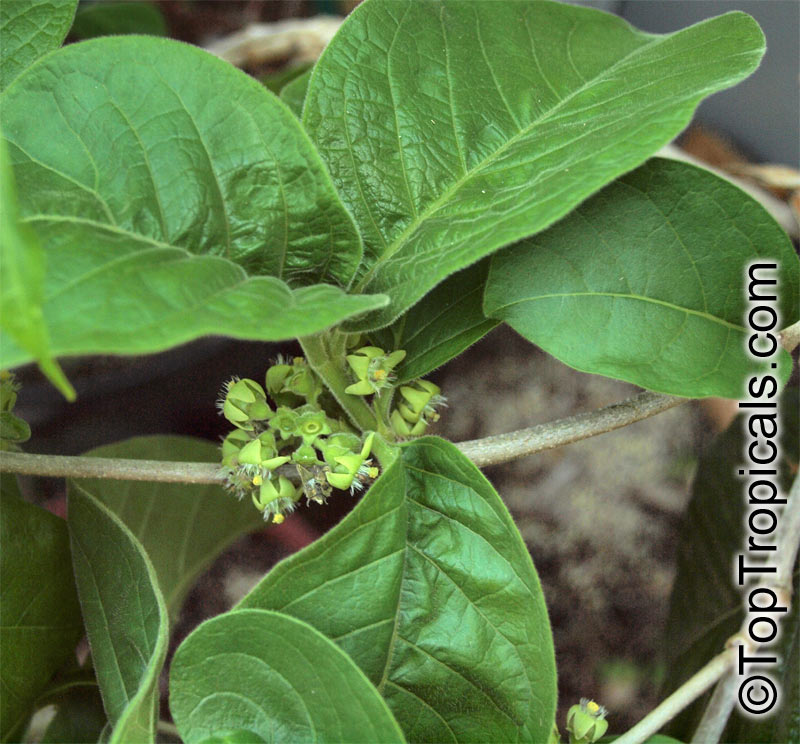
Hiptage benghalensis - Helicopter Flower, Madhavi, Spring Herald, flower

Hiptage benghalensis - Helicopter Flower, Madhavi, Spring Herald, flower

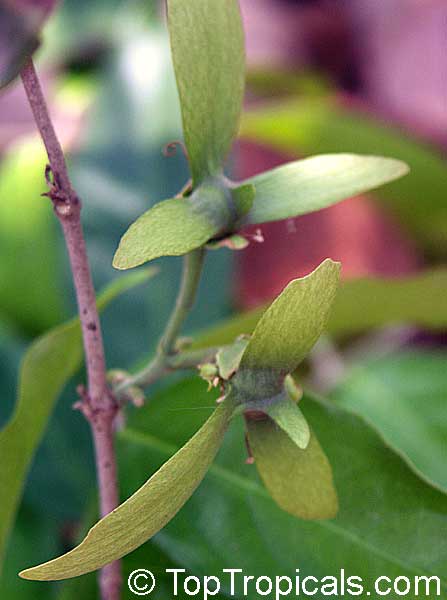
Hiptage benghalensis - Helicopter Flower, Madhavi, Spring Herald, seeds

Hiptage benghalensis - Helicopter Flower, Madhavi, Spring Herald, seeds

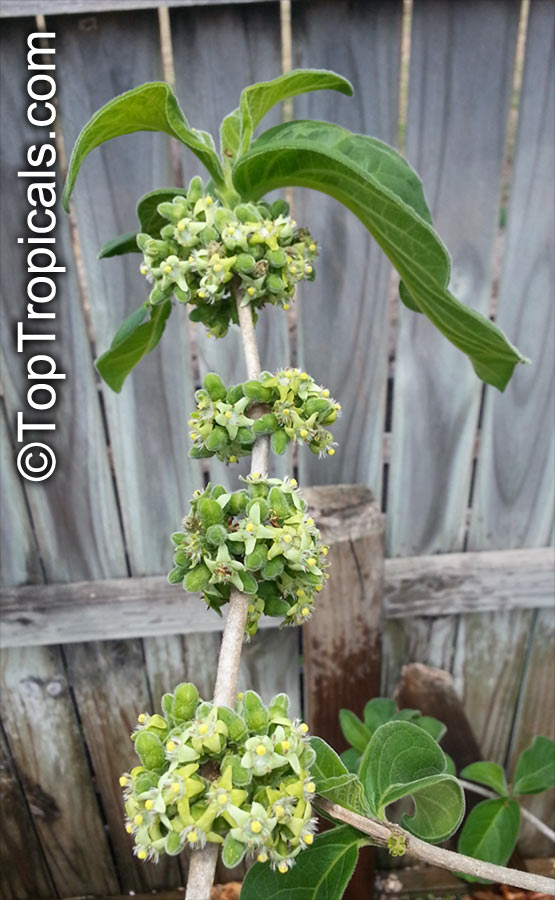
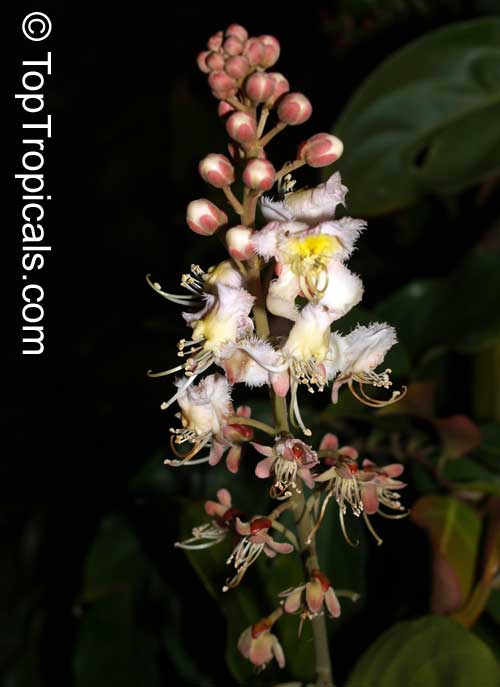
Hiptage benghalensis - Helicopter Flower, Madhavi, Spring Herald, flowers on the bush

Hiptage benghalensis - Helicopter Flower, Madhavi, Spring Herald, flowers on the bush

🚁 Helicopter flower Madhavi - the Spring Herald that clings to a Mango Tree

🍥 Hiptage benghalensis
- Helicopter Flower: during TopTropicals plant trip to Thailand, this was one of the first discoveries that caught our attention. We were suddenly stopped by an incredible, sweet perfume drifting through the air. Following the scent, we found its source - a dense, vigorous vine covered in unusual, eye-catching flowers.

🍥 Helicopter Flower? The name comes from its funny three-winged seed pods that spin like little helicopters. But the real show happens when it blooms. Clusters of pink-white-and-yellow flowers appear in profusion, with frilly petals and a fruity perfume that can stop you in your tracks. Best of all, it flowers in winter and early spring, just when most other plants are quiet, so it fills the air with fragrance at a time you need it most.

🍥 Hiptage is easy-going and adaptable. It can be trimmed as a shrub, trained into a small tree, or let go as a climber, but be ready to give it space and strong support if you let it vine. It's fast-growing, tolerant of different soils, and happy in either sun or part shade. You can even keep it in a container and trim it into a rounded bush. It's pretty cold hardy too - can take some light frost.

🍥 In India, the Helicopter Flower is called Madhavi - the Spring Herald, and often paired with mango trees in stories and gardens - the sturdy mango holding up this vigorous fragrant vine, symbolizing love, devotion, and the union of strength with beauty. Planting the two together makes for a striking, symbolic pair!

🍥 For gardeners, it's the rare combination of beauty, fragrance, adaptability, and a good story to tell. A plant that not only perfumes your garden but also brings a touch of legend to it.

🍥 Used medicinally in India.

🛒 Bring Perfume Spring Herald to your garden

#Perfume_Plants #Hedges_with_benefits

🟢 Join 👉 TopTropicals
Date: 6 Dec 2019

Chestnut vine - perfect plant for home and office

by Onika Amell, tropical plant specialist

Q: I was visiting Ford Myers recently and attended the Edison Ford Winter Estate Garden Festival. I could not help but notice two stunningly beautiful Chestnut vines on your stand at the event. I have never seen this plant anywhere before. I was told they make a great indoor plant. I was also told your company ships to all 50 states. I have been looking for something unusual to grow in my office and this may be just the plant! How do I take care of it indoors?

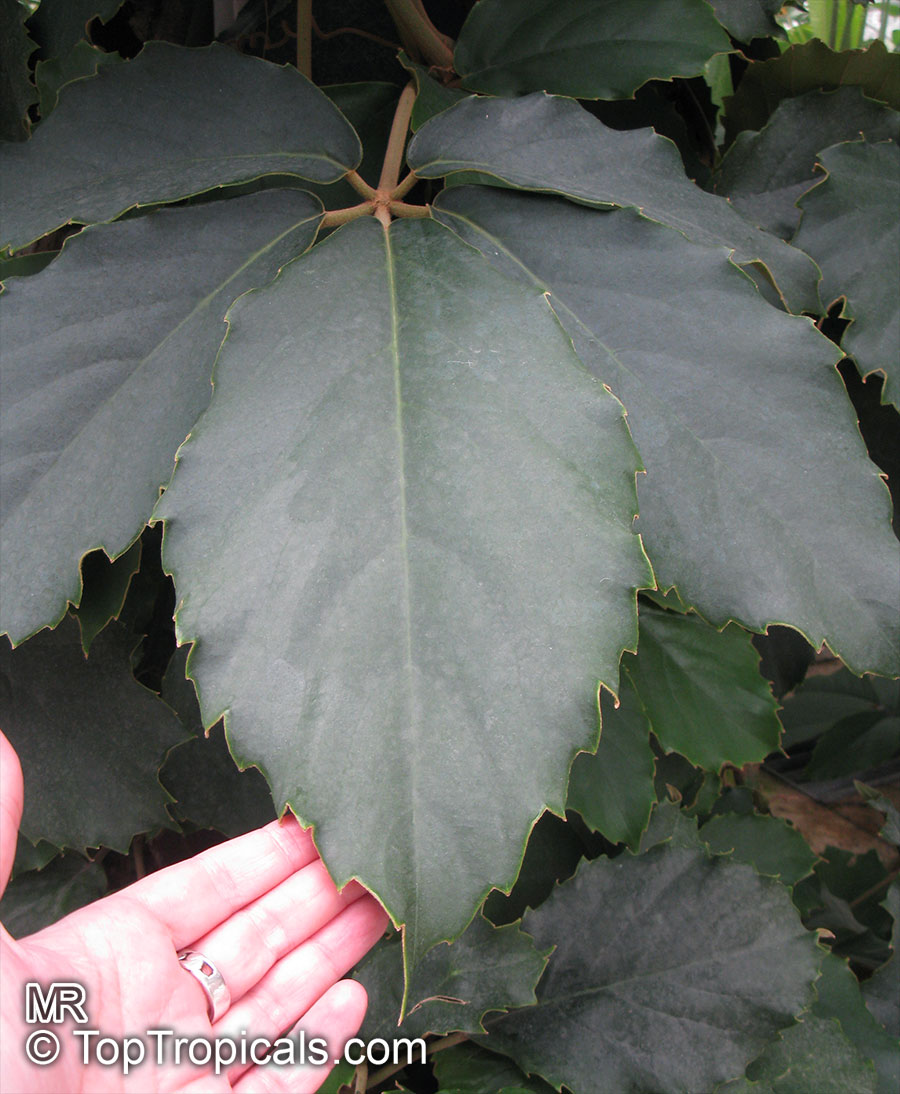
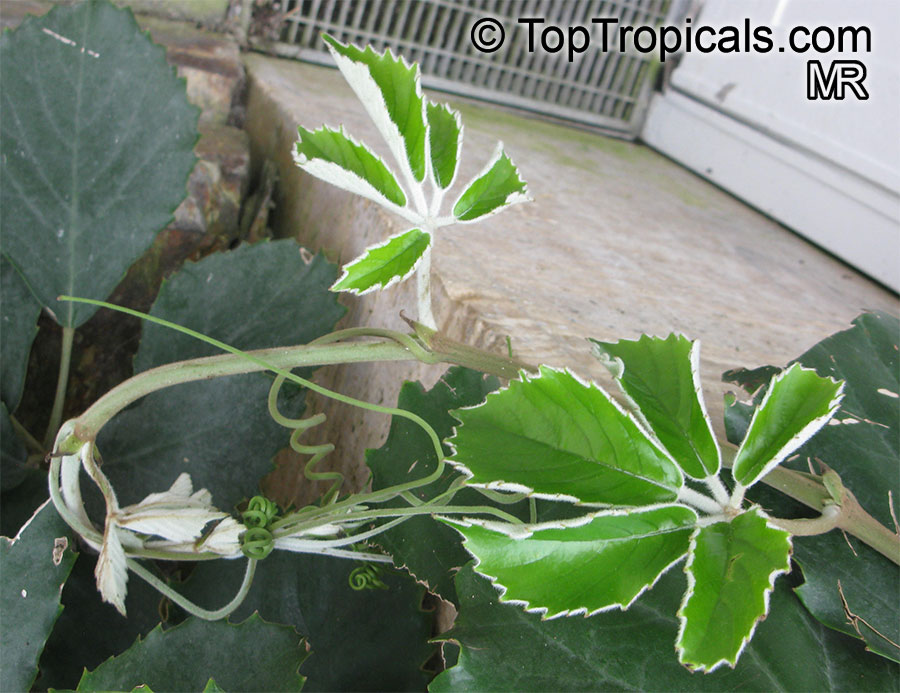
A: If you want to bring a little bit of the tropics into your office, you have chosen the perfect plant. Tetrastigma voinierianum - Chestnut vine - is a long-lived perennial plant that will stay green all year long. It is a native of Laos and a member of the grape (Vitaceae) family. This is a truly striking vine with beautiful lush and large leaves. It is a vigorous climber with 8 inch or longer tendrils for climbing purposes. The underside of the leaves has clear pearl-like bumps, which are actually plant secretions that are used by ant colonies when growing in its wild habitat...

CONTINUE READING >>

Date: 11 Oct 2019

Fun of growing your own Pepper

By Onika Amell, tropical plant specialist

Q: Can you grow your own black pepper plants in the USA?

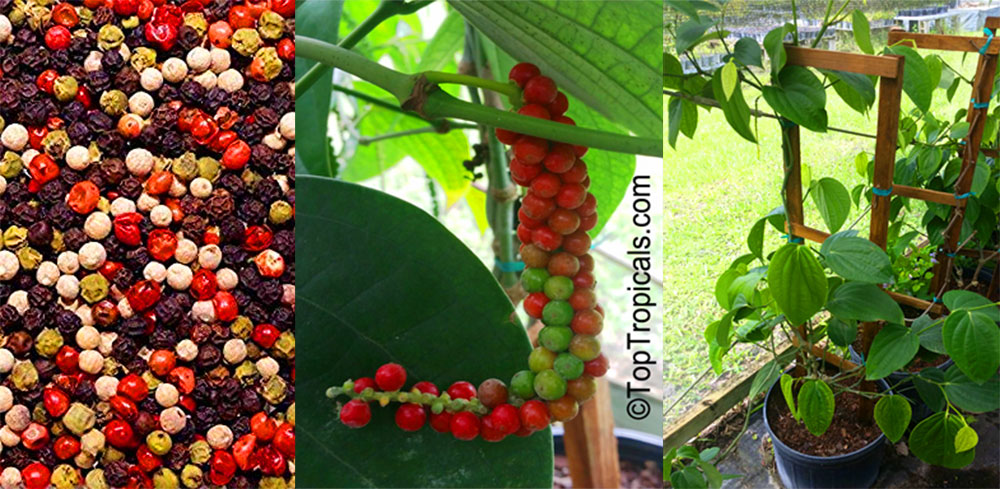
A: Who does not love the smell of freshly ground pepper, especially that lovely combination of white, green, black and red peppercorns, which are so much more interesting than just plain black corns. Yes, you can absolutely grow your own pepper! Peppercorns come from the plant Piper nigrum.

Growing Pepper Plant

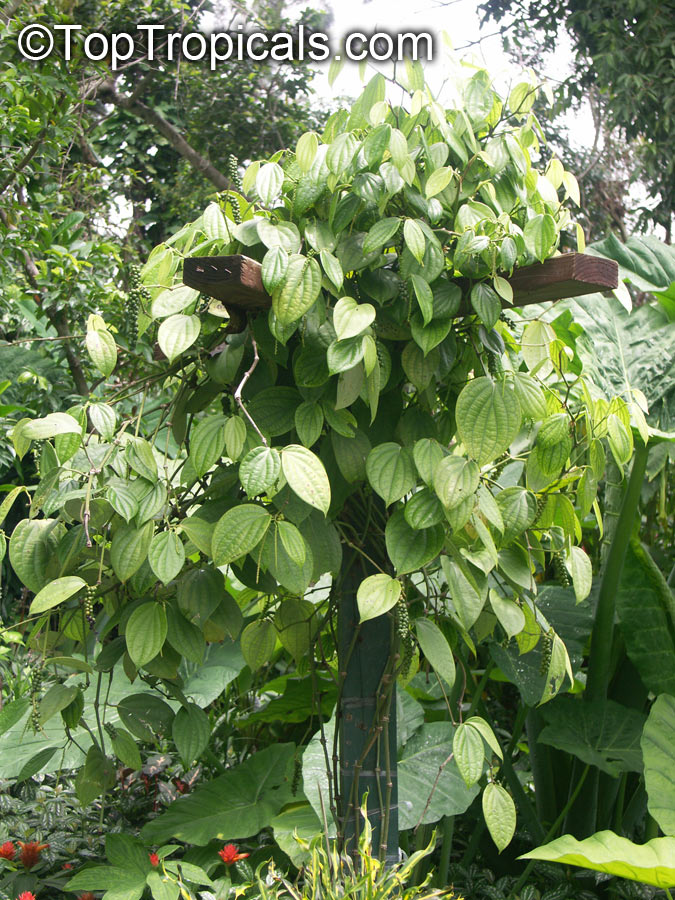
Black pepper plants are actually vigorous vines, although they are pretty slow growing and can be kept in a pot as a compact plant. But they will need a strong support to climb over. Indoors, you can provide this support by installing a trellis in a large pot. Some gardeners prefer to grow them as a hanging plant instead. In warm climates, you can plant them directly outdoors in a protected location with partial shade. These plants need rich, moist, well-draining soil and warm, humid conditions. Peppers do not like temperatures below sixty degrees, although they can survive some cold spells. It is very important to bring these plants indoors or wrap them in a blanket if colder weather arrives.
If you live in colder parts of the country, you can certainly grow peppercorns in large pots. Grow them outdoors during the summer and move them indoors during the winter, or grow them year-round in your greenhouse. Houseplants will need bright light and consistent moisture. Spray the leaves regularly with a bottle of water to increase humidity. Do not allow room temperatures to fall below sixty degrees.
Besides the benefit of being able to grow your own gourmet pepper corns, the foliage, as well as the flowers on this plant, are beautiful in its own right. Off-white flowers appear from spring through summer, followed by slow fruit production. The berries will appear on spikes, with 50 to 60 berries per spike.

Fertilize this vine in the spring before new vigorous growth emerges. We recommend:
Tropical Greenhouse Plus - Plant Booster
Tropical Allure - Smart-Release Booster

You may be surprised to learn that black, white, green and red peppercorns are all the same seed on the same plant in the various stages of development and processing.

Black peppercorns are the most familiar and come from the corns that have reached their full size but are still green and not quite ripe. They are picked and allowed to dry in the sun. Enzymes in the berries cause the skin to turn black during the drying process. They are the strongest in flavor.

White peppercorns are the mature berries that ripen to a red color before being picked. After harvesting, they are soaked and rubbed free of the outer skin down to the smooth white underlayer, then dried and bleached by the sun. They are slightly milder than black pepper.

Green peppercorns are the unripe peppercorns picked at the same stage of ripeness as black peppercorns, but not allowed to dry. They can be pickled in vinegar or brine. They are the least pungent.

Red peppercorns are the mature, but unshelled version of the peppercorn. One can usually find them in some gourmet and health food stores. They can be quite expensive.

Ground pepper will only stay fresh for about three months, but peppercorns will last indefinitely. To make the most of your pepper harvest, store the peppercorns in an airtight container in a cool, dark location. Grind them immediately before use for the best flavor.
There is nothing like freshly ground black pepper simply combined with a good quality olive oil and a splash of balsamic vinegar. This makes a wonderful dipping sauce for fresh bread. Simple, yet elegant. All the better if the pepper was grown in your very own garden!