Garden Blog - Top Tropicals

Date: 12 Apr 2025

How to Plant a Tree - A Fun Guide
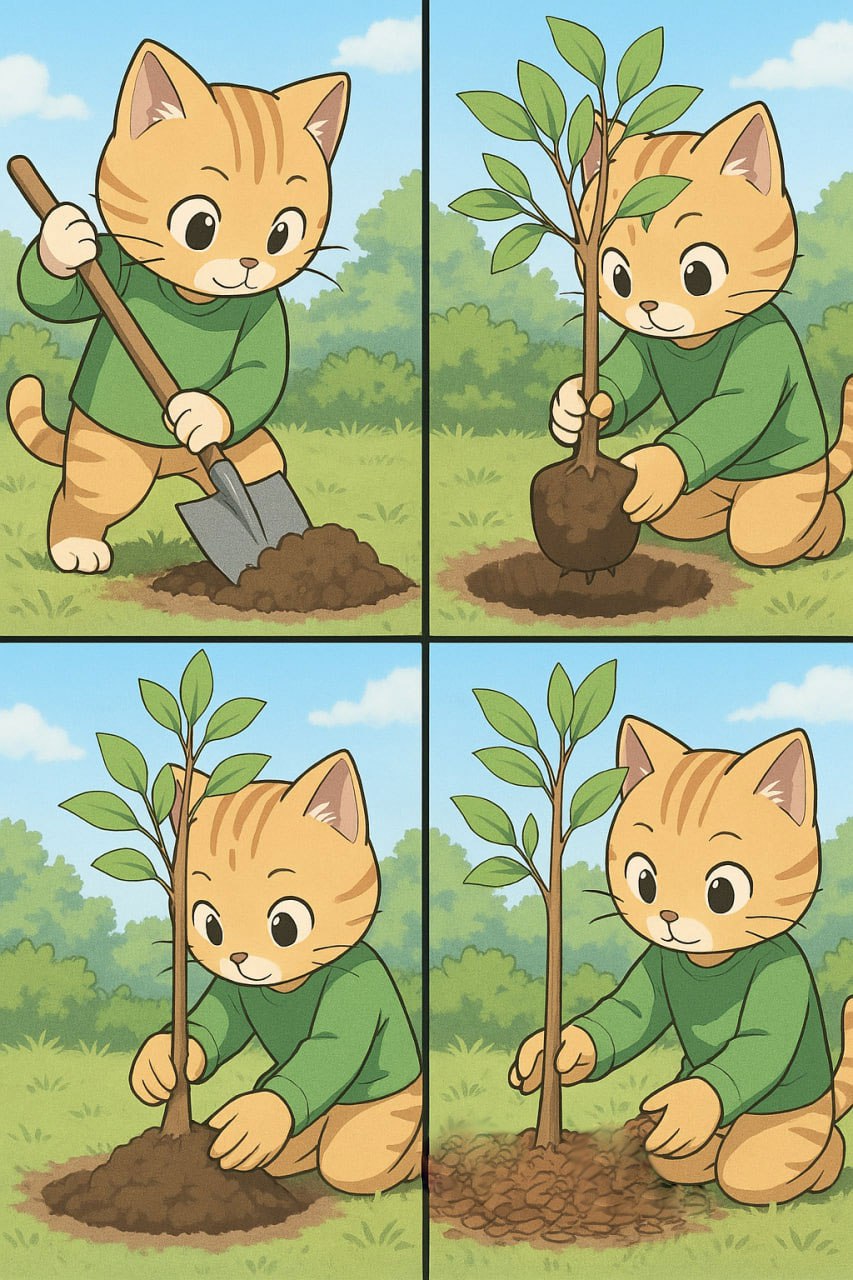
How to Plant a Tree - A Fun Guide

🌳 How to Plant a Tree - A Fun Guide


1

️⃣ Dig a Big Hole


Start by digging a hole 2-3 times the size of the pot. Make sure it's deep enough to give your tree's roots room to grow. Remove any sandy dirt or rocks—replace them with rich, nutrient-packed soil to help your tree establish.

2

️⃣ Place the Tree Just Right


Gently remove your tree from the pot and place it in the hole. The base of the tree (where the roots meet the trunk) should sit slightly above ground level (2-3"). Avoid covering the trunk with soil to allow for proper air circulation and to promote a healthy tree.

3

️⃣ Mound the Soil


Add nutrient-rich soil around the roots, then toss in a handful of granulated fertilizer. With the leftover soil, build a little mound around the tree to form a"bagel"shape. This will help water stay around the roots and give your tree a strong start.

4

️⃣ Add Mulch and Water


Spread mulch around the tree, but leave a small gap around the trunk. Water generously to settle the soil and give your tree a refreshing drink. Water by hand daily for the first couple of weeks or until you see new growth. After that, you can rely on sprinklers.

⭐️ With these simple steps, your tree will be off to a great start!

🛒 Go plant shopping to excersize your green thumb and make our planet better

📚 Learn more:


How to plant a tree: care of mail-order plants and detailed planting instructions (PDF)

#How_to #Trees #Discover

🔴 Join 👉 TopTropicals
Date: 16 Nov 2024

Charming black flowers of

🌚 Charming black flowers of Sesbania aegyptiaca Bicolor - Egyptian Pea, Black Bud

#Trees #Nature_Wonders

🔴 Join 👉 TopTropicals

Date: 11 May 2023

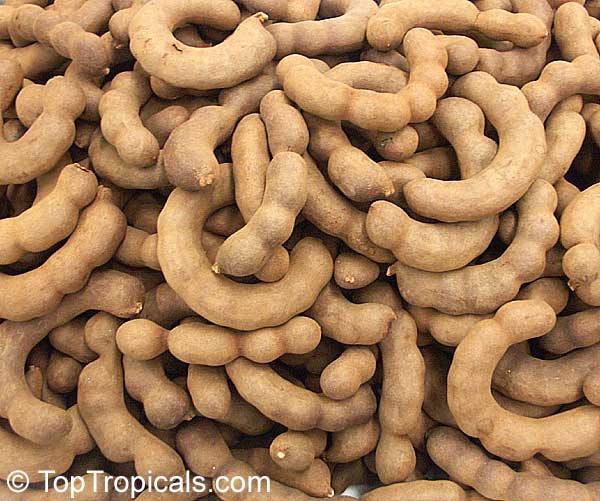
The Wonderful World of Tamarind:
from Planting to Plating

Tamarind  tree

Q: I use a lot of tamarind in my cooking. Can I grow my own Tamarind fruit? Can Tamarind tree grow in North Florida? Will Tamarind grow well outside or should I keep it in a pot?

A: Originating from tropical Africa, the Tamarind - Tamarindus indica - is a tropical tree that is highly appreciated for its ornamental beauty, delightful shade, and soft texture.

Tamarind is a highly valued culinary ingredient, with its tangy and sweet-sour flavor profile making it a popular addition to many dishes. It is frequently used in South Asian, Latin American, Caribbean, and African cuisines to add a touch of acidity and sweetness. Tamarind paste, made from the fruit's pulp, is a key ingredient in Worcestershire sauce, tamarind chutney, and many curry dishes. The seeds, when roasted and ground, can be used as a coffee substitute or as a thickening agent in sauces and stews....

Tamarind tree is prized for its versatile fruits and numerous health benefits. The tree can be grown outside in warm climates, as well as in pots and indoors... even as bonsai!
CONTINUE READING >>

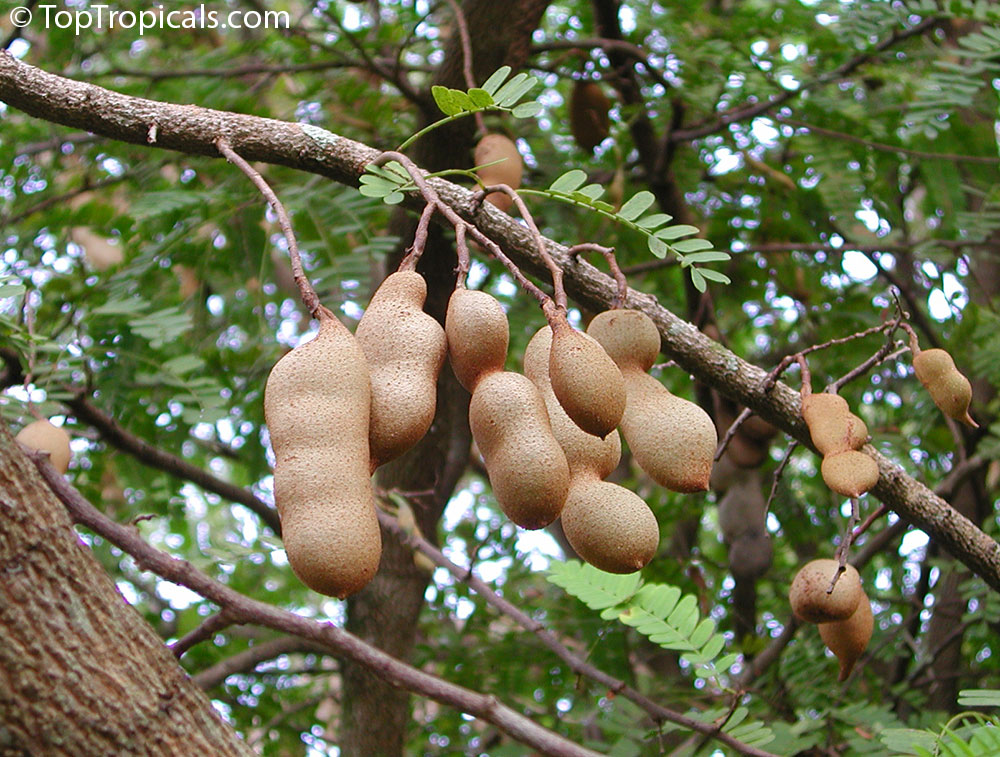
Tamarind  fruit

Shop Tamarind Trees

Date: 16 Jun 2023

10 tips how to care of tropical garden
during hot Summer

Cats  in  shade  of  tropical  plants

Q: Do you have any special recommendations how to take care of plants during hot season, to reduce heat strees?

A: Tropical plants prefer temperatures of 70-90F, except for heat-adapted desert plants. High temperatures above 90F can cause slowed metabolism and signs of stress like wilting, yellowing, and leaf drop. Hot and humid conditions attract pests and fungal diseases. To keep your plants stress-free and healthy, during Summer:

1. Monitor temperature and signs of stress.
2. Provide shade to regulate heat exposure: use shade cloth or simply a sheet of fabric as needed to protect lush foliage from burns.
3. Choose heat-tolerant plant varieties.
4. Plant in groups and levels, with trees protecting smaller shade loving plants (see companion planting).
5. Water deeply in the morning or evening to prevent evaporation.
6. Mulch to conserve moisture and regulate soil temperature.
7. Air: ensure good air circulation.
8. Trim damaged foliage and crowded branches.
9. Fertilize: use appropriate fertilization to improve plant heat tolerance. Remember, plants need lots of food during active growth period.
10. Remove weeds, pests, and diseases promptly.

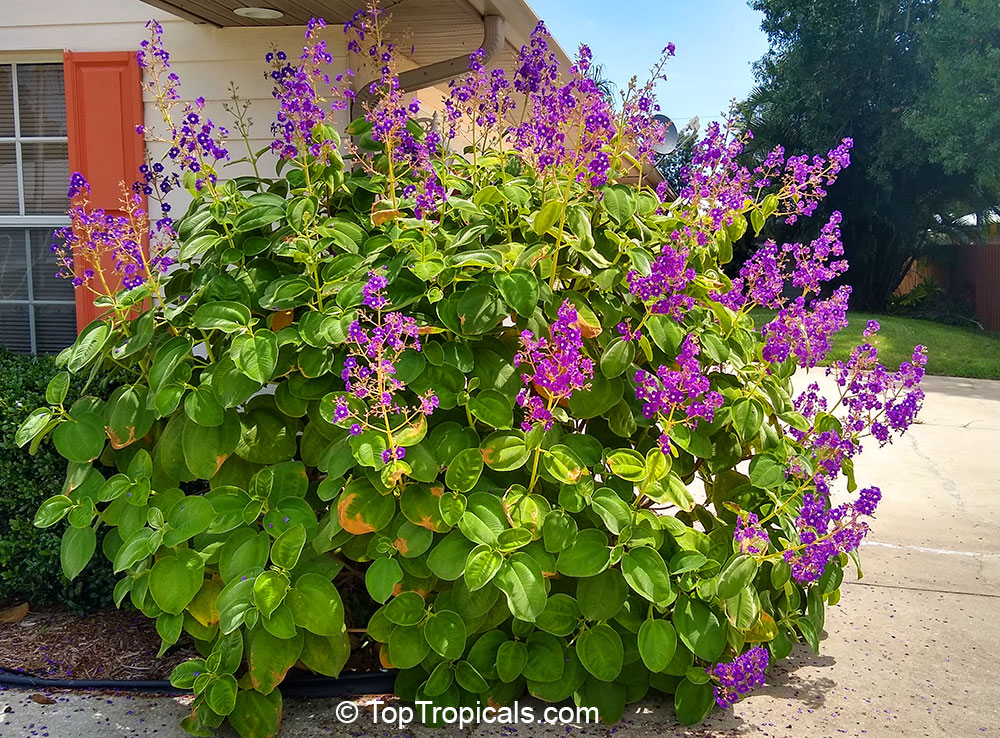
Tibouchina  multiflora  (grandifolia)  -  Glory  bush,  Quaresmeira

In the photo: Tibouchina multiflora

Date: 5 May 2023

⛈ Severe weather:
How to help your plants survive

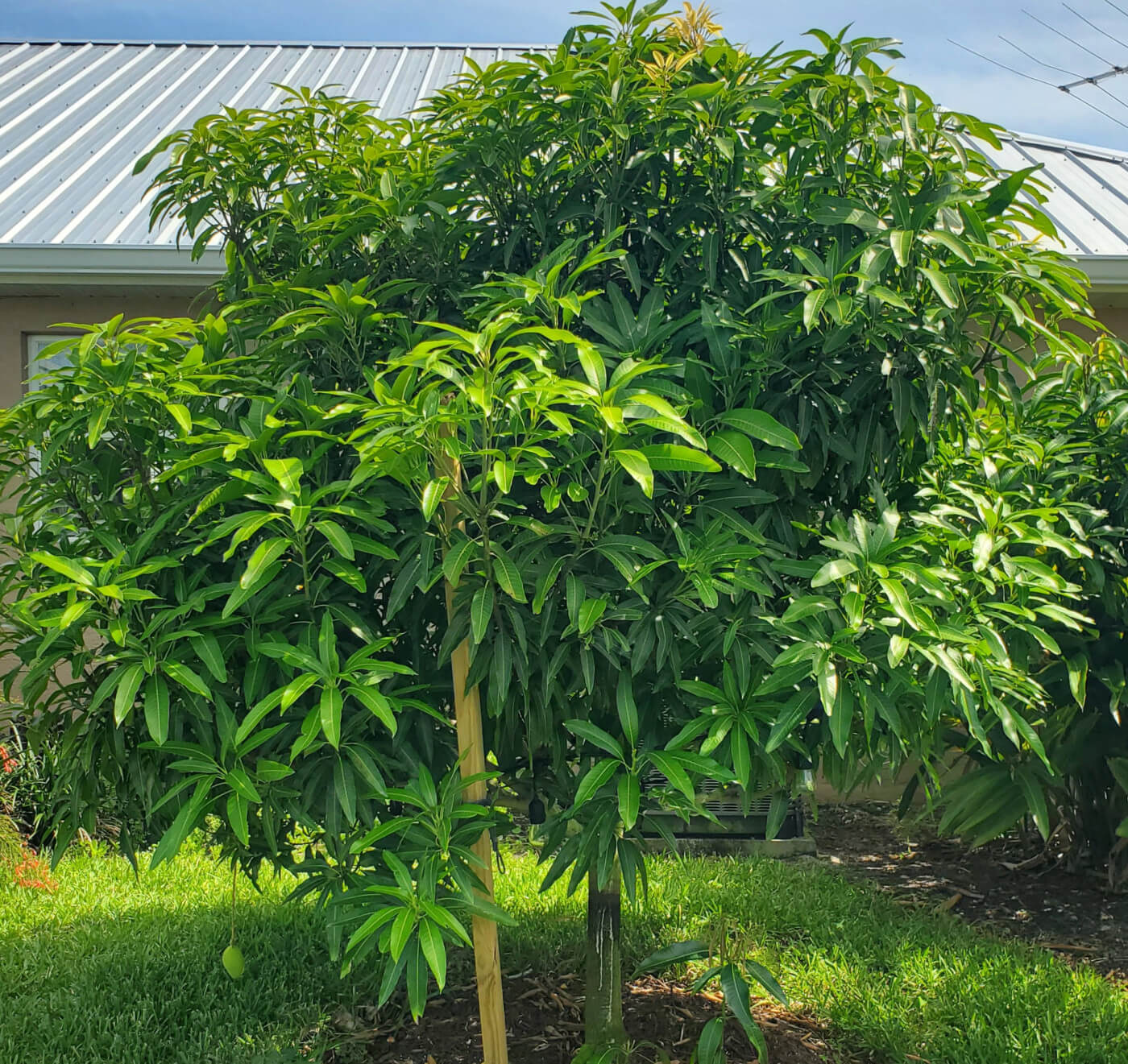
Beautiful  mango  tree

By Ed Jones, the Booster Guy

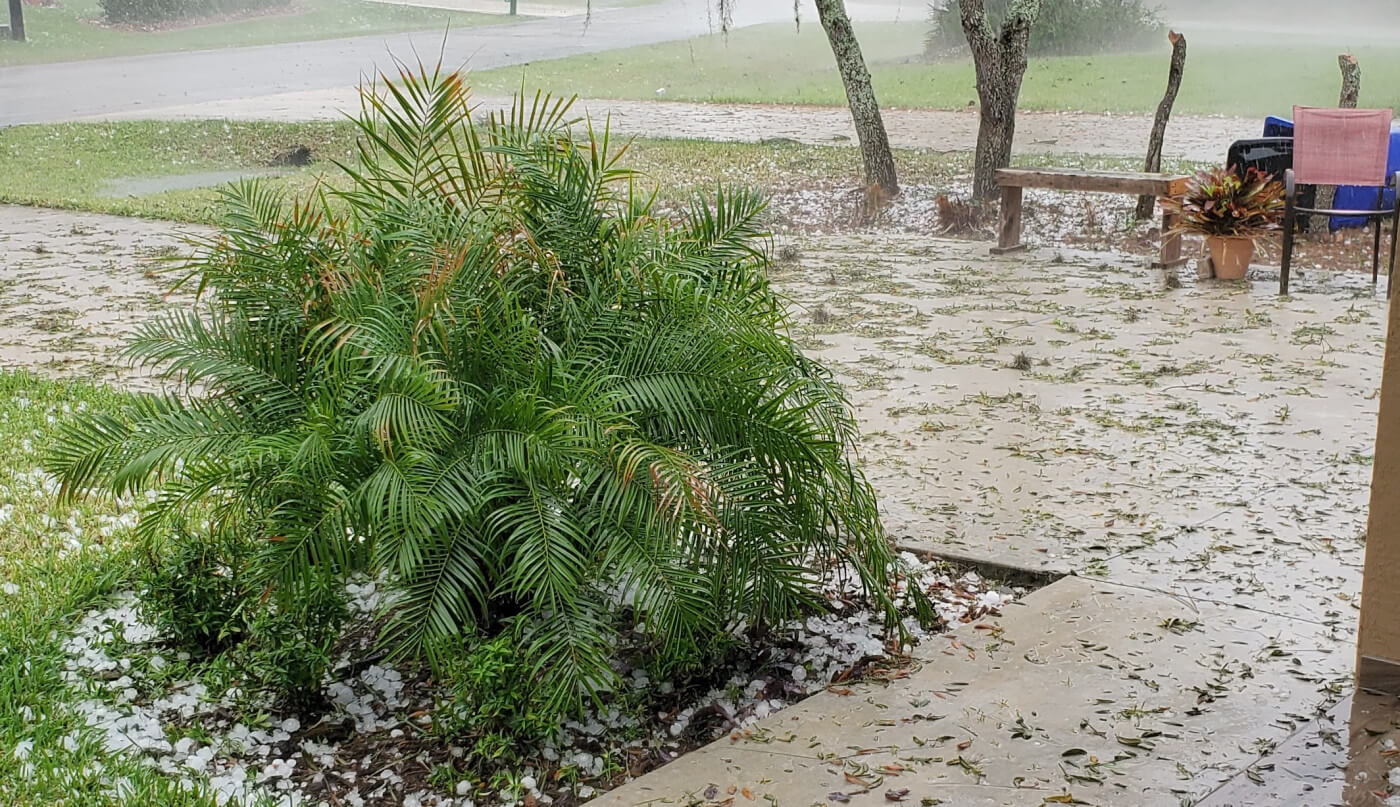
Q: A horrible hailstorm hit last night, damaging the majority of plants and trees on my property (piles of hail left like snow - crazy!). Do you have any advice on how to give plants some extra TLC while they recover? Any tips are appreciated.

A: Spring is here and in some areas of the country, so is severe weather season. So what can you do to give your plants a fighting chance when Mother Nature shows her ugly side? Here in Florida, spring and summer thunderstorms are a normal occurance. Unfortunately, those storms often come with small tornados, high winds and sometimes hail.

The photo below was from a hail storm that came through the north side of Sebring, Florida in April of 2022.

Hail  storm  in  Florida

So the question remains. What can we do to help our plants when this type of weather strikes? Well the short answer is that there is not much we can do to prevent it from happening. These storms usually strike pretty quickly and most of us, given some warning, will chose to make sure vehicles are in the garage if possible and that loose items in the yard are brought in to a safe place. If you have time to move potted plants, that would be great, but it is not worth risking your own safety to do so.

The good news is that most plants will recover on their own. Even though they may look ugly for a while, patience is the best cure for most of them. Of course, the healthier the plant, the better chance it will have when it suffers damage due to severe weather. A good fertilizer plan along with regular doses of micronutrients will help your plants to be at their best so that they can recover quickly. And here is what you can do... CONTINUE READING >>

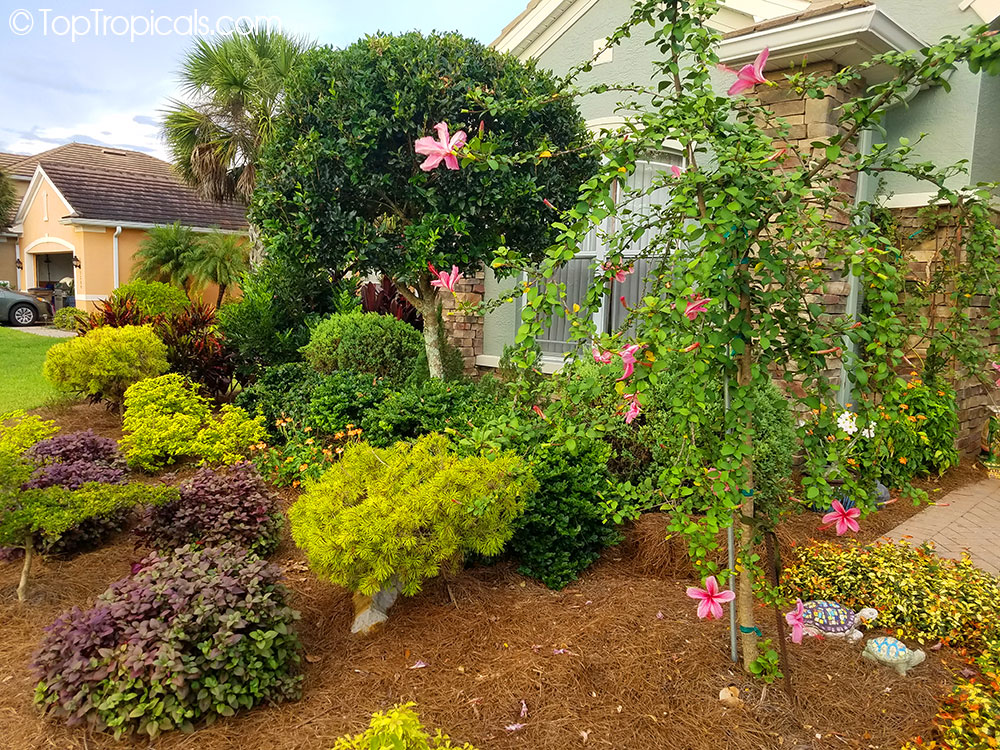
tropical  plants  landscape