Garden Blog - Top Tropicals

Date: 25 Nov 2019

Flavor of Feijoa Superfood
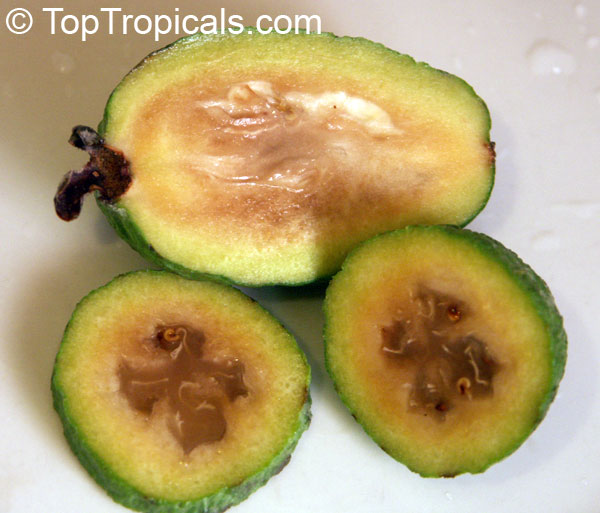
by Onika Amell, tropical plant specialist

Q: What exactly is Feijoa - Pineapple Guava? Does the fruit really taste like pineapple? I am curious to know if it is easy to grow.

A: Feijoa is certainly one of the easiest fruit trees to grow as it does not require much care. It is an attractive, evergreen tree or large shrub with dark green, oval, leathery leaves. It has an abundance of uses in the garden and produces lovely edible flowers and fruit! The fruit is eaten fresh, added to smoothies or fruit salad and is also commonly used to make delicious jams and wicked chutneys. Feijoa fruit go a long way in flavor.
This plant is drought tolerant and will grow in almost any soil type. It loves full sun or partial shade and is wind resistant. A lot of gardeners like to grow it as a wind barrier for this reason. It can easily be shaped into a dense, informal hedge or screen that needs very little pruning. Because of this density, it provides excellent shelter for all kinds of wildlife. Butterflies, birds, and butterflies will all love you for growing Feijoa!
Space the plant five feet apart to create a wind barrier hedge. Heat does no not bother it at all and it will also withstand temperatures to 10 degrees F.
The plant gets its names from the delicious perfume it emits. Some folks seem the fruit taste like pineapple, with a slight minty undertone. Others feel the flavor reminds them of juicy fruit gum! The texture is described as smooth and slightly gritty - almost like a pear, but firmer.
If you prefer to grow this plant as a tree rather than a large shrub, simply remove the lower branches up to one-third of the tree's height over a period of time. The Pineapple Guava can grow up to 15 feet wide and tall. They also do really well as a container plant on patios where you can truly enjoy the lovely fragrance of the fruit. It prefers rich, organic, well-drained soil and will need light fertilization every other month in most soils.

We recommend:

Fruit Festival Plant Food - Super Crop Booster
Mango-Food - Smart Release Fruit Tree Booster
SUNSHINE-Honey - Sugar booster
SUNSHINE C-Cibus - Crop Nutrition Booster

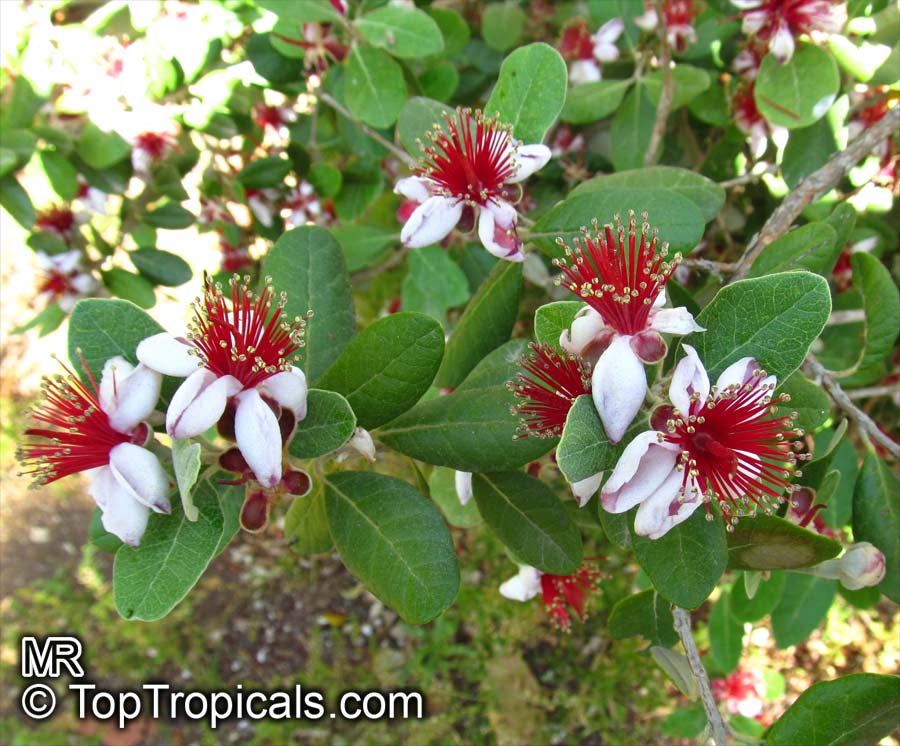
Pretty, pink, edible flowers will wow you from May to June, followed in late summer or fall by the delicious and fragrant fruit. An interesting thing about this fruit is that you don't pick it. It falls to the ground when it is ripe. Or simply place something under your tree, like a tarp, and shake the tree. The ripe fruit will fall off. You can store the fruit in your refrigerator for up to a week. And remember! The fruit of the Feijoa is not only a very rich source of soluble dietary fiber, but also an excellent source of Vitamin C, and very rich in antioxidants. They are also low in calories. Each fruit only holds 55 calories.

Date: 21 Nov 2019

Manifestation of the Ghost Trees

by Mark Hooten, the Garden Doc

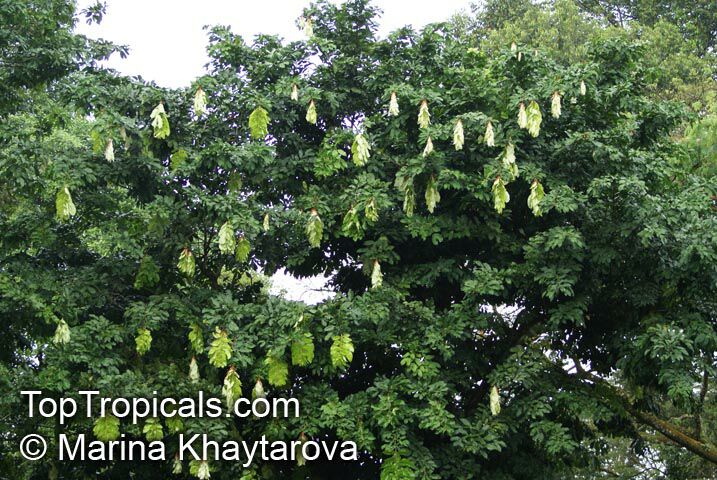
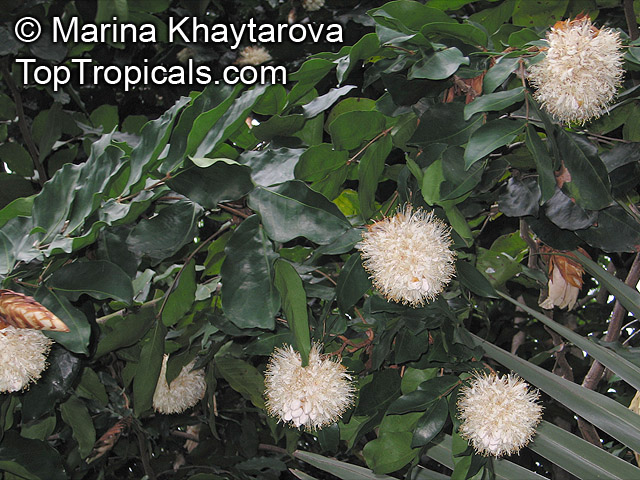
...What makes these rare beauties so wonderful is not only the very nice white Hydrangea-like flowers on the ends of the branches, but also the slowly unfolding new leaves. A number of times a year, they develop little bracts on the ends of their branches which then erupt into stunning cascades of long, weeping ivory-pink new leaves. Most notably, in the more horizontal light of morning or evening, against the deep bottle-green of older leaves, these new hanging growths create the impression of being nearly incarnate apparitions floating in mid-air. I am sure this is the reason for its scientific name Maniltoa, deriving from the New Guinea name for the tree, Manilto - which means "ghost" or "manifestation"...

CONTINUE READING >>

Date: 16 Nov 2019

When to apply super boost?

Sunshine Boosters: a breakthrough in Winter fertilizing

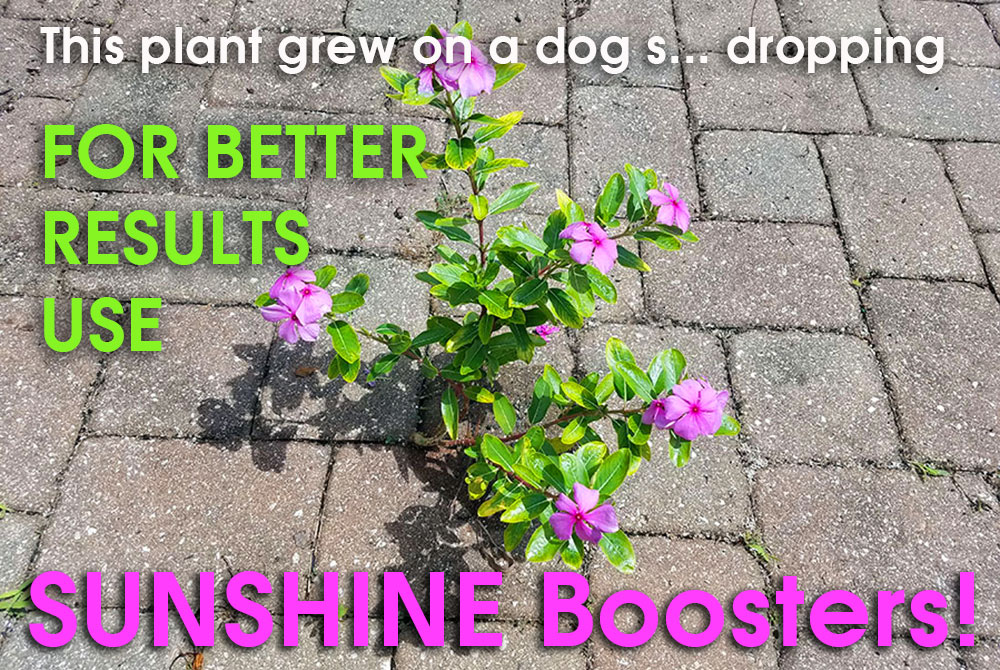
In the photo: plants are tough survivors. Life can't be stopped even by a brick road!

Q: Just wanted to know best time of day to apply super boost as spray and watering? Only listed to make sure night temp doesn't drop below 65F...

A: As a rule of thumb, plant's needs in fertilizers are very low in the cold season because they consume less nutrients during dormancy. For tropical plants, when minimum temperatures drop below 65F - we stop applications of dry (granulated) fertilizers until spring, to avoid root burn.
Liquid Sunshine Boosters are exceptions from this rule to a certain extent, for 2 reasons:
- they are amino-acid based which means, salts do not build up in the soil, and thus will not burn the roots even with slower plant metabolism.
- concentrations/formulas are mild and designed for as frequent as daily watering

Tips for winter fertilizing:

1) When a plant goes into full dormancy (drops leaves and does not show any new growth), you may stop fertilizing with any Macro NPK products (both dry and liquid)

2) If a plant is evergreen and continues growing during the cooler period, and especially if it is a winter bloomer, mild liquid fertilizers can be applied, depending on the stage of plant development.
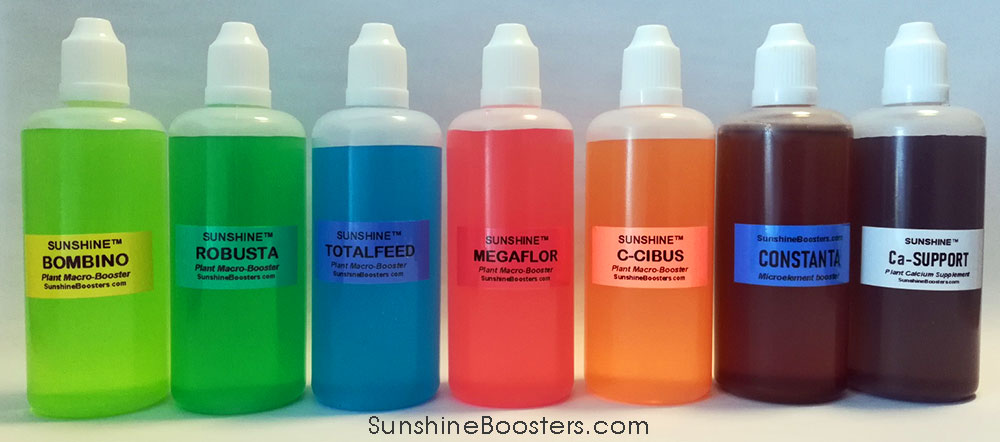
Robusta and TotalFeed are used for vegetative growth and pre-flower.
Megaflor and C-Cibus are used for winter flowering/ fruiting plants during the bloom stage.

See full list of liquid boosters

3) Micro-elements can be used all year round for all plants that are not dormant (do not drop leaves)

4) Always use Sunshine-Epi as a foliar spray to activate immune system and unlock protective mechanisms, BEFORE applying other boosters. It is especially important during Fall-Winter for improving cold tolerance and disease resistance.

5) Always apply foliar spray and/or drench the soil with solutions in morning hours so the plant has time to process the nutrients during daylight when metabolism is the most active.

6) Avoid any dry fertilizers during winter

Date: 8 Nov 2019

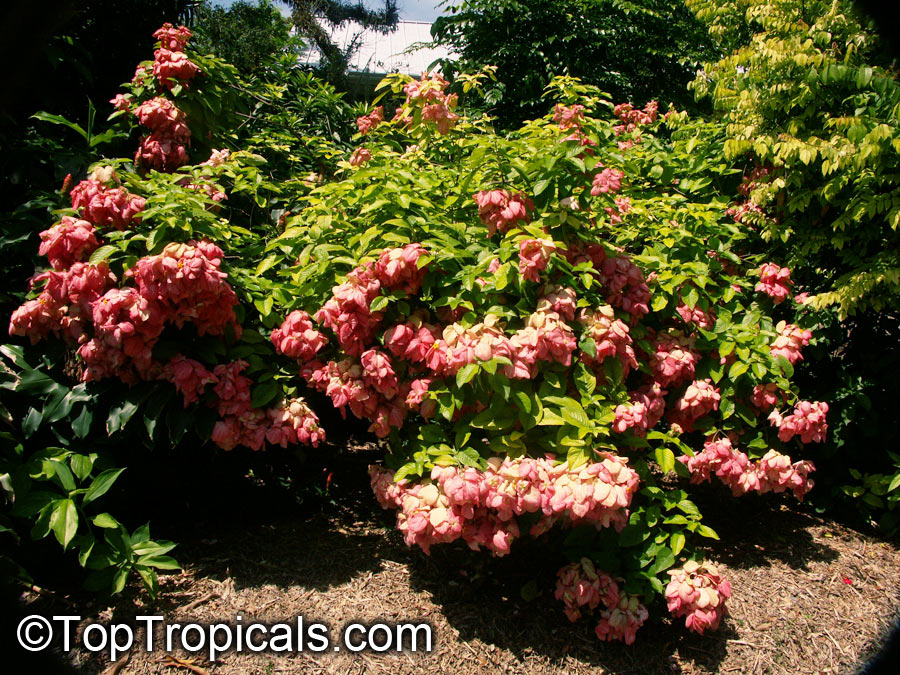
Trimming Mussaenda bush

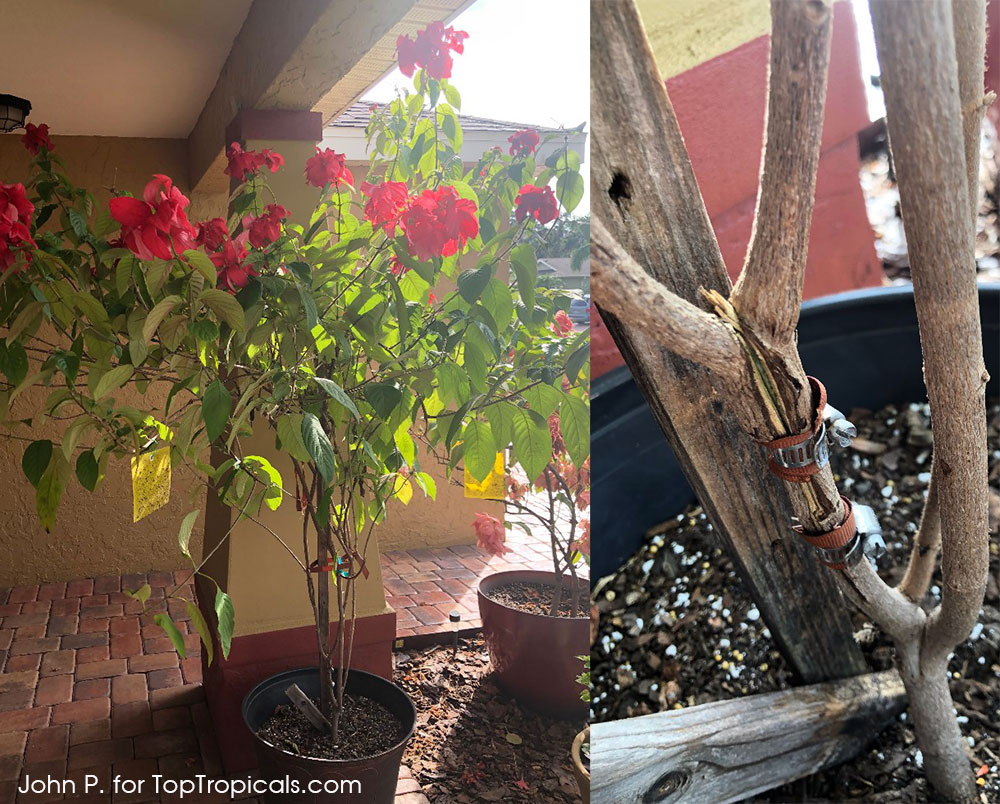
Q: My wife and I bought a Dona Evangelina from you this year. It thriving and has grown to 6-8 ft. It has become top-heavy and in wind, it falls over. Main stems have split twice but still continues to grow. I usually prune Dona Luz back to 3-4 ft and am wondering how much you would advise me to lop off your plant. Any advise will be appreciated.

A: Mussaendas, indeed, have very fragile stems that break often, especially in Florida wind storms. The good news is, these plants grow vigorously once established.
You did a good job trying to tie together the split stems and in fact, cracks do grow back together as long as the dressing is tight. Try to use green tape or even electric tape to tighten the broken spot.
However, do such repairs only if it is critical for a plant. When possible, simply cut off the broken branch and give the plant a chance to grow a new stronger branch. You may trim the bush pretty short. Mussaendas respond well to pruning which promotes more side growth and makes the plant bushier.
Keep in mind that during cold weather, Mussaenda may drop all leaves and go into dormancy until spring.

RECOMMENDED FERTILIZERS:
Pink N Good Daily Plant Food - Flower Booster
Tropical Allure - Smart-Release Booster

Date: 7 Oct 2019

Fertilizing in Winter?

Q: I'm a bit confused about what winter fertilization schedule I should follow in South Florida. For blooming plants, usually, I use a monthly granular bloom booster fertilizer as well as a liquid fertilizer every 10 days or so. Should I continue that schedule in the winter as well? Should I stop fertilizing altogether in the winter? How about fruit trees? What fertilization schedule should I follow in the winter?

A: Here is a general fertilizing schedule for established plants that we follow here in SW Florida.
The rule of thumb is, do not fertilize (with macro- NPK elements) when minimum temperatures drop below 65F and stay at that level for more than 7 days. At this temperature point, most of the tropical and subtropical plants slow down their metabolism and some of them going into dormancy. This means, nutrients are not consumed as much as during active growth period, and built-up nutrient supply within a plant plus whatever is available in the soil is just enough to get by through the winter. So additional fertilizing is not necessary. You may continue micro-element supplements and bio-stimulants throughout the year. In fact, it is highly recommended to do so, to help the plant survive cold spells. These are very effective tropical plant protectors:
SUNSHINE-Epi - Brassinosteroid plant hormone
SUNSHINE-Power-Si - Advanced plant protector with Silicon
SUNSHINE SuperFood - Complex microelement supplement

This rule is applied to both flowering and fruiting plants, in general. However, some species are winter-flowering and winter-fruiting. For those, you can make an exception and provide extra nutrients for flowering and fruiting, as long as the weather stays warm. During cold spells, avoid any NPK fertilizers and use only bio-stimulants and micro-elements. If you apply NPK during cold, it won't be consumed by a plant, build up in the soil, and may create a root burn situation.

In simple words, fertilize from March to October. Give plants some rest from November to February.