Date: 6 Dec 2019
Chestnut vine - perfect plant for home and office
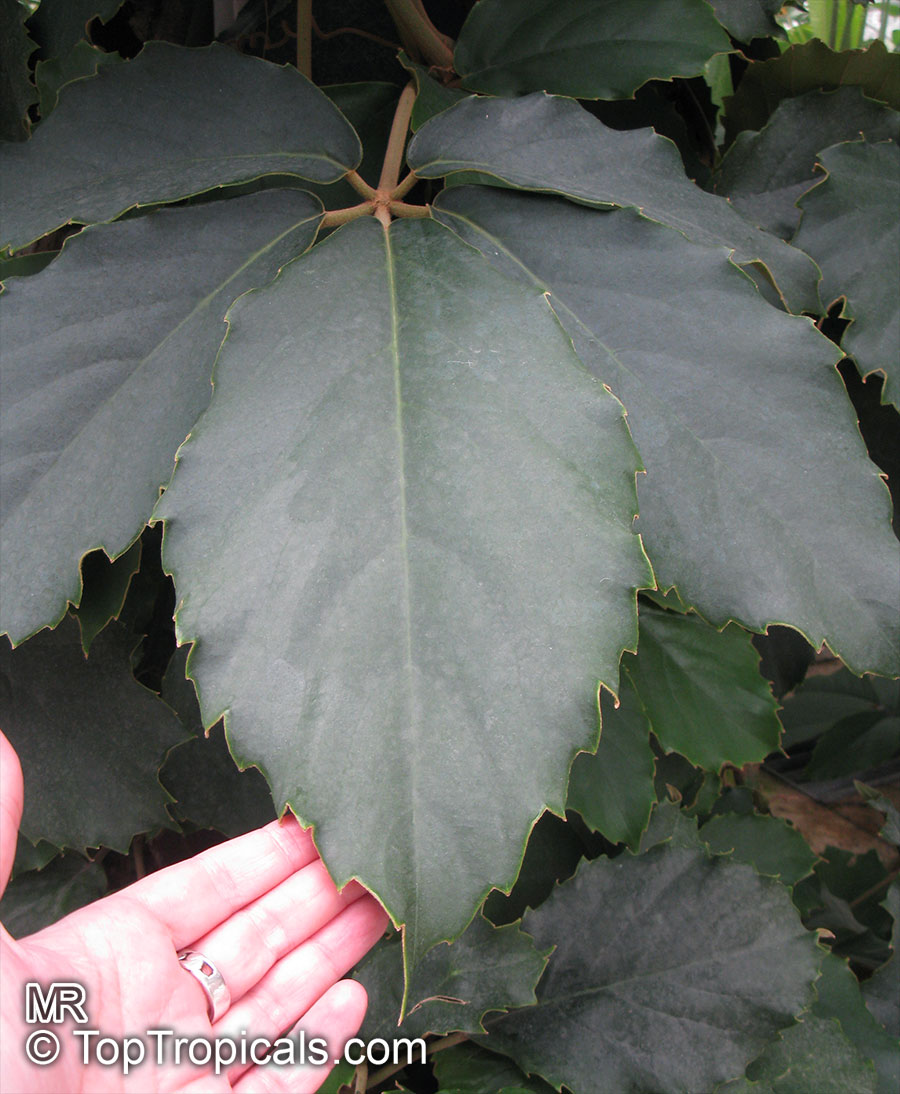
by Onika Amell, tropical plant specialist
Q: I was visiting Ford Myers recently and attended the Edison Ford Winter Estate Garden Festival. I could not help but notice two stunningly beautiful Chestnut vines on your stand at the event. I have never seen this plant anywhere before. I was told they make a great indoor plant. I was also told your company ships to all 50 states. I have been looking for something unusual to grow in my office and this may be just the plant! How do I take care of it indoors?
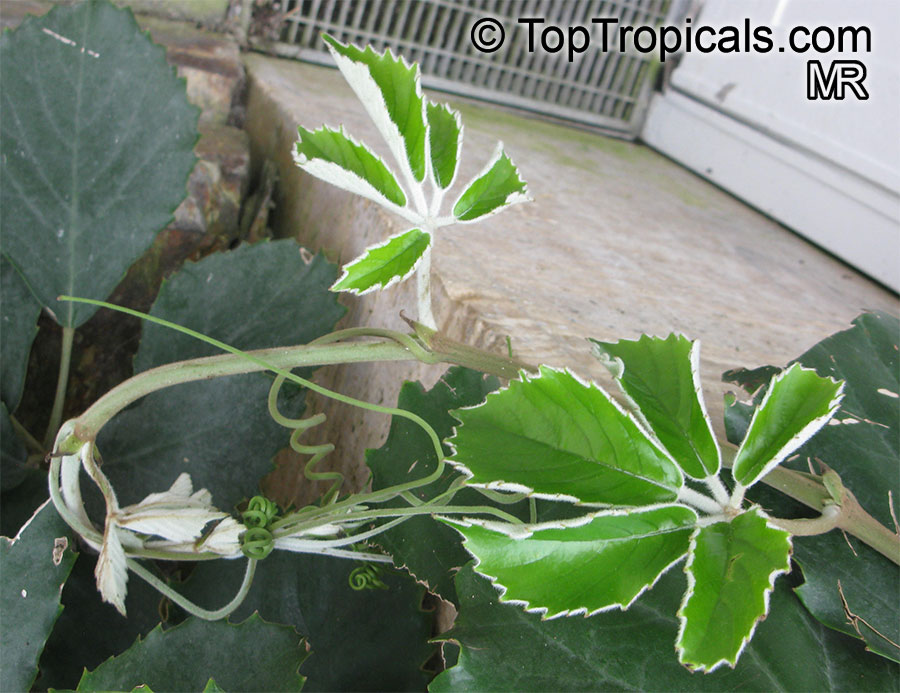
A: If you want to bring a little bit of the tropics into your office, you have chosen the perfect plant. Tetrastigma voinierianum - Chestnut vine - is a long-lived perennial plant that will stay green all year long. It is a native of Laos and a member of the grape (Vitaceae) family. This is a truly striking vine with beautiful lush and large leaves. It is a vigorous climber with 8 inch or longer tendrils for climbing purposes. The underside of the leaves has clear pearl-like bumps, which are actually plant secretions that are used by ant colonies when growing in its wild habitat...
CONTINUE READING >>

Date: 27 Nov 2019
The Florida Native Banyan
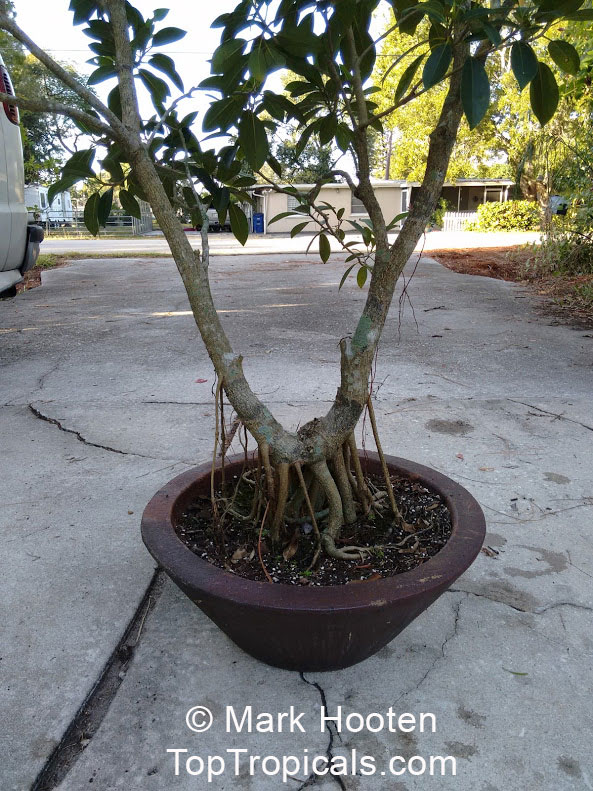
by Mark Hooten, the Garden Doc
...The most impressive plant-life for me was a single native tree growing near a parking area along the Bay. It was the largest, oldest, "Shortleaf fig" I have ever seen. It was growing on a mass of bare exposed karst limestone and bore a small plaque describing it as being the largest Ficus citrifolia in the National Park. As it was dropping some of its little fruits at the time, I ended up taking a couple home for cultivation...
CONTINUE READING >>

Date: 21 Nov 2019
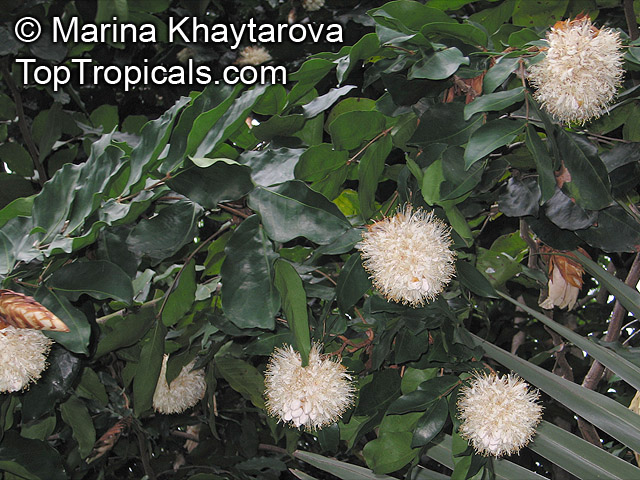
Manifestation of the Ghost Trees
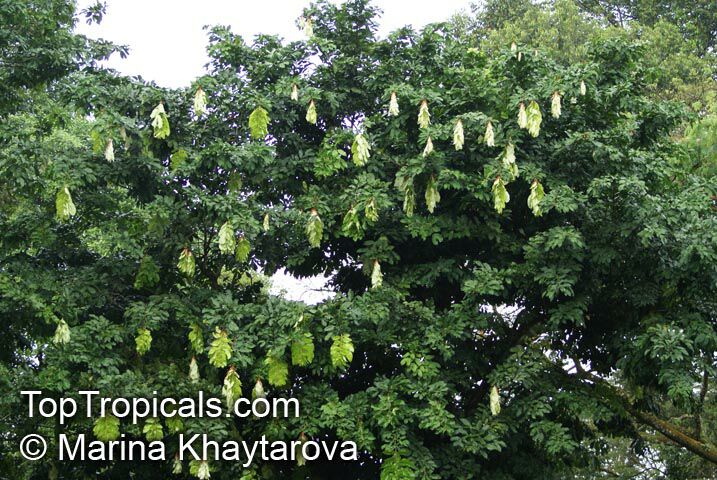
by Mark Hooten, the Garden Doc
...What makes these rare beauties so wonderful is not only the very nice white Hydrangea-like flowers on the ends of the branches, but also the slowly unfolding new leaves. A number of times a year, they develop little bracts on the ends of their branches which then erupt into stunning cascades of long, weeping ivory-pink new leaves. Most notably, in the more horizontal light of morning or evening, against the deep bottle-green of older leaves, these new hanging growths create the impression of being nearly incarnate apparitions floating in mid-air. I am sure this is the reason for its scientific name Maniltoa, deriving from the New Guinea name for the tree, Manilto - which means "ghost" or "manifestation"...
CONTINUE READING >>
Date: 13 Jun 2019
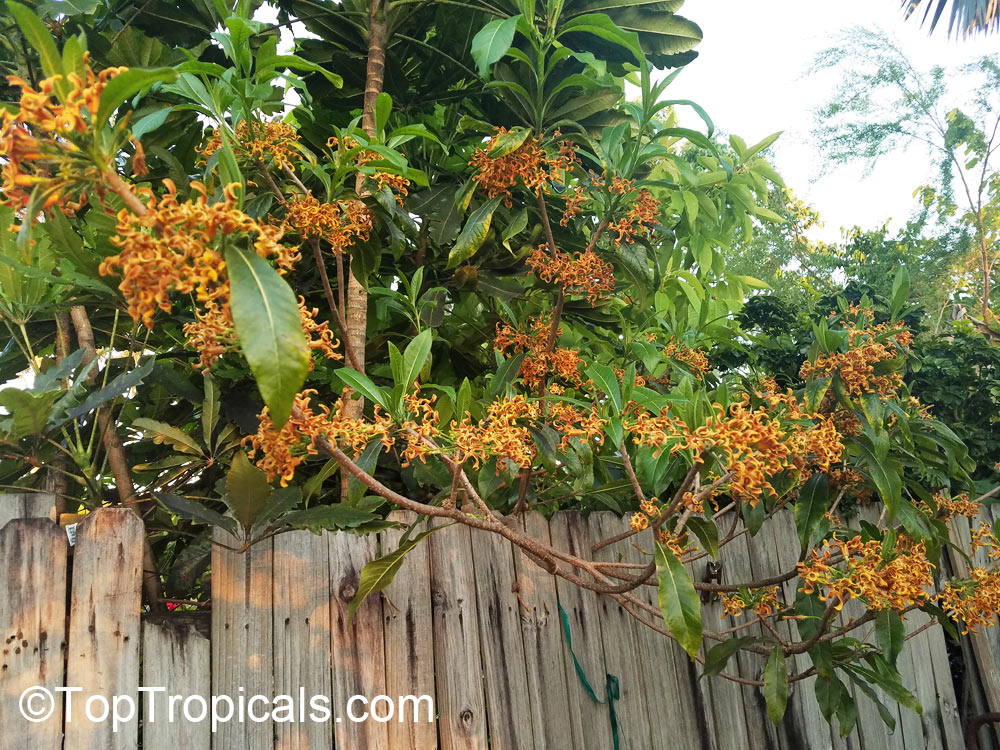
How to get Strophanthus tree to bloom?
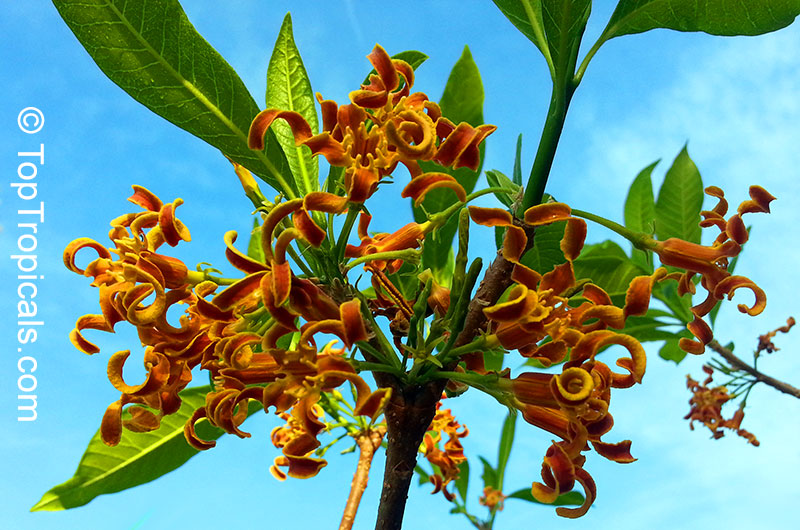
Q: I purchased from you three of these plants - Strophanthus bovinii and I wonder if you could help me. The plants are out of control growing large limbs to the sides and I would like it to grow more upright. Is this possible? Second, it does not flower. What type of fertilizer should I use and how often? How about the watering schedule? I have them in an eastern exposure but possibly they are not getting enough sun? Right in front of them, there is a large tree outside the curb of my house. What should I do about that?
A: Strophanthus bovinii - Wood shaving flower, is quite a unique plant
that is very rare in cultivation, this is why very little information is
available on its cultivation due to limited experience among gardeners. We have had
this plant in our garden for over 12 years and this is what we can advise.
In the nature (Madagascar) it supposedly grows into a large tree, however,
from our experience, it tends to be rather bushy, umbrella-like large shrub.
Yes, you can train it into a tree by trimming branches growing side-wise, and
by removing lower branches. The best time for pruning is early spring when
the tree starts new growth and re-leafs (it is semi-deciduous).
As far as flowering, the plant is very particular about blooming season,
with profuse flowering in Summer (here in SW Florida), however it may produce
more flowers sporadically throughout the year.
It thrives in full sun but will tolerate bright filtered light. If a large
tree is shading it too much, try to trim some limbs of that large tree to
allow more light. Water needs of Strophanthus bovinii are very moderate, so you
can rely on your sprinkler system or water once a week for established
plants.
You should use 2 types of fertilizers - slow release (once a month) and
water-soluble bloom booster (frequent applications are safe):
Pink N Good Daily Plant Food - Flower Booster
Tropical Allure - Smart-Release Booster

Date: 12 Apr 2019
Dwarf Red Ginger - more than just a pretty face
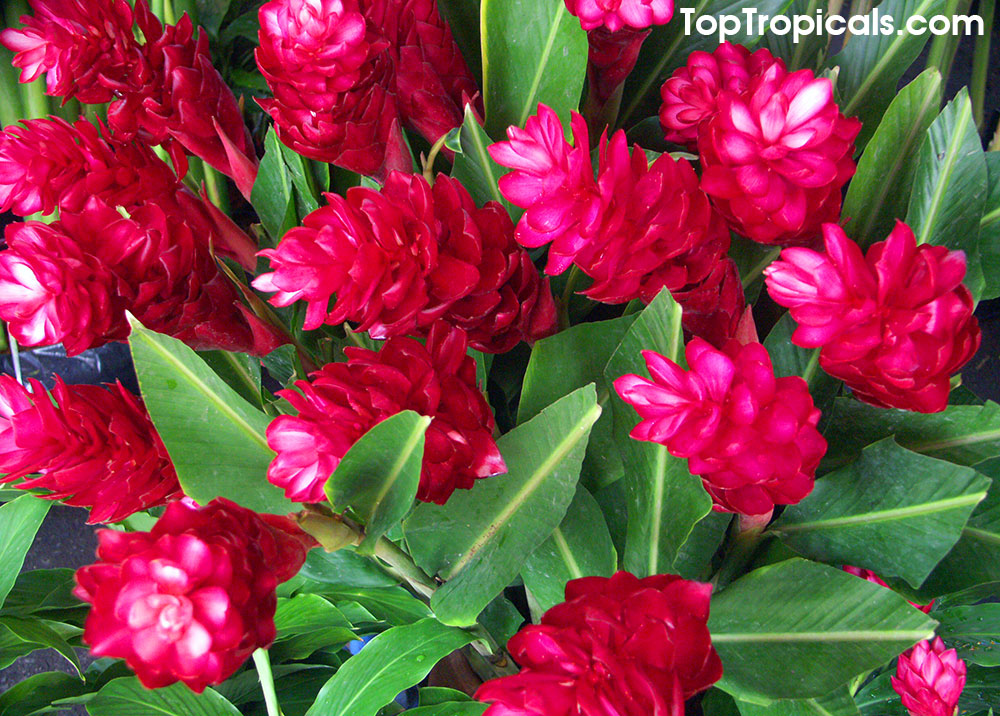
Q: I've just recently moved to Florida from North Carolina. I don't know much about tropical plants. Can you perhaps suggest an easy and pretty flowering plant for a beginner which I can plant around my garden pond for a tropical feeling?
A: For adding that tropical look to your garden, few plants beat
beautiful ginger! Alpinia purpurata, the Dwarf Red Cone Ginger with its bright red floral
spikes and lush, lance-shaped foliage is no exception. This striking
perennial will add a tropical effect to your garden that will definitely take your
breath away.
The Dwarf Red Cone grows between 3 and 4 feet tall and blooms 8-9
months of the year! The blooms will hold on the plant for up to 3 weeks! It makes
a very attractive and distinctive backdrop for other plants.
Red Cone Ginger likes partial shade and moist, humid conditions, but
will tolerate full sun. It is fast growing, easy to grow and resistant to
disease, heat, and insects. The plant is a wonderful accent in a garden and works
well as a focal point specimen, show-stopping when planted around garden
ponds or near entryways. This ginger also works very well in containers and
planters. Either in mass plantings or smaller groups, all gingers add tropical flair which never disappoints.
In addition, the beautiful flower spikes make for great, long-lasting
cut flowers and is an interesting addition to bouquets.
An added bonus? Dwarf Red Ginger is super easy to propagate. If stems
are cut at the base and placed in water, they will generally root within a few
weeks. Eventually, you can make a whole flowering hedge just from one
plant!
Who does not like a plant that is non-fussy and not only beautiful but easy to grow? Dwarf Red Ginger is more than just a pretty face!

To keep this plant happy and blooming, give it some food: Broad Leaf Plus - Ginger-Heliconia-Banana Booster