Garden Blog - Top Tropicals

Date: 11 Mar 2026

📅 Do Not Miss: March 21 - Spring Equinox Plant Market

🍩 Saturday, March 21, 2026: 9 am - 4 pm

Smokey  the  tuxedo  cat  in  work  clothes  studies  the  Spring  Equinox  Plant 
 Market  poster  at  the  Top  Tropicals  nursery  entrance  while  Sunshine  the 
 ginger  tabby  cat  rides  a  bicycle  balancing  coffee  and 
 donuts.
Sunshine: Smokey, look at me! See what I can do on my bike? I'm practicing to give people what they like: coffee and donuts.

Smokey: You'd be perfect for a Gulf beach cafe. But gardeners don't come here for donuts.

Sunshine: Really? Then why do they come?

Smokey: Some gardeners lost plants to the freeze. Others want trees that will handle winter better. Cold-hardy avocados. Macadamia. Grumichama. And some just come for fun - to see the PeopleCats.


Sunshine: And my charm... and my donuts will make it more fun.

Read more about Smokey & Sunshine

Ft Myers Garden Center: 13890 Orange River, Ft Myers, FL
Sebring B-Farm : 9100 McRoy Rd, Sebring, FL

More Spring Equinox Plant Market details

🌞 Welcome to our Spring Equinox Plant Market, proudly hosted by the PeopleCats of Top Tropicals.

This one feels different.

After Florida’s record freeze, many gardens are brown, trimmed back, or missing a few old friends. We felt it too. And now - we rebuild.

The equinox marks equal day and night. More light ahead. New growth beginning.

And the PeopleCats are ready🐾.

  • 🐱King is back on gate duty - inspecting every vehicle for proper plant-hauling capacity.
  • 😺Paisley is rearranging freeze survivors and new arrivals like a design consultant.
  • 😼Snitch is supervising recovery efforts from a comfortable chair.
  • 😸Persephone is checking under tables for "hidden spring energy."
  • 😻Sushi and Loki are preparing for guided garden tours - recovery edition.

This is not just a plant market. This is the spring reset.

👍 Why You Should Come

It is finally warm in Florida. After several nights of hard freeze, some plants survived - and some didn’t. This event is your chance to see real freeze champions in person.

If you lost plants, you are not alone. If you are ready to plant smarter, this is your moment.

Walk the gardens. See proven winter survivors. Discover cold-hardy fruit trees and resilient ornamentals. Get practical advice about replanting after freeze. This is rebuilding - Florida style.

♥️ What Makes This Event Special

We are featuring:

  • Verified freeze survivors
  • Cold-hardy fruit trees
  • Tough flowering trees and shrubs
  • Replacement plants for damaged landscapes
  • Smart layering ideas for frost-resilient gardens
  • You will see which species handled 25F with wind and multiple nights of freeze - with no protection.

Real-world test. Real results.

Cold hardy fruit favorites include:

Avocado Plant Facts

Botanical name: Persea americana, Persea gratissima
Also known as: Avocado, Alligator Pear, Aguacate, Abacate
USDA Zone: 9 - 11
Highligths Large tree taller than 20 ftSmall tree 10-20 ftFull sunWatering: Regular. Let topsoil dry slightlyEdible plantSubtropical plant. Mature plant cold hardy at least to 30s F for a short time
Get personalized tips for your region

🌸 Cold hardy subtropical flowering trees including:

And many other cold hardy plants

Mexican Bird of Paradise Plant Facts

Botanical name: Caesalpinia mexicana
Also known as: Mexican Bird of Paradise, Dwarf Poinciana
USDA Zone: 9 - 11
Highligths Small tree 10-20 ftSemi-shadeFull sunWatering: Moderate. Water when top soil feels dryYellow, orange flowersIrritating plantFragrant plantSubtropical plant. Mature plant cold hardy at least to 30s F for a short timeSeaside, salt tolerant plant
Get personalized tips for your region

🎉Event Highlights

  • 30% OFF online prices
  • FREE plants with purchase
  • $5-10 specials
  • Exciting raffle prizes

🌳Don't just mow - grow!

Start your food forest, beat rising prices, and plant a future your family will thank you for.
🌿 Friendly Reminder
Just a quick reminder before we go: Sunshine Boosters are still shipping free. If you were thinking about stocking up for the season, now is a great time to do it while the offer is still active.

🛒 Feed your plants

Date: 25 Jun 2019

True love of Night Blooming Jasmine

By Onika Amell, tropical plant specialist

Q: I live in New Cumberland, West Virginia. I love the smell of Night-Blooming jasmine. Is it possible to grow it in the northern panhandle of West Virginia? Do I have to plant it every year or do I keep it in a pot and take it inside during the winter months?

A: Technically, Night Blooming Jasmine is not a true jasmine (those plants belong to Oleaceae, or Olive family). Night Blooming Jasmine belongs to the Solanaceae family, also known as the Nightshade or "Potato" family of plants. Yes, this sweet fragrant flower called Jasmine for its perfume is related to potatoes and tomatoes!
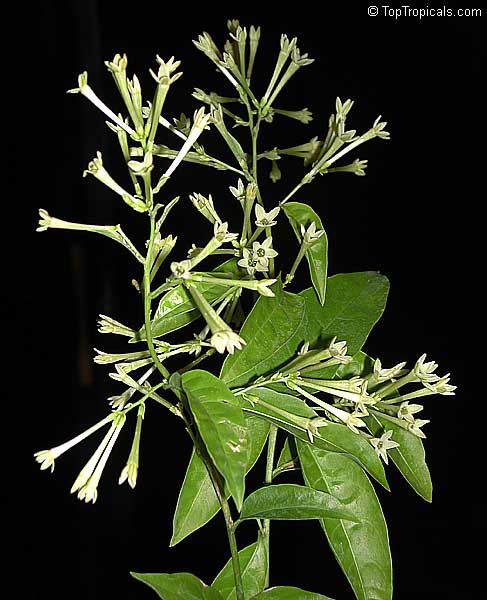
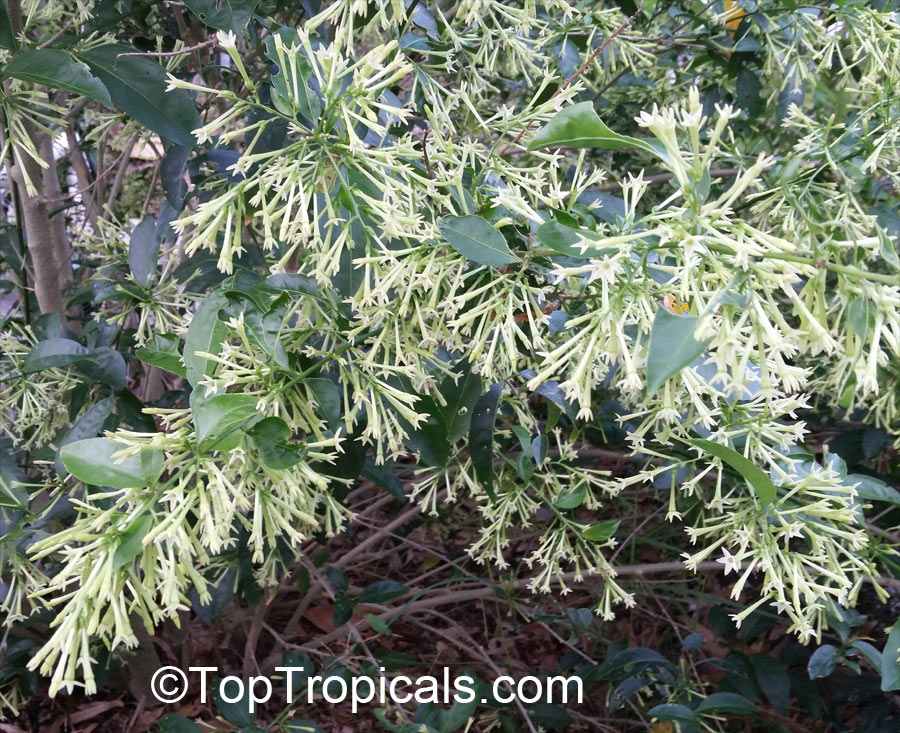
Night Blooming Jasmine - Cestrum nocturnum - is loved by many gardeners for its beautiful fragrance at night. It is one of the most fragrant tropical evergreen shrubs available. Cascading clusters of tiny, tubular pale yellow to white flowers open at night and release a heavenly fragrance throughout the garden, especially on warm summer evenings. The fragrance is much lighter during the day. Night Blooming Jasmine is grown year-round in zones 9-11. It is at its happiest in a sunny to a partially sunny spot in your garden in well-drained soil but can be grown in cooler climates as a container or greenhouse plant.
You would absolutely be able to enjoy this plant during the warm months in West Virginia, but it will most certainly not survive outside during the winter. You will have to bring it inside. Take it outside again only once you are confident there is no more possibility of frost. When grown indoors, be sure to give it the sunniest, South facing window in your home. When grown in a container, you will need to re-pot it every two to three years so it doesn't become root-bound.
For those who are lucky to live in frost-free areas, in ideal growing conditions outside, it can easily reach 8 feet with a spread of 5 feet. It has a lovely informal look that can soften a more manicured garden. Add organic matter to the planting hole when you plant to enrich the soil around the root ball. Water well in the summer, but allow them to dry out a bit between watering in the winter. Plant this Jasmine near pools, porches, doors, windows, and walkways where its lovely fragrance can be enjoyed. The shrub is also an excellent plant for privacy hedges and screens. When grown as a hedge, plant 3 feet apart.
Trim lightly after a bloom cycle to shape and then do a hard pruning in fall or spring to control the size of this plant. Fertilize 3 times a year - in spring, summer, and autumn - with a good quality granular fertilizer.

Recommended fertilizers:

Pink N Good Daily Plant Food - Flower Booster
Tropical Allure - Smart-Release Booster

Interesting facts:

Night-blooming jasmine is an excellent mosquito repellent. The powerful scent of the flowers attracts moths and bats that feed on mosquitoes and other small insects.
The flowers of the Night Blooming jasmine are widely used in India and other countries of South Asia for perfumery, medicinal applications and in religious ceremonies.

Limited time special offer:
Instant $5 off Night Blooming Jasmine

Date: 20 Dec 2024

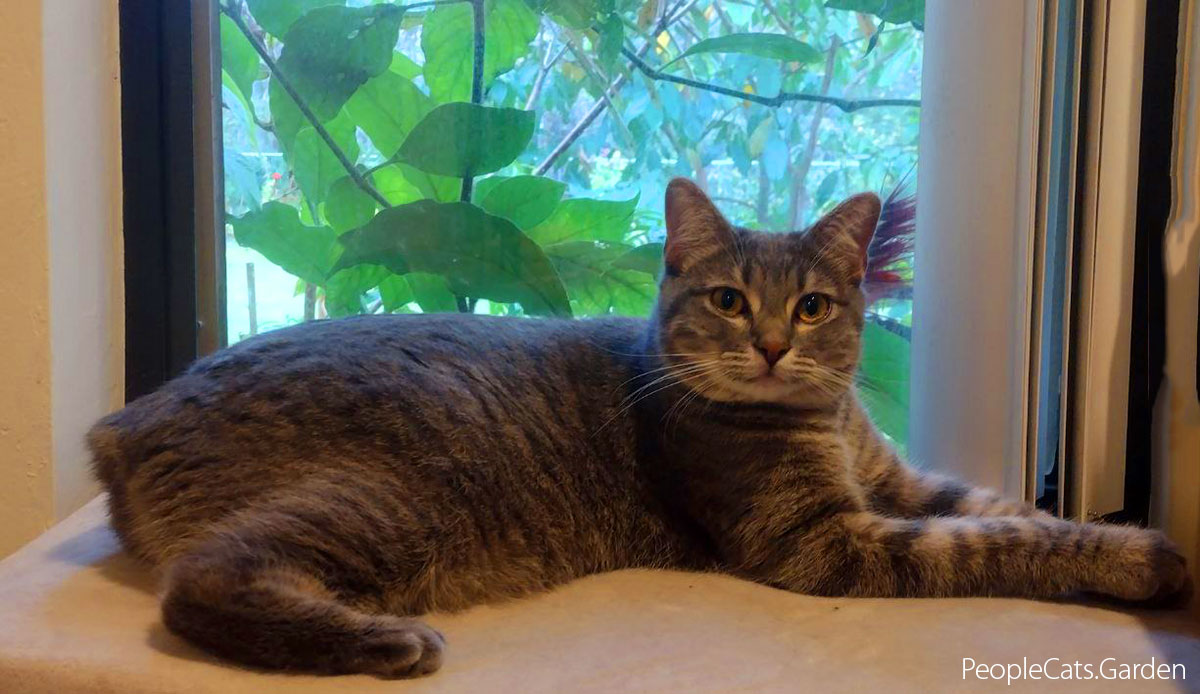
Paws, Claws, and Garden Flaws: How Cats Help in the Garden

Paws, Claws, and Garden Flaws: How Cats Help in the Garden

🌳 Paws, Claws, and Garden Flaws: How Cats Help in the Garden


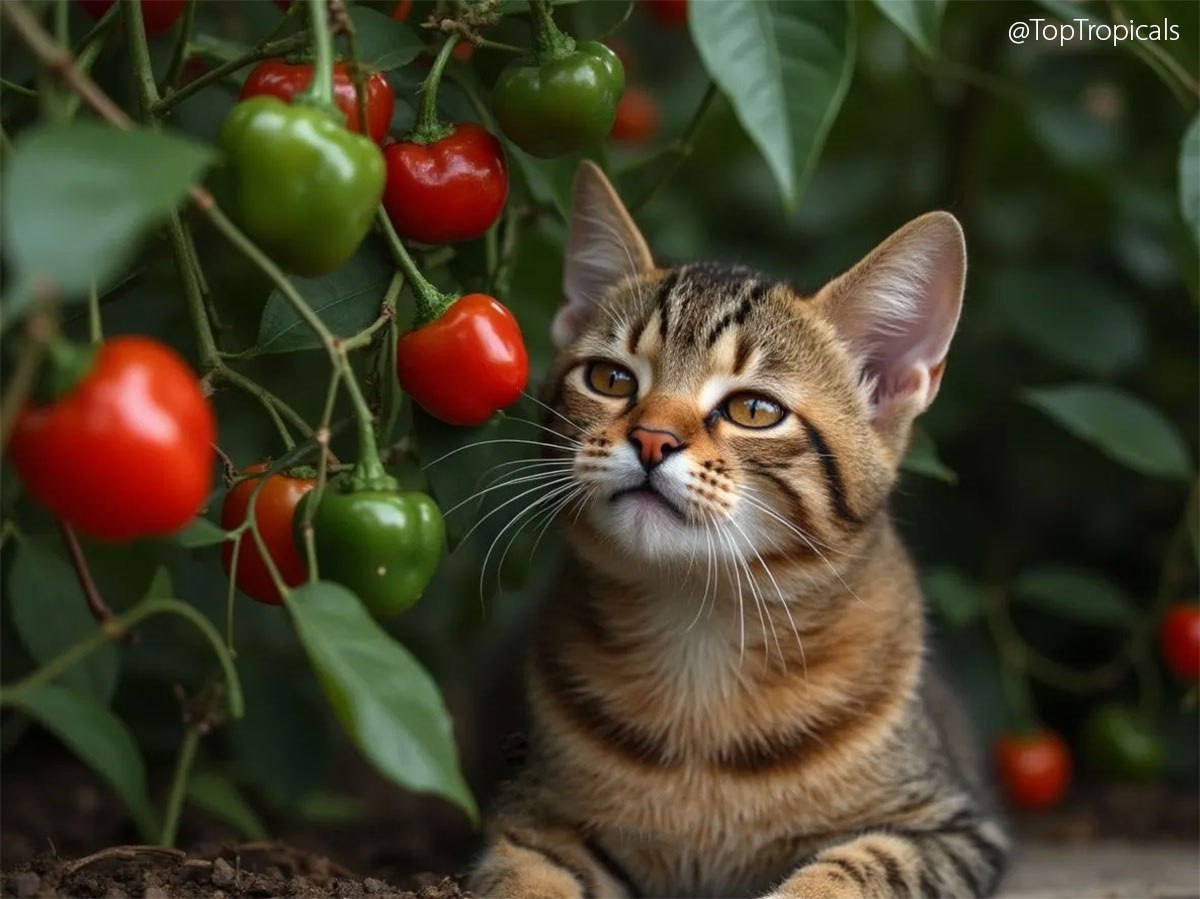
😨 Pest Control (Sort of): Cats love to chase bugs, mice, and lizards, though they rarely catch them. Mostly, they just keep pests entertained until they die of laughter or exhaustion.

😎 Quality Control Inspectors: Every freshly dug hole, bag of soil, or new plant needs a thorough inspection. Expect your cat to sit on it, sniff it, or bat at it like a professional.

💩 Fertilizer Experts: Got a sandy patch? Your cat will "fertilize" it for free - just don't ask what they're burying.

🚽 Weed Prevention: Cats help stop weed growth by rolling around and flattening anything remotely green and edible. Who needs grass when you have a furry steamroller?

🐈 Scarecrows on Demand: No bird or squirrel will dare stick around when your cat strikes their ultimate "hunting pose". Bonus: the pose is 90% napping 😴

Mood Boosters: Cats are pros at reminding you to take a break. Just try to resist when they flop dramatically onto your tools or demand belly rubs mid-planting.

🐈 Your garden may not be more productive, but it'll definitely be more entertaining with a cat around!

Share your cats in comments!
📸 🐈🐈🐈👇

🔠 More #PeopleCats in our Garden:
PeopleCats.Garden 

🔴 Join 👉 TopTropicals

Date: 23 May 2020

Perfumed Milky Way Tree

Stemmadenia litoralis

by Onika Amell, tropical plant expert

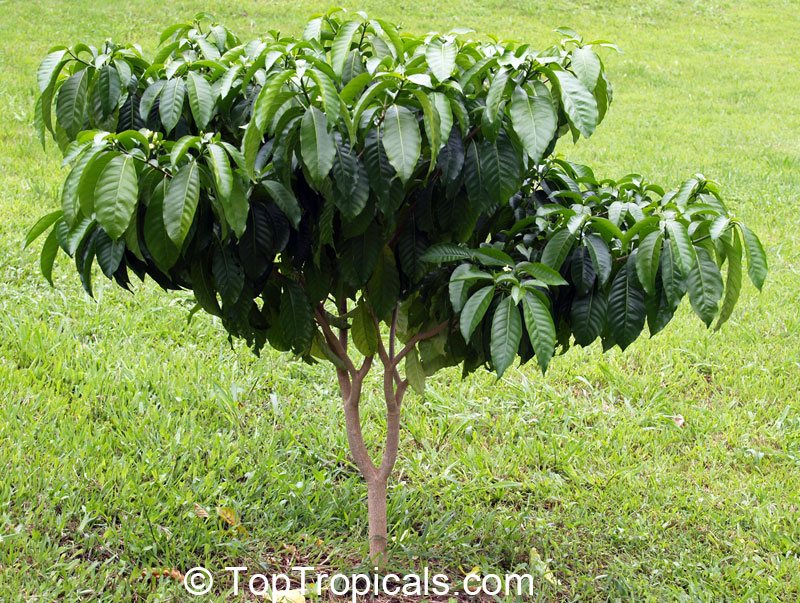
What is a garden without fragrance? Unknown to so many gardeners because of its rarity, the Milky Way tree or Stemmadenia litoralis is one of those trees that are simply unforgettable. This is without a doubt one of the most fragrant flowering trees you can plant in the tropics or warm greenhouse conditions...
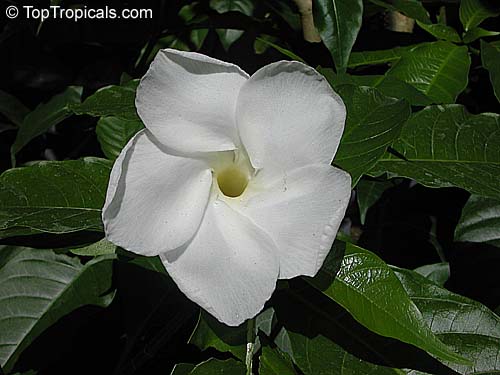
When this tree is in full bloom, masses of large, white, tornado-shaped flowers cover the branches. The fragrance is something to behold… soft, vanilla sweet and musky. Leaves are dark green and sparkly and a striking contrast against the large, white flowers. Even the seed pods are pretty, double-horned and orange-gold, born in pairs and hanging from the tree. This tree is so ornamental!..

CONTINUE READING >>

Date: 2 Jan 2025

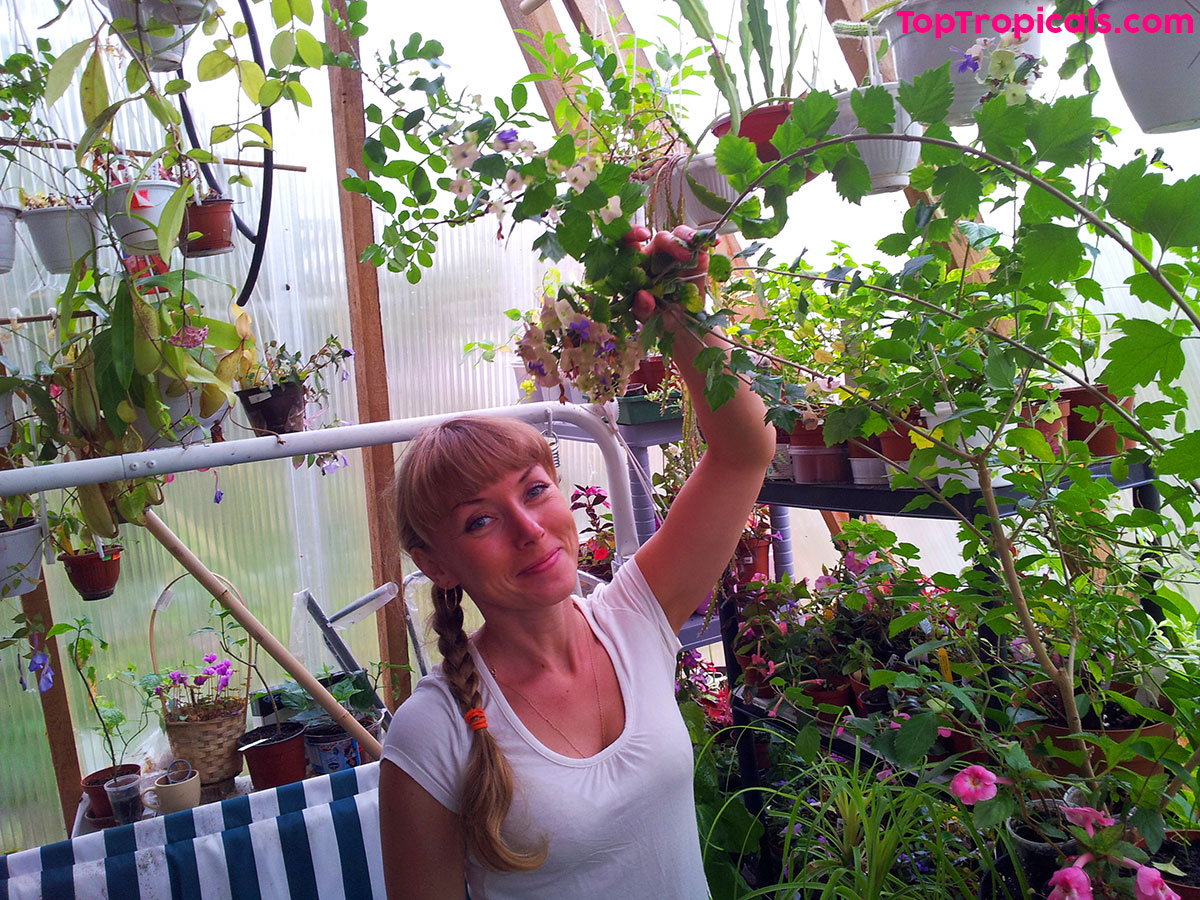
New Year with New Plants:
Choose from 17 Tropical Paradise Resolutions!

Indoor  garden  and 
 greenhouse

"A garden is never so good as it will be next year..." - Thomas Cooper.

Happy New Year, dear fellow gardeners! As we step into a fresh new year, it's the perfect time to think about what exciting, special, and life-changing plants we can add to our gardens. The days are getting longer, and spring is just around the corner, so now's the time to make a plan and prepare for the season ahead. Let's take small steps each year to create the garden of our dreams. This winter, consider these fun resolutions:

  1. Hang a bird feeder and install a rain barrel
  2. Order some tropical plant seeds for an early start
  3. Ask your grandparents about their favorite garden plants
  4. Build a raised bed for succulents
  5. Plant a fruit tree or two to have some crop this year
  6. Start a compost pile
  7. Switch to organic fertilizers and plant boosters
  8. Fill empty spaces with flowering trees, shrubs, and vines
  9. Add butterfly attractors to your garden
  10. Provide water for bees and butterflies to help them thrive and pollinate your fruit trees
  11. Get a bonsai starter to try bonsai art
  12. Enjoy meals outside as often as you can
  13. Teach a child how to plant a tree
  14. Plant berry-bearing shrubs like Tropical Cherries to feed the birds
  15. Rake up leaves for winter mulch
  16. Add a few exotic plants to your indoor collection or container garden
  17. Share plants as gifts all year long

Happy gardening in 2025!

Cat  with  tropical  plants