A: One of our favorite flowering shrubs in
Florida is the Cassia
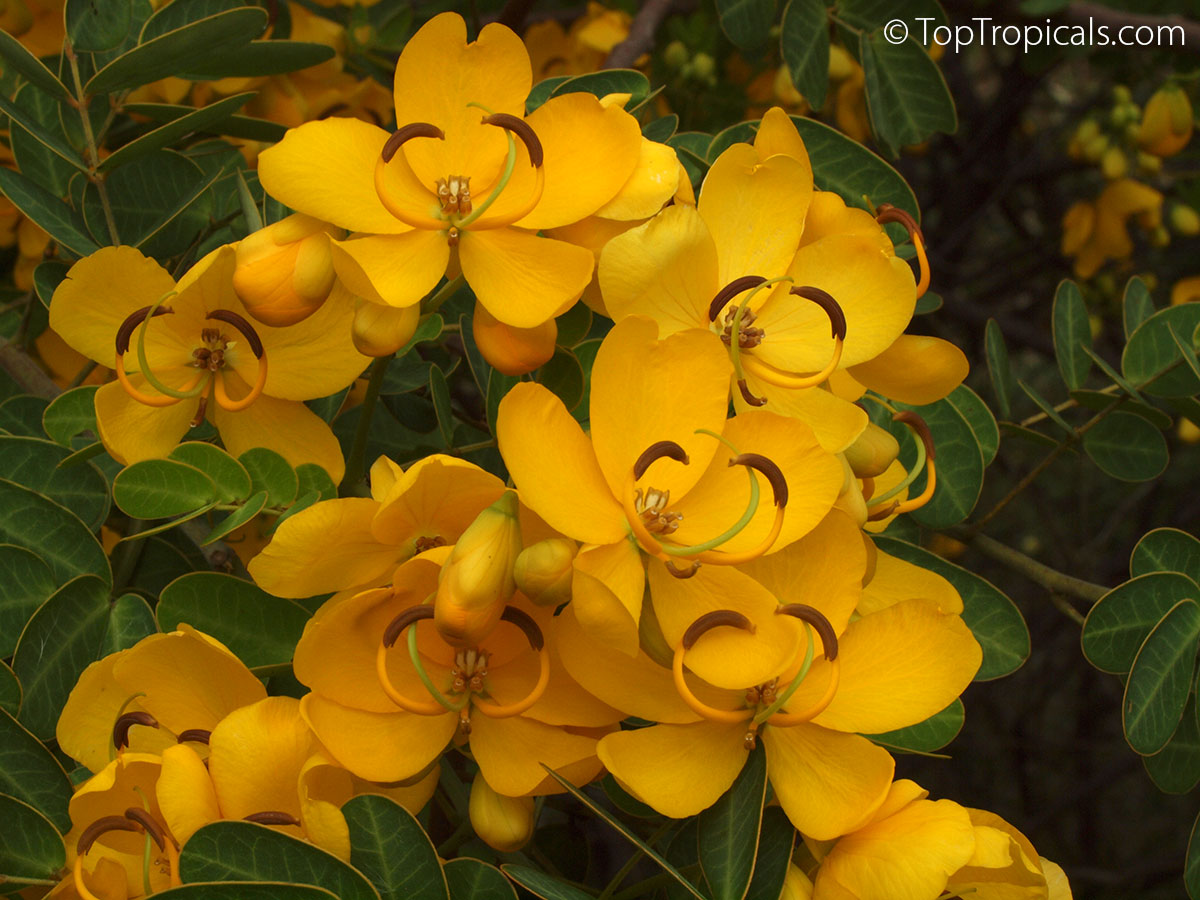
bicapsularis, commonly known as Scrambled Egg Bush or Butterfly Bush. It is one
of the most desirable plants for the southern landscape. It has all the
benefits any gardener may dream of, whether a beginner or an expert:
1. Very fast growing, can screen unwanted views and create a
beautiful flowering hedge. Cassia bicapsularis is known for its rapid growth,
making it an excellent choice for quickly transforming an unsightly corner into
a vibrant and lush area. Its dense foliage and attractive yellow blooms add
both beauty and privacy to your outdoor space.
2. Easy to grow, not fussy about soil or water, drought and flood
tolerant, cold tolerant. Butterfly Bush is incredibly adaptable and
resilient. It thrives in a variety of soil types, is not demanding when it comes to
water, and can withstand both drought and occasional flooding. Additionally,
it is cold tolerant and can withstand occasional frosts once established.
3. Blooms for many months, featuring especially in winter flowers
from Fall to spring. Very pretty, large "sunny" flowers resembling bright
yellow butterflies, hence the name. It is a generous bloomer, gracing your
garden with vibrant yellow flowers for an extended period, particularly from fall
to spring. The large, sunny blooms not only add visual appeal but also
attract pollinators, enhancing the ecological balance of your garden.
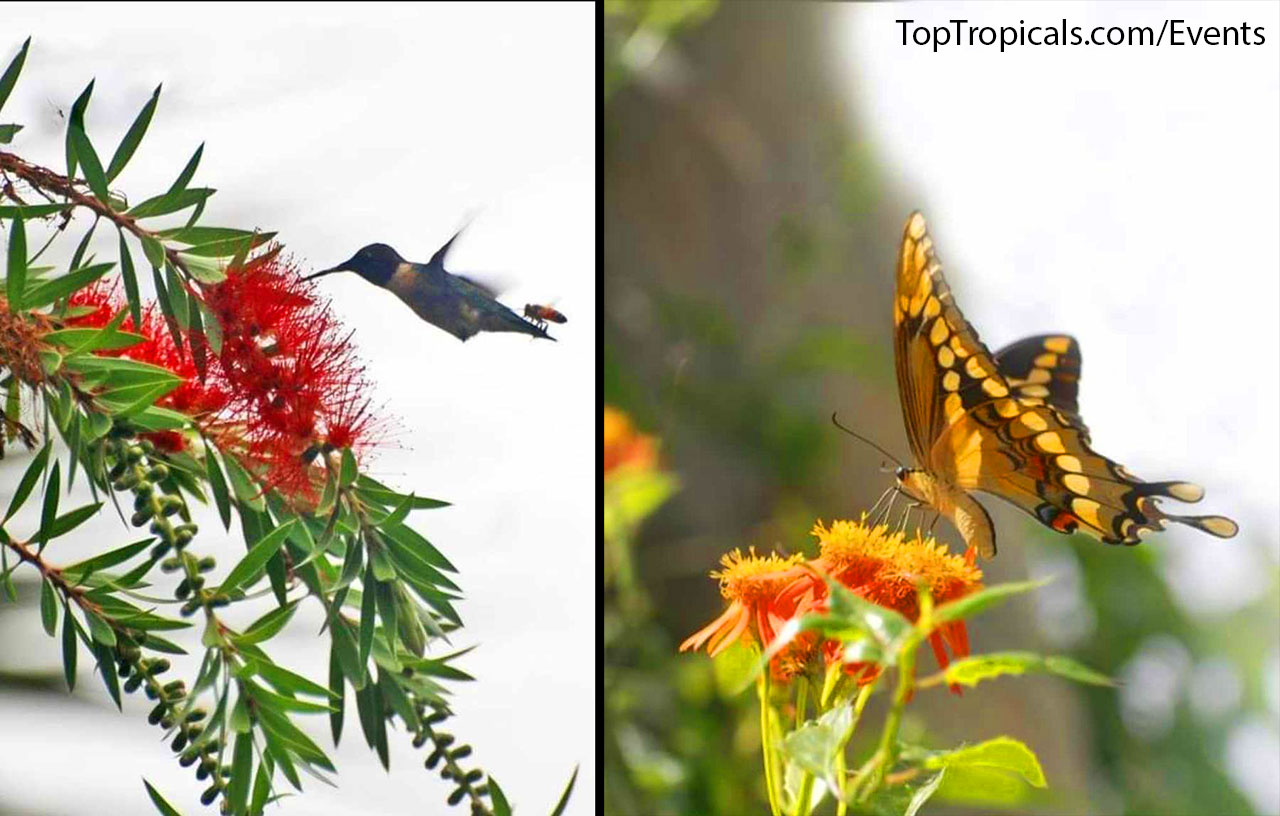
4. Attracts lots of butterflies. As the common name suggests, the
Butterfly Bush is a magnet for butterflies. If you enjoy the presence of
these beautiful winged creatures in your garden, planting Cassia bicapsularis is
an excellent way to encourage and support butterfly populations.
5. Low maintenance. Butterfly Bush can be trimmed and controlled
at the desired shape if needed, but if you have room for a big bush in a full
sun area - just let it go and it will form a nice dense bush without any
pruning: this shrub is a low-maintenance delight. While it can be pruned and
shaped according to your preferences, it also flourishes when left to grow
naturally. Its ability to form a dense and attractive bush without constant
pruning makes it an ideal choice for those seeking a fuss-free gardening
experience.
If you're looking for a fast-growing, low-maintenance, and aesthetically
pleasing solution to screen an unsightly corner, Cassia bicapsularis is an
unbeatable choice. It ticks all the boxes for a beautiful and resilient
flowering shrub in the southern landscape.
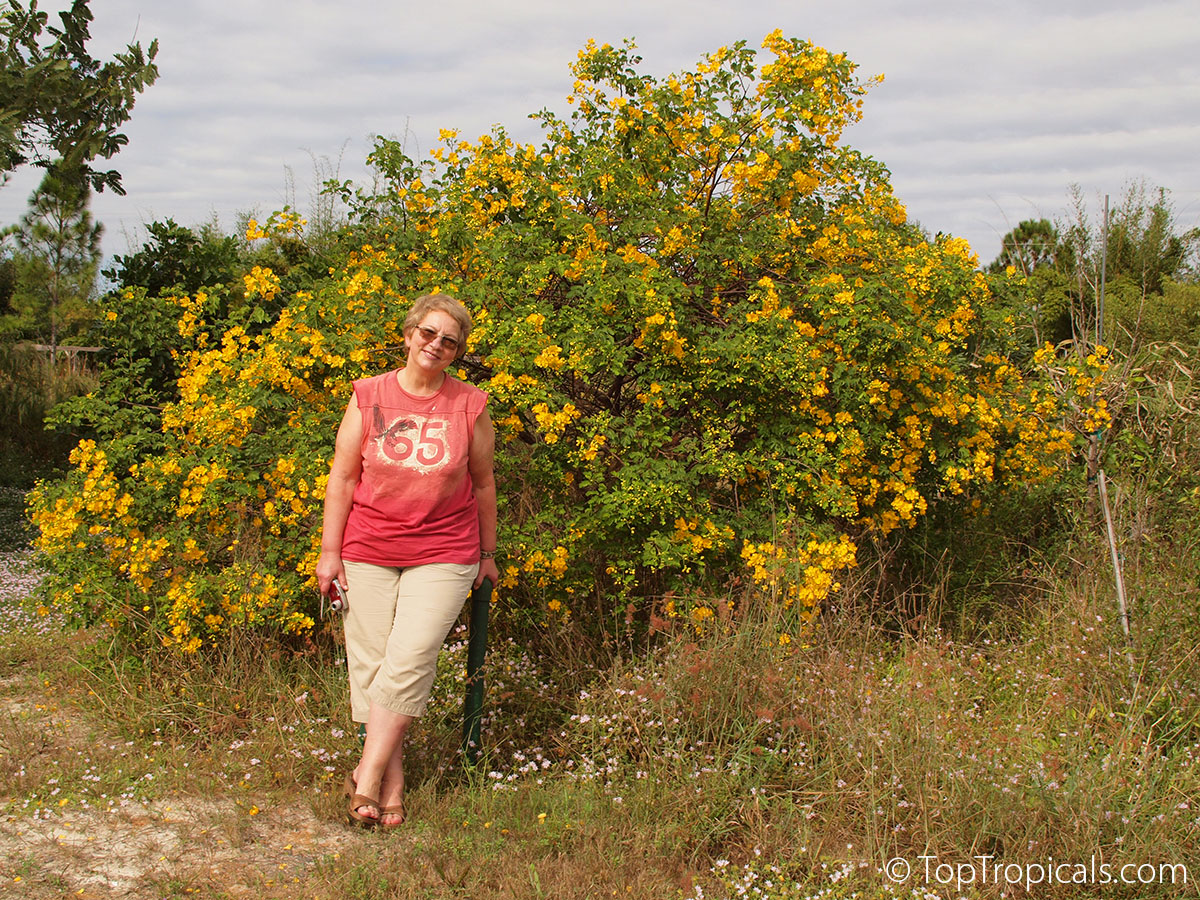
"...Without a doubt, Butterfly Cassia became one of my favorite
plants during my visit to Florida for Christmas a few years ago. I only wish I
could have taken it back home with me to Latvia. If only my windowsill hadn't
already reached its greenhouse capacity!.." - Alex Butova.
To see more options for flowering shrubs, check out the reference chart
Hedges with Benefits Chart.