Garden Blog - Top Tropicals

Date: 2 Jul 2023

Three colors of flowers
for 4th of July
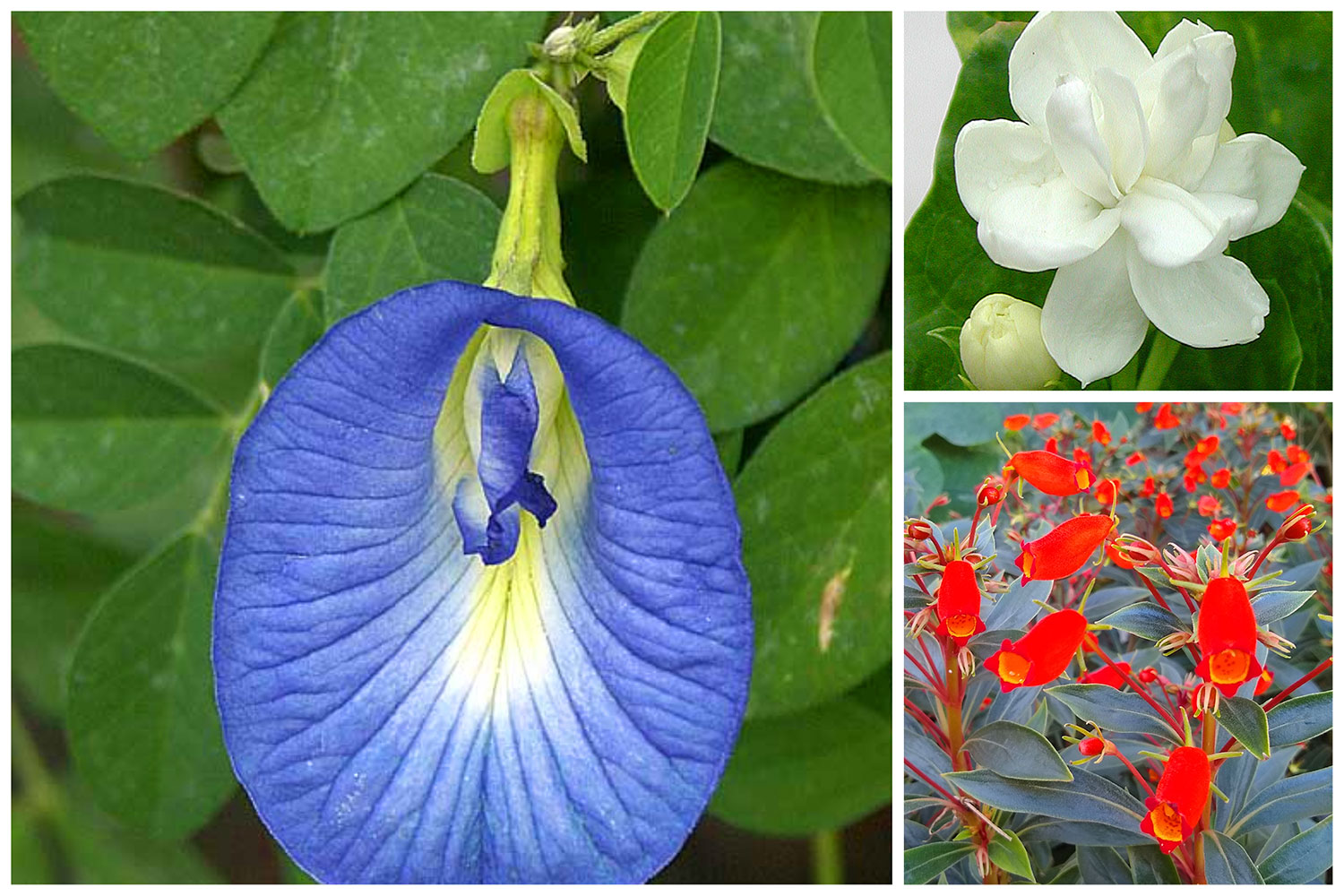
Blue,  Red  and  White  flowers  for  4th  of  July

Q: Our anniversary is on the 4th of July. Do you have anything that might be a good gift? Maybe something flowering that has red, white and blue flowers... I know that is a lot to ask but maybe you have an idea?

A: We appreciate your intriguing question and extend our heartfelt congratulations on your approaching anniversary. Numerous tropical plants lend themselves beautifully to a captivating blend of red, blue, and white hues. Here are our top recommendations for the most delightful combination:

White: Jasmine sambac fragrant bush (var. Arabian Nights is our favorite, it's a free-bloomer and easy to grow)

Blue: Clitoria Vine, it is fast growing controllable vine, everbloomer. There is also a White variety of Clitoria, you can plant them together!

Red: Gloxinia, a smaller perennial that perfectly fits into this combination of three.

More flowers for white-blue-red colors:

White: Gardenias, Jasmines, Almond Bush, Brunfelsia, Clerodendrum Bridal Veil, fragrant Cashmere Bouquet, White Brazilian Plume Flower, Montanoa - Tree Chrysanthemum

Blue: Blue Sage Lead Flower, Blue Butterfly Clerodendrum, Weeping Blue Ginger, Duranta, Thunbergia erecta - Kings Mantle, and its white variety Alba, Blue Sky vine

Red: Cat Tail Acalypha, Dwarf Poinciana, Red Bottlebrush, Pavonia multiflora - Brazilian Candles (it's actually red-and-blue), Red Button Ginger - French Kiss, Brazilian plume, Firespike , Scarlet Flame Passion Flower, Quisqualis (has white and red flowers on the same plant).
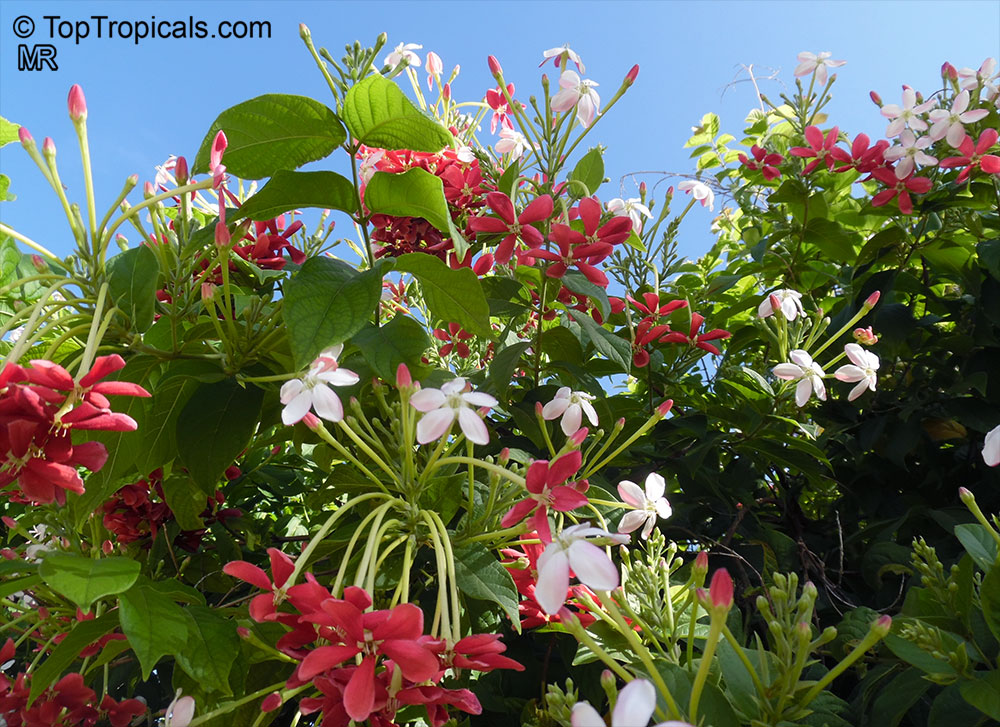
Quisqualis  Indica  -  Rangoon  Creeper

Quisqualis Indica - Rangoon Creeper. Spectacular bloom, flowers change color from white to pink to red. Sweet fragrance. Very fast growing, perfect for covering a fence or pagoda.
Date: 28 Jun 2023

Six reasons to grow
Elephant Ears in your garden

Pomegranate  fruit

Alocasias and Colocasias, commonly known as Elephant Ears, are both remarkable and popular plants that can bring a touch of tropical elegance to any garden. Here's why they are often considered great additions:

1. Striking Foliage: One of the most captivating features of colocasias and alocasias is their large, lush foliage. The leaves can be enormous, resembling the shape of elephant ears, hence the common name. The foliage is usually rich green, but there are also varieties with hues of purple, black, or variegated patterns. These vibrant leaves create a dramatic focal point in any garden setting.

2. Tropical Aesthetic: Colocasias and alocasias have a distinct tropical vibe that can transform your garden into a lush oasis. Their exotic appearance lends itself well to creating a tropical-themed garden or adding a bold accent to other styles of landscaping. Their large, architectural leaves add a sense of drama and create a stunning backdrop for other plants.

3. Versatility: These plants can be grown in various garden settings. They work well in containers, making them suitable for patio gardens or balcony displays. In larger landscapes, colocasias and alocasias can be planted directly in the ground, either as standalone specimens or as part of mixed border plantings. They can also be utilized around water features or in bog gardens since they enjoy moist conditions.

4. Low Maintenance: Once established, colocasias and alocasias are generally low maintenance plants. They thrive in full to partial shade, preferring a consistently moist soil. Regular watering and occasional fertilization will help them grow vigorously. While they are generally hardy, some varieties may require protection during colder months or overwintering in frost-prone regions.

5. Impressive Size: With proper care and favorable growing conditions, colocasias and alocasias can reach impressive sizes. Some varieties can grow several feet tall, creating a stunning vertical element in the garden. Their size and presence make them ideal for adding structure and height to planting arrangements.

6. Unique Varieties: Colocasias and alocasias offer a wide range of cultivars and species, each with its own distinct characteristics. From the classic Colocasia esculenta to the more exotic Alocasia macrorrhizos, there are numerous options to choose from. You can select plants with different leaf shapes, colors, and patterns to suit your taste and garden design.

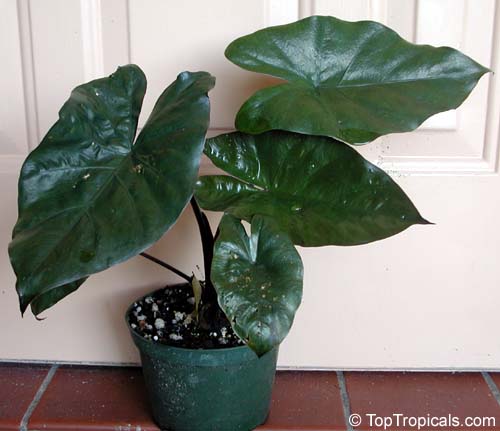
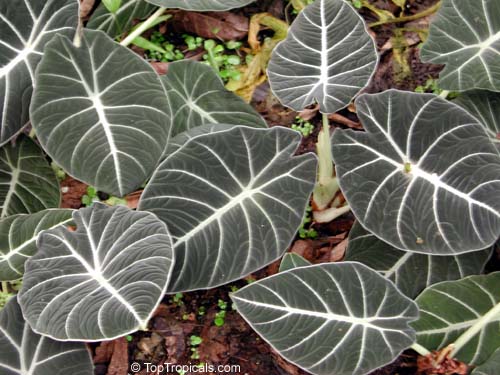
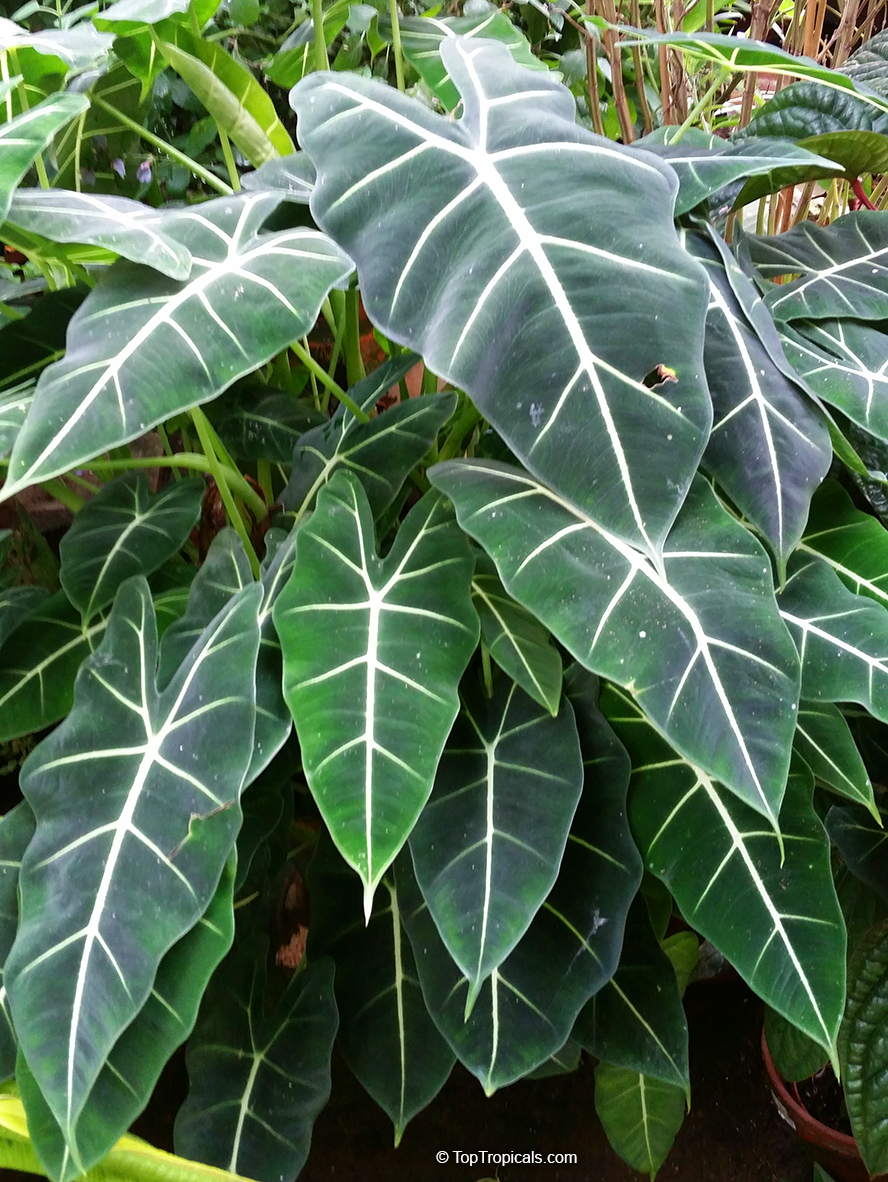
Alocasia  Elephant  Ears

Alocasia  in  a  pot

Date: 22 Jun 2023

NEW VIDEO:
Medinilla Gregori Hambali
an Exquisite Natural Wonder

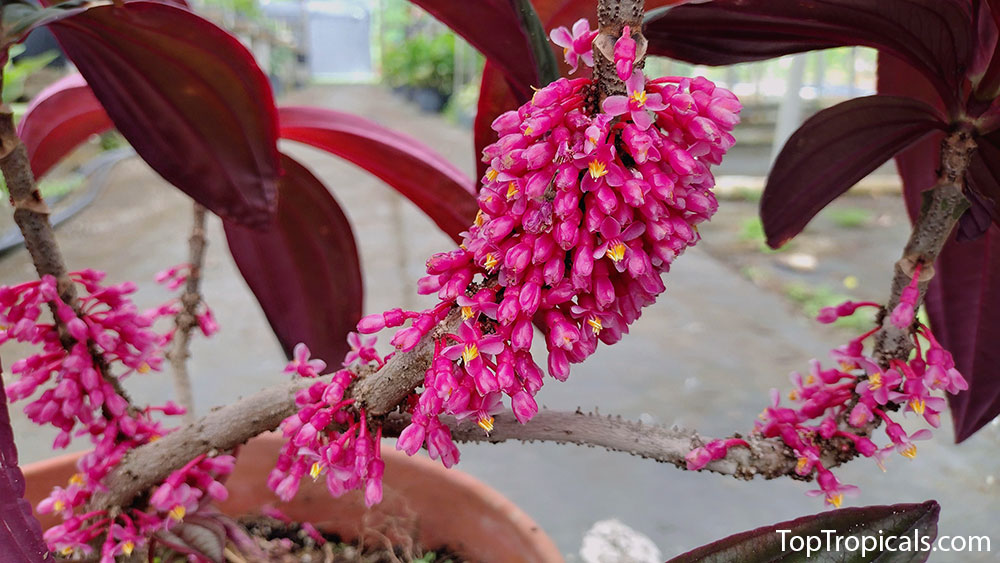
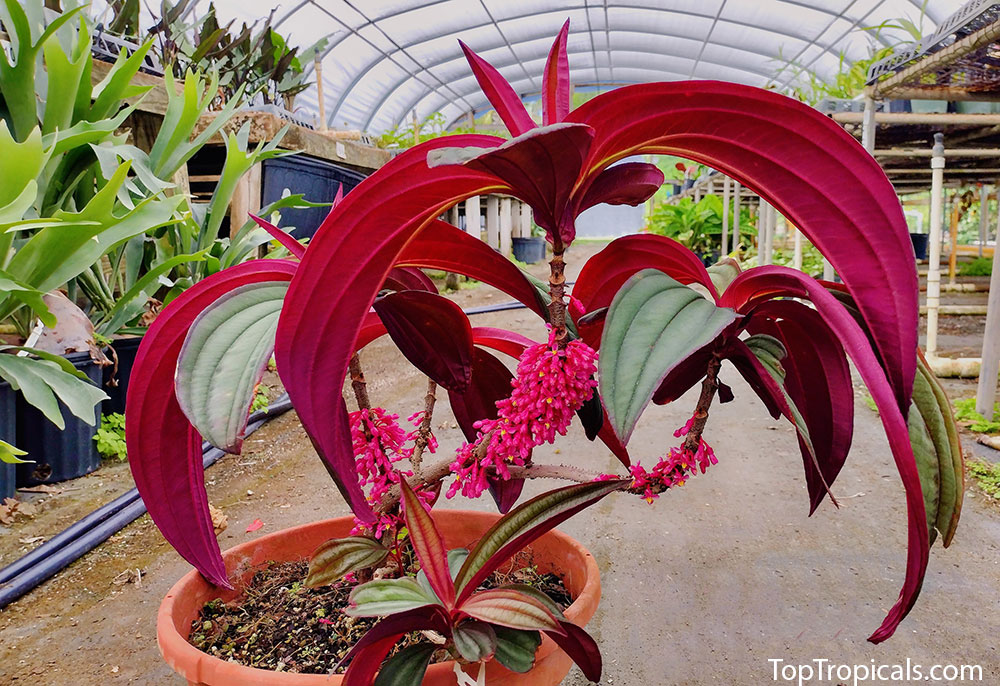
Welcome to the world of the Medinilla var. Gregori Hambali originated in Papua New Guinea! Prepare to be enchanted by this botanical marvel that showcases vibrant pink flowers gracefully cascading down its stems. The lush foliage, with its deep green color and bright mauve undersides, adds an extra layer of visual appeal, making it a true standout.

What makes this plant truly remarkable is its resilience and versatility. It thrives in moderate light conditions and can adapt well to varying levels of humidity, making it an ideal choice for both indoor and outdoor settings. Whether you're a seasoned gardener or just starting your plant journey, the Medinilla var. Gregori Hambali is sure to flourish under your care.

Caring for this exquisite beauty is a delight in itself. Regular watering and occasional misting are all it needs to flourish, rewarding you with lush foliage and an abundance of blooms. Watching this plant thrive and transform your space into a botanical paradise is an incredibly rewarding experience.

Elevate your surroundings with the captivating Medinilla Gregori Hambali. Its mesmerizing beauty and enchanting presence will captivate your senses and bring joy to your heart. Don't miss out on the opportunity to experience the wonders of this botanical masterpiece. Treat yourself to this magnificent beauty and be prepared to be amazed. This plant won't disappoint!

Medinilla  Gregori  Hambali  flowers

Medinilla  Gregori  Hambali

Subscribe to our Channel:

Stay updated with TopTropicals Videos by subscribing to our channel at YouTube.com/TopTropicals and get our latest video news of what is fruiting and blooming!

Date: 12 Jun 2023

What is Akee?

Grow Your Own Food

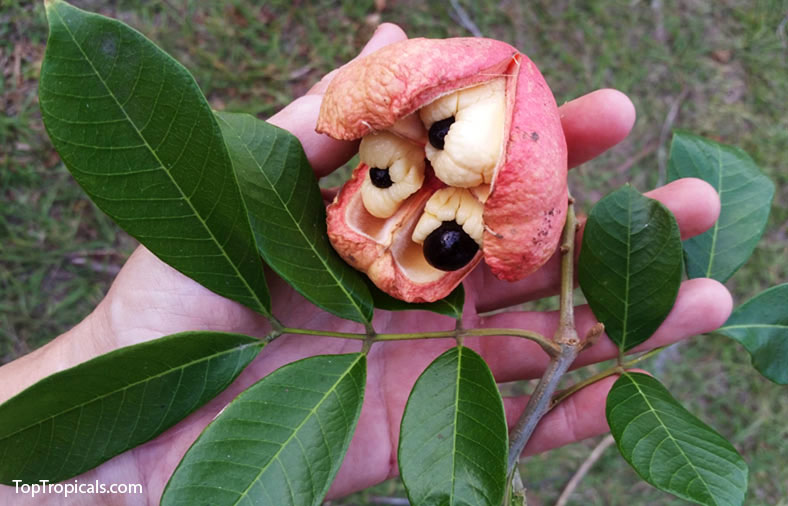
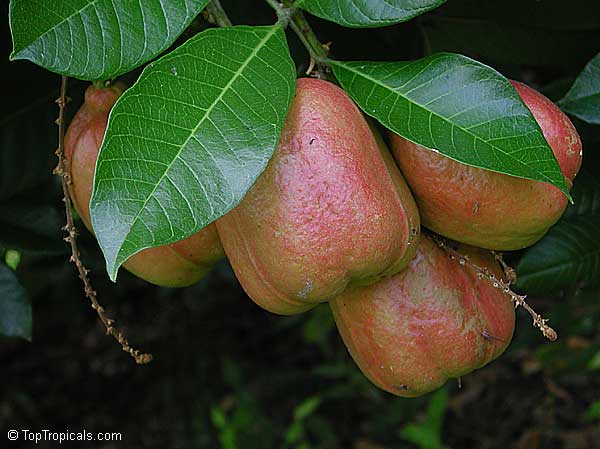
Akee  fruit  on  the  branch

Q: What is Akee and how do you eat it? Is it a fruit or a vegetable?

A: Blighia sapida, commonly known as Akee, holds a special place as the Jamaican National Fruit. The fruit of this medium size, fast growing subtropical tree is used as a vegetable, is renowned for its delicious taste, vibrant red pods, and creamy texture. Akee is primarily grown in Jamaica and is an integral part of Jamaican cuisine. Its unique ripening process and the need for careful preparation make it distinctive.

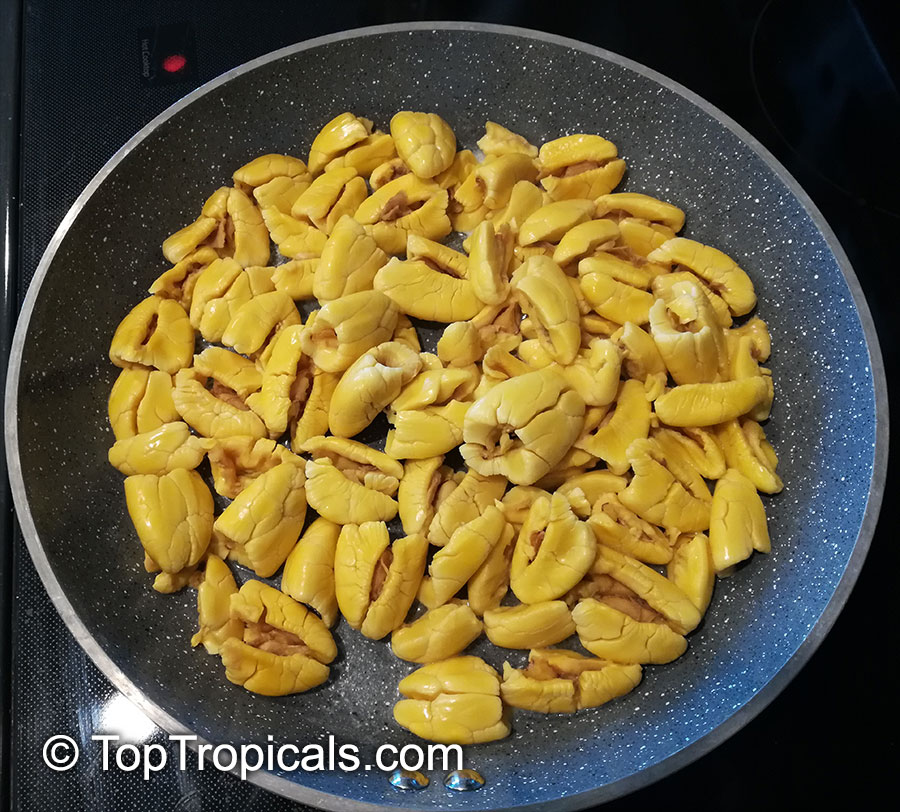
The fruit starts off green and gradually transforms into a vibrant red hue when it matures. To enjoy Akee, the pods must be harvested when fully ripe, and the skin should be orange to red. They are then carefully opened, revealing three distinct sections: the creamy white or yellow flesh, the central seed, and a thin, dark membrane. The seed and the membrane are not edible, only the ripe yellow flesh is consumed, which has a soft, buttery consistency and a mild, nutty flavor.

Akee is often cooked and served in various traditional Jamaican dishes. It is famously paired with salted codfish, creating the popular national dish known as "Ackee and Saltfish." This dish is a flavorful combination of sauteed Akee with flaked salted codfish, onions, peppers, tomatoes, and spices. Akee is also used in stews, curries, and salads, adding a rich and distinct taste to the culinary preparations.

Beyond its culinary significance, Akee holds cultural and historical importance in Jamaica. It is believed to have been brought to the Caribbean region from West Africa during the transatlantic slave trade era. Today, Akee symbolizes national pride and is a source of cultural identity for Jamaicans.

Akee tree is fast growing and easy to grow. It will start producing within 2-3 years after planting.

Akee  fruit  on  a  plate

Akee  fruit  on  a  tree

Date: 11 May 2023

Five reasons to give your mother a live plant

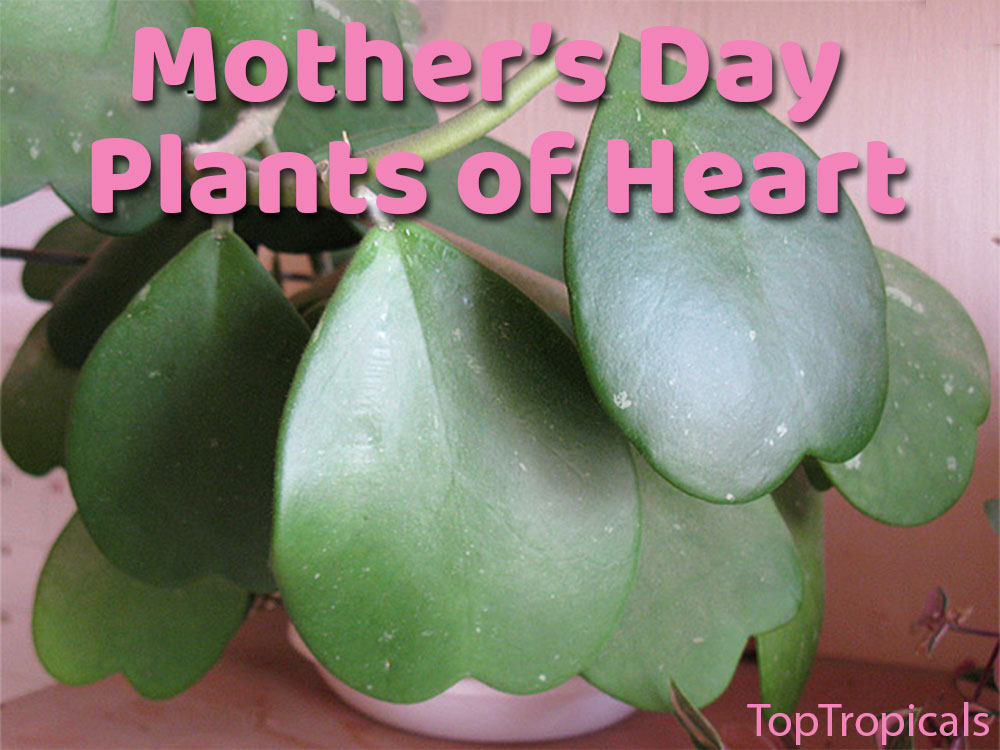
Hoya  kerrii  -  Sweetheart

In the photo: Hoya kerrii - Wax Hearts, Sweetheart Hoya, Heart leaf - makes an ideal houseplant. It has become increasingly popular in recent years because of its unusual "heart" shape leaves...

Q: What is the best Mother' Days present?

A: Buying a live plant for your mother is a thoughtful and meaningful Mother's Day gift for several reasons:

1. Growth and Nurturing: Just like a mother's love, a live plant symbolizes growth, nurturing, and the bond between a caregiver and their offspring. By gifting a live plant, you acknowledge and honor your mother's role in nurturing and supporting you throughout your life.

2. Long-lasting Beauty: While cut flowers may fade within days, a live plant has the potential to flourish and bloom for months or even years. It serves as a constant reminder of your love and appreciation, bringing beauty and vitality to your mother's living space.

3. Therapeutic and Relaxing: Gardening has been proven to have therapeutic benefits, reducing stress and promoting relaxation. By giving your mother a live plant, you provide her with an opportunity to engage in a fulfilling and calming hobby that can enhance her overall well-being.

4. Personalized and Thoughtful: Choosing a live plant allows you to select a specific type or variety that holds significance for your mother. You can consider her preferences, favorite colors, or even a plant that carries a special meaning. This personalized touch shows that you've put thought and effort into selecting a gift that resonates with her.

5. Symbol of Renewal and Hope: Plants have a natural cycle of growth, renewal, and resilience. By giving your mother a live plant, you convey a message of hope, renewal, and the endless possibilities that lie ahead.

Some suggestions of live plant gifts

Spice trees and plants - you don't need to wait until it fruits or blooms, the spice is with you right away!
Mango or Avocado tree - a classic present of a valuable tropical tree and a sign of respect
Fragrant plants - 100% success! Ladies love fragrances. Especially Jasmines.
Flowering butterfly attracting plants are so romantic!
Gingers and heliconias - are very tropical looking, exotic beauties.

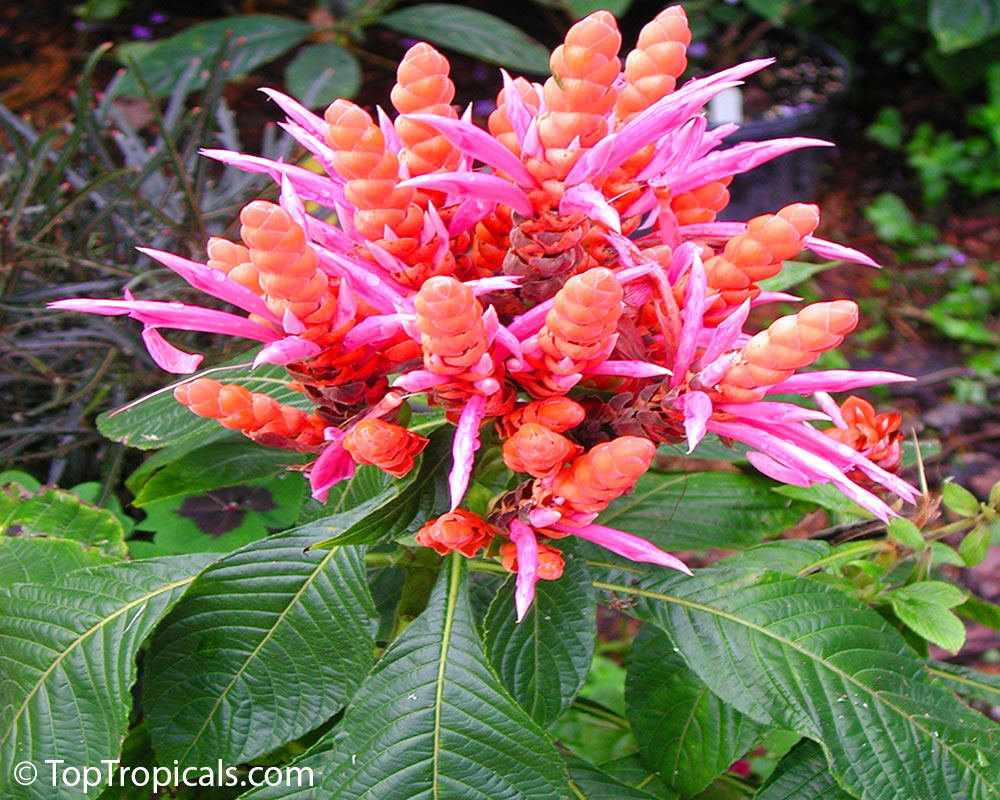
Aphelandra  sinclairiana  -  Panama  Queen

In the photo: Panama Queen - a very rare, much wanted tropical plant with extremely tropical look, fragrant flowers of unusual color combination: orange and pink