Date: 24 Jun 2018

Cleanest fruit?
"Dirty" fruit: According to the Environmental Working Group research, Strawberries are top the list of the 12 "dirtiest" fruits and vegetables grown commercially. Spinach is the second, followed by (in order of contamination) nectarines, apples, grapes, peaches, cherries, pears, tomatoes, celery, potatoes and sweet bell peppers. Each of these foods tested positive for pesticide residues and contained higher concentrations of pesticides than other produce. This causes of course chronic health implications. Children are of special concern as younger bodies have greater susceptibility to pesticides than adult bodies, the report emphasizes. Pesticides may induce chronic health complications in children, including neuro- and behavioral problems, birth defects, allergies, asthma, and even cancer...
"Clean
15": Avocados lead 2018's clean fruits and
veggies list, that also includes: mangoes, papayas, pineapples, kiwi, sweet corn, cabbage,
onions, frozen sweet peas, asparagus, eggplant, honeydew
melon, cantaloupe, cauliflower and broccoli.
Obviously, home grown fruit and vegetables are even
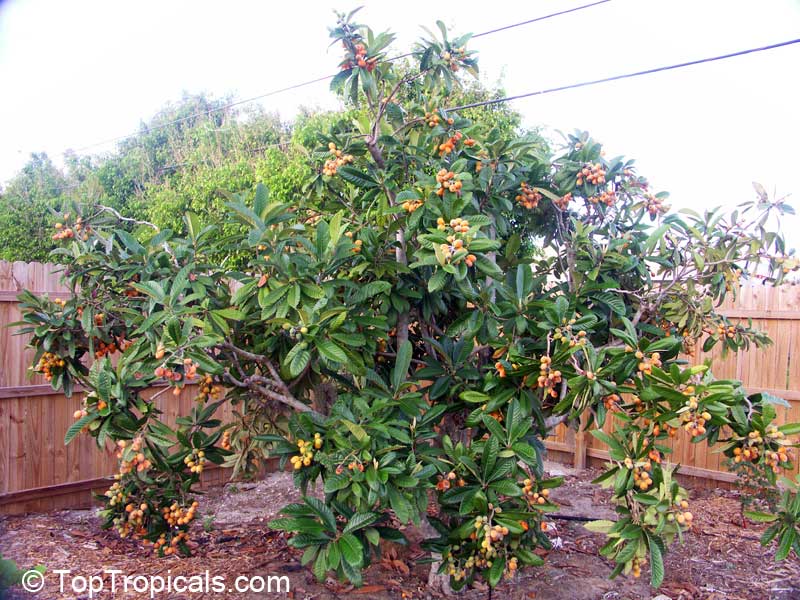
better. Such fruit as Custard Apples, Sapodilla, Sapote, Jackfruit, Dragon Fruit, Passion Fruit and other rare
varieties of tropical fruit, are even better for you
because they are not grown commercially, and the choice
from your own organic garden is the healthiest for
yourself and your family!
Plant them today and get your cleanest fruit tomorrow!
Check out all tropical fruit trees and all tropical spice plants
Date: 20 Feb 2017
Flowering plant for a front yard
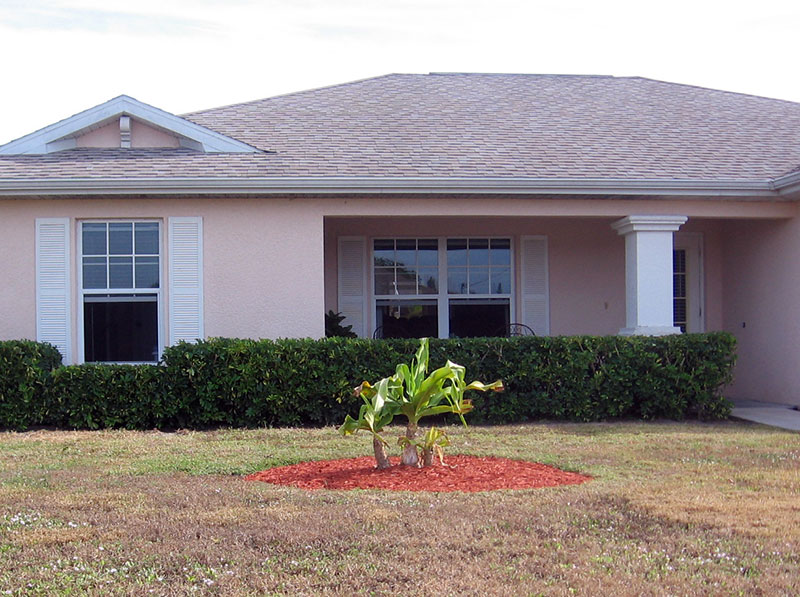
Q: I need your expertise. I had a plant in the front of my house that when I moved in (two years ago) wasn't doing well. It was infested with grasshoppers and snails. I treated it with a pesticide and fertilizer and it flourished. Had beautiful flowerings and was almost the size of the mulch area. Then the property management company hired some terrible grass cutters that I believed destroyed it. I would come home and find the red mulch and leaves from the plant all over the front lawn. And since then it has gone down hill. I am attaching a picture. As of now the larger of the remaining two trunks (out of six that were there) is falling over and it doesn't seem to be doing well. So I was wondering if you can recommend a nice plant that I can replace this one with. Nothing extravagant but nice enough to fill in that area. Also since I only lease here don't want to get to pricey either. Thanks for any advice and plants you have.
A: The plant you have is called Spider Lily. It is one of the easiest landscape plants that doesn't require much care and is great for low maintenance yards. In your case, besides possible damage from the grass cutter, looks like the plant is very old judging by the thick woody stem. It is not a bad idea to replace it with something more pretty rather than trying to baby it. Other suggestions for this location would be something easy and low maintenance, especially if you don't have reliable sprinkler system in that area of your yard and don't want to spend time hand-watering with a house:
Sweet mimosa - grows into very large bush, Pony tail, Dwarf poinciana, Powderpuff, Clusia, Devils backbone (smaller bush 3 ft tall), Cordyline, Ti leaf - these are very colorful.
There are more low maintenance plants you can chose from.
And always remember that traditional "landscapers" that only mow grass, may not be experts on plants. You may always call TopTropicals Garden Doctor
Date: 11 Mar 2026
📅 Do Not Miss: March 21 - Spring Equinox Plant Market
🍩 Saturday, March 21, 2026: 9 am - 4 pm

Smokey: You'd be perfect for a Gulf beach cafe. But gardeners don't come here for donuts.
Sunshine: Really? Then why do they come?
Smokey: Some gardeners lost plants to the freeze. Others want trees that will handle winter better. Cold-hardy avocados. Macadamia. Grumichama. And some just come for fun - to see the PeopleCats.
Sunshine: And my charm... and my donuts will make it more fun.
Read more about Smokey & Sunshine
Ft Myers Garden Center: 13890 Orange River, Ft Myers,
FL
Sebring B-Farm
: 9100 McRoy Rd, Sebring, FL
More Spring Equinox Plant Market details
🌞 Welcome to our Spring Equinox Plant Market, proudly hosted by the PeopleCats of Top Tropicals.
This one feels different.
After Florida’s record freeze, many gardens are brown, trimmed back, or missing a few old friends. We felt it too. And now - we rebuild.
The equinox marks equal day and night. More light ahead. New growth beginning.
And the PeopleCats are ready🐾.
- 🐱King is back on gate duty - inspecting every vehicle for proper plant-hauling capacity.
- 😺Paisley is rearranging freeze survivors and new arrivals like a design consultant.
- 😼Snitch is supervising recovery efforts from a comfortable chair.
- 😸Persephone is checking under tables for "hidden spring energy."
- 😻Sushi and Loki are preparing for guided garden tours - recovery edition.
This is not just a plant market. This is the spring reset.
👍 Why You Should Come
It is finally warm in Florida. After several nights of hard freeze, some plants survived - and some didn’t. This event is your chance to see real freeze champions in person.
If you lost plants, you are not alone. If you are ready to plant smarter, this is your moment.
Walk the gardens. See proven winter survivors. Discover cold-hardy fruit trees and resilient ornamentals. Get practical advice about replanting after freeze. This is rebuilding - Florida style.
♥️ What Makes This Event Special
We are featuring:
- Verified freeze survivors
- Cold-hardy fruit trees
- Tough flowering trees and shrubs
- Replacement plants for damaged landscapes
- Smart layering ideas for frost-resilient gardens
- You will see which species handled 25F with wind and multiple nights of freeze - with no protection.
Real-world test. Real results.
Cold hardy fruit favorites include:
- Cold-hardy Avocado varieties, including varieties, which are cold hardy to 15-20°F: Joey, Fantastic, Mexicola, Poncho, Brogdon and more.
- Macadamia Nut Trees
- Eugenia Cherries, including Rio Grande and Grumichama
- Gin Berry and Jaboticaba
- Loquat and Cattley Guava
- Peaches and Pomegranates
🌸 Cold hardy subtropical flowering trees including:
- Bauhinias and Tabebuias
- Mexican Bird of Paradise - Caesalpinia mexicana
- Jacaranda and Magnolia
🎉Event Highlights
- 30% OFF online prices
- FREE plants with purchase
- $5-10 specials
- Exciting raffle prizes
🌳Don't just mow - grow!
Start your food forest, beat rising prices, and plant a future your family will thank you for.
Date: 25 Jan 2021
Coastal Plants. List of plants that do well in coastal areas
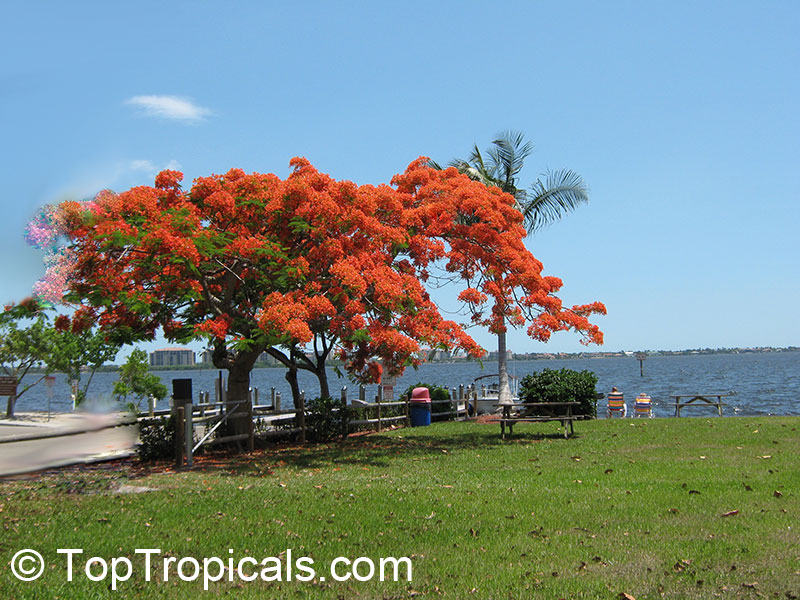
In the photo: Delonix regia - Royal poinciana, Flamboyant
Q: How can I get a list of plants that do well in coastal areas (i.e. next to sea)?
A: Many tropical plants live by the sea in natural habitat and
don't mind ocean breeze. We have a large selection to pick from. The following
groups of spectacular flowering trees will enjoy coastal environment:
Cordia trees
Plumerias
Orchid trees (Bauhinias)
Caesalpinias
Callistemons (Bottle brush trees)
Cassias
Many palm trees
See full list of salt-tolerant plants available at this time.

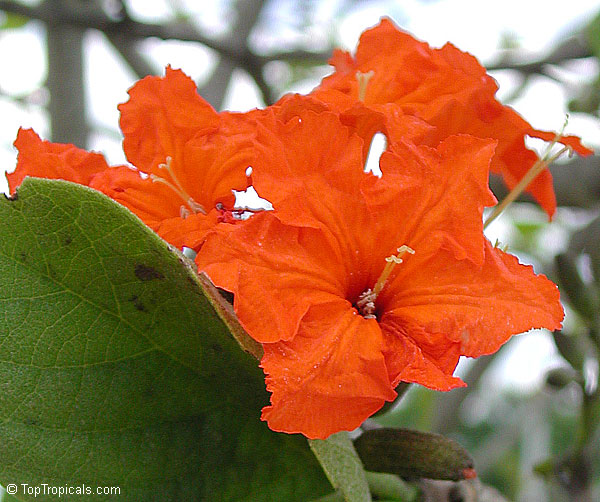
In the photo: Cordia sebestena - Scarlet Geiger tree
Date: 3 Mar 2020
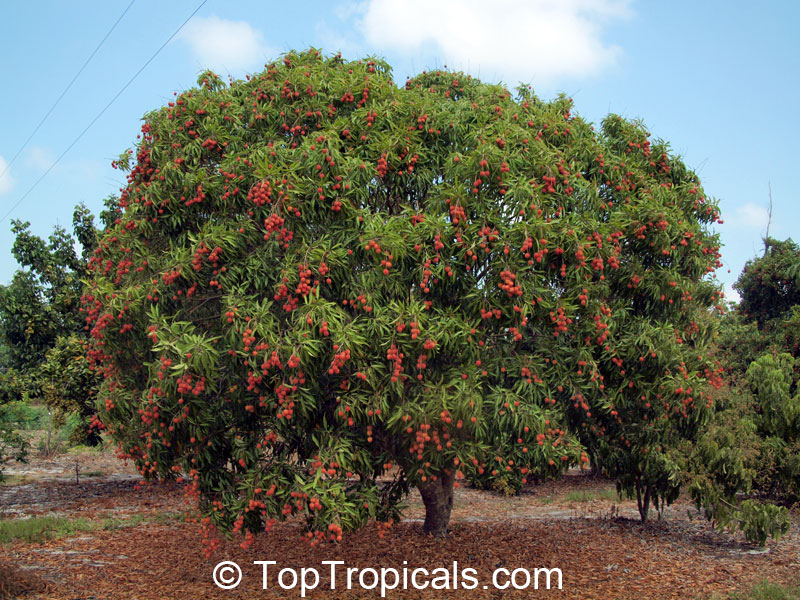
Tu BiShvat - New Year for Trees
By Alex Butova
Tu BiShvat is the Israeli Arbor Day, and it is often referred to by that name in international media. Ecological organizations have adopted the holiday to further environmental-awareness programs. The modern practices and interpretations of Tu BiShvat often revolve around the earth and environment. This holiday is a celebration of nature and appreciation for creating the natural world. In Israel, Tu BiShvat is celebrated as an agricultural holiday. The 15th of Tu BiShvat was celebrated this year on February 10, 2020. This day marked the beginning of a new year for trees. This day marks the season in which the earliest-blooming trees emerge from their winter sleep and begin a new fruit-bearing cycle. Often the date of Tu BiShvat is used for determining the age of fruit baring trees and therefore establishes their birth dates. Therefore, Tu BiShvat is the "birthday" of trees!
The traditions and customs of Tu BiShvat vary, however, the most common include planting trees and gathering with family and friends for a meal. It is celebrated by eating fruit, particularly the kinds that praise the bounty of the Holy Land: grapes, figs, pomegranates, almonds, dates, olives and others. It reminds people that "a man is a tree of the field", and reflects on the lessons we can derive from the botanical analogue.
Check out fruit trees and nuts:
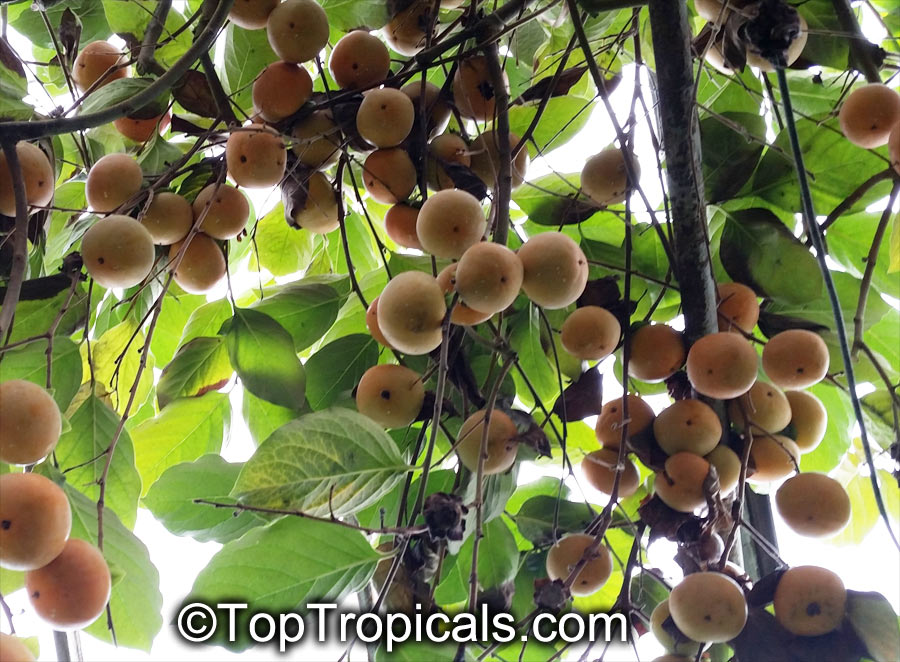
Persimmon tree