Garden Blog - Top Tropicals

Date: 10 Dec 2025

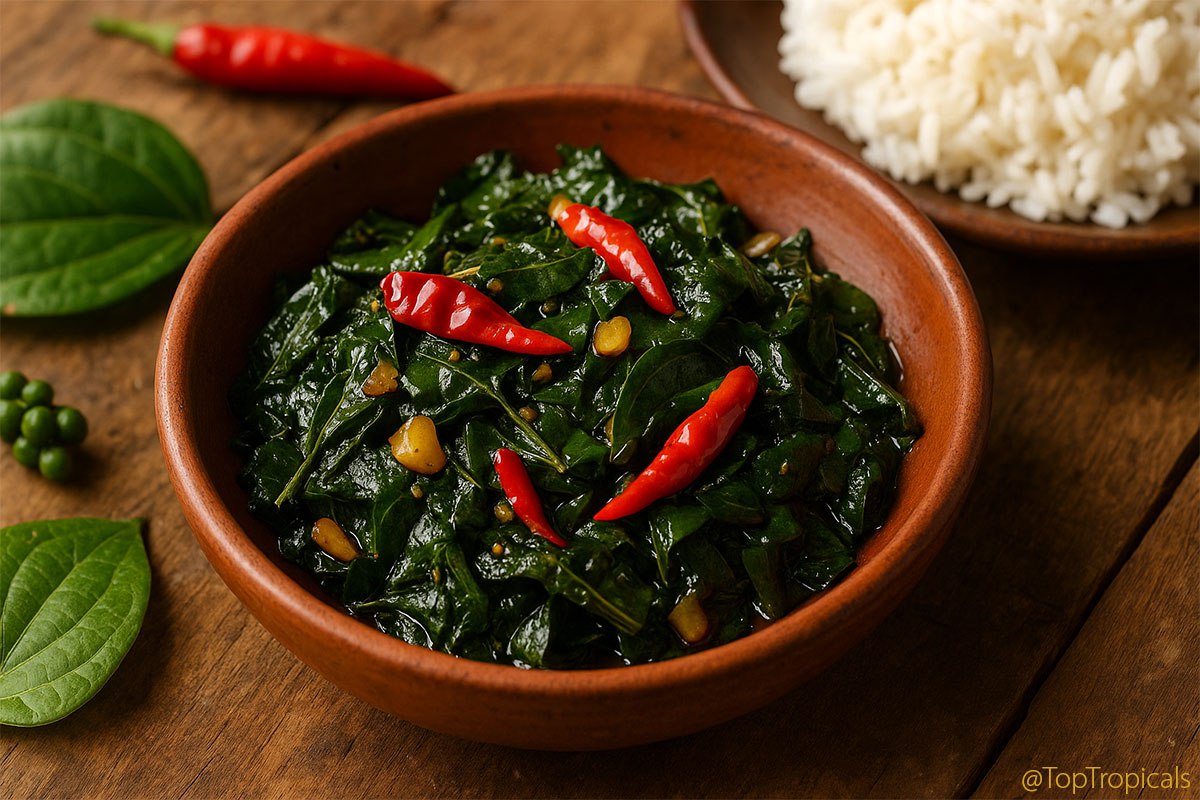
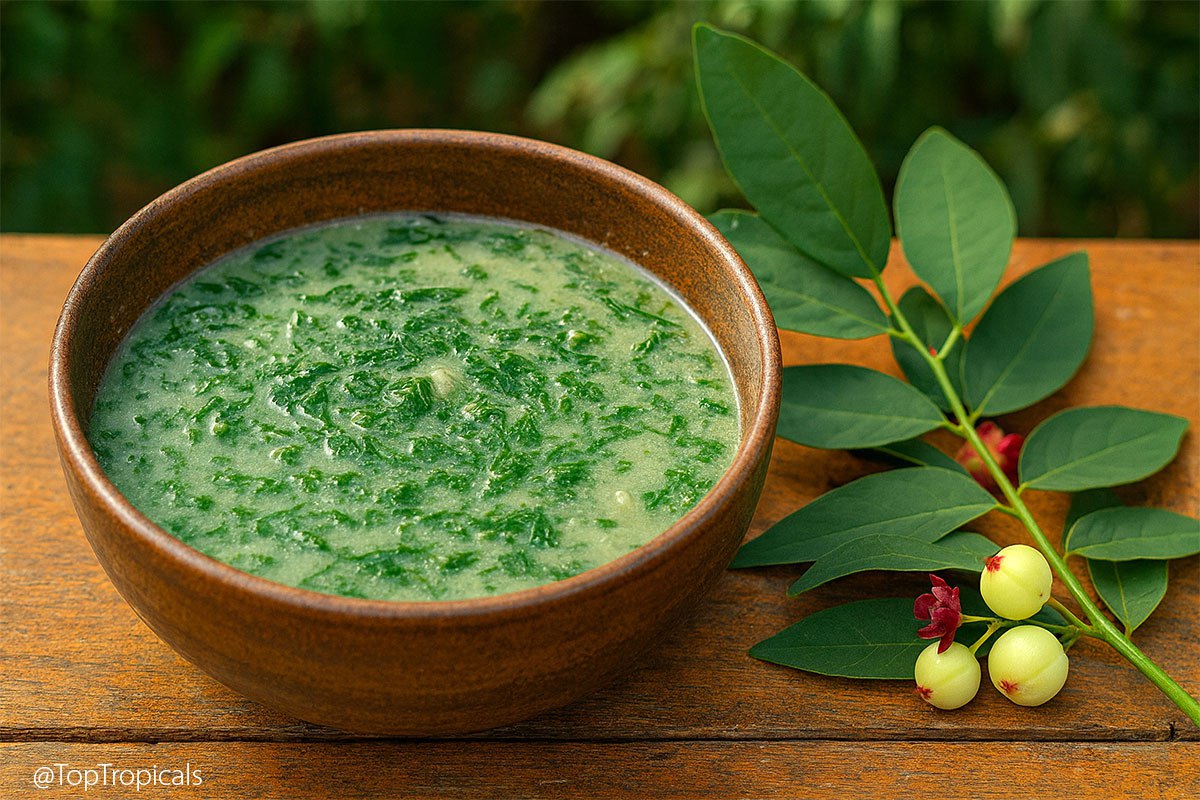
Katuk coconut soup: quick-n-fun exotic recipes

Katuk coconut soup

Katuk coconut soup

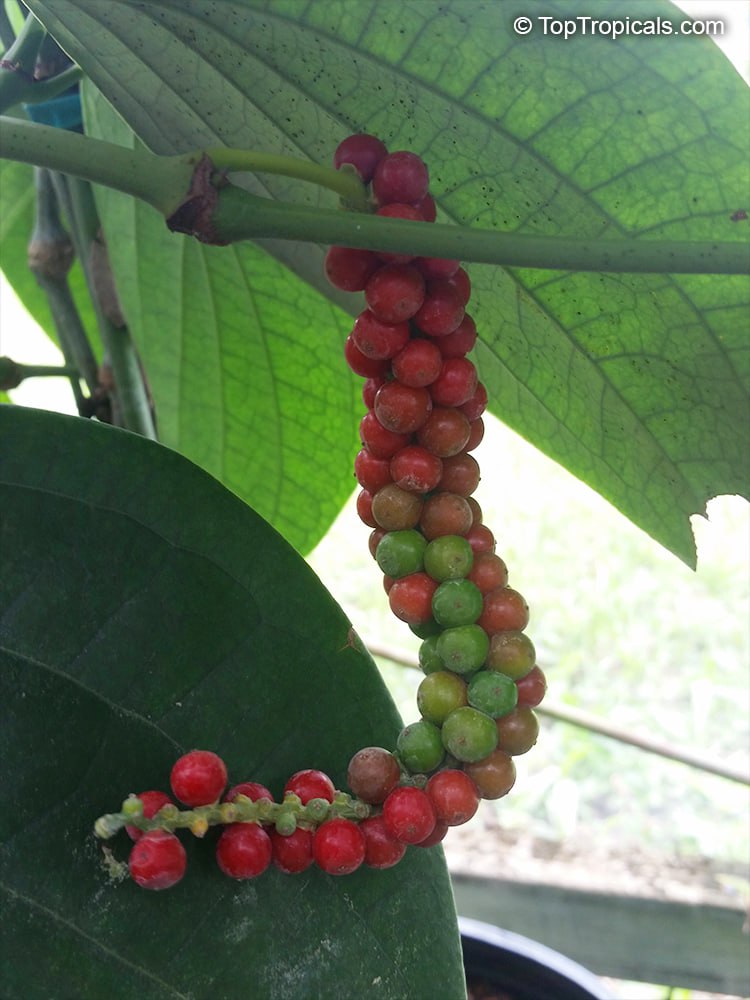
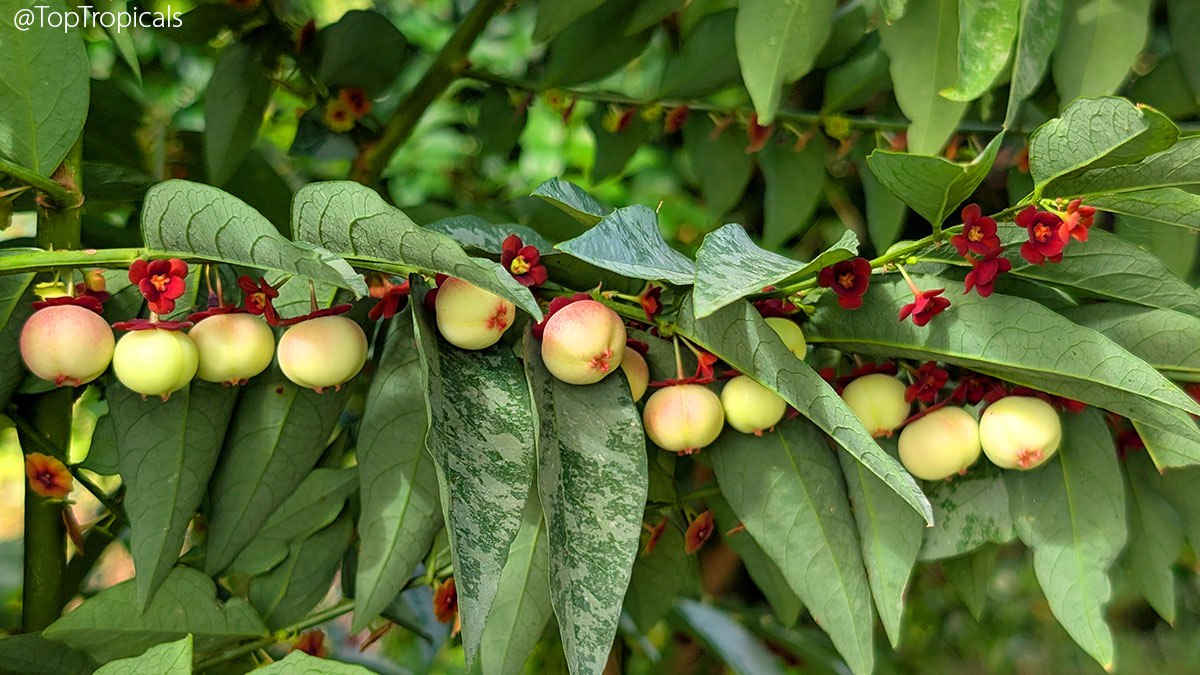
Katuk leaves - Sauropus androgynus, Tropical Asparagus

Katuk leaves - Sauropus androgynus, Tropical Asparagus

🍴 Katuk Coconut Soup

Ingredients

  • Katuk leaves (Sauropus androgynus), about 2 cups, stems removed
  • Coconut milk, 1 cup
  • Garlic, 1 clove, minced
  • Salt, to taste

Instructions

  1. Wash Katuk leaves thoroughly.
  2. Boil Katuk leaves in plenty of water for 15 minutes.
  3. Drain completely and discard the boiling water.
  4. Chop the cooked Katuk leaves.
  5. Warm coconut milk in a saucepan over low heat.
  6. Add garlic and simmer gently for 1 minute.
  7. Add the boiled Katuk leaves and cook for 3 to 5 minutes.
  8. Season with salt and serve warm.

Important Safety Note

Katuk leaves must always be boiled for at least 15 minutes and the water discarded. Do not consume raw or lightly cooked Katuk.


🛒 Add Katuk Superfood to your Food Forest

📚 Learn more:

Plant Facts

Breynia androgyna, Sauropus androgynus
Katuk, Star Gooseberry, Sweet Leaf, Tropical Asparagus, Chang Kok, Manis, Nutty Leaf, Rau Ngot
USDA Zone: 9-11
Large shrub 5-10 ft tallSmall plant 2-5 ftSemi-shadeFull sunRegular waterRed, crimson, vinous flowersOrnamental foliageEdible plantEthnomedical plant.
Plants marked as ethnomedical and/or described as medicinal, are not offered as medicine but rather as ornamentals or plant collectibles.
Ethnomedical statements / products have not been evaluated by the FDA and are not intended to diagnose, treat, cure, or prevent any disease. We urge all customers to consult a physician before using any supplements, herbals or medicines advertised here or elsewhere.
  • Sauropus androgynus in Plant Encyclopedia
  • The secret Brain Food growing in my backyard (and it tastes like green peas!)
  • Katuk egg stir-fry: Quick-n-Fun exotic recipes
  • Health benefits of Katuk: a Superfood for your mind and body

  • #Food_Forest #Recipes

    🟢 Join 👉 TopTropicals
    Date: 6 Dec 2025

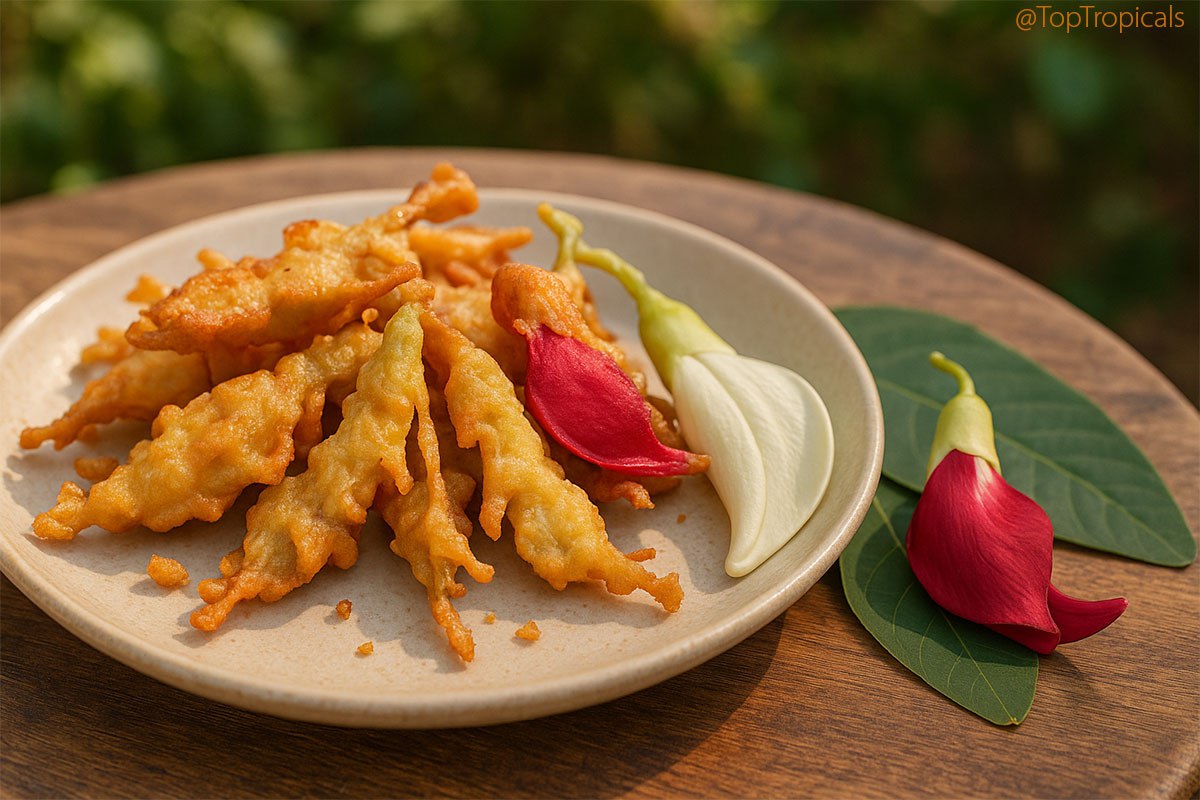
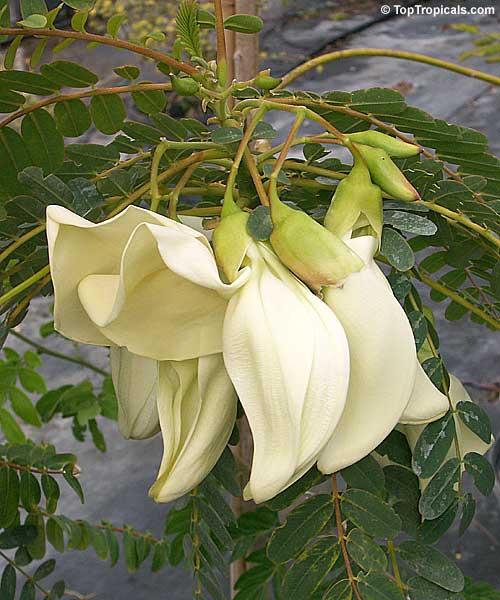
    Sesbania flower fritters: quick-n-fun exotic recipes

    Sesbania flower fritters: quick-n-fun exotic recipes Sesbania flower fritters: quick-n-fun exotic recipes Sesbania flower fritters: quick-n-fun exotic recipes

    🍴 Sesbania flower fritters: quick-n-fun exotic recipes

    🔴Delicate, floral, and fun to snack on.

    Sesbania Flower Fritters

    Ingredients

    • 1 cup fresh Sesbania flowers (Sesbania grandiflora), washed and trimmed
    • 1/2 cup all-purpose flour
    • 1/2 cup cold water
    • 1/4 teaspoon salt
    • Oil for frying

    Instructions

    1. Rinse Sesbania flowers thoroughly and remove tough stems.
    2. In a bowl, mix flour, salt, and cold water to form a light batter.
    3. Heat oil in a pan over medium heat.
    4. Dip each flower into the batter, letting excess drip off.
    5. Fry until golden and crisp, about 1-2 minutes per side.
    6. Remove and drain on paper towels. Serve warm.

    🛒 Add Hummingbird tree edible flowers tree to your garden

    📚 Learn more:

    Plant Facts

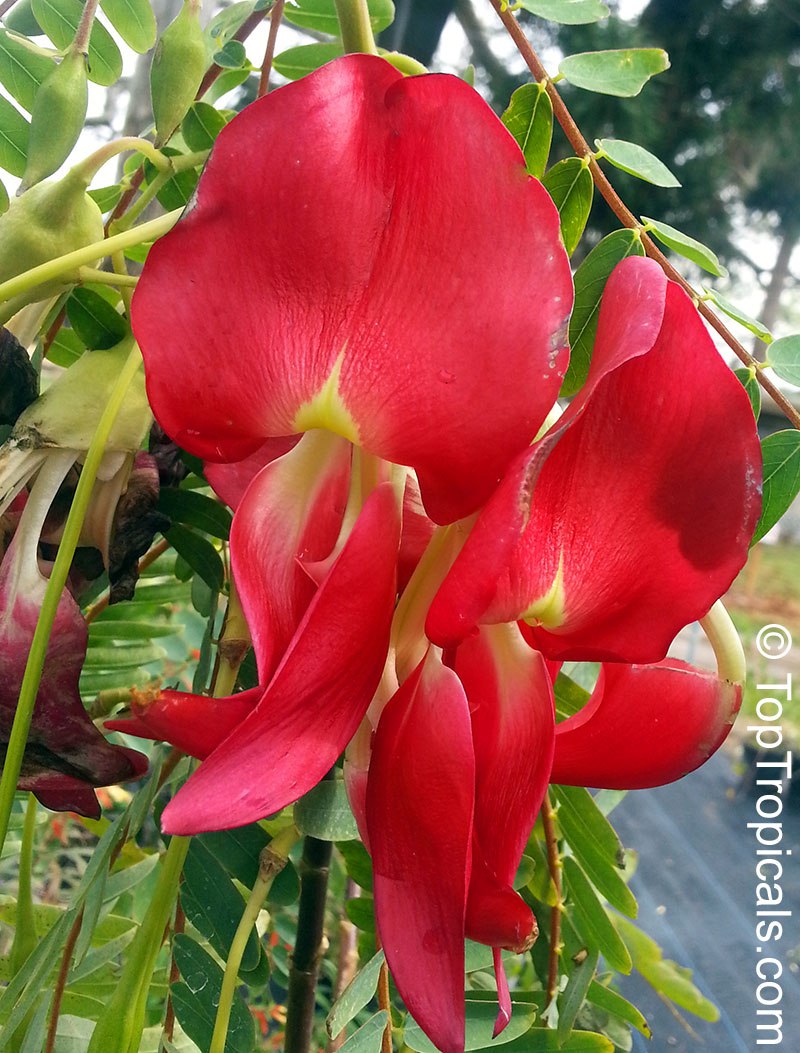
    Sesbania grandiflora, Agati grandiflora
    Hummingbird Tree, Butterfly Tree, Agati
    USDA Zone: 9-11
    Small tree 10-20 ftSemi-shadeFull sunRegular waterRed, crimson, vinous flowersWhite, off-white flowersEdible plantPlant attracts butterflies, hummingbirdsDeciduous plantEthnomedical plant.
Plants marked as ethnomedical and/or described as medicinal, are not offered as medicine but rather as ornamentals or plant collectibles.
Ethnomedical statements / products have not been evaluated by the FDA and are not intended to diagnose, treat, cure, or prevent any disease. We urge all customers to consult a physician before using any supplements, herbals or medicines advertised here or elsewhere.Flood tolerant plant
  • Sesbania grandiflora in Plant Encyclopedia
  • Why it's called Hummingbird Tree
  • Bird-looking flowers: you can eat the whole tree

  • #Food_Forest #Recipes

    🟢 Join 👉 TopTropicals
    Date: 9 Mar 2026

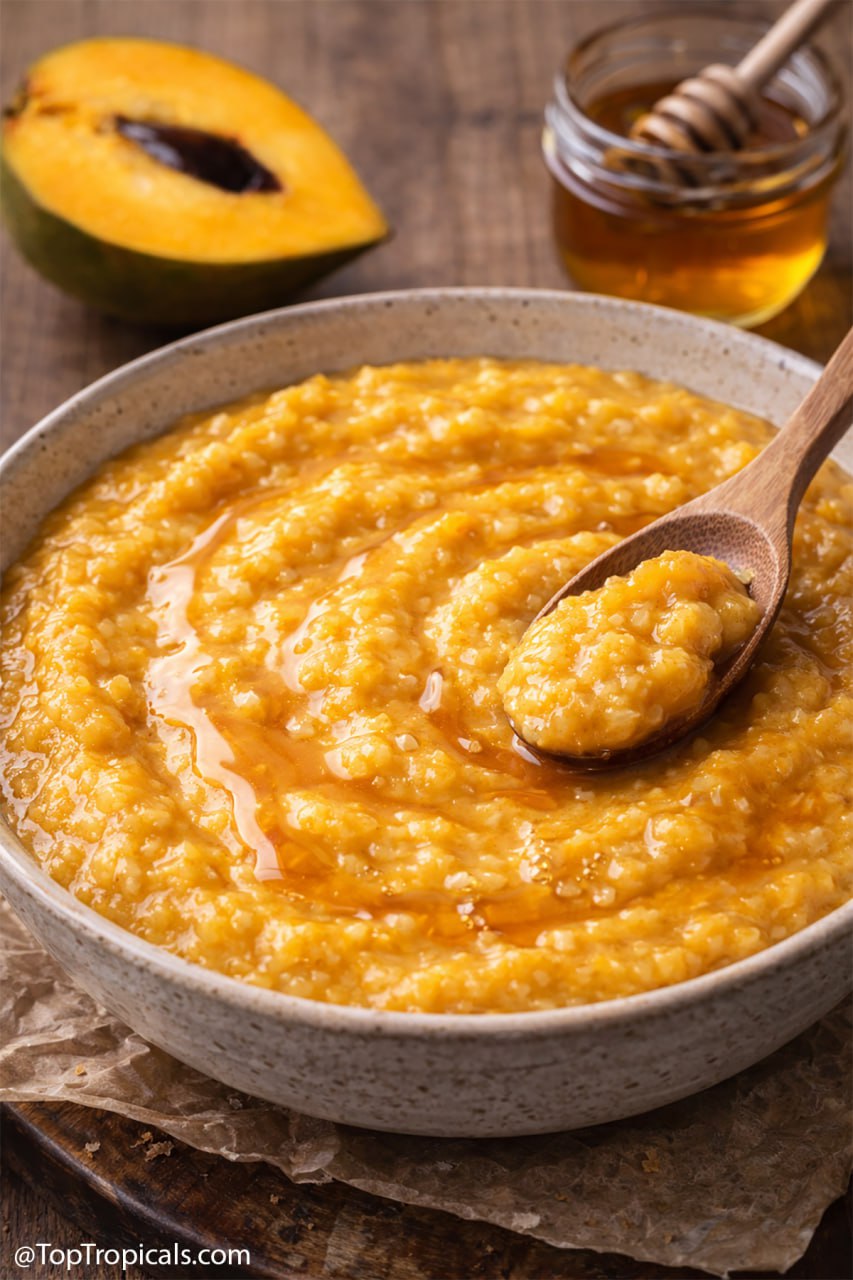
    Golden canistel cream: quick-n-fun exotic recipes

    Golden canistel cream

    Golden canistel cream

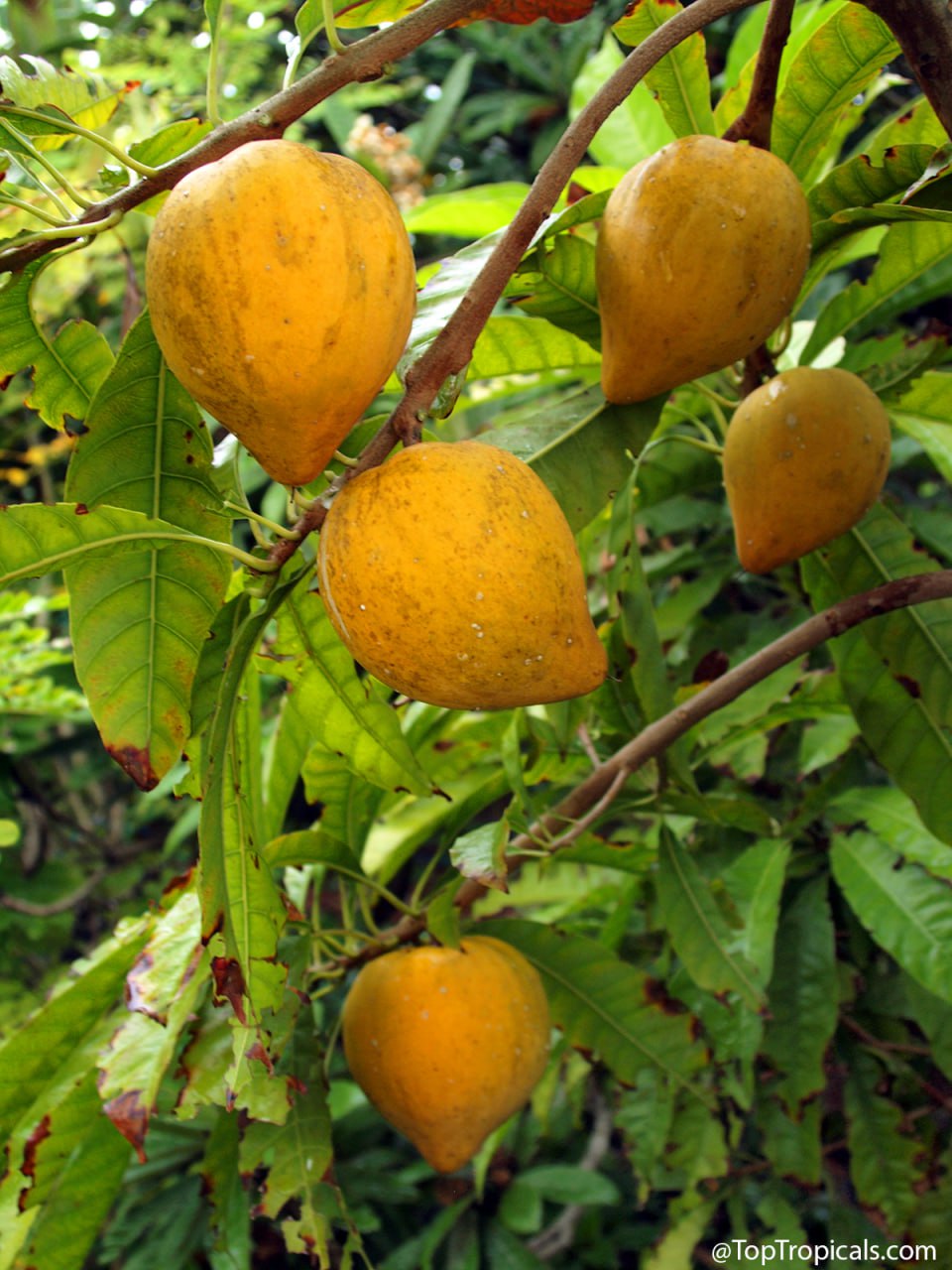
    Pouteria campechiana - Canistel, Eggfruit

    Pouteria campechiana - Canistel, Eggfruit

    🍴 Golden canistel cream: quick-n-fun exotic recipes


    Golden Canistel Cream

    Ingredients

    • 1 ripe canistel (eggfruit)
    • 2 to 3 tbsp milk
    • 1 to 2 tsp honey

    Instructions

    1. Scoop the ripe canistel flesh into a bowl.
    2. Add milk and honey.
    3. Mash until smooth and creamy.
    4. Warm gently in a small pan if desired.
    5. Serve warm like a thick tropical porridge.

    🌿 About the plant:


    Also called Eggfruit, canistel has bright yellow flesh that is dense and slightly dry when ripe.

    🏡 In the garden:


    Grows well in warm climates with good drainage. Compact growth makes it suitable for small yards.

    🛒 Plant Canistel Egg Fruit tree - grows well in container too

    📚 Learn more:

    Plant Facts

    Pouteria campechiana
    Canistel, Eggfruit, Chesa
    USDA Zone: 9-11
    Large tree taller than 20 ftSmall tree 10-20 ftFull sunRegular waterEdible plant
  • Pouteria campechiana - Canistel, Eggfruit - in Plant Encyclopedia
  • This old-school tropical fruit is making a quiet comeback: Eggfruit - Canistel
  • Canistel breakfast mash: quick-n-fun exotic recipes
  • Health Benefits of Canistel Fruit
  • Pouteria campechiana - Canistel, the curious heart-shaped Egg Super-Fruit

  • #Food_Forest #Recipes

    🟢 Join 👉 TopTropicals

    Date: 22 Mar 2017

    Condo Mango

    Q: I was curious about indoor fruiting mango trees. I live in upstate New York and was thinking about trying to grow an indoor tree for fruit. I have a small heated greenhouse. Is there a variety that can be grown from seed that would suit my purposes and if not what is the most economical way I could obtain a cutting or small grafted plant? I keep my greenhouse around 60F in the winter and have no supplemental lighting. Are there any varieties that may work in a sunroom or other well lit indoor location?

    A: There are many dwarf varieties of mango suitable for container culture. They are called "condo mangoes".
    The most popular condo varieties are: Carrie, Cogshall, Cushman, Fairchild, Graham, Ice Cream, Julie , Mallika, Nam Doc Mai, Pickering. You may read more about them in our online catalog. You may also look into variety Lancetilla which is also a compact tree, and produces one of the biggest size fruit, up to 5 pounds. If you want some rare variety that hardly anyone else has - try Baptiste, an exotic Haitian dessert mango.

    Your greenhouse should work for the winter time. Mango trees can take as low as mid 40s during winter and even lower as long as that cold is occasional. If you keep the temperature around 60, this should work well for over wintering. Just make sure to reduce watering to a minimum, because cool temperatures, low light and wet soil - is a bad combination for tropical plants, especially for mango trees which prefer to be kept on a dry side.

    Many indoor gardeners have fruiting mango trees in their collection. However, keep in mind that the most important requirement for a mango is full sun. While you may over winter the plant for a few months in a low light conditions, in order for it to flower and produce fruit it needs lots of light. If moving the tree into full sun your yard during the summer is possible, this would be the best solution.

    We always recommend SUNSHINE boosters for both over wintering tropical plants in colder climates, and for indoor gardening. SUNSHINE applications will help your tree to cope with cool temperatures and low light conditions. This will also dramatically increase flowering and fruiting performance. Another important factor for keeping your container plant healthy is quality of your potting soil. We offer a special professional mix that contains lots of good stuff: coconut fiber, peat moss, pine bark, and perlite. Fertilizing potted plants is also very important during the warm season, because this is the only way for them to get nutrients (which in the ground can be reached by spreading root system).

    As far as seedlings vs. grafting - the only way to have a nicely fruiting mango tree is to plant a grafted variety. Seedlings start producing only after 8-15 years, and the quality of such fruit may be questionable. Only grafted plants can guarantee the desired taste of a variety. Besides, grafted mangoes start producing immediately - you may see fruit forming on plants as small as 3 ft, in 3 gal containers. However, during the first 1-2 years you will need to remove extra fruit and leave only 1-2 fruit so the plant doesn't get exhausted and has enough energy to establish strong root system.

    For fun stories about growing mango, check out our Radio Show recording YO Tango Mango!

    Date: 10 Oct 2025

    Surinam cherry salsa: quick-n-fun exotic recipes

    Surinam cherry salsa

    Surinam cherry salsa

    🍴 Surinam cherry salsa: quick-n-fun exotic recipes

    • 🔴Dice Surinam cherries (Eugenia uniflora) with red onion, cilantro, and lime 🍒🔴
    Sweet, tart, and perfect for grilled fish 🐟

    Surinam Cherry Salsa:

    Ingredients

    • 1 cup diced Surinam cherries (Eugenia uniflora)
    • 1/4 cup chopped red onion
    • 2 tbsp chopped cilantro
    • Juice of 1 lime
    • Salt to taste

    Instructions

    1. Remove seeds and dice Surinam cherries.
    2. Mix with onion, cilantro, and lime juice.
    3. Add salt to taste and stir gently.
    4. Serve chilled with grilled fish or chips.

    🛒 Plant Surinam Cherry: Red and Black (Lolita)

    #Food_Forest #Recipes

    🟢 Join 👉 TopTropicals