Q: What is the difference between Pakistani and Australian
Mulberry plants? Would one be better suited for South Florida backyard? Can one be
maintained/pruned to be a tall shrub vs a large tree? Which one has the
sweetest fruit? Thank you for the previous plants we've purchased from you.
They're all doing great.!
A: These two varieties are very similar indeed.
Both fruit are very large. Var. Pakistani fruit is a little longer than var. Australia and the tree is a more vigorous grower, but they both are
very sweet, even before the fruit fully ripen. Both trees are a good choice and
start fruiting at a young age.
We've had Australia in the ground in our garden for 4 years by now and
for some reason, it has been very slow growing which is normally not the case
with Mulberries. Maybe it is not fully happy with FL humid conditions.
There are two Mulberry varieties that can be maintained as bushes: Issai
and Dwarf
Everbearing. However, even vigorous Mulberry trees respond well to
pruning and can be kept compact for easy harvesting. Just make sure to prune before
the flowering season starts; here in S Florida Mulberries start flowering in
March, and fruit start ripening during April-May.
"Darkness cannot drive out darkness; only light can do that. Hate cannot drive out hate; only love can do that." - Martin Luther King Jr.
As this day approaches, the weight of its memories fills our hearts - honoring the lives lost, the bravery of the heroes, and the resilience that carried us through such a difficult time.
In our journey of healing, let us stand united, supporting one another with love, kindness, and understanding. In times like these, tolerance and mutual respect, regardless of our differences,
become gifts we share with the world.
Take a moment to appreciate what we have today, the people who surround us, and the ones who love us. Cherish them while they are here - today. Give a hug to those you love while you have the chance.
Nature offers us healing power in its quiet way. Fragrant flowers calm the mind, young fruiting trees represent renewal, every plant reminds us of life's resilience. As we reflect, may the beauty and growth around
us help us find peace, and remind us of the strength that comes from standing together.
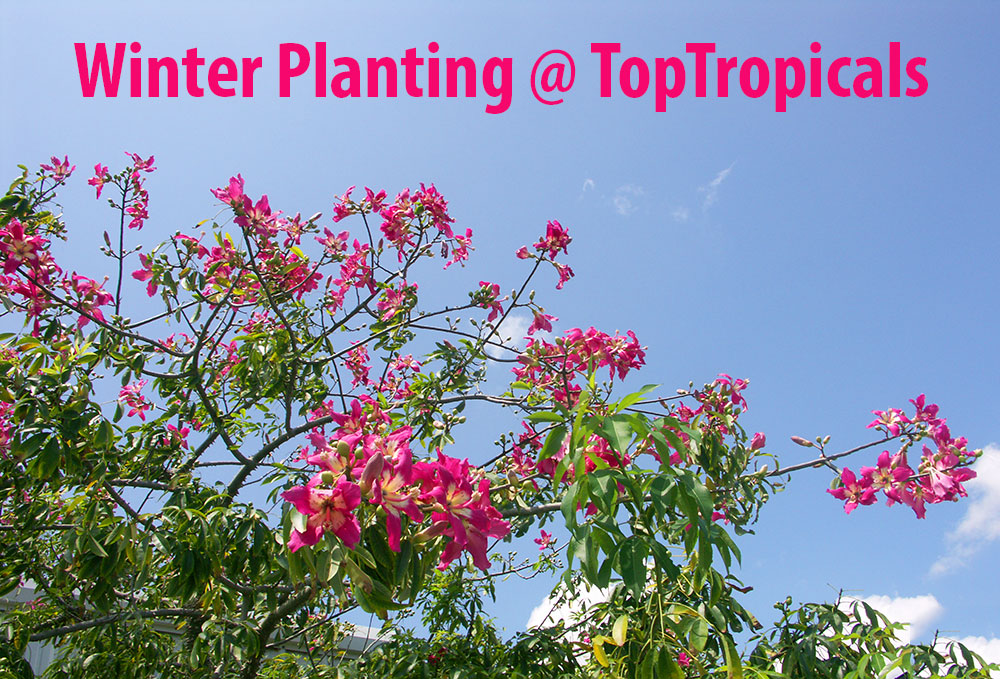
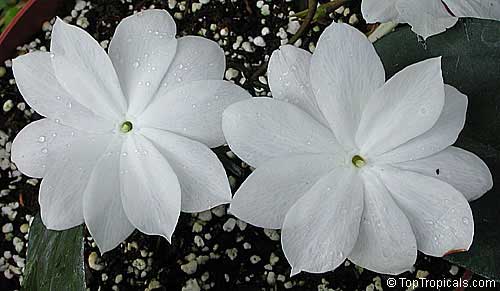
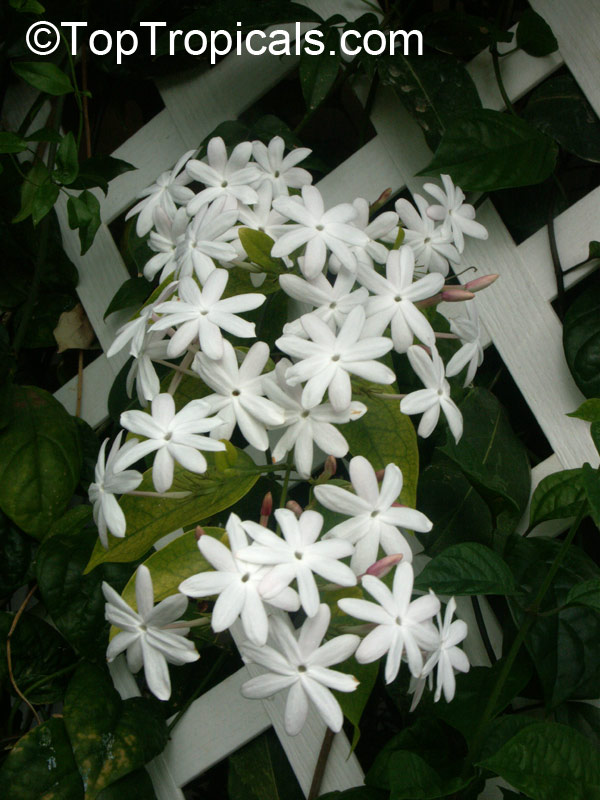
In the photo above: Dichrostachys cinerea - Princess Earrings, Sickle
bush from West Africa is one of the most unusual and unforgettable flowers of cheerful color combination... Let them bring hope, joy and sunshine into your day.
🌸 Plumeria Power: The Signature Scent of the
Tropics
Q: What is the most fragrant variety of
Plumeria? Are some colors more fragrant than others? How do you keep Plumeria
blooming?
A:From Kristi, TopTropicals Flower Expert:
At Top Tropicals, we used to think yellow Plumeria was the most fragrant.
That was until we discovered multi-colored hybrids and stunning "rainbow"
varieties! These rare beauties are prized not just for their sweet, strong
fragrance but also for their dazzling mix of tropical colors.
We just received new arrivals of stunning new Plumeria varieties - but
quantities are limited, so don't wait! Choose your favorite colors and bring home the irresistible scent of the
tropics.
Plumerias are famous for their rich colors and unforgettable fragrance.
With just a few simple steps, you can grow your own blooming tree and enjoy
flowers just like in the pictures.
5
simple rules how to grow a fragrant Plumeria
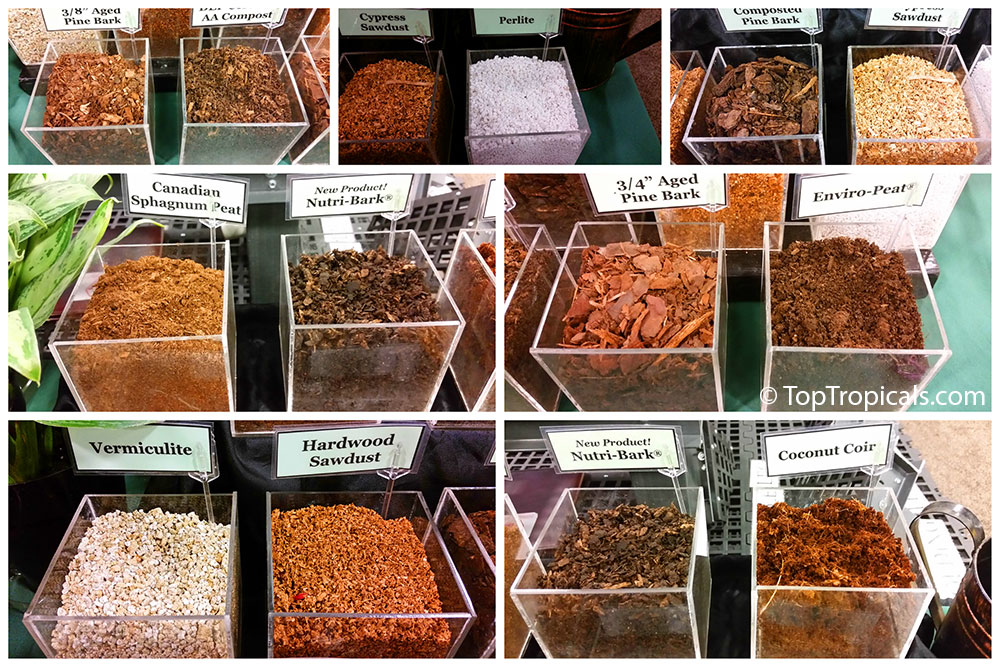
1. Use well-drained soil. Choose a potting mix rich in perlite,
bark, and coconut fiber. We recommend Sunshine Abundance professional soil mix for best results.
2. Choose the right container. Use a pot just slightly larger
than the root ball to prevent water-logging. Plumeria prefers dry conditions -
water only when the soil is slightly dry.
3. Give it full sun. Plumeria needs plenty of light to bloom. If
grown indoors, place it in the brightest spot and bring it outside for
sunbathing whenever possible.
4. Let it rest in winter. Plumeria drops its leaves and goes
dormant during the cooler months. When this happens, reduce watering to a minimum
and let the plant rest until new growth begins.
5. Feed it to bloom. Plumeria is a heavy feeder and needs
fertilizer to flower well. Use a plant food high in phosphorus, like Sunsine Megaflor Bloom Booster liquid fertilizer. It's safe to use with
every watering, all year round.
Fall is just around the corner, but Florida is still full of sunshine and
growing energy!
It’s one of the best times to plant - cooler days are coming, but
there are still months of warmth ahead for your garden to thrive. Our
nursery is bursting with big, healthy plants that grew all summer long -
loaded with blooms, fruit, and lush foliage, ready to shine in your
yard.
Come stroll the gardens with our PeopleCats,
enjoy the most beautiful season for planting, and let us help you find the
perfect picks for your space. Bring your friends and family for a weekend of
fun, color, and fresh ideas - this is your moment to plant, grow, and
enjoy!
30% OFF online prices
FREE plant with any purchase (including Guava)
Gift bags for first 25 customers with $50+ order
Special deals on select plants
Exciting raffle prizes
Green Magic fertilizer FREE samples
The LAST PERFORMANCE of the Famous Hand Pan Lady! (She is moving from
Florida)
See her previous performance at Top Tropicals - here
and here.
When northern gardens fade into gray, our tropicals wake up. Winter is
color season here - and even if you live up north, you can still enjoy these
same flowering trees indoors or on a sunny patio.
From the fiery Royal
Poinciana to the golden Tabebuia and
violet Jacaranda,
these eight trees prove that winter can bloom anywhere
How to Care for Winter-Flowering Trees
We're often asked, at Top Tropicals, “Can I really grow tropical
trees in winter?”
Yes — with the right light and care, you can.
Here’s what works best both outdoors and indoors, according to our
expert, Tatiana Anderson.
🌡️ Fall Planting Guide
Let’s talk about timing, because that’s the part most people
get nervous about.
Everyone asks: “Isn’t it too cool to plant now?” —
and the answer is no!
Fall and early winter are actually the best months for tropicals in Zones 9
to 11.
Here’s why: the air has cooled off, but the soil is still warm.
Roots love that combination. They quietly spread underground while the rest
of
the plant takes a break.
By spring, those roots are ready to feed a burst of new growth — and
that’s when you’ll see the first big flush of flowers.
Pick a sunny spot that gets plenty of light — six to eight hours
if you can.
Loosen the soil and mix in compost or pine bark so it drains well.
Dig a hole about twice as wide as the pot and just as deep.
Set the plant level with the ground, backfill, and water it deeply to
settle everything in.
Then add mulch — two or three inches is plenty — but keep it
away from the trunk so it can breathe.
Tatiana’s tip: “Fall planting builds roots while everyone
else is resting. By spring, your tree wakes up ready to grow.”
🌳 Outdoor Care (Warm Climates Zones 9–11)
Now, let’s talk about what happens after planting — because
real gardening starts once the plant is yours. Tropical trees thrive on
routine: steady sunlight, deep watering, and just a bit of attention.
Water them about once a week when the weather is mild, more often if
it’s dry or windy.
Always check the soil first — if it feels dry two inches down, go
ahead and water.
Mulch helps more than most people realize — it keeps roots cool in
summer and warm in winter, and it saves you from watering as often.
Now, for those of you in Zone 9, here’s the truth: your trees can
take a chill, but they don’t love surprises.
A quick night in the upper 20s F won’t hurt mature plants, but young
ones appreciate a little help — a frost cloth or being planted at the
south side.
And don’t underestimate the wind. Cold, dry gusts can burn leaves
faster than frost.
Use fences, hedges, or taller shrubs as windbreaks, and take advantage of
microclimates — those warm pockets next to the house, brick patios, or
corners that get extra afternoon sun.
Tatiana’s tip: “A tropical garden in Zone 9 isn’t
about fighting nature — it’s about cooperating with it. Find the
warm corners, protect from the cold wind, and your trees will thank you with
flowers all winter.”
🏚️ Indoor & Patio Care (Cooler Climates)
For our northern friends — yes, you can grow tropicals indoors!
You just need good light, warm air, and a little attention.
Pick a large pot, with drainage holes and a light tropical soil mix.
Place it in a bright window — south or southwest if you can —
or under grow lights for about 12–14 hours a day.
Keep temperatures between 65 and 85 F, and water when the top inch of soil
dries out.
Misting helps keep leaves clean and adds humidity.
Rotate the pot every couple of weeks so all sides get sun. In summer, move
your plant outdoors gradually so it can enjoy real sunlight — then
bring it back in before nights drop below 40 F.
Tatiana’s tip: “Don’t be afraid of growing trees in
pots. They adapt beautifully — just select the right trees and pay
attention to their needs.”