Garden Blog - Top Tropicals

Date: 20 Jan 2024

Sunshine Boosters PRO - for Professionals
Vegetables  and  greens

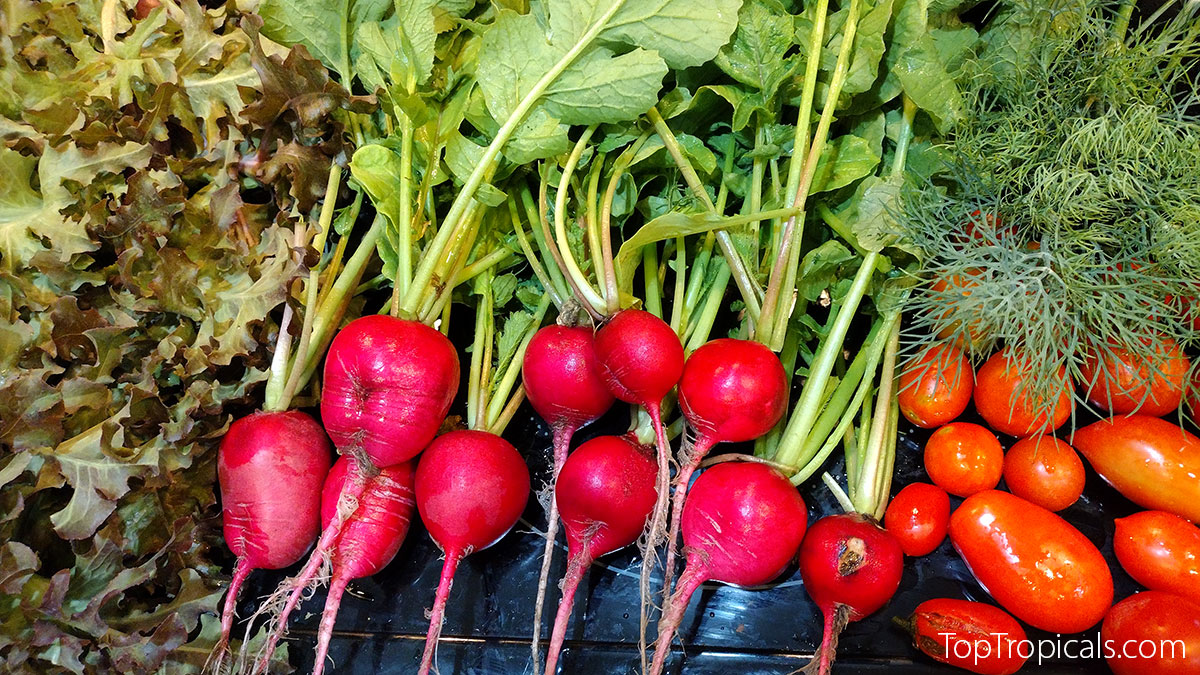
Q: Winter marks the vegetable season in Florida, and my half-acre vegetable garden in Highlands County thrives during this time. I cultivate a variety of produce, including tomatoes, cucumbers, onions, beets, various lettuces, radishes, and beans. Despite the sandy and poor soils, I manage a bountiful harvest that not only sustains my extended family but also provides for friends throughout the winter. To combat our sandy soil challenges, I heavily rely on fertilizers.

Recently, I came across your Sunshine Boosters products, and the results on my tomatoes were astonishing. They grew twice as fast compared to those on a "manure" bed. What I appreciate most about your product is its natural composition, allowing me to use it on edibles. The convenience of easily integrating liquid fertilizer into our irrigation system is a game-changer.

I'm curious if you offer budget-friendly deals on your boosters for larger gardens?
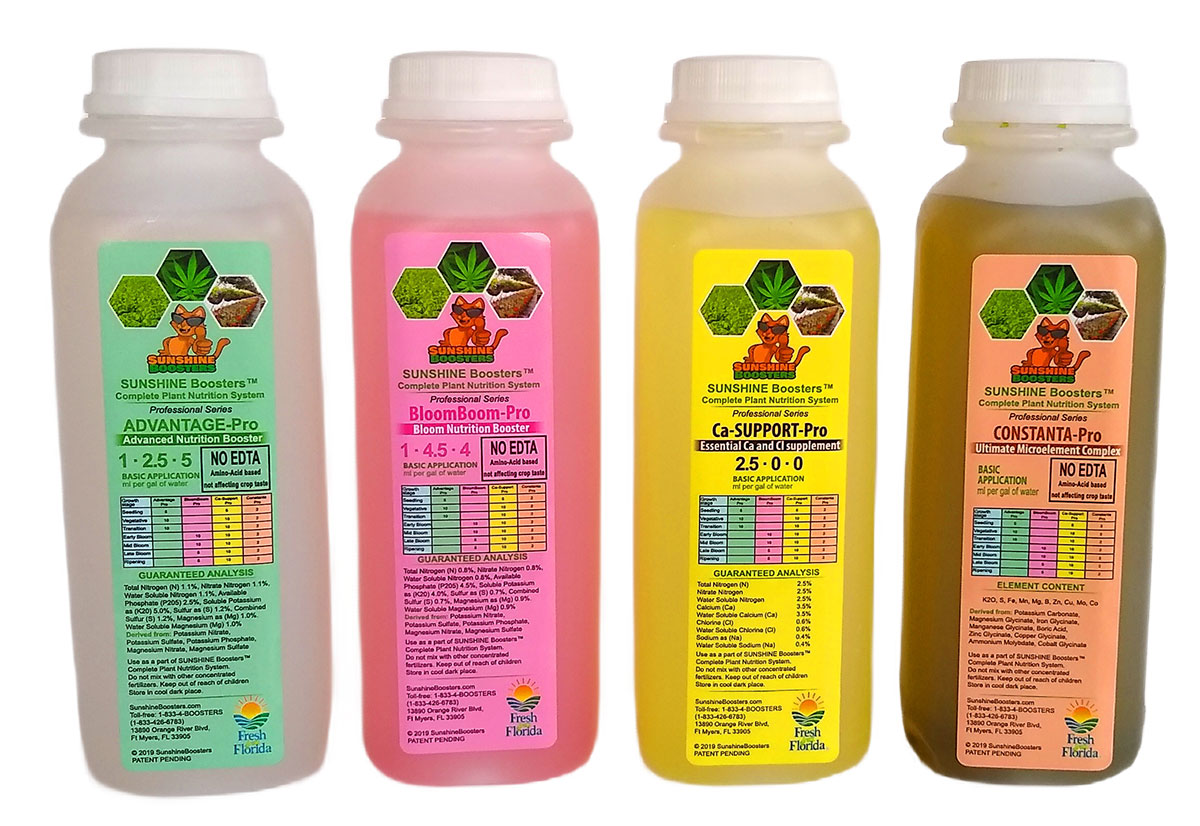
SUNSHINE  PRO  -  Complete  Nutrition  Booster  Kit  Pro,  fertilizer

ON SALE TODAY

A: Absolutely! We have just the solution you're looking for - our Professional Series of Sunshine Boosters is tailored for avid growers like you. Having catered to the needs of various crops, including tomato and hemp farms, our natural, amino acid-based professional formulas are the most economical choice for any scale of production.

Our professional series covers everything, from small backyard gardens to extensive greenhouses. The feeding process involves just three solutions mixed with water in your fertilizer tank: NPK (Advantage or BloomBoom, depending on the growth stage), Ca-Support (Calcium supplement), and Microelements (Constanta-Pro). This comprehensive nutrient package meets all your garden's needs. (See advanced info about Sunshine PRO products.)

Explore our professional solutions at the Top Tropicals Online Store. For larger quantities, you can directly order from the SunshineBooster.com professional selection or just contact us for a customized quote.

If you haven't implemented an injector system yet, consider the Robuster - an easy-to-install, care-free automatic system that takes care of all the work for you.
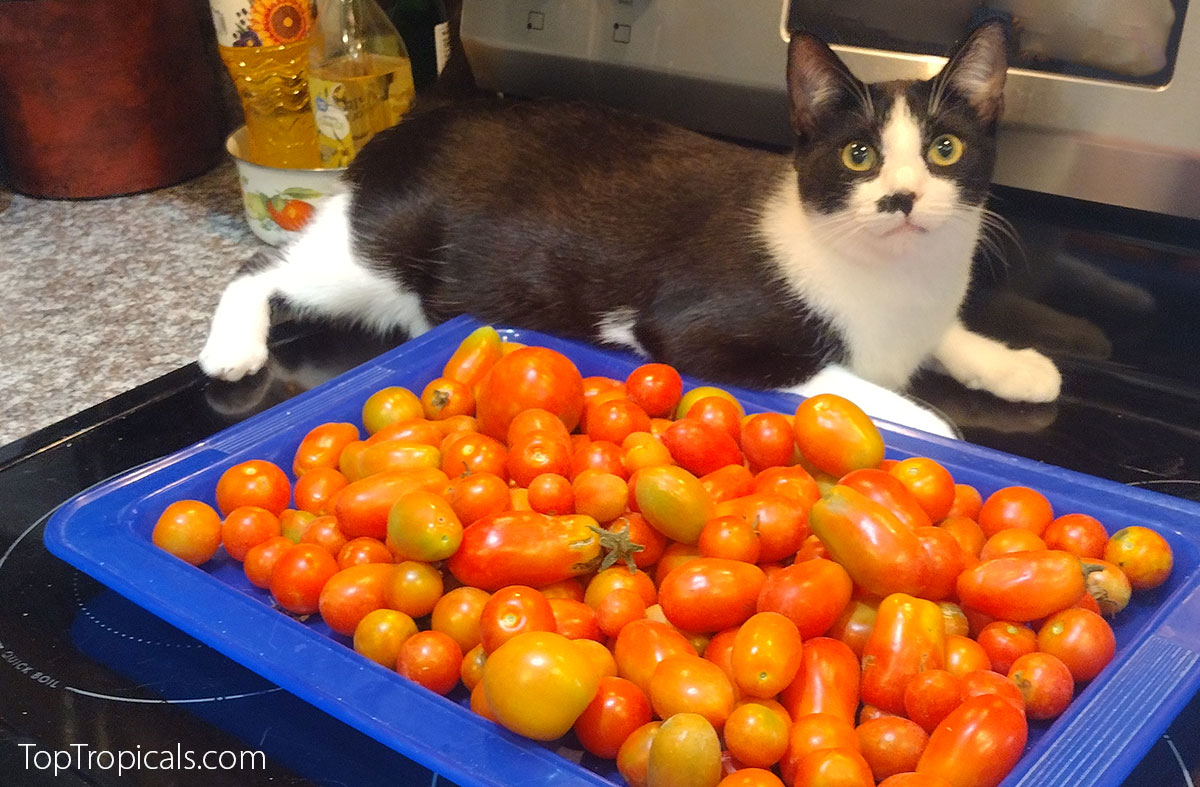
Cat  with  cherry  tomatoes

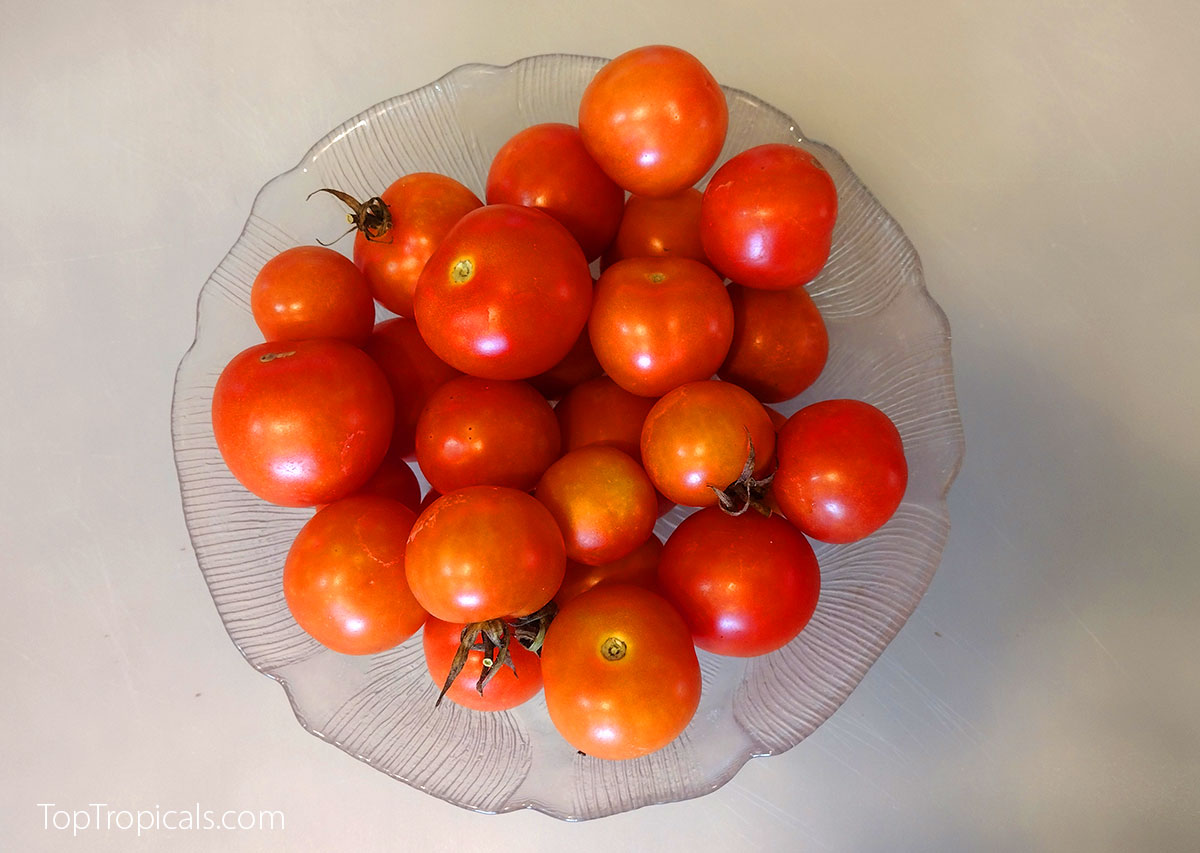
Cherry  tomatoes

Date: 28 Dec 2023

Blue Sage: Winter Wonder

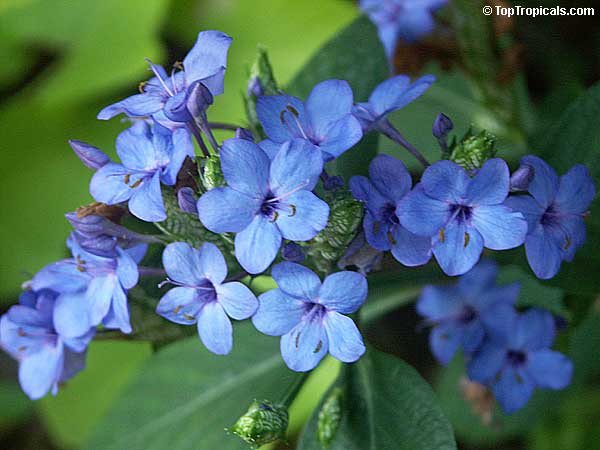
Eranthemum  pulchellum  -  Blue  Sage,  Lead  Flower

Q: I am looking for some interesting shrub that will flower in shade and doesn't grow too big. I am a snow bird, living in Florida during winter and will appreciate a winter bloomer.

A: In the shady corners of the tropical garden, the Eranthemum pulchellum, affectionately known as Blue Sage or Lead Flower, emerges as a vibrant winter surprise. Its petals boast a bright gentian blue hue, a hue so unusual in the tropics that it's as if the plant got a memo about standing out in a sea of green.

This botanical maverick flaunts its blossoms when the rest of the garden is caught napping, making it the prima donna of the winter bloomers. With a penchant for the shadows, the Blue Sage is the introvert of the garden, thriving in the cool embrace of shade. So, if your garden needs a touch of cool and a dash of mystery, invite the Blue Sage - the shade-loving sensation that's always fashionably late to the blooming party.

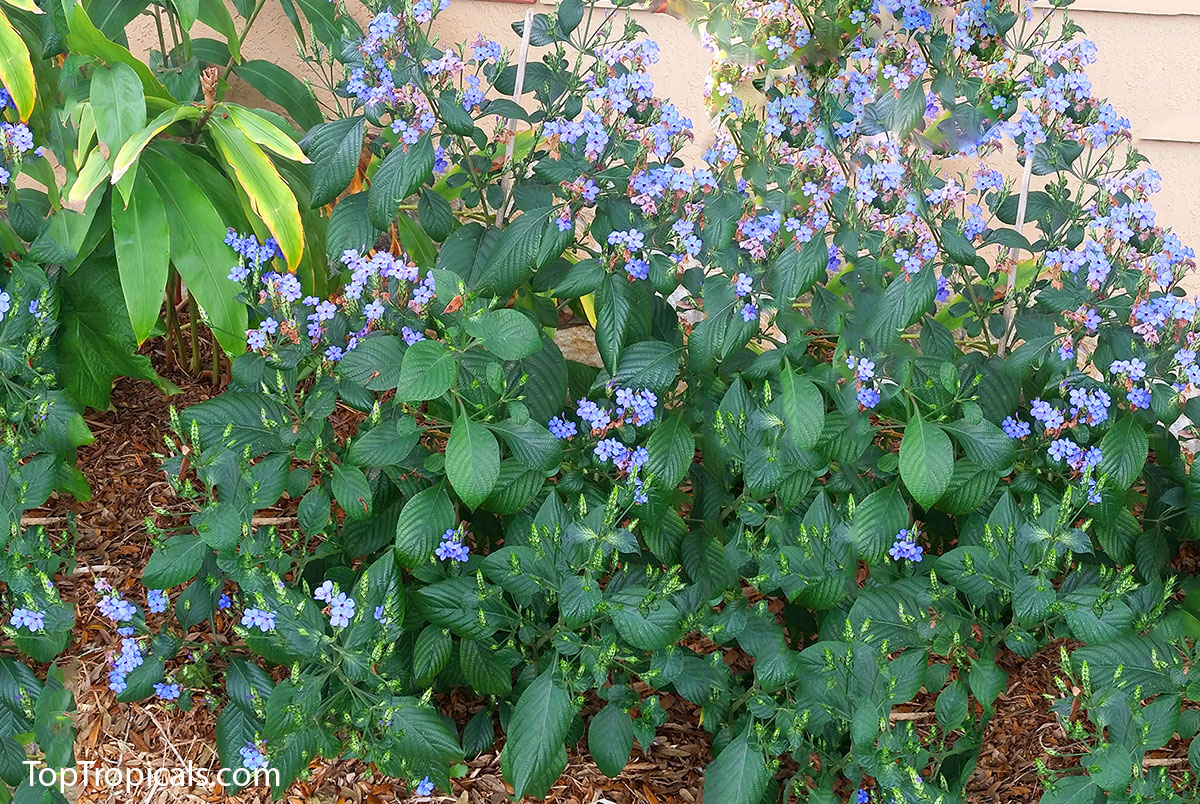
Blue Sage is an easygoing champ in your garden. You can trim it how you like, and guess what? The more you trim it, the bushier it becomes. This plant doesn't mind shade, and when winter hits, it shows off its bright flowers, making your garden extra pretty without any fuss. So, if you're all about simple gardening joy, the Blue Sage is your go-to pal that turns your garden into a happy, colorful spot.

Eranthemum  pulchellum  -  Blue  Sage,  Lead  Flower,  bush  size

Date: 23 Dec 2023

Butterfly Bush: Fast, Pretty, Low Maintenance...

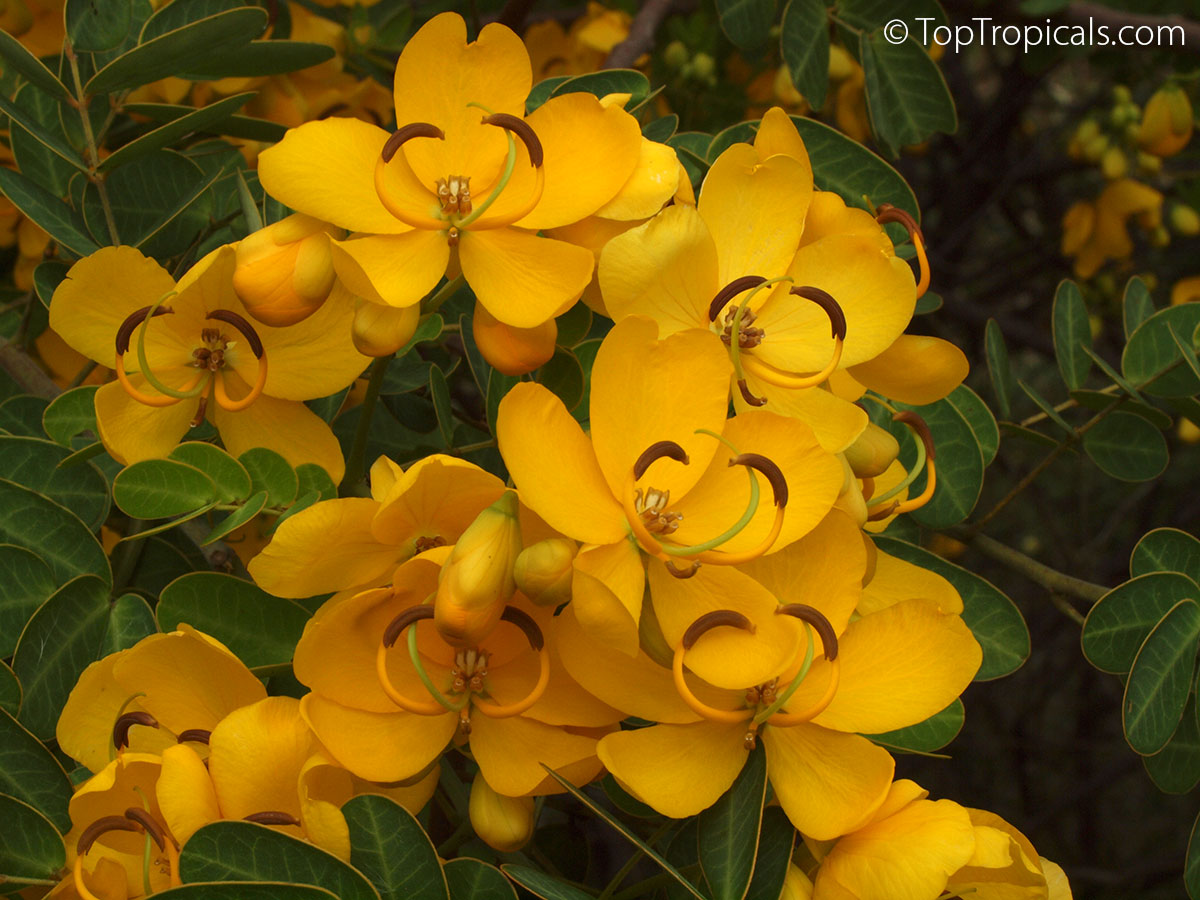
Cassia  (Senna)  bicapsularis  -  Butterfly  Bush

Five unbeatable reasons to plant Butterfly Cassia

Q: I am trying to find some easy flowering shrub to screen the ugly corner of my neighbor's yard, can you suggest something fast growing and pretty?

A: One of our favorite flowering shrubs in Florida is the Cassia bicapsularis, commonly known as Scrambled Egg Bush or Butterfly Bush. It is one of the most desirable plants for the southern landscape. It has all the benefits any gardener may dream of, whether a beginner or an expert:

1. Very fast growing, can screen unwanted views and create a beautiful flowering hedge. Cassia bicapsularis is known for its rapid growth, making it an excellent choice for quickly transforming an unsightly corner into a vibrant and lush area. Its dense foliage and attractive yellow blooms add both beauty and privacy to your outdoor space.

2. Easy to grow, not fussy about soil or water, drought and flood tolerant, cold tolerant. Butterfly Bush is incredibly adaptable and resilient. It thrives in a variety of soil types, is not demanding when it comes to water, and can withstand both drought and occasional flooding. Additionally, it is cold tolerant and can withstand occasional frosts once established.

3. Blooms for many months, featuring especially in winter flowers from Fall to spring. Very pretty, large "sunny" flowers resembling bright yellow butterflies, hence the name. It is a generous bloomer, gracing your garden with vibrant yellow flowers for an extended period, particularly from fall to spring. The large, sunny blooms not only add visual appeal but also attract pollinators, enhancing the ecological balance of your garden.

4. Attracts lots of butterflies. As the common name suggests, the Butterfly Bush is a magnet for butterflies. If you enjoy the presence of these beautiful winged creatures in your garden, planting Cassia bicapsularis is an excellent way to encourage and support butterfly populations.

5. Low maintenance. Butterfly Bush can be trimmed and controlled at the desired shape if needed, but if you have room for a big bush in a full sun area - just let it go and it will form a nice dense bush without any pruning: this shrub is a low-maintenance delight. While it can be pruned and shaped according to your preferences, it also flourishes when left to grow naturally. Its ability to form a dense and attractive bush without constant pruning makes it an ideal choice for those seeking a fuss-free gardening experience.

If you're looking for a fast-growing, low-maintenance, and aesthetically pleasing solution to screen an unsightly corner, Cassia bicapsularis is an unbeatable choice. It ticks all the boxes for a beautiful and resilient flowering shrub in the southern landscape.

A  lady  standing  next  to  Cassia  (Senna)  bicapsularis  -  Butterfly  Bush

"...Without a doubt, Butterfly Cassia became one of my favorite plants during my visit to Florida for Christmas a few years ago. I only wish I could have taken it back home with me to Latvia. If only my windowsill hadn't already reached its greenhouse capacity!.." - Alex Butova.

To see more options for flowering shrubs, check out the reference chart Hedges with Benefits Chart.

Date: 4 Oct 2023

Most useful Hibiscus plants

Grow your edible flower landscape in no time!

Cat  with  Karkade  hibiscus

Who doesn't adore hibiscus flowers? We usually think of the fancy Hibiscus rosa-sinensis in all its colorful glory or the Exotic Garden Hibiscus. But guess what? There's a whole bunch of other hibiscus species out there that are not only drop-dead gorgeous but also surprisingly practical. They can jazz up your garden and your dinner plate! Today, we're dishing out a sneak peek at a few of these charming hibiscus varieties. These beauties aren't just a treat for your taste buds; they're also a gardener's dream. They practically grow themselves and are always wearing a smile!

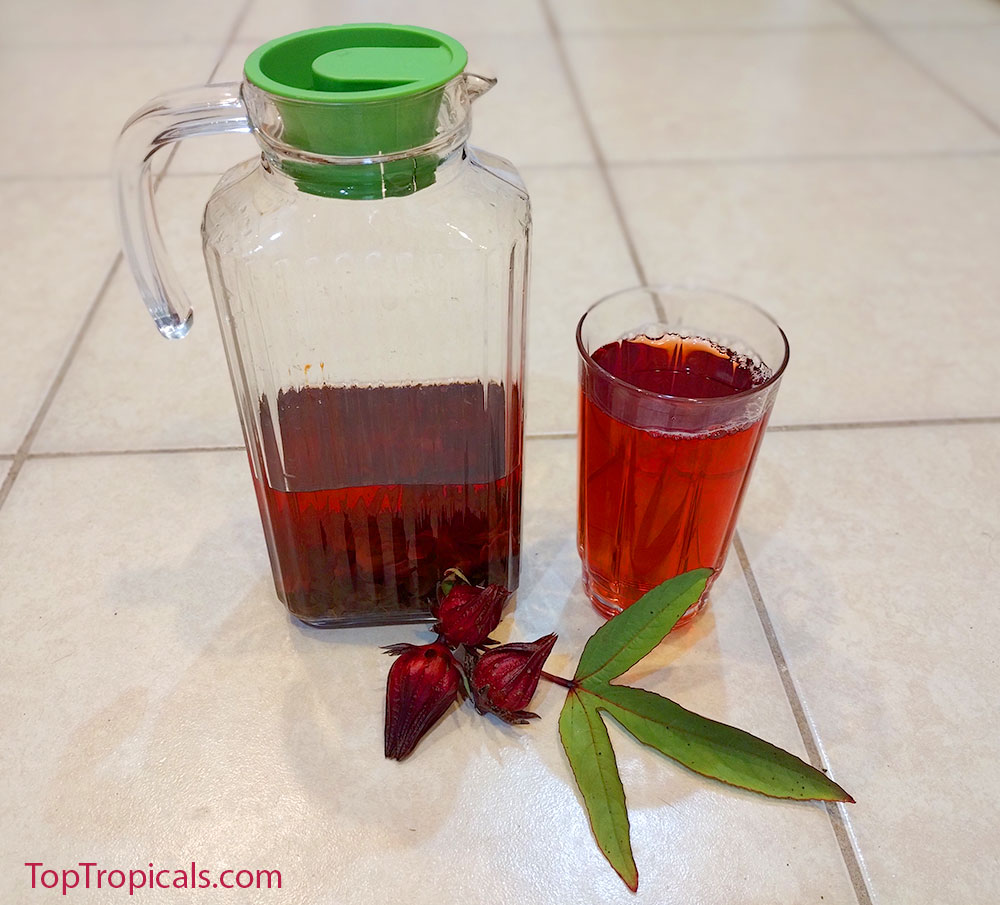
Hibiscus sabdariffa - Flor de Jamaica, Karkade Sorrel
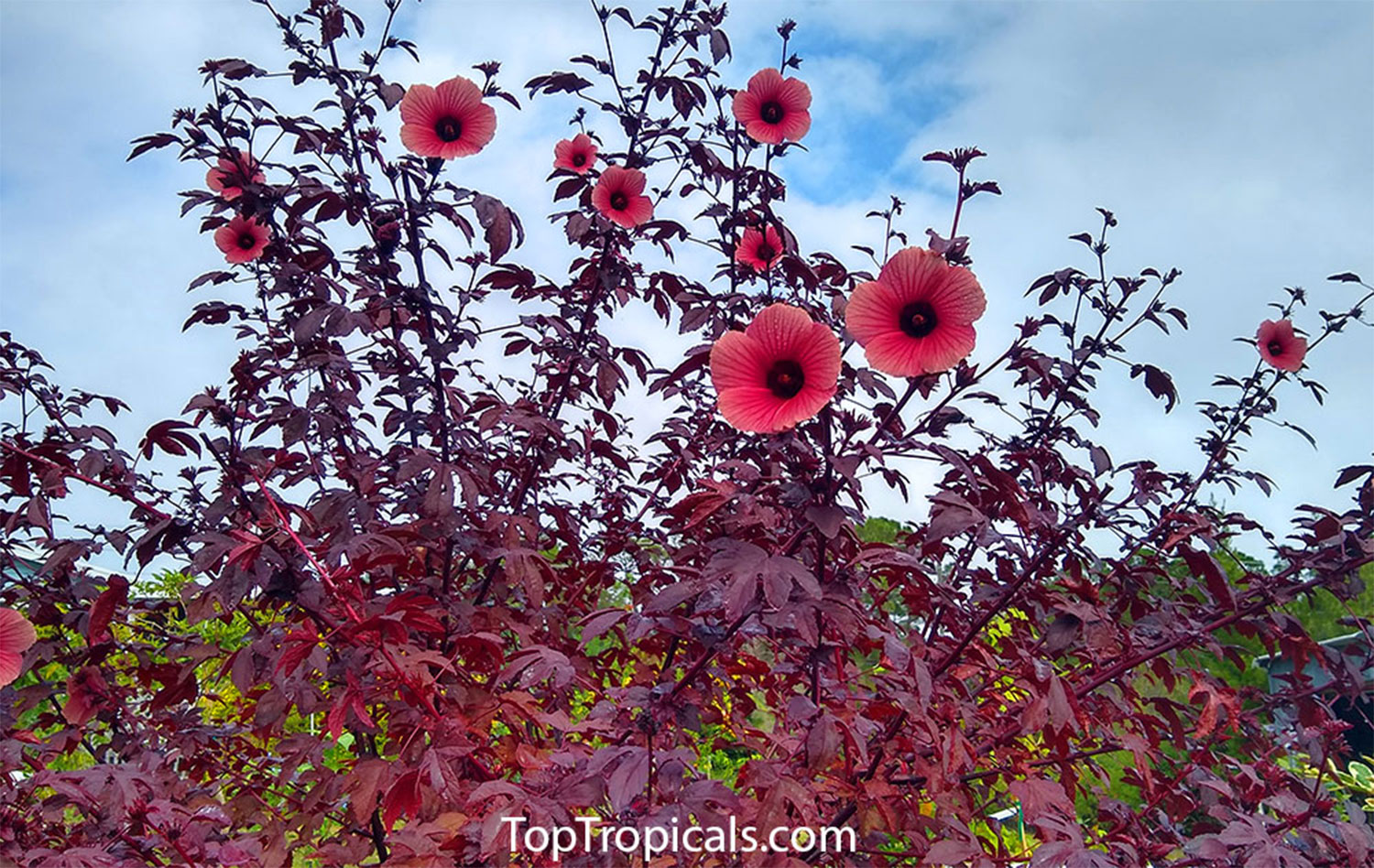
Hibiscus acetosella - African Cranberry Hibiscus
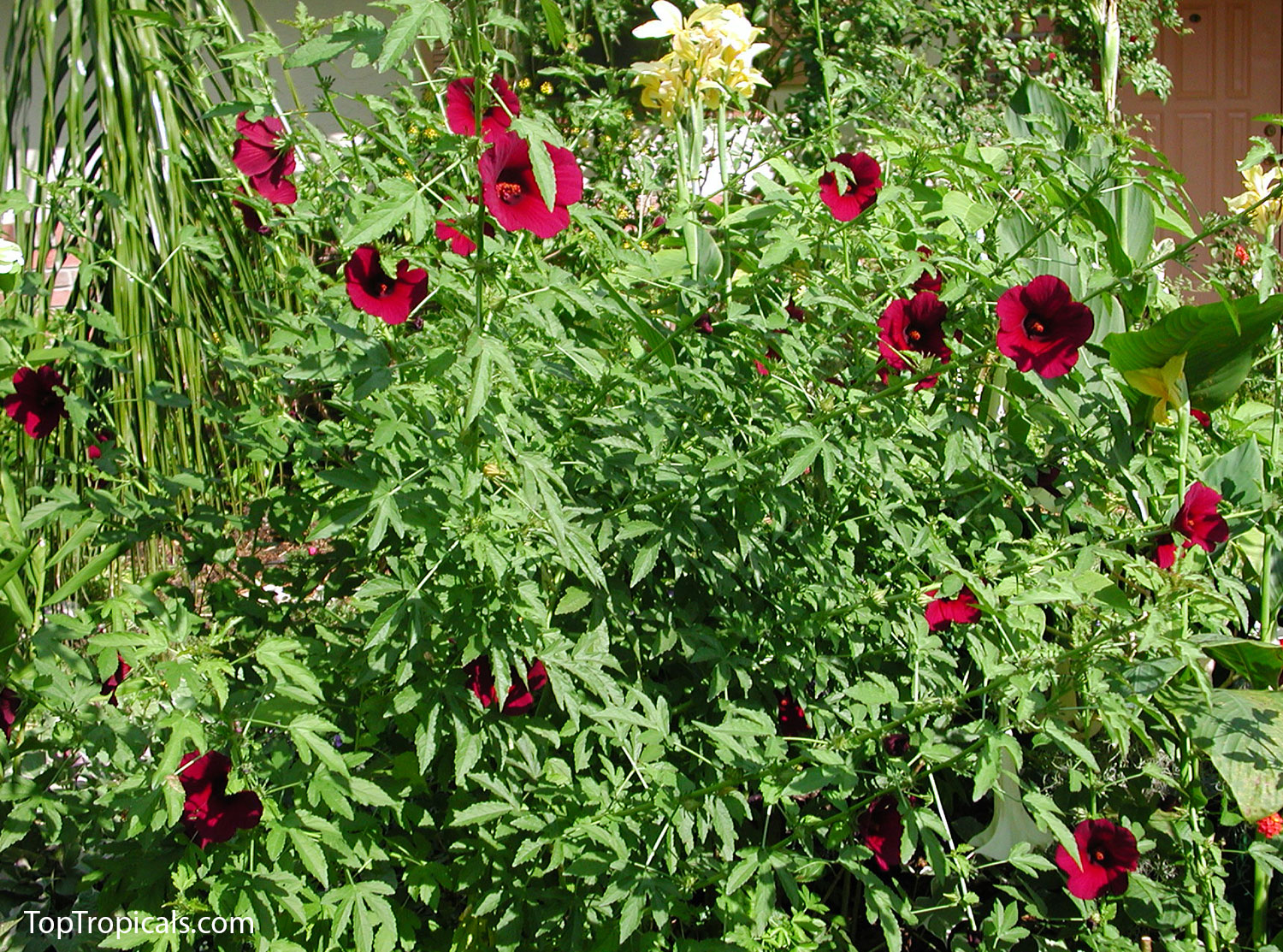
Hibiscus cannabinus (furcellatus) - Salad Hibiscus, Sleepy Hibiscus
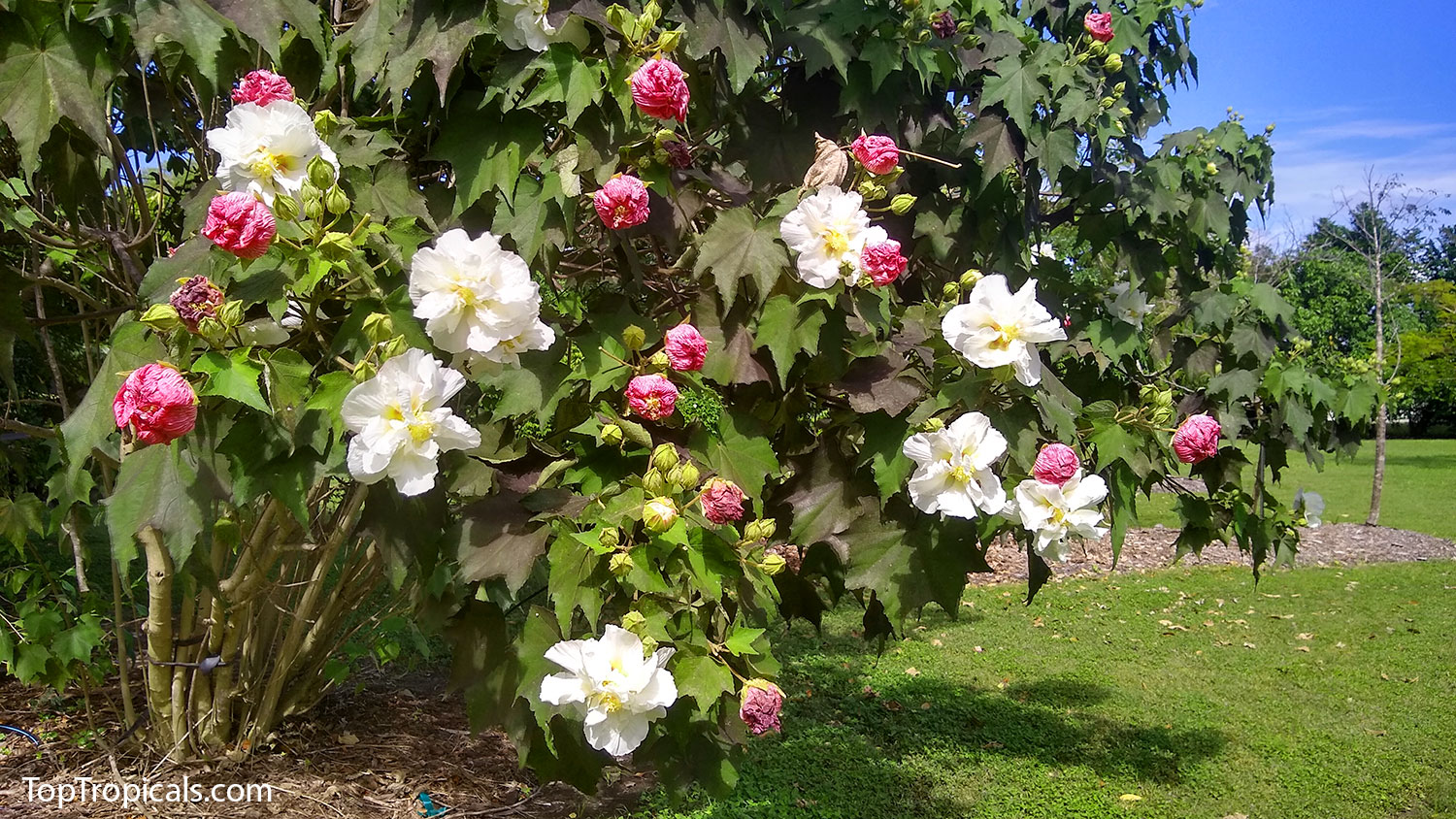
Hibiscus mutabilis Cotton Candy - Mallow Hibiscus
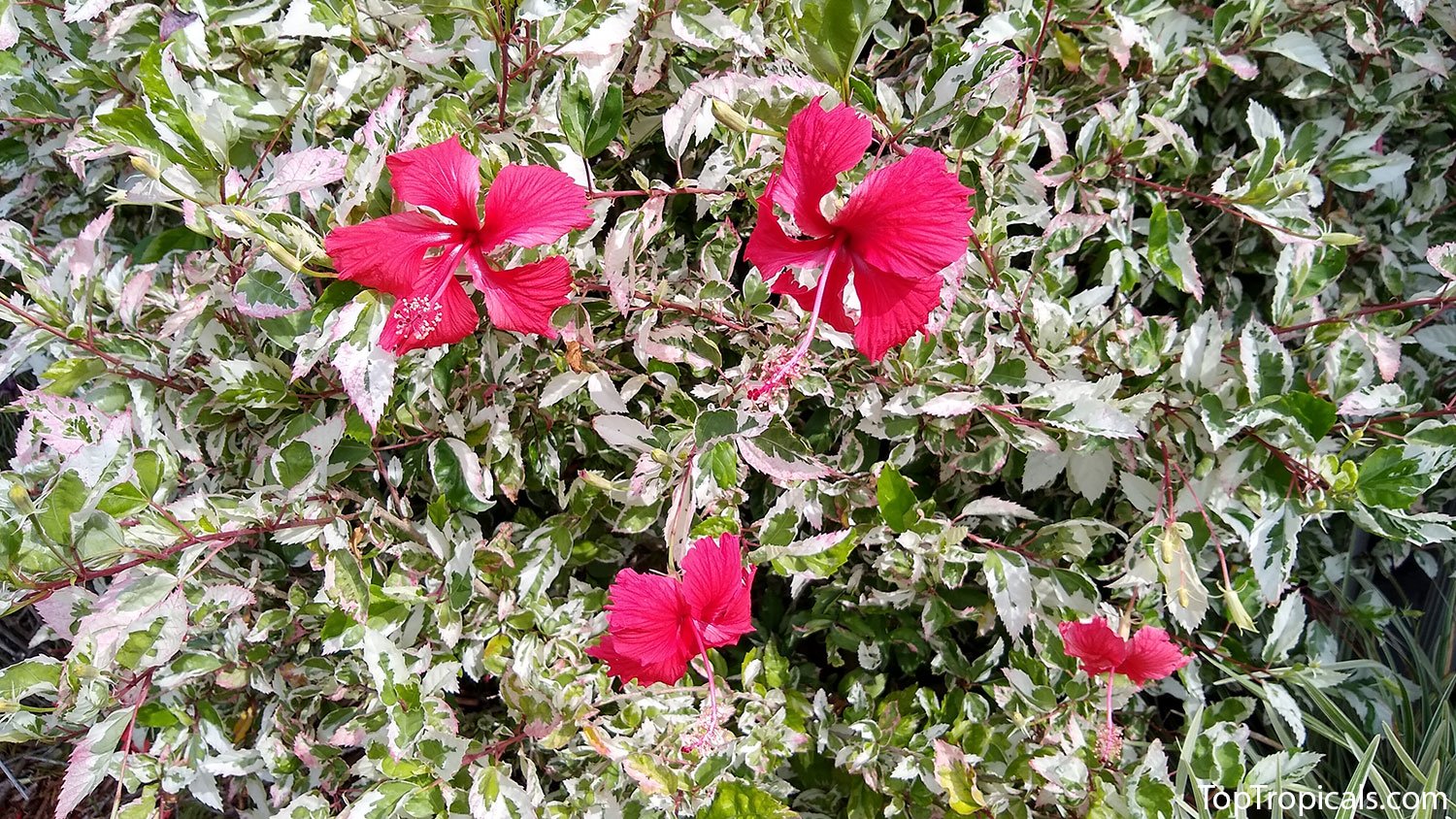
Hibiscus variegated Snow Queen
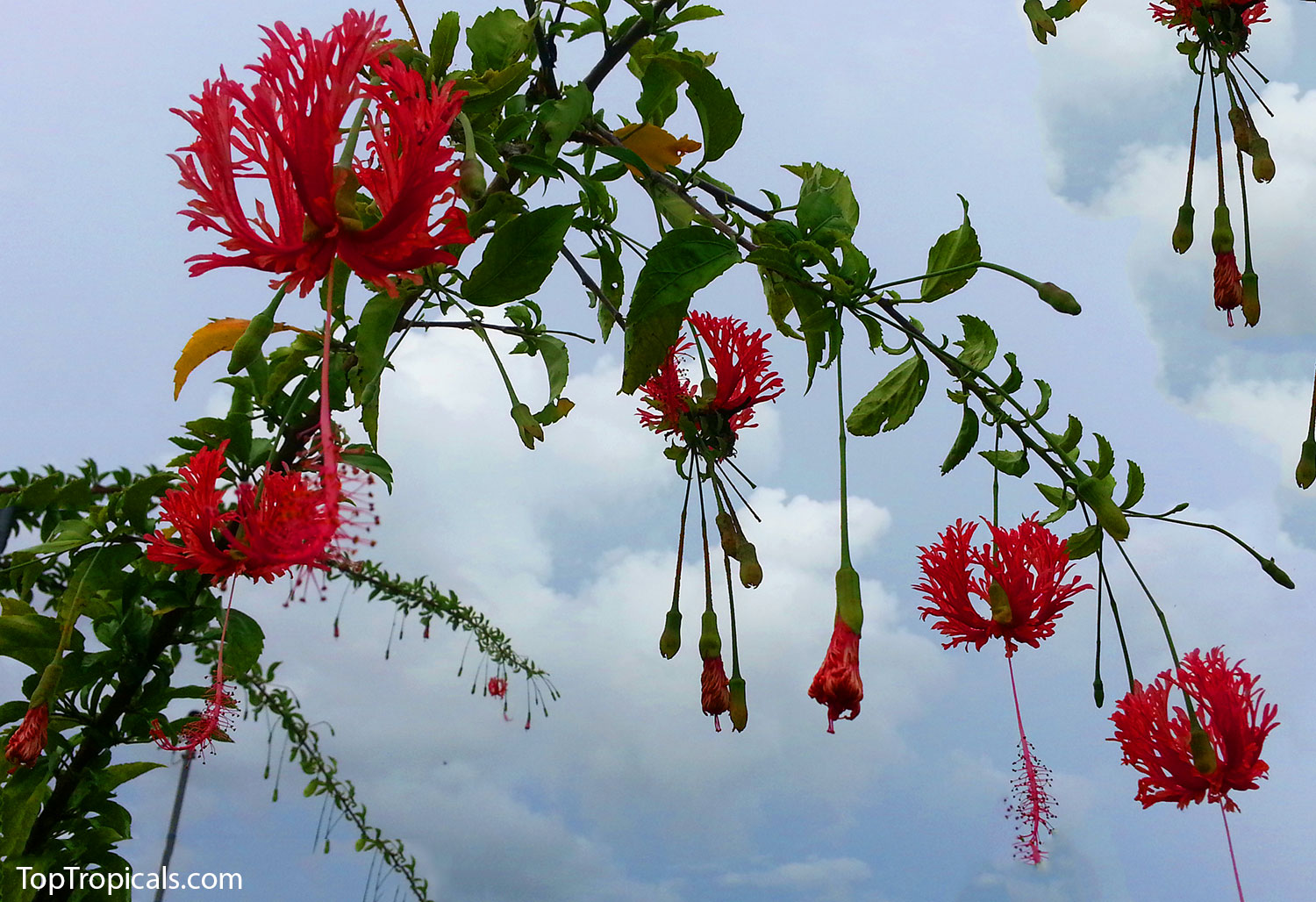
Hibiscus schizopetalus - Coral Hibiscus

Tea or Salad Hibiscus

Hibiscus  acetosella  -  African  Cranberry  Hibiscus

Hibiscus acetosella - African Cranberry Hibiscus. Leaves are acidic, rich of vitamin C, good for salads and teas.

Hibiscus  cannabinus  (furcellatus)  -  Salad  Hibiscus,  Sleepy  Hibiscus

Hibiscus cannabinus (furcellatus) - Salad Hibiscus, Sleepy Hibiscus. Vinous flowers open in the morning, and by 3-4 pm they convolve into a curious fico-like knot. Very similar to acetosella, only with green leaves, this edible hibiscus is great for salads, rich of vitamin C. Seeds, flowers, and leaves are also used for making delicious tea. Very fast growing, forms a large bush.

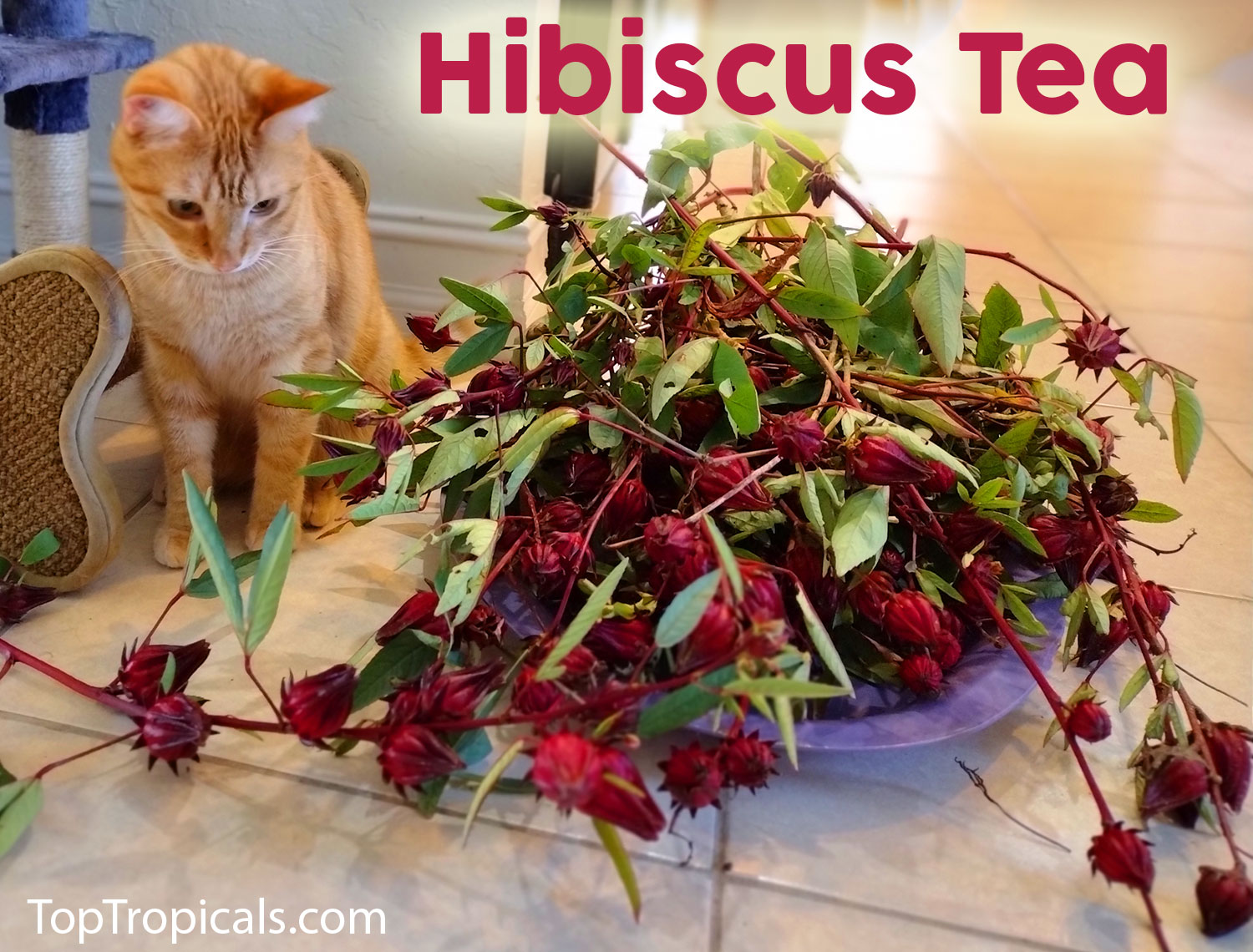
Hibiscus  tea  Karkade

Hibiscus sabdariffa - Flor de Jamaica, Karkade: the most delicious, fruity Jamaican Hibiscus tea. It makes our favorite Summer drink!

Hibiscus with a smile :)

Hibiscus  variegated  Snow  Queen

Hibiscus variegated Snow Queen. Green foliage is dramatically splashed with bright white which provides striking contrast to the large red flowers. A festival of color!

Hibiscus  mutabilis  Cotton  Candy  -  Mallow  Hibiscus

Hibiscus mutabilis Cotton Candy - Mallow Hibiscus. Flowers open pure white and change color over a three-day period until they are deep pink and then as they die assume a dark "blue-pink" hue. The three distinct colors appear on the bush simultaneously as the blooms color cycle independent of one another. Quite large blossoms are up to 5 inches across!

Hibiscus  schizopetalus  -  Coral  Hibiscus

Hibiscus schizopetalus - Coral Hibiscus. A weeping tree hibiscus, rare and hard to find and every gardener wants it! Grows rapidly and blooms freely. Flowers look like parachutes and can be recognized by the fringed and lacy petals which are bent backward.

Date: 14 Sep 2023

Time to plant some Winter Bloomers!

Orange  Cat  at  the  edge

Winter is upon us, but for tropical gardeners, it's the perfect time to enjoy. As the days grow shorter and the heat of summer subsides, Fall planting brings its own advantages. It's not so hot now, making it the ideal moment to dive into the enchanting realm of winter flowering plants. Don't miss out on the opportunity to add some tropical gems to your plant collection and keep the spirit of summer alive all winter long.

Plant them now to enjoy winter flowers!

Orange  Cat  at  the  edge

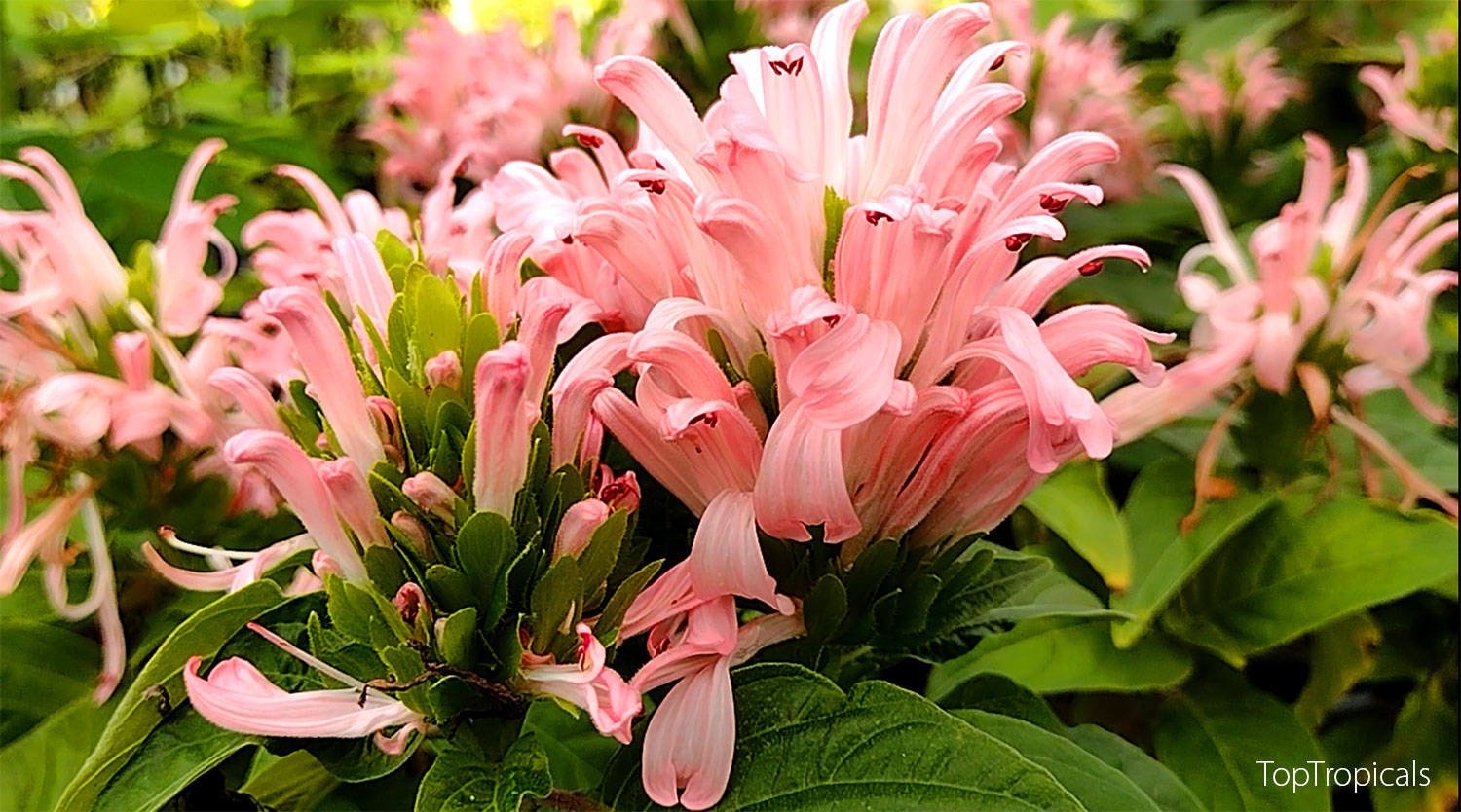
In the photo: in full bloom now - Justicia carnea - Pink Brazilian Plume, Jacobinia. Spectacular pink flowers, butterfly and hummingbird attractor. The plant is relatively cold hardy to light freeze and grows back from roots even if leaves are damaged.