Garden Blog - Top Tropicals

Date: 18 Apr 2023

Five benefits of growing your own Pineapple
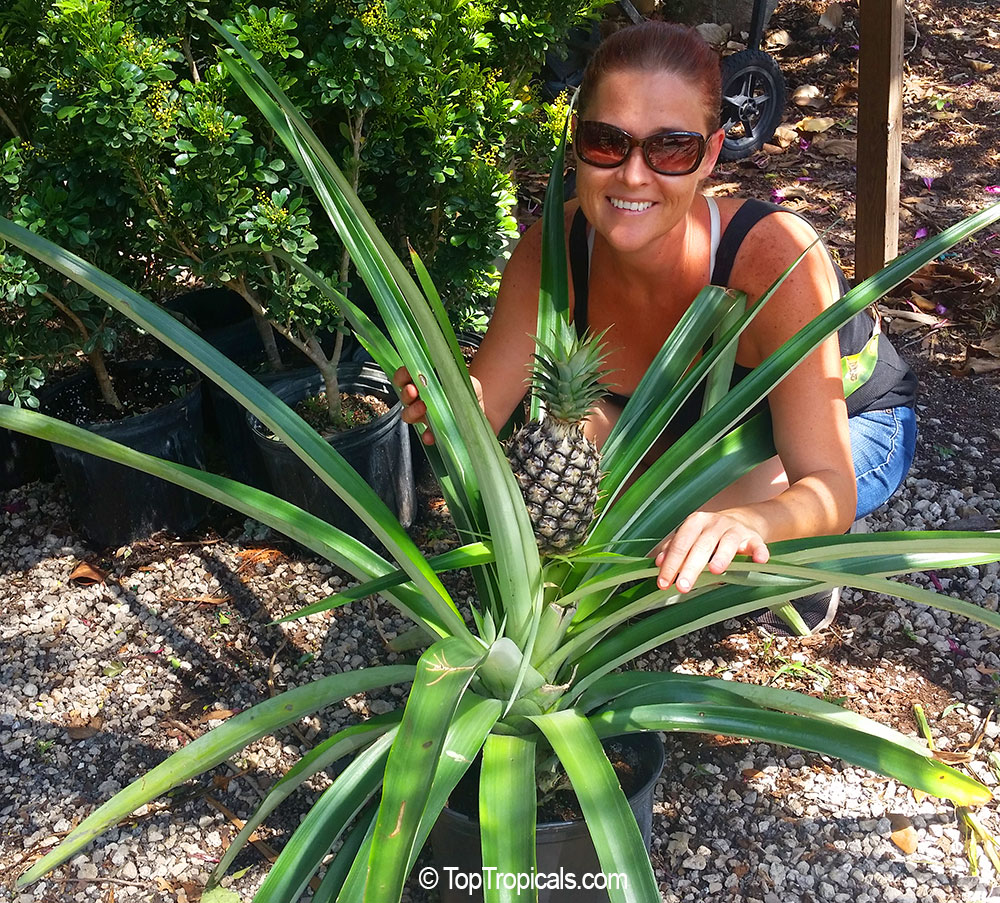
Pineapple  plant  with  a  fruit  and  a  beautiful  girl  Kristi

Q: Can I grow my own pineapple fruit?

A: Growing a Pineapple plant - Ananas comosus - is a fun and rewarding experience that offers both visual and practical benefits:

1. Fresh, homegrown fruit: One of the main benefits of growing a pineapple plant is that you can enjoy the fruits of your labor by harvesting fresh, delicious pineapples right from your own backyard.

2. Aesthetic appeal: Pineapple plants are visually appealing with their long, spiky green leaves and bright, vibrant fruits. They can add a tropical, exotic touch to any garden or indoor space.

3. Low maintenance: Pineapple plants are relatively easy to grow and require minimal maintenance. They can tolerate a variety of soil and light conditions and don't require frequent watering or fertilization.

4. Health benefits: Pineapple fruit is rich in vitamins, minerals, and antioxidants that can provide a range of health benefits, including improved digestion, boosted immunity, and reduced inflammation. It is recommended to eat a slice of a pineapple after every meal to keep healthy digestive system.

5. Collectable varieties: The pineapple plant can be easily propagated by cutting off the top of a pineapple fruit. However, for those seeking excellent quality, it is recommended to choose superior hybrids from professional growers. Become the proud owner of "The King of Fruits" collection! It takes up minimal space and provides fresh fruit throughout the year.

Read more about Pineapple: The most luscious Hospitality Fruit - Pineapple.

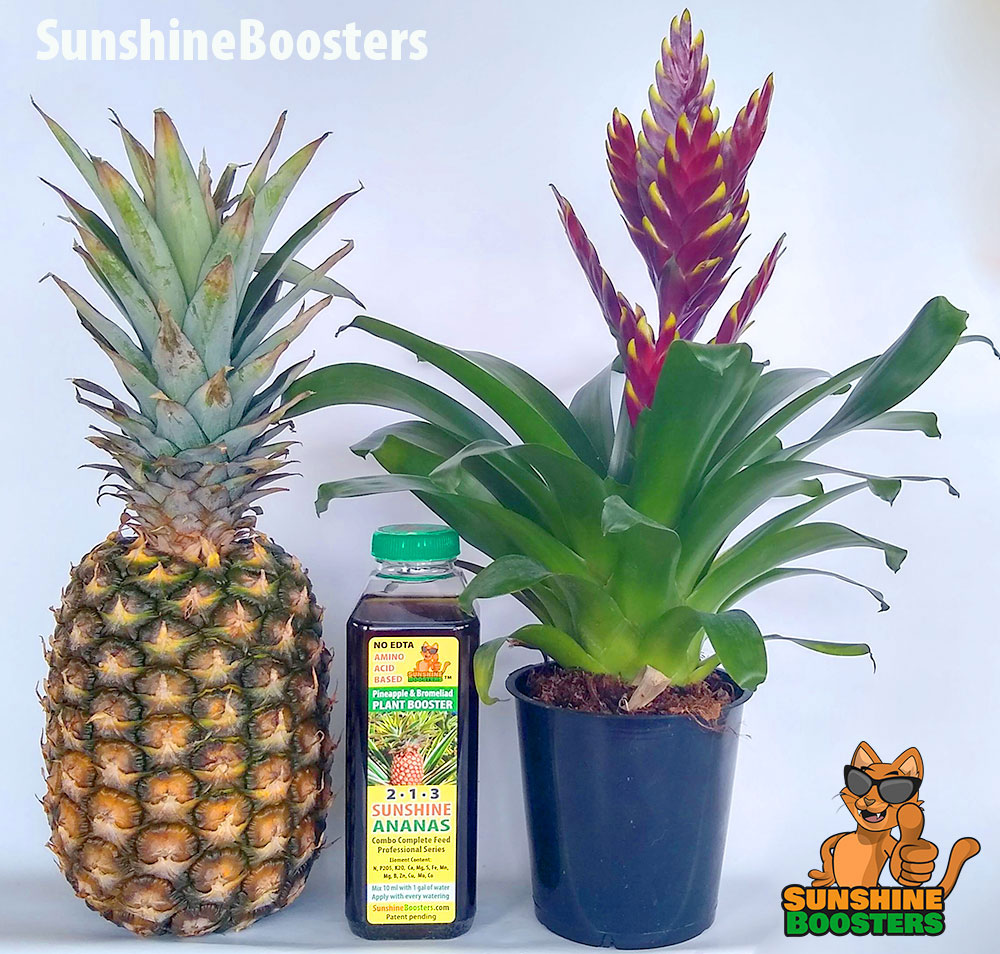
Remember to add Sunshine Ananas fertilizer to your purchase for a long lasting Pineapple crop season.
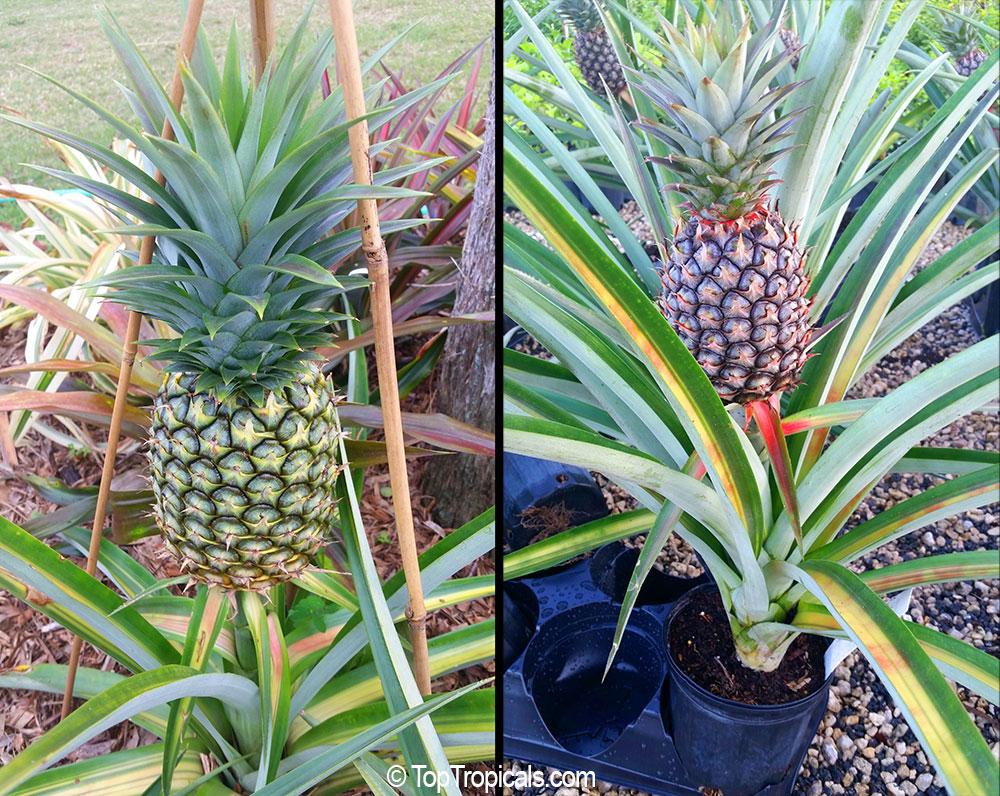
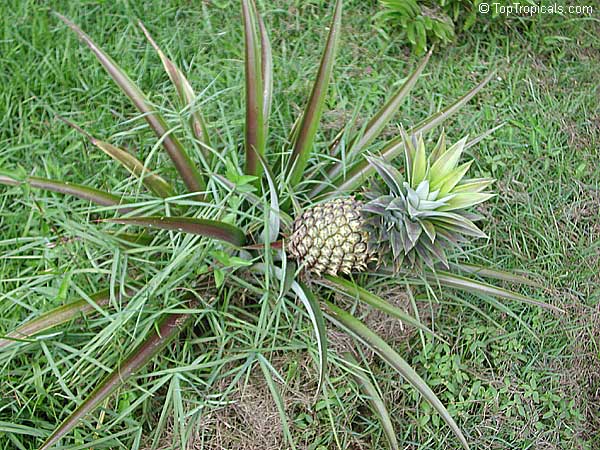
Pineapple  fruit  growing  on  plants

Date: 13 Jan 2023

Secrets of Winter planting:
Tropical Planting Breaks the Rules

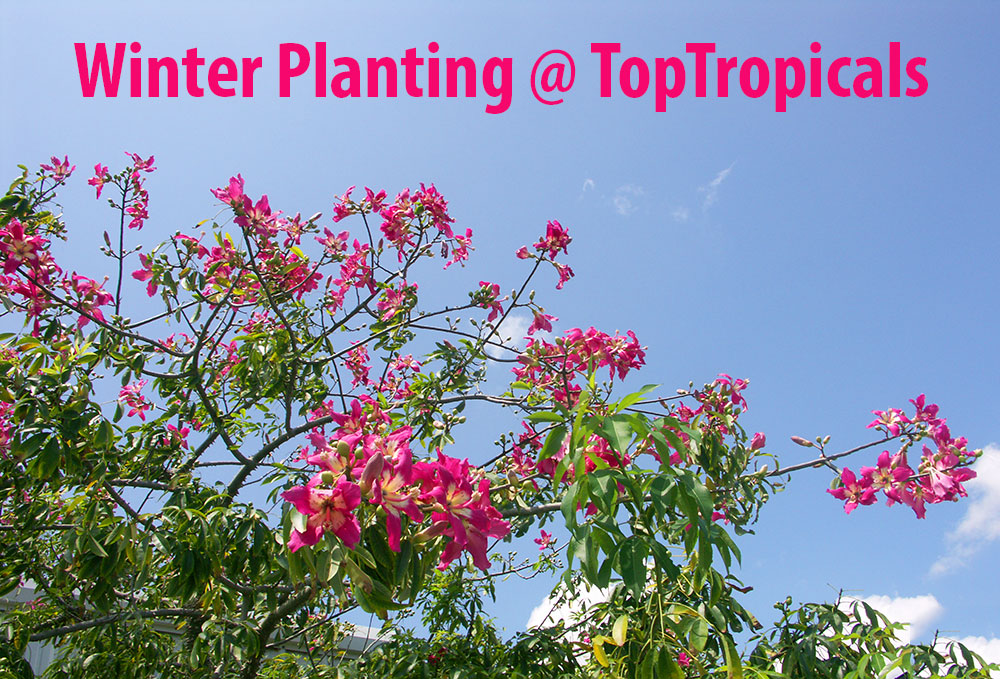
Winter  flowering  tree  -  Ceiba

by Murray Corman, Garden of Delights

Wintertime does not just mean hard work for tropical gardeners. It is also a time to enjoy the fruits of our labor. Winter-blooming plants and the visitors they attract - birds, bats and butterflies - make the garden as enjoyable in winter as any other time of year.
What a welcome relief: January daytime temperatures in the 70s, dropping to the 60s at night. This is why I came to live in the subtropics of southern Florida. The balmy climate of South Florida represents one of the few places on the mainland United States where tropical plants thrive unprotected outdoors.
But just as I had to leave behind so many of my favorite northern trees, so too did I have to put behind me many of the so-called "rules" of horticulture. These had worked well for me up north and I thought they would hold true anywhere in the world. Florida's subtropical climate posed new challenges and I soon realized that gardening in the Sunshine State would not be business as usual...
CONTINUE READING >>

See also: A Guide to Cold Hardy Tropical Fruit Trees and Avoicado Varieties (pdf download)

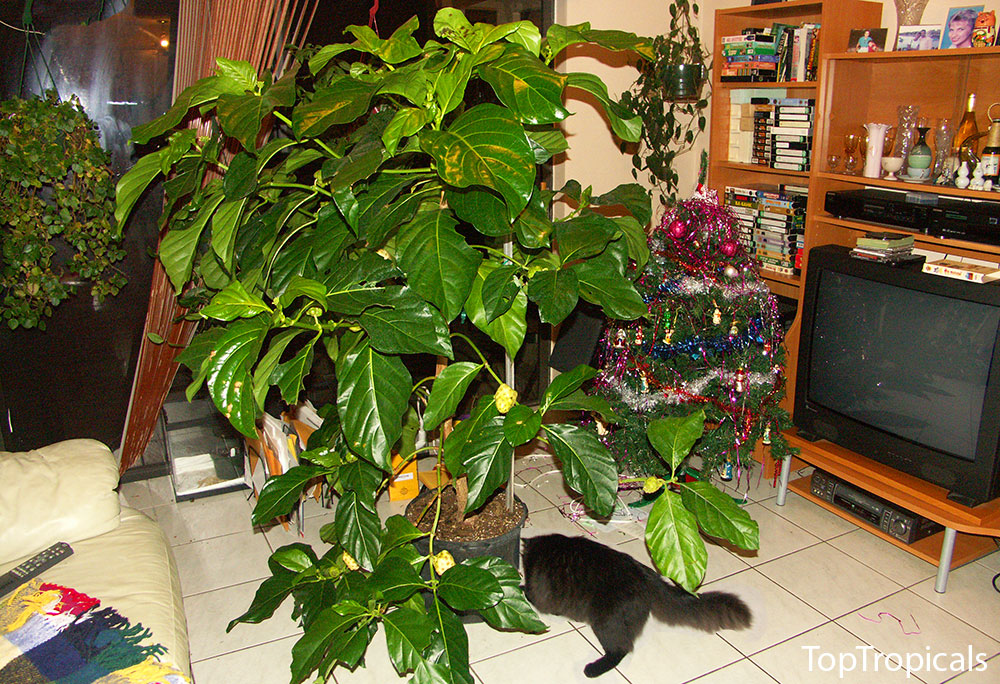
Noni  tree  with  Christmas  tree  indoors

Photo above: Noni is not just a useful fruit tree, but also a great ornamental for both sun or shade. It is also great for interior floral design or as an exotic addition to your room decorations in Winter! It fruits year round even indoors!
Order Noni online.

Date: 5 Nov 2021

Is Ugly Betty mango ugly or awesome?

A note from our customer

"...Hello my name is Gary, I bought your Ugly Betty Mango tree a little over a year ago. When I saw your photo I thought to myself why are they calling this mango ugly Betty? It doesn't look ugly at all to me. It was a deep yellowish orange with a little red to it round so what is so ugly about it? Once the fruit started developing on my tree I thought - now I understand, it's such an odd shape! However, it looks nothing like your photo and personally I thought this mango should be called Awesome Mango! I did not find it ugly at all. Here's a photo of what you call an ugly mango Betty..."

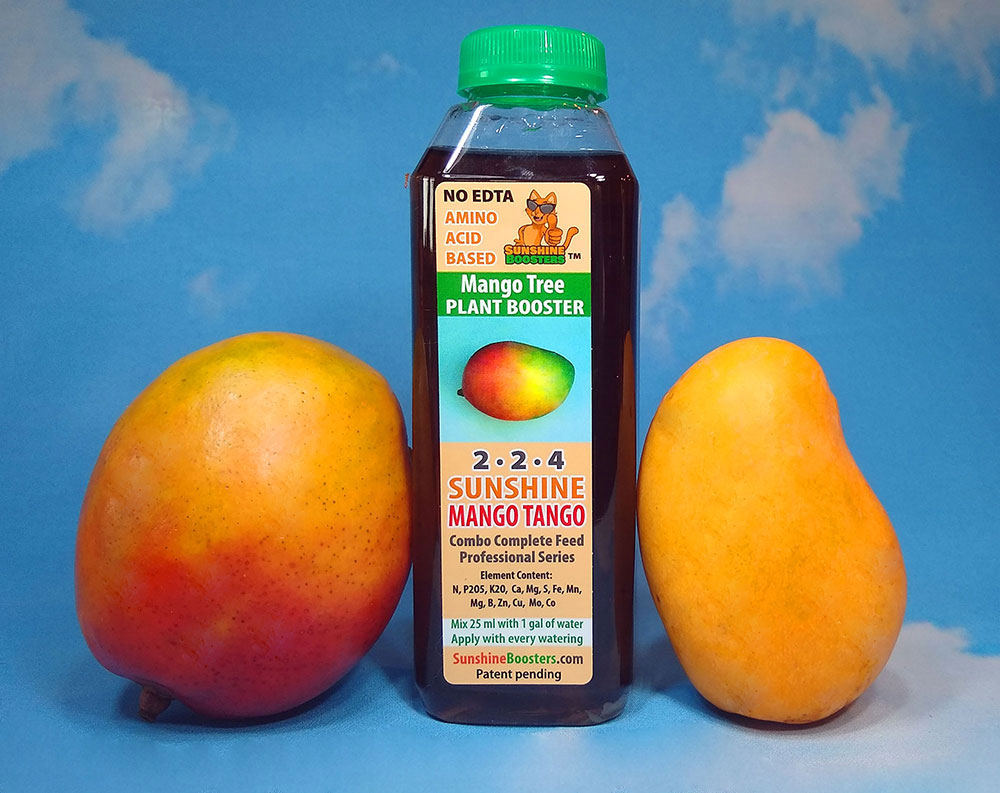
Sunshine Mango Tango.
Plant Food for every Mango to be Awesome

Date: 29 Oct 2020

The Best Pineapples

Q: What varieties of the Pineapple are the best for planting in Florida? When do they fruit? I have a small yard, with a room for one or two, but can I keep more in pots? I am excited to grow my own pineapples!

A: Pineapple is truly the King of fruits! One of the most delicious fruits in the world. They start flowering from January to March in Florida and yes, they happily grow in the ground as well as in pots. Heaviest fruiting is in Summer (May to September), and some staggered throughout the year.
Be careful with watering, keep in mind that like any bromeliad, Pineapple needs very little water and needs the soil to get dry between waterings. Use only acidic soil and acidic plant food.
Make sure to feed these plants on regular basis, especially if grown in pots. Pineapples are heavy feeders but are also very sensitive like all bromeliads, so be careful with traditional fertilizers, do not exceed recommended dosage. It is safe to use liquid amino-acod-based Sunshine Boosters Ananas fertilizer year round.

The mot popular pineapple varieties for home growers are:
Elite Gold
Royal Hawaiian - Royale
Sugar Loaf

Date: 7 Feb 2020

Jasmine Rex - the hero of all jasmines

Q: I was getting ready to place my order and I saw this plant and it's beautiful. I would love to have it. What does it need to thrive? As far as light, temperature, humidity.

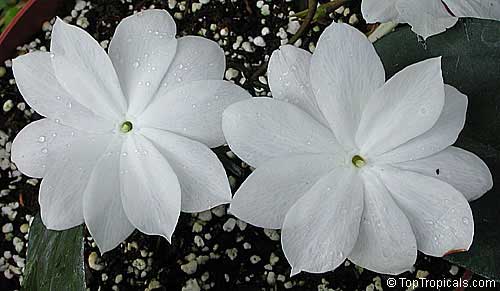
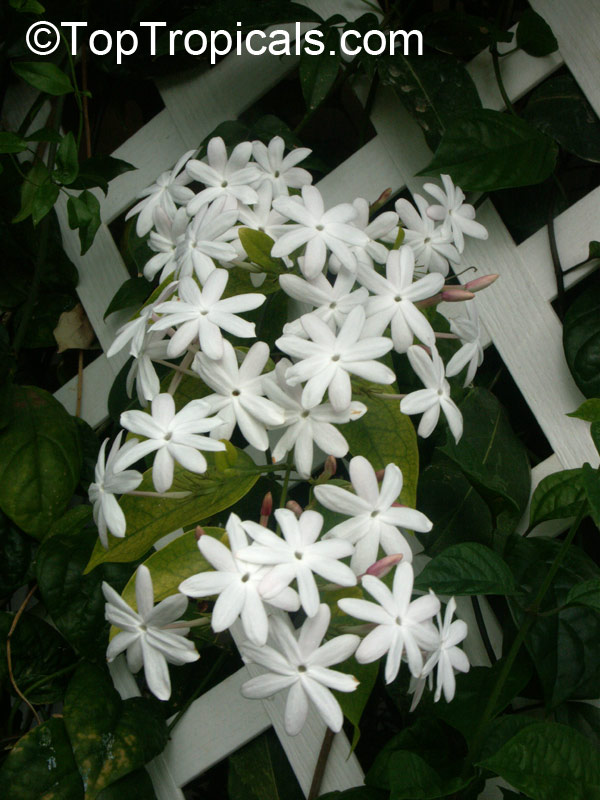
A: Jasminum rex indeed is a very unusual, spectacular jasmine. Unlike other jasmines, this one has almost no fragrance, however the blooms look so amazing that it became one of our favorite plants. Flowers are 2-3 inches across! It blooms profusely, covered with dozens of flowers for many days to a few weeks.
Jasmine Rex is not the easiest jasmine to grow, however it is not difficult either as long as you know its needs. The main critical factor is excellent drainage. It doesn't like soggy soil or wet feet. At the same time it needs regular watering. Full sun is also a must for flowering. Humidity is not a critical factor. Remember it is a tropical plant that needs frost-free environment. It is more cold sensitive than other jasmines although it may survive a few hours of light frost.
Once established, it grows vigorously. Make sure to apply fertilizer during active growth (when temperatures stay above 65F). We recommend Sunshine nutrition system through the whole year. Additionally, you can apply flowering fertilizer Megaflor during summer.
Make sure to plant it in a sunny spot using very good quality soil, and do not overwater.

Check out all Jasmines