Date: 2 Jan 2020
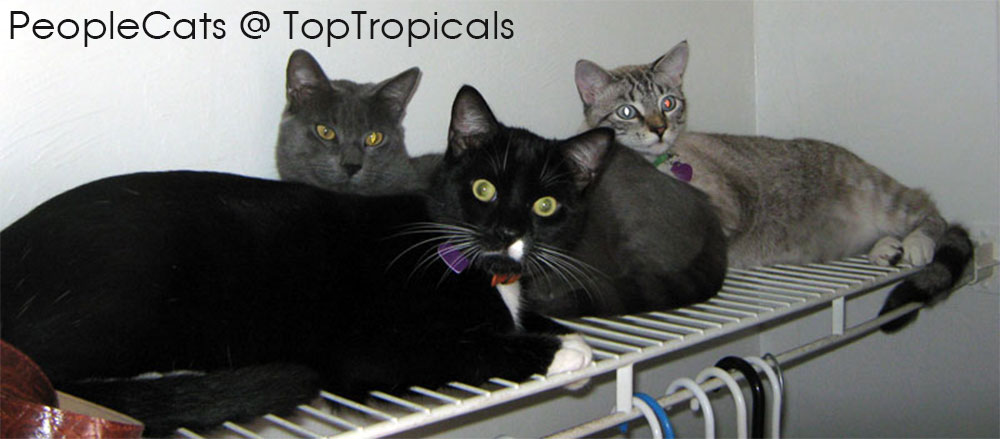
Meet PeopleCats of TopTropicals. Cat of the Day: Field Grown Marco
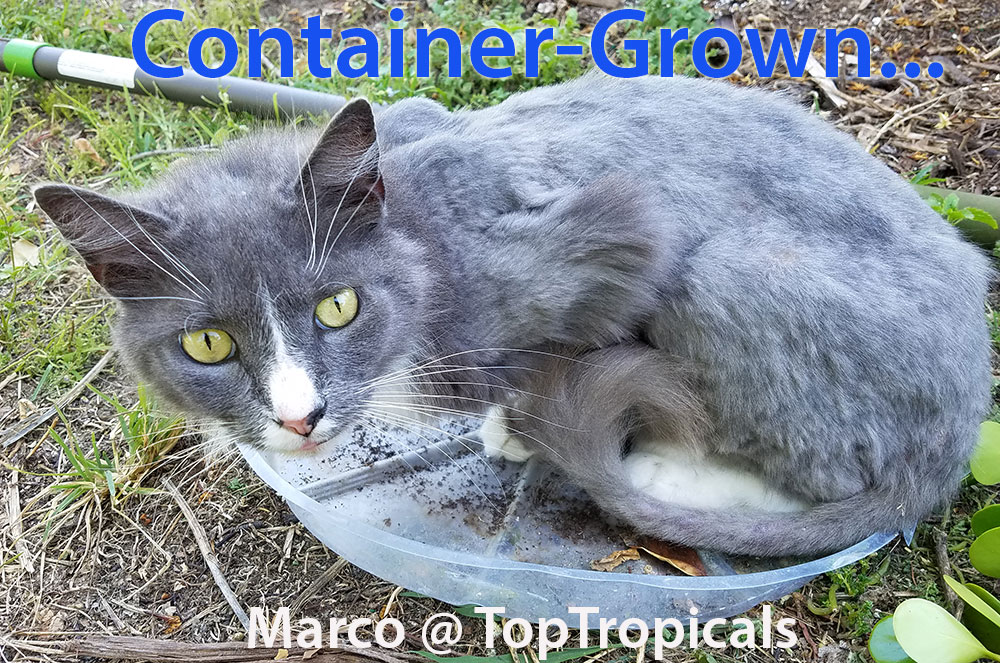
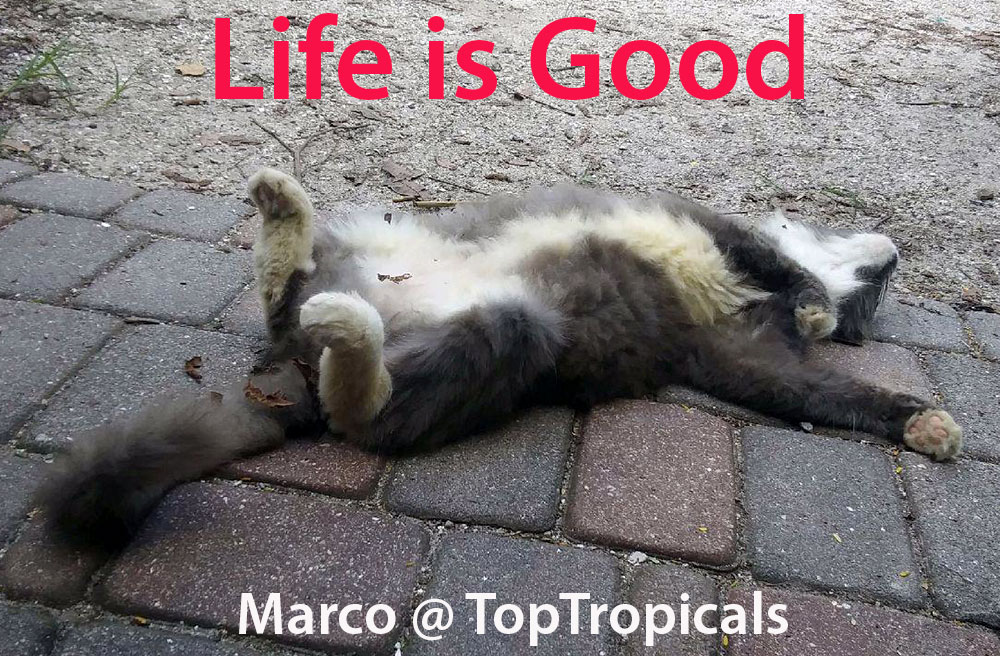
Marco loves growing plants and be involved in different projects outside. He is good at finding spots either on top, or inside some inappropriate objects. Yet simple boxes, that most cats find super comfy, do not interest him. Is has to be a plant container, saucer, or even a charcoal grill full of ash... He can sit in some weird places for hours like on top of a fence pole, or lay in the middle of a busy walking traffic while everybody have to step over or walk around him... We have quite a collection of Marco's special places and will be sharing with you!
Check out and more Cat of the Day stories.
Date: 21 Nov 2019
Why cats???

- Ernest Hemingway -
Q: I learn a lot from your emails and it is one of the few subscriptions that I actually (usually) open and read. I don't mean to be negative but I'm not really a fan of the cat content that you now feature above the plant content. I'm surprised that you dedicate so much space to material that really is off-topic... I'm glad you guys are in business and you educate as much (or more) than you sell. I actually drove to your location to buy stuff a few years ago and most of what I bought is still alive. My neighbor also bought a cocoa plant from you and it is thriving!
A: Thank you for your comments and orders with us. We really appreciate your interest in our newsletter.
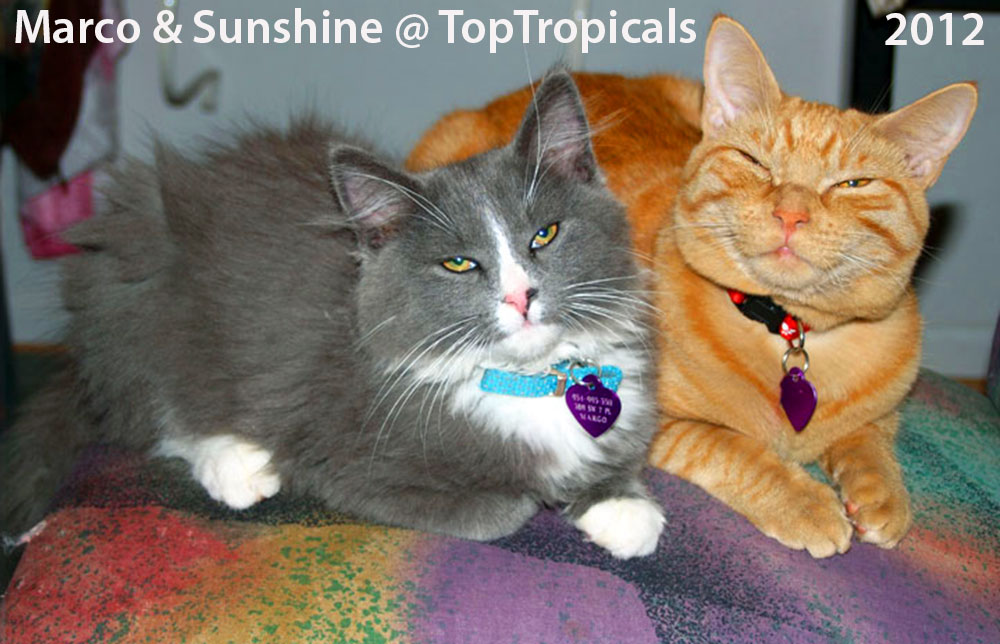
As far as cats, we added regular Cat of The Day section because it became so popular and many customers asked for it ;) While we all know that the World is made of 2 halves - CatPeople and DogPeople, most PlantPeople are PetPeople and they find this combination fun and garden-productive!
Besides, TopTropicals Garden Center is a cat-friendly Plant facility, so the cats are part of our business, as a matter
of fact... Not only do they help us with our daily hard work, they also give us so much love, and helps us to become better people. Our employees take care of them; the cat care is on their daily task list!
Do not worry, our plant content always comes first, and more interesting
stuff coming every week! Thank you for staying with us.
Check out and more Cat of the Day stories.
Date: 29 Aug 2019
How to establish a Mango Tree
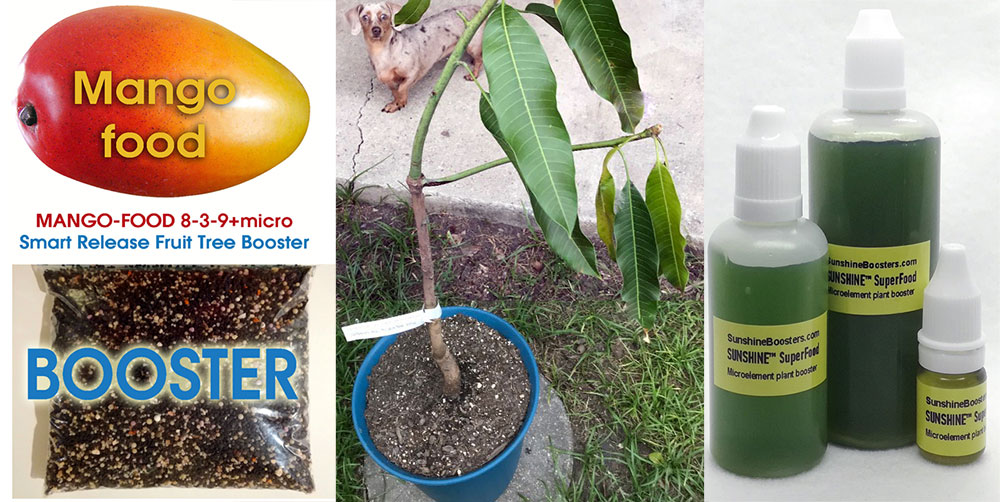
Q: I received my mango tree from you on Monday and it looked beautiful. I followed the instructions and kept it out of direct sun. I watered it a little each day when the potting mix was dry to the touch. But the leaves are turning yellow and brown then falling off. Should I have removed the tree from the soil it was packed in?
A: Leaf drop and dry/yellow leaves are normal symptoms of shipping stress. Your mango tree looks healthy overall. Considering you have high humidity now in Louisiana, the plant should recover soon under proper care. These are important tips:
- Keep the plant in bright shade, away from direct sun - at least for a
week, then you may start moving it gradually to semi-shade, then to full sun
within a few days.
- Do not over-water. If the top of the soil is still moist, do not
water until it dries a little bit. Mango prefers to stay on a dry side. From this
point, over-watering is more dangerous than under-watering. You may skip a
watering if in doubt.
- If it rains every day, make sure to keep the pot under the roof to
protect from excessive water.
- Do not remove original soil and do not disturb roots.
- You used the right container size and looks like you have a quality soil with good drainage. Keep the plant in this container at
least for a few months. You may step it up only when you see a lot of active
growth of branches and leaves - this means, the root system is developing fast
too.
- do not fertilize until you see new growth. Then use Mango Food Smart release.
- to help the plant recover from stress, you may use SUNSHINE-E booster and micro-element foliar spray with SUNSHINE-Superfood
Date: 8 Aug 2019
Tabernaemontana africana - a bush or a tree?
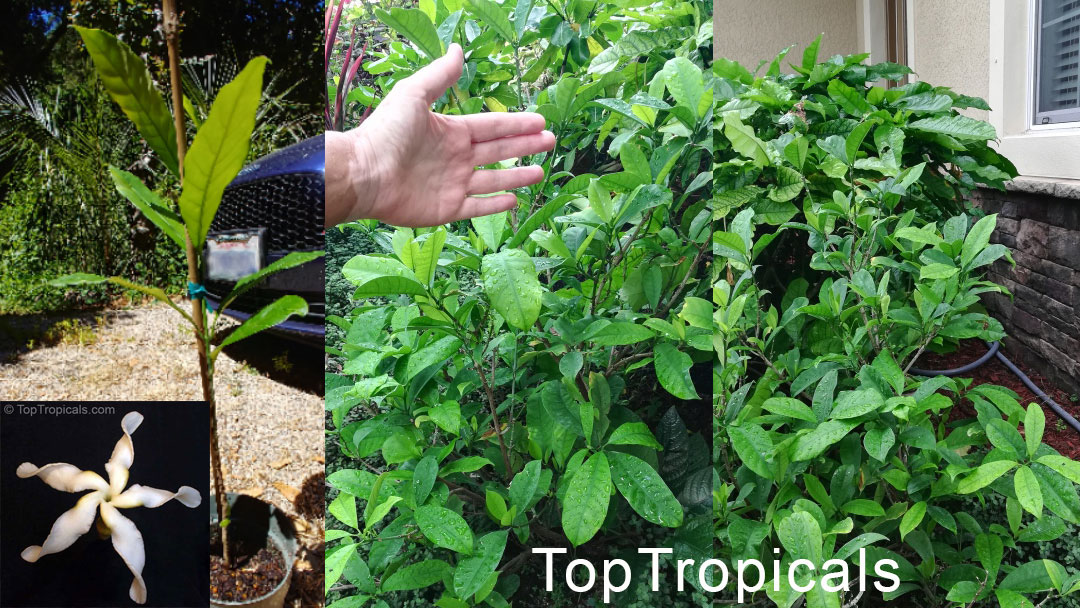
Q: I received a Tabernaemontana africana, but it is not the compact cultivar, from the photo, this is definitely the tree version, not the compact version?
A: The plant in your picture is Tabernaemontana africana and it is a shrub version, not a tree. The
plants we have in stock are smaller size but very vigorous so they can be
trained into standards.
We have this plant in our garden in the ground (3 years old) and by now
it bushed out and remains under 4 ft without any pruning. Just keep in mind
this plant requires regular applications of micro-elements, because the
species is very susceptible to iron deficiency.
The supplement we use, in case you notice any leaf yellowing, is Sunshine-Superfood
Date: 29 Jul 2019
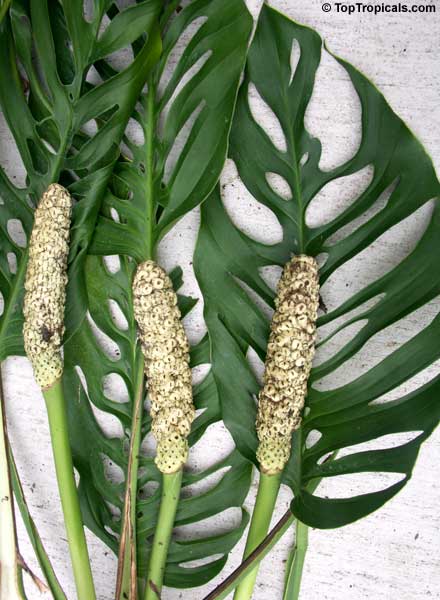
Monster hybrids of Monstera: juvenile and mature
by Mark Hooten, the Garden Doc
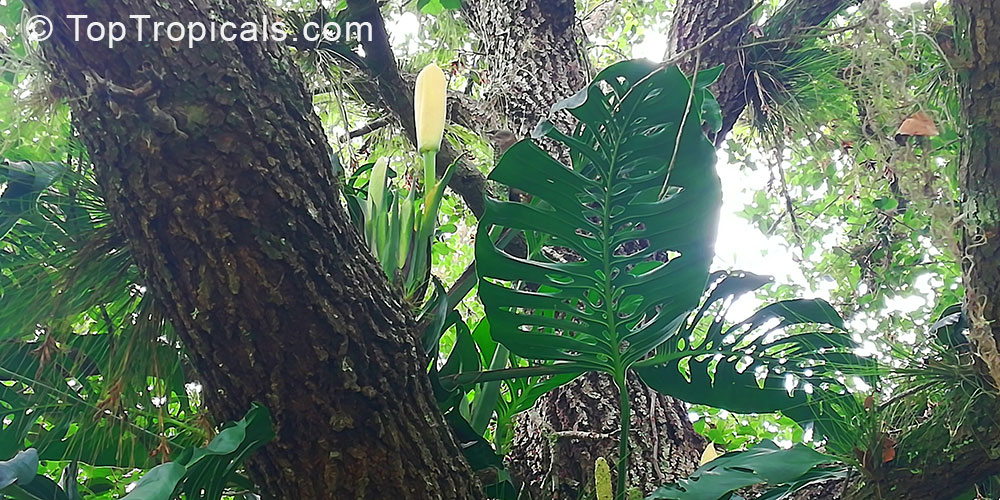
Q: I am a rare plant collector and obtained a very interesing cultivar of Monstera from you that says it's a hybrid Monstera adansonii x obliqua. Is there a named hybrid? The leaves on this specimen that came in 1 gal pot are much larger than the plant I have grown in a 3 gal pot for a few years, under name of Monstera friedrichsthalii.
A: Due to their diversity, it is hard to find verified hybrids in the genus Monstera. M. friedrichsthalii is apparently an old Florida name for what is actually technically M. adansonii. The "primitive" juvenile growth is very different from the much larger more robust form that only occurs when it is allowed time to climb a tree, in which case the foliage becomes very different and much larger with many many more fenestrations (holes) of various sizes. If you visit our Garden Center, you can see the mature form climbing the oak tree in our Shade Garden in front of our office - we use this mature plant for propagation. If you take a cutting and don't let it attach to a bark/trunk and climb upwards, it will quickly revert to the wimpy juvenile form. Seems that even climbing a pole indoors, it never actually develops into the truly mature more complex adult stage. Some juvenile forms growing on a tree if given too much shade, do not develop into the larger mature form. Move it in more light and allow it to climb, and it will look very different, but still is the same plant under different conditions.