Garden Blog - Top Tropicals

Date: 11 Oct 2019

Fun of growing your own Pepper
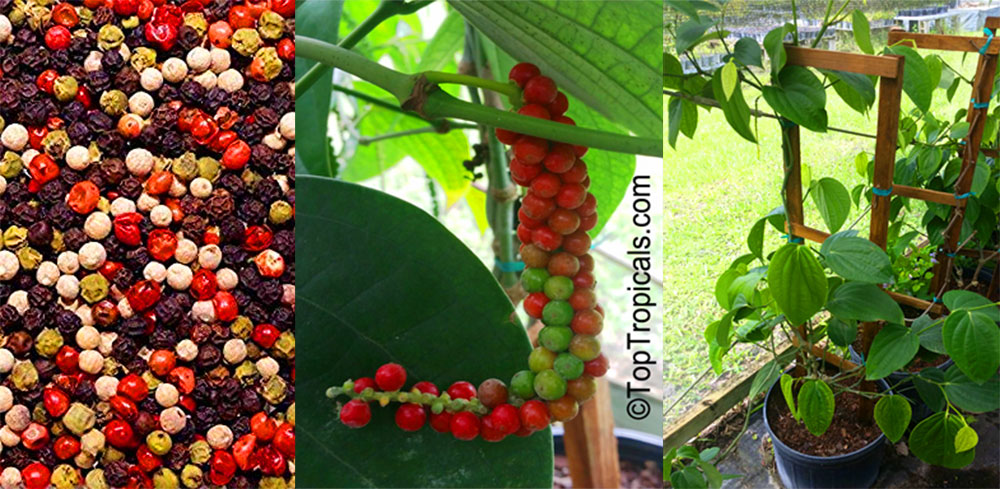
By Onika Amell, tropical plant specialist

Q: Can you grow your own black pepper plants in the USA?

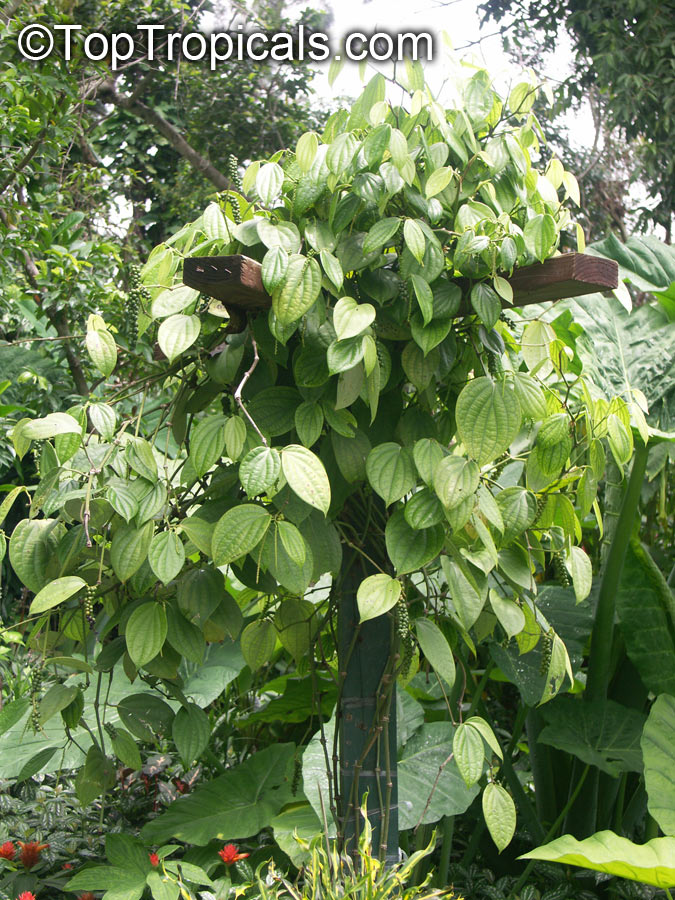
A: Who does not love the smell of freshly ground pepper, especially that lovely combination of white, green, black and red peppercorns, which are so much more interesting than just plain black corns. Yes, you can absolutely grow your own pepper! Peppercorns come from the plant Piper nigrum.

Growing Pepper Plant

Black pepper plants are actually vigorous vines, although they are pretty slow growing and can be kept in a pot as a compact plant. But they will need a strong support to climb over. Indoors, you can provide this support by installing a trellis in a large pot. Some gardeners prefer to grow them as a hanging plant instead. In warm climates, you can plant them directly outdoors in a protected location with partial shade. These plants need rich, moist, well-draining soil and warm, humid conditions. Peppers do not like temperatures below sixty degrees, although they can survive some cold spells. It is very important to bring these plants indoors or wrap them in a blanket if colder weather arrives.
If you live in colder parts of the country, you can certainly grow peppercorns in large pots. Grow them outdoors during the summer and move them indoors during the winter, or grow them year-round in your greenhouse. Houseplants will need bright light and consistent moisture. Spray the leaves regularly with a bottle of water to increase humidity. Do not allow room temperatures to fall below sixty degrees.
Besides the benefit of being able to grow your own gourmet pepper corns, the foliage, as well as the flowers on this plant, are beautiful in its own right. Off-white flowers appear from spring through summer, followed by slow fruit production. The berries will appear on spikes, with 50 to 60 berries per spike.

Fertilize this vine in the spring before new vigorous growth emerges. We recommend:
Tropical Greenhouse Plus - Plant Booster
Tropical Allure - Smart-Release Booster

You may be surprised to learn that black, white, green and red peppercorns are all the same seed on the same plant in the various stages of development and processing.

Black peppercorns are the most familiar and come from the corns that have reached their full size but are still green and not quite ripe. They are picked and allowed to dry in the sun. Enzymes in the berries cause the skin to turn black during the drying process. They are the strongest in flavor.

White peppercorns are the mature berries that ripen to a red color before being picked. After harvesting, they are soaked and rubbed free of the outer skin down to the smooth white underlayer, then dried and bleached by the sun. They are slightly milder than black pepper.

Green peppercorns are the unripe peppercorns picked at the same stage of ripeness as black peppercorns, but not allowed to dry. They can be pickled in vinegar or brine. They are the least pungent.

Red peppercorns are the mature, but unshelled version of the peppercorn. One can usually find them in some gourmet and health food stores. They can be quite expensive.

Ground pepper will only stay fresh for about three months, but peppercorns will last indefinitely. To make the most of your pepper harvest, store the peppercorns in an airtight container in a cool, dark location. Grind them immediately before use for the best flavor.
There is nothing like freshly ground black pepper simply combined with a good quality olive oil and a splash of balsamic vinegar. This makes a wonderful dipping sauce for fresh bread. Simple, yet elegant. All the better if the pepper was grown in your very own garden!

Date: 9 Sep 2019

How to make leaves green?

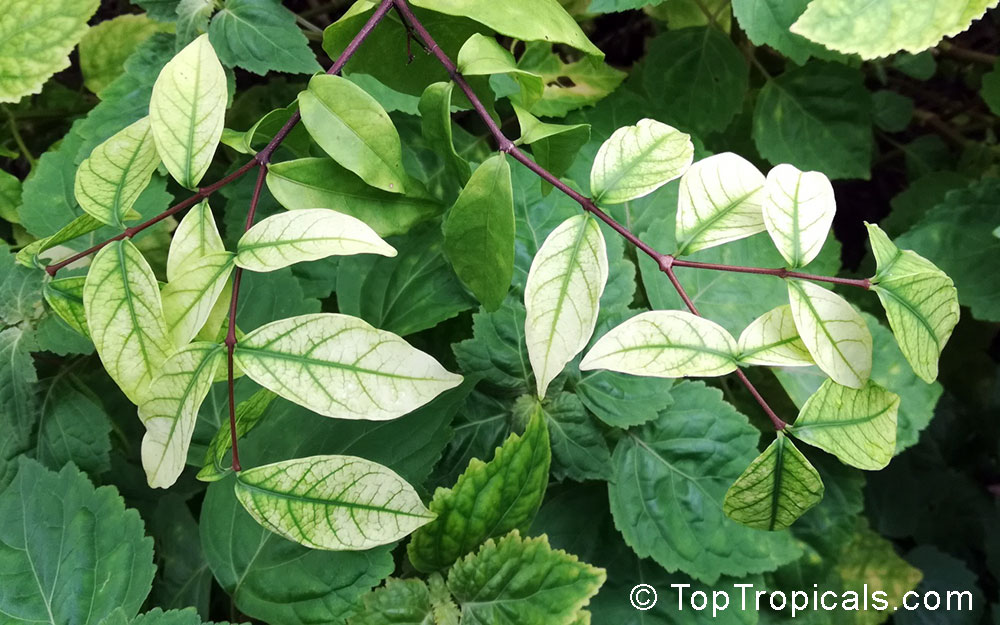
Q: I purchased several plants from you and they all arrived in great shape. The Wrightia is very large and vigorous but some leaves are yellowish. How can I improve that look? Any special fertilizer?

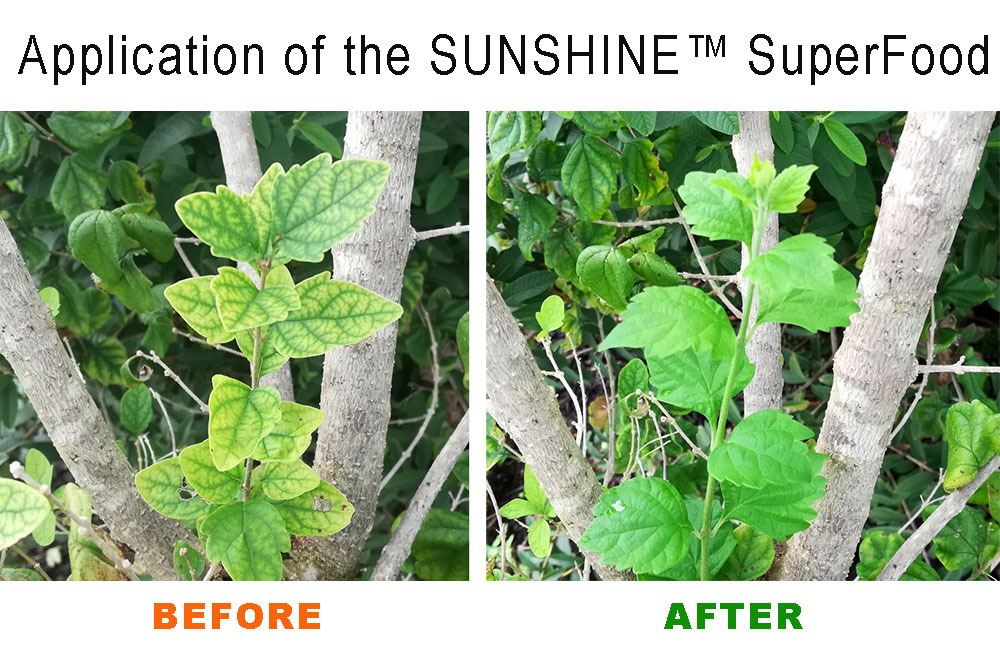
A: Wrightias are very showy and beautiful plants, although sometimes they are susceptible to leaf chlorosis which in other words is iron deficiency, especially during wet rainy weather. It is not harmful to the plant and can be corrected with microelement applications. Use Microelements once a week to correct the iron deficiency that usually goes away within a month. Then maintain plants health with monthly applications. It is beneficial to use microelements in combination with regular applications of health boosting fertilizer.

Recommended boosters and microelement supplements:

Pink N Good Daily Plant Food - Flower Booster
Tropical Allure - Smart-Release Booster
SUNSHINE SuperFood - plant booster
SUNSHINE-Greenleaf

See SUNSHINE Boosters page for the complete list of plant boosters.

Date: 30 Aug 2019

LadyBugs guarding your plants!

Q: I have a bunch of Ladybugs in my garden, I wonder if they eating my plants? Do I need to get rid of them?

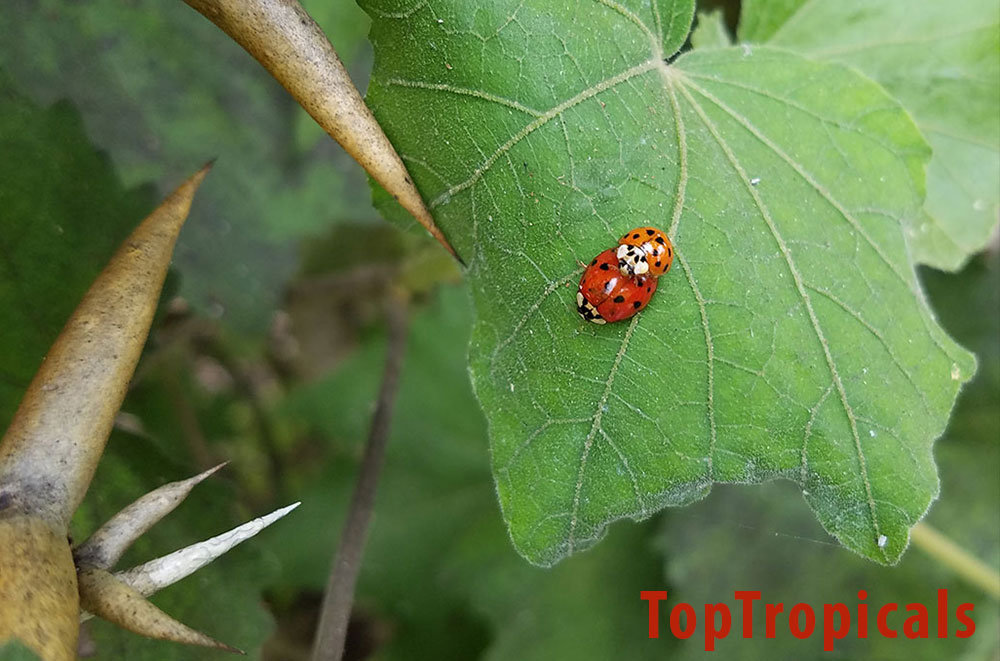
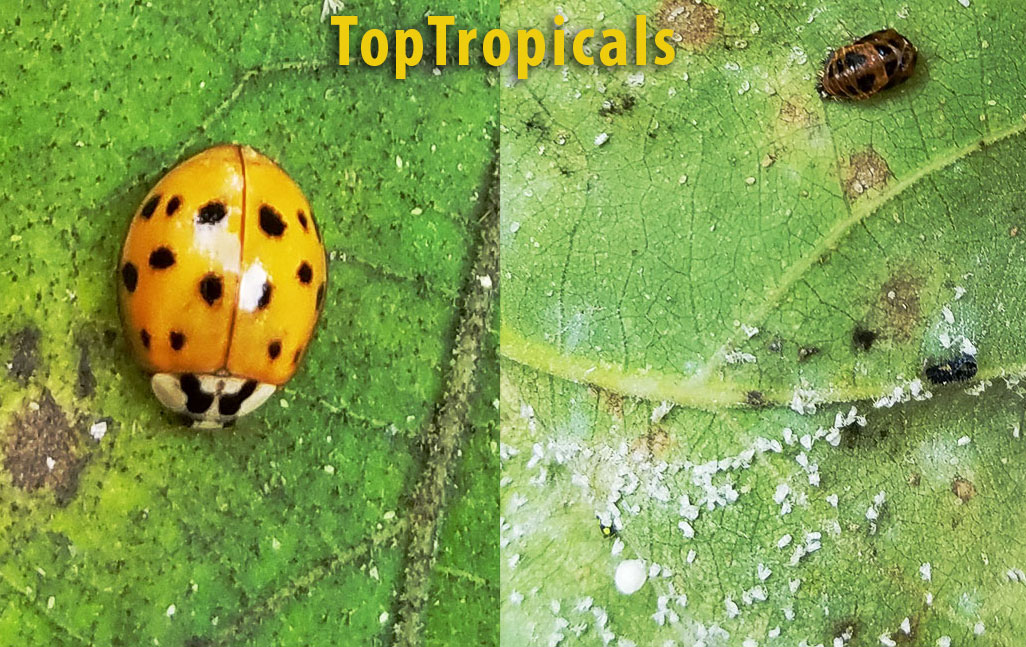
A: Ladybug (Harmonia axyridis) is, in fact, one of the best insects you can find in your garden, it is a natural predator that takes care of many bad bugs, including aphids. Keep them happy and bring them to your garden. Ladybugs actually are cultivated as natural pest control, and you can even buy them for your yard, instead of chemicals!

Ladybug larvae eating aphids:

The wonderful insects that dine only on landscape pests and don't harm good bugs or plants are called 'beneficials', and ladybugs definitely fall into this category, but not the way many people think. It's the ladybug's larvae that are voracious predators of soft-bodied problem insects, especially aphids.

Photo below:

One of our PeopleCats, "Innocent" Ladybug (a.k.a. Bug) is wondering who else she can bug next...

Date: 24 Aug 2019

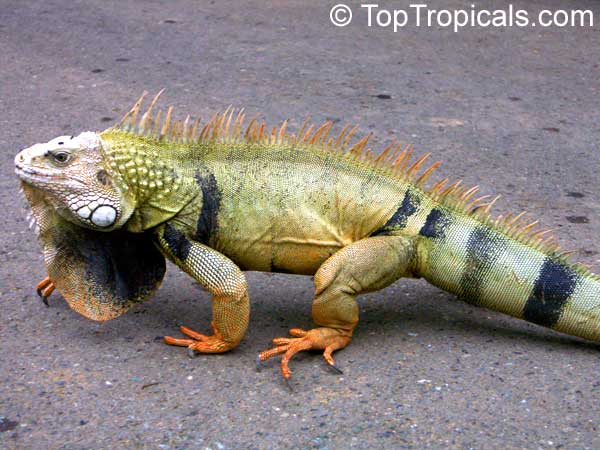
How to keep iguanas away?

Q: Really enjoy all the plants that I have got from you, but having a hard time keeping iguanas eating everything! We are not on the water, any solution to keep them out?

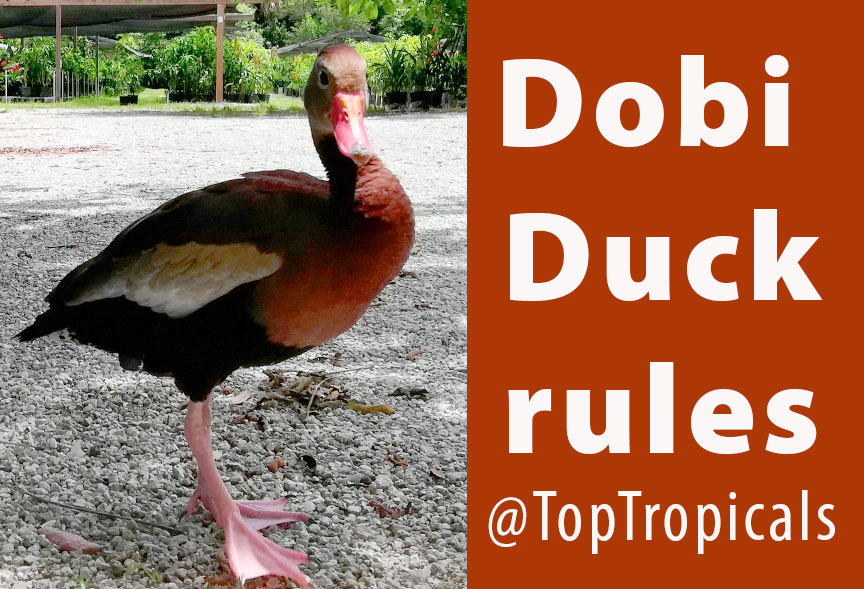
A: Iguanas may become quite a problem in the garden. Our first suggestion would be - get a Duck as we have (Duck Dobi), she is so dominant and keeps any wild animals away from the property, including gators... and cats! They are scared of her! Dobi thinks she owns the place.

Here are a few other ways to control iguana problem in your backyard:

1. Rid your lawn of dropped fruits. Iguanas love fruit. And they love low-hanging fruit or fruit that's easy to get to. If you have fruit trees, take the time to pick up your yard and dispose of any dropped fruit.
2. Keep a lid on a garbage can. Put your garbage cans in a place they can't get to, or put a cinder block on your can lid.
3. Do not leave pet food out. If you're putting a bowl of dog food or a plate of cat food out for your pets, you're inviting iguanas into your yard.
4. Fill iguana holes. Iguanas like to dig. Wherever you see a hole, fill it. Stuff rocks into the hole first, then fill it with dirt and top it with sod. The iguana may return to dig again, but he won't dig through large rocks.
5 Do NOT feed the iguanas. Don't be friendly with them, so they won't come back.
6. Wire netting around plants. You can use wire netting or screens to prevent iguanas from entering plants and shrubs.
7. Spray them with a hose. When you see an iguana in the yard, spray them with the hose. They also hate loud noises. Constant harassment can keep them from returning.
8. Keep your yard clean. Excessive overgrowth or yard storage are great places for iguanas to hide.
9. Do not leave food out, unattended. Iguanas are mainly herbivores but that doesn't mean they won't smell something good and want to eat it. They will TRY anything.

Hopefully these tips help keep your iguana problems to a minimum.

Date: 19 Aug 2019

When is the time to repot?

Q: According to your instructions, I understand that plants need to be placed in bigger pots. But my question is, say I plant each plant in 18in x 18 in x 18 inch square pots, how many weeks, months or years can the soil be good for these plants? When will it be time to change soil? Any specific soil recommendations?

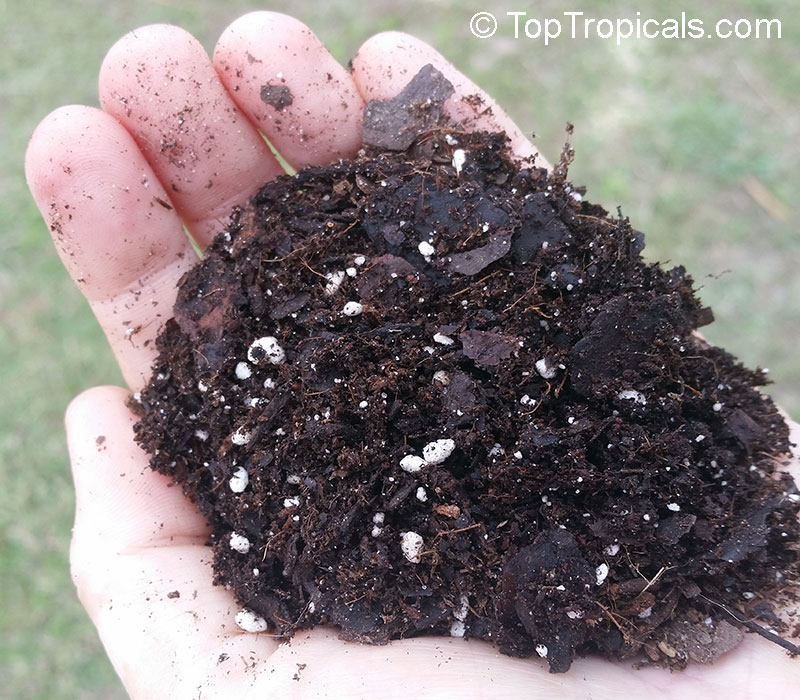
A: Repotting is required usually once a year. It depends on the plant and growth rate of course. The best way to check if a plant needs stepping up is to check its root system. Carefully turn the pot upside down and pull the pot off the roots (make sure to support the plant from the bottom). If a root system is very dense, it is time to repot. It is an easy check with smaller plants; if a plant is large and hard to turn "upside-down", check drainage holes: if roots start growing through the holes, it is definitely time to step up. Make sure to use pot size only a few inches bigger in diameter than the existing one: just enough for the root system plus 2-3 inches extra space; do not use oversized pots to avoid root rot. Use only new quality potting soil and make sure it has perfect drainage characteristics. We recommend Professional Soilless Mix that contains soil conditioners such as aged pine bark and perlite, and contains a large percentage of coconut fiber that plants love the best. Coconut fiber is a perfect growing mix and considered a hydroponics media, you will never have problems with root rot.