Date: 24 Jul 2021

Healthy Plants: Q&A from Mr Booster
How to fertilize Caladiums and other Aroids
By Ed Jones, the Booster Guy
Q: I have a large collection of Aroid plants, different Monsteras, Philodendrons, and several unique varieties of Caladiums. I've been always told that Caladiums should not be fertilized, they don't like it. Is it so?
A: Caladium farmers often say that these plants don't need any additional fertilizer and that they really don't like it... The thing
is, caladiums do not like DRY fertilizers, and this is why. Most Aroid plants do not like being watered too often, so dry fertilizers in combination
with infrequent watering create excessive salinity for the root system. We have run some tests on the proper fertilizers for caladiums and the best results were
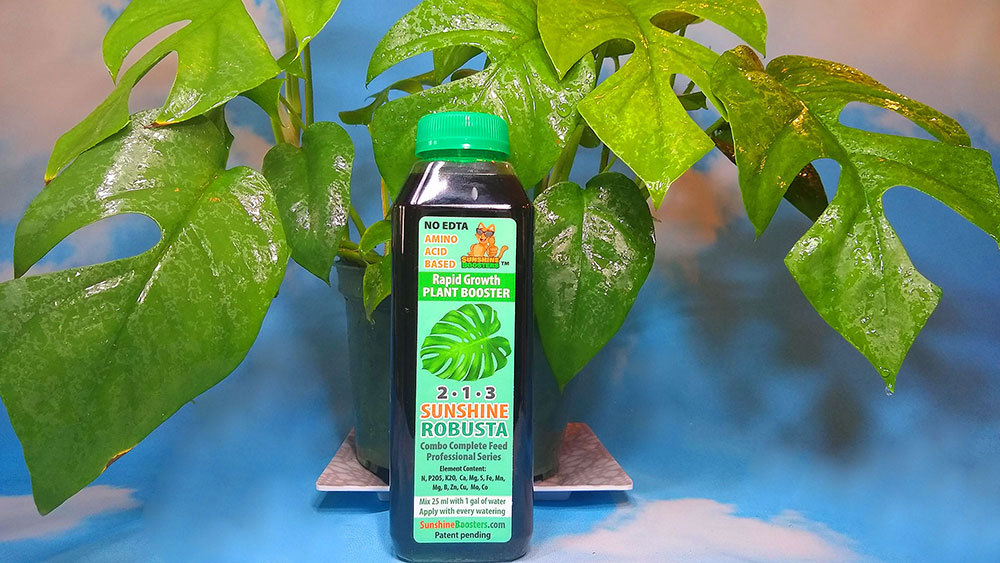
performed after using SUNSHINE
Robusta. It is amino acid based, so the delicate, large-leaved Aroid plants will not have to work quite so hard to take up the nutrients, and there will be no nutrient
lock up in soil. The nutrients are readily available to these plants.
In this article, you will see some test results of caladiums fertilized with
SUNSHINE Robusta vs. other brands of fertilizer, with more vigorous growth and larger leaf size occurring after use of Sunshine Robusta...
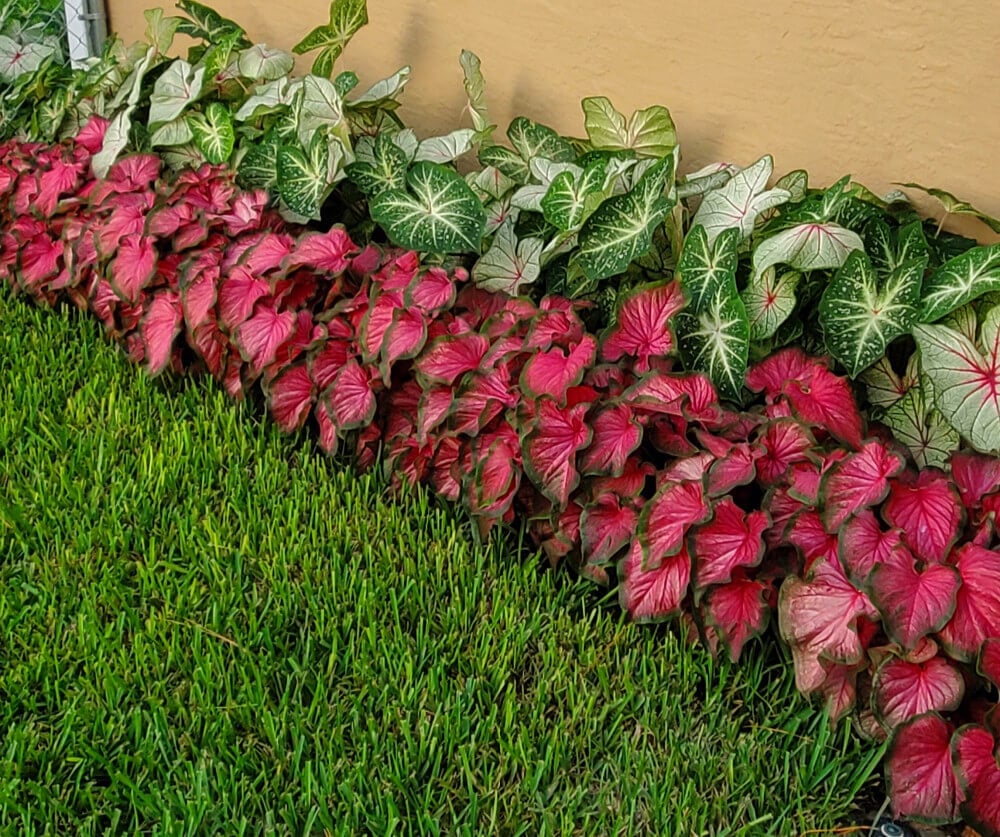
Caladiums do not have to be just an accent plant. They can also be the focus point of a garden area. It is said that as many as 98% of the world's caladium tubers come from right here in Highlands County, Florida, also home to the Sunshine Boosters manufacturing facility. It is such a big deal that they have a Caladium Festival here each summer. The fields are absolutely stunning in all of their colors. This year the festival runs this weekend, July 23 - July 25.
CONTINUE READING >>


Date: 10 Jul 2021
Healthy Plants: Q&A from Mr Booster
Pineapple Season is Here!
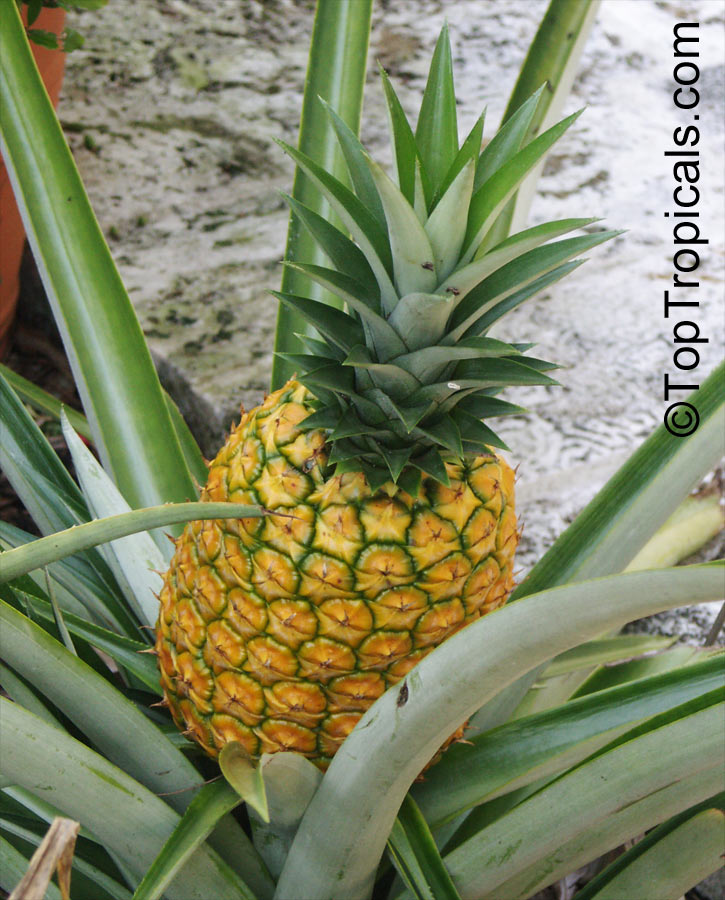
Pineapple season is here and people often ask, "how do you get them to grow?" Well, the answer is simple really. One method involves cutting the top off a pineapple, prepping it and then planting it. You can find several different ways to do this with a short Google search. Of course the easiest way is to purchase plants that have already been started. You can do that here...
CONTINUE READING >>
Date: 18 May 2021
Healthy Plants: Q&A from Mr Booster
Healthy Heliconia Leaves?
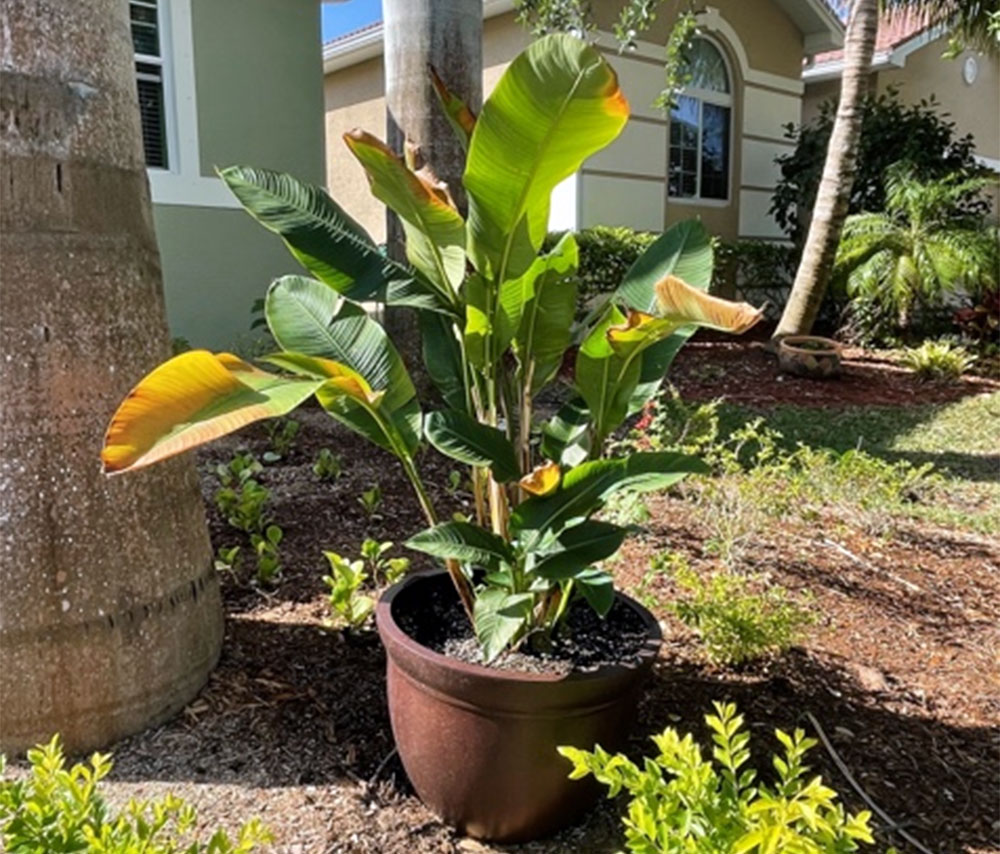
Q: I purchased a heliconia from you a couple months ago. The new growth seems to be doing fairly well, however some of the larger leaves are discoloring around the edges then drying up. It's potted in a large pot with potting soil with 3 holes in the bottom to help with drainage in partial sun under a Royal Palm facing northwest. I'm here in Ft Myers. I was previously watering it every other day with your rapid growth fertilizer 1 tbsp per gallon but I have cut that back to once or twice a week. Please let me know your thoughts.
A: Heliconias and Gingers tend to develop dry leaves if grown in pots,
especially ceramic or clay pots, because soil in such pots dries out too fast.
These dry leaves are not caused by fertilizer, and you can see lots of new
healthy green growth. The plant overall seem to be healthy. Continue fertilizing
it with liquid Sunshine Robusta that is great for all wide-leaf tropical species,
promotes green, lush foliage, and do not use any additional dry fertilizers!
Another suggestion, try to move the plant in more shady spot. Right now it
sits in pretty bright light, this may be OK for established plants in the
ground, but potted heliconias are very sensitive to hot sun. They get leaf burn
easily.
Date: 24 Nov 2020

Healthy Plants: Q&A from Mr Booster
How not to kill gardenias?
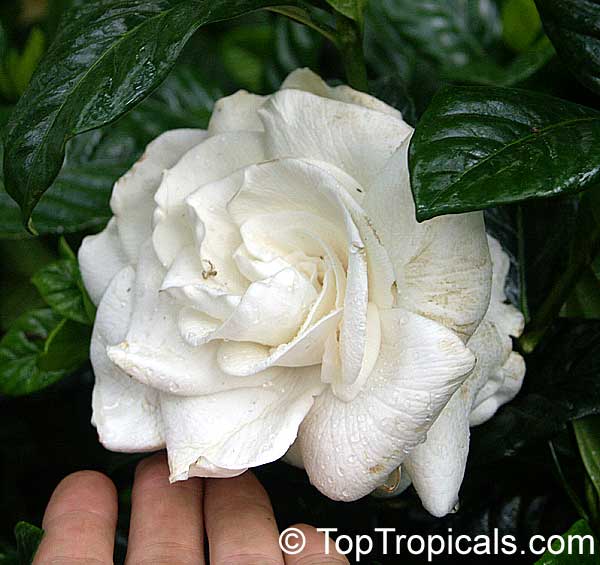
Q: I have tried to grow gardenia in pots for years and never keep them alive. When i look on camellia websites they say fertilize potted plants twice a year. I'm confused as I tend to kill them with kindness haha. Also, if our tap water has high cal/mag and that stops the gardenia getting other nutrients why would I make up the feed with tap water? So confusing and online is mixed messages...
A: Gardenias are not the easiest plants to grow, however, they are easier in pots than in the ground: they prefer acidic soils, and in many areas soils are alkaline. The most important factor is balanced and sufficient nutrients. In the ground, plants have no limits to reach out to different elements by spreading their root system. In a pot, once all the good stuff is consumed, plants start suffering nutrient deficiency. This is why a balanced feeding program is important.
Generally speaking, Cal/Mag in tap water cannot be bad, because they are
essential elements, good for plants (in proper amounts). However, just
Cal/Mag is not enough. This is why you need a balanced liquid fertilizer for plants that prefer acidic soil.
Excessive Cal/Mag alone can create nutrient lock up, especially if they are chelated
with EDTA like in dry fertilizers, which are not fully accessible for
plants.
We recommend natural, Amino-Acid based fertilizers that are completely
consumed by a plant and are safe to use with EVERY watering, even in Winter. They
are scientifically formulated and cover all plant needs.
For your gardenias, you should use SUNSHINE Pikake - Fragrant Flower Booster.
Another important factor is proper watering. Gardenias like regular water
but don't like wet feet = well drained potting mix is a must, similar to Abundance professional growing mix.
Date: 17 Sep 2020
Healthy Plant Food: Q&A from Mr Booster
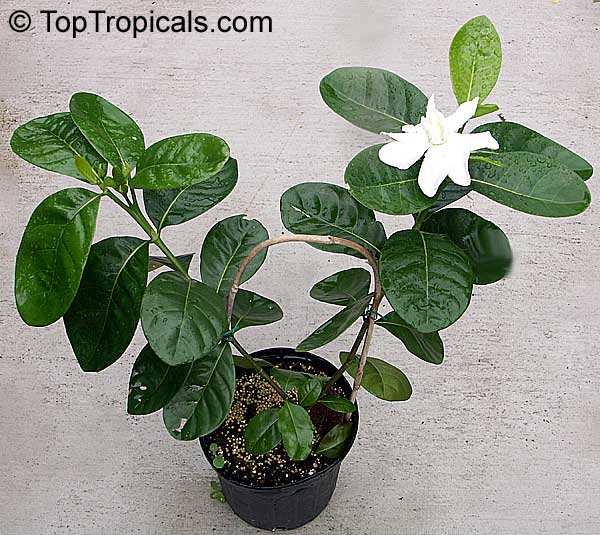
How to make pineapples fruit?

Q: I have purchased a Sugar Loaf Pineapple from you a few months ago, it is growing well and producing little babies around the main plant! I am so excited to have my own Pineapple plantation! How soon will they fruit and is there anything I can do to make them fruit faster? Can I give extra fertilizer just like I do for other garden plants?
A: It takes a year or two until a pineapple plant gains enough
energy to be ready to fruit. However the total time depends on growing
conditions and availability of all necessary nutrients.
Pineapples, like all other plants from Bromeliaceae family require very
delicate fertilizer; traditional fertilizers, if overdosed, can harm Bromeliads
and even kill them. At the same time, Pineapples require extra Magnesium for
good production, and not every fertilizer has it, or contains it in
well-accessible compounds / proper proportions.
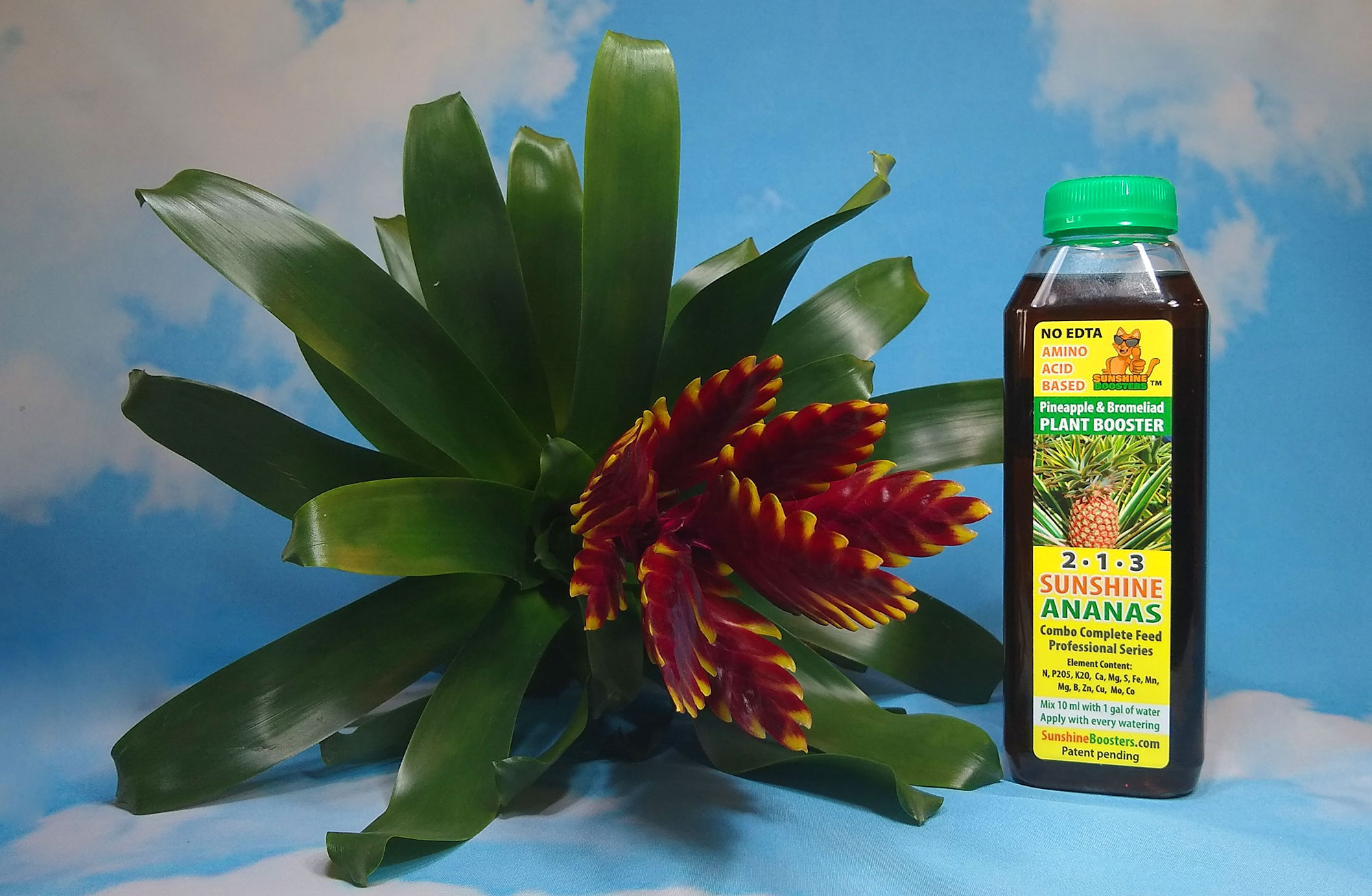
Sunshine Ananas Booster is a scientifically formulated, mild fertilizer,
designed especially for tender Bromeliads, containing Magnesium just in perfect
concentration. Its amino-acid based ingredients are natural and work perfectly
for edibles and organic gardens. Just follow the label instructions and speed
up the fruit production 3-4 times!
In the photo: Mr B checking his Sunshine Boosters