Garden Blog - Top Tropicals

Date: 23 Mar 2020

Garden Sustainability Tips: Live your Life. Dig your Garden.
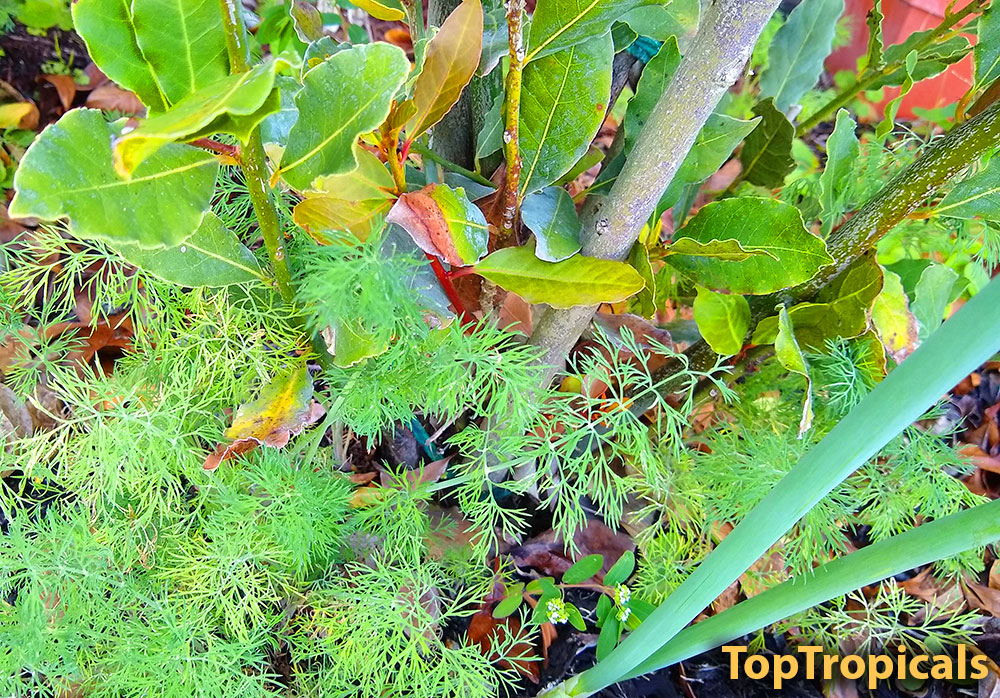
You can grow herbs and vegetables that can be easy incorporated into your home landscape. You don't need a raised bed for a few little things that will come really handy for your kitchen.

1. Parsley. Get a small 4"pot parsley plant from a local garden center. It grows super fast and just one plant can provide great healthy addition for your cooking for a few months. Plant in in full sun, under a tree or shrub, where it gets hit by a sprinkler.
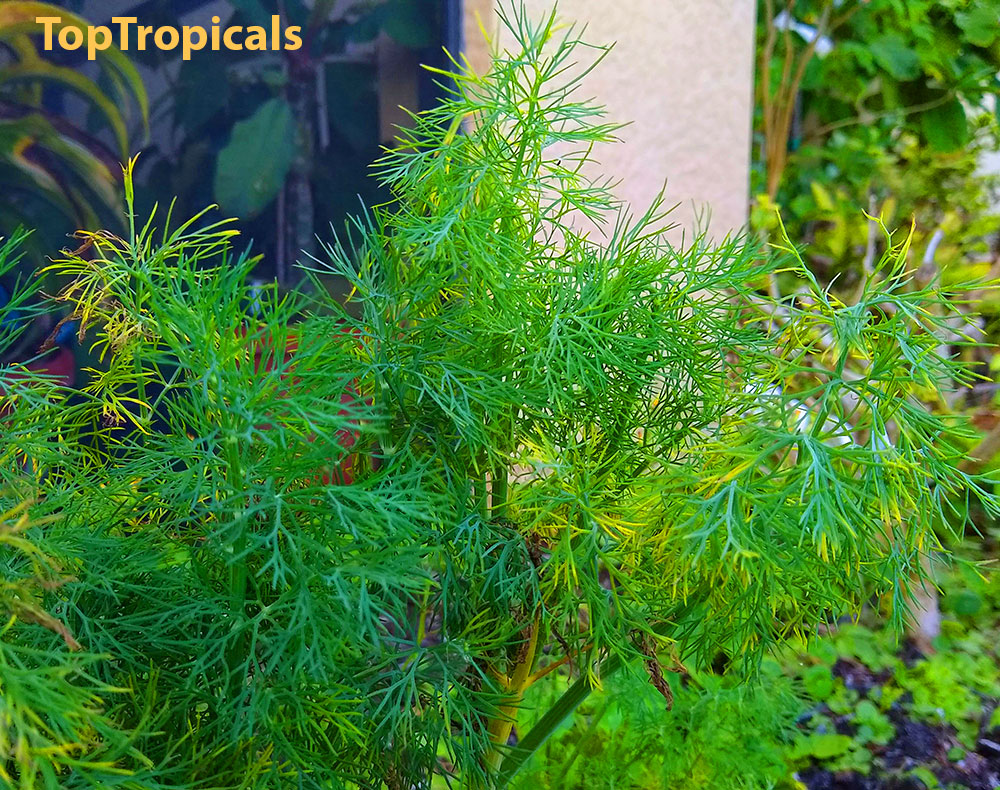
2. Dill. This one grows from seeds quickly and easily. It also needs full sun and regular water.
3. Chives, or Green Onion. Don't through away"bulbs"from chives you got from the store. Stick them in the ground, pretty much anywhere in your garden. You will have supply of fresh chives loaded with vitamins right away (withing a few days!) and for many months. You can also plant an onion bulb (root-end down... duh) - this one will produce greens even faster!
4. Bay Leaf. If you live in a mild climate, plant a Bay Leaf in your yard (closer to the door - closer to the kitchen!). It is a wonderful healthy spice for soups and stews that makes them super flavorful. If your winters are cold, keep the plant in a pot. Bay Leaf makes a great undemanding houseplant that needs bright light, but very little water.
5. Cherry tomatoes are easy to grow, heat tolerant and even grow in lower light, so they are easy to incorporate into any existing landscape. Get Sunshine Boosters to double your crop: see how it works.
6. More herbs and spices. Check out our large selection of herbs and spices - they are on sale today!
7. Garden work is a great exercise. While the gym is closed - get to gardening. Read about Fun workout and Calories Burning Gardening.
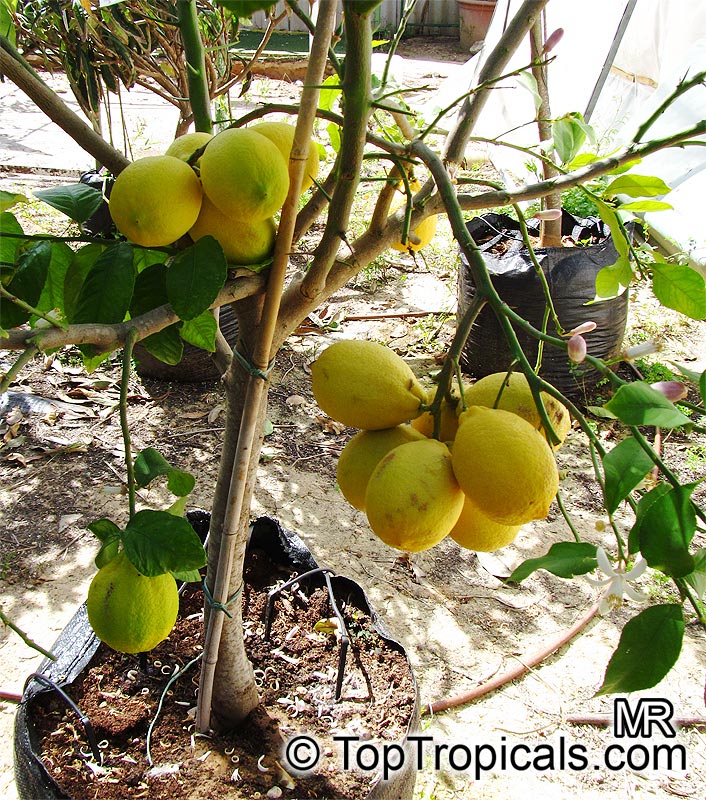
8. Lemons. Vitamin C is your best friend for boosting immune system, and Lemons have tons of it! In areas where citrus can grow outside, Lemon tree is a must-have for your garden, or at least find a friend who has one! Citrus also makes a great house plant, so you can keep it in a pot, too. Just make sure to have a grafted tree that will produce right away.

Lemon Juice Health Booster Recipe

1. Squeeze juice from 1 lemon and mix it with 1 cup of water.
2. Add ice cubes and 1-2 tbsp of any flavored syrup (optional). You may add some fresh mint for Mojito flavor.
3. Enjoy this drink at least once a day.
4. Get a bunch of lemons, squeeze fresh juice into ice cube trays and freeze. 1 lemon = makes 1 ice cube. Store in freezer and use 1-2 cubes to make the above drink, daily.

Besides being rich in vitamin C that will boost your immune system, Lemon juice is a Natural medicine that helps to treat:
- cold and flu
- headaches and high blood pressure
- stomach problems
- insomnia
- and much more
Drinking lemon juice on regular basis will make your body stronger and more resistant to infections and many illnesses.

Please take good care of yourself and your loved ones. Stay healthy.
Date: 7 Feb 2020

Jasmine Rex - the hero of all jasmines

Q: I was getting ready to place my order and I saw this plant and it's beautiful. I would love to have it. What does it need to thrive? As far as light, temperature, humidity.

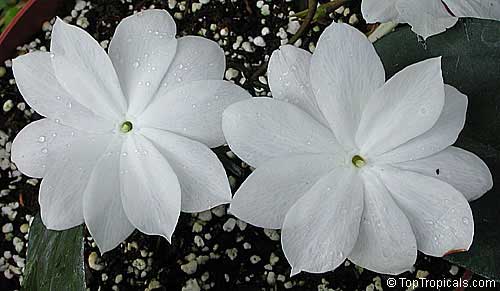
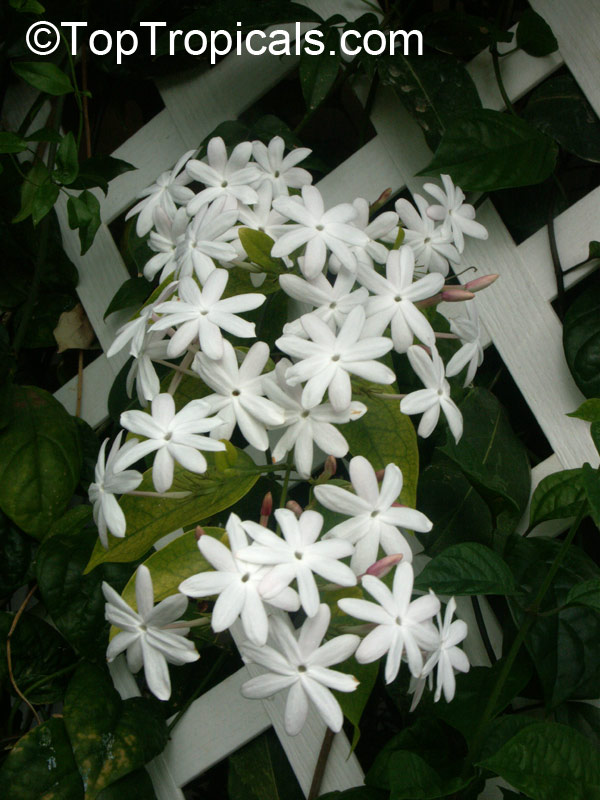
A: Jasminum rex indeed is a very unusual, spectacular jasmine. Unlike other jasmines, this one has almost no fragrance, however the blooms look so amazing that it became one of our favorite plants. Flowers are 2-3 inches across! It blooms profusely, covered with dozens of flowers for many days to a few weeks.
Jasmine Rex is not the easiest jasmine to grow, however it is not difficult either as long as you know its needs. The main critical factor is excellent drainage. It doesn't like soggy soil or wet feet. At the same time it needs regular watering. Full sun is also a must for flowering. Humidity is not a critical factor. Remember it is a tropical plant that needs frost-free environment. It is more cold sensitive than other jasmines although it may survive a few hours of light frost.
Once established, it grows vigorously. Make sure to apply fertilizer during active growth (when temperatures stay above 65F). We recommend Sunshine nutrition system through the whole year. Additionally, you can apply flowering fertilizer Megaflor during summer.
Make sure to plant it in a sunny spot using very good quality soil, and do not overwater.

Check out all Jasmines

Date: 16 Jan 2020

Jack-edak - Cheena

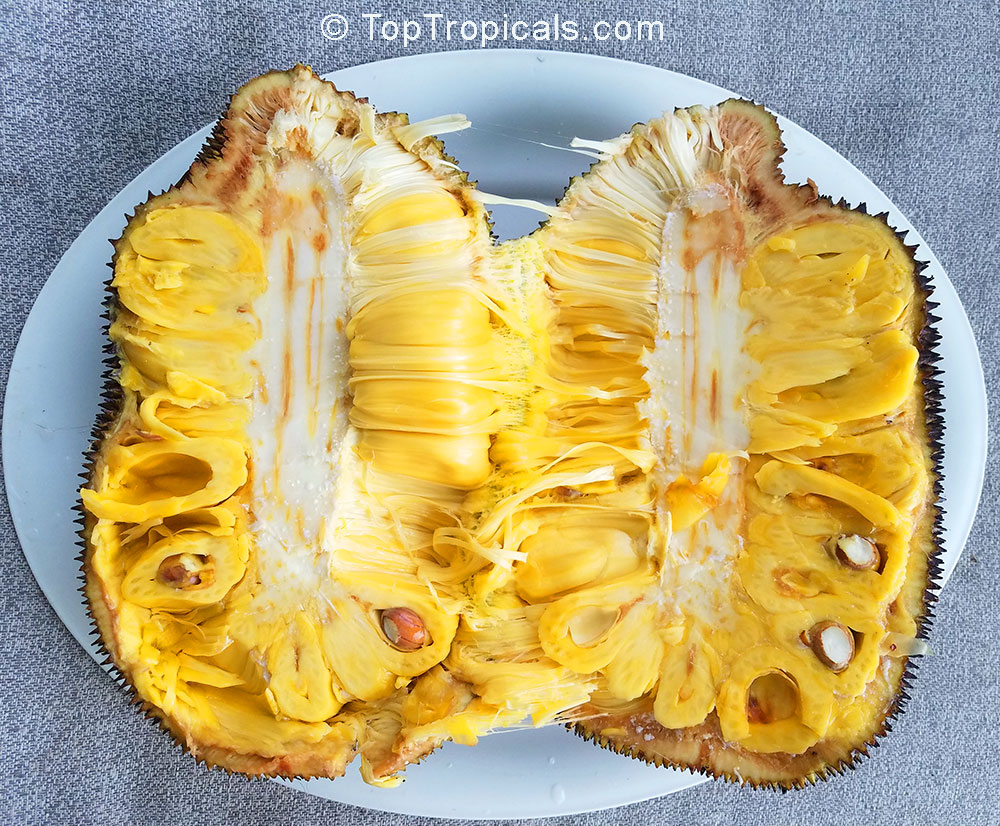
Artocarpus x integer (Jackfruit x Chempedak)

by Mark Hooten, the Garden Doc

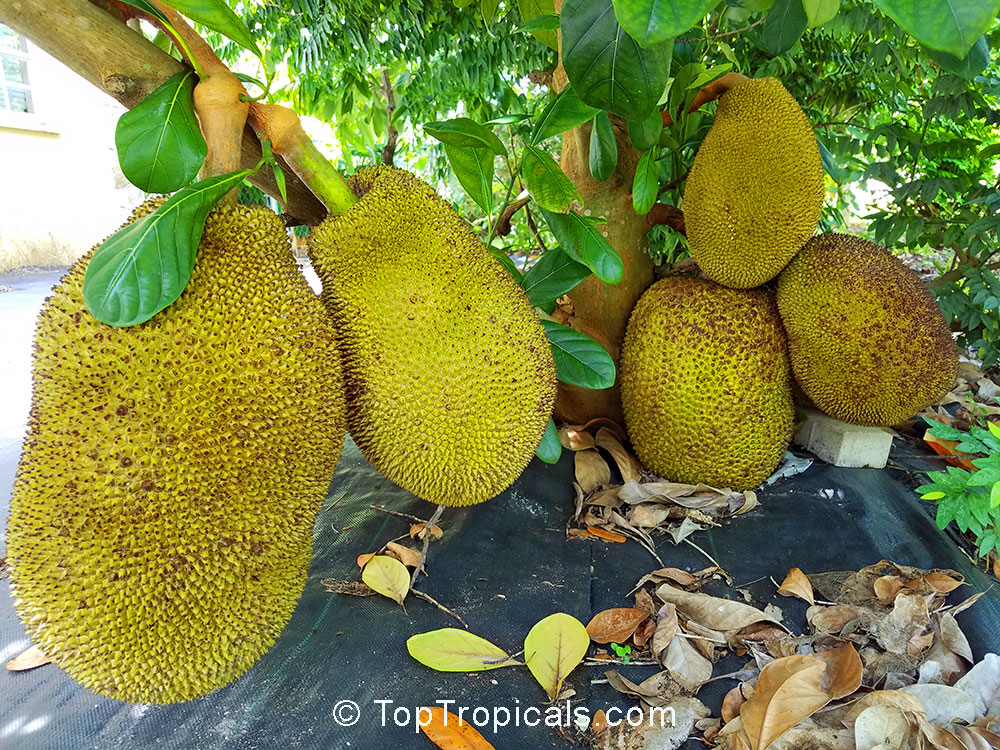
...While pure Jackfruits develop bulbs which are somewhat larger by comparison, those of the Jackfruit/Chempedak hybrid Cheena (which I call "Jack-edak"), are more numerous and have a much smaller ratio of inedible "packing material" around them than the pure Jackfruits. They're also easier to cut open, having much less dripping latex than regular Jackfruits. The tightly packed bulbs are tender, juicy, and basically fiber-less, having a flavor we find very similar to really good Sugar Apples, yet even richer and more complex. My son has used it for making what several friends have described as the best chutney of all-time!..

CONTINUE READING >>

Date: 6 Jan 2020

Ever heard of Chupa-Chupa?

By Mark Hooten, the Garden Doc

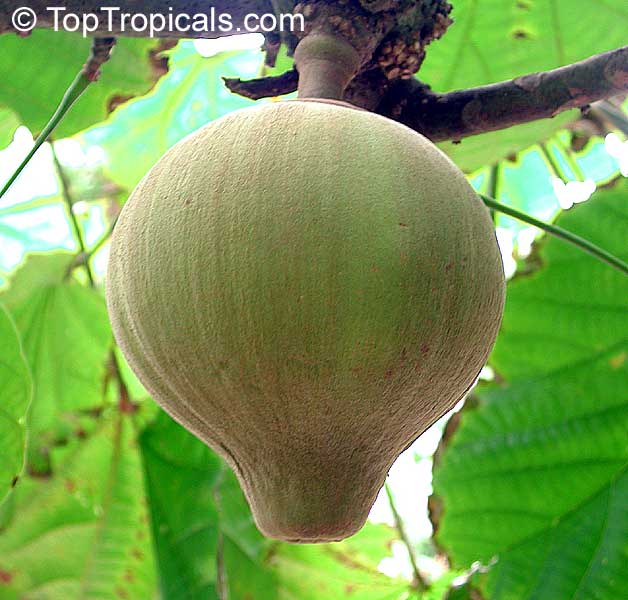
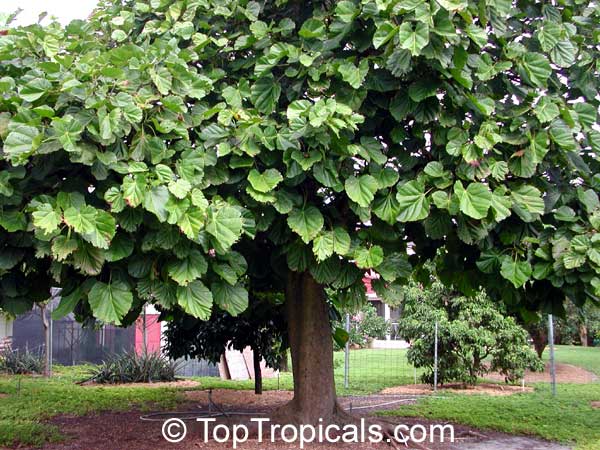
...I wonder how many knowledgeable people here have even heard of the national fruit of Brazil? Ever heard of the chupa-chupa tree? Almost no-one in this country has, unless they are either Brazilian by birth, or perhaps visit there regularly, exploring the abundant fresh-fruit markets. It is a magnificent fruit tree, and deserves to be better known here...
The flesh inside is bright orange, very sweet, and especially juicy! ...Something you might imagine as an unlikely cross of cantaloupe and pineapple, and that it is especially juicy similar to a good pineapple...

CONTINUE READING >>

Date: 20 Dec 2019

Plumeria cold protection

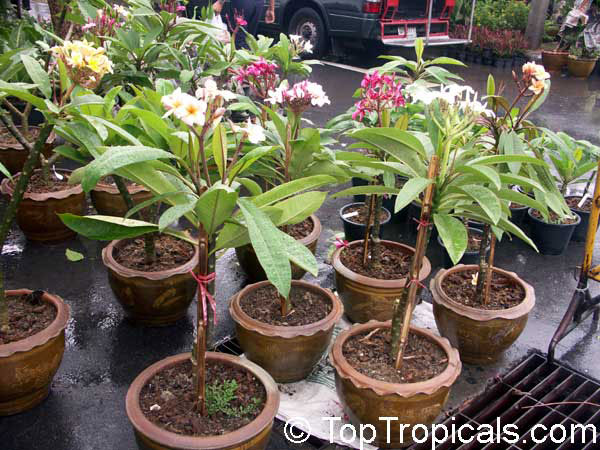
Q: We have a purple-flowering plumeria which resides on our sunny deck during the warm months and then Winter vacations on our back porch where we can close the plastic film windows and where it stays above 50 degrees (overnite) until it can get moved outside again. We live in zone 8+ in South Carolina and I would love to plant it outside. Do you think if we ghost-covered it when alerted that we would have an overnite freeze, that it would survive being planted in the ground and recover to flower when warm? I don't believe the soil in our yard has ever frozen below the top 1/2 inch or so, and never for more than a few hours at a time. What do you think?

A: Plumerias are tropical plants, which means, they need frost-free environment. Even if the ground is frozen only on "the top ½" or so"- this may be enough to kill the plant. From our experience, plumerias can withstand a few hours of windchill frost (not frozen soil), but even if they survive, they may get some branches damage, and recovery may take so long that the plant may not even bloom the next year. So I wouldn't take that risk even with a ghost-cover cold protection. We have customers who grow tropical plants in the ground in colder areas, but they have greenhouse protection: this means, the soil is warm and the air temperature is maintained above 45-50F. For example, this Greenhouse in Virginia.

We recommend to continue growing your rare plumeria in container and move it inside when temperatures drop below 50F (recommended) and for sure when they drop below freezing. Plumeria can take a cold night (a few hours of upper 30's) as long as it is followed by a nice warm sunny afternoon with at least upper 50s. Otherwise, keep it indoors. The good news is, since plumerias are deciduous and have no leaves in winter, low light level won't affect the plant.
Just make sure to minimize watering and keep the plant on a dry side until it starts growing new leaves in Spring. You may continue fertilizing once a week with half-doze of Sunshine boosters - Sunshine TotalFeed. This will maintain the plant healthy and prepare for the blooming season in Spring.