Garden Blog - Top Tropicals

Date: 1 Dec 2025

What happens when you eat it every day: a bowl of Papaya for breakfast

bowl of Papaya for breakfast

bowl of Papaya for breakfast

🍲 What happens when you eat it every day: a bowl of Papaya for breakfast

  • 🍊 If you grow your own papayas or just enjoy picking one from your food forest in the morning, a small bowl (about 140-150 g) can quietly transform your day - and your long-term health. This tropical fruit is naturally low in calories, high in fiber, and loaded with vitamins A and C, making it a perfect morning starter for metabolism, digestion, and immunity.
  • 🍊 Why papaya works so well in the morning


    Papaya is famous for its natural enzyme, papain. It kick-starts digestion, eases bloating, helps break down proteins, and supports regular bowel movements. Ayurveda has praised ripe papaya for centuries as a cooling, Pitta- and Kapha-balancing fruit that clears toxins and improves gut function. Modern nutrition agrees: a fiber-rich, enzyme-rich fruit first thing in the day steadies appetite and helps prevent mid-morning cravings.
  • 🍊 Daily benefits at a glance


  • Weight support: Low calorie, high fiber, and keeps you full longer.
  • Heart and blood pressure: Rich in potassium, vitamins, and antioxidants that support healthy cholesterol, smooth blood flow, and normal blood pressure.
  • Liver support: Antioxidants, choline, and beta-carotene help reduce inflammation, regulate fats, and protect liver cells from oxidative stress.
  • Skin health: Papain and vitamin C help remove damaged cells, improve collagen formation, and support a clearer, smoother complexion.
  • Immunity: One medium papaya gives more than double the daily vitamin C requirement and helps stimulate white blood cells while protecting them from oxidative stress.
  • Constipation relief: Papaya’s fiber and enzymes gently improve regularity and support a clean, efficient gut.


🍊 What research shows


According to the National Library of Medicine, papaya pulp and seeds contain vitamins A, C, and E; B vitamins; potassium; magnesium; carotenoids; glucosinolates; and unique phenolic compounds. Together, these show antioxidant, anti-inflammatory, hypoglycemic, and hypolipidemic actions. Studies link papaya extracts to reduced cholesterol and triglycerides, improved blood pressure regulation (ACE-inhibitory effects), and protection against oxidative stress.

Papaya seeds also demonstrate promising anti-cancer potential, including activity against colon, prostate, and liver cancer cells. Lycopene and other carotenoids further reduce oxidative damage linked to chronic diseases.

🍊 For home growers


A ripe papaya from your own garden isn’t just a sweet breakfast bowl. It’s a daily boost for digestion, immunity, skin, heart, and metabolic health. Growing papaya means you have a year-round supply of one of nature’s most complete morning foods - fresh, clean, and packed with bioactive compounds your body immediately puts to use.

✍️ Scientific reference


National Library of Medicine:

🛒 Grow your own medicine - Papaya

📚 Learn more:


📱 Watch YouTube short videos:


#Food_Forest #Papaya #Remedies #Discover

🟢 Join 👉 TopTropicals

Date: 20 Feb 2026

What tropical plants survived Floridas historic freeze without protection

Florida historic freeze

What tropical plants survived Florida's historic freeze without protection

In the first week of February 2026, arctic air pushed deep into Florida. For many areas, this was the coldest event in over a century.
We received one question over and over: How did your gardens do?
Top Tropicals Farm in Sebring, Florida is up and running - and this freeze became a real-world hardiness test for tropical and subtropical plants. Below is our initial field report after inspecting established plantings.

📊 Weather data - February 1-6, 2026


Sebring, Florida - 132 years of recorded observations
This was not a light frost. It was prolonged, windy, penetrating hard freeze.


🌡 Minimum temperature: 25F
❄️ Wind chill: 14F
⏳ Duration: 3 nights of 8-10 hour hard freeze
☀️ Daytime temperatures: around 50F for 7 days
🌀 Wind: sustained 20 mph, gusts 40-50 mph
  • Cold protection


    In-ground trees: selected plants covered with frost cloth, especially mango and young avocado trees.
    Tender container plants: moved into greenhouses with propane heat above 34F.
    Hardy container plants: frost cloth and wind protection only - no plastic
    Nutrition support: plants fertilized regularly during the growing season with Green Magic and Sunshine Boosters to maintain vigor and hardiness.

    However, the plants listed below had no protection at all.
    All were established trees 2-3 years in the ground.
  • The plants below had NO PROTECTION, established trees 2-3 years old


✅ Survived with no damage
:
  • 🍑 Tropical Fruit Trees and Edibles:


    Citrus
    Loquats
    Mulberries
    Macadamia Nut
    Jaboticabas
    Pomegranates
    Avocado - cold hardy varieties
    Feijoa - Pineapple Guava
    Psidium littorale - Cattley Guavas
    Eugenias (Grumichama, Rio Grande, Surinam and more)
    Olive trees
    Bay Leaf (Laurus nobilis)
    Fig trees (Ficus carica)
    Prunus sp - Peaches, Plums, Nectarines
    Persimmons
    Rubus (Blackberries) including Tropical Mysore Raspberry
    Elderberry (Sambucus)
    Yerba Mate - Ilex paraguariensis
    Opuntia - Nopal Cactus, Prickly Pear


🌸 Flowering Trees and Shrubs:


Beaucarnea recurvata - Pony Tail
Callistemon - Bottlebrush
Yucca
Tabebuias
Magnolia figo and Little Gem
Calliandra tweedii - Red Powderpuff
Sophora tomentosa
Galphimia gracillis - Thriallis
Acacia trees
Osmanthus fragrans
Abutilon trees
Erythrina - several species
Monkey Ear tree - Enterolobium cyclocarpum
Bauhinia Orchid Trees - several species
Pseudobombax ellipticum - Shaving Brush Tree
Bulnesia arborea- Vera Wood
Caesalpinia mexicana, Mexican Bird of Paradise
Sansevieria - Snake Plant
Foxtail fern - Asparagus densiflorus
Lonicera - several varieties
Jacaranda tree
Eucalyptus
Plumbago Imperial Blue
Philodendron bipinnatum
Gardenias
Gingers (dormant rhizomes)

✳️ Minimal leaf damage only:
(These plants showed light cosmetic damage but no structural injury)

🍑 Tropical Fruit Trees and Edibles:


Glycosmis pentaphylla - Gin Berry
Black sapote tree
Tamarind tree
Syzygiums: Rose Apple and Java Plum

🌸 Flowering Trees and Shrubs:


Pandora vine
Jasminum - several species
Stenocarpus sinuatus - Firewheel Tree
Xanthostemon
Quisqualis indica
Schotia tree
Eranthemum pulchellum - Blue Sage
Hiptage benghalensis - Helicopter Flower

🏡 What this means for Florida gardeners


This freeze was a stress test few gardens are prepared for. Yet many species handled 25F, wind, and multi-night freeze conditions without protection.
Choosing proven survivors, planting in smart microclimates, and maintaining strong plant health during the growing season makes a measurable difference.
More updates will follow as full recovery continues - but these early results already help define a stronger plant palette for future winters.

🛒 Explore cold tolerant tropical plants and cold hardy Avocados

📚 Learn more:


🎥 These Avocados survived 3 nights of 25F hard freeze, Florida Record Freeze

#Discover #How_to

🟢 Join 👉 TopTropicals

Date: 13 Jun 2022

Secret Garden - 50% OFF
The point of your Garden

Secret  Garden

"...A garden always has a point..."
- Elizabeth Hoyt, The Raven Prince -

Let our Secret Garden selections help you make the point of your Garden!
Each week we add a variety of plants to our Secret Garden with special savings of

50% off and more!

Check back often to find new the Secret Garden selection! Find new specials of the month from our Newsletters.

And for local customers, come visit our Garden Center for an even larger Secret Garden selection. Ask our sales reps about full list of Secret Garden plants available for local pick up!

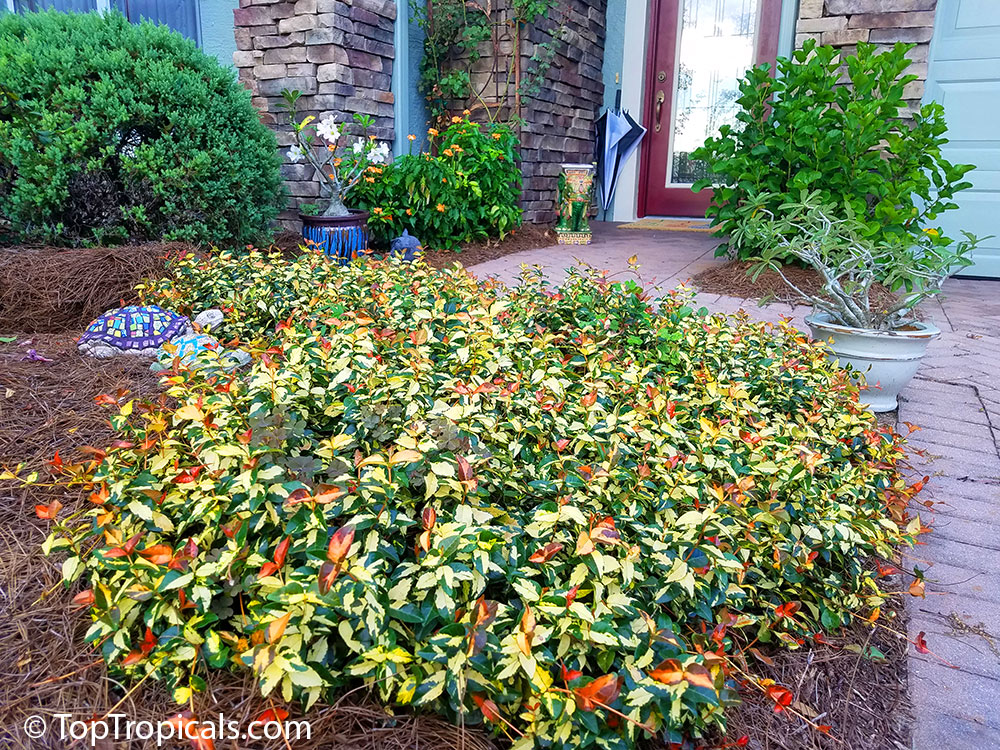
Trachelospermum  asiaticum  Ogon  Nishiki  Gold 
 Brocade

Photo above: Trachelospermum asiaticum Ogon Nishiki Gold Brocade

Date: 30 Oct 2021

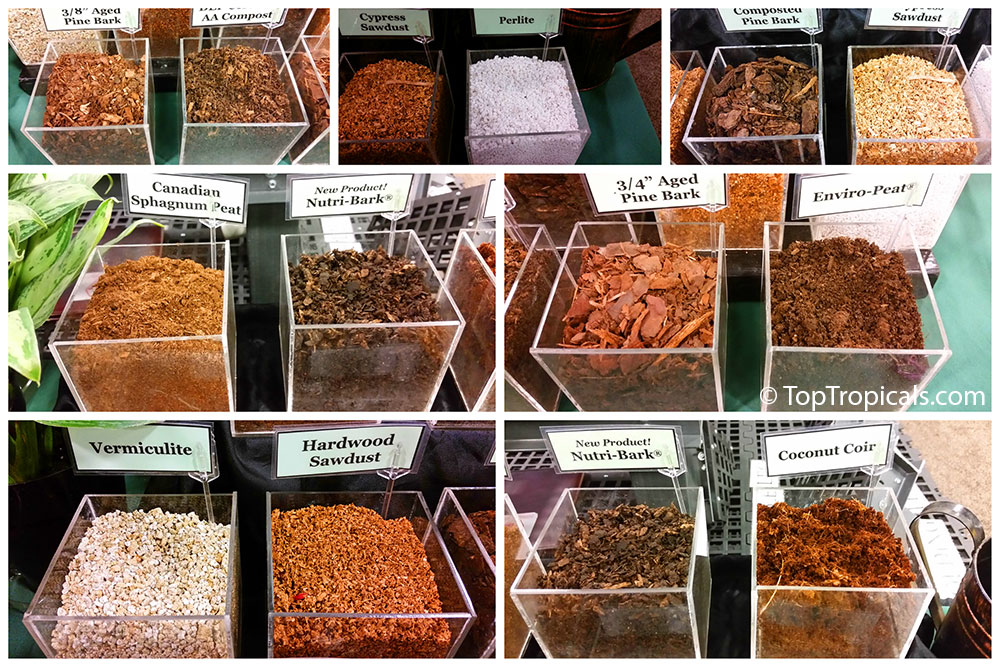
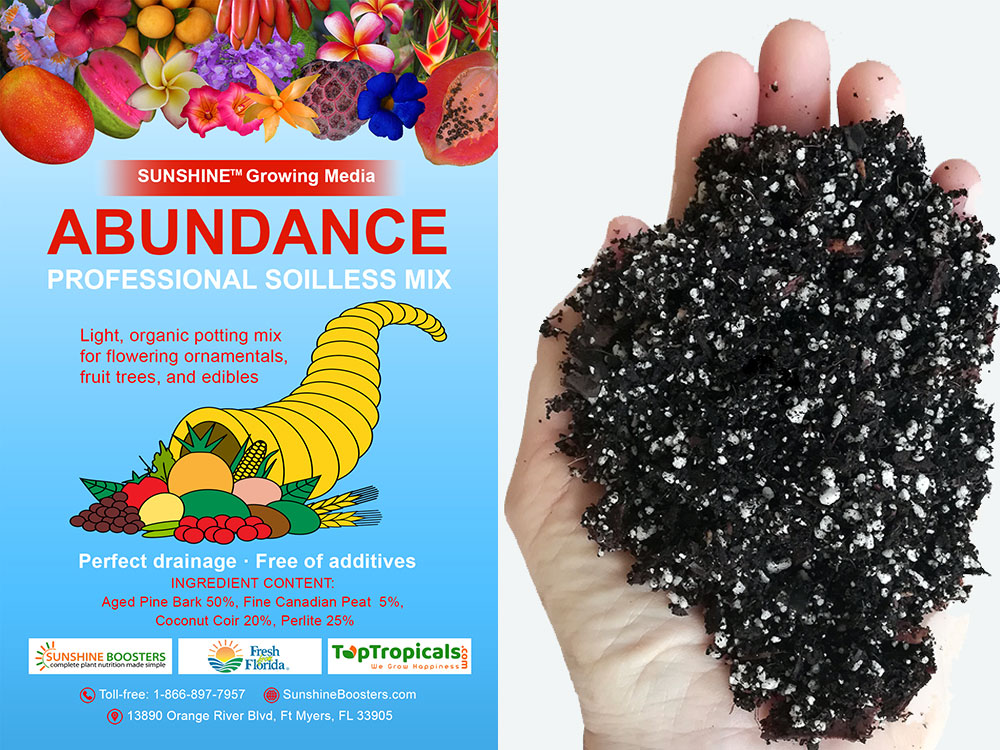
Soil, media, substrate or just plain dirt, which is correct?

by Ed Jones, the Booster guy

...Dirt. What is it really and does it matter what you use to grow your plants? What is the right dirt for growing plants? In the growing industry, we refer to it as soil, media or substrate. In the real world, we just call it dirt. But is it? Is it just dirt or is it something special? We will try to give some good insight in this article...

CONTINUE READING >>

Date: 24 Jul 2021

Healthy Plants: Q&A from Mr Booster

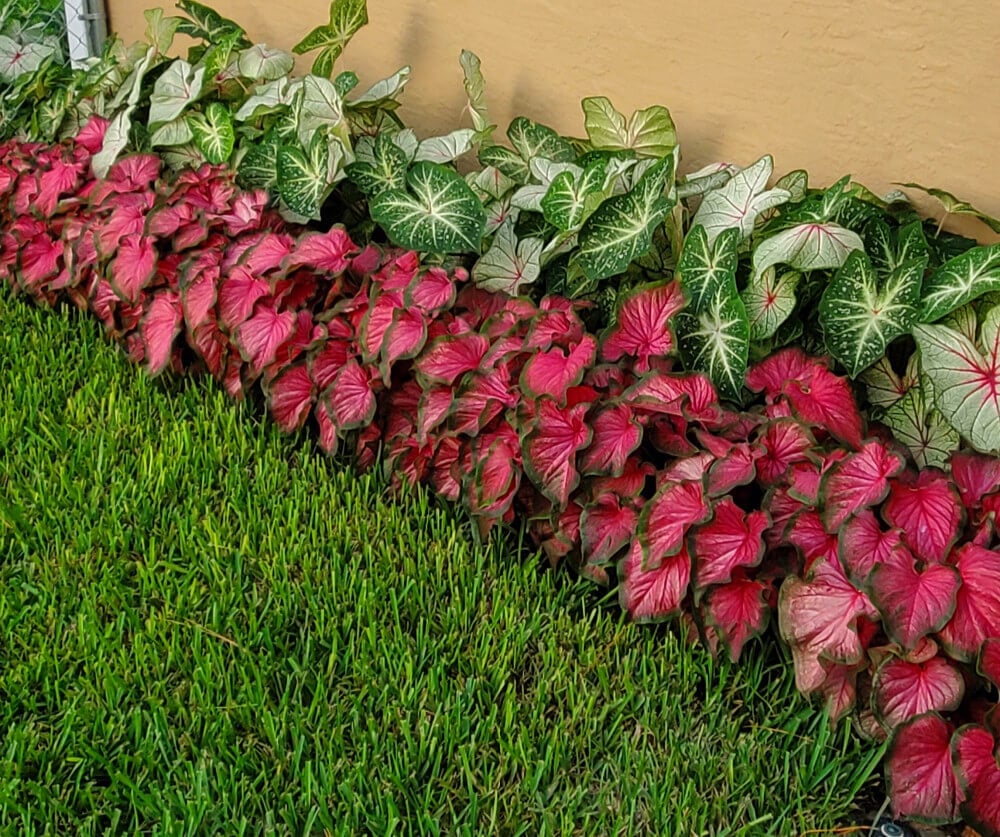
How to fertilize Caladiums and other Aroids

By Ed Jones, the Booster Guy

Q: I have a large collection of Aroid plants, different Monsteras, Philodendrons, and several unique varieties of Caladiums. I've been always told that Caladiums should not be fertilized, they don't like it. Is it so?

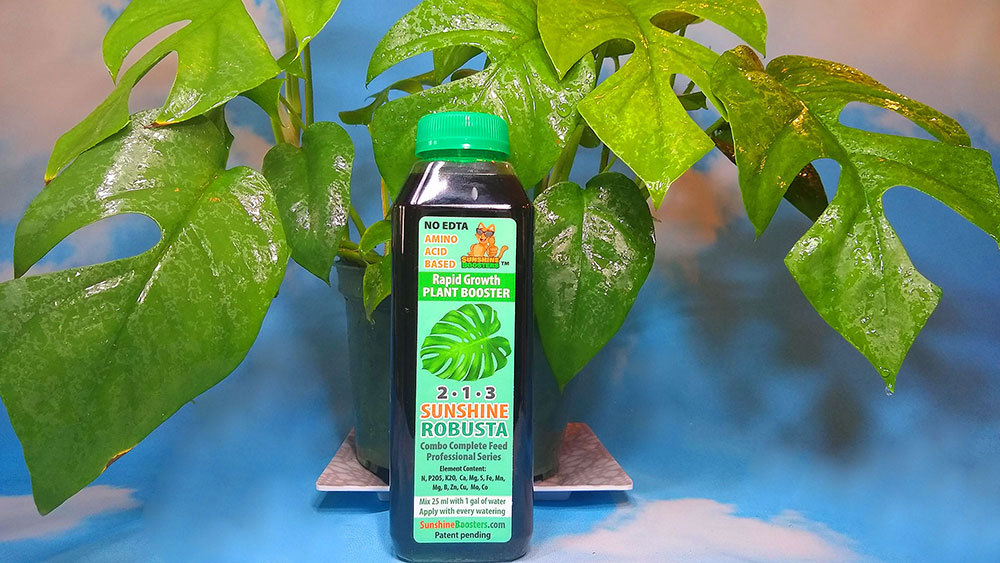
A: Caladium farmers often say that these plants don't need any additional fertilizer and that they really don't like it... The thing is, caladiums do not like DRY fertilizers, and this is why. Most Aroid plants do not like being watered too often, so dry fertilizers in combination with infrequent watering create excessive salinity for the root system. We have run some tests on the proper fertilizers for caladiums and the best results were performed after using SUNSHINE Robusta. It is amino acid based, so the delicate, large-leaved Aroid plants will not have to work quite so hard to take up the nutrients, and there will be no nutrient lock up in soil. The nutrients are readily available to these plants.
In this article, you will see some test results of caladiums fertilized with SUNSHINE Robusta vs. other brands of fertilizer, with more vigorous growth and larger leaf size occurring after use of Sunshine Robusta...

Caladiums do not have to be just an accent plant. They can also be the focus point of a garden area. It is said that as many as 98% of the world's caladium tubers come from right here in Highlands County, Florida, also home to the Sunshine Boosters manufacturing facility. It is such a big deal that they have a Caladium Festival here each summer. The fields are absolutely stunning in all of their colors. This year the festival runs this weekend, July 23 - July 25.

CONTINUE READING >>