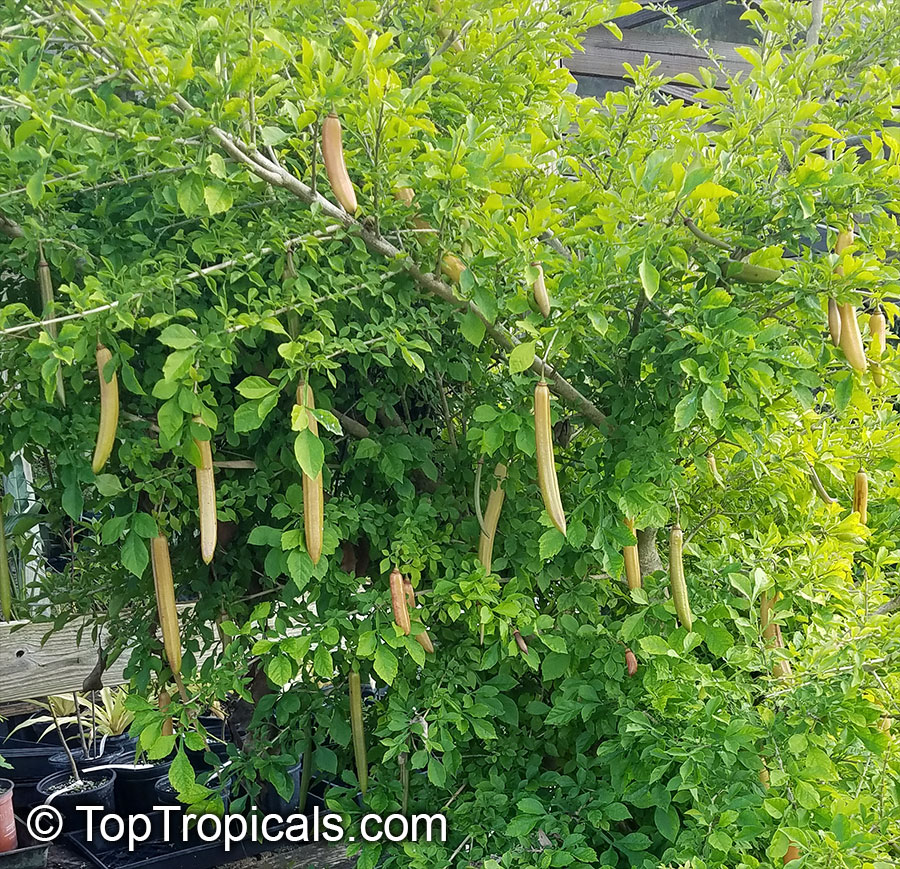
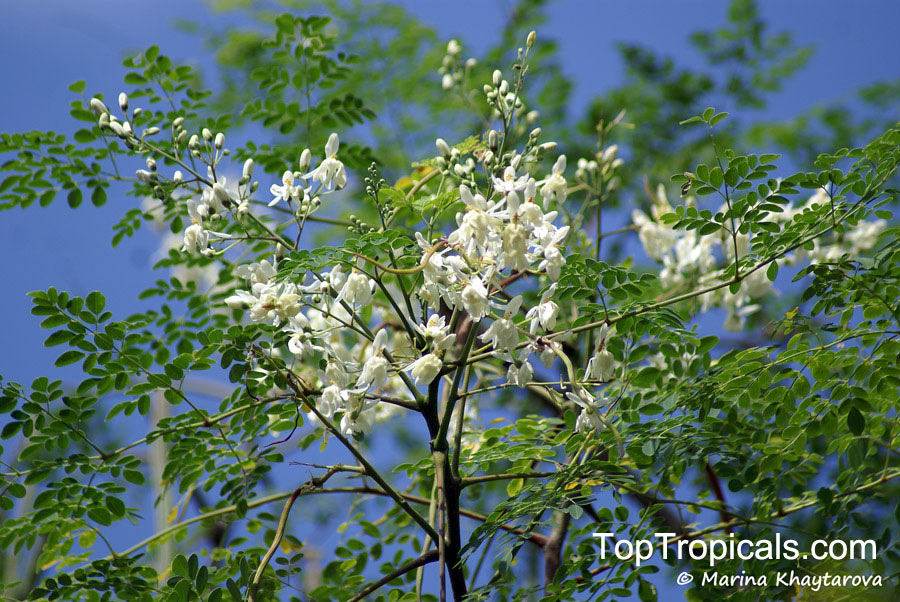
A: Thank you for choosing our Moringa tree, and
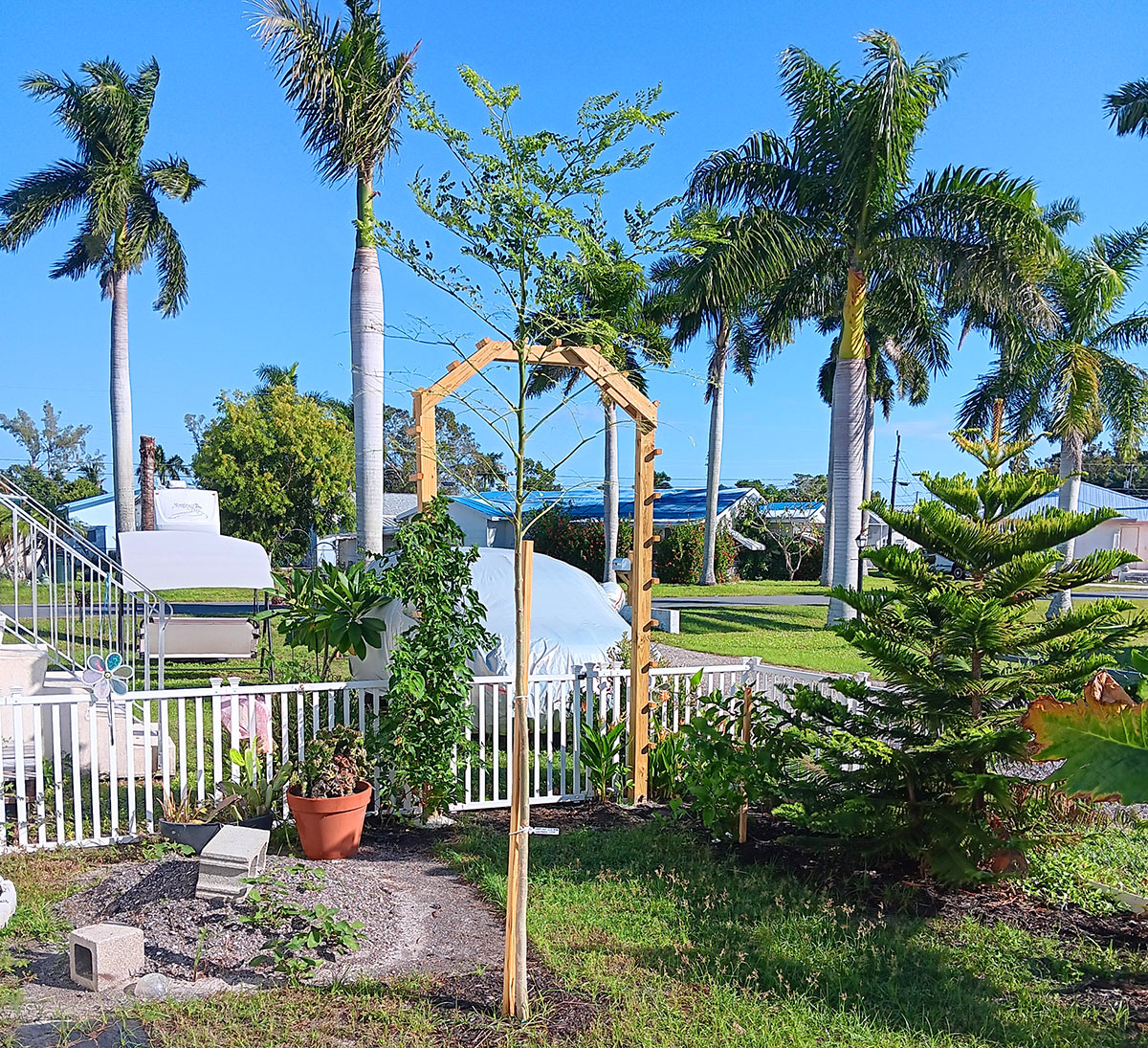
sharing the picture. It's great to see that your tree appears healthy and
happy - it's a resilient plant. Given the relatively dry Fall we've experienced
this year, a little extra water can make a significant difference.
Here are some suggestions to ensure your Moringa thrives:
Watering: While Moringa is generally drought-tolerant, during dry
periods, in addition to relying on your lawn sprinkler system, add some
extra water with a hose. Adequate moisture is crucial for maintaining healthy
foliage.
Pest Control: Moringa is not only a nutritious plant for humans
but also attracts pests that appreciate its medicinal properties :) If you
notice insect damage on the leaves, consider spraying with Neem oil or using an
over-the-counter systemic insecticide containing imidacloprid or a similar
ingredient.
Seasonal Behavior: Moringa trees are semi-deciduous to deciduous,
and their leaf-shedding behavior can vary depending on the climate. In
Florida, for instance, it's common for Moringa trees to shed leaves in the Fall.
However, this is a natural process, and you can expect new growth in the
Spring.
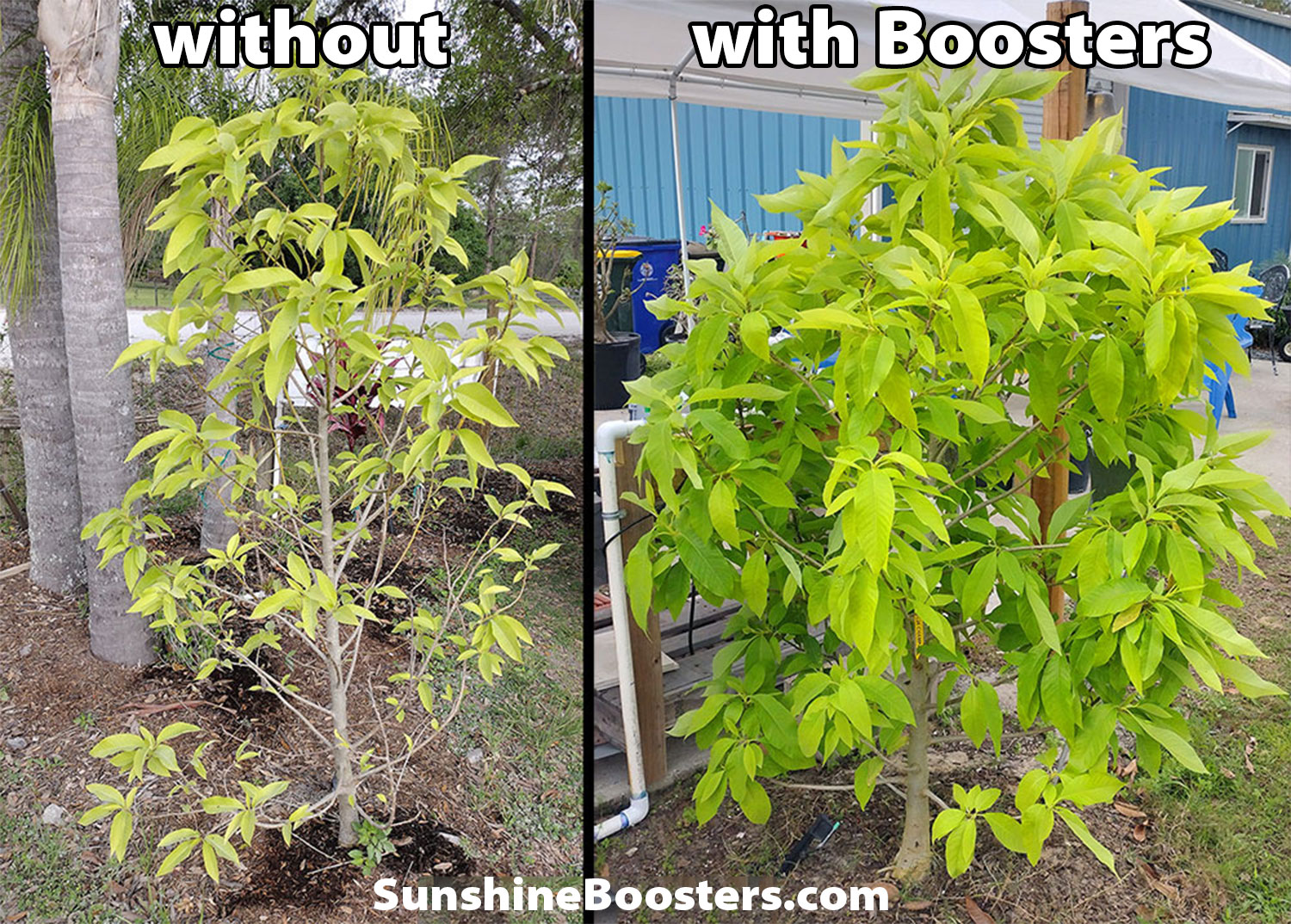
Fertilizing for Vigorous Growth: To promote the most vigorous
growth of your Moringa tree and other plants in your garden, consider
implementing a fertilizing program. If using dry, slow-release fertilizers, apply them
only during the active growth season: from March through November. If you're
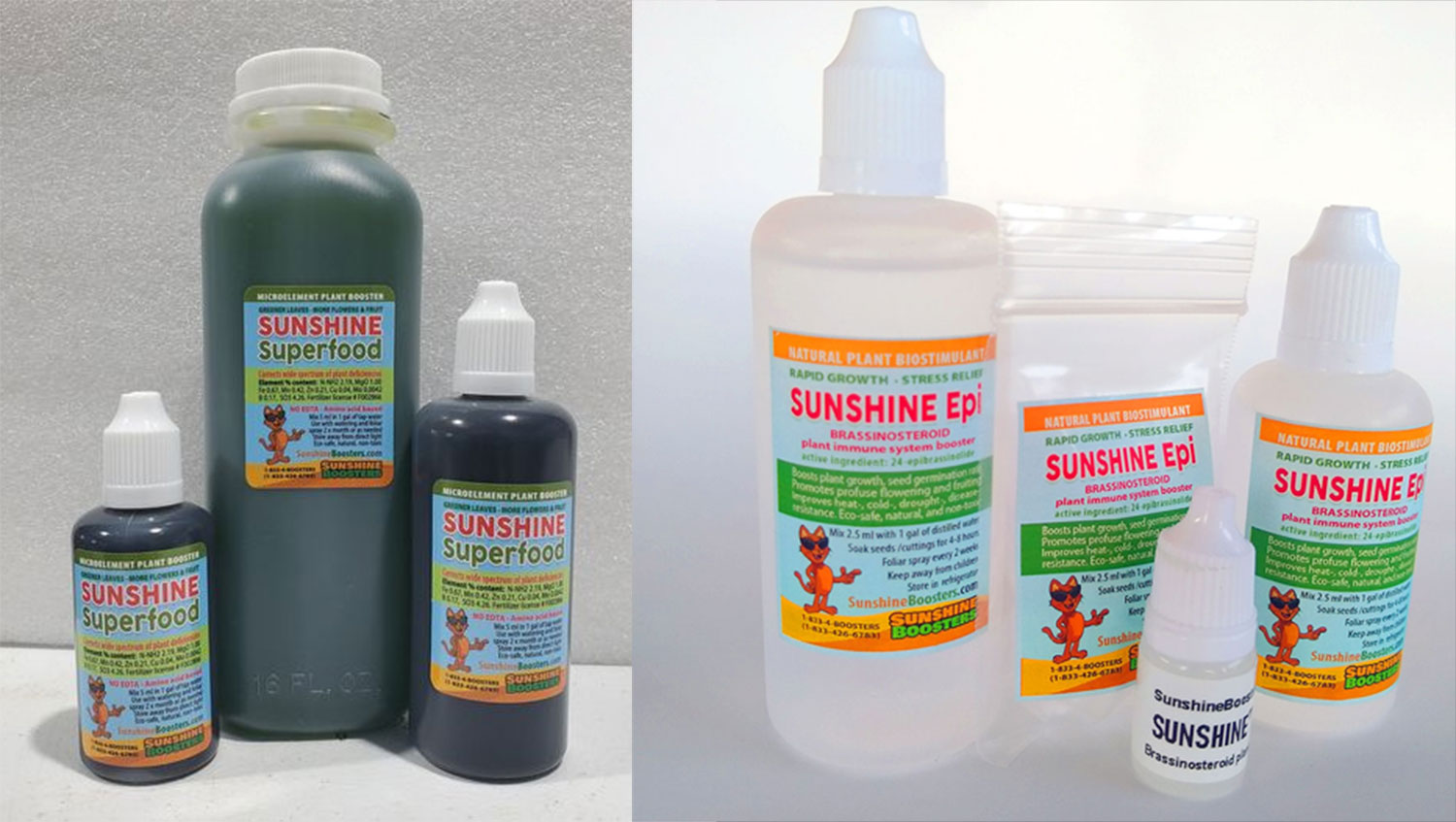
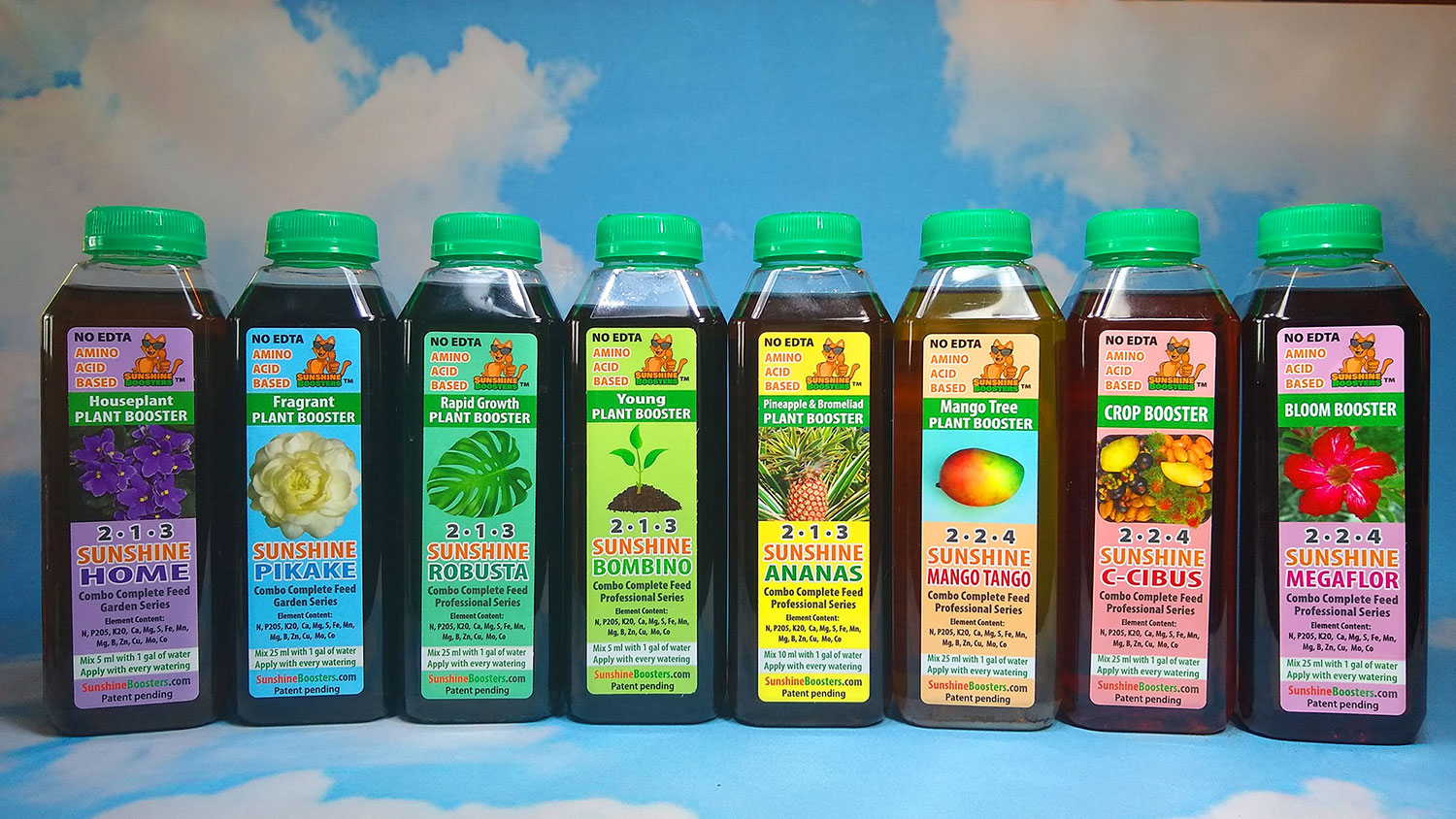
looking for a year-round solution, liquid amino acid-based formulas like
Sunshine Boosters can be a great option. You can easily add them to your watering
routine or use injectors like The Robuster for convenient and consistent feeding. If you're planning
to expand your garden with other medicinal plants or an edible forest, The
Robuster smart fertilizing system is an excellent choice, offering the most
efficient, care-free way to nourish your plants with natural nutrients
throughout the year.
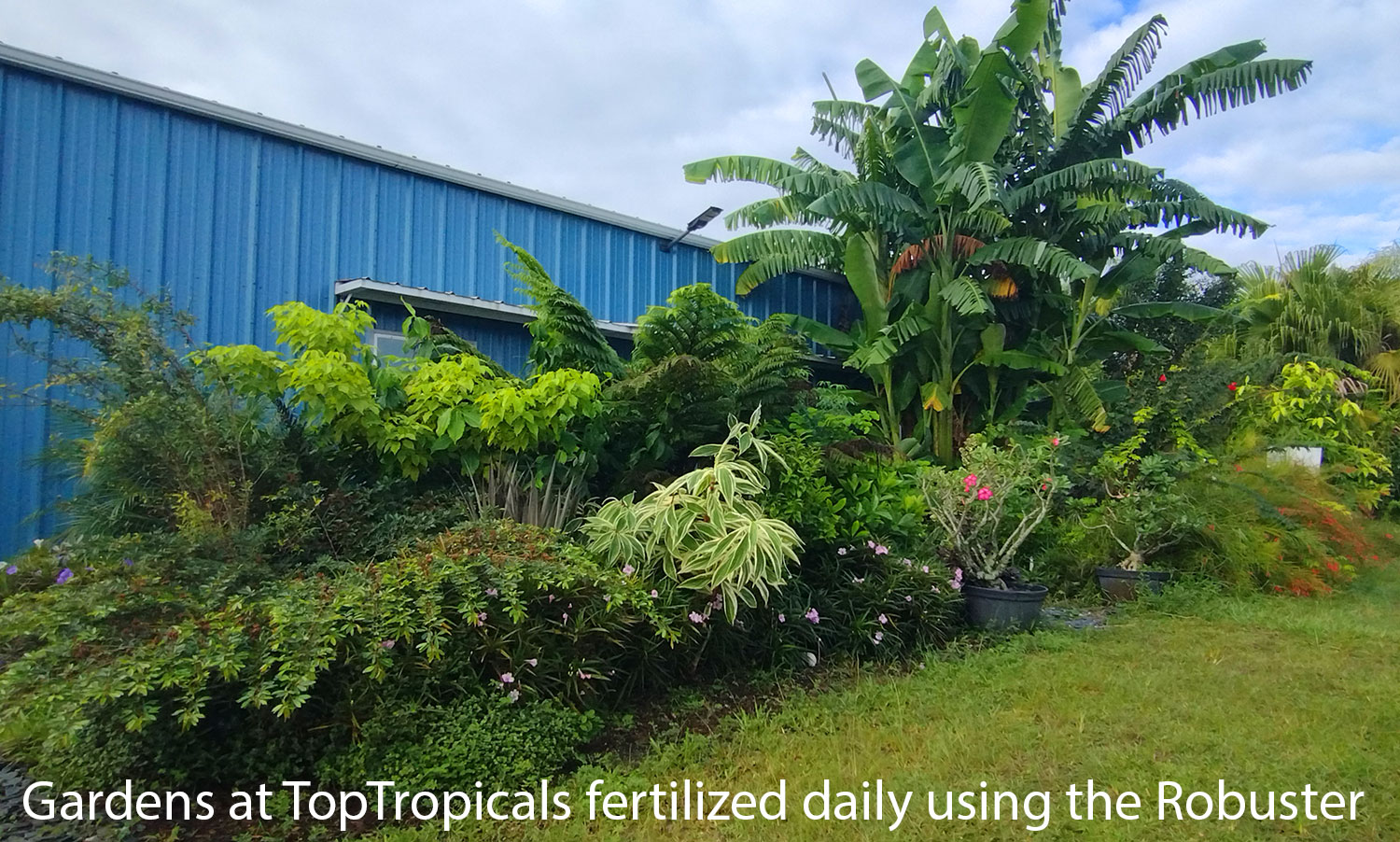
This garden doubled the size during just one season
under the Robuster
care.