Date: 24 Feb 2026
5 Heart-Shaped Plants Every Gardener Needs This Spring
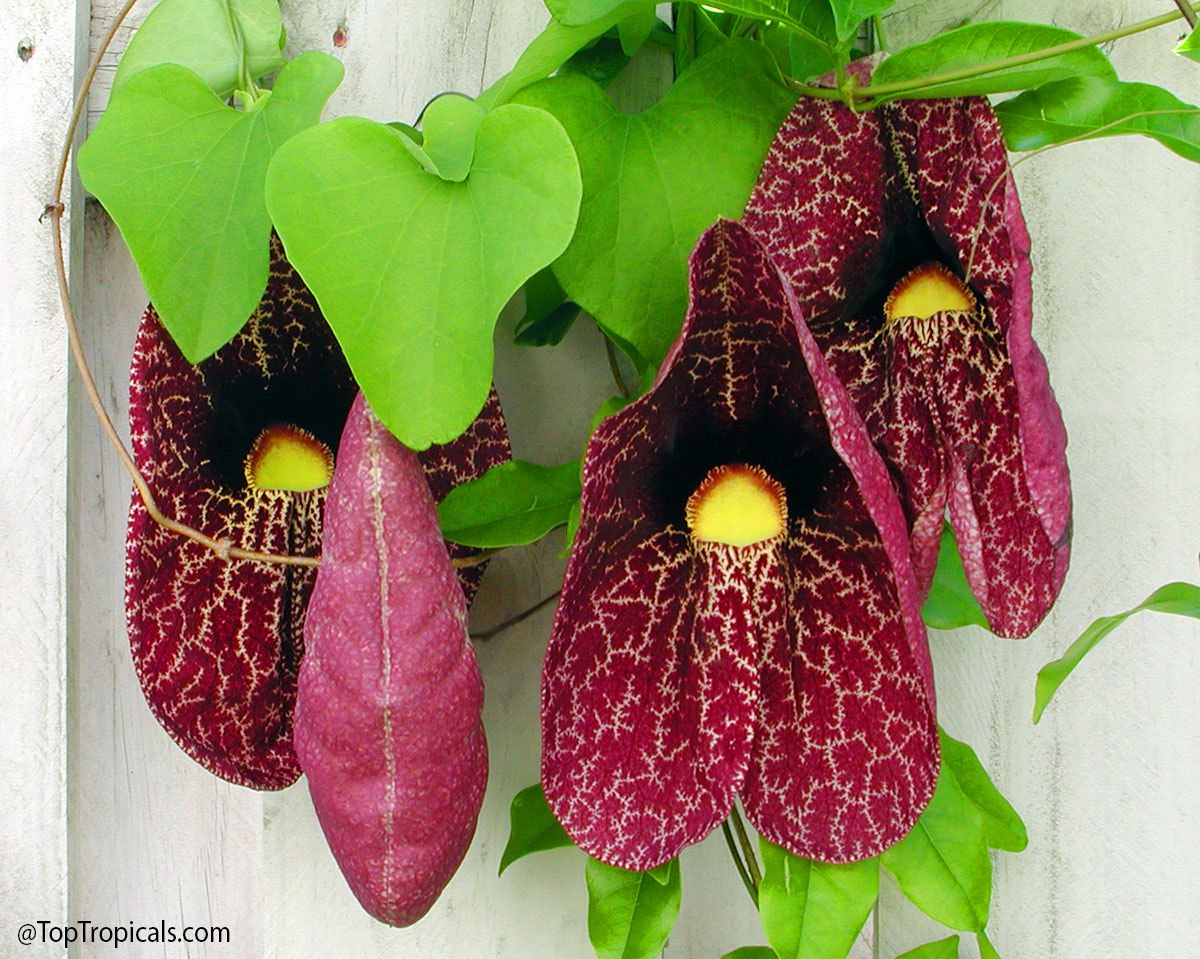
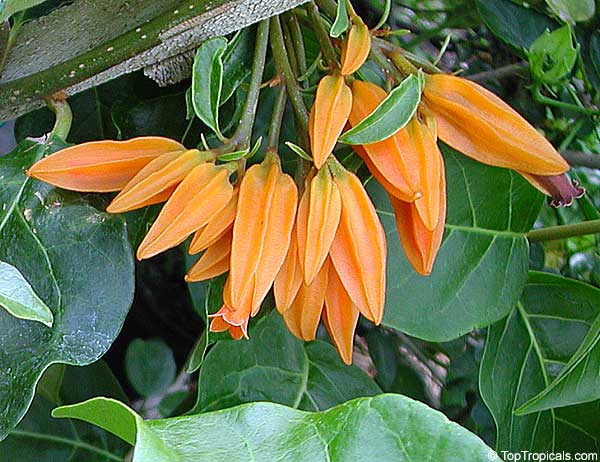
Aristolochia " The "alien" flower that hosts rare butterflies.
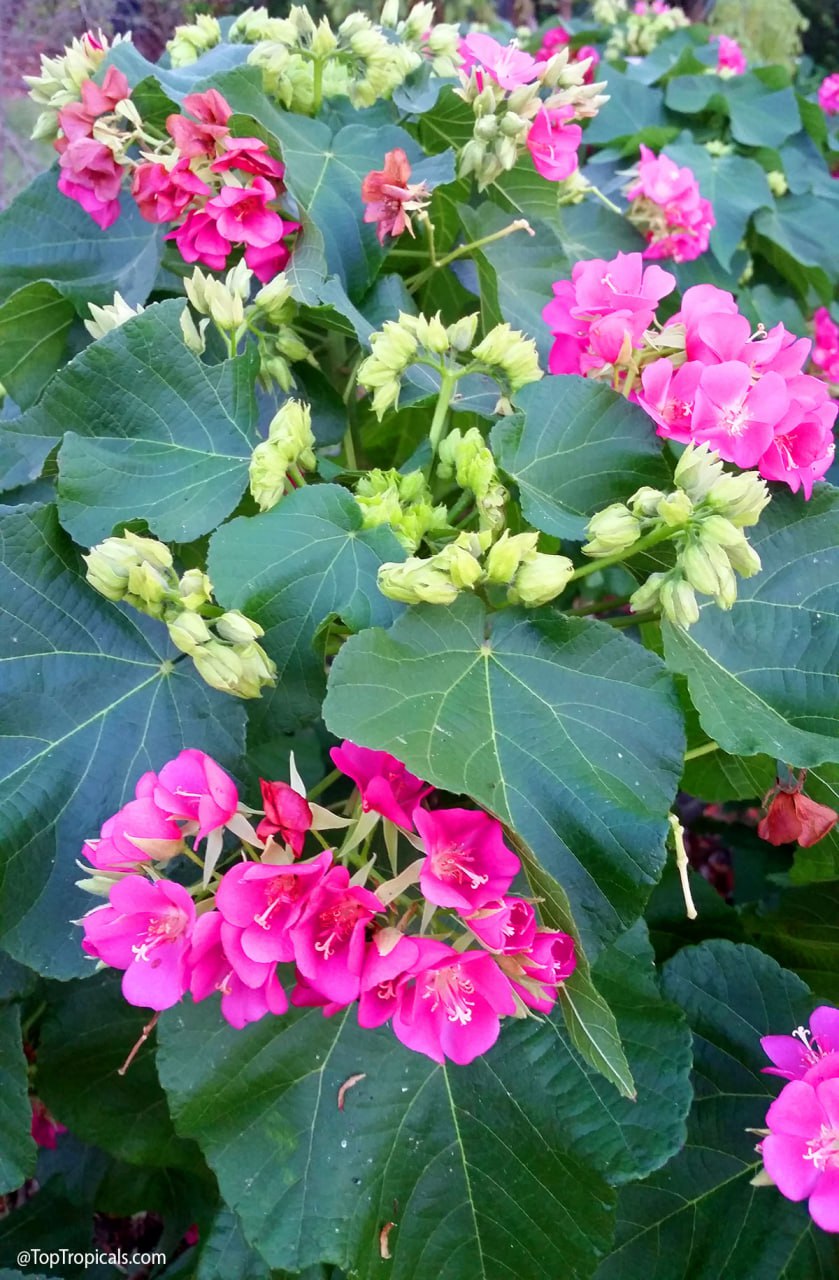
Dombeyaflowers on the bush
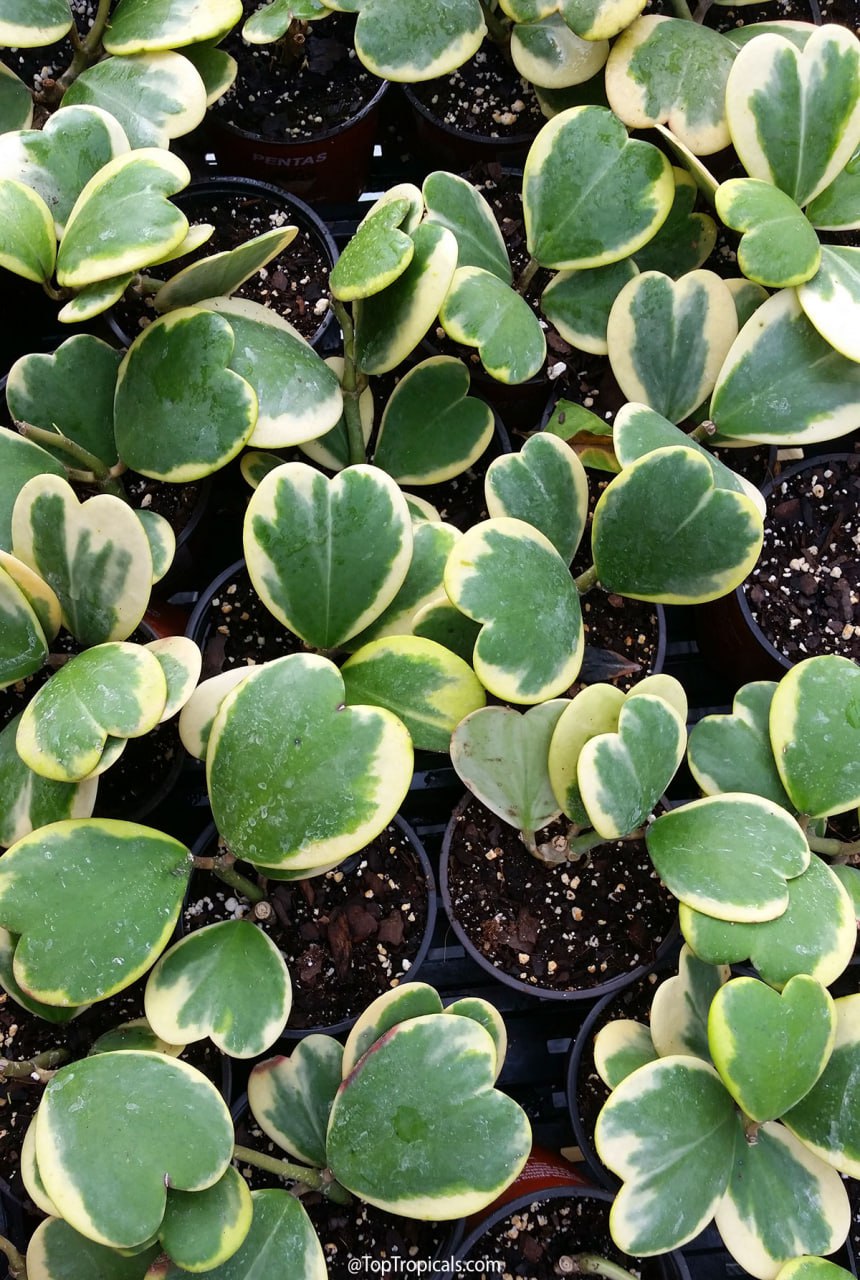
Hoya kerrii Sweetheart Hoya
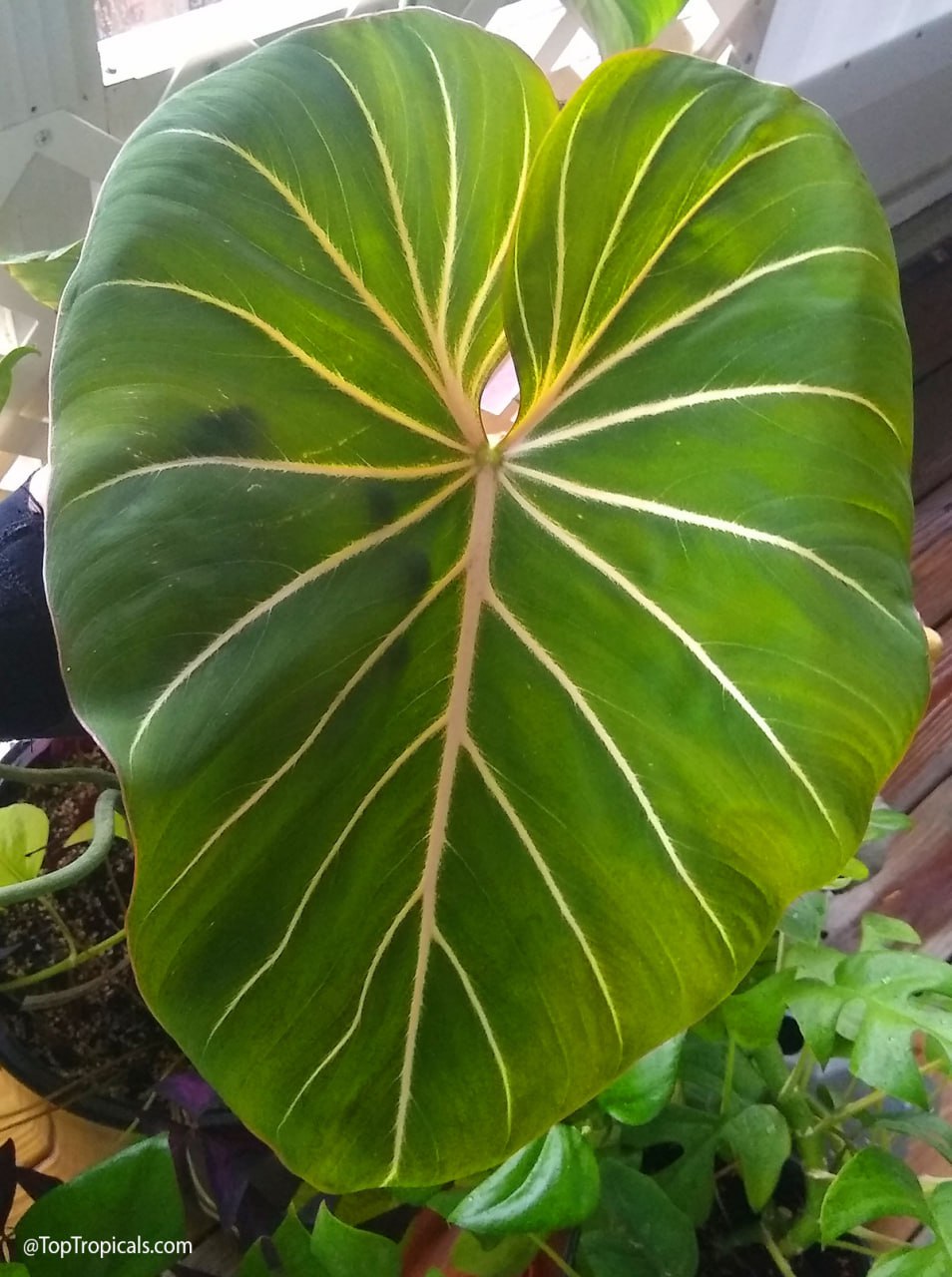
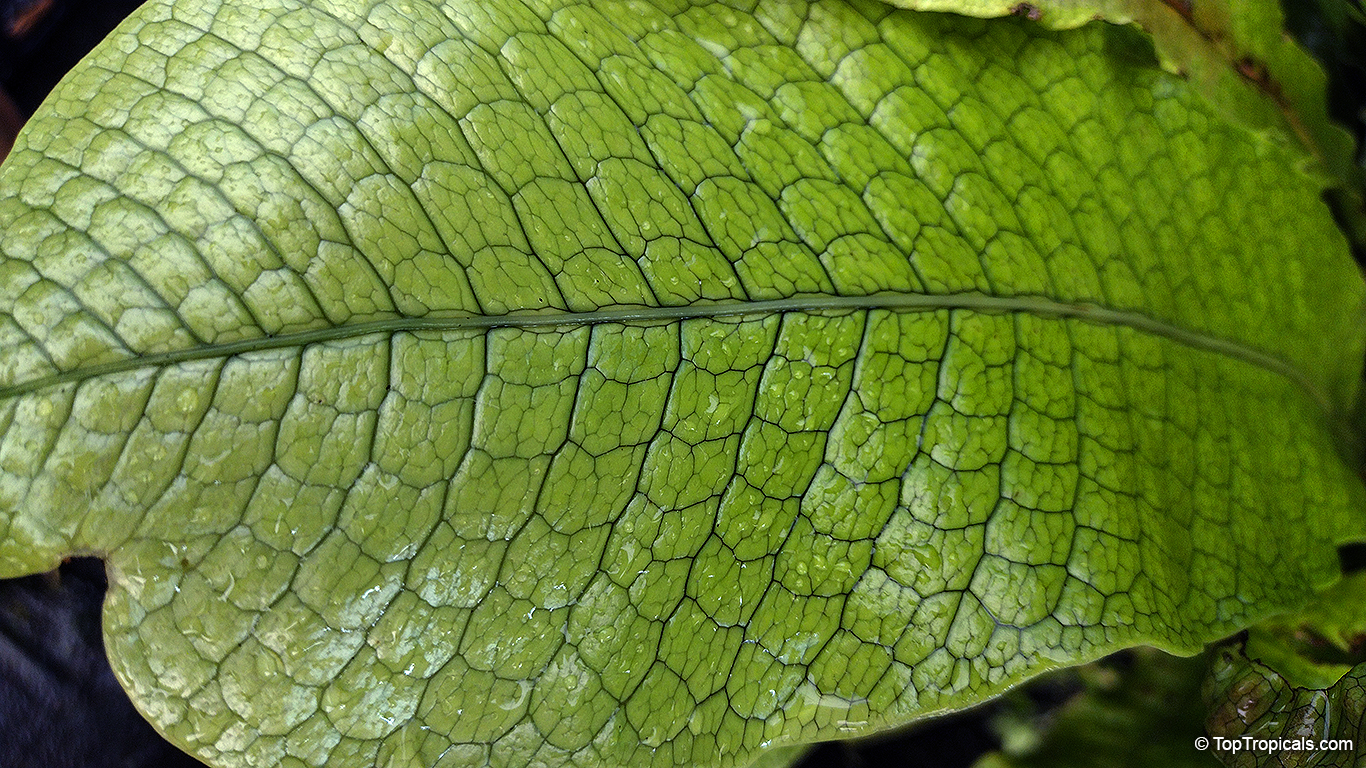
Philodendron leaves
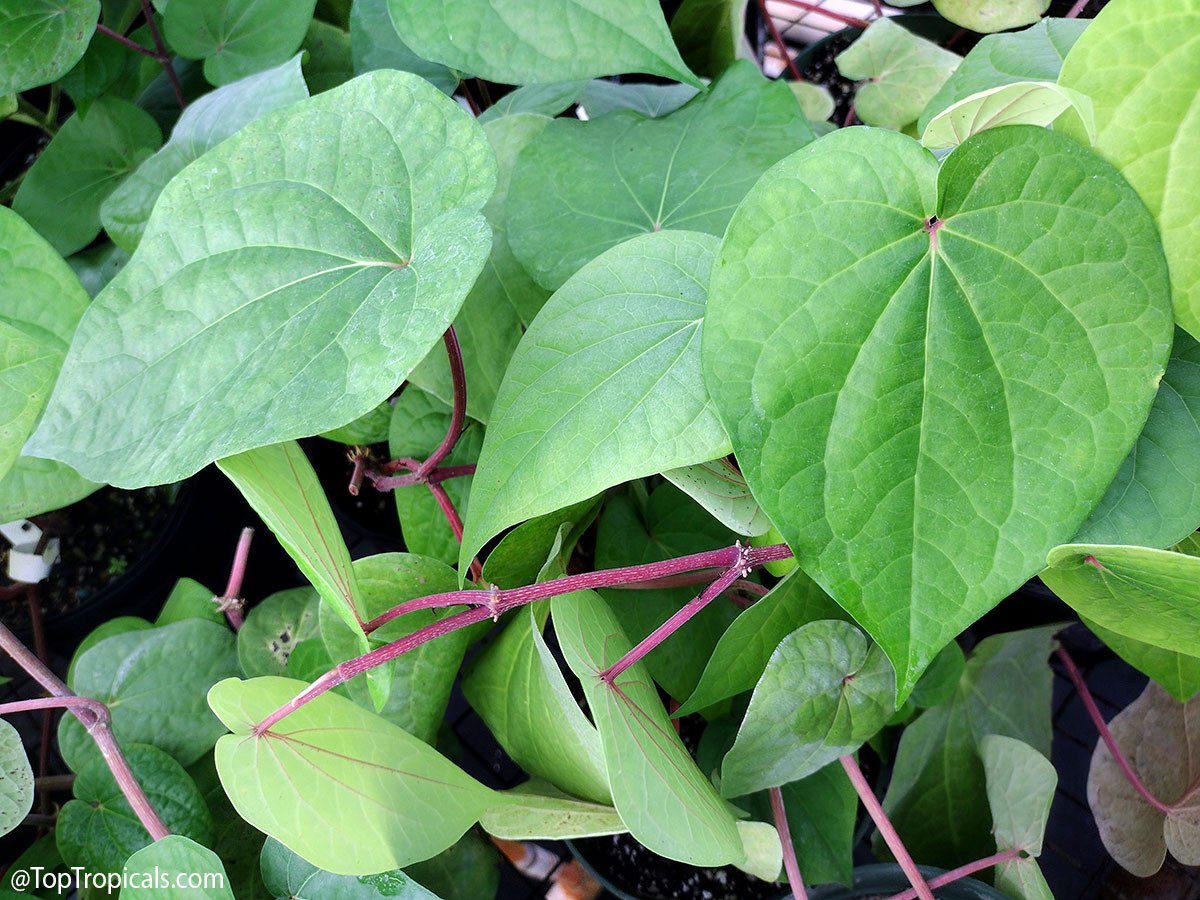
Piper - edible leaves
5 Heart-Shaped Plants Every Gardener Needs This Spring 💕
Heart-shaped leaves instantly soften a garden. They feel welcoming, romantic, and just a little bit playful. But if you choose wisely, you will get much more than a cute leaf shape.
Before adding a plant to your collection, look beyond the foliage. Does it flower? Does it attract pollinators? Does it offer edible or fragrant benefits? The right heart-shaped plant can bring beauty, fragrance, butterflies - even flavor - to your landscape all year long.
Here are five plants that truly give your home a little love.
If you want a conversation starter, Aristolochia is the answer. These vines don't just offer bold, oversized heart foliage and produce "alien-looking" blooms that defy garden norms.
· Garden Hack: Use it to create "living shade" on hot west-facing walls to naturally cool your home.
· Extra benefits: Many species are host plants for Pipevine Swallowtail butterflies, making them essential for pollinator gardens. They grow fast, create dense shade, and can cool down hot garden walls during summer. 👉Explore Aristolochias
Dombeyas bring heart-shaped foliage together with spectacular winter blooms. Their large clusters of pink flowers resemble hydrangeas and appear when many other plants are resting.
Extra benefits: They bloom in the cooler months, feeding bees when nectar sources are limited. These fast-growing shrubs create privacy quickly and fill the air with a light, sweet fragrance during flowering season. 👉Explore Dombeya
Often sold as a single heart-shaped leaf in a pot, Hoya kerrii is known as the Sweetheart plant. But when mature, it becomes a climbing or trailing vine with thick, succulent foliage.


Extra benefits: It is extremely low maintenance, tolerates dry indoor air, and can live for many years. When happy, it produces clusters of star-shaped, lightly fragrant flowers. It is compact enough for desks and shelves, yet long-lived enough to become a true keepsake plant. 👉Explore Heart Hoya
If you picture a heart-shaped leaf, you are probably imagining a Philodendron. From deep green to bright chartreuse like Golden Goddess, there is a variety for every style.
Extra benefits: Philodendrons adapt easily to indoor or outdoor growing in warm climates. They help improve indoor air quality, tolerate lower light, and require minimal care. In the garden, they thrive in shade and add a lush tropical feel without demanding constant attention. 👉Explore Philodendrons
Many Piper species have attractive heart-shaped leaves, but they offer more than good looks. Some are edible and culturally significant.
Extra benefits: Piper betle and Piper sarmentosum leaves are used fresh in Southeast Asian cuisine, while Piper nigrum gives you real black pepper from your own vine. These plants grow well in warm, humid climates, thrive in partial shade, and combine ornamental appeal with practical harvest. 👉Explore Pipers
Heart-shaped foliage is charming, but the real value comes from what these plants give back - flowers in winter, butterflies in spring, edible leaves in summer, or easy indoor greenery all year.
Choose plants that not only look lovely but also work hard in your garden. That way, your landscape is not just pretty - it is alive, useful, and full of personality.
🛒 Discover tropical plants with benefits
· How to bring butterflies in your garden with Ditchmans Pipe
· Five steps to everblooming Rose Hydrangea
· The best Valentine’s Day gift that actually lasts - Sweetheart Hoya
· The Marble Queen philodendron that thrives on neglect
· How to grow your own Pepper plants. Five most valuable 'Pipers'.
#Container_Garden #Hedges_with_benefits #Discover
🟢 Join 👉 TopTropicals
❣️ Why heart-shaped?
Heart-shaped leaves instantly soften a garden. They feel welcoming, romantic, and just a little bit playful. But if you choose wisely, you will get much more than a cute leaf shape.
Before adding a plant to your collection, look beyond the foliage. Does it flower? Does it attract pollinators? Does it offer edible or fragrant benefits? The right heart-shaped plant can bring beauty, fragrance, butterflies - even flavor - to your landscape all year long.
Here are five plants that truly give your home a little love.
💚 1. Aristolochias - bold leaves and wild flowers
If you want a conversation starter, Aristolochia is the answer. These vines don't just offer bold, oversized heart foliage and produce "alien-looking" blooms that defy garden norms.
· Garden Hack: Use it to create "living shade" on hot west-facing walls to naturally cool your home.
· Extra benefits: Many species are host plants for Pipevine Swallowtail butterflies, making them essential for pollinator gardens. They grow fast, create dense shade, and can cool down hot garden walls during summer. 👉Explore Aristolochias
💚 2. Dombeyas - winter flowers when little else blooms
Dombeyas bring heart-shaped foliage together with spectacular winter blooms. Their large clusters of pink flowers resemble hydrangeas and appear when many other plants are resting.
Extra benefits: They bloom in the cooler months, feeding bees when nectar sources are limited. These fast-growing shrubs create privacy quickly and fill the air with a light, sweet fragrance during flowering season. 👉Explore Dombeya
💚 3. Hoya kerrii - the living Valentine
Often sold as a single heart-shaped leaf in a pot, Hoya kerrii is known as the Sweetheart plant. But when mature, it becomes a climbing or trailing vine with thick, succulent foliage.
Extra benefits: It is extremely low maintenance, tolerates dry indoor air, and can live for many years. When happy, it produces clusters of star-shaped, lightly fragrant flowers. It is compact enough for desks and shelves, yet long-lived enough to become a true keepsake plant. 👉Explore Heart Hoya
💚 4. Philodendron - classic hearts, endless varieties
If you picture a heart-shaped leaf, you are probably imagining a Philodendron. From deep green to bright chartreuse like Golden Goddess, there is a variety for every style.
Extra benefits: Philodendrons adapt easily to indoor or outdoor growing in warm climates. They help improve indoor air quality, tolerate lower light, and require minimal care. In the garden, they thrive in shade and add a lush tropical feel without demanding constant attention. 👉Explore Philodendrons
💚 5. Piper - beautiful and edible
Many Piper species have attractive heart-shaped leaves, but they offer more than good looks. Some are edible and culturally significant.
Extra benefits: Piper betle and Piper sarmentosum leaves are used fresh in Southeast Asian cuisine, while Piper nigrum gives you real black pepper from your own vine. These plants grow well in warm, humid climates, thrive in partial shade, and combine ornamental appeal with practical harvest. 👉Explore Pipers
💚 Ready to add some 'love' to your landscape?
Heart-shaped foliage is charming, but the real value comes from what these plants give back - flowers in winter, butterflies in spring, edible leaves in summer, or easy indoor greenery all year.
Choose plants that not only look lovely but also work hard in your garden. That way, your landscape is not just pretty - it is alive, useful, and full of personality.
🛒 Discover tropical plants with benefits
📚 Learn more:
· How to bring butterflies in your garden with Ditchmans Pipe
· Five steps to everblooming Rose Hydrangea
· The best Valentine’s Day gift that actually lasts - Sweetheart Hoya
· The Marble Queen philodendron that thrives on neglect
· How to grow your own Pepper plants. Five most valuable 'Pipers'.
#Container_Garden #Hedges_with_benefits #Discover
🟢 Join 👉 TopTropicals