Garden Blog - Top Tropicals

Date: 6 Sep 2025

What is Neem and why do millions use it daily? The tree that makes toothpaste and bug spray

Neem Tree - Azadirachta indica

Neem Tree - Azadirachta indica

🌿 What is Neem and why do millions use it daily? The tree that makes toothpaste and bug spray.

  • 💚 Ever notice Neem listed in toothpaste or skin cream? Or even in natural insecticides and garden treatments? What is this tree and why is it everywhere? Neem products come from the Neem Tree - Azadirachta indica, native to India. It's been used for thousands of years in medicine, farming, and daily life.
  • 💚 How can you use Neem?


    Almost every part of the tree has a purpose.

The leaves are brewed as tea, applied to skin for soothing, and used in villages to ward off mosquitoes or protect stored clothes from insects. They are bitter but medicinal, valued for treating malaria and even for lowering blood sugar in diabetics.
  • Dental cure. Neem twigs, thin and pencil-sized, are chewed and used as toothbrushes to strengthen gums and fight bacteria. Today, toothpicks and dental sticks are still made from them.
  • Neem oil for your Garden. The seeds produce neem oil, a natural insect repellent and fungicide for the garden that doesn’t harm bees or butterflies.
  • Bark extracts are used in medicine
  • Ripe fruits are eaten fresh and considered beneficial too.


💚 Why do people plant Neem?


It’s more than a medicine chest. In India, Neem is planted along streets and in villages as a source of shade, air purifier, and natural pest control. One tree supports health, provides garden protection, and even supplies food.

💚 Is it easy to grow?


Yes. Neem tree thrives in hot, dry conditions and needs little care. Once established, it only needs low to medium water and grows well even without irrigation. It can be grown as a street tree, in the yard for shade, or in poor soils where other trees struggle. Hardy, fast-growing, and evergreen, Neem is one of the most practical trees you can add to a tropical or subtropical garden.

🛒 Plant a Neem Tree and Explore Neem benefits

#Food_Forest #Remedies #Discover

🟢 Join 👉 TopTropicals

Date: 13 Oct 2025

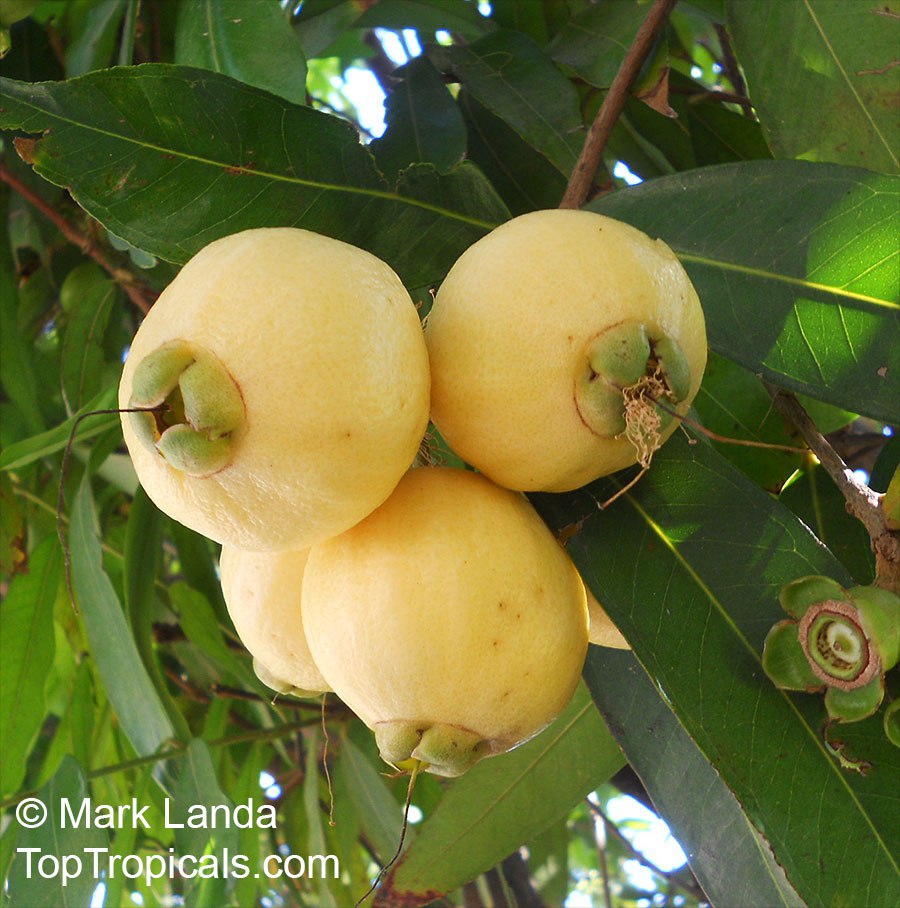
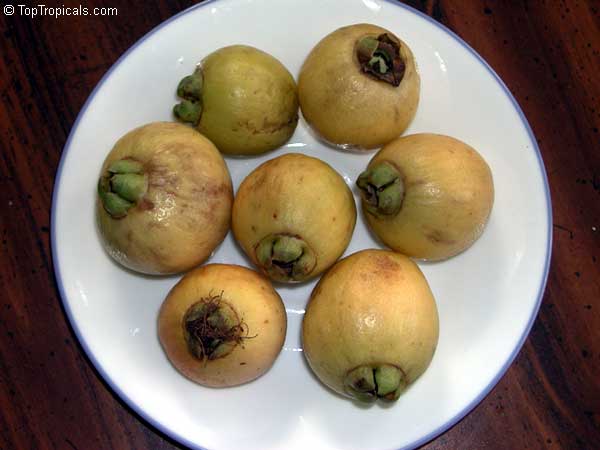
Sweet and crunchy fruit with a rose fragrance

🌹 Sweet and crunchy fruit with a rose fragrance


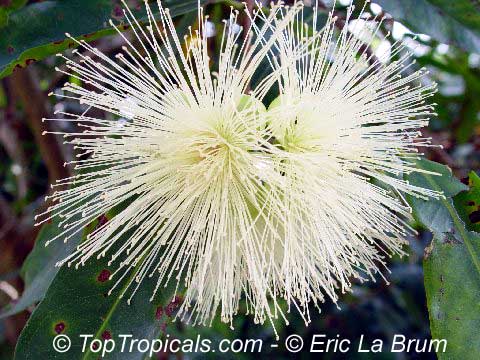
  • 🌹Syzygium jambos - Rose Apple - is a fragrant delight fruit! Also known as Malabar Plum or Pomme Rosa, the Rose Apple produces crisp, juicy fruits with a distinct rose scent, highly prized for jellies and confections.

  • 🌹This easy-to-grow plant is moderately cold-hardy and can tolerate poor soils.

  • 🌹 Rose Apple trees are versatile – they make attractive, wide-spreading shade trees and can also thrive as compact, bushy fruiting plants in containers. Watch the video:


📱

🛒 Enjoy rose-smelling fruit in your garden

📚 Learn more:


What fruit smells like roses?

Date: 7 Mar 2017

Taking care of Guanabana (Soursop) after shipping

Q: Since I have never grown a soursop tree before I need some pro help. My tree was delivered absolutely beautiful, leaves were a pretty green. I potted it and gave it a good drink of water and put it in a shaded area outside. Then the weather here became cool so I brought it in for a few days until the weather warmed, and it lost all the leaves. Is it in shock and will come around eventually? Will I be able to grow this tree indoors during winter?

A: Soursop - Annona muricata trees are very sensitive to temperature drops. This always causes leaf loss. You seem to be doing everything right. Do not water until soil gets slightly dry; keep it in bright shade. The weather should be good now with high temperatures and humidity rising. No fertilizer until the plant shows active new growth. Be patient with your plant, it should recover soon.

Soursop is an ultra-tropical tree and doesn't take any freeze. If you live in cooler climate, keep the plant in a pot (the good news is, Annonas in general have compact nature and are perfect for container culture). Bring the tree indoors during cold period, providing bright light.

Remember that grafted trees start flowering and producing fruit right away, unlike seedlings of Soursop that may take a few years till fruiting.

We have very interesting article about growing and fruiting Soursop in apartment. Check out Tropical Treasures Magazine #7

Date: 15 Jan 2024

Florida Starter Garden in Winter

Odontonema  Firespike

Photo above: Bauhinia blakeana - Hong Kong Orchid Tree

Q: We just moved to Florida and our yard is currently just plain grass. I want to add some beautiful tropical plants, but I'm not sure where to start. Can you suggest easy-to-care-for plants that look nice in winter, preferably with flowers? Considering it's Winter time and some trees look dormant... But I can't wait to start my tropical garden!

A: Florida residents are blessed to have mild winters, and many tropical and subtropical plants enjoy this climate year around. Just be mindful of your location's specific conditions (sun-shade, wet-dry, cold sensitive or hardy). Here are some recommendations for easy-to-grow, evergreen plants that love Florida and look great even in winter. They'll establish well during cooler months, add a splash of color to your garden with their flowers, and even treat you with fruit!

Winter flowers - will bloom now!

Clerodendrum Winter Starburst
Clerodendrum Blue Butterfly
Eranthemum Blue Sage
Odontonema Firespike
Pavonia - Brazilian Candles

Odontonema  Firespike

Photo above: Odontonema cuspidatum - Firespike

Fragrant Garden

Banana Magnolia
Jasminum sambac Little Duke Supreme
Vietnamese Gardenia
Nyctanthes - Parijat
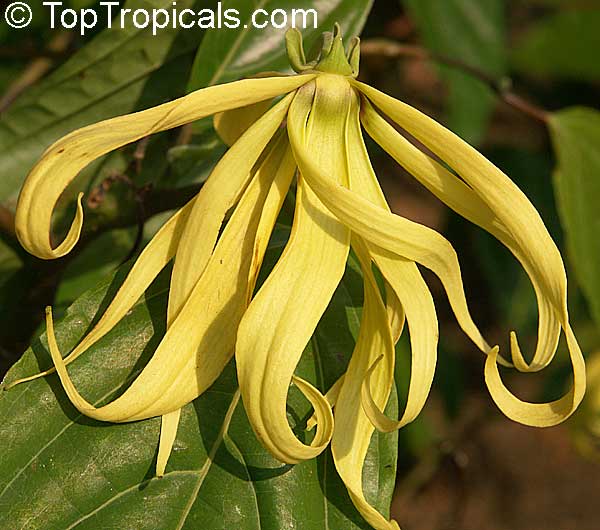
Ylang Ylang vine

Gardenia  (Kailarsenia)  vietnamensis  -  Vietnamese  Gardenia

Photo above: Gardenia vietnamensis - Vietnamese Gardenia

Curious unusual trees

Hong Kong Orchid Tree
Candle Tree

Parmentiera  edulis  -  Candle  Tree,  Guahalote

Photo above: Parmentiera edulis - Candle Tree, Guahalote

Easy fruit

Noni Tree
Yellow Dragon Fruit Palora
Coffee Tree

Morinda  citrifolia  -  Noni  Tree

Photo above: Morinda citrifolia - Noni Tree

Great looking now:
for Shade and Indoor Garden

Calathea zebrina - Zebra Plant
Black Bat Head Lily
White Bat Head Lily
Medinilla
Vanilla Orchid
Reed Ground Orchid
Calathea Fuzzy Pheasant
Colocasia Mojito
Syngonium

Tacca  nivea  -  White  Bat  Head  Lily

Photo above: Tacca nivea - White Bat Head Lily

Date: 6 Nov 2023

How to grow a happy Moringa Tree

Moringa  tree  in  the  garden

Q: We purchased some tropical edible and medicinal plants from you in August this year. I have a question pertaining to our Moringa tree. When we purchased it, it was about two foot tall. It has put on tremendous growth and is now a little under ten foot tall. My question is, should a Moringa be losing lower leaves at this point? The bare limbs are still green and the top looks to have healthy green leaves.

A: Thank you for choosing our Moringa tree, and sharing the picture. It's great to see that your tree appears healthy and happy - it's a resilient plant. Given the relatively dry Fall we've experienced this year, a little extra water can make a significant difference.

Here are some suggestions to ensure your Moringa thrives:

Moringa  branch  with  flowers

Watering: While Moringa is generally drought-tolerant, during dry periods, in addition to relying on your lawn sprinkler system, add some extra water with a hose. Adequate moisture is crucial for maintaining healthy foliage.

Pest Control: Moringa is not only a nutritious plant for humans but also attracts pests that appreciate its medicinal properties :) If you notice insect damage on the leaves, consider spraying with Neem oil or using an over-the-counter systemic insecticide containing imidacloprid or a similar ingredient.

Seasonal Behavior: Moringa trees are semi-deciduous to deciduous, and their leaf-shedding behavior can vary depending on the climate. In Florida, for instance, it's common for Moringa trees to shed leaves in the Fall. However, this is a natural process, and you can expect new growth in the Spring.

Fertilizing for Vigorous Growth: To promote the most vigorous growth of your Moringa tree and other plants in your garden, consider implementing a fertilizing program. If using dry, slow-release fertilizers, apply them only during the active growth season: from March through November. If you're looking for a year-round solution, liquid amino acid-based formulas like Sunshine Boosters can be a great option. You can easily add them to your watering routine or use injectors like The Robuster for convenient and consistent feeding. If you're planning to expand your garden with other medicinal plants or an edible forest, The Robuster smart fertilizing system is an excellent choice, offering the most efficient, care-free way to nourish your plants with natural nutrients throughout the year.

The  Robuster

This garden doubled the size during just one season under the Robuster