🌹Syzygium jambos - Rose Apple - is a fragrant delight fruit! Also known as Malabar Plum or Pomme Rosa, the Rose Apple produces crisp, juicy fruits with a distinct rose scent, highly prized for jellies and confections.
🌹This easy-to-grow plant is moderately cold-hardy and can tolerate poor soils.
🌹 Rose Apple trees are versatile – they make attractive, wide-spreading shade trees and can also thrive as compact, bushy fruiting plants in containers. Watch the video:
Q: We just moved to Florida and our yard is
currently just plain grass. I want to add some beautiful tropical plants, but I'm not sure
where to start. Can you suggest easy-to-care-for plants that look nice in winter, preferably with flowers? Considering it's Winter
time and some trees look dormant... But I can't wait to start my tropical garden!
A: Florida residents are blessed to have mild
winters, and many tropical and subtropical plants enjoy this climate year around. Just be mindful of your location's specific conditions (sun-shade, wet-dry, cold sensitive or hardy). Here
are some recommendations for easy-to-grow, evergreen plants that love
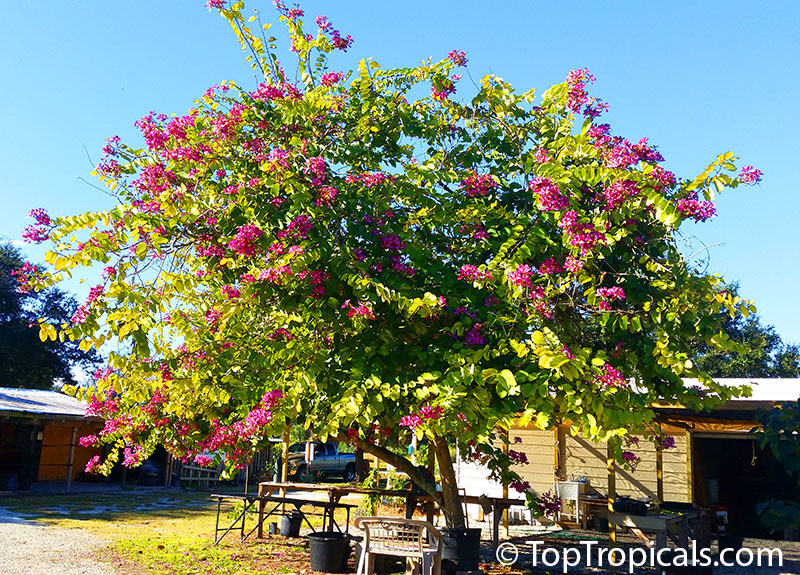
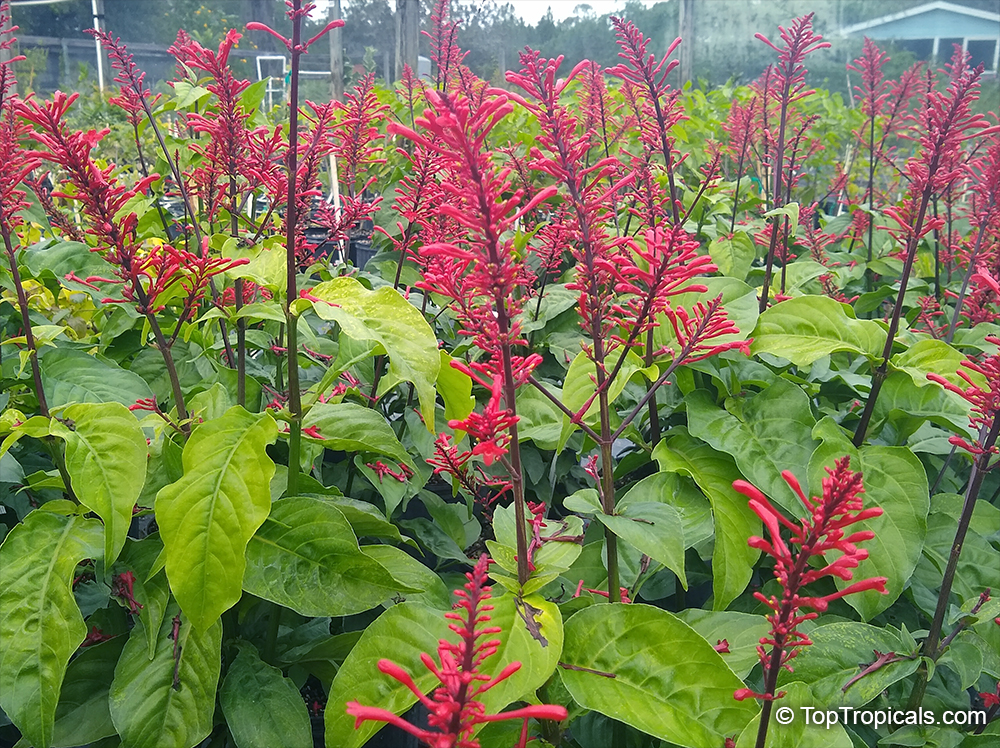
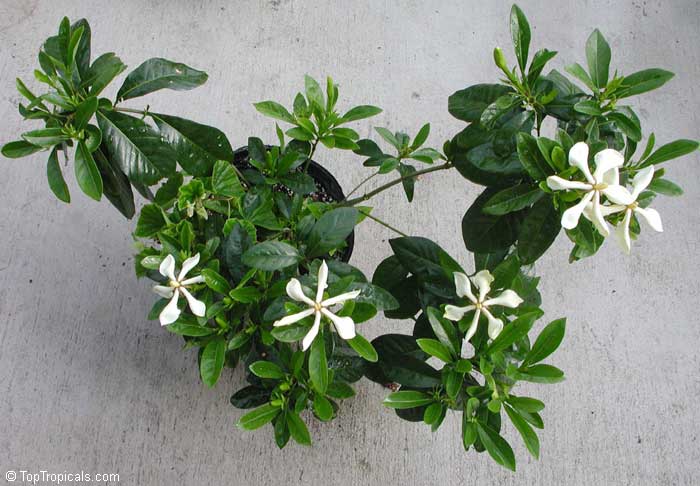
Florida and look great even in winter. They'll establish well during cooler months, add a splash of color to your garden with their flowers, and even treat you with fruit!
Q: We purchased some tropical edible and
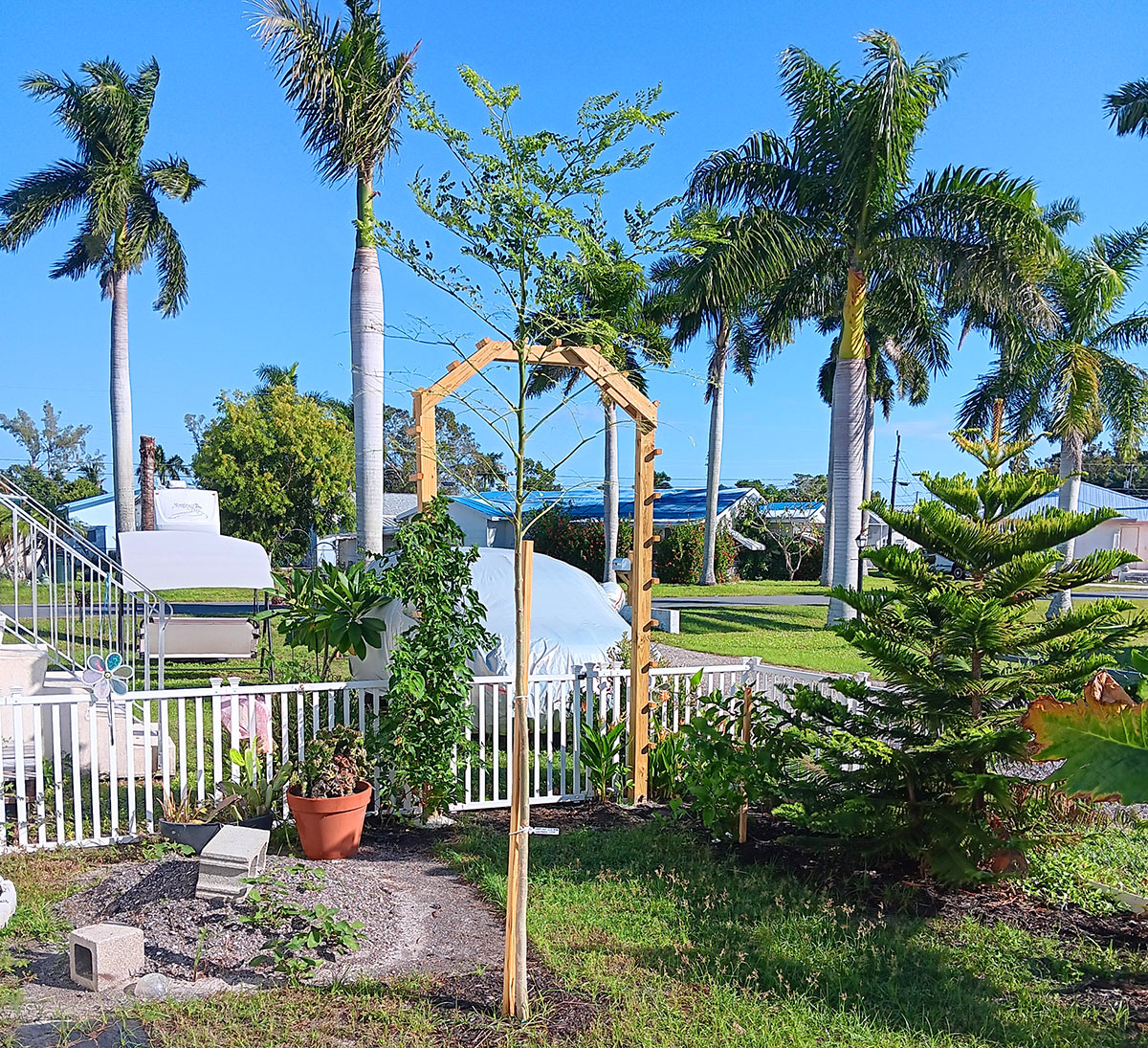
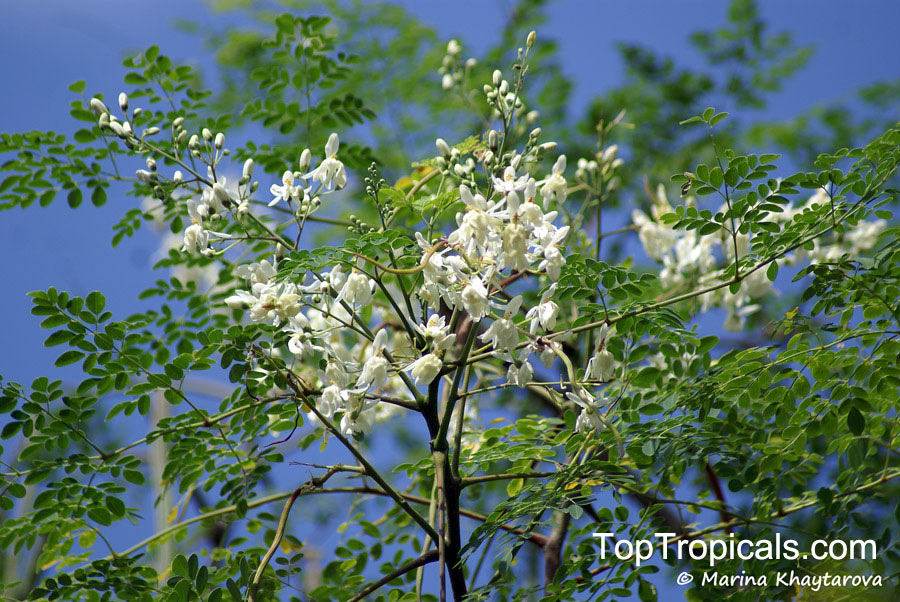
medicinal plants from you in August this year. I have a question pertaining to our Moringa tree. When
we purchased it, it was about two foot tall. It has put on tremendous growth
and is now a little under ten foot tall. My question is, should a Moringa be
losing lower leaves at this point? The bare limbs are still green and the top
looks to have healthy green leaves.
A: Thank you for choosing our Moringa tree, and
sharing the picture. It's great to see that your tree appears healthy and
happy - it's a resilient plant. Given the relatively dry Fall we've experienced
this year, a little extra water can make a significant difference.
Here are some suggestions to ensure your Moringa thrives:
Watering: While Moringa is generally drought-tolerant, during dry
periods, in addition to relying on your lawn sprinkler system, add some
extra water with a hose. Adequate moisture is crucial for maintaining healthy
foliage.
Pest Control: Moringa is not only a nutritious plant for humans
but also attracts pests that appreciate its medicinal properties :) If you
notice insect damage on the leaves, consider spraying with Neem oil or using an
over-the-counter systemic insecticide containing imidacloprid or a similar
ingredient.
Seasonal Behavior: Moringa trees are semi-deciduous to deciduous,
and their leaf-shedding behavior can vary depending on the climate. In
Florida, for instance, it's common for Moringa trees to shed leaves in the Fall.
However, this is a natural process, and you can expect new growth in the
Spring.
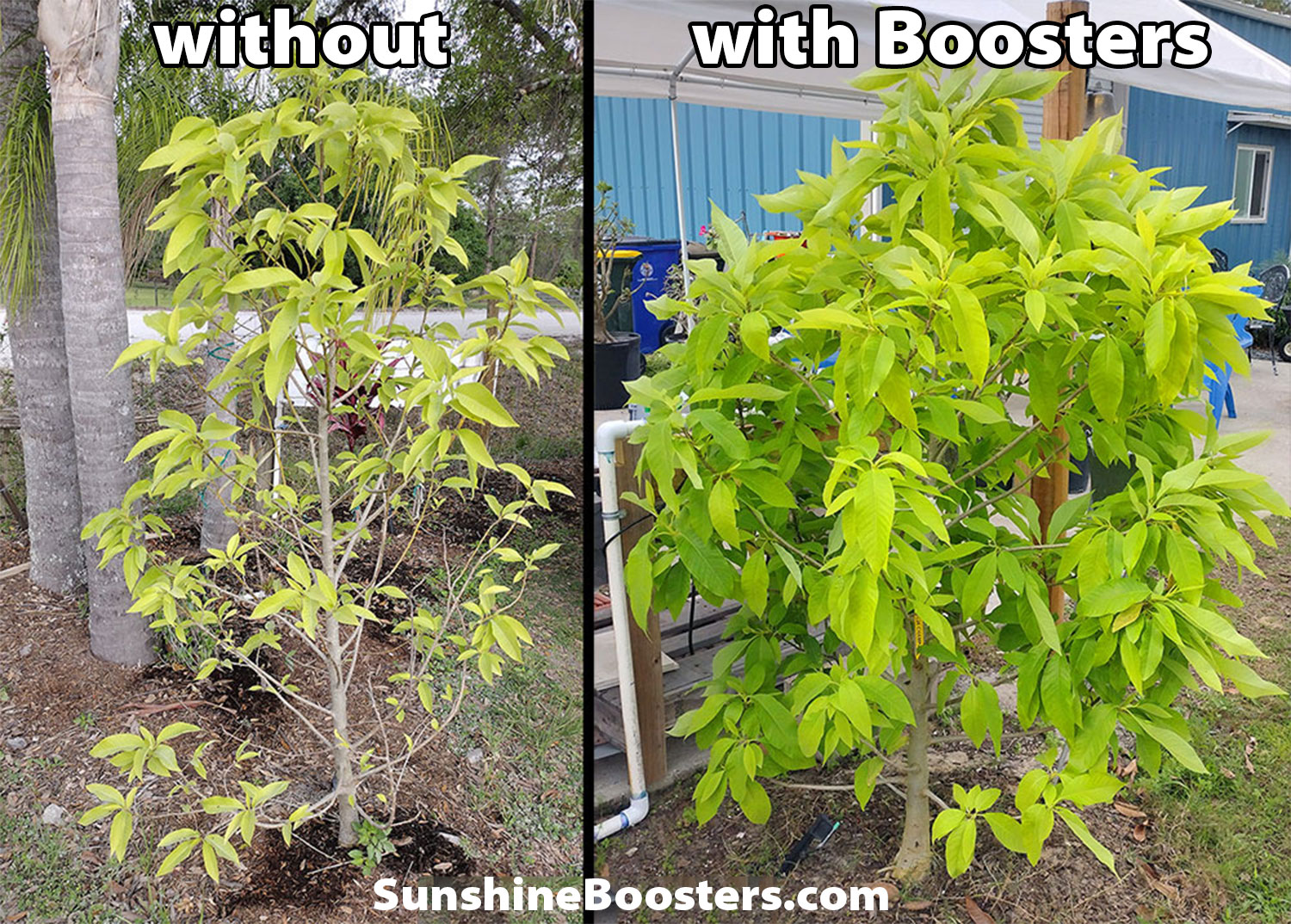
Fertilizing for Vigorous Growth: To promote the most vigorous
growth of your Moringa tree and other plants in your garden, consider
implementing a fertilizing program. If using dry, slow-release fertilizers, apply them
only during the active growth season: from March through November. If you're
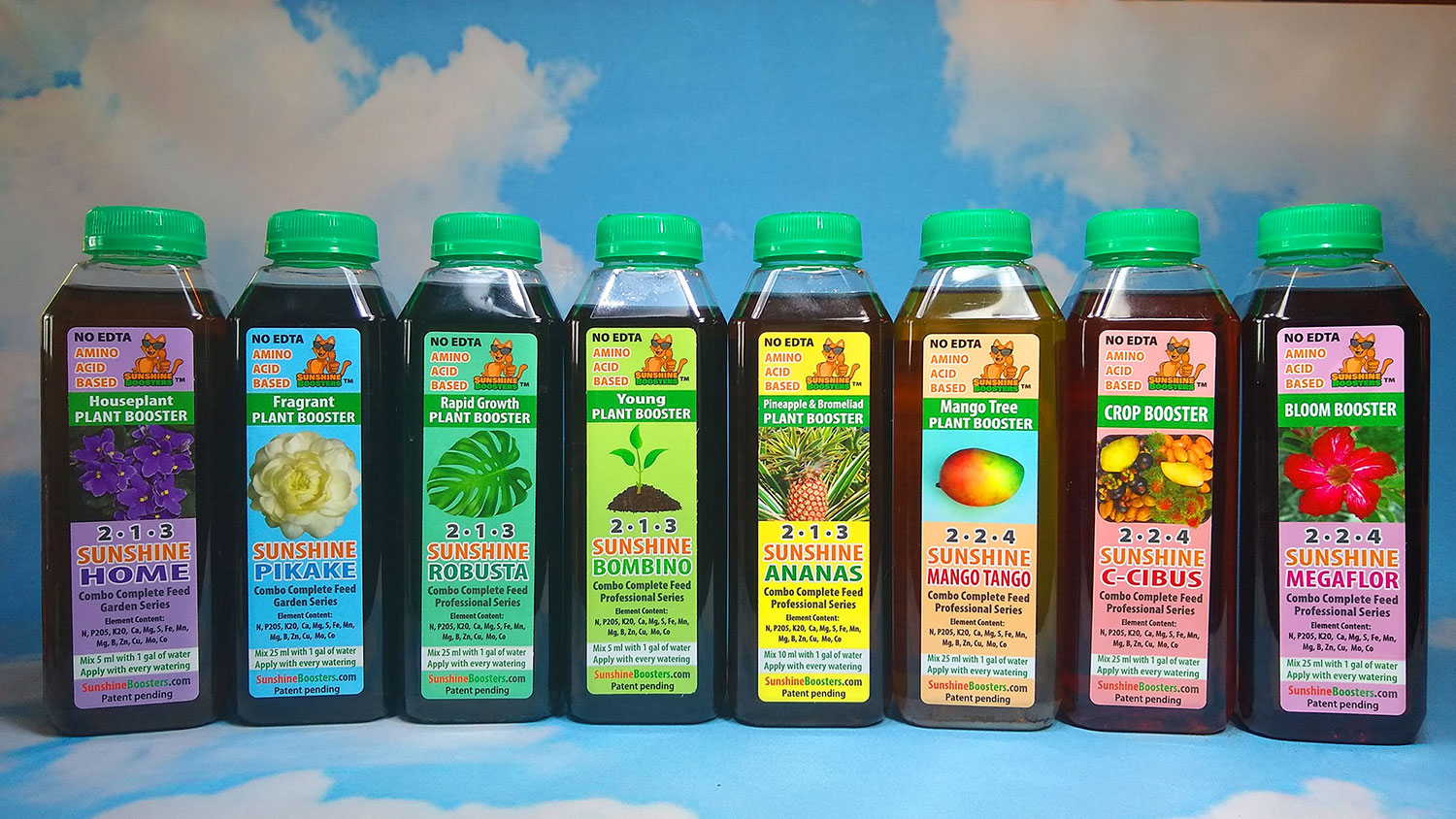
looking for a year-round solution, liquid amino acid-based formulas like
Sunshine Boosters can be a great option. You can easily add them to your watering
routine or use injectors like The Robuster for convenient and consistent feeding. If you're planning
to expand your garden with other medicinal plants or an edible forest, The
Robuster smart fertilizing system is an excellent choice, offering the most
efficient, care-free way to nourish your plants with natural nutrients
throughout the year.
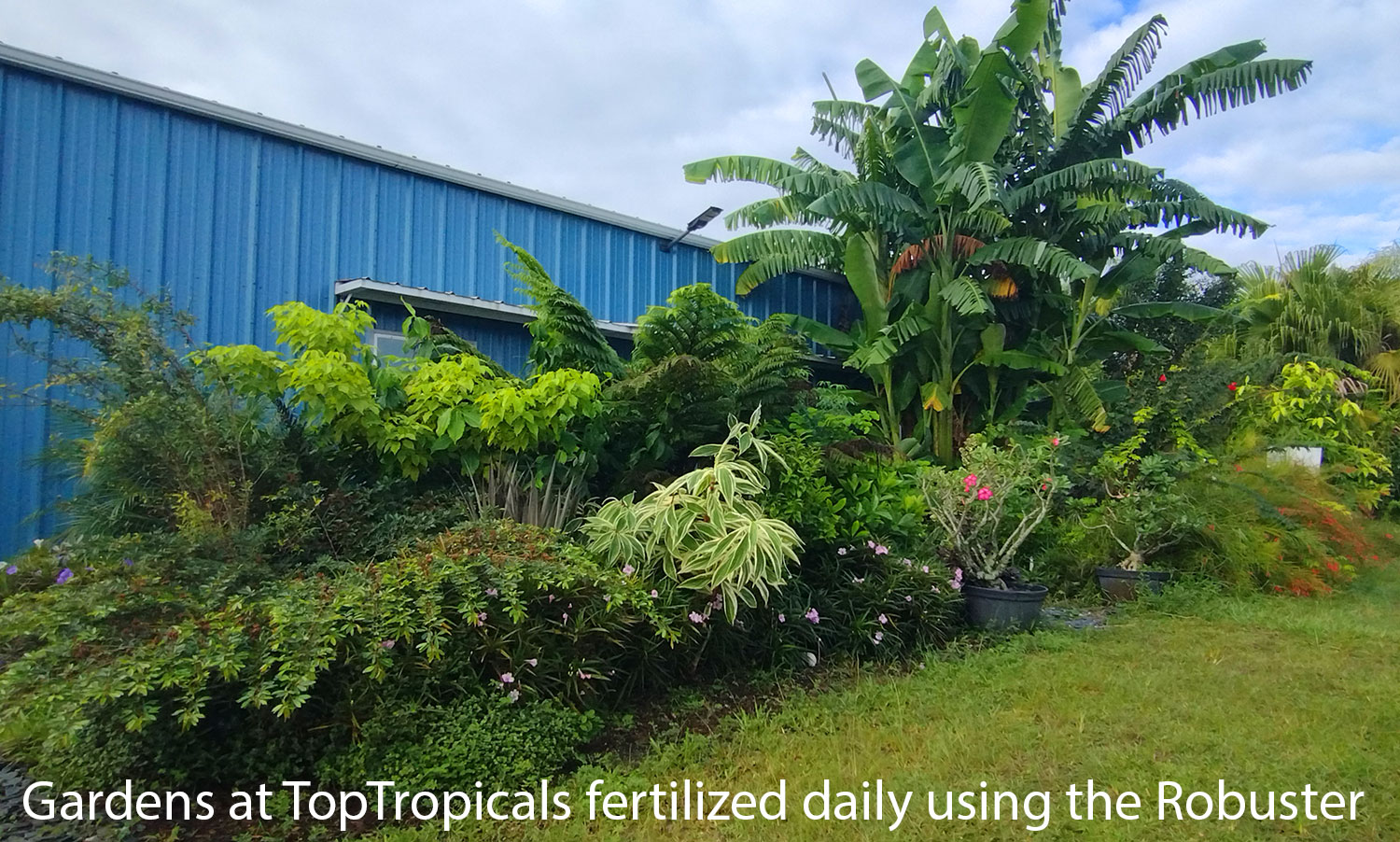
This garden doubled the size during just one season
under the Robuster
Date: 11 Sep 2023
We remember 9/11. We must never forget.
As September 11th arrives once again, our hearts are heavy with memories of the fateful day that forever changed our nation. We remember the lives lost, the heroes
who emerged, and the enduring resilience of our country.
As we pay tribute to the past, we recommit ourselves to building a brighter future. Remember to focus on the beauty that surrounds us every day - the kindness of a stranger, the laughter of loved ones, the warmth of a sunrise. In these simple moments, we will find
solace and inspiration.
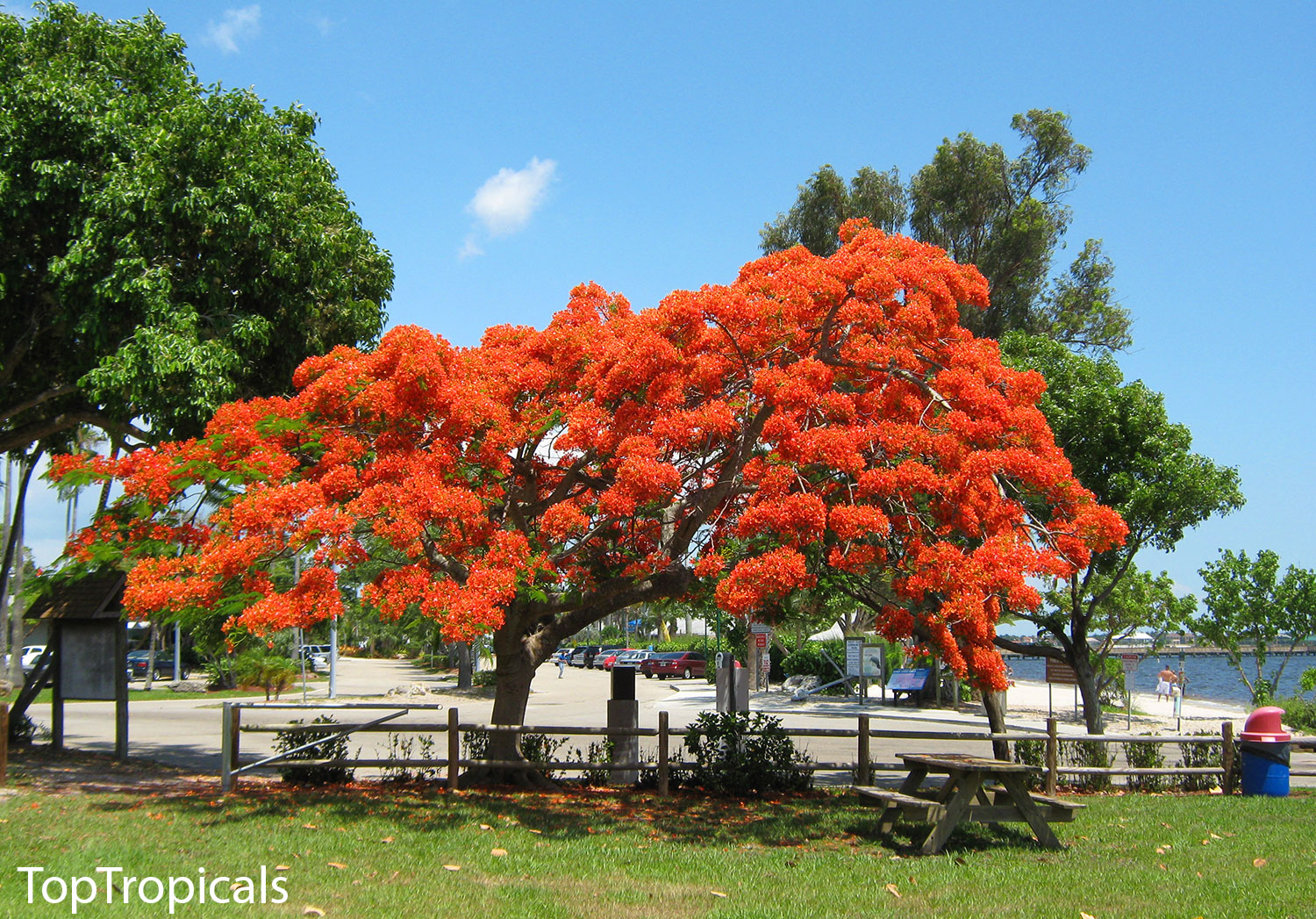
In the Photo: Flamboyant tree, Royal poinciana, Delonix regia - one of the most popular tropical trees covered with bright red orchid-like flowers from late winter through early summer. "The Royal Poinciana is one of the most spectacular flowering trees in the USA, and probably among the top 10 on this planet. In full bloom, it is like a regal elephant caparisoned in red and yellow brilliance." (Larry M. Schokman, The Kampong, National Tropical Botanic Garden)
Q: I have installed your Robuster unit to fertilize my fruit trees, but here in Florida, it is
the rainy season and most of the time I do not need to irrigate during the
summer. What do you recommend to keep up with fertilizing program?
A: This is what we recommend for
fertilizing during rainy season:
For in the ground plants
If there are frequent rains, it's not necessary to use any fertilizers
except for slowly soluble ones. During rainy periods, use a slow release fertilizer. Simply scatter 3 oz per 100 square ft. You can
adjust the amount based on your specific area and number of plants.
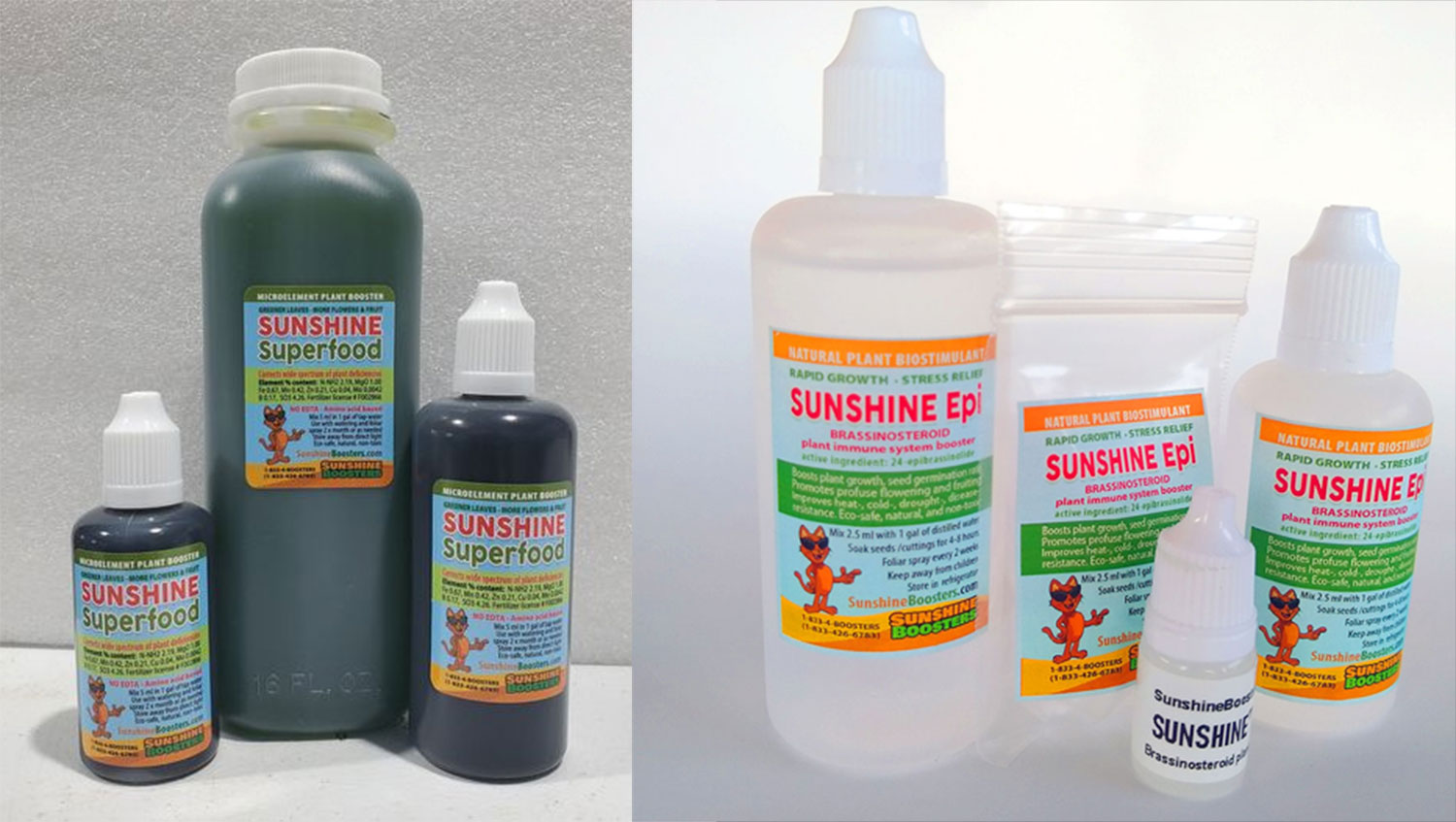
Additionally, for foliar treatments, use Sunshine SuperFood microelement supplement and Sunshine Epi biostimulator.
When you water next time, regardless of whether it rained or not, resume
using liquid Sunshine Boosters.
For potted plants
When you water your potted plants, use liquid Sunshine Boosters. Every 1
or 2 weeks (we recommend weekly), apply Sunshine Garden Series (the same type you are using when watering) for
foliar treatment. Use the same dosage as you would for watering.
By following these recommendations, you can ensure that your plants receive
the appropriate nutrients during the rainy season.