Garden Blog - Top Tropicals

Date: 15 Dec 2020

Plant of the Month:

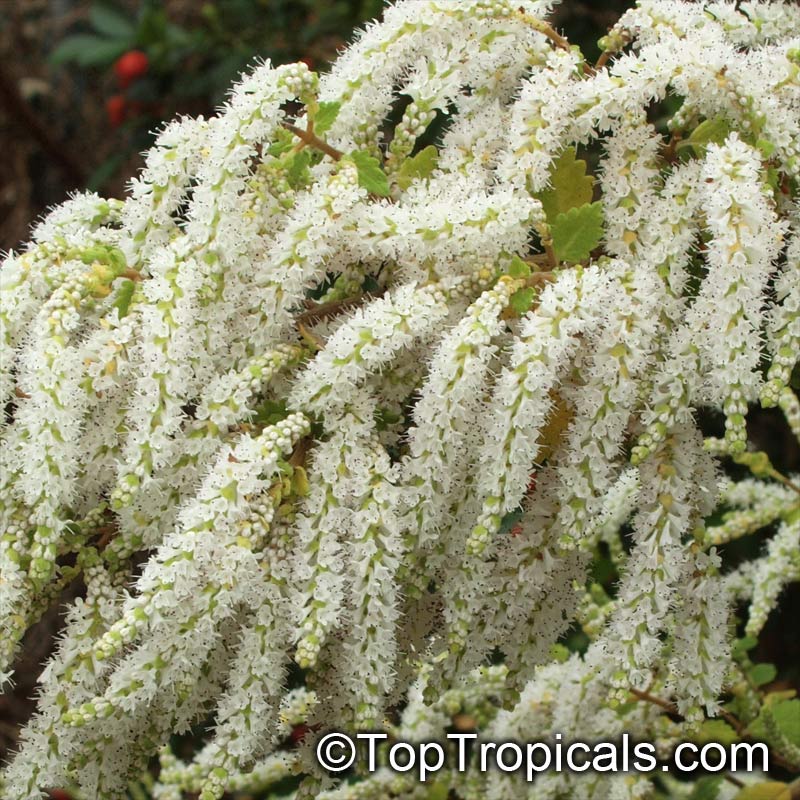
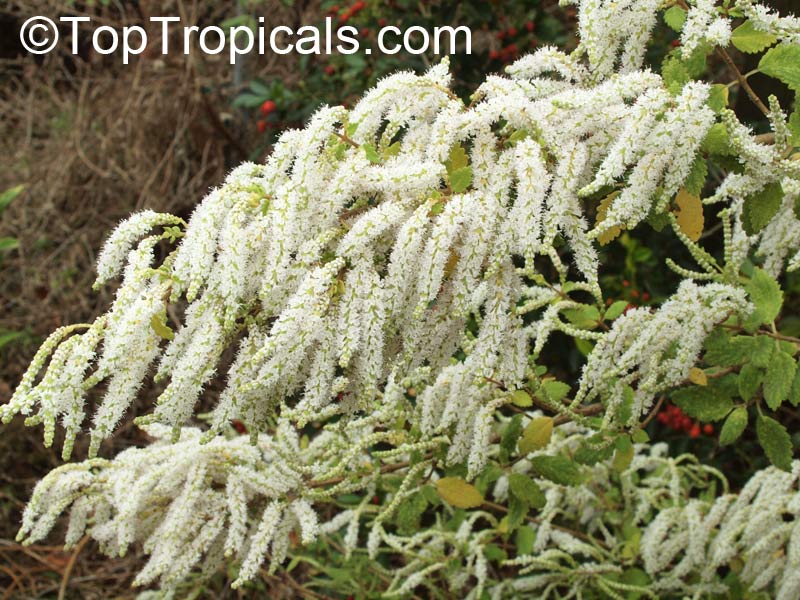
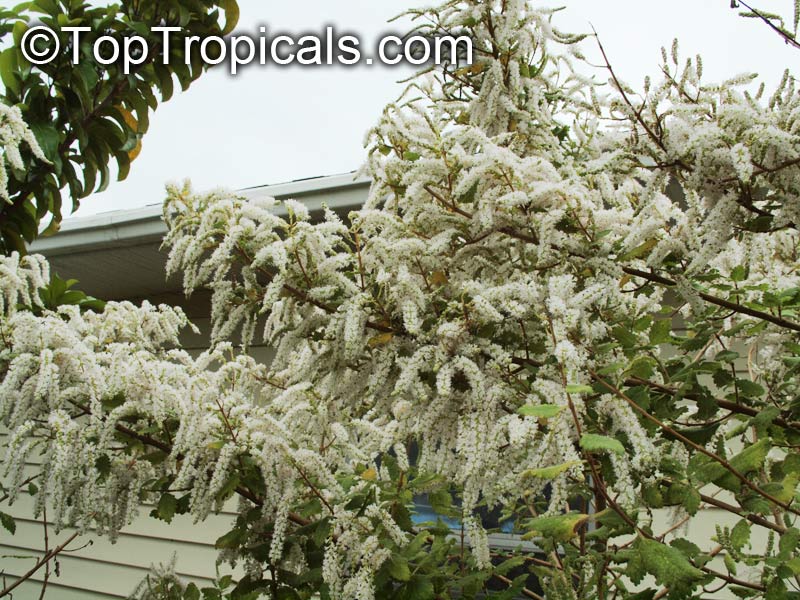
Fragrant Dombeya Tree

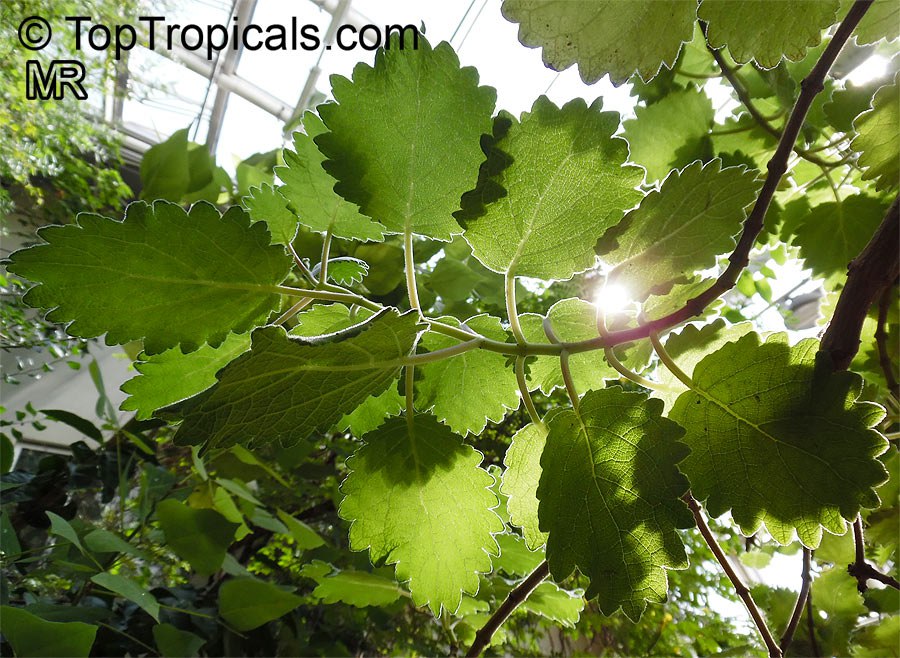
Every tropical gardener wants to have a Dombeya (a.k.a. Tropical Hydrangea) in their collection - an easy to grow, fast growing winter bloomer. These plants don't require any special care, thrive in neglect in both sun or shade, and flower profusely during Fall-Winter months - what an awesome treat! Dombeyas are also wanted for their vigorous growth habit - they can cover unwanted view in no time, fill and empty corner in your yard, create a colorful tropical display, and attract lots of butterflies and bees. They are not afraid of water logging, in fact the more you water them, the faster they grow. The large tropical leaves are beautiful - soft, fuzzy, with shallow, maple-like lobes. This plant is tolerant to both light frost and periods of drought.
Most Dombeyas grow into round, dense bushes, but this one variety of is very special. Dombeya burgessiae from South Africa actually grows into a small (10-15 ft), pretty, upright tree that is covered with beautiful blossoms during winter. The flowers are creme color with raspberry centers, attracting lots of pollinators, and what is the most special - they are sweetly fragrant! What a beauty!

Surround yourself with aromatic cloud of Dombeya winter blooms!

Date: 12 Sep 2019

Shipping live plants

Q: I am a rare plant collector and very impressed with your plants selection that I can not find in our local nurseries in California. I have never ordered plants online before and wonder how they make it through the trip and do you suggest any special care to help plants with recovery?

A: Shipping live plant in a box for several days is definitely a challenge both for a plant and for a grower. After many years of experience packing/shipping plants we learned how to make that trip a success. Thanks to our special packing techniques, breaking during shipping happens very rarely. However, in order for the plant to recover well from normal shipping stress, some special attention required from a customer too. You will receive care instructions with your order. Make sure to follow them thoroughly, otherwise you may put your plants at risk. These are a few factors to consider that affect your plant during transit. They may cause the following symptoms of shipping stress:

1. Lack of light. Complete darkness in a box is opposite to a bright light that the plant was used to. After 2-3 days it may cause leaf drop. If this happens, make sure to reduce watering. Less leaves means less evaporation, and a plant can't use excessive water which may cause root rot.

2. Extreme temperature. Hot summer or cold winter temperatures may put a tender tropical plant into serious shock. Usually the only time when temperature may affect the package is when it is left outside on your doorstep. Watch out for delivery by tracking the package with a number we provide in shipping confirmation email.

3. Dry air and lack of water. When packing plants, we saturate root ball and then wrap it tightly in plastic so normally your plant will have enough water supply for a 3-4 day trip unless there are unexpected delays. In a special package, the plant usually has enough of humid environment around the leaves, especially if there are several plants together. However if the box was exposed to heat it may dry out, and this will cause yellowing and/or drying leaves. In most cases this is not critical; cut damaged leaves and new growth will appear soon.

The shipping stress symptoms are normal and once you apply some extra attention and love, your plants will recover sooner than you think. Be patient, don't push with too much water or light, keep warm, in bright shade, and do not fertilize until the plant shows new growth.

Remember to always use SUNSHINE Epi - a natural bio-stimulant that helps stressed plants to recover quickly!

Date: 18 Mar 2019

Cocoa plant after winter

TopTropicals.com

Q: I purchased the Theobroma cacao two months ago. The leaves are wilting from the edges. Do you think this from not enough water, too much water or not enough sunlight? I am keeping the plant indoors.

A: During winter time, Cocoa plants even inside our greenhouse look the same. Dry tips of the leaves are normal for this time of the year. It is a combination of lower temperatures and low humidity that causes it. Indoors air humidity is especially low. Weather permitting, bring plant outside in the bright shade, when temperatures are above 65F. Humidifier and water-spraying will help too. You may put the plant on top of a tray with pebbles/water. Do not overwater - extra watering is not a substitute for high humidity. As spring comes, Cocoa plants start looking greener and grow new healthy leaves.

Date: 24 Jun 2025

🍒 New video: Grumichama

The sweetest tropical cherry for your yard

If you're looking for a fruit tree that does it all - gorgeous looks, amazing flavor, and nonstop production - meet Grumichama - Eugenia brasiliensis, the tropical cherry you'll fall in love with! The cherries are glossy, deep purple-black, and unbelievably juicy. One bite and you're hooked - sweet, smooth, with hints of cherry, grape, and plum.

Grumichama is our favorite tropical cherry at Top Tropicals. So good, you'll eat one… then a handful… then half the tree! Grumichama is perfect for beginners - tough, forgiving, and super productive. Cold hardy to the upper 20s. It takes heat, partial shade, even salt spray. It thrives in a pot or in the ground and can produce up to 500 fruits per tree!

Start your food forest with Grumichama. It's easy. It's beautiful. The most addictive fruit!

Grumichama  -  Eugenia  brasiliensis

Subscribe to our Channel:

Stay updated with TopTropicals Videos by subscribing to our channel at YouTube.com/TopTropicals and get our latest video news of what is fruiting and blooming!

Date: 14 Nov 2018

Recovering Soursop after shipping and cold

TopTropicals.com

From Irene & Marjorie, PA: We wanted to share our pics with you (after Summer). I attached also the photo of the way the tree looked before your advice (back in April). The big is the one we almost lost and you gave us these instructions and it came back. These were your instructions:
"The soursop is one of my favorite fruits and I was so sad to hear yours may be dead. Good news - the tree looks great! Yes, it does have some cold damage but I'm surprised it still has leaves on it at all! In cooler weather, they typically drop all of their leaves and stay that way until spring. You can remove the damaged leaves and it will resprout new growth with the warmer temperatures."

Taking care of Soursop after shipping
Soursop - Annona muricata trees are very sensitive to temperature drops. This always causes leaf loss. After shipping, do not water until the soil gets slightly dry; keep it in bright shade. No fertilizer until the plant shows active new growth. Be patient with your plant, and it should recover soon.
Soursop is an ultra-tropical tree and doesn't take any freeze. If you live in a cooler climate, keep the plant in a pot (the good news is, Annonas, in general, have a compact nature and are perfect for container culture). Bring the tree indoors during the cold period, providing bright light.
We have a very interesting article about growing and fruiting Soursop in an apartment. Check out 4534 Tropical Treasures Magazine # 7.