Garden Blog - Top Tropicals

Date: 28 Oct 2024

A treat for Avocado lovers

🐶 A treat for Avocado lovers 🐶


"Eat breakfast like a king, lunch like a prince, and dinner like a pauper." - Adelle Davis

🐾 More #PeopleCats in our Garden:
PeopleCats.Garden 

#Quotes

🔴 Join 👉 TopTropicals

Date: 5 Nov 2024

How much water is too much?

Cat  in  the  pool  with  umbrella

"Always over-water your plants: just improve their soil drainage!" - Murray Corman, horticulturist, rare tropical fruit tree expert.

Q: I always tend to overwater my plants. How often should I water container plants and how to determine if it's too much water?

A: One of the most common challenges in tropical plant care, including houseplants, is overwatering, particularly in container gardening. So, how much water is too much?

The rule of thumb: let the soil dry out a bit before watering again, and never water if the soil feels wet to the touch. For indoor plants with saucers underneath, ensure they don't sit in standing water by removing any excess from the saucer after watering. However, remember that the watering schedule alone isn't the only key to success!

Improve drainage. Surprisingly, water itself isn't harmful to plants, no matter how generous your watering is. The real issue is poor drainage, which leads to stagnation and bacterial buildup, ultimately causing root rot.

In the nature. If you've traveled to places like Hawaii or explored tropical jungles, you might have noticed plants thriving between rocks with minimal soil, receiving a near-constant fine mist of rain. Conversely, swamps support very few trees - only bog or water plants adapted to wet conditions can survive there. The lesson? It's not the water, it's the growing medium!

The Soil Solution: for potted plants, always use a high-quality potting mix with excellent drainage properties. This should include ample "soil conditioners" such as perlite, vermiculite, and pine bark. At our nursery, we use a professional soil mix called Abundance. Learn more about potting soil.

Pot size matters. And the last but not least: if you tend to overwater your potted plants, consider using the smallest container size that comfortably fits the root system. A pot that's too large can mean excess wet soil, increasing the risk of root rot. With proper fertilizer program, container plants don't need to much soil to thrive.
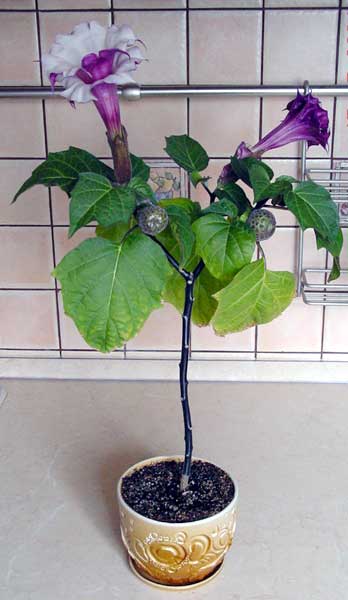
Datura  Metel  -  Horn-of-Plenty

Photo above: Datura Metel - Horn-of-Plenty - doesn't need a large container for happy blooming indoors!

Date: 1 Dec 2024

What is Pepper Made From? Black, white, green, and red

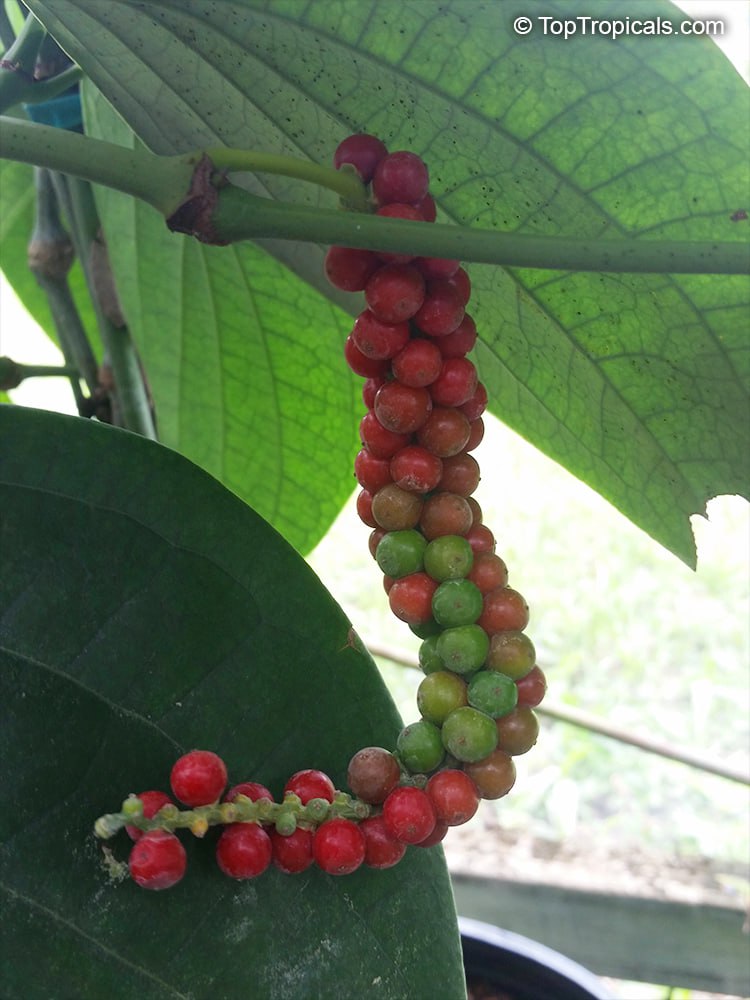
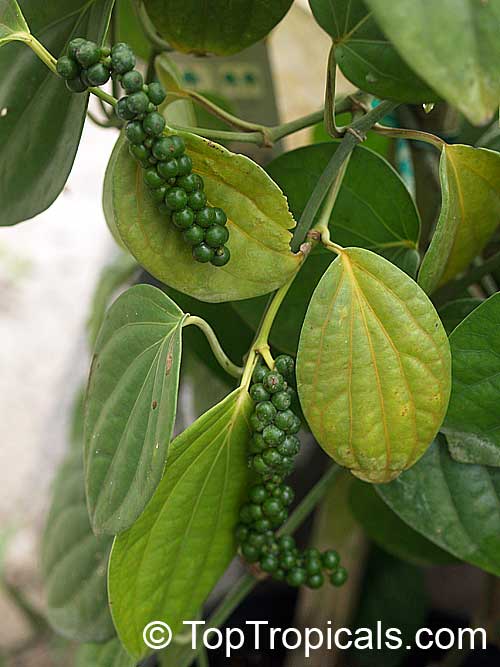
Black Pepper - Piper nigrum

Black Pepper - Piper nigrum

Black Pepper - Piper nigrum

Black Pepper - Piper nigrum

🔥 What is Pepper Made From? Black, white, green, and red...
  • ♨️ Pepper comes from the dried berries (peppercorns) of the vine Piper nigrum, a plant native to South India and now widely cultivated in tropical regions.
  • ♨️ Pepper has been a prized spice for millennia, with black and white varieties known in ancient times. The modern discovery of green and red pepper has only added to the allure of this versatile spice!
  • ♨️ The different types of pepper - black, white, green, and red - are all derived from the same plant! Their distinct flavors and colors result from variations in harvest timing and processing methods.
  • ♨️ Secrets of the Pepper Colors:


⚫️ Black Pepper: The most common variety, black pepper is made from unripe, green berries that are cooked briefly and then dried. The drying process darkens the skin, giving it a bold flavor with both pungency and aroma.
🔘 White Pepper: Created by removing the outer skin of fully ripe berries, leaving just the seed inside. White pepper has a stronger heat and less aroma, making it ideal for dishes needing subtle flavor.
🟢 Green Pepper: These are unripe berries that are either dried or pickled to preserve their fresh, herbal flavor. Green pepper is milder and more aromatic.
  • 🔴 Red Pepper: A rare variety, red peppercorns come from fully ripened berries, often dried or brined. They have a unique, fruity sweetness balanced with pungency.


♨️ Growing Pepper Plant:

  • · Piper nigrum is a moderate-growing vine that thrives on a trellis and can even grow in containers.
  • · Care: Prefers partial shade and moderate watering, making it suitable for indoor cultivation.
  • · Fertilize with Sunhine Boosters on regular basis. Miscrolement supplement (Sunshine SuperFood) is essential as Black pepper may be susceptible to leaf chlorosis (iron deficiency).


📚 Learn more from previous post:


How to grow your own Pepper plants. Five most valuable 'Pipers'

🛒 Grow your own Pepper

#Food_Forest

🔴 Join 👉 TopTropicals

Date: 15 Dec 2024

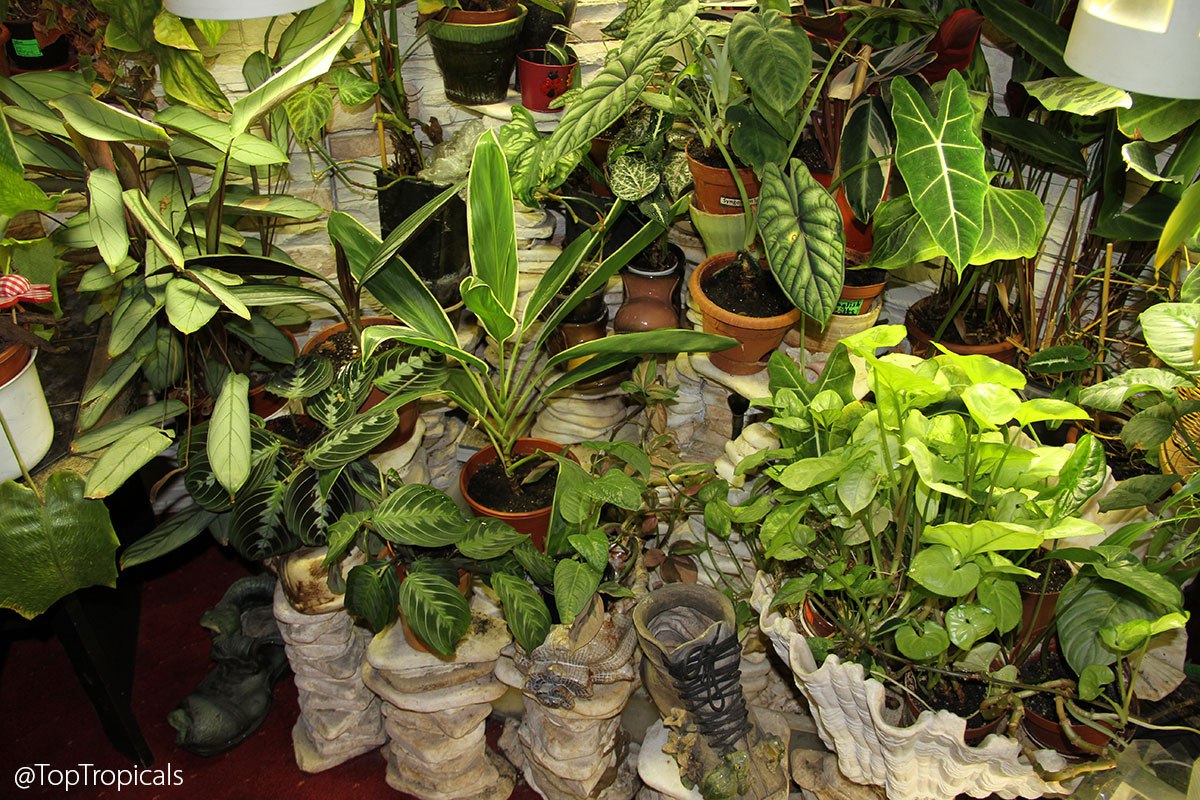
How to take care of house plants in Winter

Indoor House plants

Indoor House plants

🎩 How to take care of house plants in Winter


💡 Let There Be (Enough) Light!


Shorter days mean less light. Move plants closer to windows but avoid freezing drafts.

🚽 Water, but Sparingly


Overwatering is a winter no-no. Check soil dryness before watering—your plants won’t mind a little thirst.

🌈 Humidity is Happiness


Dry air isn't their friend. Use a humidifier or group plants together for a moisture boost.

👀 Wise Snacks


Use only amindo-acid based liquid Fertilizer in winter, like Sunshine Boosters. Let plants take their seasonal nap from dry plant food.

Keep It Cozy


Protect plants from cold windows and heat vents - consistent warmth is key.

🍀 Dust Those Leaves


Clean leaves help plants soak in the limited light. They'll thank you with a brighter look!

🌱 Your plants may slow down for winter, but with a little care, they’ll thrive until spring!

🛒 Shop Indoor Garden

#Shade_Garden #How_to #Container_Garden

🔴 Join 👉 TopTropicals

Date: 18 Dec 2024

How to care for your mango tree in winter

❓ How to care for your mango tree in winter


  • 🥭 If you want to enjoy mangoes like ours (in the video) next summer, protecting your tree in winter is a must! Give it the care it needs now, and you'll reap sweet rewards when the warm weather returns.

  • 🥭 Keep it cozy and protected: Mango trees love warmth, so when winter comes, they need extra care to stay happy.

  • 🥭 Temperature: Mango trees are sensitive to cold. If temperatures drop below 35F, cover the tree with frost cloth or burlap to protect it. For potted mango trees, move them indoors or to a greenhouse.

  • 🥭 Watering: Reduce watering during winter. Mango trees don’t like soggy roots in cold weather. Let the soil dry slightly between waterings.

  • 🥭 Mulching: Add a thick layer of mulch around the base of the tree to insulate the roots and retain warmth. Keep the mulch a few inches away from the trunk.

  • 🥭 No pruning: Avoid heavy pruning in winter, as it can stress the tree. Besides, pruning promotes young tender growth that may get cold damaged. Save major trimming for spring.

  • 🥭 Feeding: Stop dry fertilizer in winter. The tree slows its growth, so too much dry fertilizer can do more harm than good. You can continue using Sunshine Boosters Mango Tango year-round because it is water-soluble and natural, and the amount of food needed will adjust with reduced watering.


🛒 Shop Mango Trees

#Food_Forest #How_to #Mango

🔴 Join 👉 TopTropicals