Garden Blog - Top Tropicals

Date: 6 Dec 2025

🌿 Bring the Jungle Inside: Winter Survival Guide Part 1: Lighting ❄️

Smokey  the  taxedo  cat  adjusts  an  indoor  grow  light  while  Sunshine  the 
 

ginger  tabby  sits  holding  a  hygrometer  he  does  not 
 

understand.

Smokey: "Winter lighting must be precise. I need this light exactly at 14 inches."
Sunshine: "Sure. I am holding this… little number thing."
Smokey: "It reads humidity. Your main job is to look cute."

🌞 LIGHT, TEMPERATURE, PLACEMENT

Winter indoors is a different kind of battlefield. Dark rooms. Dry air. Cold windows. Random drafts. Weak light. Sad plants. We've been talking about keeping your tropicals alive outdoors previously. But some of you have no choice this time of year. You have to bring the jungle inside.

If that is you, then this is your plant survival guide.
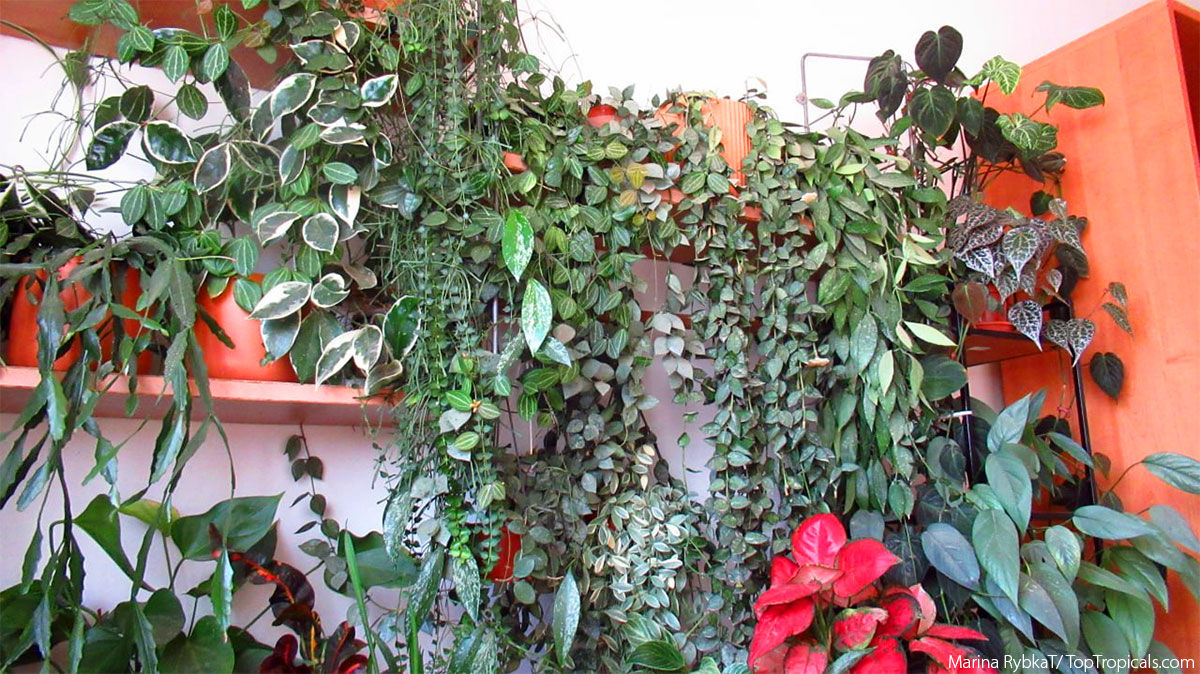
Indoor  wall  of  tropical  houseplants,  including  cascading  vines,  variegated  foliage,  and  mixed  aroids  arranged  on  shelves.

☀️ LIGHT: THE WINTER LIFELINE

Light advice here comes straight from our in-house expert, Michael Dubinovsky, a high-tech lighting engineer with over 30 years of hands-on experience. If he says brightness beats hours, trust him.

Here is the truth: Indoor light in winter is 10 to 50 times weaker than outdoors. Short days. Low-angle sun. Windows filtering half the useful light. It all adds up.

Tropicals need 10 to 12 hours of real brightness. Winter sun cannot do that on its own. Not even in a big window. So we help them.

Use bright LED shop lights or utility lights. 5000K to 6500K CCT. High lumen output. Skip decorative bulbs. Skip purple grow fancy toy lights. If you want a single plant light, even a clamp lamp is fine if you screw in a bright daylight LED bulb.

Panels work best for plant clusters. Bars for shelves. Bulbs for single plants. And grouping plants under one bright panel always beats spreading them out.

Distance matters: keep LEDs about 12 to 18 inches above the leaves. Too close: leaf burn. Too far: stretching, weak stems.

Leaves reaching up? Light is too high or too weak. Leaves curling down? Light is too close.

If you want a reality check, download any smartphone lux meter app. Most indoor corners are 50 to 200 lux without supplemental light. Tropicals want much more

And a quick tip about windows: winter sun comes in sideways. A spot that looks bright at noon can go dull by 2 PM. Don't count of window light
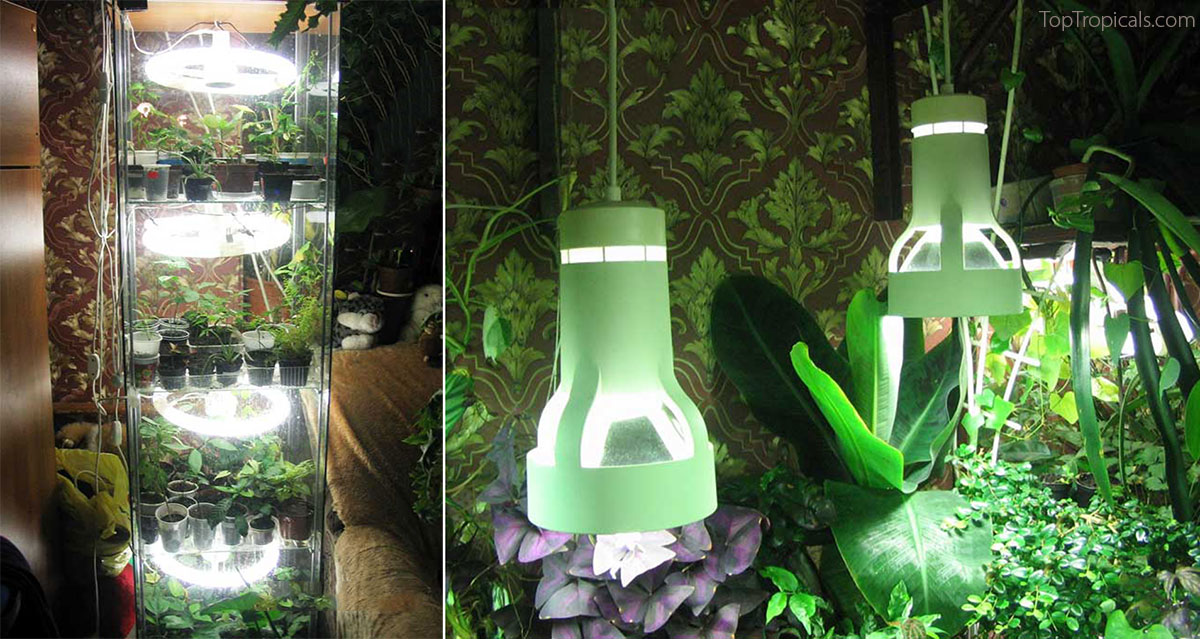
Indoor  grow  setup  with  bright  LED  lights  illuminating  shelves  of  tropical  plants.

Bright light or long hours

People try to fix weak light by running it for 16 or 18 hours. That does not work. Plants care more about light intensity. A few hours of strong light beats all-day dim light. If the light is weak, adding more hours will not change anything except your electric bill.

Simple rule: Short duration but bright is always better than long duration but weak. - by Michael, Top Tropicals lighting expert

No need for fancy horticultural panels

You do not need purple grow lights. You do not need special horticultural fixtures. You do not need expensive panels unless you want real winter growth.

For winter plant holding till spring, the inexpensive solution works great:

  • Bright LED daylight bulbs (5000K to 6500K) from hardware store
  • High lumen output
  • Inexpensive clamp lamps
  • Aim directly at the plant from 12 to 18 inches

This setup keeps tropicals happy until spring without buying anything fancy. Save the money for soil, pots, or your next plant.

Indoor plant lighting safety note:

  • Use timers. Keep cords dry. Do not overload outlets.
  • Do not hang lights over humidifiers.
  • And do not put fixtures on piles of books to raise them. People do this.
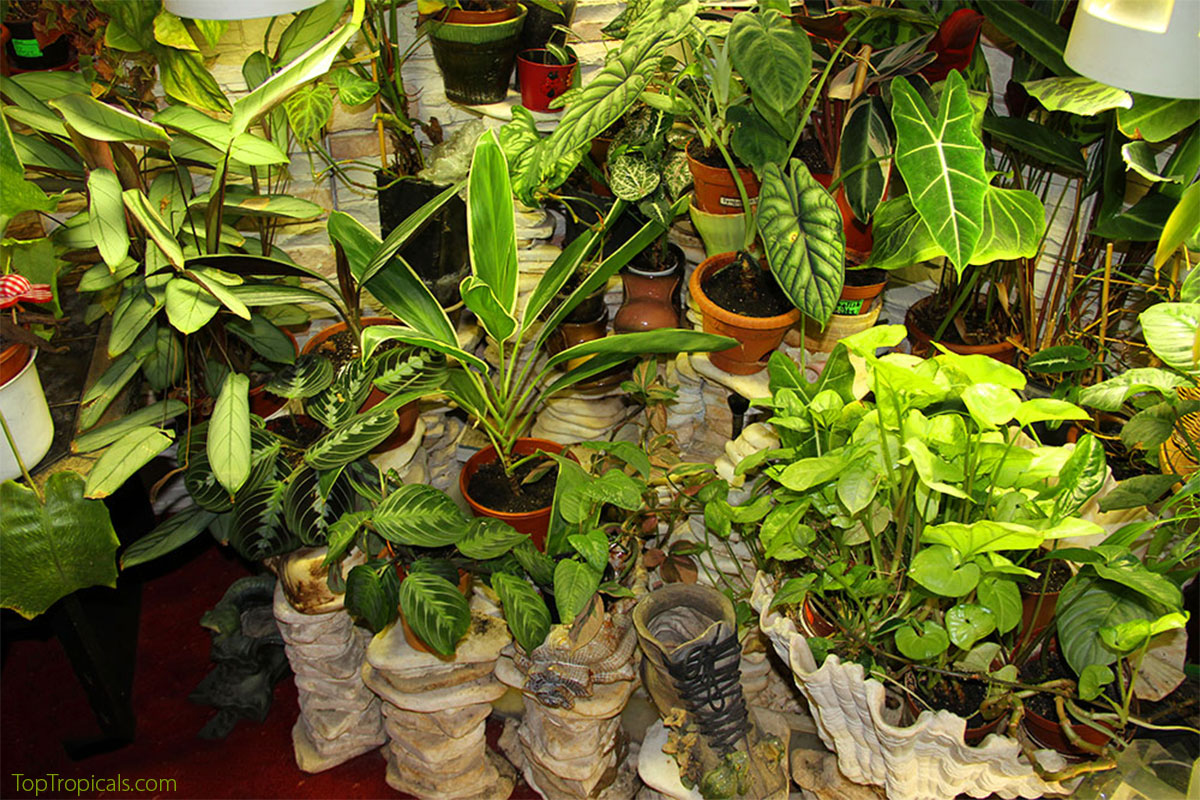
Indoor  plants


✔️ WINTER INDOOR FAQ: TEMPERATURE AND PLACEMENT

Q: I am in Home Depot. Which light do I buy?
A: LED shop light, daylight color (5000K to 6500K), high lumens. Skip fancy plant bulbs.

Q: Can I use clamp lamps or floor lamps for plants?
A: Yes. Clamp lamps with a bright daylight LED bulb work great for winter holding.

Q: Do I need special horticultural grow lights?
A: No. A bright LED daylight bulb works fine for winter. Save the fancy lights for real growth projects.

Q: How far should the light be from the plant?
A: About 12 to 18 inches above the leaves. Too close burns. Too far stretches.

Q: Can I run weak lights for 18 hours to compensate?
A: No. Weak light plus long hours still equals a weak plant. Brightness matters more than hours.

Q: How do I know if a spot is bright enough?
A: Use a free phone lux app. Most indoor corners are much too dim for tropicals.

Q: I have a huge window. Why do I still need LEDs?
A: Indoor winter light is weak, short, and filtered by glass. Plants want intensity, not just a big window.

Q: My window faces north. Now what?
A: North windows are decorative only. Use supplemental lighting or move the plant.
📚 Learn more:


Date: 4 Jun 2019

Plants for South Texas and other hot states

Q: Pretty much adore last newsletter. Haven't been buying because our weather here in deep south Texas is so bad it is stunting and killing even the Tamaulipan Scrub! Do you have a cure for that? :) I have every expectation the new grafted Plumeria I purchased from you last year will bloom soon. One of my favorite plants. Thanks again and keep up the good works.

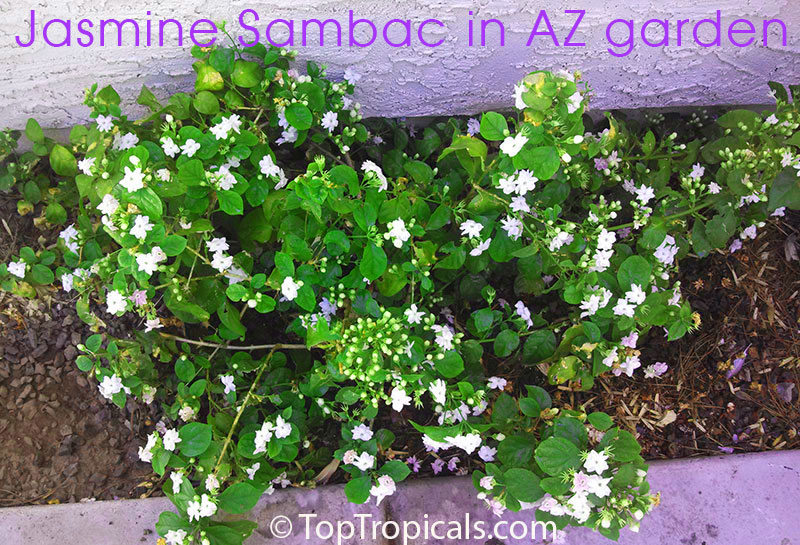
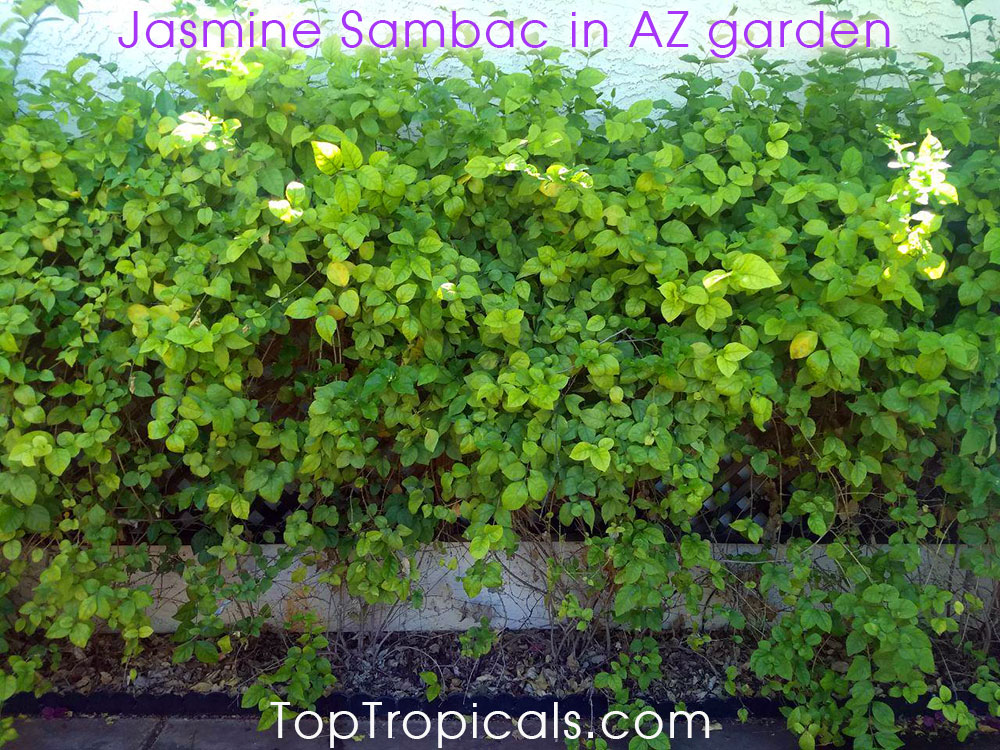
A: Yes, there is a "cure" - using biostimulants that improve drought- and heat- resistance (SUNSHINE boosters), plus the right plant selection. In fact, there is a large number of tropical rare plants that can be successfully grown in hot climates like yours. One of our partners lives in hot and dry Arizona area and has an amazing tropical garden that includes many fruit trees (Mango, Persimmons, Pomegranates, Loquats, etc). Here you can see a few pics from his garden.
Your choice is absolutely right about plumerias. Other easy plants would be Desert roses - Adeniums, and Fancy Euphorbia millii - all these come in so many varieties of colors and bloom throughout most of the year. Our special recommendations for you would be also:

Bougainvillea Dwarf Pixie
Jasmine sambac
Calliandra selloi Pink Lilian
Dracaena marginata Tricolor - Colorama, Money Tree
Hamelia patens Lime Sizzler - Variegated Fire Bush
Jatropha berlandieri - Buddah Belly
Pedilanthus tithymaloides - Devils Backbone
Trachelospermum asiaticum Mandaianum - Dwarf Confederate Jasmine

See full list of more plants that are suitable for hot and dry landscapes.

Apply fertilizers, miscroelements, and plant stimulants for improving heat tolerance

Date: 21 Feb 2020

When plants are ready for a meal?

Q: We have an early Spring here in Florida. All plants in my garden flushing out new leaves and buds opening. Can I start fertilizing? I have Mango, Avocado, Peach trees, many medicinal herbs and flowering shrubs: Angel trumpets, plumerias, bromeliads. I prefer mild organic fertilizers; can you suggest something that is safe for edibles and butterflies?

Q: As a rule of thumb, tropical gardeners start regular fertilizing when the minimum temperatures (at night) go above 65F. Keep in mind that Sunshine Boosters fertilizers can be applied year around because they have mild formulas and used with every watering; during cooler period, you water less frequently, so feeding is reduced accordingly. Another advantage of Sunshine Boosters - they are natural (derived from organic amino acids which is the basics of Life). They are safe for edibles as well as pollinating insects.

Here is the feeding plan for your plants:
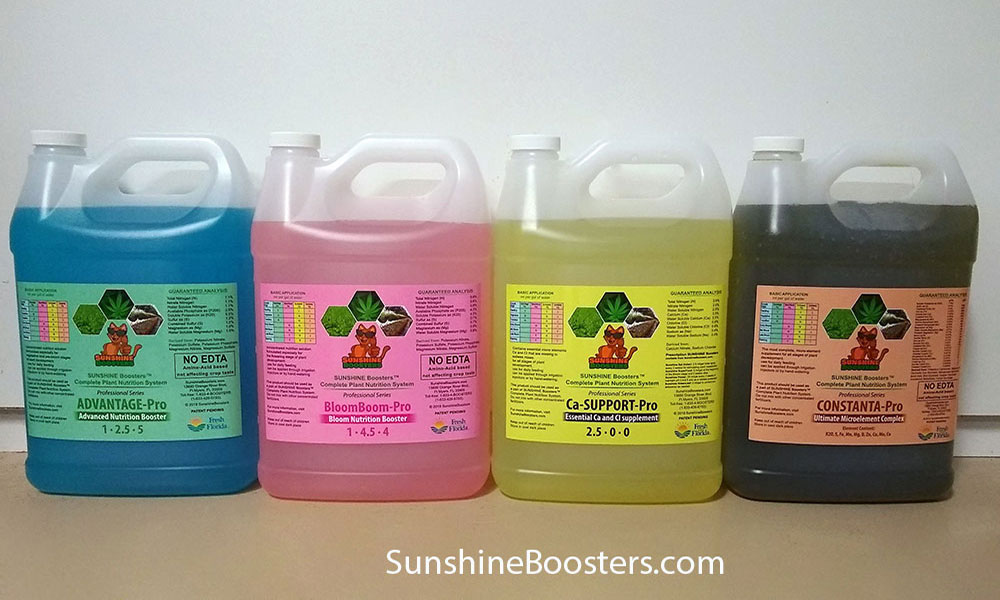
1. The most universal solution for all plants (both potted and in-ground): get a complete set of Sunshine Boosters Pro system: Advantage-Pro for vegetative growth, BloomBoom Pro for flowering stage, and Ca-Support-Pro + Constanta-Pro as necessary daily supplements. You will need all these 4 components for your garden.
2. Start adding these liquid boosters with every watering according to dozing directions and you will notice amazing growth boost within a week.
3. Apply Sunshine Epi plant hormone every 2 weeks as a foliar spray to boost immune system and metabolism of plants and protect them from diseases. Epi makes plants (especially young plants and those "waking up" from dormancy) grow twice faster! It also enhances effect of fertilizers by increasing plant metabolism.
4. After cool winter temperatures, some plants may develop element deficiencies like chlorosis (yellowing leaves). Additional microelement boost can be provided with Sunshine Greenleaf (iron supplement) and Sunshine Superfood (micro-elements).
5. For additional boosting of flowering and setting fruit, use the following individual boosters:
Sunshine Robusta - for foliage plants and when you need rapid vegetative growth
Sunshine TotalFeed - for Plumerias and other fragrant plants
Sunshine Megaflor - for Brugmansias and other flowering heavy feeders
Sunshine C-Cibus - for improving fruit production and quality
Sunshine Honey - for sweeter fruit (must be applied 4-5 times a year)
6. For young/small plants (seedlings, rooted cuttings) as well as tender tropicals like bromeliads, and orchids - Sunshine Bombino is a perfect choice due to its mild formula.
7. To save money, order complete sets rather than individual boosters; you will be able to safe up to 40%! Sunshine Complete Nutrition System Kits: Combo Kit, and Pro Kit.

If you are a fan of organic gardening, do not use dry fertilizers. While water-soluble and granulated (smart-realease) fertilizers are popular choice in plant nurseries due to their convenience, they are not as safe as liquid boosters because they create salt build-up in soil and have a high risk of overdosing/burning plant roots, especially potted plants, plants at breaking dormancy, at establishing, and at early stages of plant development. Besides, dry fertilizers may affect the taste of your fruit and herbs. See advantages of liquid boosters over dry fertilizers.

Learn more about Sunshine Nutrition System - a Natural solution for your garden.

Date: 15 Jan 2021

Healthy Plants: Q&A from Mr Booster

New Boosters for the New Year!
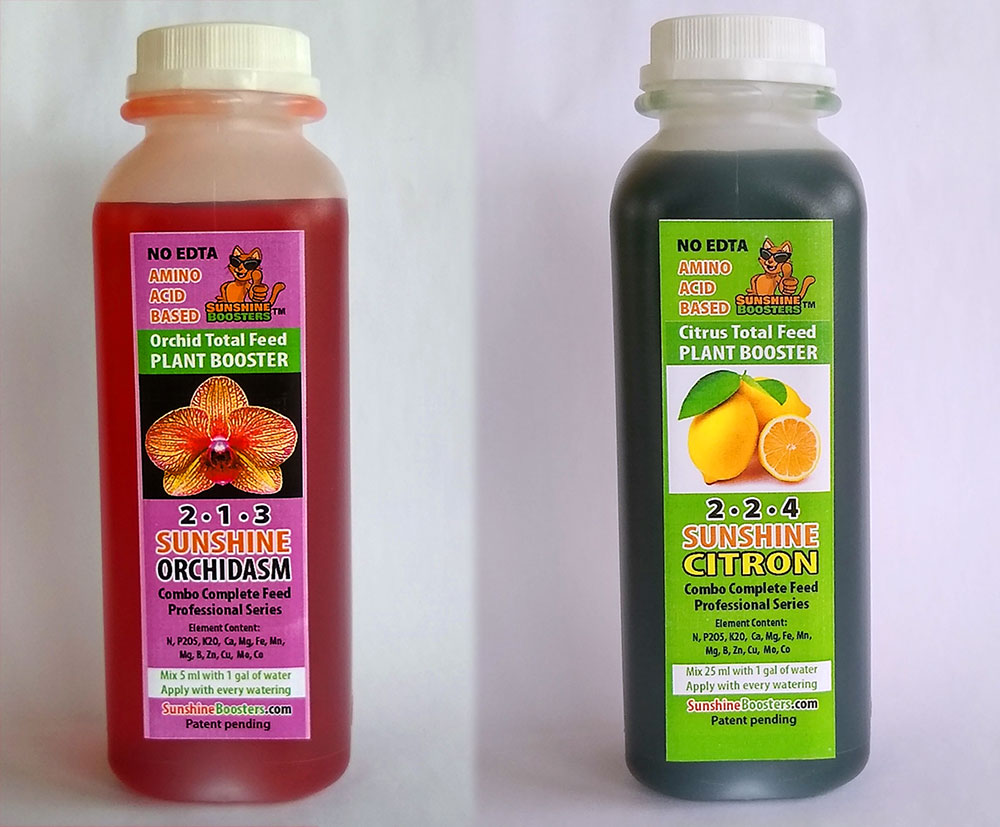
Sunshine Total Feed: Orchidasm and Citron

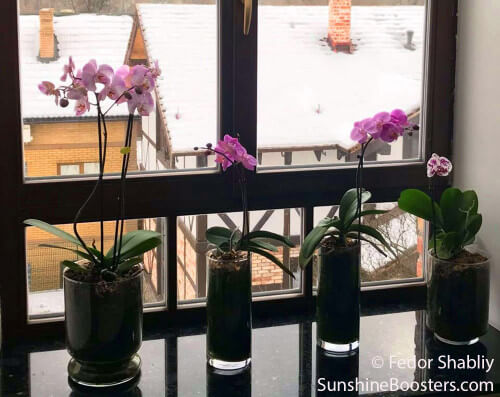
How to grow everblooming orchids?

Q: I ended up with a large collection of orchids that I was given as presents... They grow well but unfortunately after the showy blooms were gone, I don't see any more flowers, just green leaves. What do I need to do to make them bloom again? Should I fertilize them with Azalea bloom booster?

A: Orchids culture is different from garden ornamental plants. First big difference, they are epiphytes, growing in a loose bark medium rather than soil, and benefit from daily mist. Second difference is a type of fertilizer. You can not use a regular garden fertilizer on orchids, because they are very sensitive to salts. Orchids need special, acidic type of fertilizer, very mild in action.
Luckily, Sunshine Boosters formulas are exactly what orchids need! They are amino-acid based, have very mild formulas, and do not create nutrient lock up (building up salts is one of the biggest enemies of tender orchids).
A new Sunshine Boosters Orchidasm TotalFeed is scientifically balanced orchid food that contains all necessary nutrients, including micro-elements, for healthy, happy, vigorous orchids. It can be used as often as daily with every foliage spray. From our testing experience, after using Orchidasm Booster, orchids not only got happy and thriving - they also bloom more often - up to several times a year, shooting new flower spikes one after another! (while normal blooming cycle for most orchids is once a year). It gets even better - the flower display lasts twice longer!
To enjoy these beautiful flowers year around - treat them with Love, give them some Orchidasm!

See more information with pictures in Sunshine Boosters Orchid Blog

Secrets of a healthy Citrus tree

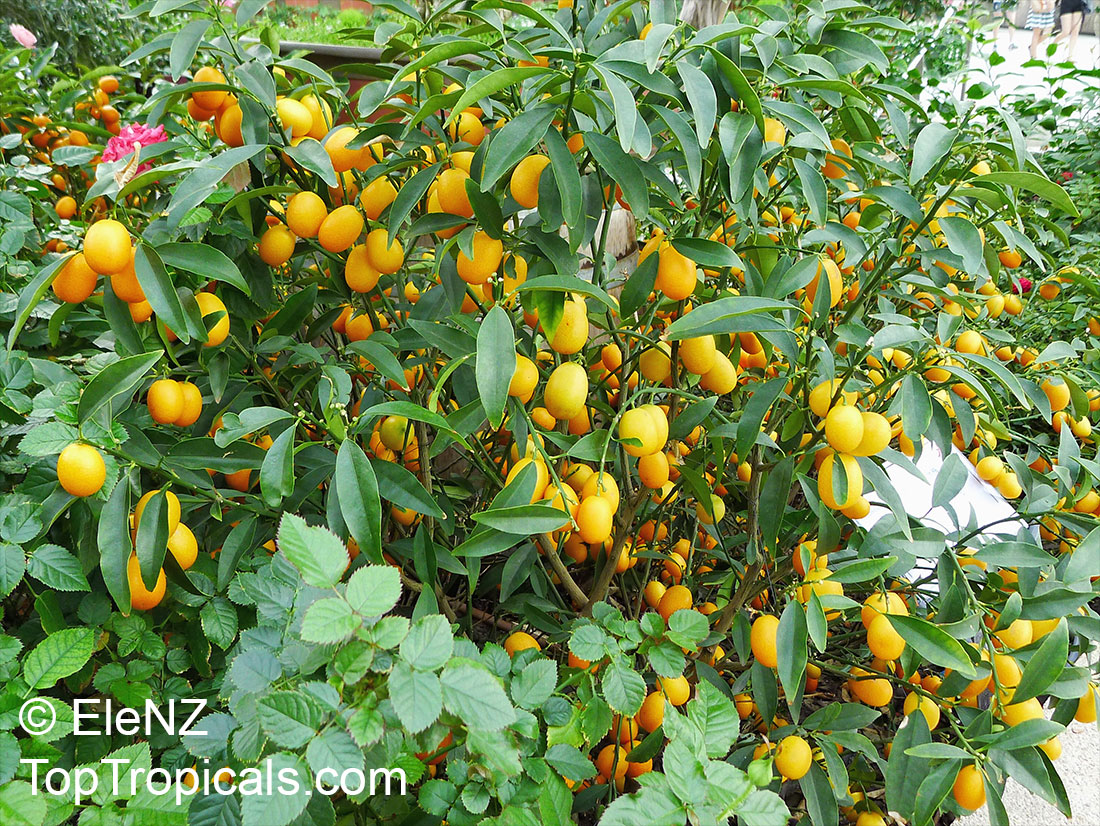
Q: We planted several citrus trees in our yard - Meyer Lemon, Grapefruit and Blood Orange. The trees came from the store full of flowers and even had a few fruit, but a year after planting - no more flowers! The old leaves are green, but new growth doesn't look healthy, leaves are yellowish and have spots, maybe eaten by bugs (?), and how do we get them to fruit?

A: Citrus plants are not the easiest trees to grow; they are susceptible to various diseases, pests, and deficiencies, especially in areas with high humidity/rainfall like Florida. Fungi, viruses, leaf minors, chlorosis - this is not a complete list of citrus common problems. In commercial groves, these conditions are kept under control by using harsh chemicals on solid schedule.
For home gardeners, growing citrus trees may become a challenge. Many people don't want to use harsh chemicals on their edibles; and those who do, may not always have time to apply treatments on a professional schedule. So as much as we all love a fresh juicy orange, growing your own may become quite a pain!
Sunshine Citron TotalFeed is your simple, eco-safe solution to a healthy looking, productive citrus tree with organic fruit! Amino-acid based formula provides all necessary elements to strengthen the tree and make it resistant to possible problems.
Did you know that treatment of leaf chlorosis (yellow leaves with dark green veins), commonly treated with iron supplements, in fact requires a complex combination of nutrients - both balanced NPK and micro-elements?
Use Sunshine Citron in combination with Sunshine GreenLeaf and Sunshine SuperFood and never see yellow chlorotic leaves again!
Apply Sunshine Epi on regular basis (every 2 weeks) and help your tree boost its immune system and stay virus-free.
Add Sunshine Honey, and you will have large, juicy fruit that are much sweeter and more flavorful than those from the store! All these boosters are compatible with each other, and perfectly natural. Eat your fruit safely and enjoy...

Read more about treating citrus tree defficiencies in Sunshine Boosters Citrus Blog.

Date: 20 Feb 2017

Flowering plant for a front yard

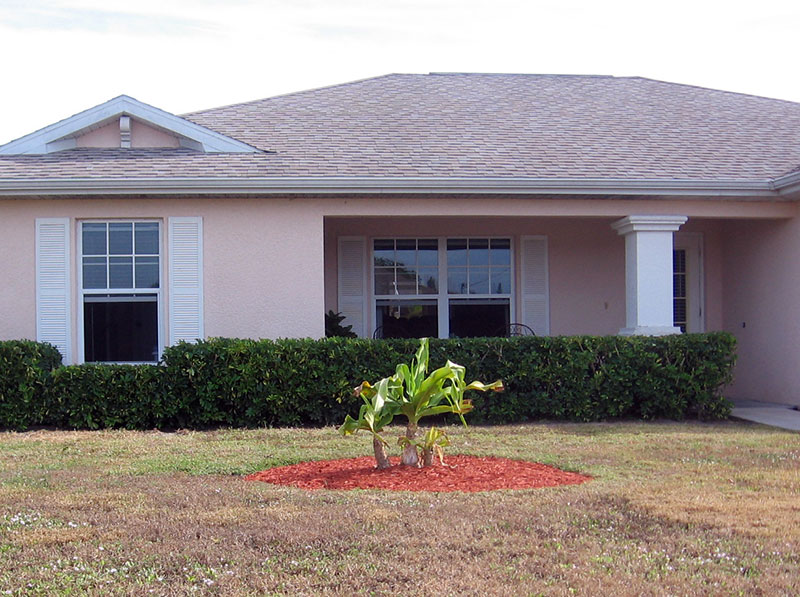
Q: I need your expertise. I had a plant in the front of my house that when I moved in (two years ago) wasn't doing well. It was infested with grasshoppers and snails. I treated it with a pesticide and fertilizer and it flourished. Had beautiful flowerings and was almost the size of the mulch area. Then the property management company hired some terrible grass cutters that I believed destroyed it. I would come home and find the red mulch and leaves from the plant all over the front lawn. And since then it has gone down hill. I am attaching a picture. As of now the larger of the remaining two trunks (out of six that were there) is falling over and it doesn't seem to be doing well. So I was wondering if you can recommend a nice plant that I can replace this one with. Nothing extravagant but nice enough to fill in that area. Also since I only lease here don't want to get to pricey either. Thanks for any advice and plants you have.

A: The plant you have is called Spider Lily. It is one of the easiest landscape plants that doesn't require much care and is great for low maintenance yards. In your case, besides possible damage from the grass cutter, looks like the plant is very old judging by the thick woody stem. It is not a bad idea to replace it with something more pretty rather than trying to baby it. Other suggestions for this location would be something easy and low maintenance, especially if you don't have reliable sprinkler system in that area of your yard and don't want to spend time hand-watering with a house:
Sweet mimosa - grows into very large bush, Pony tail, Dwarf poinciana, Powderpuff, Clusia, Devils backbone (smaller bush 3 ft tall), Cordyline, Ti leaf - these are very colorful.
There are more low maintenance plants you can chose from.
And always remember that traditional "landscapers" that only mow grass, may not be experts on plants. You may always call TopTropicals Garden Doctor and get professional help with keeping your plants healthy. We are always here to help your garden!