Date: 24 Jun 2018

URBAN TROPICAL GARDENING:
10 secrets of successful Container Mango growing on a
balcony.
Q: I live in Miami in apartment on a second floor, and I have a balcony with SE exposure. I wonder if I can grow a mango tree in a pot? Will it fruit for me? I recently moved to South Florida and I don't know much about tropical plants; but I tasted real fiberless mangos from someone's garden - it was so delicious and different from those in the grocery store. I wonder if I can have a fruiting tree on my balcony? And if yes, how do I plant and take care of it?
A:
Yes, you can! Here is what you need to do:
1) Temperature. You are lucky to live in Tropics,
keep it on a balcony year round.
2) Light. Position the pot in a spot with the most
sun exposure. Mango trees can take filtered light too, but
the less sun, the less fruit you will get.
3) Soil and Container. Use only
well drained potting mix. Step up the purchased
plant into next size container (3 gal into 7 gal, 7 gal
into 15 gal). When transplanting, make sure to keep growth
point (where roots meet the trunk) just at the top of the
soil. Covering base of the trunk with soil may kill the
plant.
4) Water. Water daily during hot season, but only
if top of soil gets dry. If it still moist, skip that day.
Mangoes (unlike
Avocados!) prefer to stay on a dry side.
5) Fertilizer. Use
balanced fertilizer once a month, 1 tsp per 1 gal of
soil. Do not fertilize during fruiting - this may cause
fruit cracks.
6) Microelements. Apply
SUNSHINE-Superfood once a month. This will help your
mango healthy, vigorous, and resistant to diseases. Use SUNSHINE-Honey to make your
fruit sweeter.
7) Insect control. Watch for scales and mealybugs,
clean with solution of soapy water + vegetable oil (may
need to repeat 2-3 times with 10 days interval), or with
systemic insecticide like imidacloprid only as needed (if
non-harsh treatment didn't help). Most Flea shampoo for
dogs contain that chemical, you may try that shampoo
solution.
8) Trimming. Once potted, do not remove leaves
that are discolored or have spots until new growth
appears. Dark dots on mango leaves, especially in humid
climate like Florida, may be signs of fungus. Treat with
fungicide according to label, and remove only badly
damaged leaves. Trim crown as needed after flowering and
fruiting (by Fall). Train into a small tree, and you may
remove some lower branches eventually.
9) Flower and fruit. Mangoes are winter bloomers
with bunches of tiny flowers coming in thousands. Many of
them set fruit (if pollinating insects present). Keep in
mind that young trees can only bare a few fruit. Normally
a tree will drop excessive fruit and keep only a few that
it can manage. To save the young tree some energy, remove
fruit if too many and leave only 2-3 for the first year.
It will pay you next year with more abundant crop.
10) Variety. Last but not least: Choose the right
variety for container culture! Pick from "condo" dwarf
varieties such as Icecream, Nam Doc Mai, Carrie, Cogshall, Julie, Fairchild, Pickering, Graham, Mallika, and a few others -
check out Mango Chart pdf
and full list of our Mango varieties
Date: 14 Jun 2024
Top 5 recommended vigorous Mango tree varieties, reliable producers
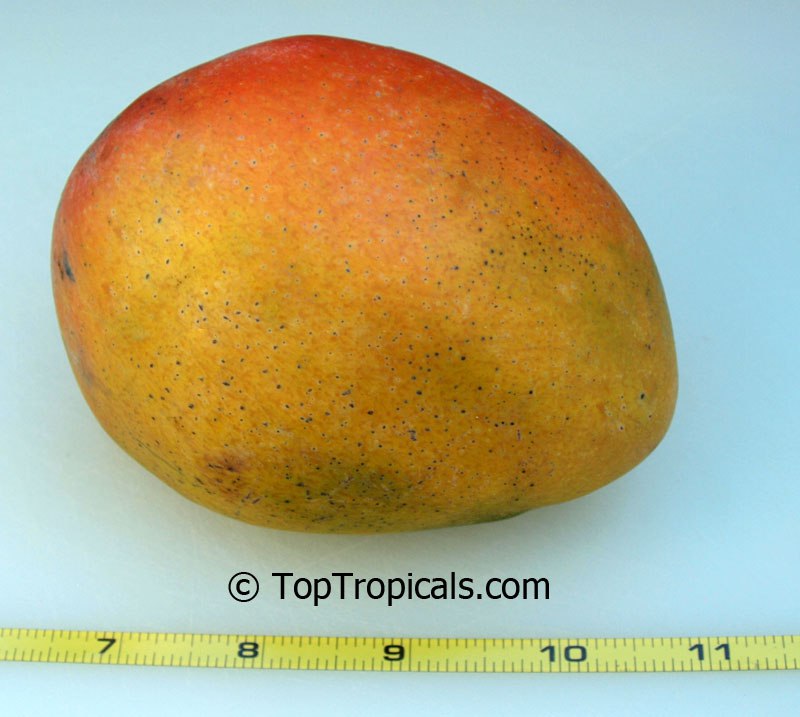
Mango Glenn
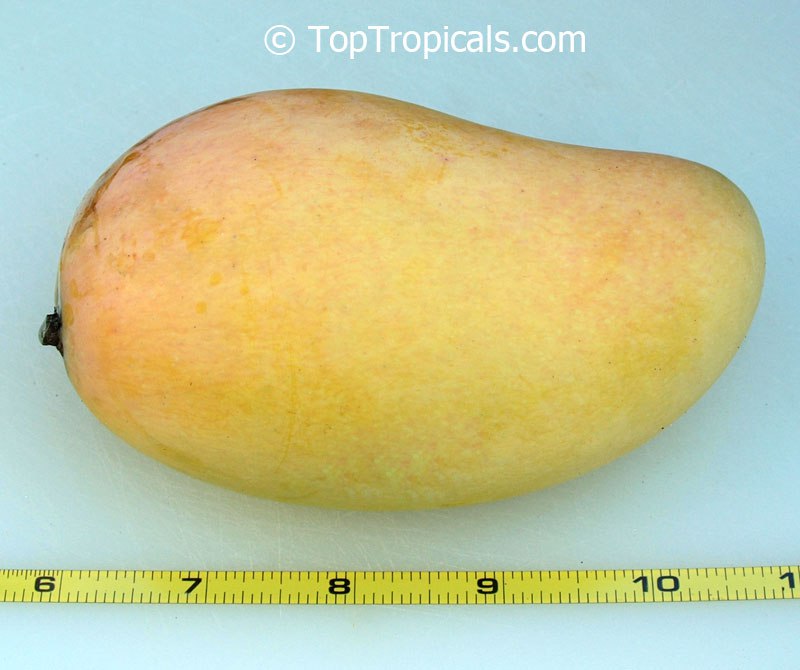
Mango Pim Seng Mun
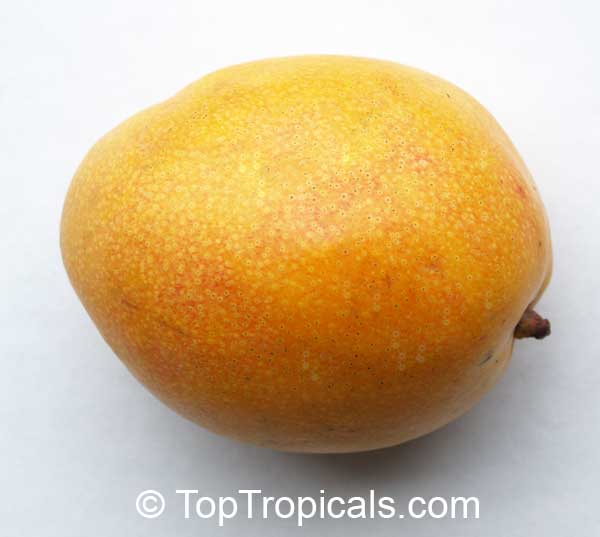
Mango Sweet Tart
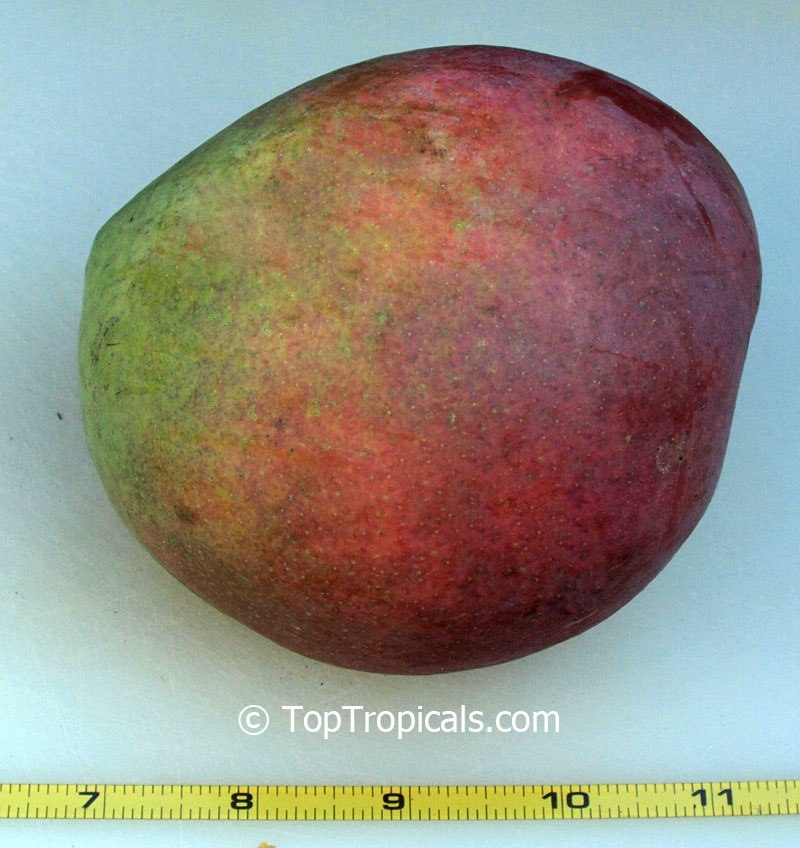
Mango Fruit Punch
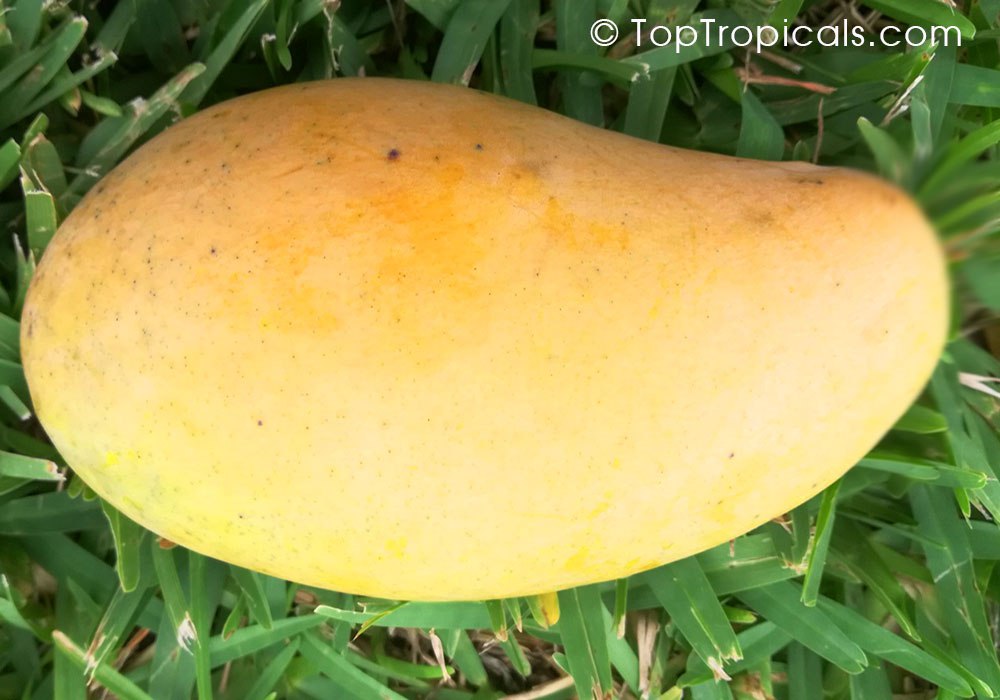
Mango Orange Sherbet
🥭 Top 5 recommended vigorous Mango tree varieties, reliable producers.
- 🟠 1. Glenn - Excellent eating quality, consistent production, and effortless to grow.
- 🟠 2. Pim Seng Mun - extremely productive mango.
- 🟠 3. Sweet Tart - New patented variety - exclusive offer.
- 🟠 4. Fruit Punch - Multi fruit flavor, delicious!
- 🟠 5. Orange Sherbet - One of the best new varieties for backyard growing. Flavor is sweet citrus-orange and less lemony than Lemon Meringue mango. The tree is moderately vigorous.
❓What is your favorite Mango variety? Share in comments 👇
📝 See also earlier posts:
5 most Favorite Mango Varieties
Top 10 Dwarf "Condo" Mango
🛒 Shop Mango Trees
#Food_Forest
🏵 TopTropicals
Date: 2 Jul 2016
Cancer Zodiac lucky plants

Cancer - 6/21-7/22. Cancer is a WATER sign and is ruled by the Moon. Cancer's plants generally have soft or Moon-shaped leaves, contain a lot of moisture, or are found near water. Oftentimes they have white, pale blue or pale yellow flowers. Cancer rules the stomach, diaphragm, and liver, so plants that aid digestion or affect the subconscious are associated with the sign of the Crab. Maternal Cancer also governs the breasts, the womb, and the ovaries. It rules all fluid secretions, including menstrual blood, fluids in the eye, and tears. The moon is often associated with conditions involving irregular periodicity: irregular menstruation and related moods, epilepsy, insomnia, hysteria. Lunar herbs tend to have white or yellow flowers and soft, juicy leaves. They often live in or near water. As they are so nurturing and warm, Cancer loves the homey smell of cinnamon. This sweet spice is good for gently heating things up; it also promotes movement and flow in life. Its familiar scent is soothing and calming for those who need a little retreat every now and again.
Cancer Zodiac lucky plants: Lilies, Eucomis, Magnolia, Nicotiana, Brugmansia, Dombeya, White flowers, Water lilies, Lotus, Maidenhair fern, Monstera, Cinnamon, Sage, Aloe, Lemon Balm, Bay leaf, Palasa - Butea monosperma, Acai, Mahogany, Mango, Banana, Apple, Pear, Geranium - Pelargonium, White roses, Solandra Chalice Vine, Butter Cup, Acalypha, Cornutia, Ruda, Oregano, Camphor plant, Grapes, Brunfelsia, Alocasia, Colocasia, Canna, Cyperus, Iris, Equisetum, Mangroves.
For other signs information, see full Plant Horoscope
Date: 18 Apr 2024
How to water a new Mango tree?
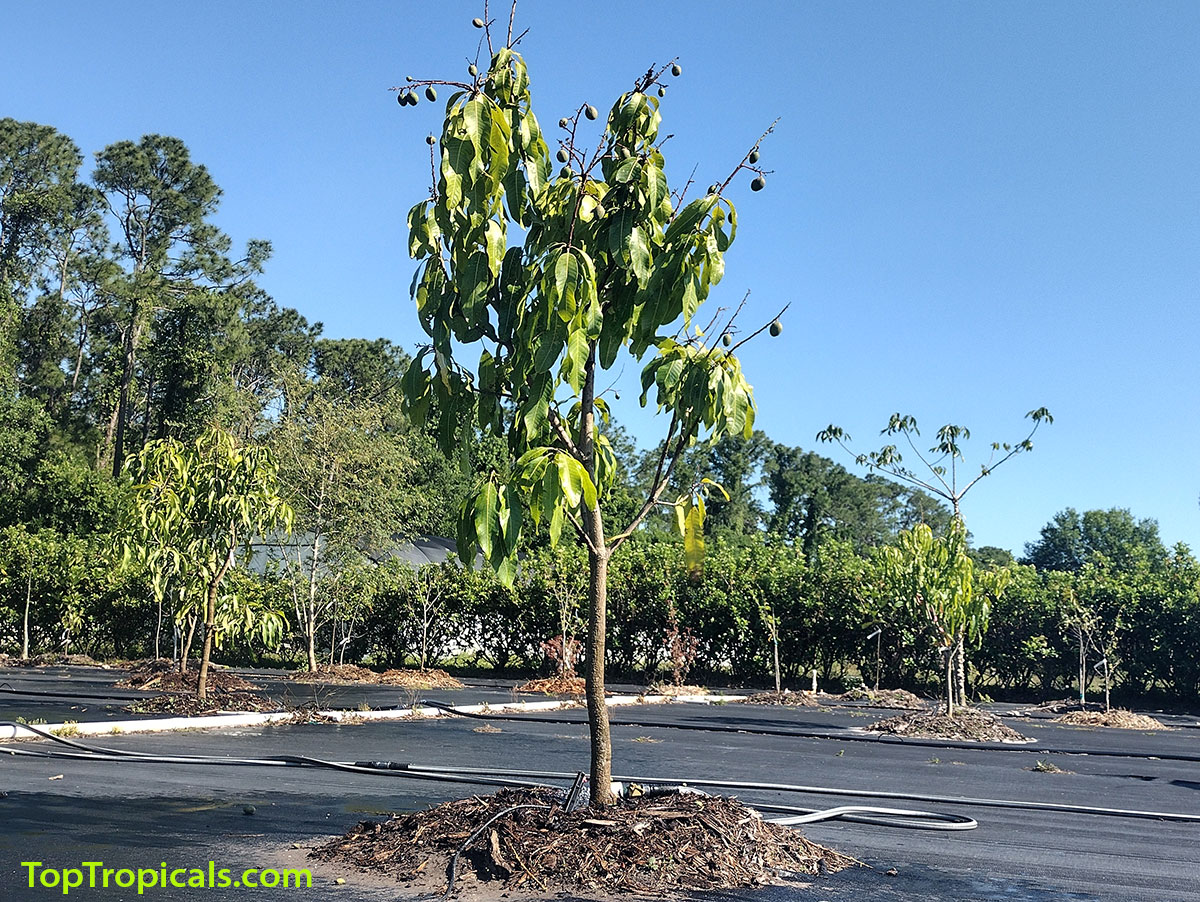
Q: I got a large mango tree from your garden center recently, planted in the ground, but noticed the corners of the leaves turning brown. It was full of little fruit when I planted it but now they are falling off... I wonder how much should I water the mango tree? We have lawn sprinkler system that runs daily, is this enough?
A: Generally speaking, never rely solely on your sprinkler system when planting a new tree, especially during the first week or even several weeks if you have no rain. By rain, we mean a nice downpour. Here in Florida, we usually have a hot and dry spring, and while springtime is great for starting new trees, additional hose-watering becomes essential for establishing them during the first months.
Dry leaves are a signal of under-watering. Make sure to hand water your mango tree every day for at least the first week after planting. Even if you have an individual sprinkler for the tree, ensure that the soil around the rootball receives enough water, not only around the trunk. Surprisingly, the bigger the tree, the more it may suffer from a lack of water, and sprinkler watering does not saturate the large root system, sometimes only reaching around the trunk. Big tree means lots of leaves and branches - they all get thirsty!
Mangos are pretty drought-tolerant trees, but only once established. They even benefit from hot, drier air (means less leaf fungus). However, young trees require regular irrigation until they start growing new leaves and branches.
Note that fertilizing your Mango tree is especially important during the spring and summer seasons - the period of active growth. This ensures that the tree takes the best advantage of nutrients with a faster metabolism encouraged by high temperatures. Give your tree a chance to build up lots of energy for the cooler winter as well as for the next flowering and crop season. To ensure a strong tree and reliable crop with no fruit drop, apply Sunshine Mango Tango liquid fertilizer with every watering and watch your mango tree become a Champ!
Date: 17 Dec 2024
How to care for your mango tree in winter
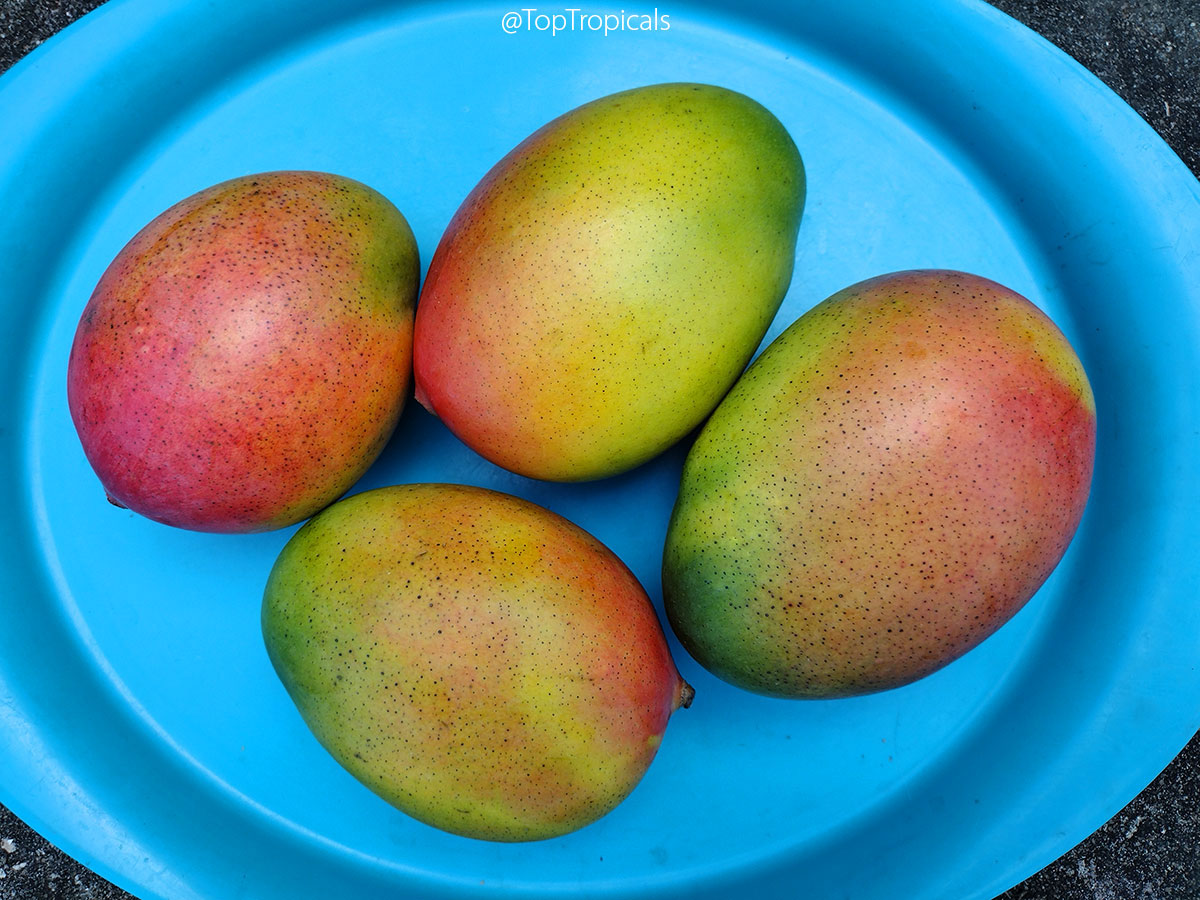
Q: I bought a few mango trees from you this year, and they're doing great! So far, winter's been pretty mild here in Florida, but I know January and February can get chilly. Is there anything special I should do to keep my trees happy so I can enjoy fruit next year?
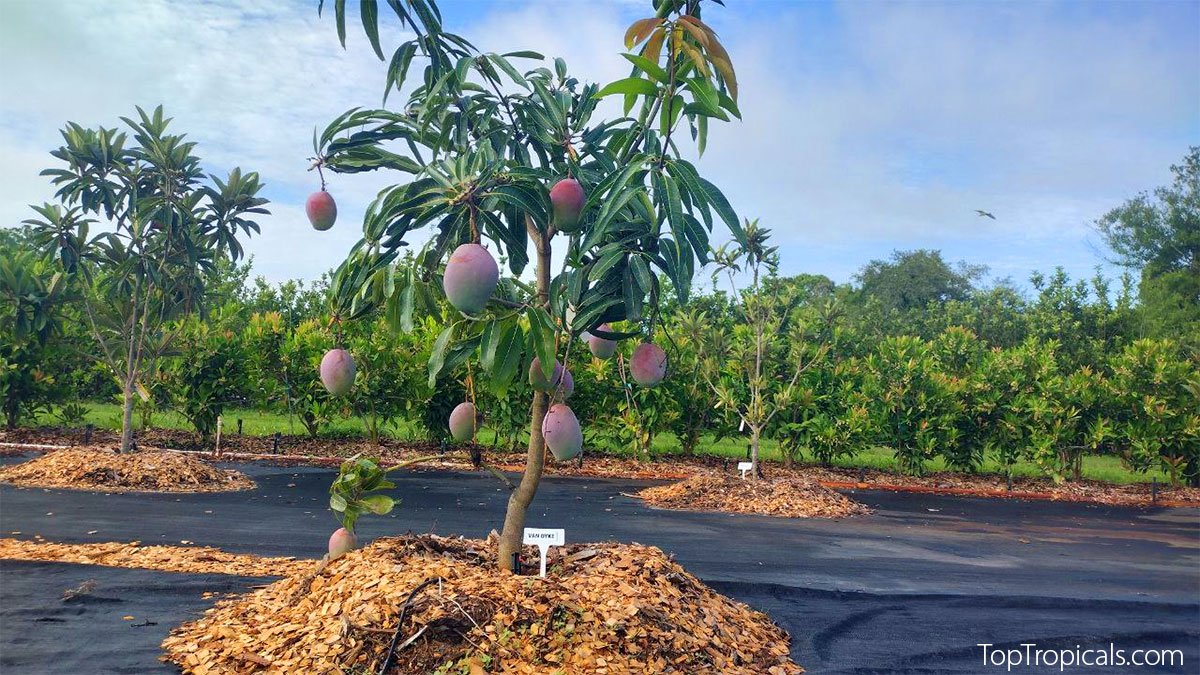
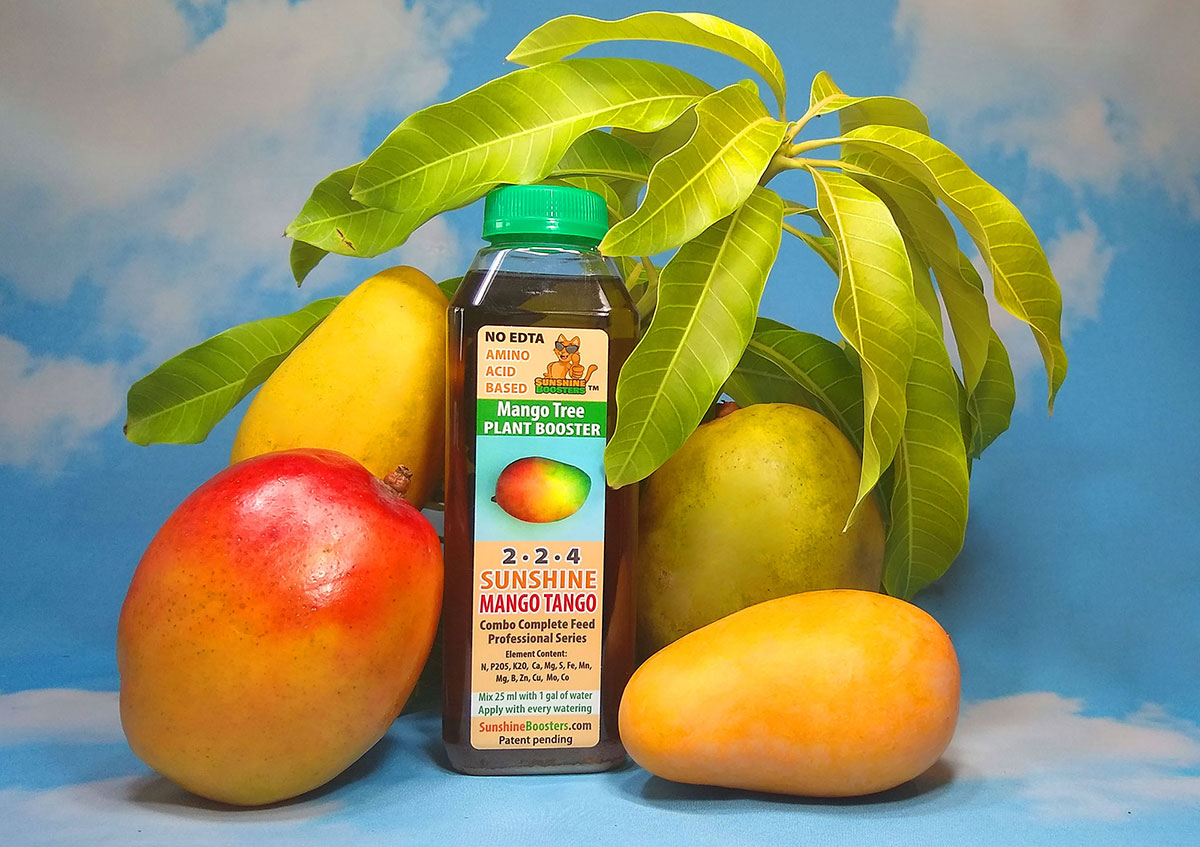
A: If you want to enjoy mangoes like ours (in the photo) next summer, protecting your tree in winter is a must! Give it the care it needs now, and you'll reap sweet rewards when the warm weather returns.
Keep it cozy and protected: Mango trees love warmth, so when winter comes, they need extra care to stay happy.
Temperature: Mango trees are sensitive to cold. If temperatures drop below 35F, cover the tree with frost cloth or burlap to protect it. For potted mango trees, move them indoors or to a greenhouse.
Watering: Reduce watering during winter. Mango trees don't like soggy roots in cold weather. Let the soil dry slightly between waterings.
Mulching: Add a thick layer of mulch around the base of the tree to insulate the roots and retain warmth. Keep the mulch a few inches away from the trunk.
No pruning: Avoid heavy pruning in winter, as it can stress the tree. Besides, pruning promotes young tender growth that may get cold damaged. Save major trimming for spring.
Feeding: Stop dry fertilizer in winter. The tree slows its growth, so too much dry fertilizer can do more harm than good. You can continue using Sunshine Boosters Mango Tango year-round because it is water-soluble and natural, and the amount of food needed will adjust with reduced watering.