Garden Blog - Top Tropicals

Date: 18 Apr 2025

Want Constant Blooms? Plant Clerodendrums

Your Shortcut to a Colorful Garden
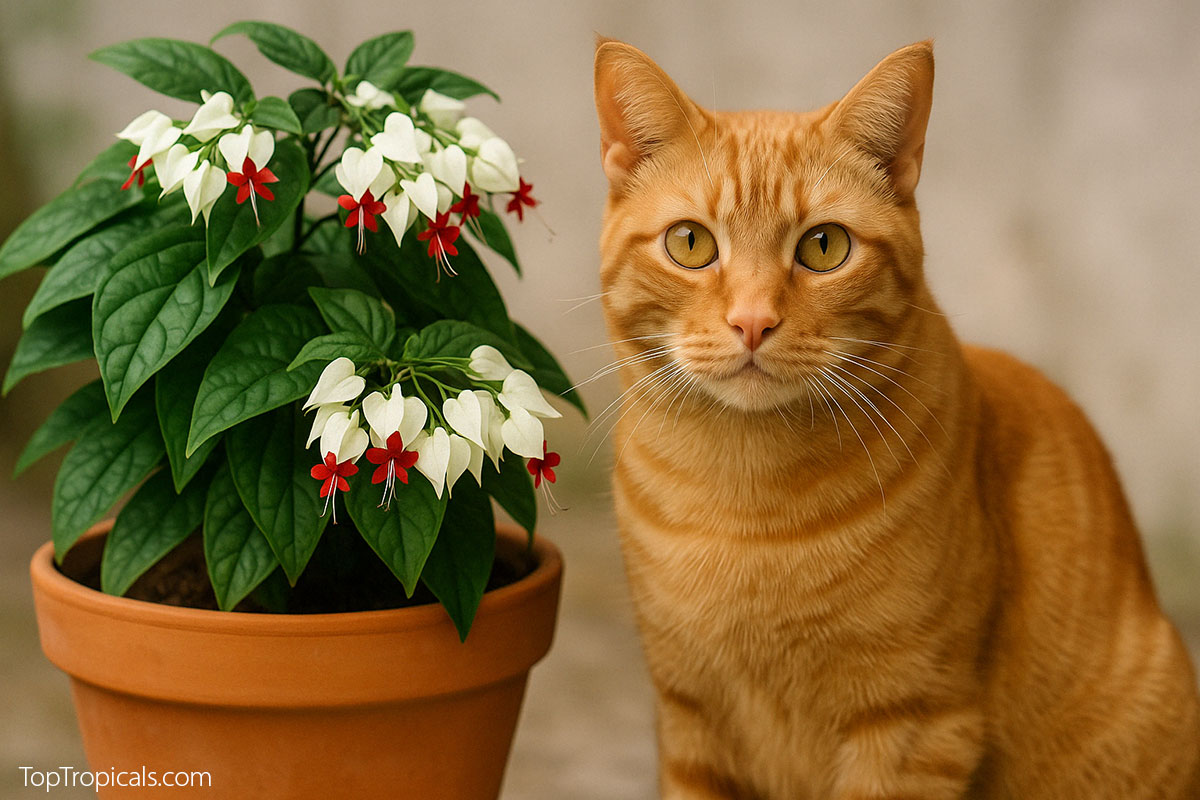
Cat  with  Bleeding  Heart  Clerodendrum

Q: Q: I live in Florida, and while everything is green, I want more color in my garden and patio. What low-maintenance perennials can add nonstop blooms without constant care? I'm tired of annuals that don't last. Do such plants even exist?

A: Yes, they do - and your perfect solution is Clerodendrums. These colorful tropical perennials grow fast, bloom for most of the year, and thrive in both sun and shade. They're easy to care for, relatively cold-tolerant, and come in many shapes: shrubs, vines, and even small trees. Ideal for both garden beds and containers.

Why Grow Clerodendrums?
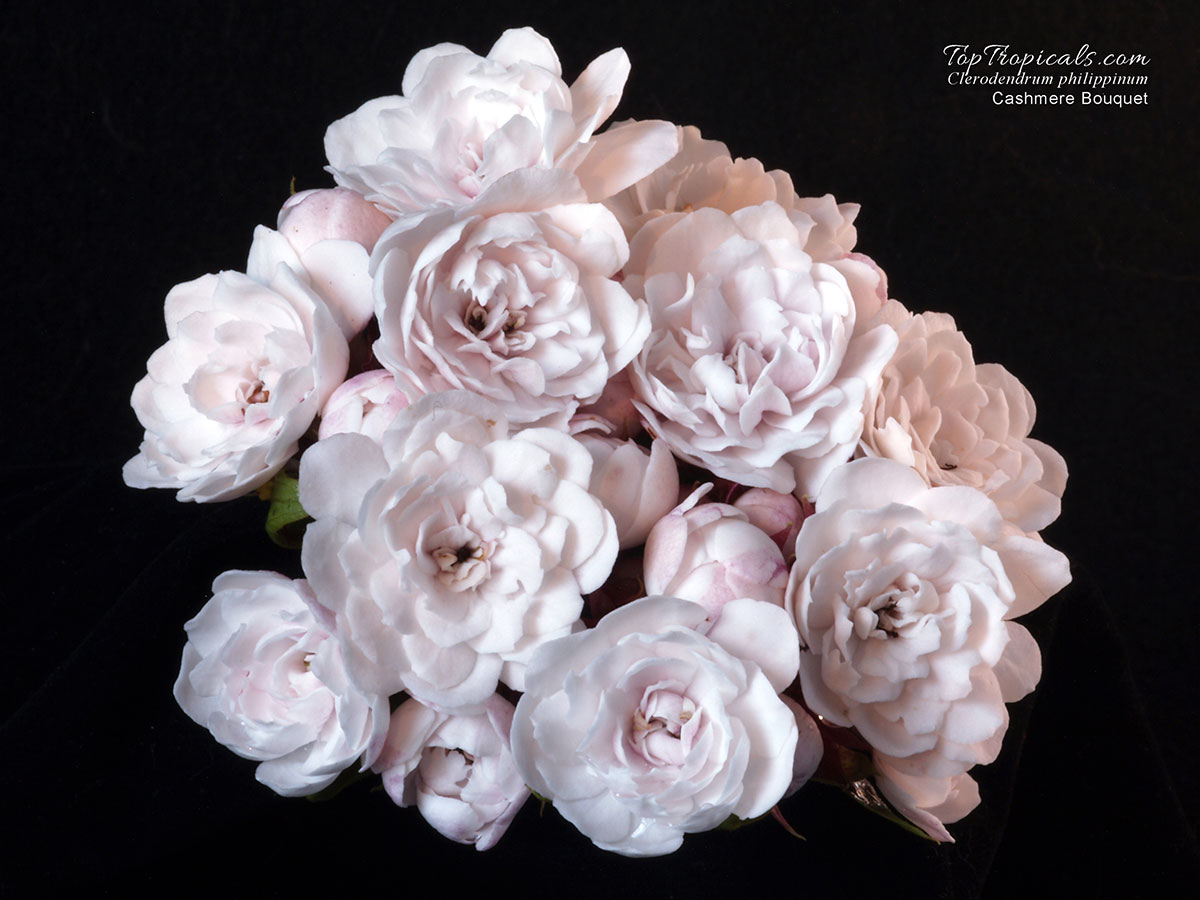
Clerodendrum  philippinum  -  Cashmere  Bouquet

Clerodendrums are tough, reliable, and visually striking plants:
- Fast-growing with a compact habit
- Available in many forms: shrubs, vines, and small trees
- Colorful flowers, many of them are sweetly fragrant!
- Thrive in sun or shade; cold tolerant; not picky about soil
- Bloom repeatedly or continuously
- Excellent for pots, patios, or indoors

Clerodendrums as Shrubs
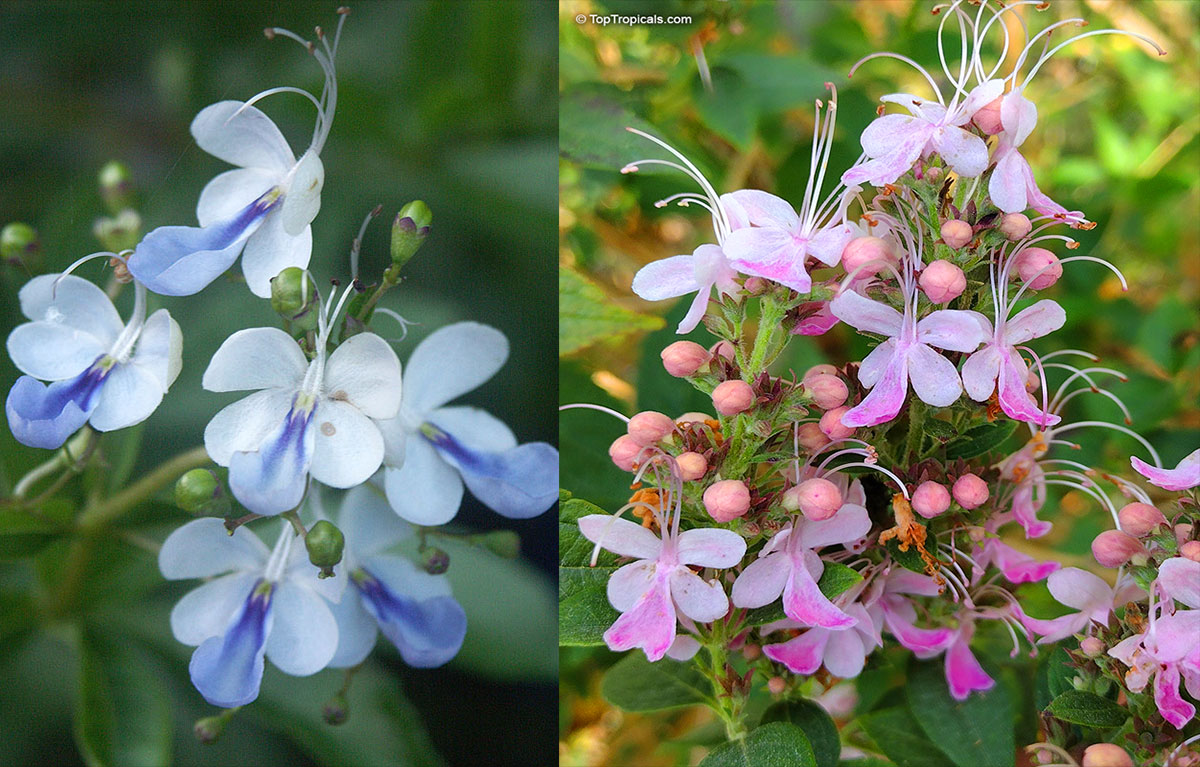
Clerodendrum  ugandense  and  mastacanthum

- Clerodendrum bungei - Glory Bower: fragrant pink blooms, spreads quickly
- Clerodendrum incisum - Musical Note: unique buds shaped like musical notes
- Clerodendrum inerme - Wild Jasmine: salt-tolerant, good for seaside areas
- Clerodendrum mastacanthum - Pink Butterfly Bush: long-blooming, eye-catching pink
- Clerodendrum paniculatum - Pagoda Flower: layered red-orange towers of flowers
- Clerodendrum philippinum - Cashmere Bouquet: double fragrant flowers, shade-tolerant
- Clerodendrum ugandense - Blue Butterfly: delicate blue blooms that attract pollinators

Clerodendrums as Vines
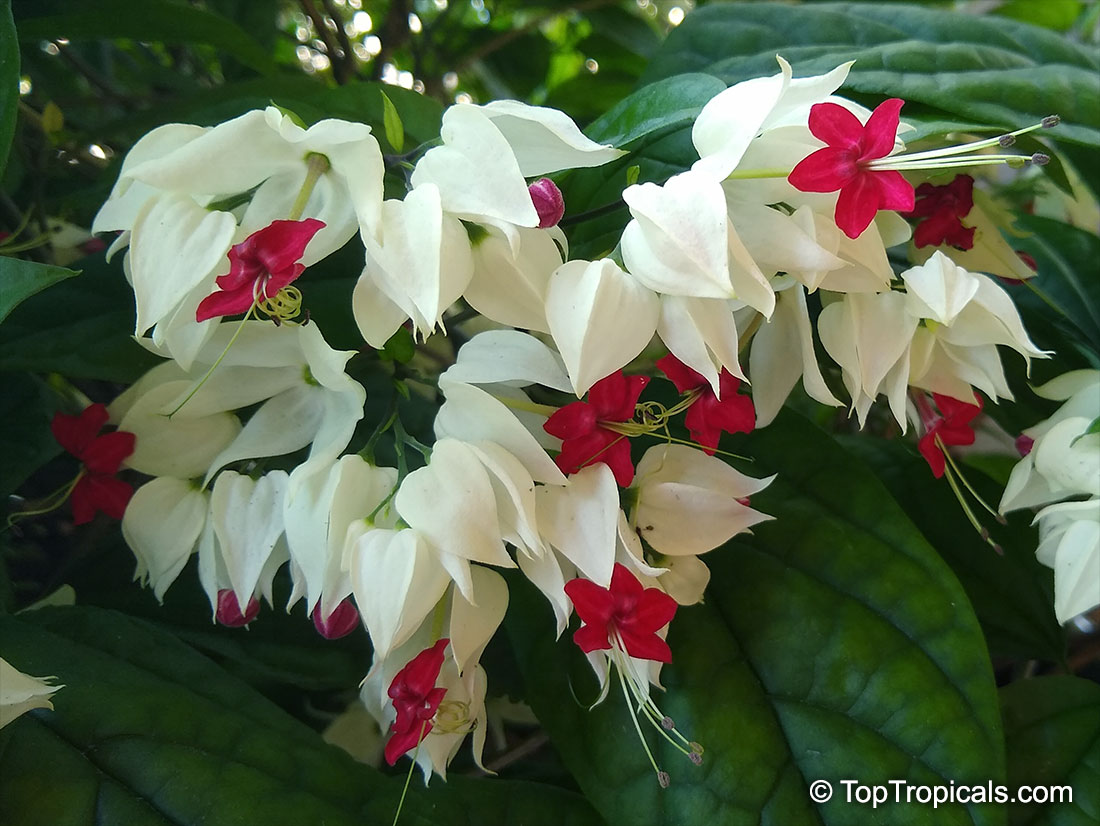
Clerodendrum  thomsoniae  -  Bleeding  Heart

- Clerodendrum thomsoniae - Bleeding Heart: classic red-and-white contrast, climbs easily
- Clerodendrum speciosum - Red Bleeding Heart: vivid magenta blooms, great on trellises

Clerodendrums as Small Trees
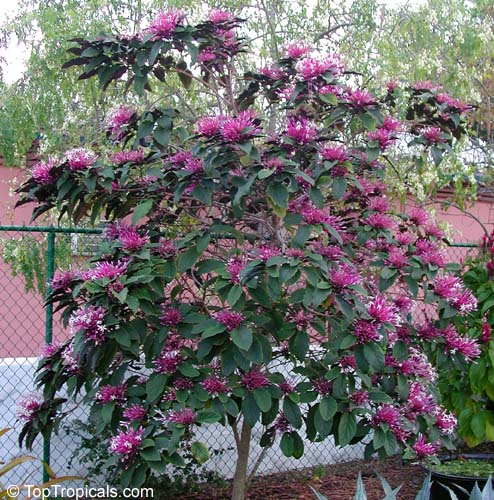
Clerodendrum  quadriloculare  -  Winter  Starburst

- Clerodendrum minahassae - Fountain Clerodendrum: upright, white flower sprays
- Clerodendrum sahelangii - Champagne Clerodendrum: cascading white blooms
- Clerodendrum quadriloculare - Winter Starburst: purple leaves, late winter blooms
- Clerodendrum schmitii - Chains of Glory: dangling flower clusters, unusual look
- Clerodendrum wallichii - Bridal Veil: long white flowers, graceful arching branches
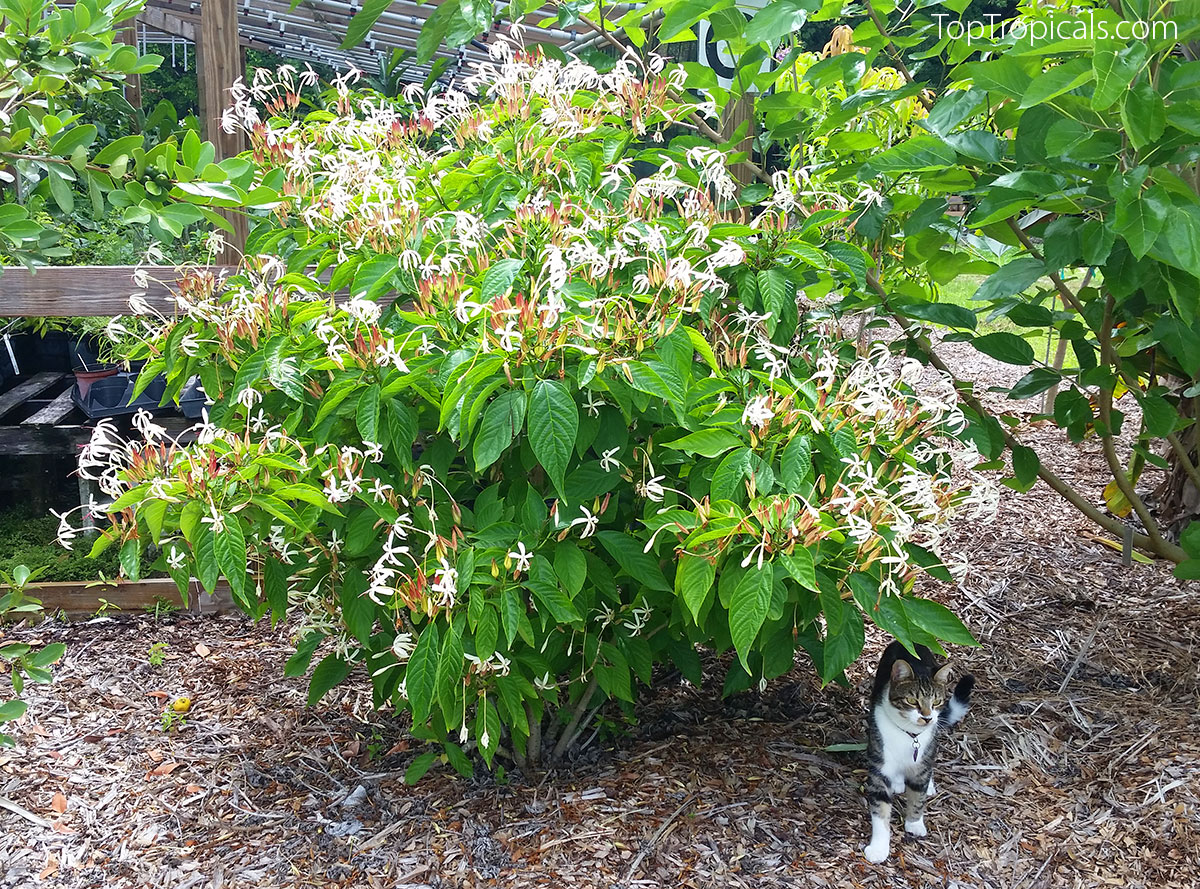
Clerodendrum  minahasse

Date: 18 Jun 2026

Container Gardening in Hot Climate: Your Pot May Be Hotter Than You Think

Container Gardening in Hot Climate

Container Gardening in Hot Climate

Container Gardening in Hot Climate: Your Pot May Be Hotter Than You Think


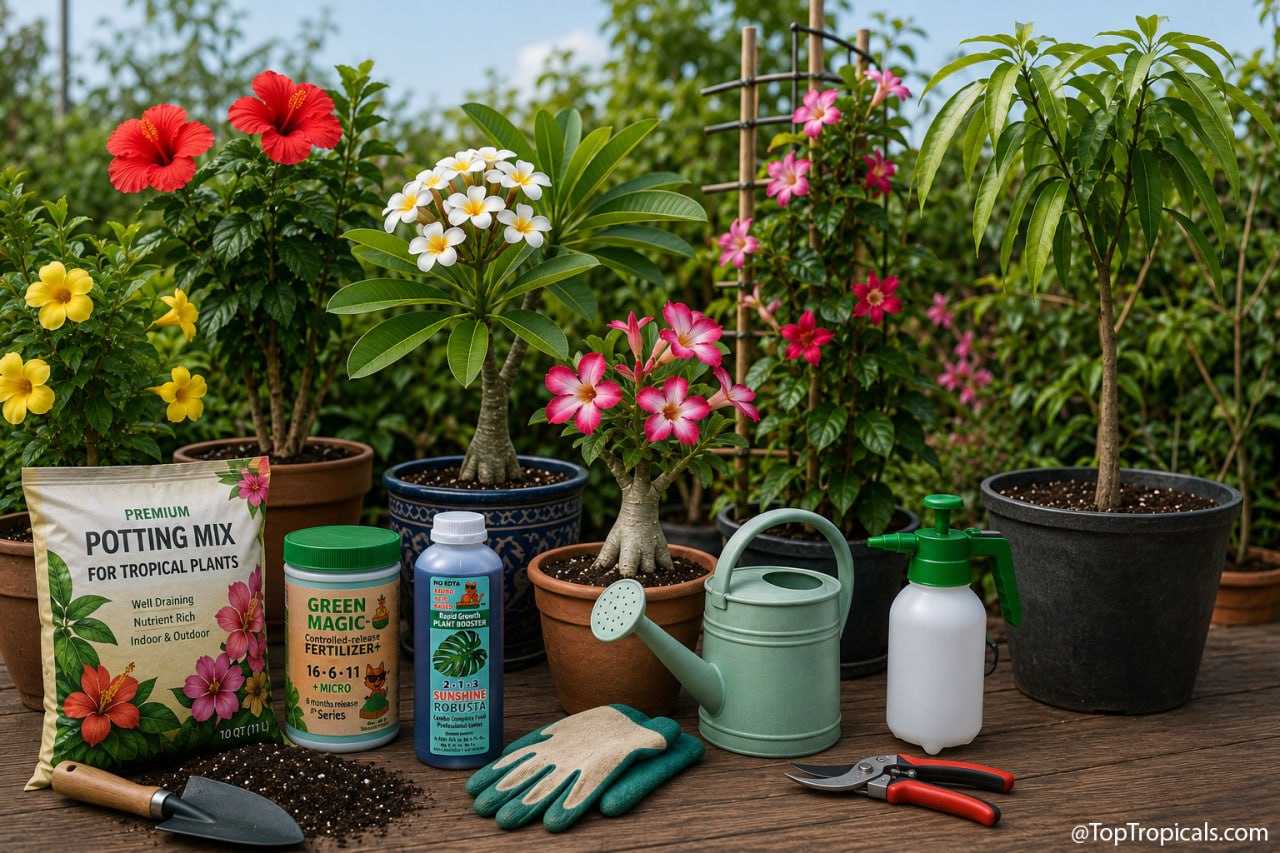
Container gardening lets you grow almost anything - tropical flowers, fruit trees, herbs, even small edible gardens. But in hot climates, pots create challenges that plants growing in the ground never face.
The biggest problem? Heat. A container sitting in full sun can become surprisingly hot. The potting mix dries much faster than garden soil, and roots can literally bake against the sides of the container during summer.
On a sunny summer day, the soil inside a container can heat up much faster than garden soil. While the leaves may look fine, roots trapped inside a hot pot can dry out, overheat, and become stressed long before gardeners notice a problem. That's why growing plants in containers during hot weather often requires a different approach than growing them in the ground.


Bigger Pots Stay Cooler🌡

• Large containers hold more soil, which means they stay moist longer and protect roots from temperature swings.
• Small pots may need watering daily - sometimes twice a day during extreme heat.
• Choose the largest container practical for your space and the plant's size. Avoid oversized pots, which can stay wet too long and promote root rot.

Protect the Pot, Not Just the Plant ☂️

Many gardeners focus on protecting the foliage from heat, but roots often suffer first.
Grouping containers together allows plants to shade each other's pots, helping keep the root zone cooler throughout the day. This is especially helpful for black nursery pots exposed to afternoon sun.
If a container sits in full sun all day, consider wrapping the pot with shade cloth or placing it inside a larger decorative planter. The goal is simple: keep the roots cooler while allowing the plant itself to receive the sunlight it needs.
The plant wants sun. The roots want shade.

Choose Containers Wisely

• Many gardeners love the look of clay pots, but in hot climates they can dry out very quickly because moisture evaporates through the porous sides.
• For most tropical plants, plastic nursery pots often perform better because they retain moisture longer and keep roots from drying out as fast.
• If appearance matters, simply place the nursery pot inside a decorative planter with good drainage.

Water Deeply, Not Constantly 💧

Frequent shallow watering encourages weak roots near the soil surface.
Instead, water thoroughly and allow excess water to drain away. A layer of mulch on top of the potting mix can also help slow moisture loss.

Feed Regularly

Container plants depend entirely on you for nutrition. Regular fertilizing during the warm growing season helps support stronger growth, flowering, and fruit production.

Check for Pests Often 🐛

Plants under heat and drought stress are more vulnerable to insects. Inspect leaves regularly for spider mites, scale, mealybugs, and other common pests before small problems become big ones.

Hot Climate Container Garden Checklist ✍️

• Use large containers whenever possible
• Make sure every pot has drainage holes
• Use quality potting mix, not garden soil
• Mulch the soil surface
• Fertilize regularly during active growth
• Inspect for pests weekly
• Watch for root-bound plants and repot as needed
• Be cautious with clay pots in hot weather

A healthy container garden is really a balance between moisture and drainage. Keep roots cool, provide consistent water and nutrition, and even tropical plants can thrive through the hottest months of summer.

🛒 Get real food and fresh soilless mix for your plants

📚
Learn more:
Sunshine Boosters: Complete Plant Nutrition System
Why June Is the Most Important Month for Potted Tropical Plants
Why young trees need staking?
The SECRET growers never tell you: simple trick how to bring plants back to life and keep green 
How to re-pot a plant properly?

#Discover #How_to

🟢 Join 👉 TopTropicals

Date: 12 Dec 2023

Easy compact bush for sandy soil

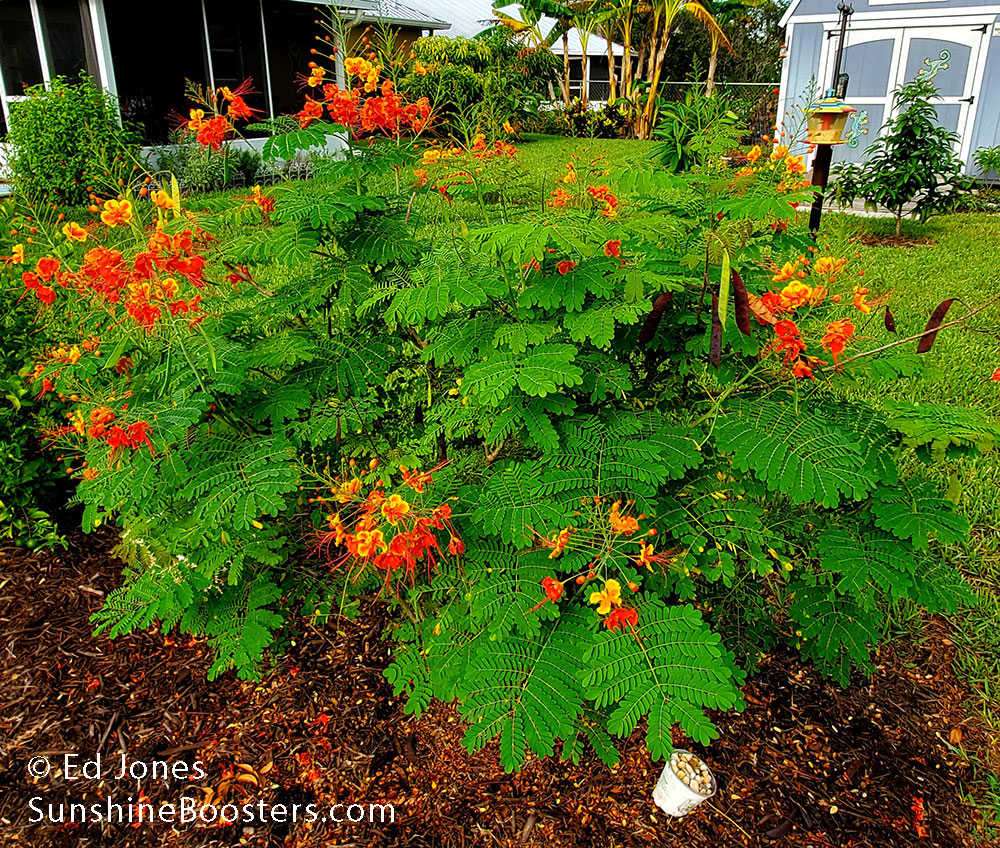
Caesalpinia  pulcherrima  -  Red  Dwarf  Poinciana,  Bird  of  Paradise

Caesalpinia pulcherrima - Red Dwarf Poinciana, Bird of Paradise.

Q: Can you recommend a flowering bush that will be in full sun and in sandy soil. I do not want it to exceed 10 feet.

A: For a garden specimen bush that is medium size and tolerates poor soils, we can recommend to choose from the plants below. These are all easy to grow, not fussy about soil and water, and stay compact and require minimal or no trimming at all.

Calliandra surinamensis - Powderpuff - 6-8 ft
Hibiscus mutabilis Cotton Candy - Mallow Hibiscus - 5-6 ft
Dombeya seminole - Tropical Rose Hydrangea 4-6 ft
Allamanda schottii - Dwarf Allamanda Bush 3-4 ft
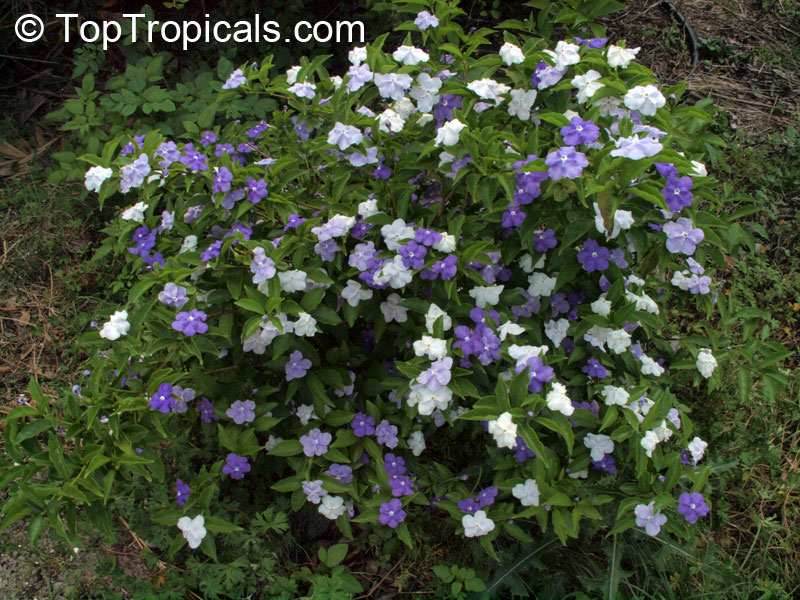
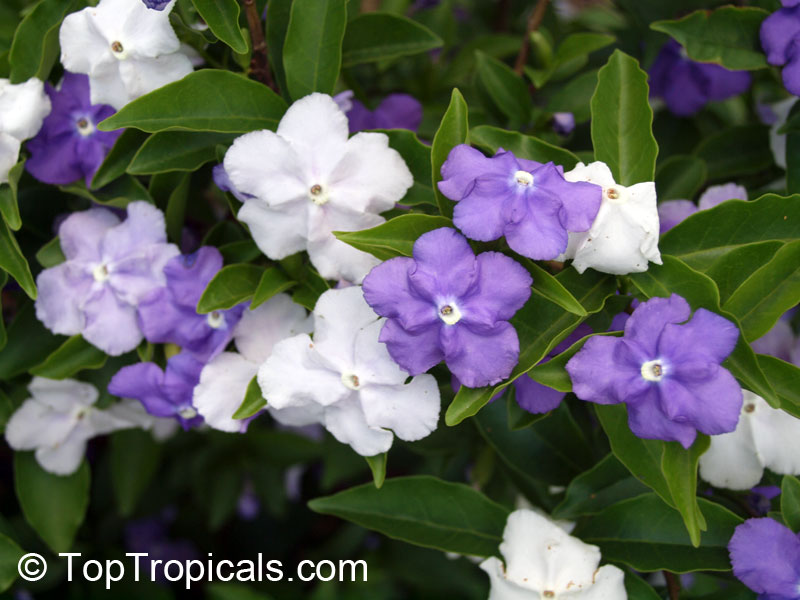
Brunfelsia pauciflora Compacta - Dwarf Yesterday-Today-Tomorrow - 4-5 ft
Calliandra schultzii - Dwarf calliandra - 4-5 ft
Plumbago auriculata Imperial Blue
Caesalpinia pulcherrima - Red Dwarf Poinciana, Bird of Paradise - 2-4 ft
Hibiscus schizopetalus - Coral Hibiscus - 5-6 ft
Jatropha integerrima compacta - 4-5 ft
Clerodendrum bungei - Glory Bower - tolerates shade, 4-5 ft
Eranthemum pulchellum - Blue Sage, Lead Flower (prefers shade) - 4-5 ft
Magnolia figo - Banana Magnolia - small tree, 6-8 ft
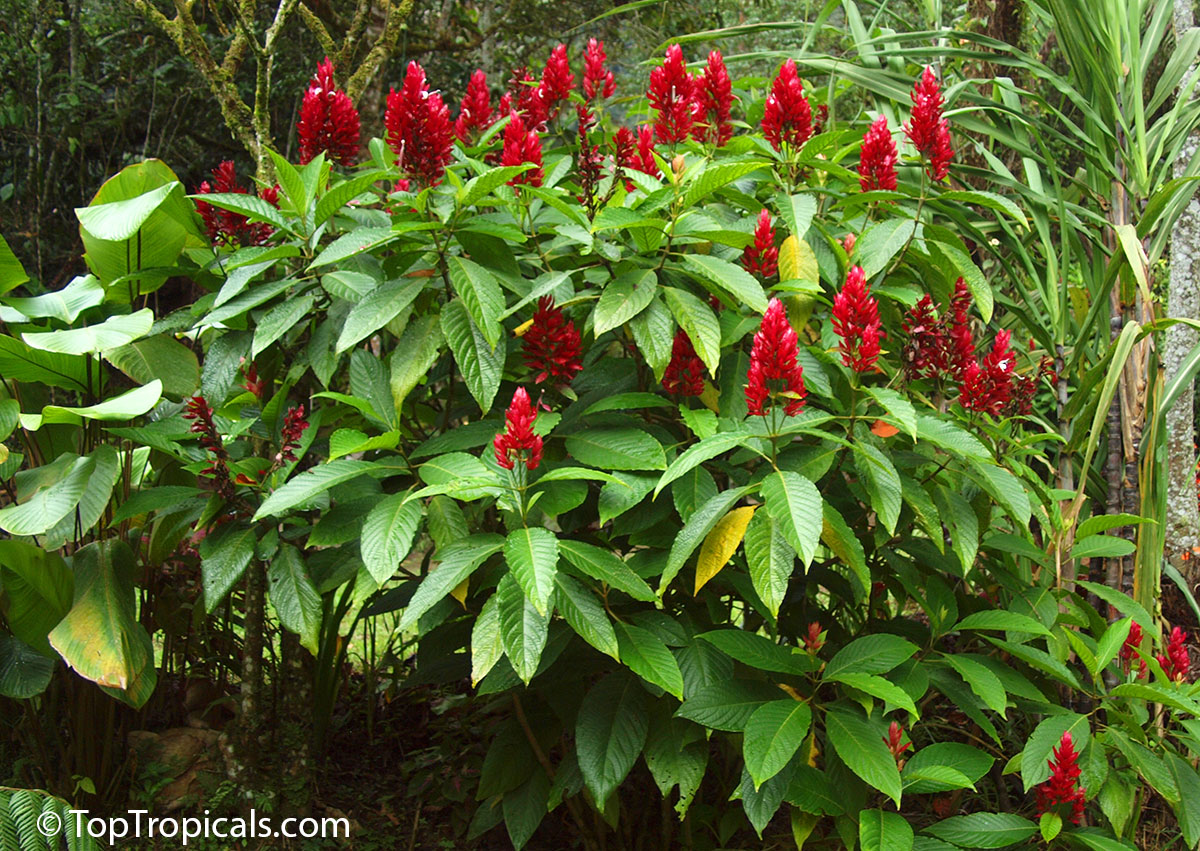
Megaskepasma erythrochlamys - Brazilian plume (tolerates shade) - 5-6 ft
Tibouchina lepidota - Ecuador Princess, Jules Dwarf - 3-4 ft
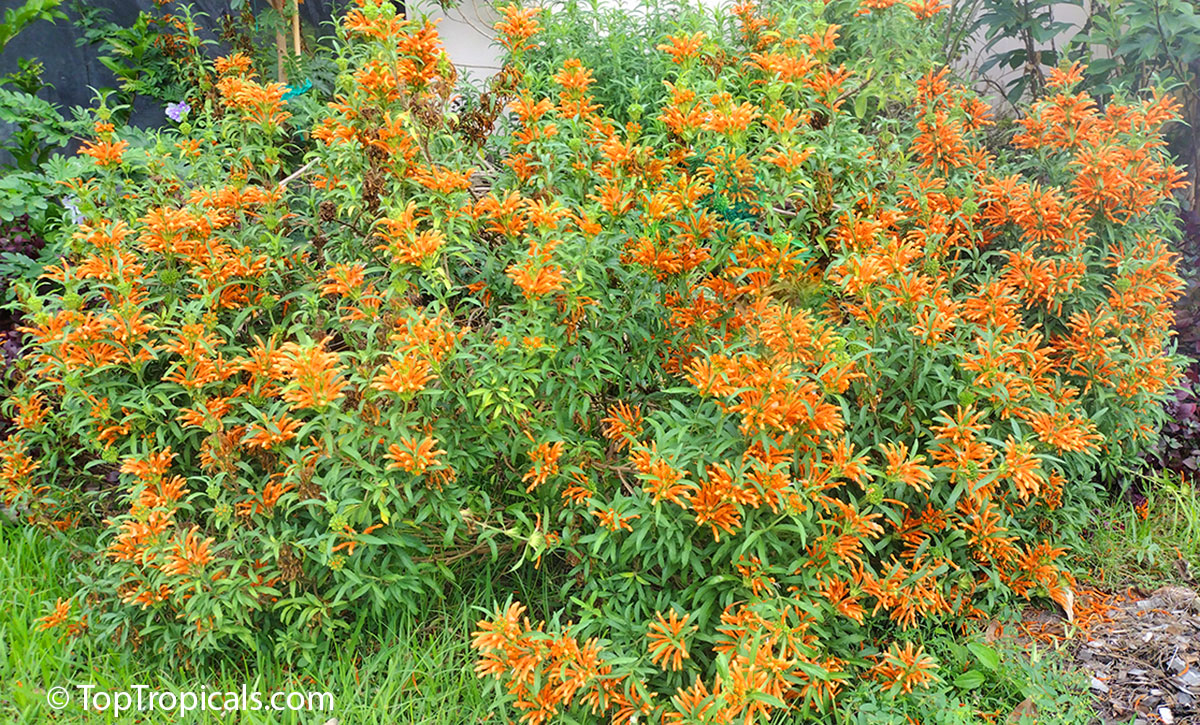
Leonotis leonurus - Lions Ears - 3-4 ft

Also, for your further reference, check out the reference chart Hedges with Benefits Chart to see different flowering bushes that are great for hedges as well as garden specimens, depending on your specific needs.

Megaskepasma  erythrochlamys  -  Brazilian  plume

Megaskepasma erythrochlamys - Brazilian plume.

Brunfelsia  pauciflora  Compacta  -  Dwarf  Yesterday-Today-Tomorrow

Brunfelsia pauciflora Compacta - Dwarf Yesterday-Today-Tomorrow.

Leonotis  leonurus  -  Lions  Ears

Leonotis leonurus - Lions Ears.

Date: 10 Nov 2022

Fragrant Yesterday-Today-Tomorrow
Brunfelsia from Brazil

Yesterday-Today-Tomorrow,  Brunfelsia

Grow Purrrple! Purrrfect houseplant...

by Alex Butova, the Witch of Herbs and Cats

...The magic of this flower is, Yesterday it opened deep purple, Today it changes color to pale lavender, and Tomorrow - will turn white!...
...One of the greatest features of all brunfelsias is shade tolerance. Most species prefer filtered light, stay happy and bloom indoors even in low light conditions; they are also great candidates for shade locations where other flowering plants may not bloom. They add a great color and fragrance to every shade garden...
CONTINUE READING >>

Yesterday-Today-Tomorrow,  Brunfelsia  from  Brazil

Photo above: Brunfelsia pauciflora compacta - Dwarf Yesterday-Today-Tomorrow - very compact grower, great for indoor garden.

Purple  Flower  Cat

Date: 13 Sep 2025

Ground Orchid FAQ – Your Questions Answered
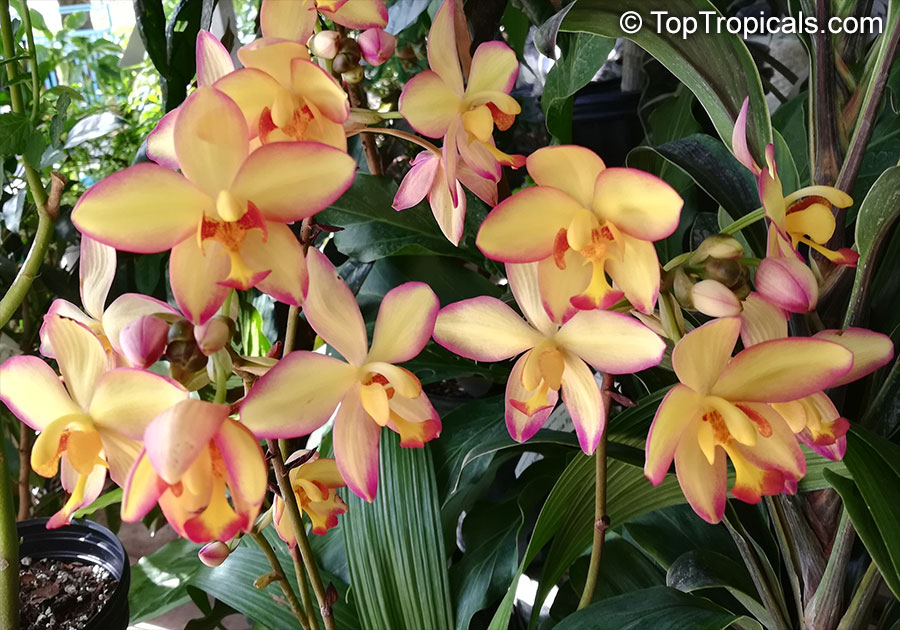
Spathoglottis  ground  orchid  growing  in  the  ground

Why should I buy them?

Because they give you more bloom for less effort. They flower on and off almost all year, they’re tough, and they come in colors you can actually plan a garden around.

Will they survive winter in my area?

In frost-free zones, yes, they come back bigger every year. If you’re farther north, just keep them in pots and bring them inside for the cold months.

Do they really bloom in shade?

They do. We’ve got a clump under a big oak and it still puts on a show. Not as heavy as full sun, but enough to brighten the spot.

How big do they get?

Depends which one. Spathoglottis stays neat, about knee-high. Nun Orchid shoots up tall spikes that can hit 4 ft. So you can go small or dramatic.

Are they hard to care for like other orchids?

Not at all. Forget the bark mix and misting bottles. Just plant them in soil, keep the water steady, and feed once in a while. That’s it.

Can I grow them in pots?

Absolutely. They do great in containers. Makes it easy if you’ve only got a patio or you want to move them in for winter. Use well-drained soilless mix like Abundance Potting Mix.

Do they attract pollinators?

Yep. Bees love them, butterflies too, and every so often a hummingbird will check them out.

What is the best fertilizer?

For extra blooms, we use Sunshine Orchidasm – Orchid TotalFeed Booster. Works like a charm!

Shop ground orchids