The Tropical Survivor: Why This Pink Plume Defied a 25F Freeze
The Tropical Survivor: Why This Pink Plume Defied a 25F Freeze
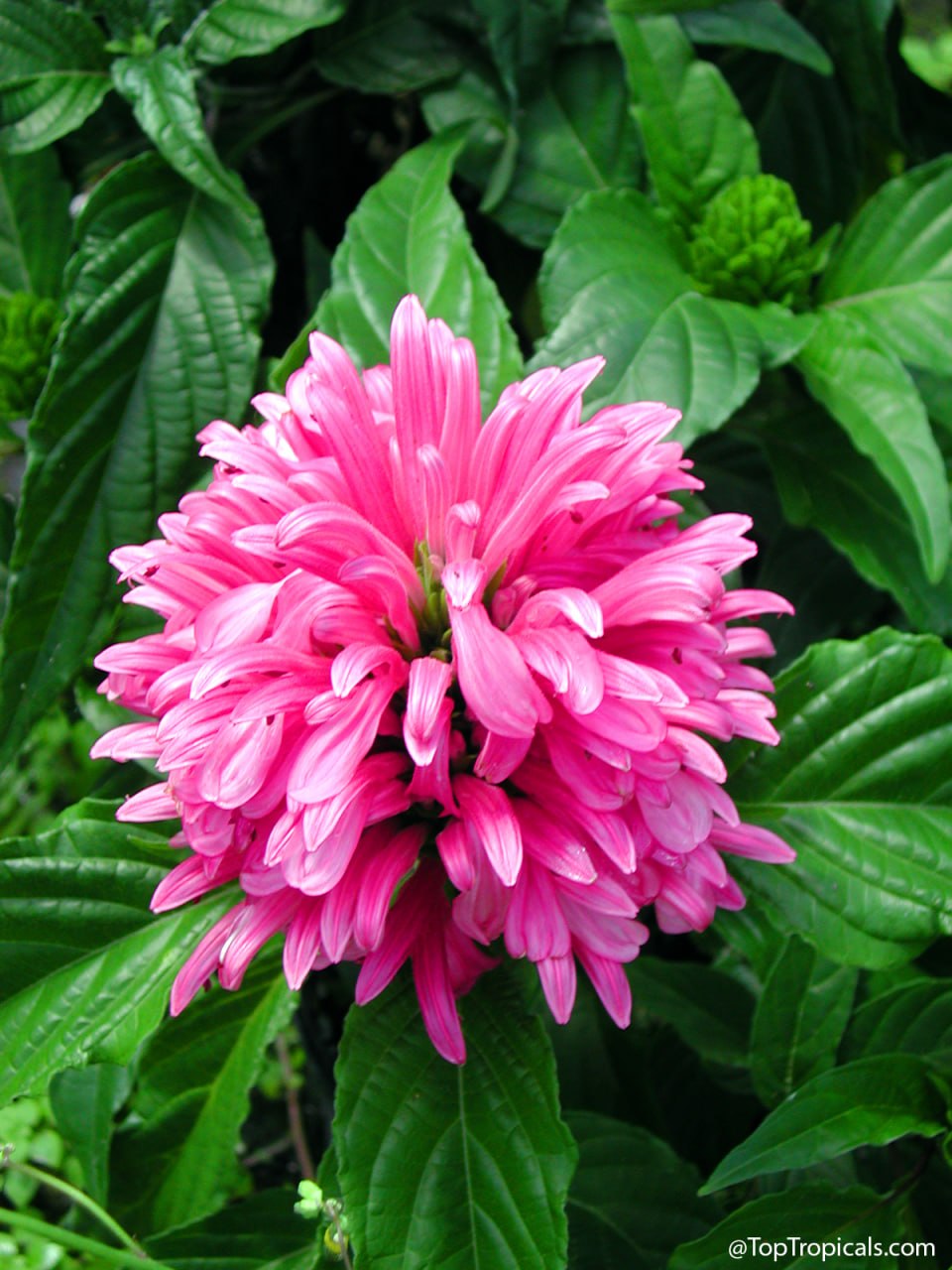
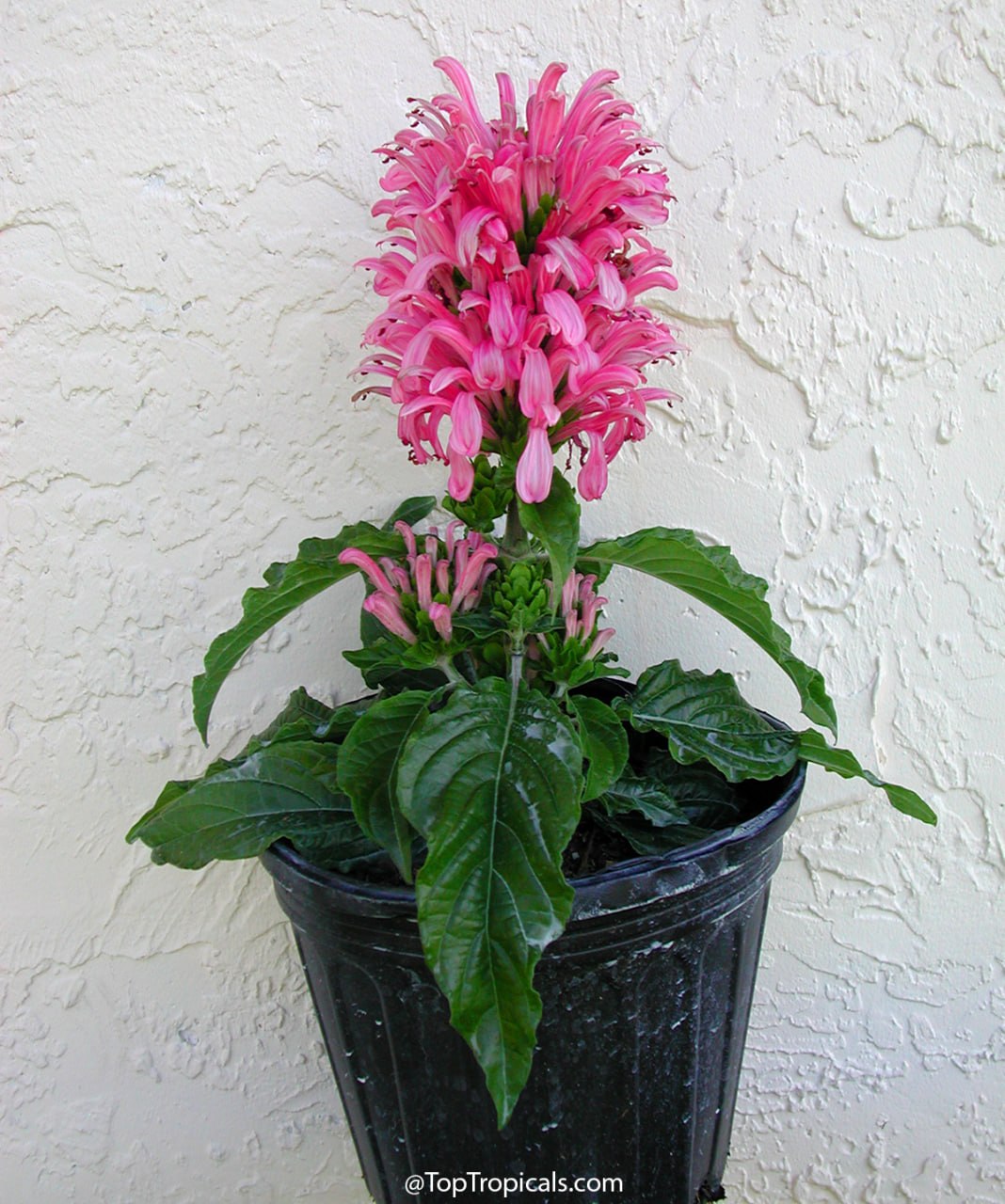
When Central Florida temperatures plummeted to 25F for two days, many gardeners braced for a total loss; and while most tropicals melted into black mush, Justicia carnea - the Pink Brazilian Plume or Jacobinia - proved that looks can be deceiving.
Brazilian Plume Plant Facts
Botanical name: Justicia carnea, Jacobinia carnea Also known as: Brazilian Plume, Flamingo Flower
USDA Zone: 9 - 11
Highligths
Tougher Than it Looks
As many other tropical plants from Acanthaceae family - Justicia plants are much hardier than they look.
At first glance, the Brazilian Plume looks like a greenhouse diva. It boasts huge, lush leaves and giant, cotton-candy pink flower clusters. However, it harbors a secret: it behaves more like a hardy perennial than a delicate shrub.
Even when a hard freeze burns the top growth to the ground, the root system remains remarkably resilient. Once the soil warms, fresh shoots often push through the dirt faster than expected.
A Hummingbird Magnet for the Shade
The real draw of Justicia carnea isn't just its survival skills - it’s the show-stopping blooms.
Large upright plumes can reach the size of a football. The tubular flowers are a primary target for hummingbirds and butterflies. Unlike most tropical bloomers, it thrives in filtered light and bright shade, making it perfect for understory planting.
👉 Gardener’s Tip:
Don't dig it up too soon! Freeze-damaged stems may look finished for weeks, but patience usually rewards you with new growth by late spring.
🌱 Quick Care Guide
Light: Bright shade or filtered sun Soil: Rich, well-draining Water: Regular moisture during heat Best For: Pool areas, woodland gardens, and pollinator beds
For gardeners wanting that high-impact tropical aesthetic without the heartbreak of constant replanting, this Jacobinia is the ultimate comeback kid.
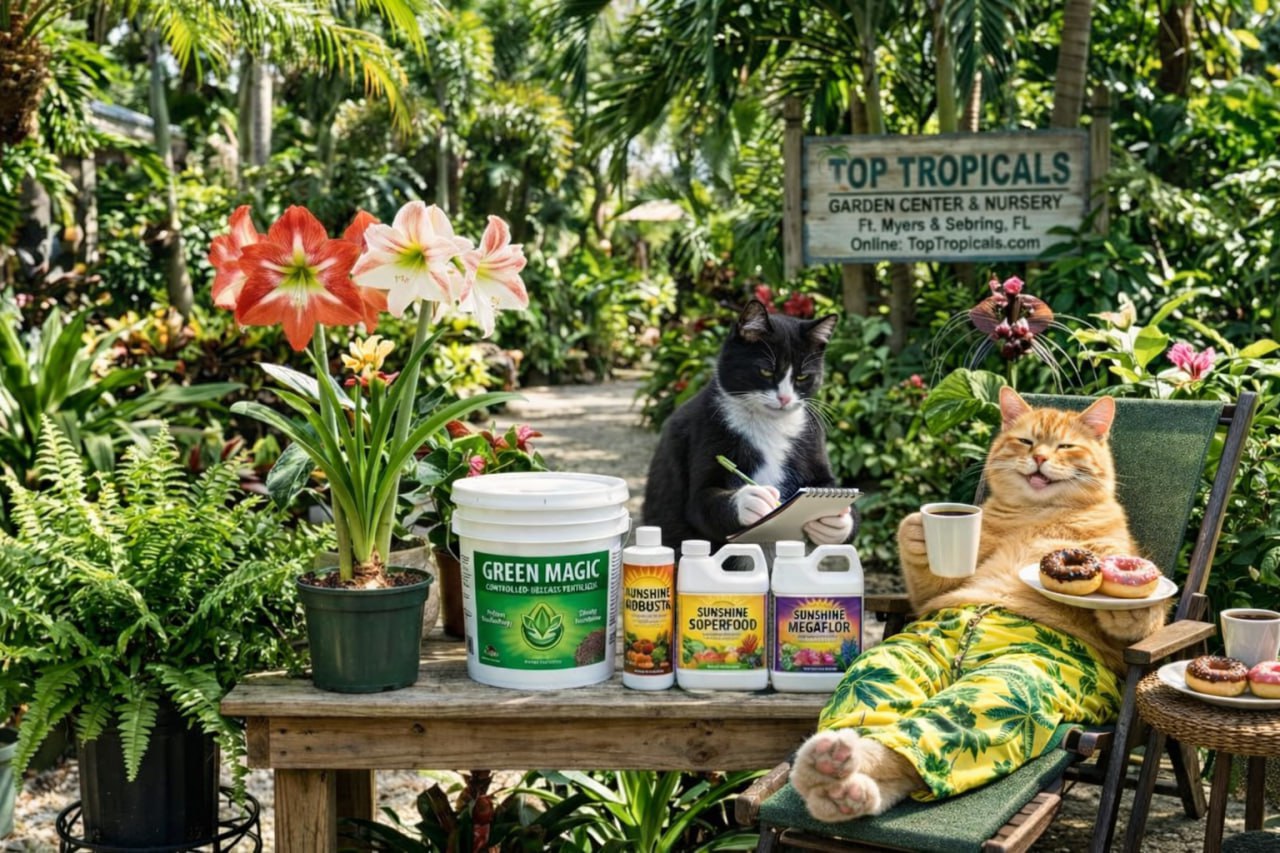
🐈 Sunshine: So Green Magic feeds the plant for months. Does that mean I can forget about Sunshine Boosters? 🐈 Smokey: Not quite. Green Magic is the steady base diet. Sunshine Boosters are the weekly power drink during active growth. 🐈 Sunshine: Ah. Like my regular meals and donuts on top. 🐈 Smokey: Exactly. Plants eat slowly from Green Magic, and once a week they get a fresh boost. 🐈 Sunshine: Sprinkle once, then boosters every week. The plant grows, I drink coffee, and nobody forgets anything important. 🐈 Smokey: Except where you left the donuts. 🐈 Sunshine: Smokey... nobody forgets donuts. Ever!
To trim or not to trim? When and how to trim damaged plants after winter
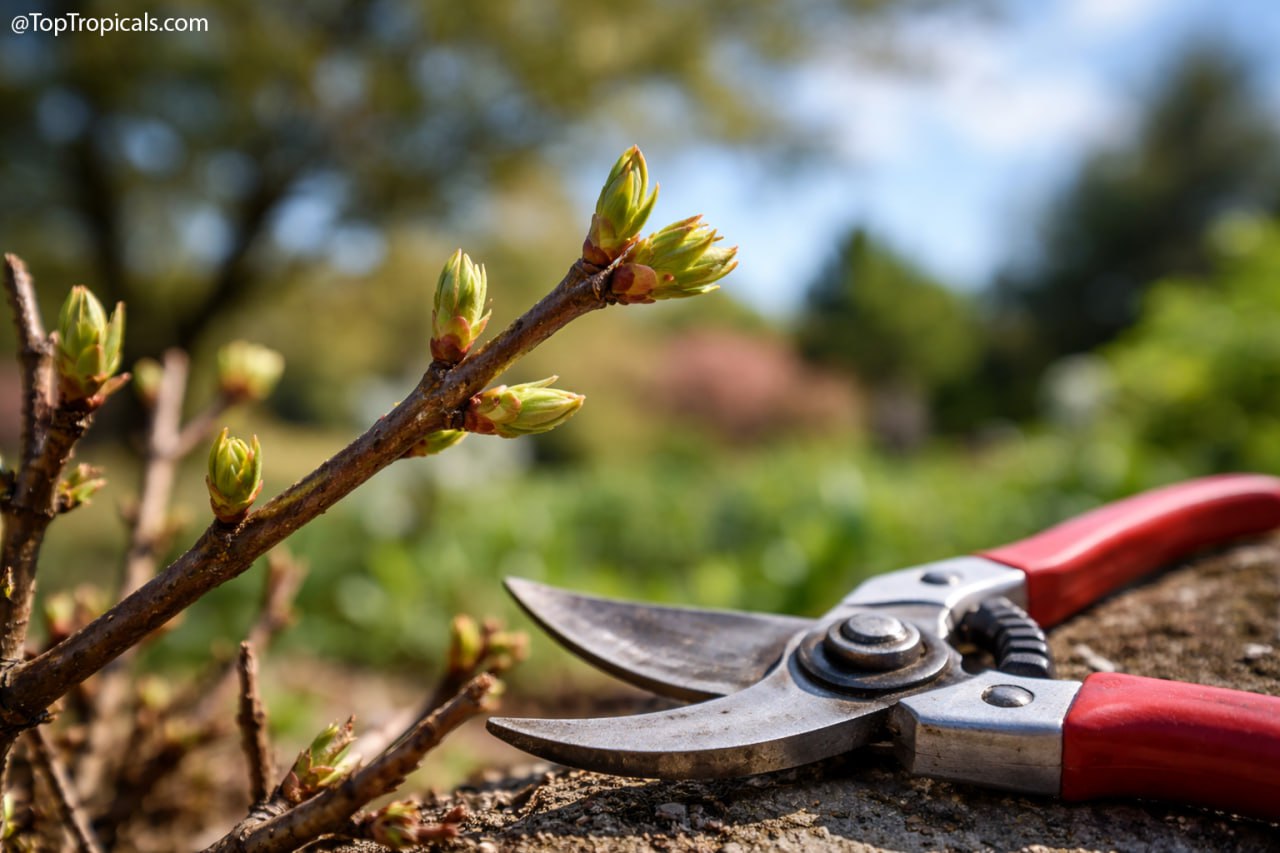
Sprounting buds on a dormant branch and pruners
✂️ To trim or not to trim? When and how to trim damaged plants after winter
Florida just went through a record freeze (Feb 2026). Now gardens look rough - brown leaves, blackened tips, mushy stems. The big question: do you cut now or wait?
Here is the simple rule.
✂️ When is the right time to trim?
Do not rush.
Wait until the danger of more freezes has passed and you start seeing new growth. In most of Florida, that means late winter to early spring.
Why wait?
Dead foliage actually protects living tissue underneath. If you cut too early and another cold snap hits, you can cause more damage.
If a plant is completely collapsed and clearly mushy, you can remove that material. But for woody shrubs and trees - patience pays.
✂️ How far should you trim?
Trim back to healthy, green wood. Start by removing:
· Black, mushy, or obviously rotted stems
· Broken branches
· Completely dried leaves
Then cut slowly and test as you go. Do not cut everything to the ground unless you are sure it is dead.
Many tropicals look terrible after freeze but recover beautifully in warm weather. Te rule of thumb is: once minimum temperatures stay above 65F for over a week, the active growth starts.
✂️ How to tell if a branch is dead or alive
Use the scratch test. Lightly scrape the bark with your fingernail.
· Green underneath - it is alive
· Brown and dry - likely dead
Move down the branch toward the base. Often only the top portion is dead.
Also check flexibility. Live branches bend slightly. Dead ones snap.
✂️ Important - do not give up too soon
This is where many gardeners make a mistake.
After a few weeks - sometimes even months - plants can push new growth through what looks like a dead branch. Buds may appear higher than expected, not just from the roots.
✂️ You may see growth:
· Along the stem
· From lower nodes
· From the trunk
· From the base
Some plants look gone - then suddenly leaf out again.
✂️ Final thought
After a hard freeze, the best tools are patience and a careful eye.
Wait for warmth. Trim slowly. Check for green. And give your plants time to surprise you.
Tropical gardens are tougher than they look.
Eight favorite plants of romance, affection, and emotional connection
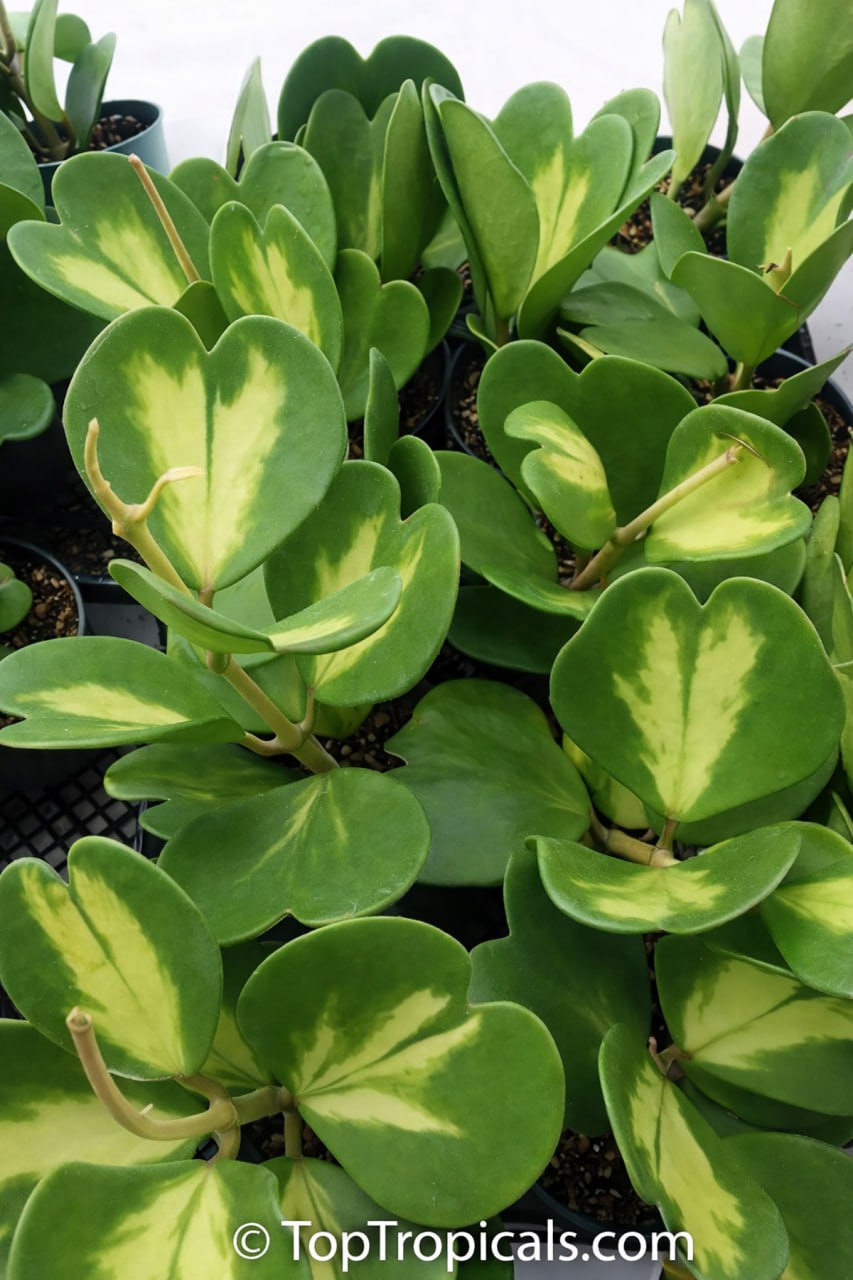
Sweetheart Hoya (Hoya kerrii)
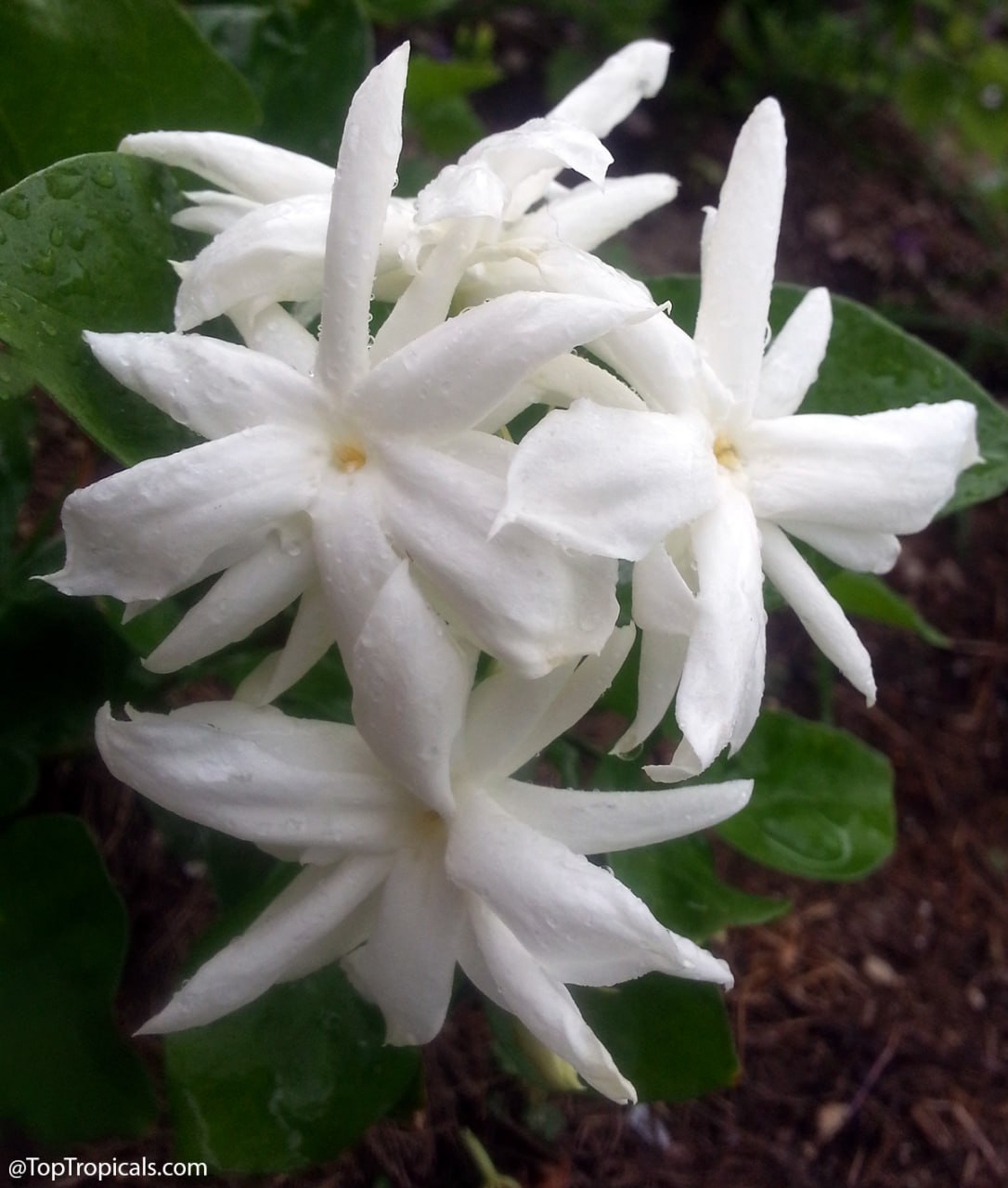
Jasminum sambac
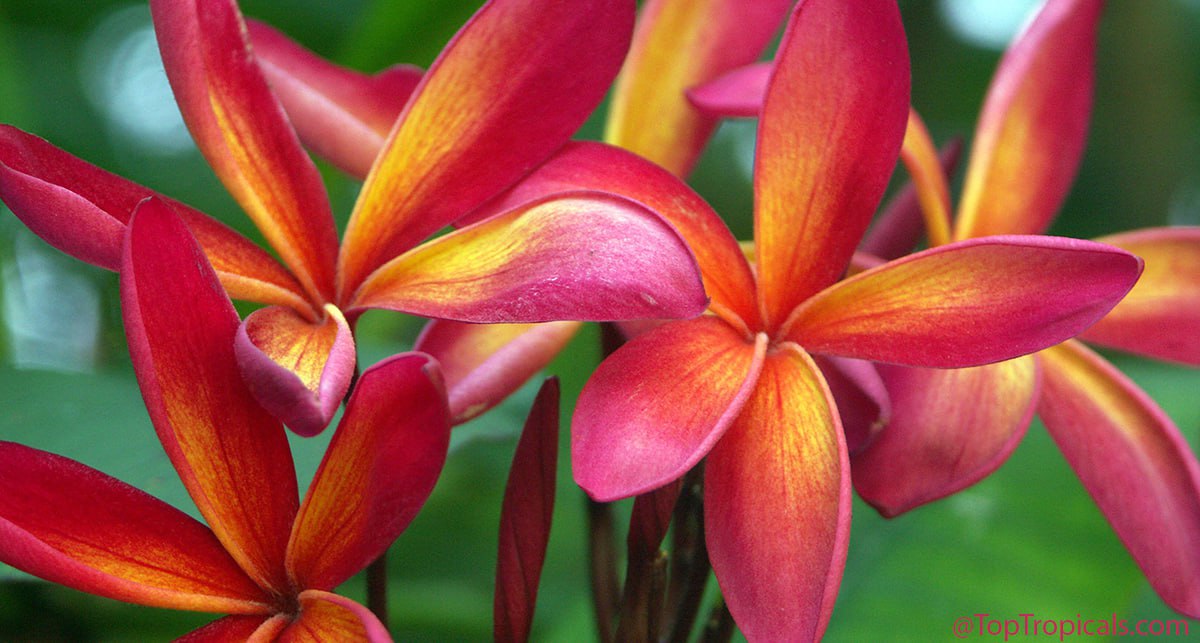
Plumeria (Frangipani)
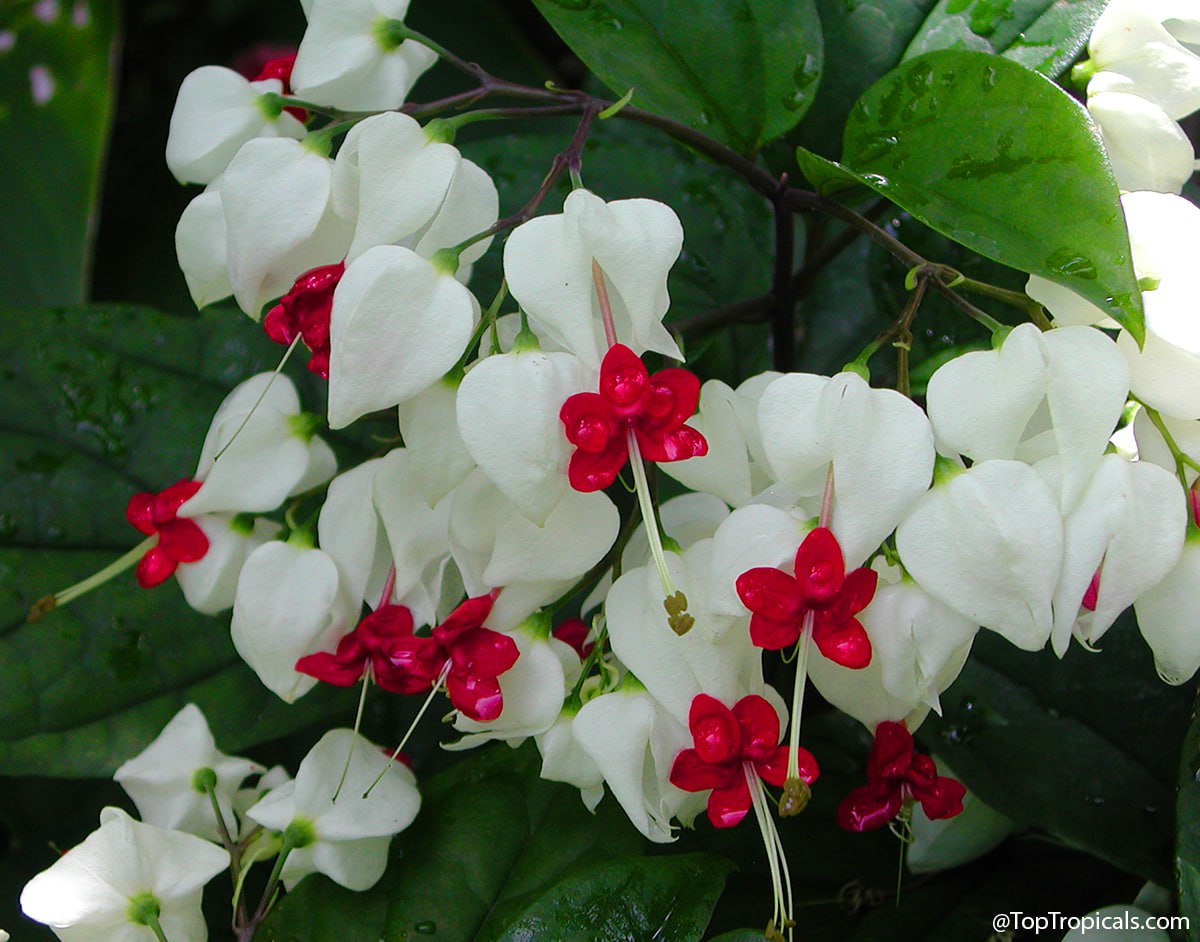
Clerodendrum thomsoniae, Bleeding Heart Vine
💕 Eight favorite plants of romance, affection, and emotional connection
These plants communicate love visually and emotionally. They are associated with beauty, admiration, devotion, and long-lasting relationships.
💖 1. Anthurium
With its unmistakable heart-shaped spathes, anthurium is one of the strongest visual symbols of love. In Latin America, it represents hospitality, passion, and enduring affection, making it a natural Valentine plant. 👉 Anthurium gift
💖 2. Orchids
In many Asian cultures, orchids symbolize refined love, fertility, and deep emotional connection. They are associated with elegance, respect, and long-term devotion rather than fleeting romance or infatuation. 👉 Orchid gift
💖 3. Valentine’s Sweetheart Hoya (Hoya kerrii)
Hoya kerrii is known for its thick, heart-shaped leaves, making it one of the clearest visual symbols of love. This long-lived vine represents loyalty and lasting commitment, and is found in several varieties with different leaf variegation patterns: regular green leaf, variegated Moonlight (gold on green) and Sunshine (white-and green).
Wax Hearts Plant Facts
Botanical name: Hoya kerrii Also known as: Wax Hearts, Sweetheart Hoya, Valentine Hoya, Heart leaf
In Polynesia and Southeast Asia, plumeria represents love, beauty, and new beginnings. In Hawaii, its flowers are a classic part of leis and have become an enduring symbol of romance, affection, and island love.
Plumeria Plant Facts
Botanical name: Plumeria sp. Also known as: Plumeria, Frangipani
Jasmine Sambac is strongly associated with romance, devotion, and spiritual love. In Hawaii it is used in leis, while in the Philippines, this so-called Sampaguita jasmine symbolizes purity, fidelity, and deep affection and is woven into garlands for lovers, weddings, and sacred ceremonies.
Sambac Plant Facts
Botanical name: Jasminum sambac Also known as: Sambac
Hibiscus symbolizes delicate beauty, attraction, and the fleeting intensity of passion. In many tropical cultures, it is associated with feminine energy and romantic expression. 👉 Hibiscus gift
💖 7. Clerodendrum Bleeding Heart
Clerodendrum thomsoniae, called the Bleeding Heart Vine, is known for its red, heart-like flowers held inside white lantern-shaped bracts. It has long been associated with love, emotional vulnerability, and deep personal bonds, making it a natural fit for Valentine symbolism.
Bleeding heart Plant Facts
Botanical name: Clerodendrum thomsoniae Also known as: Bleeding heart, Glory bower, Clerodendron
Traditionally associated with marital happiness and fidelity, Stephanotis has long been used in wedding garlands and bouquets in tropical regions. 👉 Stephanotis gift 🛒Explore gift plants 🎁 Get a Gift Card
How to make lots of Insulin Ginger plants quickly and get more health benefits
Costus igneus (Chamaecostus cuspidatus) - Fiery Costus or Spiral Flag
💚 How to make lots of Insulin Ginger plants quickly and get more health benefits
Costus igneus (Chamaecostus cuspidatus) - Fiery Costus or Spiral Flag is believed to help lower blood glucose levels naturally and managing diabetes.
Have you heard of Insulin Ginger? Everyone wants to have it in the garden!
Gardeners in India grow it not just for its pretty spiral leaves, but for what those leaves do. People with diabetes often chew them fresh or brew them into tea, saying it helps keep their blood sugar under control.
Researchers have found something interesting: the leaves contain an insulin-like compound, along with antioxidants and anti-inflammatory properties. In animal studies, extracts from the plant lowered blood sugar, protected the liver and kidneys, and even made the body more sensitive to insulin.
The way folks use it is simple. You can chew a leaf right off the plant, steep dried leaves for tea, or find it in powders and capsules. It's one of those plants that shows how tradition and science sometimes meet in the garden.
Its lush, turmeric-like leaves spiral around upright stems, with a glossy dark green top and a striking light purple underside. In warm months, it produces bright orange, cone-like flowers that stand out beautifully in the garden.
Beyond its beauty and natural insulin effects, the insulin plant is credited with aiding digestion, reducing cholesterol, boosting energy, improving skin health, supporting weight loss, relieving stress, and promoting heart wellness. A real botanical multitasker!
🎥 In this video, we’ll show you how to multiply Insulin Ginger fast, so you’ll have plenty of plants for yourself and even extras to share with friends and family.
✅ Don’t forget to use Green Magic fertilizer for the best results. Gingers absolutely love this plant food - they thrive on it and respond better than any other plant, with vigorous growth, lush foliage and loads of leaves you’ll need for all the benefits.