Garden Blog - Top Tropicals

Date: 28 Mar 2019

Hawaiian Dwarf is a True Star!
TopTropicals.com

By Mark Hooten, the Garden Doc

Q: I live in Southern Ohio and love growing lots of tropical plants. In the warm months, they all go outside under the protection of tall trees, but in the cold months, they all come inside in a snug but very brightly lit sun-room. For many years I have successfully kept a dwarf Meyer's lemon which amazes my friends, and I am wondering if you could suggest some other dwarf tropical fruit tree which I might be able to grow that would amaze them even more?

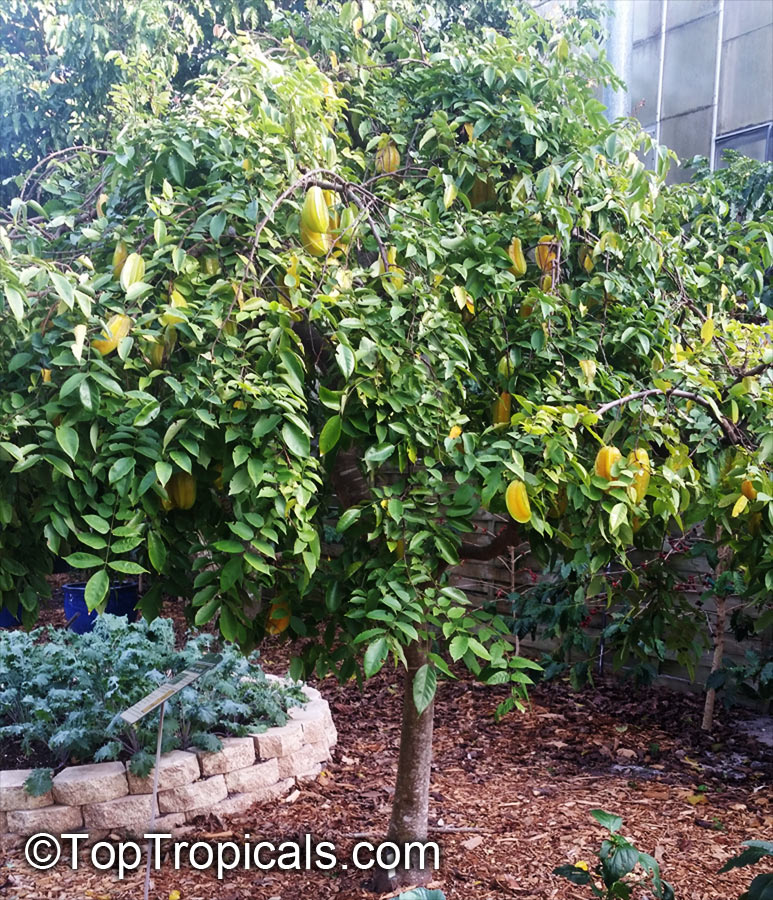
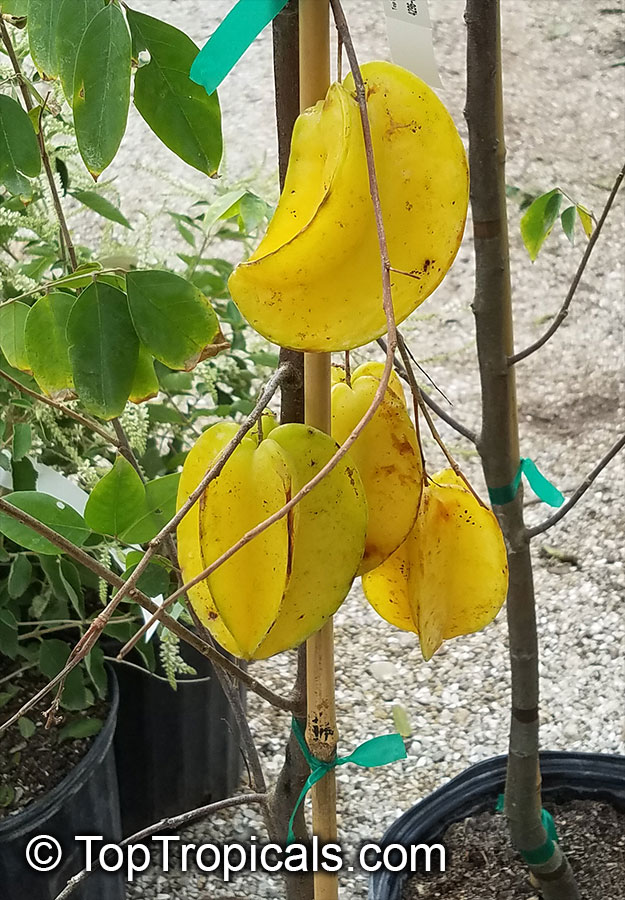
A: Without hesitation, I would strongly suggest a particular variety of carambola (star-fruit) called Dwarf Hawaiian, as it is truly special as tropical fruit trees go. First and foremost, they begin fruiting at a very young age, often while only in a one-gallon pot, and even less than a couple of feet tall with a very little trimming. Better even is that they are perfectly happy living perpetually in a pot. I have one myself which is content in a 12 inch pot and which fruits freely throughout the year. Also, even though it should be too much to be expected, the fruits are of the highest quality and are as sweet as candy. I also like the fact that the fruits hang decoratively on the tiny tree for quite some time before finally ripening, rather like ornaments. One of these little trees in-fruit is an amazing sight and ought to make anyone take notice, especially in a sun-room in Ohio! They really are very easy to grow, and if you have a Meyer's lemon which does well, you'll certainly have no particular issues with a Dwarf Hawaiian carambola.

However, I have found that in order for them to remain extra dwarf and fruit especially precociously, this variety needs to be grafted and not cutting grown. Fortunately, Top Tropicals has recently obtained a number of these extra wonderful grafted trees which are of the highest quality I have seen in some time, all of which will likely begin fruiting very shortly. They simply are wonderful little trees! Check them out...

TopTropicals.com

Date: 27 Jul 2025

💖 What if your next houseplant could make medicine?

Meet Noni, Morinda citrifolia, a tropical tree with deep roots in Polynesian healing. For over 2000 years, it's been used to support health from the inside out: pain relief, immune strength, digestion, skin, joints, energy, and more. And now, you can grow it yourself.

This isn't some fussy rainforest diva. Noni is one of the easiest fruit trees to grow, especially in a pot. It flowers and fruits year-round, even in a 3-gallon container. Indoors, it thrives in bright light and tolerates dry air and skipped waterings. Outdoors in Zone 10+, it's practically unstoppable - fast, forgiving, and constantly flowering and fruiting.

It's also a conversation piece. The glossy leaves can grow over a foot long. The fruit looks like something from another planet! And every part of the plant - fruit, leaves, seeds, even roots - has been used in traditional medicine.

Grow it for health. Grow it for curiosity. Grow it because your ficus never made you juice.

Watch the video

Date: 18 Aug 2025

Step Up Your Plants Before Fall

Tropical  plants  in  containers
Tropical Plants Ready for Repotting

After a busy summer of growth, many potted plants are bursting out of their containers. Now is the perfect time to step them up into a slightly larger pot.

🌱 Why now in August?

Repotting before fall gives roots room to expand, while there’s still warmth for active growth. Plants have time to sprout new shoots, fill out, and build strength before cooler weather slows them down.

✂️ Trim and Shape

This is also your last chance to give plants a light trim. Pinching or cutting back helps them branch, bush out, and get denser — exactly what you want going into fall.

💚 Add Green Magic

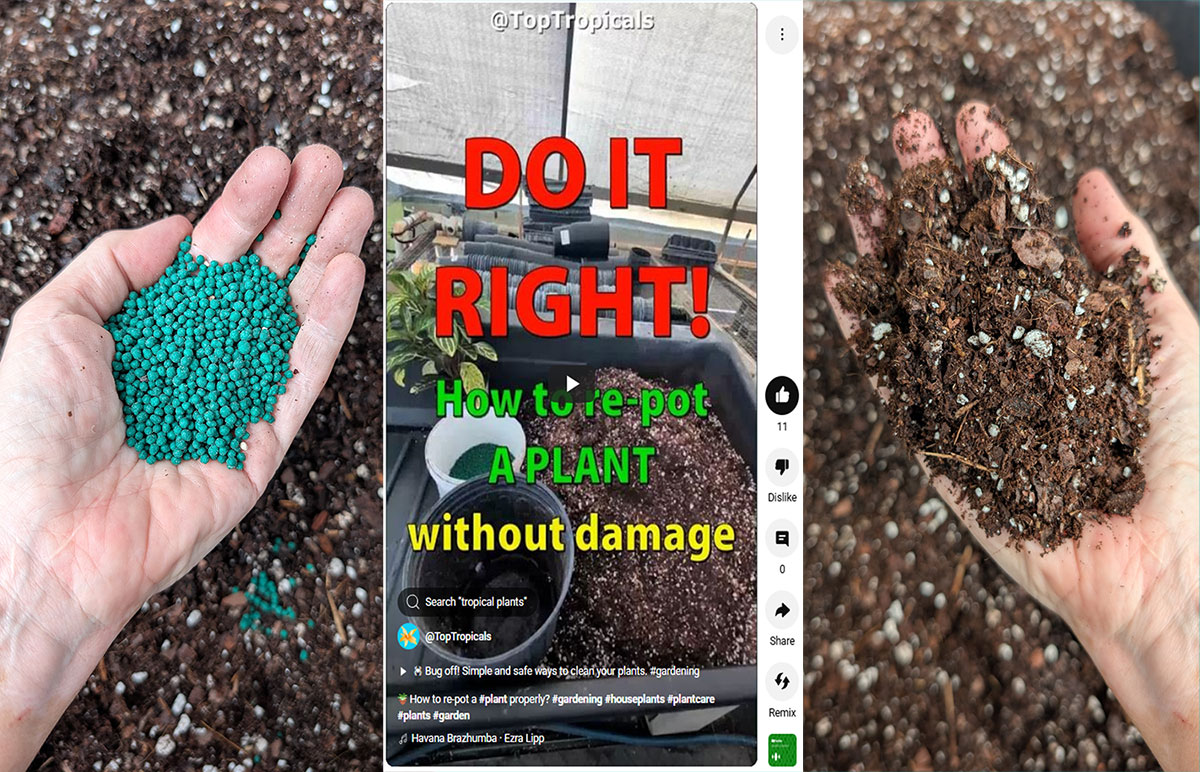
When repotting, mix in Sunshine controlled-release Green Magic fertilizer to reduce transplant stress and boost new root growth. It helps plants settle in quickly and keep thriving.

👉 Watch our on how to step up your plant the right way, then check your pots — some of your summer growers are ready to move up!

⚠️ Important Note on Timing

This advice is for gardeners in warm climates or for anyone who still has at least a month of warm weather left. Tropical plants go dormant when temperatures drop below 75F, so planting in a larger pot at that time may cause root rot — roots stop growing in dormancy, and extra moisture in the soil can lead to rotting.

Repotting,  potting  soil  and  fertilizer

Watch repotting video

How to Repot a Plant Properly

  1. Choose the Right Pot

    Pick a pot just a few inches larger than the old one.

    Make sure it has good drainage — tropical plants hate sitting in water. A pot without drainage holes can cause waterlogging and root rot.

  2. Why plastic pots are better than fancy ceramic

    Ceramic pots may look pretty, but they are heavy, breakable, and often lack proper drainage. Plastic pots are lightweight, easier to handle, and — most importantly — if a plant is root-bound and stuck, you can simply cut the plastic pot to free it without harming the roots. For looks, slip the plastic pot inside a decorative cover pot.

  3. Add Soil and Fertilizer

    Place fresh potting soil at the bottom. Mix in a good fertilizer — we use Sunshine Green Magic.

  4. Remove the Plant

    Why turn it upside down? Gravity helps loosen the plant, and it slides out more easily without tugging.

    Never pull a plant by its head (stems or leaves). That can damage the crown and tear roots.

    If it doesn’t come out easily: lay the pot on its side and gently squeeze or tap the pot to dislodge the soil. If it is really stuck, cut the old pot instead of forcing the plant.

  5. Check the Root System

    If roots are circling tightly (pot-bound), gently untangle or loosen the outside layer so they will grow outward into the new soil.

    Do not shake off or remove old soil from the root ball. Roots have tiny hairs that absorb water and nutrients, and damaging them will set the plant back. Keep the root mass intact and disturb as little as possible.

  6. Set at the Same Level

    Place the plant in the new pot so it sits at the same soil level as before.
    👉 This is important: burying the stem too deep can suffocate it, while setting the plant higher than before may expose roots and cause drying. Keeping the level the same protects the root crown.

  7. Fill and Firm

    Add more soil and fertilizer around the sides. Press lightly around the edges to remove air pockets.

  8. Water Thoroughly

    Give it a deep watering to help roots settle.

  9. Aftercare

    Don’t water again until the top inch of soil feels dry. Freshly repotted plants are vulnerable to soggy soil and root rot if kept too wet.

Watch the video how to repot properly

Shop Garden Supplies

Date: 11 Jan 2019

Growing plumeria from seed

TopTropicals.com

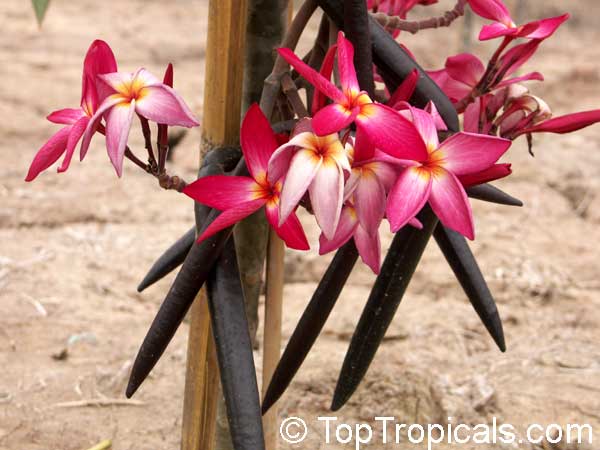
Q: I purchased a Plumeria from your company. It has done quite nicely and now has produced a seed pod. Please forward me information on how to care for it and use the seeds that may be inside to propagate another plant.

A: Wait until seeds are ripe (seed pod turns brownish). Soak seeds overnight. Use only well-drained soil. The ideal mix is Adenium mix that we use for desert roses and Plumerias. Insert the heavy end of seed 1/4" into the soil, leaving feathered end exposed. Place the pot in direct sunlight. Don't allow the soil to completely dry out, but don't let it be soggy. Germination occurs usually within three to four weeks. Do not overwater.

Click for Plumeria and Adenium quick sale - 50% OFF with FREE shipping! Exp. 1/15/19.

Check out our full selection of plumerias - all with FREE shipping!

Date: 2 Nov 2018

Amazing root growth after treatment of SUNSHINE-SuperFood!

TopTropicals.com

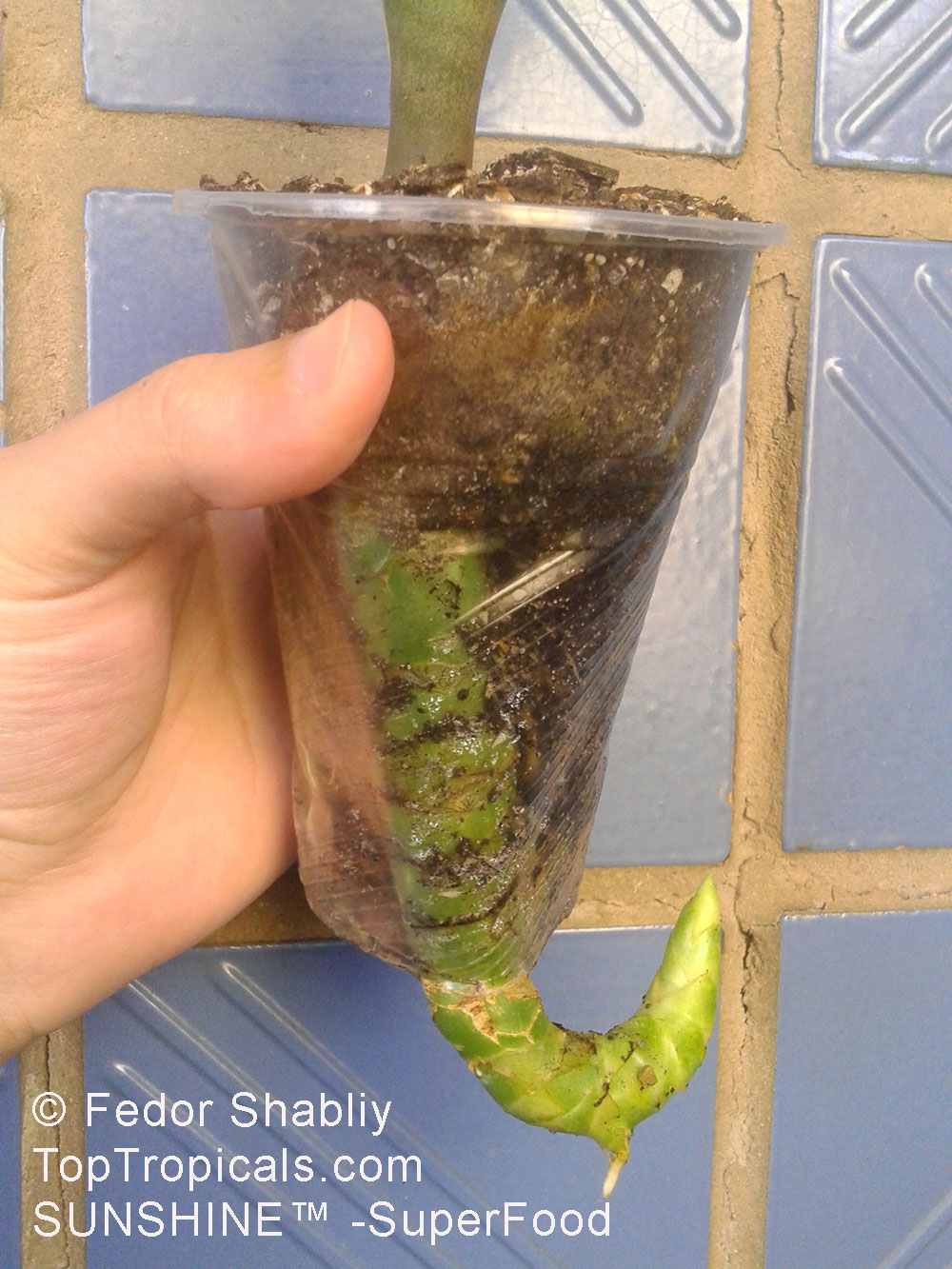
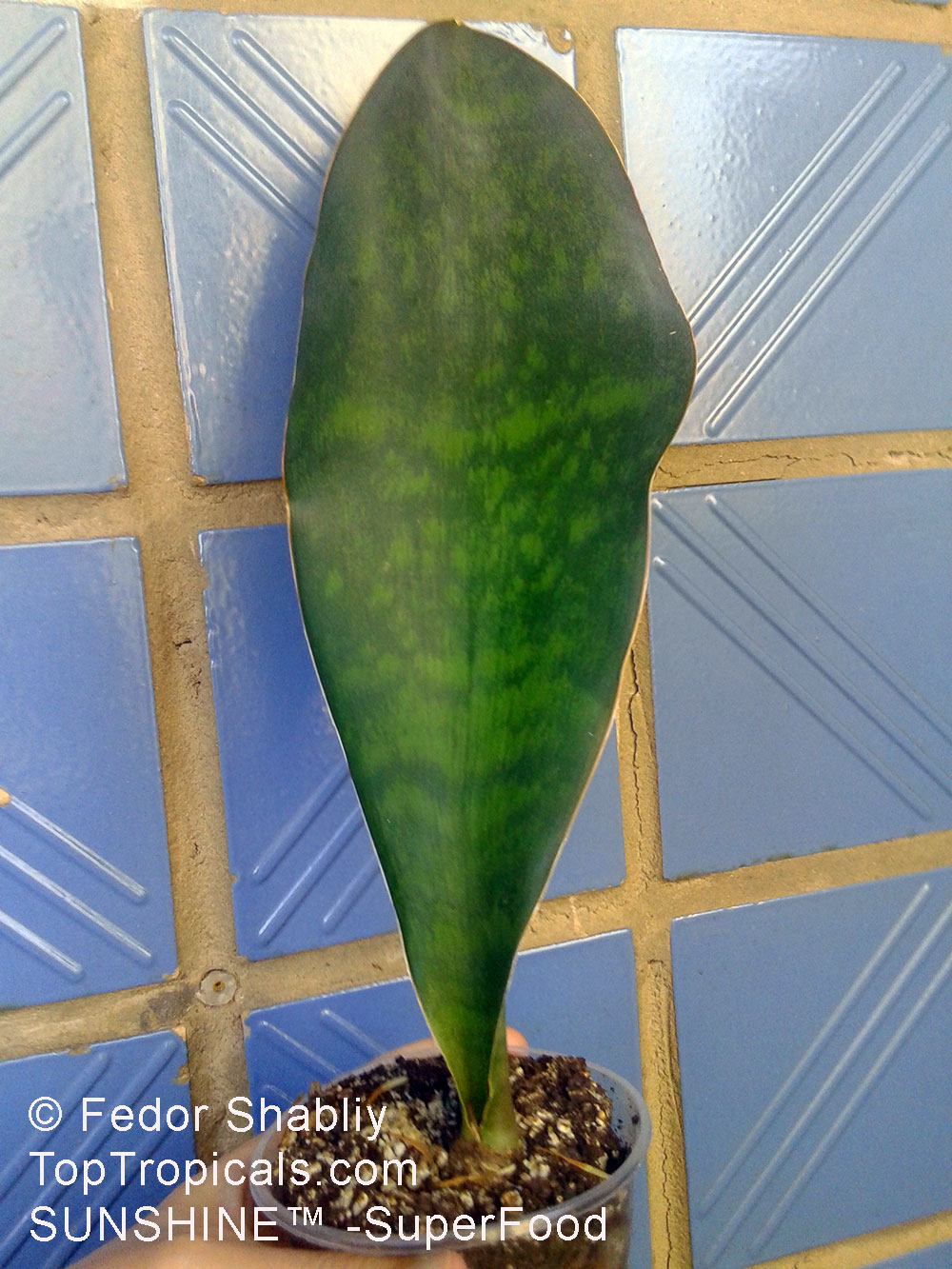
This Sansevieria grandis leaflet planted indoors in a plastic cup was treated with SuperFood once a week, along with regular monthly N-P-K, for a couple of months. On the photo, you actually see not just a ginormous root but a whole new plant started forming through the colossal size root sucker trying to find its way out. A pretty impressive result for a small plastic cup! The cup was protected from the sunlight, sitting inside of a dark planter. The plant received filtered light sitting on a windowsill with Eastern exposure.

Check out SuperFood

TopTropicals.com