Date: 17 Nov 2025
❄️Cold Night Survival Guide
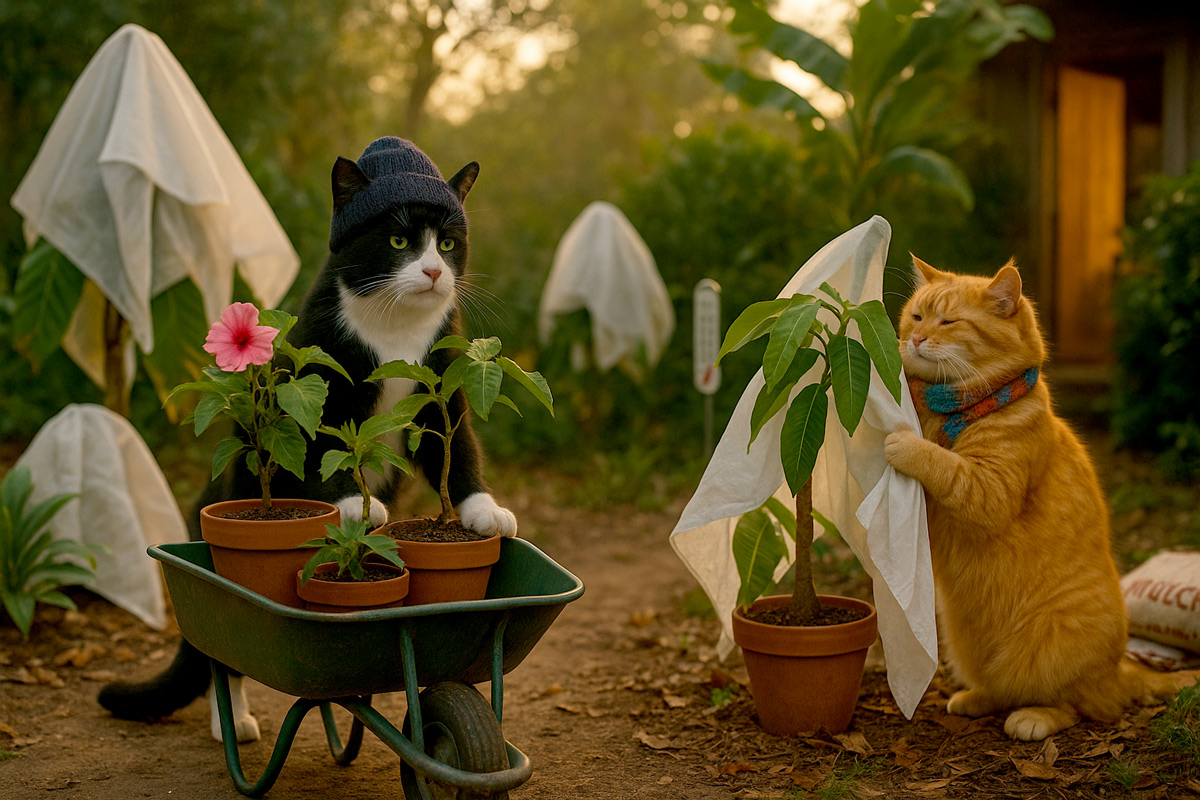
Smokey and Sunshine Prepare Plants for the Cold Night.
Smokey: Come on, Sunshine, help me move these plants inside before it gets
dark!
Sunshine: I am helping... see? I’m supervising the mango
tree.
Smokey: You call that supervising? The frost cloth’s upside down!
When the forecast drops into the 30s, panic is not a plan. This is your simple, clear checklist to protect every tropical in your garden. Think of it as the quick emergency manual that goes hand in hand with the previous cold-weather newsletter.
"We all love our tropical flowers, mangoes, bananas, and rare fruit trees. A single cold night does not have to be a disaster. The key is knowing what to do, when to do it, and what mistakes to avoid." - Tatiana Anderson, Top Tropicals Plant Expert
🌡️ FROST AND FREEZE
A frost and a freeze are not the same. A frost is when you see ice crystals on leaves or grass, while a freeze is when the air temperature drops below 32 F. The tricky part is that you can get frost even when the air is above freezing, and you can have a freeze with no frost at all. It all depends on humidity and the dew point. If the dew point is below freezing, the ground can cool faster than the air, letting frost form even when your thermometer reads 35 or 36 F. And once the air itself drops below 32 F, even for an hour, tender tropicals can be damaged. For plants, a freeze is far more dangerous, because freezing air pulls heat out of stems, branches, and roots. Frost usually burns leaves, but a true freeze can injure wood, kill buds, and damage the entire plant.
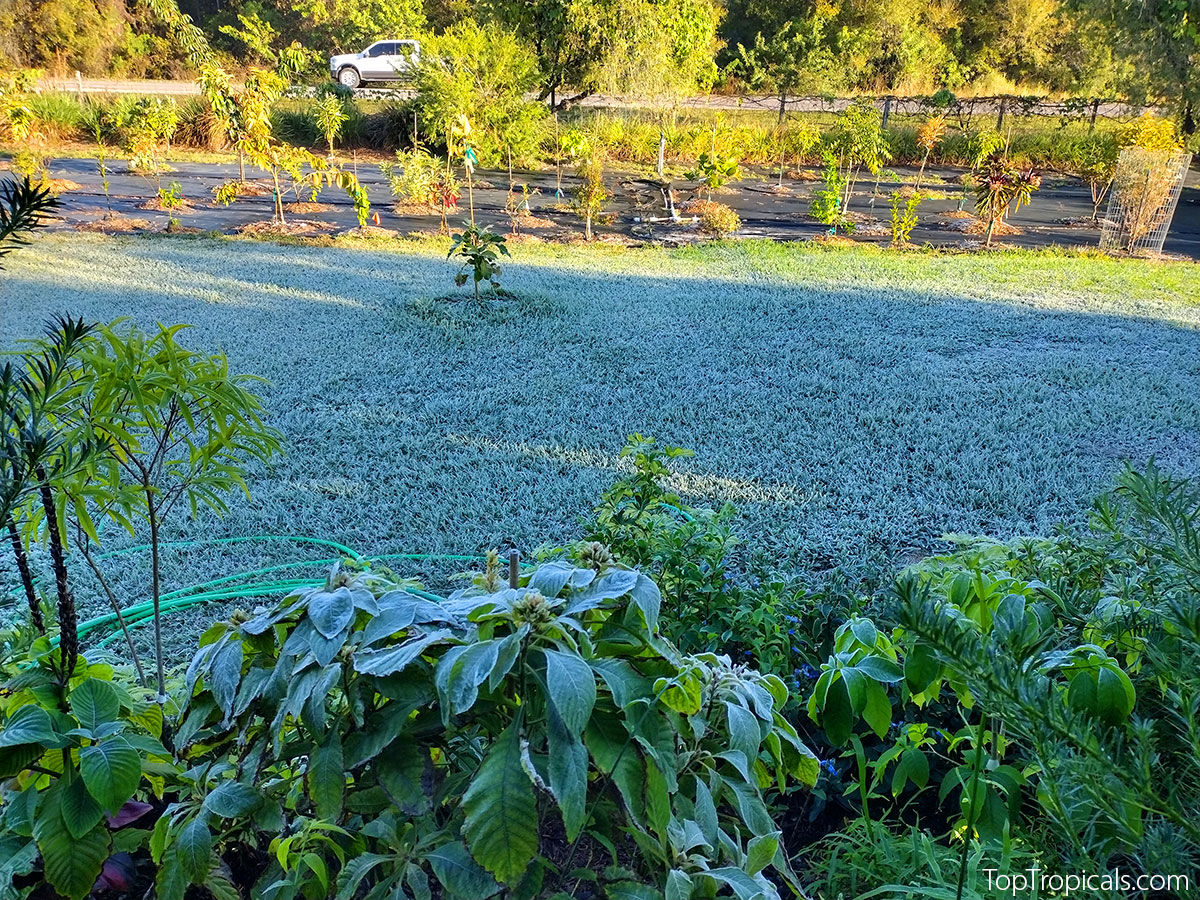
Frost on the grass and leaves on Winter morning in Central Florida
WHAT TO DO AND NOT TO DO BEFORE A COLD SNAP
✔️ 5 THINGS TO DO:
- Water well. Hydrated plants tolerate cold better than dry, stressed ones.
- Add mulch. A thick layer around the base keeps roots warm.
- Block the wind. Move pots to a sheltered corner or patio.
- Cover at night, uncover in the morning. Let plants breathe and get light.
- Add gentle heat if needed. Non-LED Christmas lights or a small old style 15-20W light can raise temps a few degrees.
❌ 5 THINGS NOT TO DO:
- Do not prune or trim. Fresh cuts freeze first.
- Do not overwater. Wet, cold soil invites root rot.
- Do not let plants dry out either. Wilted plants freeze more easily.
- Do not use dry fertilizer. Gentle liquid feeds like Sunshine Boosters are safe to use with every watering: its intake naturally slows down as watering decreases.
- Do not look only at the thermometer. A long, windy night can be worse than a short freeze.
TEMPERATURE ACTION GUIDE (40 to 25 F)
- 40 to 38 F: Move potted plants to shelter, water soil, and cover tender tropicals.
- 37 to 33 F: Use frost cloth and anchor it down so the wind does not lift it.
- 32 to 30 F: Add a heat source like non-LED lights.
- 29 to 25 F: Double-cover sensitive plants, wrap trunks, and protect roots heavily.
COLD TOLERANCE BY PLANT TYPE
Before a cold night, it really helps to know your plant’s exact cold limits. Every species is different, and young plants are always more sensitive than mature ones. Take a few minutes to look up your varieties in our Tropical Plants Encyclopedia — it will tell you the safe temperature range, how much protection each plant needs, and which ones must be covered or moved before the next cold snap hits.
- Bananas: leaf burn below 37 F
- Mango, Annona: hurt around 32 F
- Cold hardy avocados: Mature tree can take about 25 F. Young trees must be protected
- Olives, Citrus, Guava, Jaboticaba: usually OK outside with mulch
QUICK-ACTION TABLE
Before the cold arrives, make yourself a quick list of every plant and what action each one needs. It saves time when temperatures start dropping and keeps you from scrambling in the dark. Check that you have enough frost cloth, blankets, and supplies on hand so you can cover everything without rushing. Planning ahead makes cold nights much less stressful.
- Bring Indoors: Cacao, Bilimbi, Coffee. They need warm, bright light.
- Cover Outdoors: Mango, Jackfruit, Banana, Annona. Use frost cloth, not plastic on leaves.
- Leave Outside: Eugenias, Peaches, Persimmons, Longan, Lychee, Papaya, Citrus, Loquat, Hardy Avocado. Add mulch and monitor overnight lows.
🛒 Check out cold tolerant tropicals
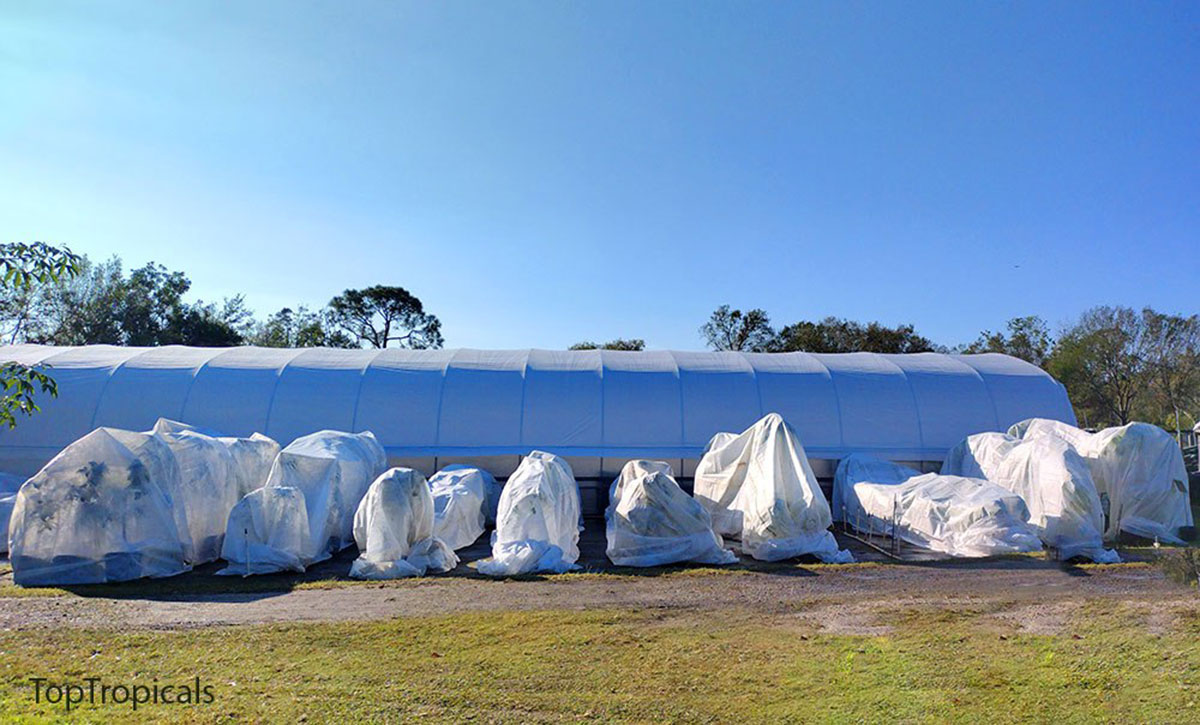
Covering large mango and avocado trees in pots at TopTropicals during cold nights
GADGETS AND TOOLS THAT HELP
- Indoor helpers: LED lights, small heaters, bottom-heat mats, timers.
- Outdoor helpers: frost cloth rolls, mini greenhouses, non-LED Christmas lights or small incandescent lights, smart thermometers.
Always keep electrical safety in mind, especially if you are using extension cords outdoors. Use only weather-rated cords, keep all connections off the ground, and protect plugs from moisture. Make sure heaters and lights are stable, secured, and never touching fabric covers. A few minutes of safety check can prevent a dangerous situation on a cold, wet night.
And if you want to keep plants strong through winter, add Sunshine Boosters to your watering routine. It is gentle, safe in cold weather, and gives plants an extra edge.
AFTER THE COLD PASSES
In the morning, uncover plants. Leaving covers on during the day can trap heat and cook the tender new growth, especially under the sun. The only exception is true frost cloth designed for all-day use, which allows air, light, and moisture to pass through. Regular blankets, sheets, and plastic must come off as soon as the sun rises.
Do not cut anything yet. A plant can look completely dead after a freeze, but many branches are still alive under the bark. Cutting too soon removes wood that would recover on its own. Wait until new growth begins in spring. That is when you can see exactly which branches are truly dead.
Use the scratch test. Gently scratch the bark with your nail or a small knife. If the layer underneath is green, the branch is alive. If it is brown and dry, it is likely dead. But even then, wait until warm weather to be sure, because sometimes only the tips die back while the lower part of the branch survives.
Once the weather stabilizes, resume light feeding. Plants coming out of cold stress need gentle support, not heavy fertilizer. A mild liquid feed like Sunshine Boosters helps them rebuild roots and push new growth without burning tender tissue.
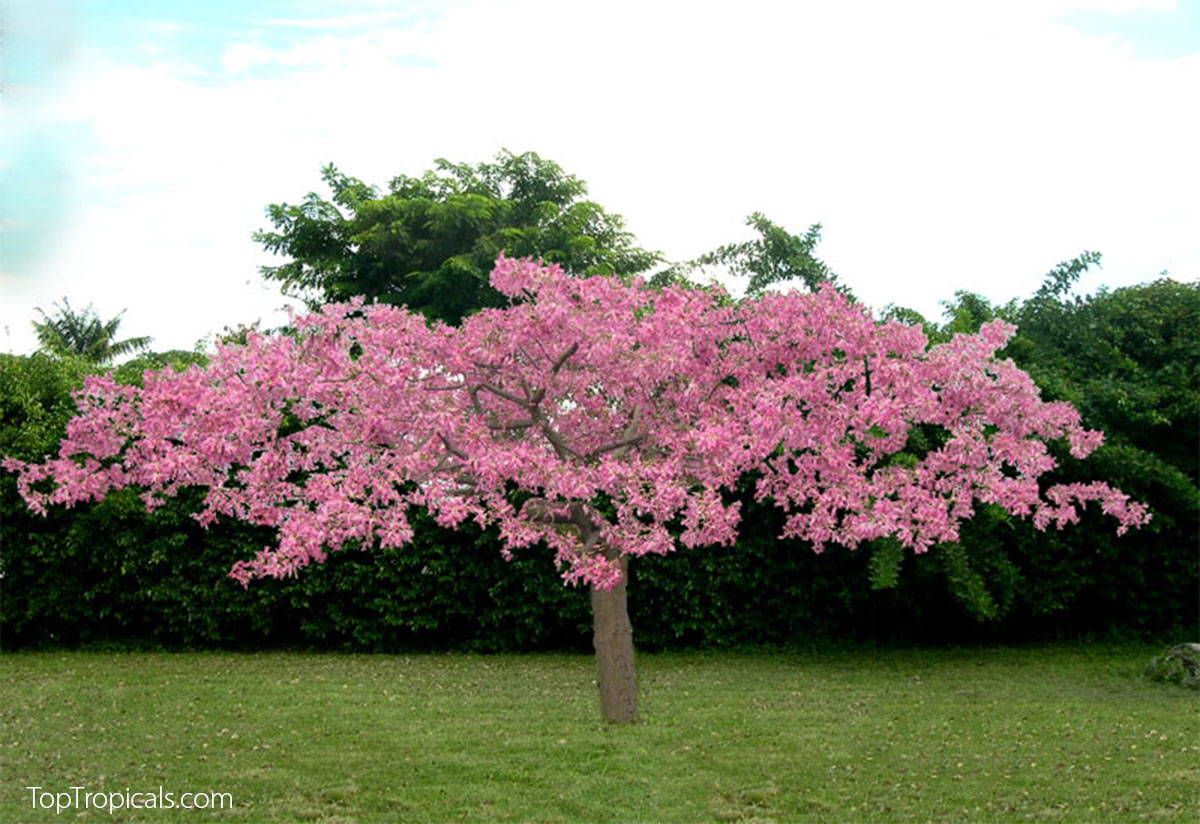
Dwarf Ceiba Pink Princess (Grafted) - a unique compact cultivar covered with pink flowers in Winter. Watch short video: How this breath-taking flowering tree stays so compact.
WHAT NOT TO DO
- Do not prune right after a freeze.
- Do not overwater cold soil.
- Do not fertilize heavily until spring.
- Do not leave covers on in full sun.
CLOSING THOUGHT
Your tropical garden can survive any cold night if you prepare right. Cold snaps always feel stressful in the moment, but once you know your plants, have the right supplies, and follow a simple plan, it becomes routine. A few minutes of preparation before dark can save months of growth and keep your collection healthy all winter.
Frost cloth is the true workhorse of cold protection: it keeps heat in, keeps frost off, and will not suffocate plants the way plastic or blankets can. Having a few rolls ready means you never have to scramble at the last minute. Sunshine Boosters give your plants gentle support during the colder months so they stay strong enough to bounce back quickly when warm weather returns.
A little planning now will pay off in spring, when your mango, banana, citrus, and all your favorite tropicals come back happy and ready to grow.
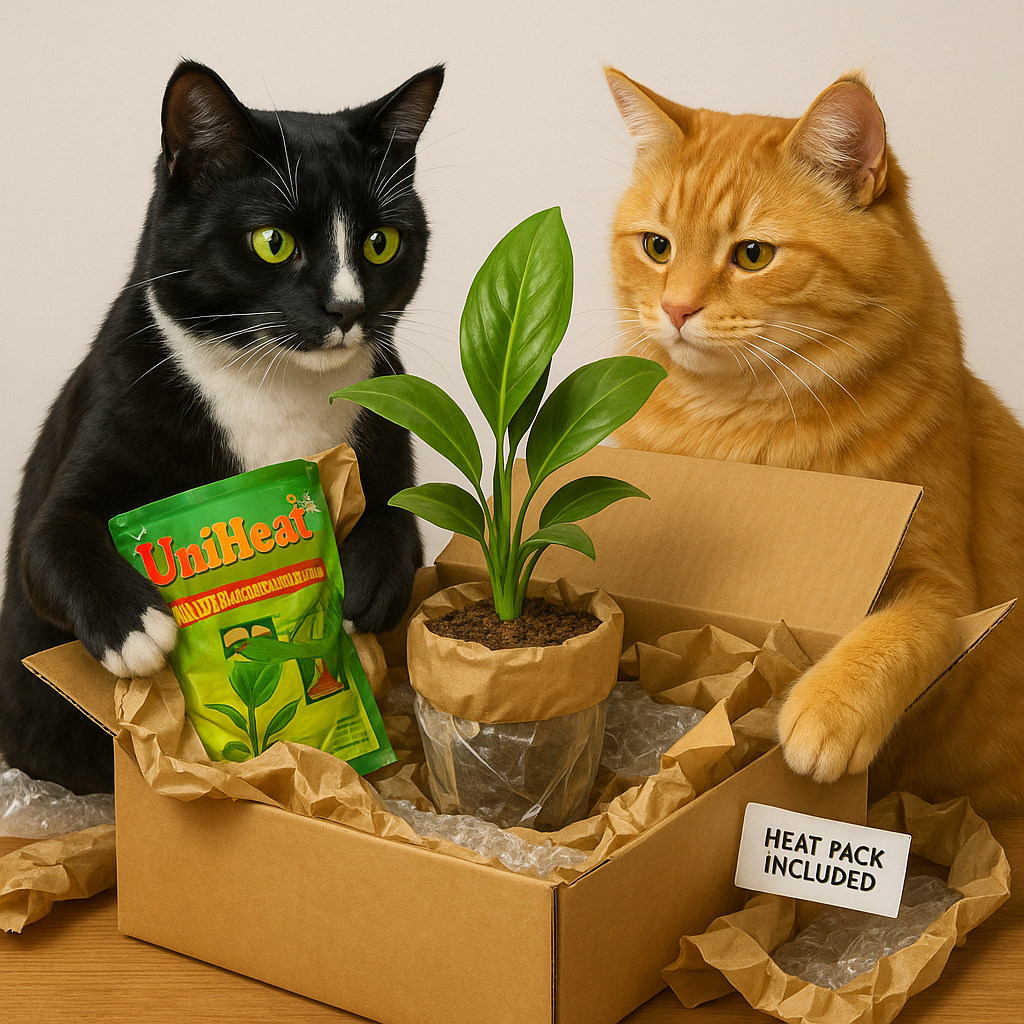
Add Heat Pack to your plant order
Date: 26 Dec 2025
Is it deadly snake? 2025 was the Year of the Snake
Black garden snake
🐍 Is it deadly snake? 2025 was the Year of the Snake...
That scary-looking black garden snake? Totally harmless.
In Florida, most black snakes you see around gardens are Black racer or Black rat snake. They are not poisonous, not deadly, and actually great neighbors.
Black racer - Coluber constrictor
Black rat snake - Pantherophis alleghaniensis
Both are non-venomous, common in Florida gardens, and often mislabeled as "deadly" just because they look bold and move fast.
- ▪️They are actually shy - would rather run than fight
- ▪️Excellent pest control - they eat rats, mice, frogs, and insects
- ▪️Often mistaken for dangerous snakes because they are fast and jet black
- ▪️If you see one, it means your garden ecosystem is healthy
So no, this is not a deadly snake - just a free garden helper doing its job. Let it pass, and it will disappear as fast as it showed up!
📚 Learn more about the passed Year of the Snake:
- Year of the Snake
- 2025: The Year of the Green Wood Snake A Time for Wisdom, Growth, and Renewal
- Green Wooden Dragon's favorite plants
🐈📸 Black garden snake at TopTropicals Bfarm PeopleCats.Garden
#PeopleCats #Horoscope
🟢 Join 👉 TopTropicals
Date: 24 Feb 2026
5 Heart-Shaped Plants Every Gardener Needs This Spring
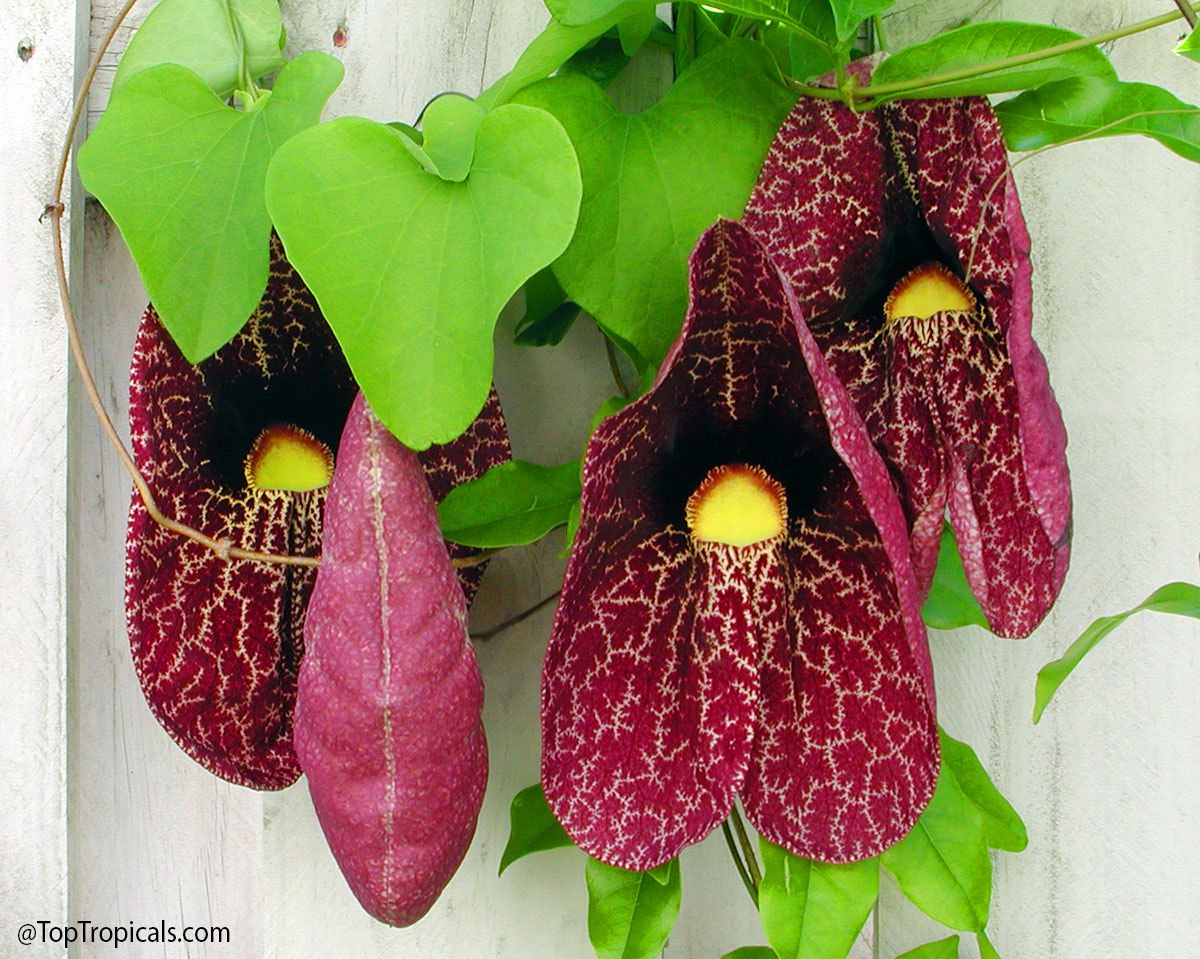
Aristolochia " The "alien" flower that hosts rare butterflies.
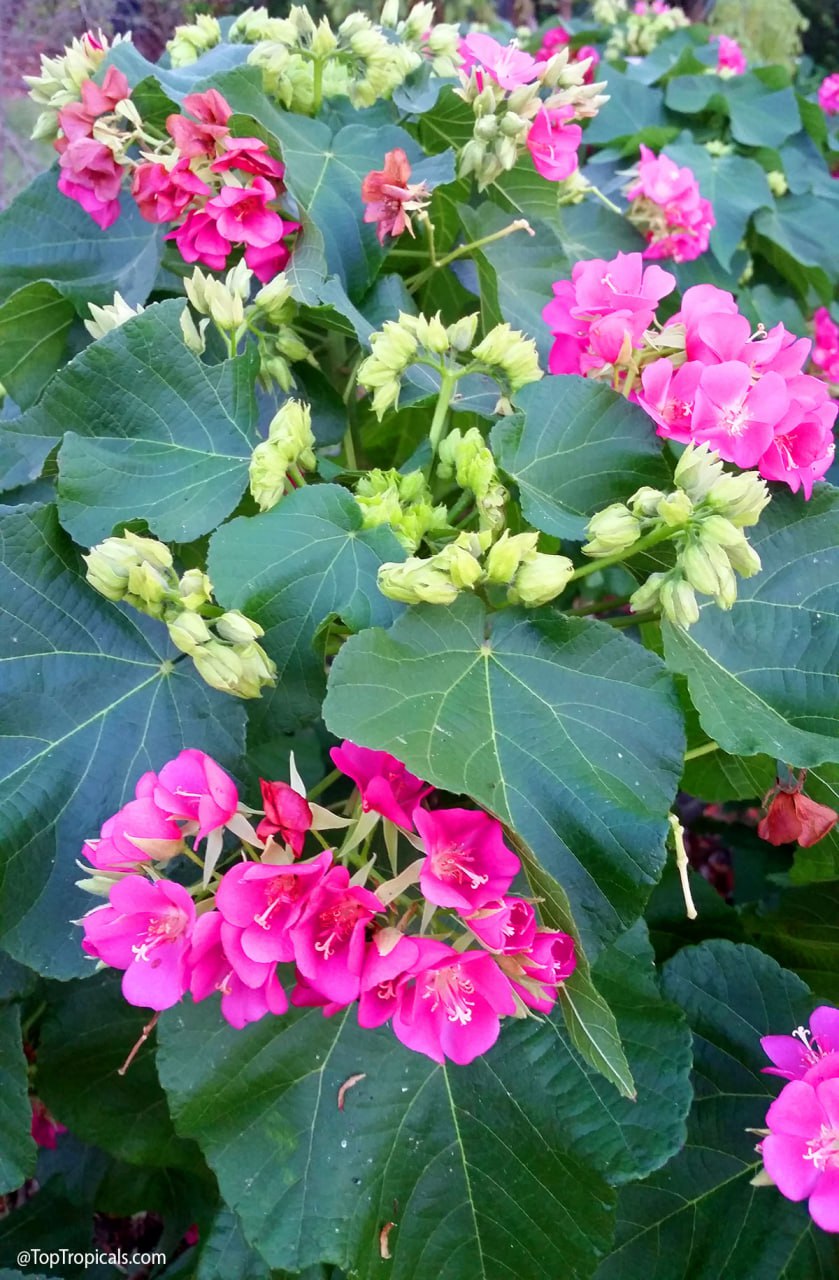
Dombeyaflowers on the bush
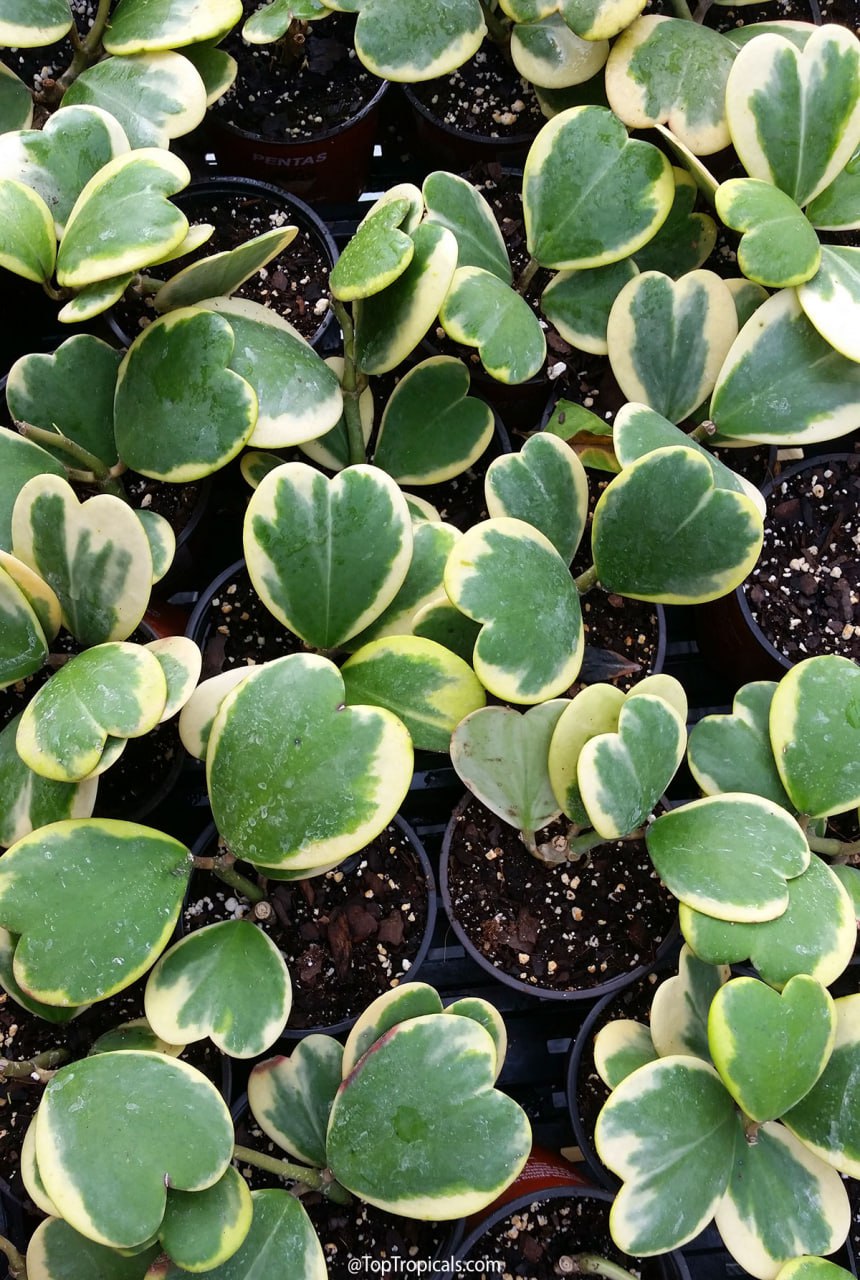
Hoya kerrii Sweetheart Hoya
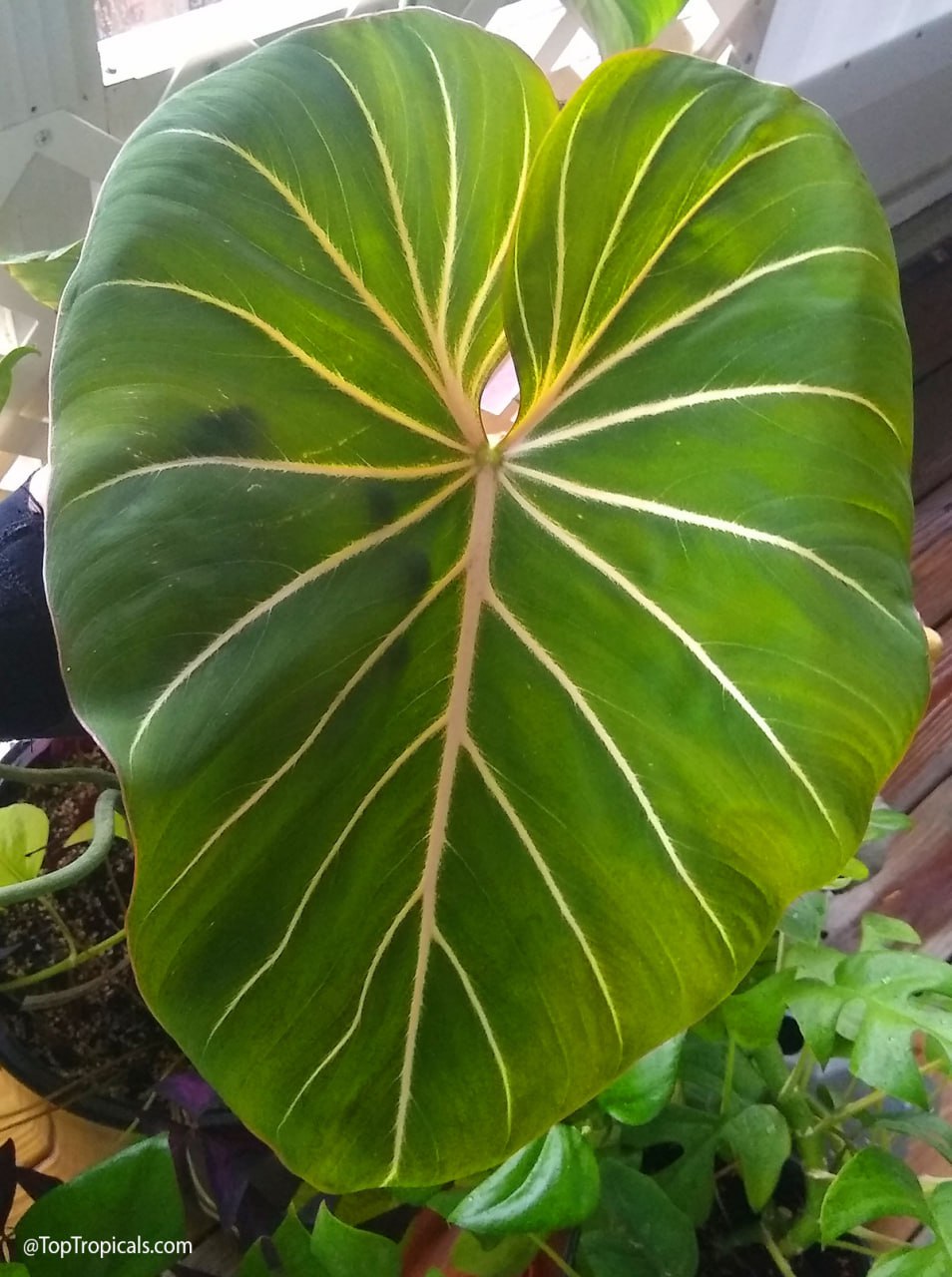
Philodendron leaves
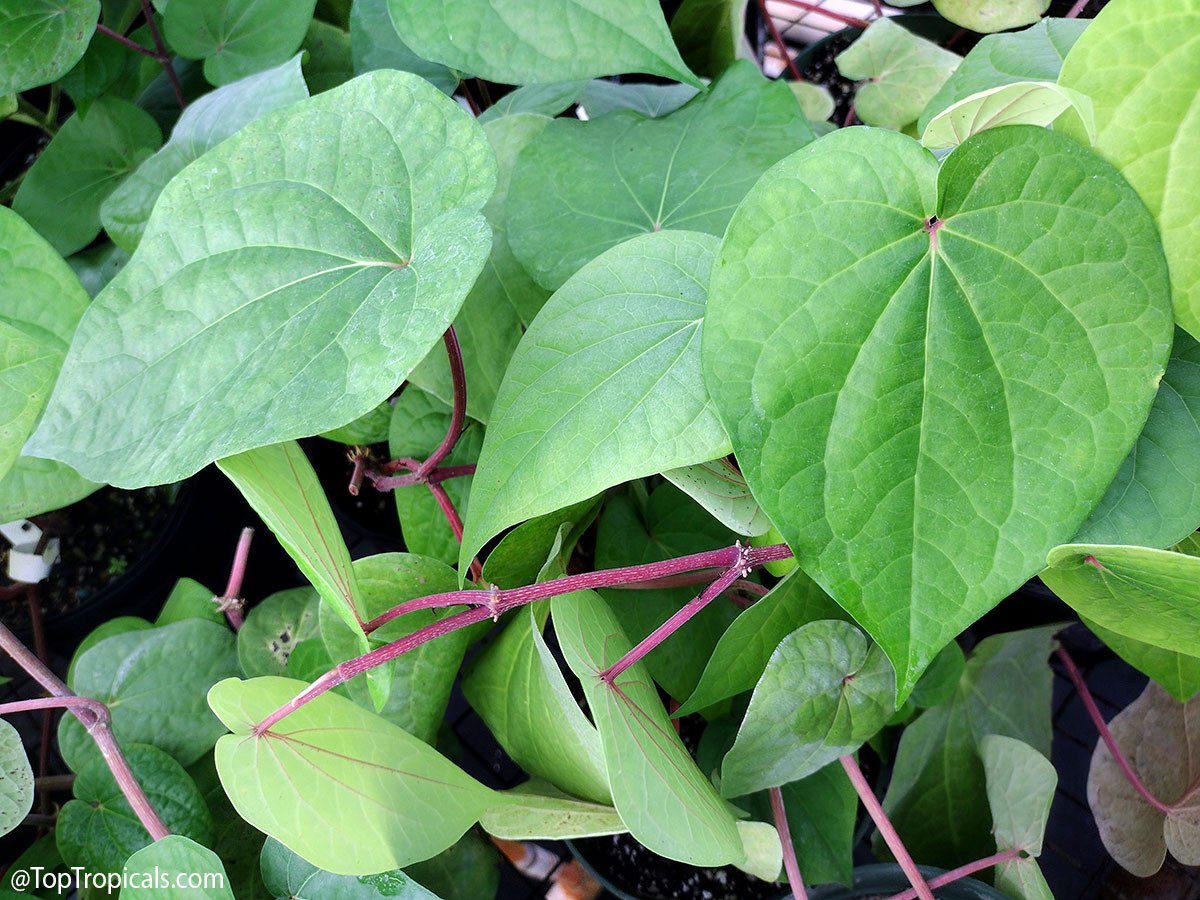
Piper - edible leaves
❣️ Why heart-shaped?
Heart-shaped leaves instantly soften a garden. They feel welcoming, romantic, and just a little bit playful. But if you choose wisely, you will get much more than a cute leaf shape.
Before adding a plant to your collection, look beyond the foliage. Does it flower? Does it attract pollinators? Does it offer edible or fragrant benefits? The right heart-shaped plant can bring beauty, fragrance, butterflies - even flavor - to your landscape all year long.
Here are five plants that truly give your home a little love.
💚 1. Aristolochias - bold leaves and wild flowers
If you want a conversation starter, Aristolochia is the answer. These vines don't just offer bold, oversized heart foliage and produce "alien-looking" blooms that defy garden norms.
· Garden Hack: Use it to create "living shade" on hot west-facing walls to naturally cool your home.
- · Extra benefits: Many species are host plants for Pipevine Swallowtail butterflies, making them essential for pollinator gardens. They grow fast, create dense shade, and can cool down hot garden walls during summer. 👉Explore Aristolochias
💚 2. Dombeyas - winter flowers when little else blooms
Dombeyas bring heart-shaped foliage together with spectacular winter blooms. Their large clusters of pink flowers resemble hydrangeas and appear when many other plants are resting.
Extra benefits: They bloom in the cooler months, feeding bees when nectar sources are limited. These fast-growing shrubs create privacy quickly and fill the air with a light, sweet fragrance during flowering season. 👉Explore Dombeya
💚 3. Hoya kerrii - the living Valentine
Often sold as a single heart-shaped leaf in a pot, Hoya kerrii is known as the Sweetheart plant. But when mature, it becomes a climbing or trailing vine with thick, succulent foliage.
Extra benefits: It is extremely low maintenance, tolerates dry indoor air, and can live for many years. When happy, it produces clusters of star-shaped, lightly fragrant flowers. It is compact enough for desks and shelves, yet long-lived enough to become a true keepsake plant. 👉Explore Heart Hoya
💚 4. Philodendron - classic hearts, endless varieties
If you picture a heart-shaped leaf, you are probably imagining a Philodendron. From deep green to bright chartreuse like Golden Goddess, there is a variety for every style.
Extra benefits: Philodendrons adapt easily to indoor or outdoor growing in warm climates. They help improve indoor air quality, tolerate lower light, and require minimal care. In the garden, they thrive in shade and add a lush tropical feel without demanding constant attention. 👉Explore Philodendrons
💚 5. Piper - beautiful and edible
Many Piper species have attractive heart-shaped leaves, but they offer more than good looks. Some are edible and culturally significant.
Extra benefits: Piper betle and Piper sarmentosum leaves are used fresh in Southeast Asian cuisine, while Piper nigrum gives you real black pepper from your own vine. These plants grow well in warm, humid climates, thrive in partial shade, and combine ornamental appeal with practical harvest. 👉Explore Pipers
💚 Ready to add some 'love' to your landscape?
Heart-shaped foliage is charming, but the real value comes from what these plants give back - flowers in winter, butterflies in spring, edible leaves in summer, or easy indoor greenery all year.
Choose plants that not only look lovely but also work hard in your garden. That way, your landscape is not just pretty - it is alive, useful, and full of personality.
🛒 Discover tropical plants with benefits
📚 Learn more:
- · How to bring butterflies in your garden with Ditchmans Pipe
- · Five steps to everblooming Rose Hydrangea
- · The best Valentine’s Day gift that actually lasts - Sweetheart Hoya
- · The Marble Queen philodendron that thrives on neglect
- · How to grow your own Pepper plants. Five most valuable 'Pipers'.
#Container_Garden #Hedges_with_benefits #Discover
🟢 Join 👉 TopTropicals
Date: 2 Mar 2026
Beyond fruit: how this African tree supports wildlife and garden health
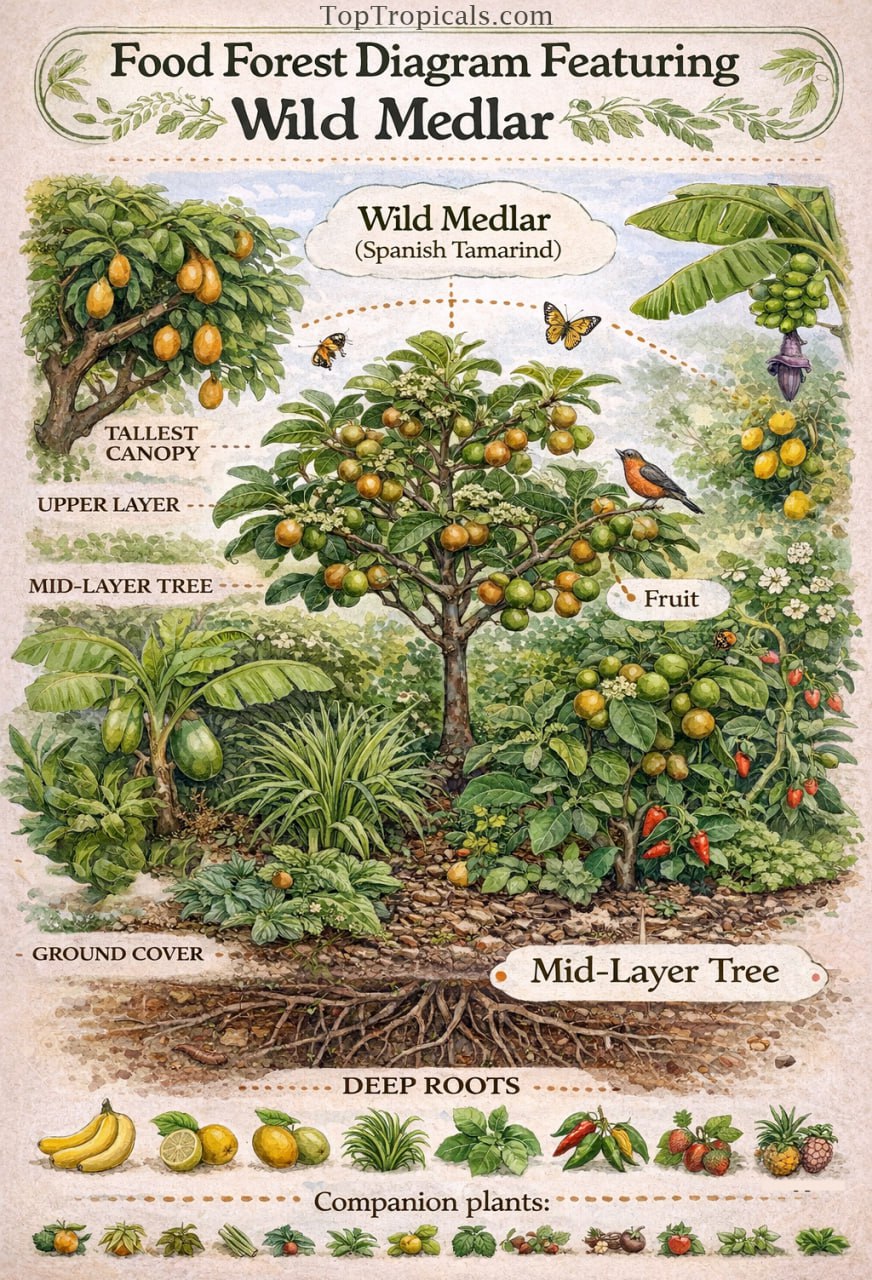
Vangueria infausta - Spanish Tamarind
Vangueria infausta (Spanish Tamarind, Wild Medlar) might win your heart for its sweet-tart fruit and folk medicine magic - but did you know it’s also a quiet hero in the ecosystem? Whether you’re planting a full-blown food forest or just a mixed backyard garden, Vangueria infausta brings more than fruit to the table. It brings balance, beauty, and biodiversity.
🐝 Pollinator power
When in bloom, this tree produces nectar-rich flowers that attract bees, butterflies, and other pollinators. These beneficial insects don’t just help the Wild Medlar fruit - they boost productivity in your entire garden.
If you grow mangos, citrus, guava, or veggies nearby, Spanish Tamarind helps keep the pollinator traffic moving.
🐦 Bird magnet
Birds are big fans of this tree. They nest in its dense branching, snack on overripe fruit, and help spread seeds. In return, they’ll help keep down pests like caterpillars and beetles.
Even in a small garden, one Wild Medlar can be a micro-habitat for birds, insects, and other helpful wildlife.
🌱 Soil stabilizer
With its deep roots and drought-hardy nature, Wild Medlar helps hold soil in place, especially on slopes or rocky patches. It improves drainage and reduces erosion, which makes it a great addition to food forests in challenging spots.
🍂 Natural mulch & green cleanup
The tree drops a modest amount of leaf litter, which breaks down into soft, rich mulch. In a diverse planting, that means fewer weeds, better soil structure, and less watering needed.
🌿 Companion planting & food forest stacking
🛡 Pest and disease resistant
One more bonus: Spanish Tamarind is incredibly low-maintenance. It resists most common pests and doesn’t suffer from fungal issues like many tropical fruit trees do. That means fewer chemicals and more harmony in your garden ecosystem.
✍️ Ready to plant something that gives back?
Think you need more than just another fruit tree? More life. More movement. More meaning in your garden?
Grow Wild Medlar for the fruit - but keep it for everything else it brings. The pollinators. The shade. The quiet medicine. The steady presence that makes your space feel alive.
If you’re building a food forest - or simply want a tree that earns its place every single season - this one doesn’t just sit there. It contributes.
🛒 Plant Spanish Tamarind in your Food Forest for a happy wildlife
📚 Learn more:


#Food_Forest #Discover
🟢 Join 👉 TopTropicals
Date: 20 May 2017
Forget the gym and get to gardening?
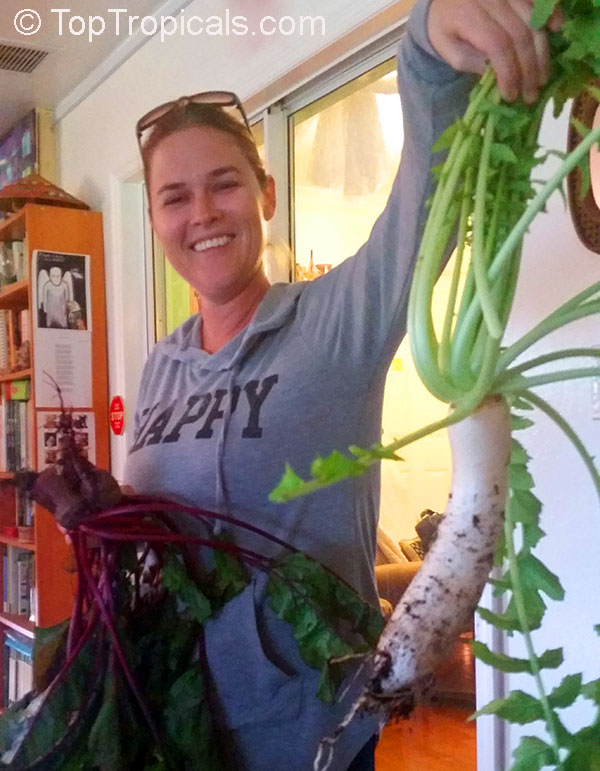
Fun workout? We never have enough time to go to the
gym or do an exercise so it's good to know that just doing something that you
love can give you a workout. We all know that when we are out in the garden
it gives us a bit of exercise but we do not realize how much exactly.
Research says that three hours of gardening can have the same effect as an intense
1-hour gym session. The study was carried out with a group of 100 gardeners who
were asked to monitor the amount of time spent doing a series of common
gardening tasks over a four week period. Gardening tasks that were monitored included weeding, digging, mowing the lawn, hedge trimming, trimming shrubs and trees,
raking, planting shrubs, and moving garden waste using a wheel barrow. Here are some facts and numbers:
- Just doing half an hour weeding can burn up to 150 calories and tasks that handle heavy electrical equipment such as hedge trimming will give you a good workout burning 400 calories per hour.
- Spending a day or five hours each week in the garden will burn up to around 700 calories
- Over a gardening season that works out at 20,000 calories per year, equivalent to running seven marathons
- The gardening hobby could help burn a million calories over a lifetime.
Calories burned with only
1 hour of:
340 cal - Chopping wood, splitting logs, gardening with heavy power tools, tilling a garden, chain saw. Mowing lawn, walk, hand mower. Shoveling by hand.
272 cal - Carrying, loading or stacking wood, loading/unloading or carrying lumber, digging, spading, filling garden, composting, laying crushed rock or sod. Clearing land, hauling branches, wheelbarrow chores.
238 cal - Operating blower, walking. Planting seedlings, shrubs, trees, trimming shrubs or trees, manual cutter. Weeding, cultivating garden.
224 cal - Raking lawn, sacking grass and leaves
136 cal - Picking fruit off trees, picking up yard, picking flowers or vegetables. Walking, gathering gardening tools.
102 cal - Walking, applying fertilizer or seeding a lawn
34 cal - Watering lawn or garden, standing or walking

Radio Top Tropicals Live
Webcast upcoming event: Saturday May 20, at 11 am EST.
Topic: Come Ride My Peninsula! Discusses the REAL Florida. Our plants, the Everglades, how all of the wonderful plants Top Tropicals has to offer are grown in South Florida.
Our Host Robert Riefer - Internationally Certified Crop Adviser and Weed Scientist - answering all your gardening questions.
Listen to Radio Top Tropicals, every
Saturday, at 11 am EST! You may use our website radio player DURING AIR TIME. To ask questions using live chat, you need to log in
at Mixlr.com or simply
call our office 239-887-3323 during air time!
If you missed a live webcast, you may listen to recording by following Showreel item link.
Check out our upcoming radio shows